Facebook

Blog

  • Universal Monsters Marathon – An Introduction

    Universal Monsters Marathon – An Introduction

    [et_pb_section fb_built=”1″ admin_label=”section” _builder_version=”3.22″][et_pb_row admin_label=”row” _builder_version=”3.25″ background_size=”initial” background_position=”top_left” background_repeat=”repeat”][et_pb_column type=”4_4″ _builder_version=”3.25″ custom_padding=”|||” custom_padding__hover=”|||”][et_pb_text _builder_version=”4.6.5″ hover_enabled=”0″ sticky_enabled=”0″]

    Horror is considered one of the oldest genres in film history, some of the earliest films being centered around horror. However, the 1930s through the 1940s are known to be something of a golden era in horror film history. It was during this time that Universal Studios started churning out tons of now-iconic horror films that were instant hits. They adapted classic literature from Bram Stoker, Mary Shelley, H. G. Wells, and Victor Hugo, though with some liberties taken. These films made stars out of their monsters played by actors like Bela Lugosi, Boris Karloff, and Lon Chaney, Jr. From 1931 to roughly 1956, these movies gave us some of the most legendary monsters ever shown on film. For October, we’ll be covering these movies, from the 1931 Dracula, up to 1956’s The Creature Walks Among Us. So, join us for FilmNerd’s Universal Monsters Marathon!

    [/et_pb_text][/et_pb_column][/et_pb_row][/et_pb_section]

  • A Clockwork Orange (1971)

    A Clockwork Orange (1971)

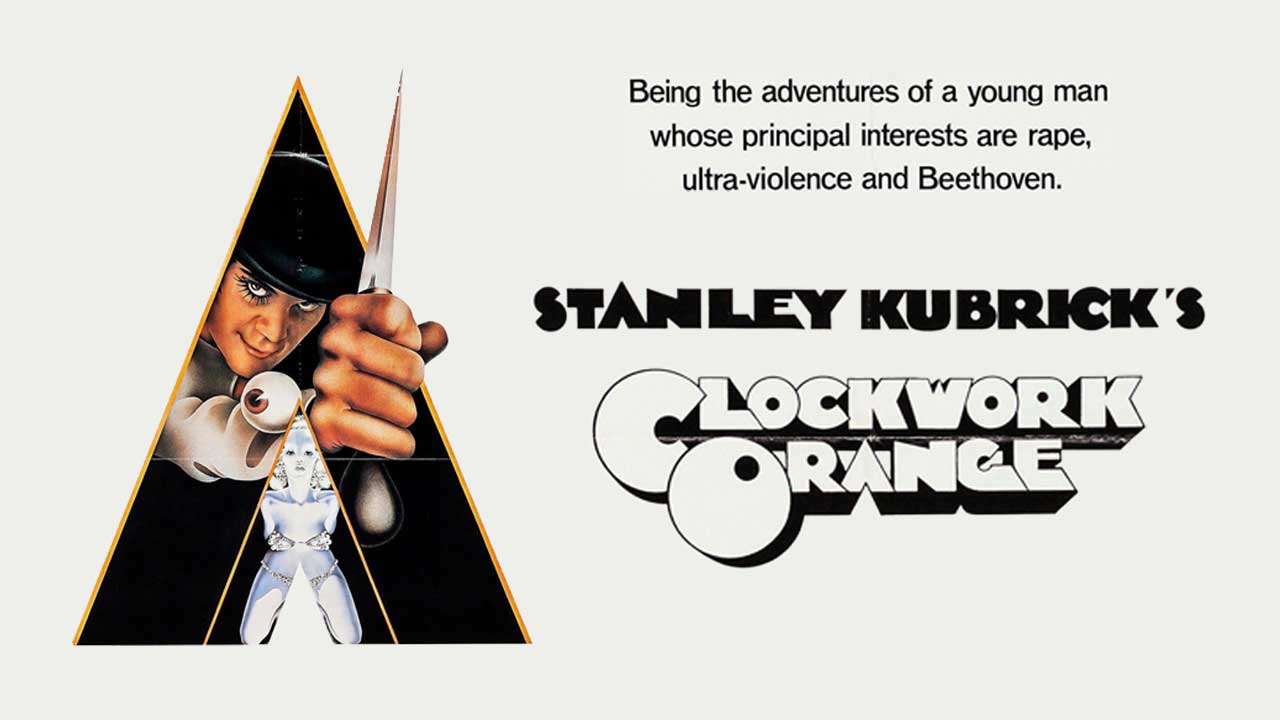
    [et_pb_section fb_built=”1″ fullwidth=”on” _builder_version=”4.16″ _module_preset=”default” custom_margin=”||||false|false” global_colors_info=”{}”][et_pb_fullwidth_header title=”Special Review” subhead=”This review was requested by Discord user Vault_Stray. If you’d like to join the server, click the button below.” text_orientation=”center” button_one_text=”Visit Discord” button_one_url=”https://discord.gg/sKBSX7u” background_overlay_color=”#8300E9″ _builder_version=”4.16″ _module_preset=”default” custom_margin=”||||false|false” custom_padding=”25px||25px||false|false” global_colors_info=”{}”][/et_pb_fullwidth_header][/et_pb_section][et_pb_section fb_built=”1″ _builder_version=”4.16″ _module_preset=”default” global_colors_info=”{}”][et_pb_row column_structure=”2_3,1_3″ _builder_version=”4.16″ _module_preset=”default” global_colors_info=”{}”][et_pb_column type=”2_3″ _builder_version=”4.16″ _module_preset=”default” global_colors_info=”{}”][et_pb_text _builder_version=”4.16″ _module_preset=”default” global_colors_info=”{}”]On a budget of $10.5-12 million, 2001: A Space Odyssey made $146 million worldwide, though it received some mixed reviews. Over time, the film received tons of critical praise and is now considered a landmark in cinematic history. For his next project, Kubrick decided he’d try his hand at directing something for a relatively low budget. While working on Dr. Strangelove, Kubrick was given a copy of Anthony Burgess’ A Clockwork Orange by co-writer Terry Southern. Though initially rejecting it because he didn’t understand the book’s slang called “nadsat”, Kubrick decided to adapt it to film. With the rising New Hollywood movement in the late 60s, films dealing with sexuality and rebellion were being made. What Kubrick didn’t realize was that he’d gone on to make one of the most controversial films of all time. Between 1971 and 1972, Stanley Kubrick’s A Clockwork Orange was released to theaters worldwide.

    [/et_pb_text][/et_pb_column][et_pb_column type=”1_3″ _builder_version=”4.16″ _module_preset=”default” global_colors_info=”{}”][et_pb_circle_counter title=”Rating” number=”100″ bar_bg_color=”#7CDA24″ _builder_version=”4.16″ _module_preset=”default” global_colors_info=”{}”][/et_pb_circle_counter][/et_pb_column][/et_pb_row][et_pb_row _builder_version=”4.16″ _module_preset=”default” global_colors_info=”{}”][et_pb_column type=”4_4″ _builder_version=”4.16″ _module_preset=”default” global_colors_info=”{}”][et_pb_text _builder_version=”4.27.2″ _module_preset=”default” hover_enabled=”0″ global_colors_info=”{}” sticky_enabled=”0″]

    Synopsis

    In a not-so-distant future Britain, Alex DeLarge (Malcolm McDowell), and his “droogs” go out for a night of “ultra-violence”. They beat up an old drunkard, fight a rival gang, and break into a couple’s home to rape and pillage. However, Alex’s droogs start expressing doubts about the small scores and want to go after something bigger than petty crime. Alex shows his dominance by beating up his droogs, who agree to go break into a cat lady’s home. In the process, Alex accidentally murders the cat lady and his abandoned by his droogs before the police arrive. He’s sentenced to 14 years, but Alex soon learns of an experimental treatment that might get him released early. Known as the “Ludovico Treatment”, it essentially forces someone to do good by being repulsed from doing evil. Alex is released from prison, only to suffer the consequences for his past.


    Review

    Though certainly debatable, A Clockwork Orange might just be Stanley Kubrick’s best film, if not one of his best. As usual, Kubrick’s direction is phenomenal, creating some of the most iconic imagery of his career using color and shadow. The editing also helps accentuate certain scenes, whether it’s the fast motion threesome scene or the slow-motion fight scenes. They also make great use of the real on-set locations, most notably the dilapidated apartment building and the city streets. These locations give the environments a gritty, grimy, and lived-in quality you don’t see in many films today. It’s interesting seeing the contradiction between these and the more sterile look of the couple’s home and Alex’s apartment. While there are plenty of static shots and more slow-moving scenes, the pacing never drags or grinds to a halt. Every scene, no matter what, has something to grab your attention.

    At the heart of it all is the lead performance from Malcolm McDowell as the sinister yet charming Alex. With his boyish charm, quick wit, and sharp dialogue, you honestly start rooting for him despite his actions. He’s always having fun committing such horrific acts, like performing “Singin’ in the Rain” during a rape scene. After he goes through the treatment and suffers the consequences of his actions, you actually start sympathizing with him. In anyone else’s hands, this would’ve failed, but with Kubrick’s directing and McDowell’s acting, it works incredibly well. Of course, that’s not to say the rest of the acting is bad, but it gets overshadowed by McDowell’s performance. Some of the other noteworthy actors include Patrick Magee, Philip Stone, Steven Berkoff, Miriam Karlin, and even David Prowse. These and the rest of the cast all have their moments to shine, even if eclipsed by McDowell.

    Compared to the book, the film version of A Clockwork Orange does stay faithful to the source material. However, there are scenes from the book not in the movie, particularly the last chapter of the book is omitted. Even still, this film touches on themes of free will, right and wrong, and how people can be manipulated. Alex manipulates his droogs to do his bidding, the government manipulates Alex into being a mindless drone, and so on. It’s a very challenging film, which can put off many viewers who may not understand or accept the message. Though tame by today’s standards, A Clockwork Orange was accused of inciting masses of young people to commit crimes. While that issue goes much deeper than that, it shows how powerful of a film this was and still is. Overall, A Clockwork Orange is an entertainingly shocking film that’s a must-watch for cinephiles.


    Buy A Clockwork Orange from Amazon: https://amzn.to/40wwLut.

    Disclosure: The above link is an affiliate link, which means that, at zero cost to you, I will earn a commission if you click through the link and finalize a purchase.

    [/et_pb_text][/et_pb_column][/et_pb_row][/et_pb_section]

  • Class of Nuke ‘Em High (1986)

    Class of Nuke ‘Em High (1986)

    [et_pb_section fb_built=”1″ _builder_version=”4.16″ _module_preset=”default” global_colors_info=”{}”][et_pb_row _builder_version=”4.27.5″ _module_preset=”default”][et_pb_column _builder_version=”4.27.5″ _module_preset=”default” type=”4_4″][et_pb_video _builder_version=”4.27.5″ _module_preset=”default” src=”https://youtu.be/4w7eI6X7cEc” hover_enabled=”0″ sticky_enabled=”0″][/et_pb_video][/et_pb_column][/et_pb_row][et_pb_row column_structure=”2_3,1_3″ _builder_version=”4.16″ _module_preset=”default” global_colors_info=”{}”][et_pb_column type=”2_3″ _builder_version=”4.16″ _module_preset=”default” global_colors_info=”{}”][et_pb_text _builder_version=”4.16″ _module_preset=”default” global_colors_info=”{}”]

    On a budget of $500,000, The Toxic Avenger was a hit upon release, grossing $800,000 and receiving mostly favorable reviews. The film was also a hit on home video, which helped to put Troma on the map as an independent. Following the success, co-founder and president Lloyd Kaufman decided that this is the direction that Troma should take moving forward. For their next project, they hired Richard W. Haines, who recently wrote and directed the horror-comedy Splatter University. He and Kaufman would team up to tell another story surrounding nuclear waste, but this time set in high school. Perhaps taking inspiration from Mark L. Lester’s Class of 1984, they decided to inject some blood, boobs, and crude humor. Hell, they even added “Class of” to the title to trick people into thinking they were seeing Lester’s film. In any case, 1986 saw the release of Class of Nuke ‘Em High.

    [/et_pb_text][/et_pb_column][et_pb_column type=”1_3″ _builder_version=”4.16″ _module_preset=”default” global_colors_info=”{}”][et_pb_circle_counter title=”Rating” number=”80″ bar_bg_color=”#7CDA24″ _builder_version=”4.16″ _module_preset=”default” global_colors_info=”{}”][/et_pb_circle_counter][/et_pb_column][/et_pb_row][et_pb_row _builder_version=”4.16″ _module_preset=”default” global_colors_info=”{}”][et_pb_column type=”4_4″ _builder_version=”4.16″ _module_preset=”default” global_colors_info=”{}”][et_pb_text _builder_version=”4.27.5″ _module_preset=”default” global_colors_info=”{}”]

    Synopsis

    In the city of Tromaville, the local nuclear power plant springs a leak that seeps into the nearby high school. The radiation starts affecting the students, turning the preppy honor roll into a gang of vile and malicious Cretins. Lovebirds Warren (Gil Brenton) and Chrissy (Janelle Brady) are the only ones who suspect something, but no one seems concerned. Warren’s friend Eddie (James Nugent Vernon) scores some weed from the Cretins, who promise him it’ll provide an “atomic high”. At an indoor bikini party, Eddie gets Warren and Chrissy to smoke it, which leads to them making love. They end up having vivid hallucinations, Warren starts killing the Cretins, and Chrissy vomits a small creature into a toilet. As Spike (Robert Prichard), the Cretins leader, plans his attack on the school, something is lurking and on the prowl. Just what’s going on at Nuke ‘Em High?


    Review

    If The Toxic Avenger put Troma on the map, Class of Nuke ‘Em High solidified their image in independent cinema. Much like their previous film, this one revels in the blood, boobs, and gross-out humor to near excessive levels. Also, similar to Toxie, this has that same slapdash, rebellious nature to it, which makes it feel even more independent. For as low as the budget is, many of the effects are well-done, especially the melting and creature effects. There are some optical effects thrown in, especially during the hallucination scenes, though these are few and far between. Admittedly, parts of the movie feel isolated from each other, like they’re random scenes stitched together without any connective tissue. Like Toxie, some scenes are pure Troma chaos, but there are tons of filler scenes in between that drag. Honestly, the quote on quote plot doesn’t really pick up until 20 minutes in.

    The acting is about on par with The Toxic Avenger: intentionally silly and exaggerated performances with actors making ridiculous faces. The Cretins, in particular, are the most over-the-top and are having fun playing such colorful villains with unique designs. Brenton and Brady fit the role of the archetypal high school couple, and Vernon works as the comedic relief. It’s interesting seeing Prichard and Gary Schneider playing reverse roles from the characters they played in The Toxic Avenger. Going back to the film’s slapdash nature, one negative aspect is that the editing sometimes comes off as choppy. Troma films are known for being chaotic, but the slightly disjointed editing can make it difficult to know what’s happening. On a final note, the soundtrack is great, filled with some really catchy rock songs including the title song. Overall, Class of Nuke ‘Em High is another enjoyable entry in Troma’s cinematic library.


    Buy Class of Nuke ‘Em High from Amazon: https://amzn.to/4rcckgL.

    Disclosure: The above link is an affiliate link, which means that, at no additional cost, I will earn a commission if you click through the link and make a purchase.

    [/et_pb_text][et_pb_code _builder_version=”4.27.5″ _module_preset=”default” global_colors_info=”{}”]

    Where to watch Class of Nuke ‘Em High (1986)

    data-api-key=”LMVDLdLSH5ZJnQ4FMGMgyJCB8cmGbfCV” data-object-type=”Movie” data-title=”Class of Nuke ‘Em High” data-year=”1986″ data-theme=”light”>

    [/et_pb_code][/et_pb_column][/et_pb_row][/et_pb_section]

  • Parasite 3D (1982)

    Parasite 3D (1982)

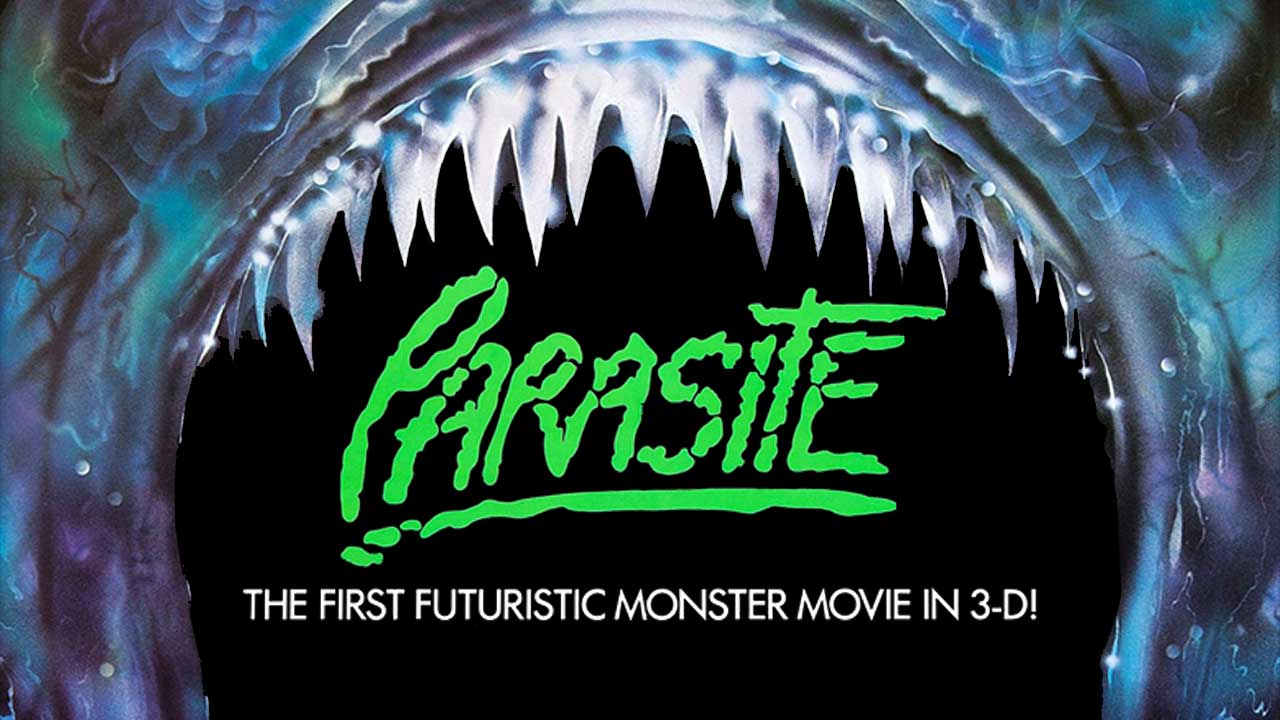
    [et_pb_section fb_built=”1″ _builder_version=”4.16″ _module_preset=”default” global_colors_info=”{}”][et_pb_row column_structure=”2_3,1_3″ _builder_version=”4.16″ _module_preset=”default” global_colors_info=”{}”][et_pb_column type=”2_3″ _builder_version=”4.16″ _module_preset=”default” global_colors_info=”{}”][et_pb_text _builder_version=”4.16″ _module_preset=”default” global_colors_info=”{}”]In the late 1970s, Alan J. Adler, inspired by Star Wars, moved out to Hollywood to pursue a screenwriting career. He was soon introduced to writers Michael Shoob and Frank Levering, and they started working on a low-budget monster movie. Adler managed to work out a deal with Charles Band, who got funding through Embassy Pictures and producer Irwin Yablans. Having worked together on Tourist Trap, Yablans agreed to a $1 million budget for the film and Band directing. At some point, a decision was made to shoot the film in 3D, which hadn’t been done in 20 years. Special effects artist Stan Winston, who previously worked with Band on Mansion of the Doomed, designed the creature effects. Working with a small cast and crew, they made what became the first major American 3D movie in decades. Finally, in March of 1982, Parasite 3D was released to theaters.

    [/et_pb_text][/et_pb_column][et_pb_column type=”1_3″ _builder_version=”4.16″ _module_preset=”default” global_colors_info=”{}”][et_pb_circle_counter title=”Rating” number=”75″ bar_bg_color=”#EDF000″ _builder_version=”4.16″ _module_preset=”default” global_colors_info=”{}”][/et_pb_circle_counter][/et_pb_column][/et_pb_row][et_pb_row _builder_version=”4.16″ _module_preset=”default” global_colors_info=”{}”][et_pb_column type=”4_4″ _builder_version=”4.16″ _module_preset=”default” global_colors_info=”{}”][et_pb_text _builder_version=”4.27.2″ _module_preset=”default” hover_enabled=”0″ global_colors_info=”{}” sticky_enabled=”0″]

    Synopsis

    In 1992, an organization called The Merchants controls the US government following a nuclear disaster that’s wiped out almost everything. Dr. Paul Dean (Robert Glaudini) was hired by The Merchants to create a parasite to help control the overpopulation. He manages to destroy almost all the parasites once he learns what The Merchants are up to, but gets infected. Dean is now on the run, trying to find a cure for the parasite growing inside him before he dies. Meanwhile, Merchant agent Mr. Wolf (James Davidson) is hunting after Dean because he stole one of the last parasites. While on the run, Dean gets hassled by some punks, led by Ricus (Luca Bercovici), who accidentally release the parasite. Dean soon meets lemon grower Patricia Welles (Demi Moore), who helps him find the cure while the parasite runs amock. Will they succeed, or will they be the parasite’s next victims?


    Review

    Parasite 3D is an enjoyable bit of sci-fi shlock that doesn’t pretend to be anything more than it is. Given that this was his second directorial effort, Charles Band does a good job, photographing the parasite in excellent ways. There’s an odd amount of slow-motion that pops up every so often, but it thankfully isn’t all that distracting. Performance-wise, everyone does an admirable job, even if some of the line readings are a little stilted and lack emotion. Robert Glaudini does a convincing job looking like someone who’s infected with a parasite, always sweating and holding his stomach. This being her first film role, Demi Moore is ok, but her acting isn’t anything to write home about. Luca Bercovici (Ghoulies) makes for a solid gang leader/anti-hero, and James Davidson is effective as the Merchant agent. Also, classic actress Vivian Blaine has a memorable part as the local hotel owner.

    Even with the film’s low budget, the creature and gore effects are surprisingly impressive, though that’s expected with Stan Winston. While the titular parasite is clearly a puppet, it’s a convincing-looking puppet that has a simple yet effective design. Many of the gore effects used are top-notch, and the effects used for victims of the parasite look good. Though the main story is very simplistic, there’s an interesting world surrounding it that would be worth exploring by itself. Richard Band’s score is also effective, adding a creepy sense of dread while also punching up the more action-heavy scenes. Admittedly, there are plenty of filler scenes that drag, but the scenes of the parasite attacking make up for that. Even in 2D, some of the 3D shots still add to the film’s overall charm as a low budget B-movie. Overall, Parasite 3D is a slow but enjoyable watch for B-movie fans.


    Buy Parasite 3D from Amazon: https://amzn.to/3YpDqny.

    Disclosure: The above link is an affiliate link, which means that, at zero cost to you, I will earn a commission if you click through the link and finalize a purchase.

    [/et_pb_text][/et_pb_column][/et_pb_row][/et_pb_section]
  • 2001: A Space Odyssey (1968)

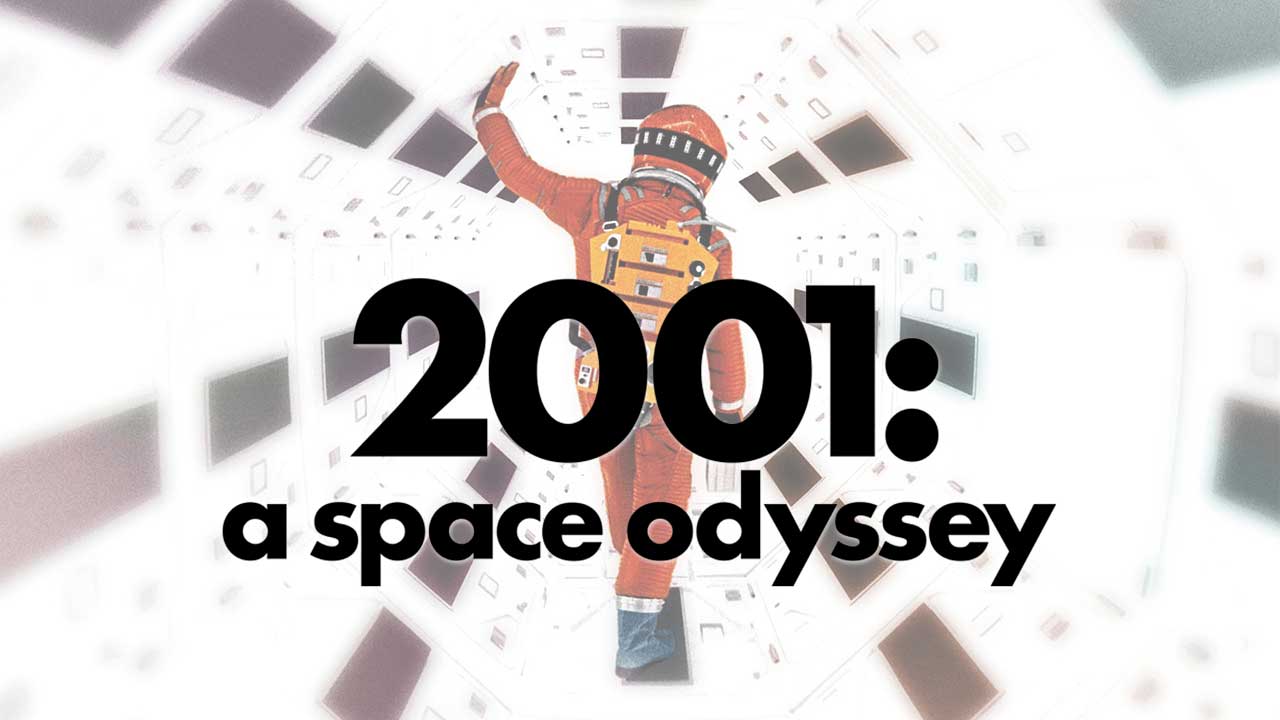
    2001: A Space Odyssey (1968)

    [et_pb_section fb_built=”1″ _builder_version=”4.6.1″ _module_preset=”default”][et_pb_row column_structure=”2_3,1_3″ _builder_version=”4.6.1″ _module_preset=”default”][et_pb_column type=”2_3″ _builder_version=”4.6.1″ _module_preset=”default”][et_pb_text _builder_version=”4.6.1″ _module_preset=”default” hover_enabled=”0″ sticky_enabled=”0″]

    Following the release of Dr. Strangelove, Stanley Kubrick decided to make what he called “the proverbial good science fiction movie”. With some exception, most sci-fi films of the previous decades were schlocky B-movies known for goofy effects and nonsensical stories. Kubrick teamed with acclaimed sci-fi writer Arthur C. Clarke to create something that offered a more realistic depiction of space. To help realize his vision, Kubrick hired the crew of the 1960 animated short film Universe due to its realism. Various people at NASA were hired as consultants, and even astronomer Carl Sagan was involved in helping Kubrick and Clarke. While Clarke wanted more explanations added, Kubrick made the conscious effort for the film to be as nonverbal as possible. Kubrick worked tirelessly on what would become the biggest and most ambitious film of his career at the time. Finally, in 1968, 2001: A Space Odyssey was released.

    [/et_pb_text][/et_pb_column][et_pb_column type=”1_3″ _builder_version=”4.6.1″ _module_preset=”default”][et_pb_circle_counter title=”Rating” number=”100″ bar_bg_color=”#7CDA24″ _builder_version=”4.6.1″ _module_preset=”default” hover_enabled=”0″ sticky_enabled=”0″][/et_pb_circle_counter][/et_pb_column][/et_pb_row][et_pb_row _builder_version=”4.6.1″ _module_preset=”default”][et_pb_column type=”4_4″ _builder_version=”4.6.1″ _module_preset=”default”][et_pb_text _builder_version=”4.6.1″ _module_preset=”default” hover_enabled=”0″ sticky_enabled=”0″]

    Synopsis

    At the Dawn of Man, a group of neanderthals discovers a strange monolith, granting them intelligence to create and destroy. Millions of years later, Dr. Heywood Floyd (William Sylvester) leads a group of astronauts to investigate a monolith near Tycho. 18 months later, the group of astronauts has gone silent, and the crew of Discovery One is bound for Jupiter. Aboard the Discovery One are mission pilots and scientists Dr. David Bowman (Keir Dullea) and Dr. Frank Poole (Gary Lockwood). The ship is monitored and controlled by the onboard computer HAL 9000 (Douglas Rain), who has advanced intelligence and emotions. However, Bowman and Poole doubt HAL’s efficiency and contemplate shutting HAL down, prompting the computer to turn on the crew. After HAL disconnects Poole’s oxygen and leaves him floating in space, Bowman struggles to shut down HAL for his survival. But soon, Bowman learns more than he ever anticipated.


    Review

    2001: A Space Odyssey is a film that has been analyzed and dissected so many times since its 1968 release. So much has been said of Kubrick’s ambitious sci-fi epic that I don’t know what new insight I could offer. All I can offer is my own perspective on the film, and it deserves its place as a cinematic masterpiece. Given when the film was made, its visual effects are nothing short of impressive and groundbreaking compared to earlier films. The various ship models are all intricately detailed and look like something that could possibly exist in real life. Not only that but the optical effects used towards the last act of the film are spectacular and otherworldly. The production design has that “retro-future” aesthetic that you would later see in movies like Star Wars and Alien. Thankfully, this helps the film feel more timeless than necessarily dated.

    Performance-wise, everyone does a good job, particularly Keir Dullea as the lead pilot/scientist we follow through much of it. Of course, the real star of the film is HAL 9000, brought to life beautifully thanks to Douglas Rain. He’s at times cold and calculating, but also strangely empathetic and endearing, almost feeling more human than the actual humans. In my review of Tenet, I complained that the film never really explains much of anything and gets quite confusing. While this film also doesn’t offer many explanations, it adds to its mysterious nature and is handled much better. 2001 offers a type of visual storytelling not seen at the time or even nowadays, which can frustrate certain audiences. If you’re willing to go for the ride and let it just flow, you’ll come away with a unique experience. Overall, 2001: A Space Odyssey is a masterclass in filmmaking.


    Buy 2001: A Space Odyssey from Amazon: https://amzn.to/35Q05Ql

    [/et_pb_text][/et_pb_column][/et_pb_row][/et_pb_section]

  • Nightbeast (1982)

    Nightbeast (1982)

    [et_pb_section fb_built=”1″ theme_builder_area=”post_content” _builder_version=”4.27.4″ _module_preset=”default”][et_pb_row _builder_version=”4.27.4″ _module_preset=”default” theme_builder_area=”post_content”][et_pb_column _builder_version=”4.27.4″ _module_preset=”default” type=”4_4″ theme_builder_area=”post_content”][et_pb_video _builder_version=”4.27.4″ _module_preset=”default” theme_builder_area=”post_content” src=”https://youtu.be/r6rsB9JNKYw” hover_enabled=”0″ sticky_enabled=”0″][/et_pb_video][/et_pb_column][/et_pb_row][/et_pb_section][et_pb_section fb_built=”1″ _builder_version=”4.16″ _module_preset=”default” global_colors_info=”{}”][et_pb_row column_structure=”2_3,1_3″ _builder_version=”4.16″ _module_preset=”default” global_colors_info=”{}”][et_pb_column type=”2_3″ _builder_version=”4.16″ _module_preset=”default” global_colors_info=”{}”][et_pb_text _builder_version=”4.16″ _module_preset=”default” global_colors_info=”{}”]Troma is known not only for producing but also for distributing, often picking up films, retitling them, and re-releasing them. Though they had no direct involvement in the production, many notable people got more notoriety through being connected to Troma. For instance, Troma released Buddy Giovinazzo’s debut feature Combat Shock, which was one of the more unique films they released. Enter Baltimore-based filmmaker Don Dohler, who made his directorial debut The Alien Factor in 1972 but wasn’t released until 1978. Following the film’s release, Dohler decided to work on a film similar to The Alien Factor but hired another director. Unfortunately, he was having trouble with the new director, so plans were scrapped and Dohler filmed the 1980 slasher Fiend. After filming Fiend, Dohler decided to revisit the previous concept and start over, working with his usual cast and crew. In 1982, the horror sci-fi film Nightbeast was released.
    [/et_pb_text][/et_pb_column][et_pb_column type=”1_3″ _builder_version=”4.16″ _module_preset=”default” global_colors_info=”{}”][et_pb_circle_counter title=”Rating” number=”75″ bar_bg_color=”#EDF000″ _builder_version=”4.16″ _module_preset=”default” global_colors_info=”{}”][/et_pb_circle_counter][/et_pb_column][/et_pb_row][et_pb_row _builder_version=”4.16″ _module_preset=”default” global_colors_info=”{}”][et_pb_column type=”4_4″ _builder_version=”4.16″ _module_preset=”default” global_colors_info=”{}”][et_pb_text _builder_version=”4.27.2″ _module_preset=”default” global_colors_info=”{}”]

    Synopsis

    An alien spacecraft gets hit by an asteroid, which causes it to crashland on Earth in a small town. The alien pilot emerges from the ship before it explodes and is spotted by some hunters who alert the sheriff. County Sheriff Cinder (Tom Griffith), Deputy Sheriff Lisa Kent (Karin Kardian), and some men go out to investigate the monster. Meanwhile, the alien goes out on a rampage, blasting people with its disintegrator ray and ripping people’s guts out. The sheriff tries convincing Mayor Bert Wicker (Richard Dyszel) to evacuate the town, but he refuses because of a party. As the alien creature continues its rampage, local delinquent Drago (Don Leifert) is on the run after killing his girlfriend. Cinder and Lisa begin to fall in love, but it’s soon interrupted as the alien’s body count continues to rise. Will the creature be stopped, or will its rampage continue?


    Review

    Nightbeast is exactly the kind of movie you’d want it to be: a trashy, low budget sci-fi alien attack romp. For a film that supposedly had a $14,000 budget, it’s surprisingly well made and has some solid effects. The gore effects are pretty top-notch, and the design of the alien, while goofy, is unique and memorable. The score, partially done by a relatively unknown J. J. Abrams, also makes the film feel very creepy and ominous. Much of the nighttime scenes make extensive use of fog, which helps add to its atmosphere, even in daytime scenes. What also helps is that the film gets right into the action from the beginning with the alien attacking people. Watching the actors jump around, hit the ground, and start shooting while laser fly around them is entertaining. This is prime material that’s sure to satisfy anyone looking for cheap B-movie thrills.

    However, the film’s biggest problems are that the acting is fairly bland and there are tons of filler scenes. After the first 20 minutes, the action grinds to a halt as the actors run around looking for the alien. It doesn’t help either that most of the acting isn’t that great, though the cheesy acting adds to its charm. There is some nudity thrown in, but it seems shoehorned in and it’s not as sexy as it could be. Even at 80 minutes, the film feels slightly padded, especially with its subplots that don’t amount to much of anything. However, its flaws add to its overall homegrown charm, making it feel like a real small-town, homemade production. Much like The Toxic Avenger, this shows that even a low budget film can get attention and notoriety decades later. Overall, Nightbeast is trashy fun best enjoyed with friends and drinks.


    Buy Nightbeast from Amazon: https://amzn.to/3NTrKVs.

    Disclosure: The above link is an affiliate link, which means that, at zero cost to you, I will earn a commission if you click through the link and finalize a purchase.
    [/et_pb_text][/et_pb_column][/et_pb_row][/et_pb_section]

  • Bloodlust: Subspecies III (1994)

    Bloodlust: Subspecies III (1994)

    [et_pb_section fb_built=”1″ _builder_version=”4.16″ _module_preset=”default” global_colors_info=”{}”][et_pb_row column_structure=”2_3,1_3″ _builder_version=”4.16″ _module_preset=”default” global_colors_info=”{}”][et_pb_column type=”2_3″ _builder_version=”4.16″ _module_preset=”default” global_colors_info=”{}”][et_pb_text _builder_version=”4.16″ _module_preset=”default” global_colors_info=”{}”]As stated before, Subspecies proved to be popular enough to spawn a new franchise alongside Puppet Master and Trancers. While there were some difficulties in filming the first installment, Ted Nicolaou and company were more than willing to return. Thankfully, Bloodstone: Subspecies II was a much easier and more enjoyable shoot, turning out to be a stronger entry. Though there were some cast and crew changes, actress Denice Duff proved to be a welcome replacement for Laura Tate. Both parts two and three were shot back-to-back and released one year apart from each other between 1993 and 1994. Things were going well for Full Moon Features thanks to their deal with Paramount and starting their kids’ label, Moonbeam. The next Subspecies film was planned to be the last in a trilogy unless fans requested that more be made. In 1994, Bloodlust: Subspecies III was released.

    [/et_pb_text][/et_pb_column][et_pb_column type=”1_3″ _builder_version=”4.16″ _module_preset=”default” global_colors_info=”{}”][et_pb_circle_counter title=”Rating” number=”80″ bar_bg_color=”#7CDA24″ _builder_version=”4.16″ _module_preset=”default” global_colors_info=”{}”][/et_pb_circle_counter][/et_pb_column][/et_pb_row][et_pb_row _builder_version=”4.16″ _module_preset=”default” global_colors_info=”{}”][et_pb_column type=”4_4″ _builder_version=”4.16″ _module_preset=”default” global_colors_info=”{}”][et_pb_text _builder_version=”4.27.4″ _module_preset=”default” hover_enabled=”0″ global_colors_info=”{}” sticky_enabled=”0″]

    Synopsis

    Following the last entry, the witch Mummy (Pamela Gordon) performs a blood ritual to resurrect the vampiric Radu (Anders Hove). Mummy believes that Radu’s fledgling Michelle (Denice Duff) has been corrupting him and must be killed at once. However, Radu keeps her around, stating that he is his own master and teaches Michelle how to be a vampire. Radu starts falling more and more in love with Michelle, while she begs for death and expresses her disgust. Meanwhile, Michelle’s sister Rebecca (Melanie Shatner) tries convincing ambassador Mel (Kevin Blair) and Lt. Marin (Ion Haiduc) of the vampires. While Mel agrees to help, Marin is skeptical but changes his mind after noticing villagers have gone missing. Mel recruits his friend, CIA officer Bob (Michael Della Femina), to infiltrate Castle Vladislav, rescue Michelle, and kill Radu. Will they be able to save her, or will Michelle be entranced into Radu’s grip?


    Review

    Much like the first two films, Bloodlust: Subspecies III is another fun, well-made, and atmospheric gothic vampire film. As with before, Anders Hove completely steals the show as the sinister yet charismatic Radu, clearly relishing in the role. Denice Duff is also wonderful, fully expanding her character and giving some real emotional depth to her scenes. Pamela Gordon works well as the villainous witch Mummy, and the makeup effects for her and Radu are impressive. While much is devoted to Radu and Michelle’s relationship, a major portion involves Melanie Shatner and Kevin Blair’s characters. They play off each other well, even though Blair can be a bit on the bland side at times. Ion Haiduc does a good job as the disgruntled police lieutenant and Michael Della Femina is a welcome addition. Sadly, Bob the CIA officer doesn’t get much screentime, so he comes off somewhat pointless.

    Once again, Nicolaou’s direction is on point, taking advantage of the Romanian landscape and using tons of fog and shadow. The makeup effects from effects artist Wayne Toth are impressive, given the low budget they were working with. Some fans might be disappointed that the titular characters, the subspecies, only appear during the last five minutes. Honestly, I’m ok with this since the focus of the story is the vampires, with the subspecies just being there. It’s interesting seeing the power struggle between Radu and Mummy, with Michelle being caught in the middle of it all. There’s also more of an emphasis on action, which is a nice change of pace, though some may disagree. While it’s not perfect, this film and its predecessors stand tall as some of Full Moon’s finest offerings. Overall, Bloodlust: Subspecies III continues what made the other films work, even with some of its shortcomings.


    Buy Bloodlust: Subspecies III from:

    Disclosure: The above link is an affiliate link, which means that, at zero cost to you, I will earn a commission if you click through the link and finalize a purchase.

    [/et_pb_text][et_pb_code _builder_version=”4.27.4″ _module_preset=”default” hover_enabled=”0″ sticky_enabled=”0″]

    Where to watch Bloodlust: Subspecies III (1994)

    data-api-key=”LMVDLdLSH5ZJnQ4FMGMgyJCB8cmGbfCV” data-object-type=”Movie” data-title=”Bloodlust: Subspecies III” data-year=”1994″ data-theme=”light”>

    [/et_pb_code][/et_pb_column][/et_pb_row][/et_pb_section]

  • King Kong vs. Godzilla (1962)

    King Kong vs. Godzilla (1962)

    [et_pb_section fb_built=”1″ _builder_version=”4.16″ _module_preset=”default” global_colors_info=”{}”][et_pb_row column_structure=”2_3,1_3″ _builder_version=”4.16″ _module_preset=”default” global_colors_info=”{}”][et_pb_column type=”2_3″ _builder_version=”4.16″ _module_preset=”default” global_colors_info=”{}”][et_pb_text _builder_version=”4.16″ _module_preset=”default” global_colors_info=”{}”]

    Following the release of Godzilla Raids Again, the series was put on hiatus while Toho decided to expand their horizons. In 1956, Toho produced Rodan, which happened to also be their first color film and reached an audience outside Japan. Toho also produced 1957’s The Mysterians, which introduced Moguera, a robot that would later appear during the Heisei era. Both films were directed by the original’s director Ishiro Honda, who also helmed 1958’s Varan and 1961’s Mothra. In the meantime, stop-motion animator Willis O’Brien pitched a concept for King Kong Meets Frankenstein, which went through various studios. Eventually, the script ended up at Toho, who decided to replace Frankenstein’s Monster with Godzilla to celebrate their 30th anniversary. Ishiro Honda returned to direct and effects director Eiji Tsuburaya was brought on to help bring Godzilla after seven years. In 1962, Toho released the first color Godzilla film, King Kong vs. Godzilla.

    [/et_pb_text][/et_pb_column][et_pb_column type=”1_3″ _builder_version=”4.16″ _module_preset=”default” global_colors_info=”{}”][et_pb_circle_counter title=”Rating” number=”85″ bar_bg_color=”#7CDA24″ _builder_version=”4.16″ _module_preset=”default” global_colors_info=”{}”][/et_pb_circle_counter][/et_pb_column][/et_pb_row][et_pb_row _builder_version=”4.16″ _module_preset=”default” global_colors_info=”{}”][et_pb_column type=”4_4″ _builder_version=”4.16″ _module_preset=”default” global_colors_info=”{}”][et_pb_text _builder_version=”4.27.4″ _module_preset=”default” hover_enabled=”0″ global_colors_info=”{}” sticky_enabled=”0″]

    Synopsis

    The head of Pacific Pharmaceuticals, Mr. Tako (Ichirō Arishima), is frustrated that the company’s TV channels are losing ratings. He sends two employees, Osamu Sakurai (Tadao Takashima) and Kinsaburo Furue (Yū Fujiki), to Faro Island to investigate monster sightings. Meanwhile, an American submarine, the Sea Hawk, crashes into an iceberg, releasing Godzilla from his slumber from the last film. Back on Faro Island, Osamu and Kinsaburo discover that the monster is King Kong and transport him back to Japan. As Godzilla rampages through the Japanese countryside, Kong wakes up, breaks free from his transport raft, and fights Godzilla. While the military struggles to fight off Godzilla, Mr. Tako is wanting to see King Kong win to boost his ratings. The army tries using explosives, poison gas, and electricity, but nothing is able to stop Godzilla as he fights Kong. It’s East vs. West as both kings fight to the end!


    Review

    Coming seven years after the somewhat lackluster Godzilla Raids AgainKing Kong vs. Godzilla is a welcome change of pace. Pairing two iconic cinematic monsters was a stroke of genius, even if they had to change some things. Namely, King Kong, who’s normally about 50 feet tall, was enlargened to 150 feet so he’d stack up to Godzilla. Given that this is a Japanese monster movie, such details aren’t important or impact the film negatively at all. In terms of Honda’s direction, while this lacks the gritty feel of the original, it’s still pretty spot on here. This one has a more comedic aspect to it, especially in how Honda works in a satire of Japanese television. Mr. Tako’s obsession with boosting his ratings is similar to Carl Denham’s obsession with filmmaking in the 1933 King Kong. Whether coincidental or not, it’s an interesting aspect to mention.

    While it’s disappointing this one lacks the dark and dreary realism of 1954’s Godzilla, it’s good they did something different. It’s great to see both Godzilla and Kong in color, even if the suits look somewhat goofy and raggedy. Even still, the fight scenes are a definite highlight, especially with all the miniatures, pyrotechnics, and forced perspective used. Speaking of suits, some will see that as a downgrade from the stop-motion effects of the 1933 original. However, given the circumstances behind this film, it’s easy to see why they went with the men-in-suit route. It also helps that Godzilla and Kong fight throughout the majority of the film as opposed to the last film. This film marks a major turning point in the franchise since Toho decided to prioritize their new money-making franchise. Overall, King Kong vs. Godzilla is an entertaining early 60s monster movie that’ll please any kaiju fan.


    Buy King Kong vs. Godzilla from Amazon: https://amzn.to/33cQTma.

    Disclosure: The above link is an affiliate link, which means that, at no additional cost, I will earn a commission if you click through the link and make a purchase.

    [/et_pb_text][et_pb_code _builder_version=”4.27.4″ _module_preset=”default” hover_enabled=”0″ sticky_enabled=”0″]

    Where to watch King Kong vs. Godzilla (1962)

    data-api-key=”LMVDLdLSH5ZJnQ4FMGMgyJCB8cmGbfCV” data-object-type=”Movie” data-title=”King Kong vs. Godzilla” data-year=”1962″ data-theme=”light”>

    [/et_pb_code][/et_pb_column][/et_pb_row][/et_pb_section]
  • Tenet (2020)

    Tenet (2020)

    [et_pb_section fb_built=”1″ _builder_version=”4.16″ _module_preset=”default” global_colors_info=”{}”][et_pb_row column_structure=”2_3,1_3″ _builder_version=”4.16″ _module_preset=”default” global_colors_info=”{}”][et_pb_column type=”2_3″ _builder_version=”4.16″ _module_preset=”default” global_colors_info=”{}”][et_pb_text _builder_version=”4.16″ _module_preset=”default” global_colors_info=”{}”]

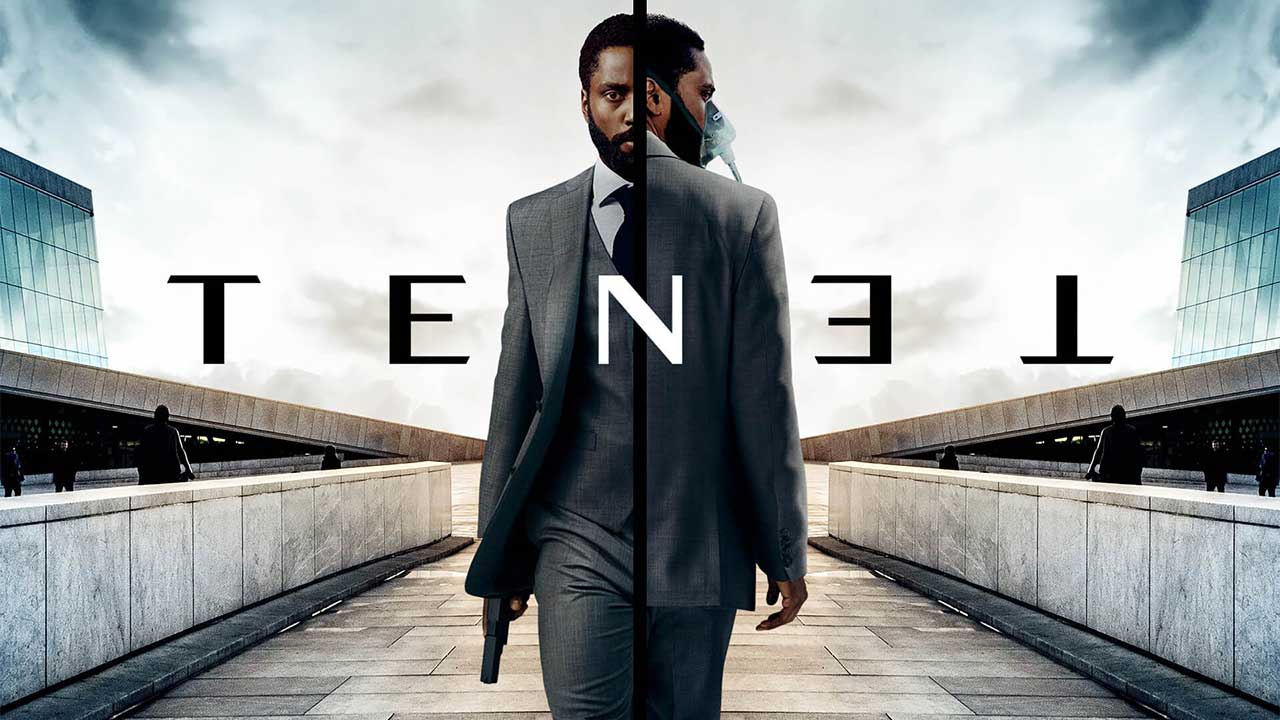
    Christopher Nolan is certainly one of the biggest filmmakers in cinema today, skirting the line between experimental and mainstream. Nolan first arrived on the scene with 1998’s Following, but it was his 2000 film Memento that got him attention. The success of Memento led to him directing 2002’s Insomnia through Steven Soderbergh, a remake of the 1997 Norwegian film. Insomnia made over $100 million against a $46 million budget, leading to him getting to reboot the Batman film franchise. His Dark Knight Trilogy (Batman BeginsThe Dark Knight, The Dark Knight Rises) further established Nolan as a household name. In between his Batman films, Nolan also made The PrestigeInception, and Interstellar, each earning critical and financial success. Nolan followed these up with the WWII epic Dunkirk, which earned Nolan his first Best Director Oscar nomination. After numerous delays due to COVID-19, 2020 finally sees the release of Nolan’s Tenet.

    [/et_pb_text][/et_pb_column][et_pb_column type=”1_3″ _builder_version=”4.16″ _module_preset=”default” global_colors_info=”{}”][et_pb_circle_counter title=”Rating” number=”80″ bar_bg_color=”#7CDA24″ _builder_version=”4.16″ _module_preset=”default” global_colors_info=”{}”][/et_pb_circle_counter][/et_pb_column][/et_pb_row][et_pb_row _builder_version=”4.16″ _module_preset=”default” global_colors_info=”{}”][et_pb_column type=”4_4″ _builder_version=”4.16″ _module_preset=”default” global_colors_info=”{}”][et_pb_text _builder_version=”4.27.4″ _module_preset=”default” hover_enabled=”0″ global_colors_info=”{}” sticky_enabled=”0″]

    Synopsis

    A CIA agent known only as “The Protagonist” (John David Washington) is recruited by the secret organization, Tenet. He’s introduced to the concept of “inversion”, essentially objects have reversed entropy so that they can move backward in time. With the aid of British intelligent agent Neil (Robert Pattinson), The Protagonist learns who’s controlling the technology behind inversion. Russian arms dealer Andrei Sator (Kenneth Branagh) has been in contact with an unknown agency who’s been supplying the technology. The Protagonist tries to get closer to Sator by developing a kinship with his estranged wife Kat (Elizabeth Debicki). He learns that her relationship with Andrei is an abusive one to the point where she can’t see her son. Along the way, time continues being distorted as The Protagonist learns more about what Sator’s ultimate plan is. Will our protagonist succeed in stopping Sator, or will Sator manage to start World War III?


    Review

    Given that the film deals with time manipulation, Tenet is a hard film to talk about in terms of summarizing. The film never really explains much of what’s happening, which is both a good and a bad thing. While it’s good that the film doesn’t spoonfeed everything to you, there isn’t enough information given to go off of. Christopher Nolan is usually known for his unconventional storytelling, but here, it’s hard to follow the various plot elements. This extends to the characters, who are given little to no characterization aside from Kat and Andrei Sator. You learn so much about their relationship and how controlling Andrei is that you gravitate more towards Kat. It helps that both Debicki and Branagh give fantastic performances, the same goes for both Washington and Pattinson. You can tell the actors are giving it their all, even if there isn’t much to their characters.

    On a more positive note, Nolan once again shows just how masterful of a director he is here. The action sequences are well-staged and well-edited, and the concept of inversion offers plenty of opportunities for these sequences. Given how the film plays with time, it’s interesting to see how scenes are played out from two different perspectives. Admittedly, the action doesn’t really pick up until the second half, and at two and a half hours, it’s taxing. This is a film that would probably benefit from multiple viewings, which is something I know most audiences aren’t into. That said, I’m glad this is the first big film to get released to theaters given the 2020 pandemic. Even if the plot is convoluted and much is left in the dark, it’s still an impressive feat of filmmaking. Overall, Tenet is prototypical Christopher Nolan, so take that for what it’s worth.


    Buy Tenet from Amazon: https://amzn.to/49hBwN3.

    Disclosure: The above link is an affiliate link, which means that, at no additional cost, I will earn a commission if you click through the link and make a purchase.

    [/et_pb_text][et_pb_code _builder_version=”4.27.4″ _module_preset=”default” hover_enabled=”0″ sticky_enabled=”0″]

    Where to watch Tenet (2020)

    data-api-key=”LMVDLdLSH5ZJnQ4FMGMgyJCB8cmGbfCV” data-object-type=”Movie” data-title=”Tenet” data-year=”2020″ data-theme=”light”>

    [/et_pb_code][/et_pb_column][/et_pb_row][/et_pb_section]
  • The Toxic Avenger (1984)

    The Toxic Avenger (1984)

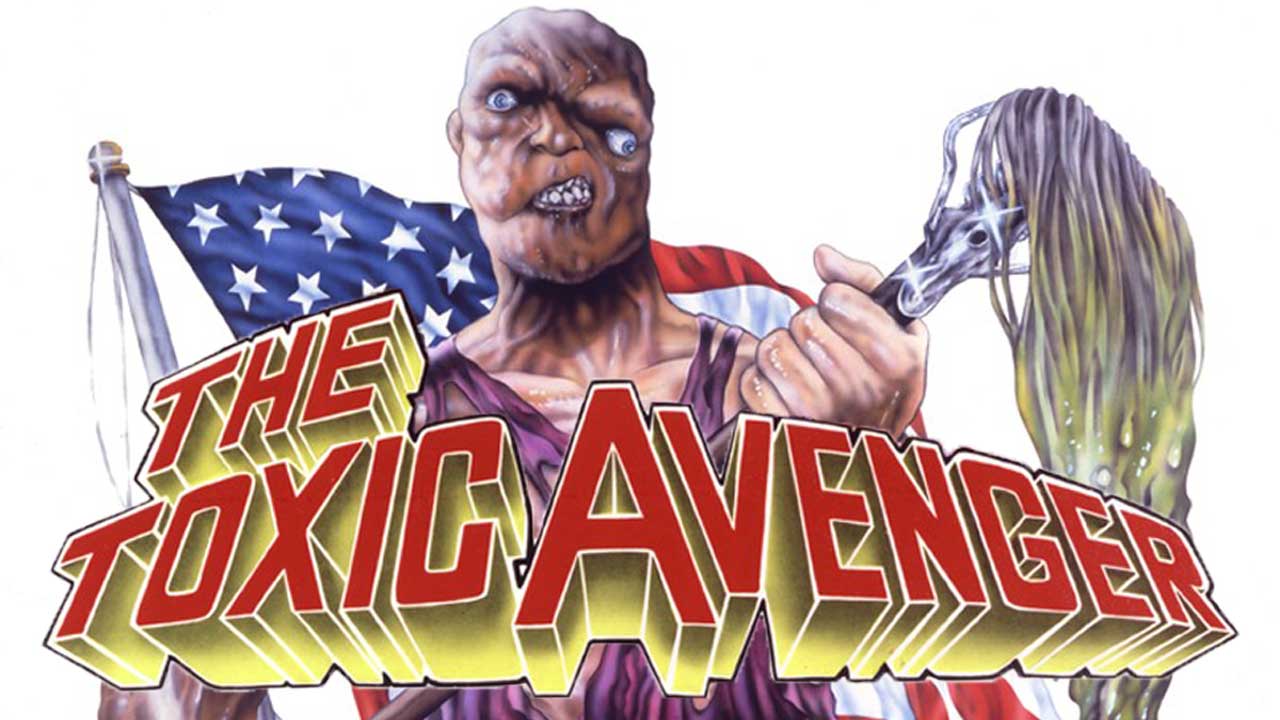
    [et_pb_section fb_built=”1″ _builder_version=”4.27.4″ _module_preset=”default” global_colors_info=”{}”][et_pb_row _builder_version=”4.27.4″ _module_preset=”default” global_colors_info=”{}”][et_pb_column type=”4_4″ _builder_version=”4.27.4″ _module_preset=”default” global_colors_info=”{}”][et_pb_video src=”https://youtu.be/0boBtRksh1A?si=2wM7z6RW3M2Vb8K0″ _builder_version=”4.27.4″ _module_preset=”default” global_colors_info=”{}”][/et_pb_video][/et_pb_column][/et_pb_row][/et_pb_section][et_pb_section fb_built=”1″ _builder_version=”4.16″ _module_preset=”default” global_colors_info=”{}”][et_pb_row column_structure=”2_3,1_3″ _builder_version=”4.16″ _module_preset=”default” global_colors_info=”{}”][et_pb_column type=”2_3″ _builder_version=”4.16″ _module_preset=”default” global_colors_info=”{}”][et_pb_text _builder_version=”4.16″ _module_preset=”default” global_colors_info=”{}”]In its early years, Troma was known for making sex comedies like Squeeze Play and The First Turn-On. However, while working as a production supervisor on Rocky in 1975, Troma president Lloyd Kaufman had an idea brewing. After reading an article about how horror films were dead, he decided to make one set in a health club. Originally titled Health Club Horror, the concept was constantly being revised and reworked as new ideas started popping up. There was talk about the dangers of nuclear and atomic waste, so they decided to turn it into something positive. With a budget of around $500,000 – $800,000 and a cast of relatively unknown actors, they began filming in New Jersey. Little did they know that what they were making would set the standard for Troma films to this day. Finally, 1984 saw the release of the first superhero from New Jersey, The Toxic Avenger!

    [/et_pb_text][/et_pb_column][et_pb_column type=”1_3″ _builder_version=”4.16″ _module_preset=”default” global_colors_info=”{}”][et_pb_circle_counter title=”Rating” number=”85″ bar_bg_color=”#7CDA24″ _builder_version=”4.16″ _module_preset=”default” global_colors_info=”{}”][/et_pb_circle_counter][/et_pb_column][/et_pb_row][et_pb_row _builder_version=”4.16″ _module_preset=”default” global_colors_info=”{}”][et_pb_column type=”4_4″ _builder_version=”4.16″ _module_preset=”default” global_colors_info=”{}”][et_pb_text _builder_version=”4.27.4″ _module_preset=”default” hover_enabled=”0″ global_colors_info=”{}” sticky_enabled=”0″]

    Synopsis

    Our story takes place in Tromaville, NJ, where Melvin Funko (Mark Torgl) works as the janitor at the health club. A 98-pound weakling, Melvin is constantly teased and bullied, especially by local bullies Bozo (Gary Schneider) and Slug (Robert Prichard). Bozo’s girlfriend Julie (Cindy Manion) decides to prank Melvin, but things go wrong when Melvin falls into some nuclear waste. That night, Melvin starts mutating and transforms from a weakling into a hideously deformed creature of superhuman size and strength. With his new abilities, Melvin goes around cleaning up crime, ripping all manner of mugger, rapist, pimp, and corrupt politician. Along the way, he finds love in blind girl Sarah (Andree Maranda), and the locals are singing their praises. However, Mayor Peter Belgoody (Pat Ryan Jr.) wants Melvin, now dubbed the “Monster Hero”, taken out for ruining his operations. Will Toxie stop the corrupt mayor, or will corruption win?


    Review

    The Toxic Avenger is proof that you don’t need millions of dollars to make a fun and entertaining movie. Even with its low budget and inexperienced cast and crew, you can tell plenty of love put into the film. All the Troma staples are here: copious amounts of nudity, plenty of blood and guts, and ridiculously over-the-top humor. As silly as the acting is, it’s intentionally silly and cartoonishly exaggerated, especially from Mark Torgl and Gary Schneider. Some might be annoyed by the camera mugging and exaggerated delivery, but it’s done with love instead of being obnoxious. The special effects, though crude, are impressive given the small budget, and the design of Toxie is instantly memorable. The death scenes are unique and delightfully cartoonish, whether it’s deep-frying someone’s hands or stuffing someone in an oven. There’s even a scene of a kid getting his head crushed done with a watermelon!

    With a 90-minute runtime, the film moves at a very fast pace, but it never feels like it’s rushing. What also helps is that, at its core, it’s a simple story of good vs evil with some revenge elements. It also presents an interesting duality where Toxie is saving the day but through violent means, almost becoming a villain. At the same time, it presents some pretty humorous moments of people calling Toxie a hero despite his brutal methods. It’s hard to classify what type of movie The Toxic Avenger is since it mixes comedy, horror, and superhero tropes. Still, that’s what makes the film so unique and stands out from its contemporaries, further solidifying its cult status. If you’re a first-timer to the world of Troma and are interested, this would be a great way to start. Overall, The Toxic Avenger is a prime piece of trashy entertainment.


    Buy The Toxic Avenger from Amazon: https://amzn.to/4qJbPva.

    Disclosure: The above link is an affiliate link, which means that, at no additional cost, I will earn a commission if you click through the link and make a purchase.

    [/et_pb_text][et_pb_code _builder_version=”4.27.4″ _module_preset=”default” hover_enabled=”0″ sticky_enabled=”0″]

    Where to watch The Toxic Avenger (1984)

    data-api-key=”LMVDLdLSH5ZJnQ4FMGMgyJCB8cmGbfCV” data-object-type=”Movie” data-title=”The Toxic Avenger” data-year=”1984″ data-theme=”light”>

    [/et_pb_code][/et_pb_column][/et_pb_row][/et_pb_section]