Facebook

Blog

  • A Nightmare on Elm Street (1984)

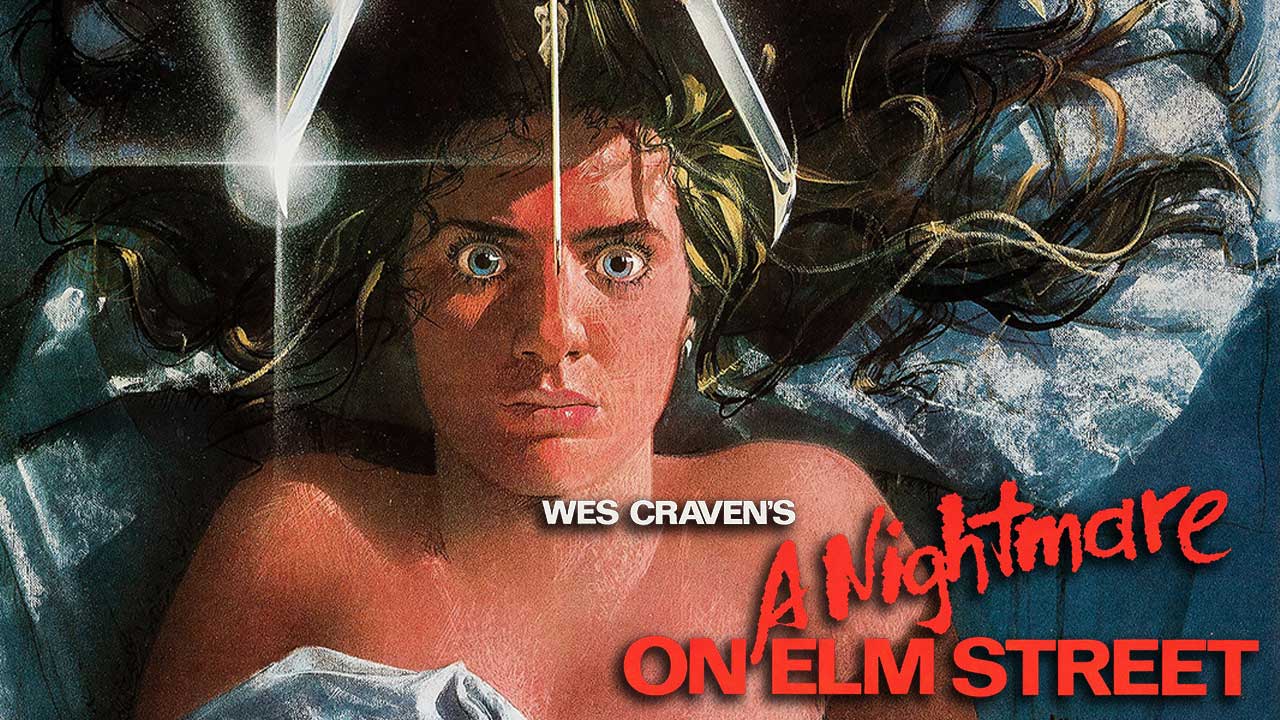
    A Nightmare on Elm Street (1984)

    [et_pb_section fb_built=”1″ admin_label=”section” _builder_version=”4.16″ global_colors_info=”{}”][et_pb_row column_structure=”2_3,1_3″ admin_label=”row” _builder_version=”4.16″ background_size=”initial” background_position=”top_left” background_repeat=”repeat” global_colors_info=”{}”][et_pb_column type=”2_3″ _builder_version=”4.16″ custom_padding=”|||” global_colors_info=”{}” custom_padding__hover=”|||”][et_pb_text _builder_version=”4.27.0″ _module_preset=”default” global_colors_info=”{}”]

    In the early 80s, Wes Craven read several articles from the LA Times about Hmong refugees dying in their sleep. According to these stories, these people believed something terrible would happen if they slept, which gave Craven a movie idea. He drafted a script about a dream killer and shopped it to various studios, but none were interested. The only studio that showed interest was New Line Cinema, which was a distributor at the time. Through several negotiations and business dealings, New Line president Bob Shaye acquired a $1.1 million budget for Craven’s ambitious project. The cast mostly comprised young, up-and-coming actors and a few veterans, including John Saxon and Ronee Blakley. The movie was shot in mid-1984 in the LA area, though numerous production issues almost killed the movie. But through sheer perseverance and determination, A Nightmare on Elm Street slashed onto theater screens in November 1984.

    [/et_pb_text][/et_pb_column][et_pb_column type=”1_3″ _builder_version=”4.16″ custom_padding=”|||” global_colors_info=”{}” custom_padding__hover=”|||”][et_pb_circle_counter title=”Rating” number=”95″ bar_bg_color=”#7CDA24″ _builder_version=”4.27.0″ _module_preset=”default” global_colors_info=”{}”][/et_pb_circle_counter][/et_pb_column][/et_pb_row][et_pb_row _builder_version=”4.16″ _module_preset=”default” global_colors_info=”{}”][et_pb_column type=”4_4″ _builder_version=”4.16″ _module_preset=”default” global_colors_info=”{}”][et_pb_text _builder_version=”4.27.0″ _module_preset=”default” global_colors_info=”{}”]

    Synopsis

    Tina (Amanda Wyss) has been having recurring nightmares about a mysterious man with a bladed glove attacking her. She confides in her friend, Nancy (Heather Lagenkamp), who reveals she has similar dreams about a disfigured killer. Nancy, her boyfriend Glen (Johnny Depp), and Tina’s boyfriend Rod (Jsu Garcia) agree to stay over to keep Tina safe. Unfortunately, Tina gets slashed to death, and Rod is hauled off to prison despite his pleas of innocence. Nancy keeps seeing the mystery man in her nightmares and realizes what happens in her dreams will come true. She confides in her parents, Donald (John Saxon) and Marge (Ronee Blakley), but they don’t believe her. However, her mom confesses that the mystery man is Fred Krueger (Robert Englund), a child murderer who died years ago. Will Nancy stop this dream demon, or will she and her friends be Fred Krueger’s next victims?


    Review

    A Nightmare on Elm Street is considered one of the greatest horror films ever, and it’s easy to see why. It has a great cast, a stellar script, a memorable villain, and fantastic gruesome death sequences. In a time when the slasher genre was on the decline, this movie shows that there was some creativity left. This film shares similarities to a typical 80s slasher, but its central gimmick makes this one stand out. Everyone has nightmares, so having a slasher where the killer stalks your dreams is uniquely frightening. Not only are we most vulnerable when we sleep, but the killer can exploit our worst fears and inhibitions. The film also explores themes of repressed guilt, questioning authority, and the struggles of adolescence. The kids are facing horrific terror, but their parents aren’t helpful because they’re keeping everything a secret. It’s much more intelligent than your usual slasher.

    Heather Lagenkamp makes for one of the best leads in a slasher film, coming off as strong and independent. She quickly figures out what’s happening and takes matters into her own hands when no one else will. Though her screen time is limited, Amanda Wyss does a good job playing the Janet Leigh role in the movie. Jsu Garcia, under the stage name Nick Corri, is also terrific as the misunderstood Rod, whose cocky persona quickly breaks. An unknown Johnny Depp shines as Nancy’s skeptical yet supportive boyfriend, who dies in a uniquely gruesome way. Hollywood legends John Saxon and Ronee Blakley shine as Nancy’s parents, who try to understand her situation despite their troubles. Robert Englund steals the show as Fred Krueger, whose devilish grin, slouched stance, and menacing laugh make him instantly memorable. There’s also an appearance from Charles Fleisher, who later voiced Roger Rabbit.

    Given the limited budget he had to work with, Wes Craven created an excellent horror film with scope and ambition. Jacques Hitkin’s stylish cinematography and Rick Shaine’s expert editing add a sense of surrealism that enhances the film. There are moments when you’re unsure if what you’re seeing is real or a dream. This would’ve made things confusing or hard to follow in a lesser director’s hands, but Craven balances it out perfectly. Admittedly, there are moments when the low budget sticks out badly, namely with some effects used looking extra fake. Granted, I’d rather have goofy-looking practical effects over excessive CGI that makes everything look like a video game. While the slasher genre faded as the 80s wore on, this film was the last hurrah of the initial boom. Overall, A Nightmare on Elm Street deserves its status as a horror classic even 40 years later.


    Buy A Nightmare on Elm Street from Amazon: https://amzn.to/4fNhkDr.

    Disclosure: The above link is an affiliate link, which means that, at zero cost to you, I will earn a commission if you click through the link and finalize a purchase.

    [/et_pb_text][et_pb_code _builder_version=”4.27.4″ _module_preset=”default” hover_enabled=”0″ global_colors_info=”{}” sticky_enabled=”0″]

    Where to watch A Nightmare on Elm Street (1984)

    data-api-key=”LMVDLdLSH5ZJnQ4FMGMgyJCB8cmGbfCV” data-object-type=”Movie” data-title=”A Nightmare on Elm Street” data-year=”1984″ data-theme=”light”>

    [/et_pb_code][/et_pb_column][/et_pb_row][/et_pb_section]

  • Alien: Romulus (2024)

    Alien: Romulus (2024)

    [et_pb_section fb_built=”1″ admin_label=”section” _builder_version=”4.16″ global_colors_info=”{}”][et_pb_row column_structure=”2_3,1_3″ admin_label=”row” _builder_version=”4.16″ background_size=”initial” background_position=”top_left” background_repeat=”repeat” global_colors_info=”{}”][et_pb_column type=”2_3″ _builder_version=”4.16″ custom_padding=”|||” global_colors_info=”{}” custom_padding__hover=”|||”][et_pb_text _builder_version=”4.27.0″ _module_preset=”default” global_colors_info=”{}”]At the 2019 Cinemacon, 20th Century Fox announced that future installments in the Alien franchise were in development. While reports suggested there’d be a sequel to 2017’s Alien: Covenant, the film’s poor box office performance hindered its chances. In 2022, Fede Alvarez, who previously helmed 2013’s Evil Dead and 2016’s Don’t Breathe, announced his involvement in the series. He pitched an idea that would be a standalone story set between the events of Alien and Aliens. With a budget of $80 million, Alvarez recruited several crew members from James Cameron’s sequel to work on the effects. The movie was shot primarily in Budapest between March and July 2023 with the intent to be released on Hulu. However, the studio was so impressed by what Alvarez and his team made that they gave it a theatrical release. After premiering in LA, Alien: Romulus hit theaters in August 2024.

    [/et_pb_text][/et_pb_column][et_pb_column type=”1_3″ _builder_version=”4.16″ custom_padding=”|||” global_colors_info=”{}” custom_padding__hover=”|||”][et_pb_circle_counter title=”Rating” number=”85″ bar_bg_color=”#7CDA24″ _builder_version=”4.27.0″ _module_preset=”default” global_colors_info=”{}”][/et_pb_circle_counter][/et_pb_column][/et_pb_row][et_pb_row _builder_version=”4.16″ _module_preset=”default” global_colors_info=”{}”][et_pb_column type=”4_4″ _builder_version=”4.16″ _module_preset=”default” global_colors_info=”{}”][et_pb_text _builder_version=”4.27.2″ _module_preset=”default” hover_enabled=”0″ global_colors_info=”{}” sticky_enabled=”0″]

    Synopsis

    On the Jackson’s Star mining colony, Rain Carradine (Cailee Spaeny) and her android brother Andy (David Jonsson) seek refuge. Rain gets help from her ex, Tyler (Archie Renaux), who can get her and Andy off the colony. He and his crew – Kay (Isabela Merced), Bjorn (Spike Fearn), and Navarro (Aileen Wu) – found a derelict space station. They plan on taking some cryostasis pods that will help them make the years’ long journey off the colony. Though successful, the crew discovers why the station was abandoned when they accidentally revive some frozen facehuggers. One of them latches onto Navarro, and an alien bursts out and pursues the crew throughout the station. Even worse, the station will crash into the colony’s asteroid belt, so the survivors have limited time to escape. While our heroes fight for survival, they discover more on the station than they ever could have expected.


    Review

    While not as groundbreaking as the Ridley Scott classic, Alien: Romulus is an excellent companion piece. Like his 2013 remake of The Evil Dead, Fede Alvarez has plenty of love and respect for this series. From the retro-futuristic production design to the emphasis on practical effects, Alvarez and his team perfectly captured the 1979 aesthetic. Also, like the original, the first 45 minutes are deliberately slow to build up toward the true terror. Cinematographer Galo Olivares, who previously worked on the Oscar-winning film Roma, perfectly captures the feeling of dread and isolation. Complimenting this is Benjamin Wallfisch’s fantastic score that combines new arrangements with ones by Jerry Goldsmith and James Horner. This film is an excellent mix of old-school and new-school elements that seamlessly blend to create something whole. Thankfully, it also works as a standalone sci-fi horror movie and isn’t solely reliant on references.

    Cailee Spaeny makes an excellent lead, capturing the same determination and confidence Sigourney Weaver brought to the original. She’s likable, endearing, and challenging while also showing vulnerability, and her relationship with David Johnson’s Andy is fantastic. Additionally, Johnson goes through a great character arc, starting off timid but later becoming astute. It’s almost heartbreaking how he completely turns his back on Rain when he turns into a machine for the company. While the rest of the cast is mostly cannon fodder, their characters are developed enough that you care about them. Unfortunately, one character sticks out like a sore thumb, but it’s hard to discuss without giving spoilers. I can only say that it’s at least a step up from Rogue One digitally recreating Peter Cushing. Aside from that, the small cast helps tighten the focus, and each one does a fantastic job.

    I’m glad this back-to-basic movie came along after the jumbled mess that was Alien: Covenant. This installment doesn’t have the complex or nuanced ideas that 2012’s Prometheus proposed, but I’m okay with that. Though, the film does have ties to both of Ridley Scott’s prequels, which opens up many opportunities. Still, regardless of where this falls in the timeline, this is a fantastic standalone sci-fi horror film. There are plenty of references and in-jokes for the fans, but even newcomers will have a good time. Plus, at a lean two hours, the movie never overstays its welcome nor feels like it’s rushing to the end. Even if it’s not on par with Scott or Cameron’s installments, Alvarez should be proud of his work here. Overall, Alien: Romulus is a stellar back-to-basics installment that injects new life into a long-dormant franchise.


    Buy Alien: Romulus from Amazon: https://amzn.to/3YweyKX.

    Disclosure: The above link is an affiliate link, which means that, at zero cost to you, I will earn a commission if you click through the link and finalize a purchase.

    [/et_pb_text][/et_pb_column][/et_pb_row][/et_pb_section]
  • Murder-Rock: Dancing Death (1984)

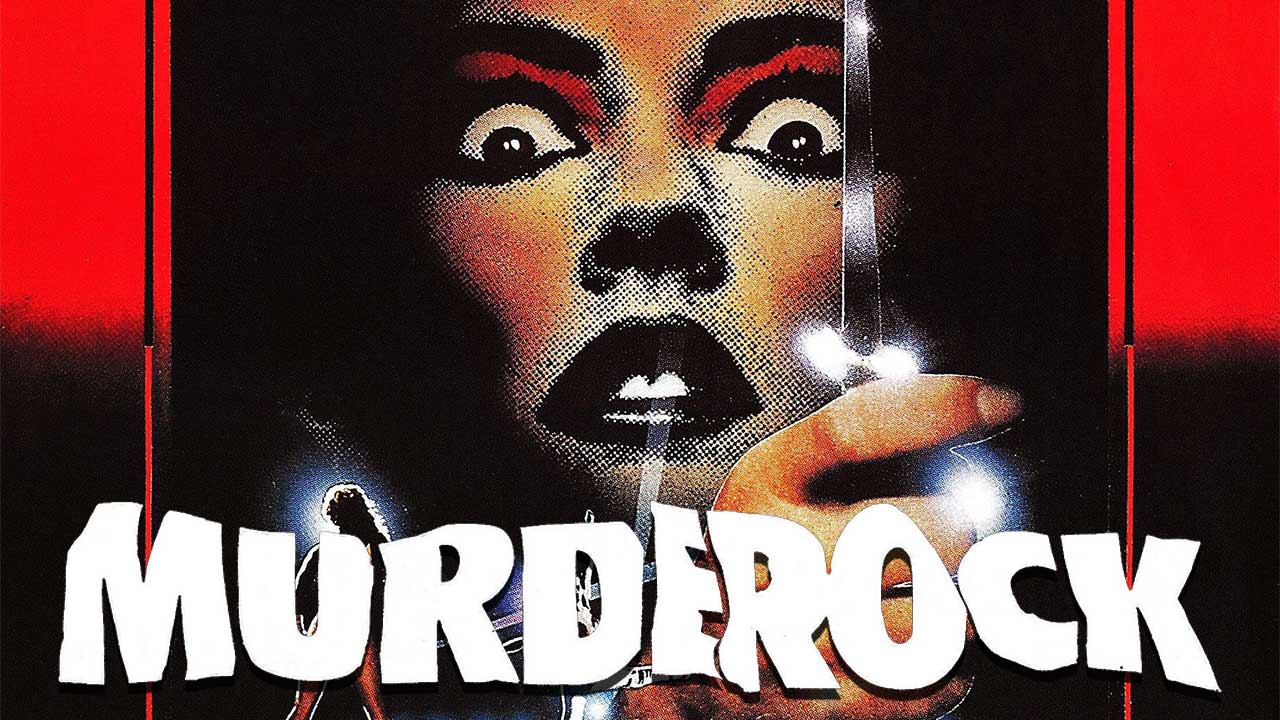
    Murder-Rock: Dancing Death (1984)

    [et_pb_section fb_built=”1″ admin_label=”section” _builder_version=”4.16″ global_colors_info=”{}”][et_pb_row column_structure=”2_3,1_3″ admin_label=”row” _builder_version=”4.16″ background_size=”initial” background_position=”top_left” background_repeat=”repeat” global_colors_info=”{}”][et_pb_column type=”2_3″ _builder_version=”4.16″ custom_padding=”|||” global_colors_info=”{}” custom_padding__hover=”|||”][et_pb_text _builder_version=”4.27.0″ _module_preset=”default” global_colors_info=”{}”]After directing the controversial 1982 giallo The New York Ripper, Lucio Fulci struggled to find the same success as before. His career suffered from clashes with producers, budget cuts, disagreements with the writers, and even lawsuits. While they’ve achieved cult status, Manhattan BabyConquest, and Warriors of the Year 2027 failed critically and commercially. Perhaps inspired by the moderate success of Argento’s Tenebre, Fulci decided to make a giallo for his next movie. In 1983, Adrian Lyne’s Flashdance was an international hit, so producer Augusto Caminito insisted that dance be an element. The film was shot between late 1983 and early 1984, primarily in Italy, with exteriors shot in New York. Fulci hoped this would start a new “Music Trilogy” of music-themed horror films, but this would never happen. Fulci’s Murder-Rock: Dancing Death hit Italian theaters in 1984 and wasn’t released stateside until 1990 as The Demon is Loose.

    [/et_pb_text][/et_pb_column][et_pb_column type=”1_3″ _builder_version=”4.16″ custom_padding=”|||” global_colors_info=”{}” custom_padding__hover=”|||”][et_pb_circle_counter title=”Rating” number=”70″ bar_bg_color=”#EDF000″ _builder_version=”4.27.0″ _module_preset=”default” global_colors_info=”{}”][/et_pb_circle_counter][/et_pb_column][/et_pb_row][et_pb_row _builder_version=”4.16″ _module_preset=”default” global_colors_info=”{}”][et_pb_column type=”4_4″ _builder_version=”4.16″ _module_preset=”default” global_colors_info=”{}”][et_pb_text _builder_version=”4.27.0″ _module_preset=”default” global_colors_info=”{}”]

    Synopsis

    Candice Norman (Olga Karlatos) oversees a dance routine managed by Margie (Geretta Geretta) at the Arts for the Living Center. While Margie tries her best, Candice complains that the dance troupe needs “more perfection,” becoming more domineering. They’re preparing for a huge TV show where only three dancers will be selected, so the pressure is mounting. Things take a turn for the worse when one of the dancers is found dead in the showers. Lieutenant Borges (Cosimo Cinieri) arrives to investigate the murder and immediately suspects someone at the dance academy is responsible. Meanwhile, Candice has recurring dreams of a mystery man (Ray Lovelock) chasing after her with a hairpin. As more dancers wind up dead, Borges suspects either Candice or academy director Dick Gibson (Claudio Cassinelli) as the killer. Who is killing the young dancers, and what do Candice’s dreams have to do with the murders?


    Review

    Unlike his earlier efforts, Murder-Rock: Dancing Death is probably Lucio Fulci’s most tame movie, which is saying a lot. 1982’s The New York Ripper featured groin stabbings, eyeballs slashed with razor blades, and explosive gunshots through the face. Here, the killer only uses a hairpin to stab his victims through the heart after they’ve been knocked out. Not that you need bloody, gruesome kills to make a good horror film, but you’d expect more from Fulci. Still, some of Fulci’s touches include trippy dream sequences, effective panning shots, and a moody atmosphere are here. Giuseppe Pinori’s cinematography emphasizes this dreamlike quality and adds to the mood with some great skyline shots. Keith Emerson’s score, while dated, does add some entertainment value thanks to its cheesiness, even if it can get repetitive. Even if it’s a mixed bag, the film has some good qualities that make it redeemable.

    While most of the cast is cannon fodder, the principal actors do a decent job. Olga Karlatos makes for a solid lead as she tries to make sense of the murders while maintaining the academy. Cosimo Cinieri is fun as the dry and sarcastic Lieutenant Borges, who immediately suspects everyone of being the killer. Though she has limited screen time, Geretta Geretta is enjoyable as the struggling choreographer clashing with Karlatos. Claudio Cassinelli, who sadly passed away a year after the film’s release, is entertaining as the sleazy academy director. As solid as the principal actors are, they’re not given much material to work with, so they feel one-dimensional. Many performances come off as wooden or stilted or wildly over-the-top and ridiculous to the point of parody. The lack of a cohesive narrative might be due to the film having four different writers, including Fulci.

    Considering this came after several gory splatter films that made him a name, it’s disappointing Fulci made this so tame. This might’ve been to avoid the backlash he received, especially since many ended up on The Video Nasties List. It doesn’t help that this came when giallos were dead and Italian genre films were declining. This was meant to start a new trilogy, but that never happened due to the film’s underperformance and Fulci’s health. It’s also interesting how the film crammed in many 80s tropes yet didn’t get a US release until the 90s. As much as I criticize this movie, there is some charm to be found, especially for giallo fans. I’d recommend this to Fulci completionists, but there are better options if you’re a newcomer. Overall, Murder-Rock: Dancing Death has merits and is worth watching for curiosity’s sake, but only if you’ve seen everything else.


    Buy Murder-Rock: Dancing Death from Amazon: https://amzn.to/3YFyWuL.

    Disclosure: The above link is an affiliate link, which means that, at zero cost to you, I will earn a commission if you click through the link and finalize a purchase.

    [/et_pb_text][et_pb_code _builder_version=”4.27.4″ _module_preset=”default” hover_enabled=”0″ global_colors_info=”{}” sticky_enabled=”0″]

    Where to watch Murder-Rock: Dancing Death (1984)

    data-api-key=”LMVDLdLSH5ZJnQ4FMGMgyJCB8cmGbfCV” data-url-path=”/us/movie/murder-rock-dancing-death” data-theme=”light”>

    [/et_pb_code][/et_pb_column][/et_pb_row][/et_pb_section]
  • Quadrant (2024)

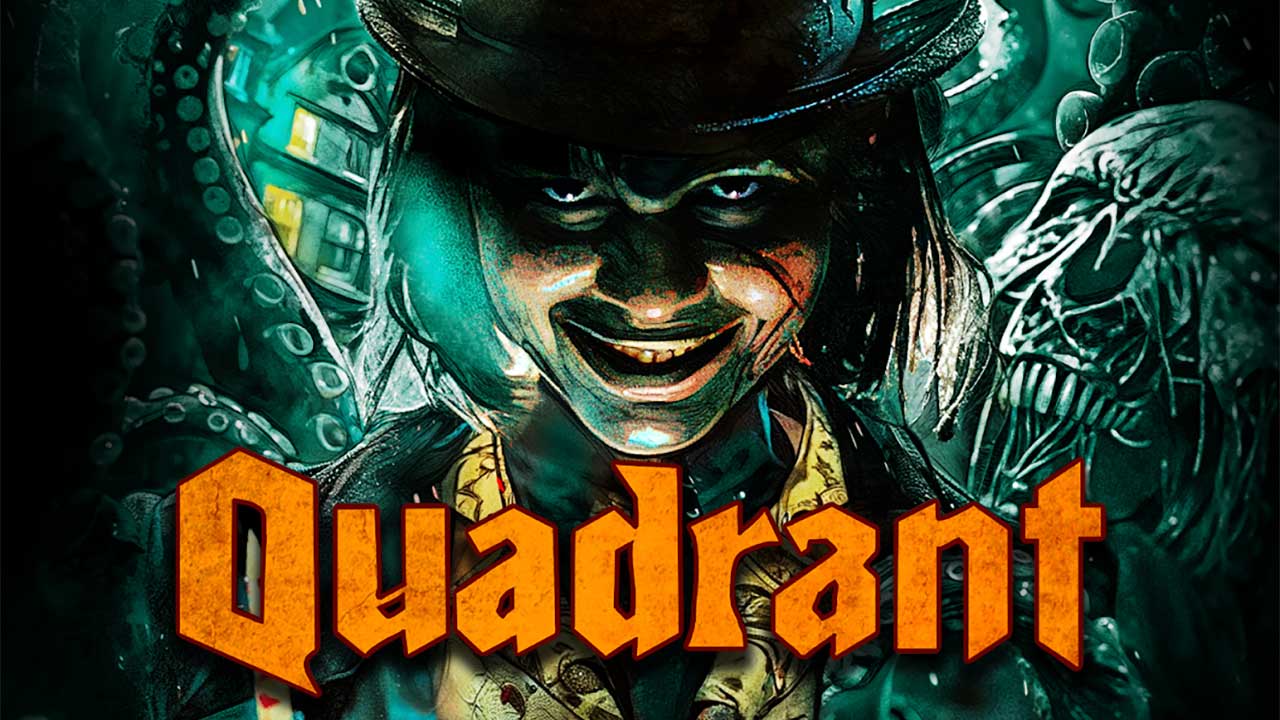
    Quadrant (2024)

    [et_pb_section fb_built=”1″ admin_label=”section” _builder_version=”4.16″ global_colors_info=”{}”][et_pb_row column_structure=”2_3,1_3″ admin_label=”row” _builder_version=”4.16″ background_size=”initial” background_position=”top_left” background_repeat=”repeat” global_colors_info=”{}”][et_pb_column type=”2_3″ _builder_version=”4.16″ custom_padding=”|||” global_colors_info=”{}” custom_padding__hover=”|||”][et_pb_text _builder_version=”4.27.0″ _module_preset=”default” global_colors_info=”{}”]In the 1980s, Charles Band created a concept for a movie called Quadrant, which he would produce under Empire Pictures. Unfortunately, after the studio went bankrupt, the idea was shelved until the mid-90s, when Full Moon Features was formed. He hired Linda Hassini, who previously directed Dark Angel: The Ascent, to helm the project for a 1995 release. Sadly, this was when Paramount Pictures ended their deal with Full Moon, and the film again sat on the shelf. Decades later, Band decided to start a new label for more extreme horror films called Pulp Noir. He chose to revive the Quadrant concept for the first Pulp Noir film and hired C. Courtney Joyner to write. With a cast of young actors and a small budget, Band shot the movie at his Cleveland studio. After decades of development, Quadrant hit Full Moon’s streaming in August 2024.

    [/et_pb_text][/et_pb_column][et_pb_column type=”1_3″ _builder_version=”4.16″ custom_padding=”|||” global_colors_info=”{}” custom_padding__hover=”|||”][et_pb_circle_counter title=”Rating” number=”70″ bar_bg_color=”#EDF000″ _builder_version=”4.27.0″ _module_preset=”default” global_colors_info=”{}”][/et_pb_circle_counter][/et_pb_column][/et_pb_row][et_pb_row _builder_version=”4.16″ _module_preset=”default” global_colors_info=”{}”][et_pb_column type=”4_4″ _builder_version=”4.16″ _module_preset=”default” global_colors_info=”{}”][et_pb_text _builder_version=”4.27.0″ _module_preset=”default” global_colors_info=”{}”]

    Synopsis

    Scientists Meg (Emma Reinagel) and Harry (Rickard Claeson) created an experimental device called Quadrant to help people conquer their fears. Their first test subject is a young woman named Erin (Shannon Barnes), who has an obsession with Jack The Ripper. However, the more she uses Quadrant, the more she wants to use it to reenact the notorious murders. Meanwhile, Meg and Harry bring in another test subject, Robert (Christian Carrigan), whose crippling fears affect his livelihood. Erin gets friendly with Robert and manipulates him into being her accomplice as she starts killing real people. Tensions arise when Meg wants to stop the experiments because of their effects, while Harry wants to keep going. Unfortunately, it might be too late, as Erin can now manipulate reality thanks to her bond with Quadrant. Will her reign of terror be stopped, or has Jack The Ripper returned as this troubled young woman?


    Review

    Quadrant has its issues but offers plenty of promise for the first film in a new series. To get this out of the way, the film’s use of AI-generated artwork is disconcerting and might upset some people. On the one hand, there’s a lot of discussion about using AI over hiring professional artists. On the other hand, this is a micro-budget film, and Full Moon probably didn’t have the proper resources. Also, you could justify using AI by saying that everything experienced in Quadrant is supposed to be virtual reality. It’s supposed to be a simulation of a real-world scenario, meaning not everything will look 100% realistic. While it would’ve been better if they hired professional artists or built period-accurate sets, they worked with what they had. If AI-generated artwork genuinely bothers you, you’ll probably hate this, but if not, you might enjoy it.

    On the positive side, C. Courtney Joyner’s script is solid, and he does a great job exploring these concepts. The idea of a demented person abusing a virtual reality system to live out their sick fantasies is intriguing. This film goes in some directions you wouldn’t expect from a recent Full Moon movie, and it’s greatly appreciated. The young cast does a good job, with Shannon Barnes being the biggest standout among the group. She plays the part with such devilish charm and demented enthusiasm that you can’t take your eyes off her. Emma Reinagel also does an excellent job as the voice of reason against Rickard Claeson, whose determination is infectious. Christian Carrigan is also solid as a trauma patient trying to overcome his fears, which Erin easily manipulates. Admittedly, some of his line deliveries sound flat, but he and everyone else show plenty of potential.

    There are also a few story details that either aren’t explained well or don’t make sense. For instance, we’re never told how Quadrant came to be, who’s funding it, or how Meg and Harry built it. Also, as the story progresses, Erin can somehow manipulate reality around her, but there’s no rhyme or reason behind it. While the film has some dynamic lighting and great use of shadow, the cinematography feels a little flat. The music also sounds repetitive and doesn’t pick up until the third act, and some of the dialogue seems dubbed. Granted, these technical gripes don’t hurt the film too much, and it delivers the edginess the label promised. Hopefully, some of these issues will get ironed out for future movies, but this is otherwise a solid start. Overall, Quadrant has flaws, but it’s got a strong cast, intriguing ideas, and boobs and blood galore.


    Quadrant will be available on streaming, Blu-ray, DVD, and VHS on August 23rd. Visit https://www.fullmoonfeatures.com/quadrant-coming-8-23 for more information.

    [/et_pb_text][/et_pb_column][/et_pb_row][/et_pb_section]
  • Satan’s Blade (1984)

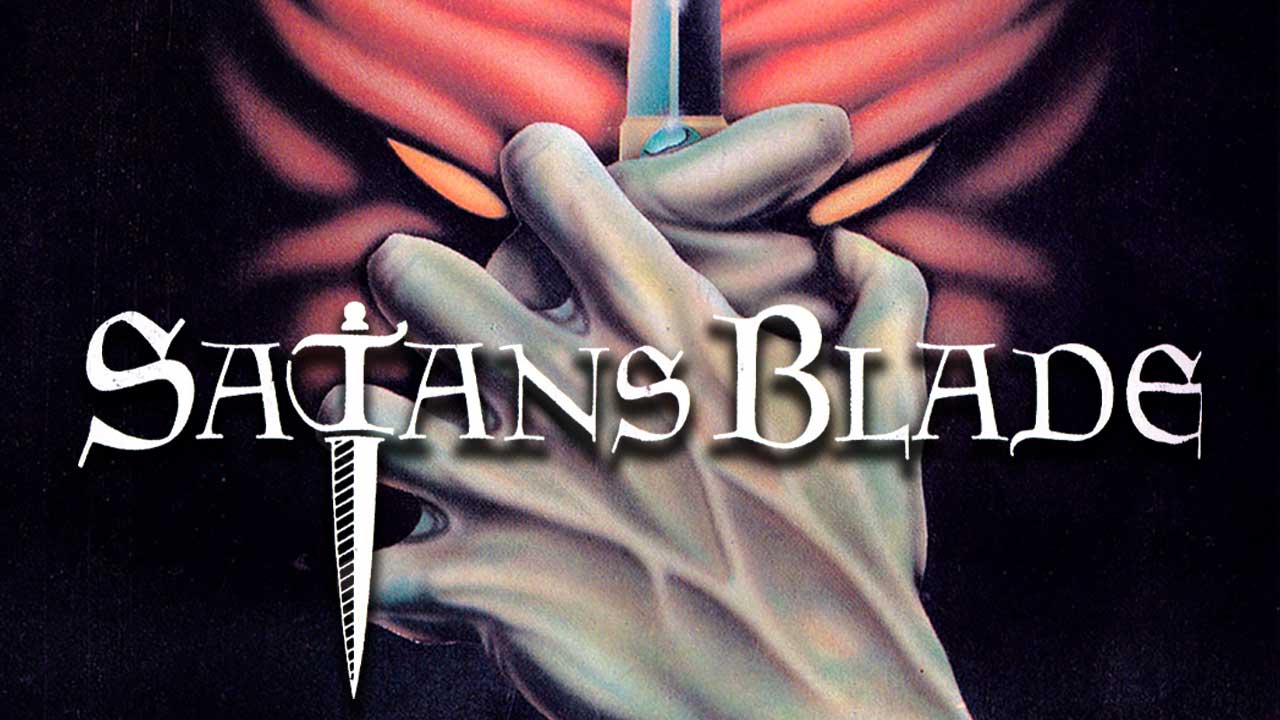
    Satan’s Blade (1984)

    [et_pb_section fb_built=”1″ admin_label=”section” _builder_version=”4.16″ global_colors_info=”{}”][et_pb_row column_structure=”2_3,1_3″ admin_label=”row” _builder_version=”4.16″ background_size=”initial” background_position=”top_left” background_repeat=”repeat” global_colors_info=”{}”][et_pb_column type=”2_3″ _builder_version=”4.16″ custom_padding=”|||” global_colors_info=”{}” custom_padding__hover=”|||”][et_pb_text _builder_version=”4.27.0″ _module_preset=”default” global_colors_info=”{}”]After the massive success of John Carpenter’s Halloween in 1978, numerous filmmakers tried capitalizing on the success. Enter L. Scott Castillo Jr., who wanted to make a horror film because it was cheap and a surefire hit. Through some personal connections, Castillo Jr. acquired a $50,000 budget to shoot what he was sure would be a hit. In 1980, he and a team of first-time actors and crew members filmed for thirty-three days around southern California. Filming wrapped in 1982, but unfortunately, Castillo Jr. had difficulty finding a distributor for budgetary reasons. As the early 80s rolled on, the slasher boom had its rise but was gradually declining. M.C. Productions, who owned the copyright for The Manchurian Candidate, acquired the distribution rights for Castillo’s film. Four years after filming wrapped, Satan’s Blade had a small theatrical run before going to video stores in 1984.

    [/et_pb_text][/et_pb_column][et_pb_column type=”1_3″ _builder_version=”4.16″ custom_padding=”|||” global_colors_info=”{}” custom_padding__hover=”|||”][et_pb_circle_counter title=”Rating” number=”40″ bar_bg_color=”#E09900″ _builder_version=”4.27.0″ _module_preset=”default” global_colors_info=”{}”][/et_pb_circle_counter][/et_pb_column][/et_pb_row][et_pb_row _builder_version=”4.16″ _module_preset=”default” global_colors_info=”{}”][et_pb_column type=”4_4″ _builder_version=”4.16″ _module_preset=”default” global_colors_info=”{}”][et_pb_text _builder_version=”4.27.0″ _module_preset=”default” global_colors_info=”{}”]

    Synopsis

    After a successful heist, bank robbers Ruth (Meg Greene) and Trish (Mary Seaman) lie low in the mountains. However, Ruth gets greedy and kills Trish to take her share, only to get slashed by a mysterious figure. Soon after, Tony (Tom Bongiorno) and his wife Lisa (Elisa R. Malinovitz) go to the same mountains for a vacation. Tony’s friend Al (Thomas Cue) and his wife Lil (Janeen Lowe) also stay in the cabin with them. Next door, there’s Stephanie (Stephanie Leigh Steel), Sue (Ramona Andrada), Rita (Diane Taylor), Marlene (Marti Neal), and Mary (Susan Bennett). Sheriff Ben (Fred Armond) and Officer Ski (Ski Mark Ford) are investigating the murders, though the locals have their suspicions. According to legend, a mountain man with a cursed knife possessed by a Native spirit stalks the mountains. Soon, the body count rises as the vacationers feel the wrath of Satan’s Blade!


    Review

    In my review of Splatter University, I said that I considered that the worst slasher I’ve reviewed so far. Having seen Satan’s Blade, I owe Richard Haines an apology because I’ve found one that’s even worse. Sure, SU had tons of boring filler, uninteresting characters, and bad acting, but it had a few bright spots. The same can’t be said for L. Scott Castillo Jr’s first and only directing credit, which is somehow more boring. Admittedly, the opening bank robbery is somewhat unique since it’s not the usual opening for a slasher. Unfortunately, the opening also serves as a taste for what’s to come – bad acting, poor writing, and amateur filmmaking. There’s also a trippy dream sequence partway into the movie where the young women get slashed by the mountain man. Sadly, those moments only make up 10 minutes of an otherwise boring 82 minutes.

    The rest of the runtime consists of the characters drinking, wandering around, talking endlessly, or trying to be dramatic. There’s a minor subplot where Tony almost cheats on Lisa with Stephanie, but that doesn’t go anywhere. Also, the inane dialogue between the young women rivals the talking scenes from Death Proof, and that had Kurt Russell. None of the cast members went on to do anything afterward, and it’s easy to see why. None of them can emote convincingly; they all sound flat, and none of them are ironically funny. The cinematographer Terry Kempf was the only one who seems to have had a successful career after this. He worked in the art department for movies like The AbyssSicarioLone SurvivorScream 2, and Tank Girl. It’s good to know that at least someone managed to work on better things after this.

    Even though he wasn’t a cinematographer in other movies, Kempf did a solid job capturing the scenery. Some beautiful shots of the mountains, forest, and snow look straight out of a nature documentary. I wonder if Castillo Jr. wanted to emulate The Shining in using the scenery to establish a sense of isolation. Unfortunately, like everything else, it doesn’t work and adds to the movie’s tedium and slow pacing. It doesn’t help that the slashing only happens an hour into the film, and even then, it’s done haphazardly. The ending is just as baffling, though it does have an interesting connection to the opening, so that’s appreciated. This movie is one I can only recommend to hardcore slasher fans, especially if you’re a completionist. Overall, Satan’s Blade is boring, poorly made, badly acted, and barely even a slasher film.


    Buy Satan’s Blade from Amazon: https://amzn.to/4cgSLMm.

    Disclosure: The above link is an affiliate link, which means that, at zero cost to you, I will earn a commission if you click through the link and finalize a purchase.

    [/et_pb_text][et_pb_code _builder_version=”4.27.5″ _module_preset=”default” hover_enabled=”0″ sticky_enabled=”0″]

    Where to watch Satan’s Blade (1984)

    data-api-key=”LMVDLdLSH5ZJnQ4FMGMgyJCB8cmGbfCV” data-object-type=”Movie” data-title=”Satan’s Blade” data-year=”1984″ data-theme=”light”>

    [/et_pb_code][/et_pb_column][/et_pb_row][/et_pb_section]
  • Splatter University (1984)

    Splatter University (1984)

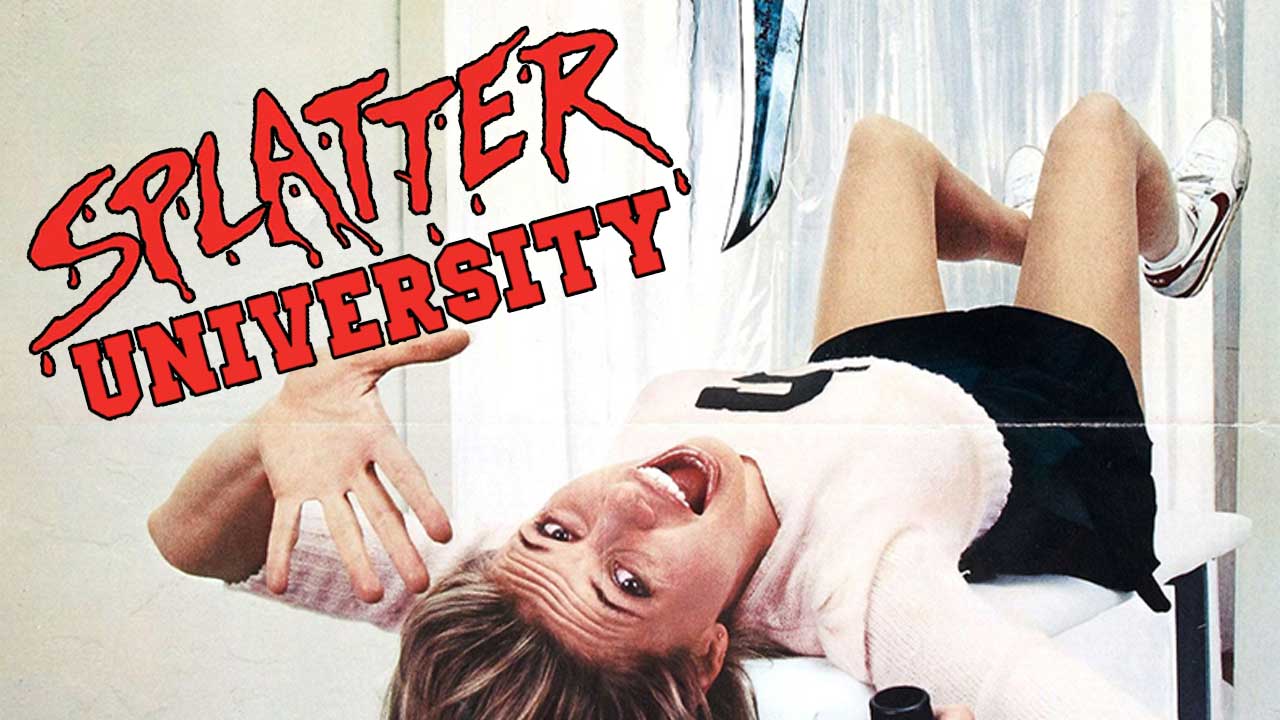
    [et_pb_section fb_built=”1″ admin_label=”section” _builder_version=”4.16″ global_colors_info=”{}”][et_pb_row column_structure=”2_3,1_3″ admin_label=”row” _builder_version=”4.16″ background_size=”initial” background_position=”top_left” background_repeat=”repeat” global_colors_info=”{}”][et_pb_column type=”2_3″ _builder_version=”4.16″ custom_padding=”|||” global_colors_info=”{}” custom_padding__hover=”|||”][et_pb_text _builder_version=”4.27.0″ _module_preset=”default” global_colors_info=”{}”]After graduating from NYU’s film school in 1979, aspiring filmmaker Richard W. Haines got his first job at Troma. He started as an assistant editor on Charles Kaufman’s Mother’s Day and was a sound editor on Lloyd Kaufman’s Waitress! Around this time, Haines began working on his directorial debut, a low-budget slasher called Thou Shalt Not Kill. With a budget of $50,000, filming took place around Mercy College and various other locations in New York. Filming wrapped in 1981, but the movie clocked in at 65 minutes, so Troma ordered reshoots to extend the length. Said reshoots were done the following year, including a prologue filmed at Bellevue Hospital, making the new runtime 78 minutes. Despite finishing in 1982, the film sat on the shelf for two years before premiering at Cannes in 1984. For its US premiere in July of that year, Troma retitled the movie to Splatter University.

    [/et_pb_text][/et_pb_column][et_pb_column type=”1_3″ _builder_version=”4.16″ custom_padding=”|||” global_colors_info=”{}” custom_padding__hover=”|||”][et_pb_circle_counter title=”Rating” number=”55″ bar_bg_color=”#EDF000″ _builder_version=”4.27.0″ _module_preset=”default” global_colors_info=”{}”][/et_pb_circle_counter][/et_pb_column][/et_pb_row][et_pb_row _builder_version=”4.16″ _module_preset=”default” global_colors_info=”{}”][et_pb_column type=”4_4″ _builder_version=”4.16″ _module_preset=”default” global_colors_info=”{}”][et_pb_text _builder_version=”4.27.0″ _module_preset=”default” global_colors_info=”{}”]

    Synopsis

    Three years have passed since an escaped mental patient killed a young teacher at St. Trinian’s College. Newly graduated Julie Parker (Forbes Riley) gets a job teaching at the school from the headmaster, Father Janson (Dick Biel). While there, Julie makes friends with fellow teachers Mark Hammond (Ric Randig) and Cynthia Lockey (Laura Gold). Unbeknownst to Julie, the psychotic patient is back and killing several of the students one by one. Cynthia believes that Mark is responsible, so she and Julie investigate, only to find nothing. Soon, Cynthia ends up murdered, prompting Julie to tell Father Janson that she’s quitting her teaching job. Unfortunately, the killer is still out there, and Julie doesn’t have anyone to turn to. She confides in Father Janson that Mark is the killer, but what Julie soon finds out will blow her mind. Will Julie survive or be in line next at Splatter University?


    Review

    At the time of my writing, Splatter University might be the weakest of the 1984 slashers I’ve reviewed. Aside from some campy moments and a few bloody kills, this movie has little to offer. Granted, what Richard Haines and his team accomplished with only $50,000 is impressive, if nothing else. The cinematography is decent, the gore effects are solid, if minimal, and the score is delightfully weird. However, one song plays almost constantly at the start of every scene and gets annoying fast. You can tell there were reshoots by all the filler with the students that didn’t have much impact. It doesn’t help that all the acting from the students is very wooden at best and obnoxious at worst. They’re the ultimate example of characters in a slasher that are just there for cannon fodder. It’s no wonder many of them didn’t act in anything else.

    That said, the cast has a few bright spots, namely Forbes Riley as the young, naive teacher Julie Parker. On top of being pretty, she does a great job playing an innocent teacher trying to stand up for herself. She and her landlord, Mrs. Bloom (Mary Ellen David), have funny back-and-forths that get weirdly gruesome. It’s easy to root for her, and she would’ve made a great final girl in a much better slasher. Dick Biel is another standout as the seemingly good-hearted Father Janson, who perfectly skirts the line between friendly and creepy. You can tell from his body language that something’s up with him, but you’re not sure what. Ric Randig and Laura Gold are also decent, but their characters don’t have much to do. Aside from them, the cast is mostly forgettable, just like the rest of the movie.

    As much as I dog on this movie, some entertaining moments make it seem like a parody. After the opening sequence, it cuts to three years later, followed by a title card for next semester, last Friday. The weird time jumps combined with the ridiculous dialogue make me think Haines was trying to make a comedy. Unfortunately, too many slow, filler scenes make it hard to enjoy as a comedy, even an ironic one. Also, as I alluded to earlier, there are some decent kills, including throat slashings and chest stabbings. Plus, there is a twist that I genuinely didn’t expect, so I have to give the movie points for that. Still, this is one that I can only recommend to hardcore slasher fans, as most newcomers will find it dull. Overall, Splatter University has a few highlights, but not enough to justify the dull pace, story, and acting.


    Buy Splatter University from Amazon: https://amzn.to/3WK5O4s.

    Disclosure: The above link is an affiliate link, which means that, at zero cost to you, I will earn a commission if you click through the link and finalize a purchase.

    [/et_pb_text][et_pb_code _builder_version=”4.27.5″ _module_preset=”default” hover_enabled=”0″ sticky_enabled=”0″]

    Where to watch Splatter University (1984)

    data-api-key=”LMVDLdLSH5ZJnQ4FMGMgyJCB8cmGbfCV” data-object-type=”Movie” data-title=”Splatter University” data-year=”1984″ data-theme=”light”>

    [/et_pb_code][/et_pb_column][/et_pb_row][/et_pb_section]

  • Deadpool & Wolverine (2024)

    Deadpool & Wolverine (2024)

    [et_pb_section fb_built=”1″ admin_label=”section” _builder_version=”4.16″ global_colors_info=”{}”][et_pb_row column_structure=”2_3,1_3″ admin_label=”row” _builder_version=”4.16″ background_size=”initial” background_position=”top_left” background_repeat=”repeat” global_colors_info=”{}”][et_pb_column type=”2_3″ _builder_version=”4.16″ custom_padding=”|||” global_colors_info=”{}” custom_padding__hover=”|||”][et_pb_text _builder_version=”4.27.0″ _module_preset=”default” global_colors_info=”{}”]On a $110 million budget, Deadpool 2 grossed over $785 million worldwide and was the ninth highest-grossing film of 2018. Additionally, the film earned tons of critical acclaim, with some saying it was better than the original. Well before the original’s release, Fox planned on making a third film, but Disney’s 2019 acquisition put plans on hold. Disney CEO Bob Iger and Marvel Studios President Kevin Feige confirmed that an R-rated third installment was in the works. David Leitch couldn’t return due to prior commitments, so Shawn Levy, with whom Reynolds worked on Free Guy, directed instead. Reynolds, Levy, series writers Rhett Reese and Paul Wernick, and The Marvels writer Zeb Wells contributed to the script. In 2022, Hugh Jackman agreed to star alongside Reynolds as Wolverine, despite retiring after 2017’s Logan. After years of setbacks and delays, Deadpool & Wolverine hit theaters in July 2024.

    [/et_pb_text][/et_pb_column][et_pb_column type=”1_3″ _builder_version=”4.16″ custom_padding=”|||” global_colors_info=”{}” custom_padding__hover=”|||”][et_pb_circle_counter title=”Rating” number=”85″ bar_bg_color=”#7CDA24″ _builder_version=”4.27.0″ _module_preset=”default” global_colors_info=”{}”][/et_pb_circle_counter][/et_pb_column][/et_pb_row][et_pb_row _builder_version=”4.16″ _module_preset=”default” global_colors_info=”{}”][et_pb_column type=”4_4″ _builder_version=”4.16″ _module_preset=”default” global_colors_info=”{}”][et_pb_text _builder_version=”4.27.2″ _module_preset=”default” hover_enabled=”0″ global_colors_info=”{}” sticky_enabled=”0″]

    Synopsis

    Six years after the last film, Wade Wilson (Ryan Reynolds) retired from being Deadpool and became a used car salesman. Things are going ok when the TVA abducts Wade and takes him to meet Mr. Paradox (Matthew Macfadyen). Paradox offers Wade the chance to join The Avengers universe but mentions his universe is on the verge of collapse. In response, Wade, in full Deadpool mode, steals Paradox’s TemPad and travels the multiverse to find someone to help him. Deadpool recruits a variant of Wolverine (Hugh Jackman) to restore his timeline, hopefully, but they get sent to The Void. Now trapped in The Void, Deadpool & Wolverine must put aside their differences and find a way out. Along the way, they’ll meet old friends and enemies as they traverse The Void, looking for an escape. It’s up to Canada’s two most infamous anti-heroes to prevent the multiverse from collapsing into oblivion.


    Review

    So, is Deadpool & Wolverine the shot in the arm that the Marvel Cinematic Universe desperately needed? While it’s undoubtedly the best MCU movie in years, I’m not sure if this means things will get better. One thing this film gets right that so many other superhero movies seem to have forgotten is to be fun. The others had some humor, but they took themselves too seriously or didn’t know how to balance the tone. Like the first two movies, this one is funny and dramatic without veering too far in either direction. While some jokes don’t quite land, they more often than not stick the landing and deliver some belly laughs. The more serious, dramatic moments feel earned rather than pandering and are never interrupted by a joke. There’s much more heart than expected from a movie that opens with a bloody action sequence set to N’Sync.

    Ultimately, the fans want to see Deadpool and Wolverine team up, and that’s just what we get. Ryan Reynolds and Hugh Jackman are in top form, delivering outstanding performances and working well together. Reynolds’ irreverent, crass humor perfectly contrasts with Jackman’s stern, rugged tone, and seeing them go at it is a treat. One of the best scenes involves Deadpool and Wolverine tearing each other to shreds in a minivan. The scene keeps going and going, and there’s so much blood that it’s easily one of the film’s biggest highlights. There are also some great cameos littered throughout, but they don’t feel like they’re there for the sake of it. It feels like a love letter to the early-to-mid 2000s era superhero movies, which were more experimental and risk-taking. The film also takes a few shots at the MCU, which is surprising but greatly appreciated.

    Shawn Levy was a great choice to direct this movie, as he stages some great action sequences with fluidity and grace. He managed to tap into what made Tim Miller and David Leitch’s direction work while making it his own. Unfortunately, most of the returning cast don’t have much, if anything, to do and are just background characters. Also, the plot is the usual “hero must stop the villain from destroying the world/universe/multiverse” we’ve seen already. That said, the villain used is better and more interesting than the ones we’ve seen in previous MCU installments. If nothing else, I must credit Disney for allowing the people involved to go full hard R. It’s hard to say if future MCU movies will improve, but this delivers all the fun you could expect. Overall, Deadpool & Wolverine is violent, crude, heartfelt, hilarious, earnest, and, most importantly, fun.


    Buy Deadpool & Wolverine from Amazon: https://amzn.to/3YPynOM.

    Disclosure: The above link is an affiliate link, which means that, at zero cost to you, I will earn a commission if you click through the link and finalize a purchase.

    [/et_pb_text][/et_pb_column][/et_pb_row][/et_pb_section]
  • Fatal Games (1984)

    Fatal Games (1984)

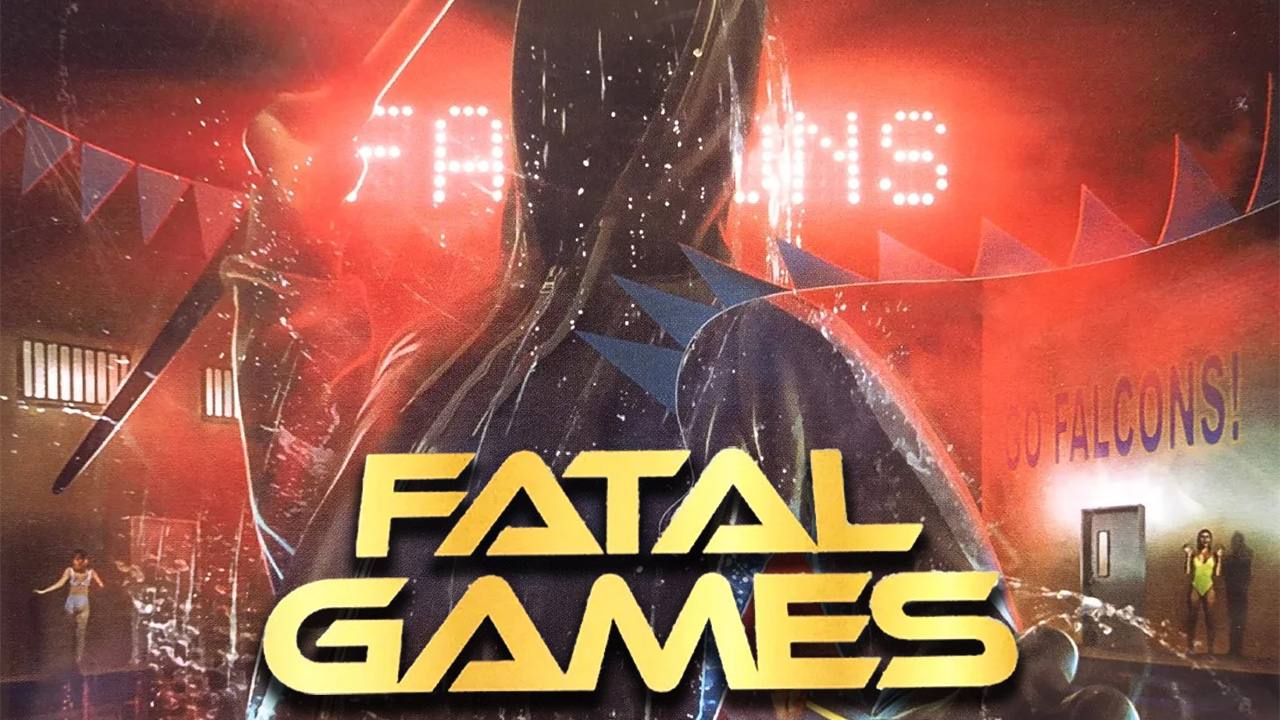
    [et_pb_section fb_built=”1″ admin_label=”section” _builder_version=”4.16″ global_colors_info=”{}”][et_pb_row column_structure=”2_3,1_3″ admin_label=”row” _builder_version=”4.16″ background_size=”initial” background_position=”top_left” background_repeat=”repeat” global_colors_info=”{}”][et_pb_column type=”2_3″ _builder_version=”4.16″ custom_padding=”|||” global_colors_info=”{}” custom_padding__hover=”|||”][et_pb_text _builder_version=”4.27.0″ _module_preset=”default” global_colors_info=”{}”]Due to the Soviet-Afghan War, the U.S. led several countries to boycott the 1980 Olympics in Moscow. The boycott made international news, eventually leading the USSR to boycott the 1984 Summer Olympics in Los Angeles. With the slasher boom in full effect, many studios and would-be filmmakers wanted to capitalize on this trend. Rafael Buñuel and Christopher Mankiewicz, sons of surrealist filmmaker Luis Buñel and Oscar-winning filmmaker Joseph L. Mankiewicz, were among them. Around 1982, they brought on first-time writer/director Michael Elliot to helm a slasher film centered on The Olympics. Under the title The Killing Touch, filming took place around University High School and Aviation High School in California. Unfortunately, the movie had numerous production issues, including constant rewrites and a rushed 5-week shoot. After struggling to find distribution, the film had a limited theatrical release in 1984 under the new title Fatal Games.

    [/et_pb_text][/et_pb_column][et_pb_column type=”1_3″ _builder_version=”4.16″ custom_padding=”|||” global_colors_info=”{}” custom_padding__hover=”|||”][et_pb_circle_counter title=”Rating” number=”65″ bar_bg_color=”#EDF000″ _builder_version=”4.27.0″ _module_preset=”default” global_colors_info=”{}”][/et_pb_circle_counter][/et_pb_column][/et_pb_row][et_pb_row _builder_version=”4.16″ _module_preset=”default” global_colors_info=”{}”][et_pb_column type=”4_4″ _builder_version=”4.16″ _module_preset=”default” global_colors_info=”{}”][et_pb_text _builder_version=”4.27.2″ _module_preset=”default” global_colors_info=”{}”]

    Synopsis

    At the Falcon Academy of Athletics, young athletes are training for the Nationals, hoping to qualify for the Olympics. Overseeing the students is Dr. Jordine (Michael Elliot), who’s been administering steroids so they’ll outperform Russia and China. His assistant, Diane Paine (Sally Kirkland), objects to what they’re doing, but Jordine convinces her that it’s for the best. Things worsen when some athletes, such as gymnasts Nancy Wilson (Melissa Prophet) and Sue Allen Baines (Angela Bennett), go missing. Unbeknownst to anyone, a masked killer stalks the campus with a javelin, picking off the athletes one by one. Fellow gymnast Annie Rivers (Lynn Banashek) and her boyfriend Phil Dandrige (Sean Masterson) decide to investigate the disappearances. All the while, the other students struggle with interpersonal relationships, unrealistic expectations, and student-teacher relations. Who will be next, and who will take it all the way and survive these fatal games?


    Review

    Fatal Games is a pretty silly slasher, but it has some unique qualities that make it stand out. Setting it in an athletic school for Olympic hopefuls is a novel concept that isn’t the usual summer camp. Also, the killer has a distinctive look and a signature weapon that they stick with, even when killing someone underwater. It helps that almost every shot featuring the killer has them backlit, which makes them look more ominous. Plus, similar to how The Mutilator had a ridiculously catchy theme song, this one has a similarly infectious title track. It’s worth noting that the opening song was composed by Shuki Levy, who later founded Saban Entertainment with Haim Saban. There’s also an exciting climax that keeps you on edge, especially with the twist that adds a layer of cheese. Plus, there’s plenty of nudity, both male and female, to suit your tastes.

    Unfortunately, aside from a unique setting and a decent killer, this film offers little else. For one, the acting falls flat, though it doesn’t help that the cast doesn’t have great dialogue to work with. Future Oscar nominee Sally Kirkland performs well, though the filmmakers’ handling of her character is questionable. Spice Williams-Crosby is also a highlight as the likable Coach Drew, even though her character sleeps with a student. Sadly, Lynn Banashek, who only has one other credit to her name, is a weak and forgettable lead. The film tries to add character development, but none of the characters are interesting enough to warrant this. Also, this one’s pretty weak on the gore for a slasher film, only showing a little blood here and there. It doesn’t help that every kill is the same stabbing by javelin, a wasted opportunity for some Olympic-themed kills.

    Many people have compared this film to 1981’s Graduation Day, and it’s easy to see why. Both involve a masked killer going after a group of young athletes and have a shocking twist. Considering Herb Freed’s movie made more money, I’m sure Michael Elliot and his team took some inspiration. That said, Freed’s movie is better because it has more inventive kills, better characters, and a sense of fun. Patch McKenzie is a much better lead than Lynn Banashek, and that film had more of a sense of humor. Still, there’s enough unintentional camp to enjoy this film, especially with some friends and your substance of choice. While I wouldn’t call this a long-lost gem, it’s still an interesting artifact worth seeing if you love slashers. Overall, Fatal Games isn’t terrible, but if you want to start getting into 80s slashers, there are better options.


    Buy Fatal Games from Amazon: https://amzn.to/3NY2f5b.

    Disclosure: The above link is an affiliate link, which means that, at zero cost to you, I will earn a commission if you click through the link and finalize a purchase.

    [/et_pb_text][et_pb_code _builder_version=”4.27.5″ _module_preset=”default” hover_enabled=”0″ sticky_enabled=”0″]

    Where to watch Fatal Games (1984)

    data-api-key=”LMVDLdLSH5ZJnQ4FMGMgyJCB8cmGbfCV” data-object-type=”Movie” data-title=”Fatal Games” data-year=”1984″ data-theme=”light”>

    [/et_pb_code][/et_pb_column][/et_pb_row][/et_pb_section]
  • Silent Madness (1984)

    Silent Madness (1984)

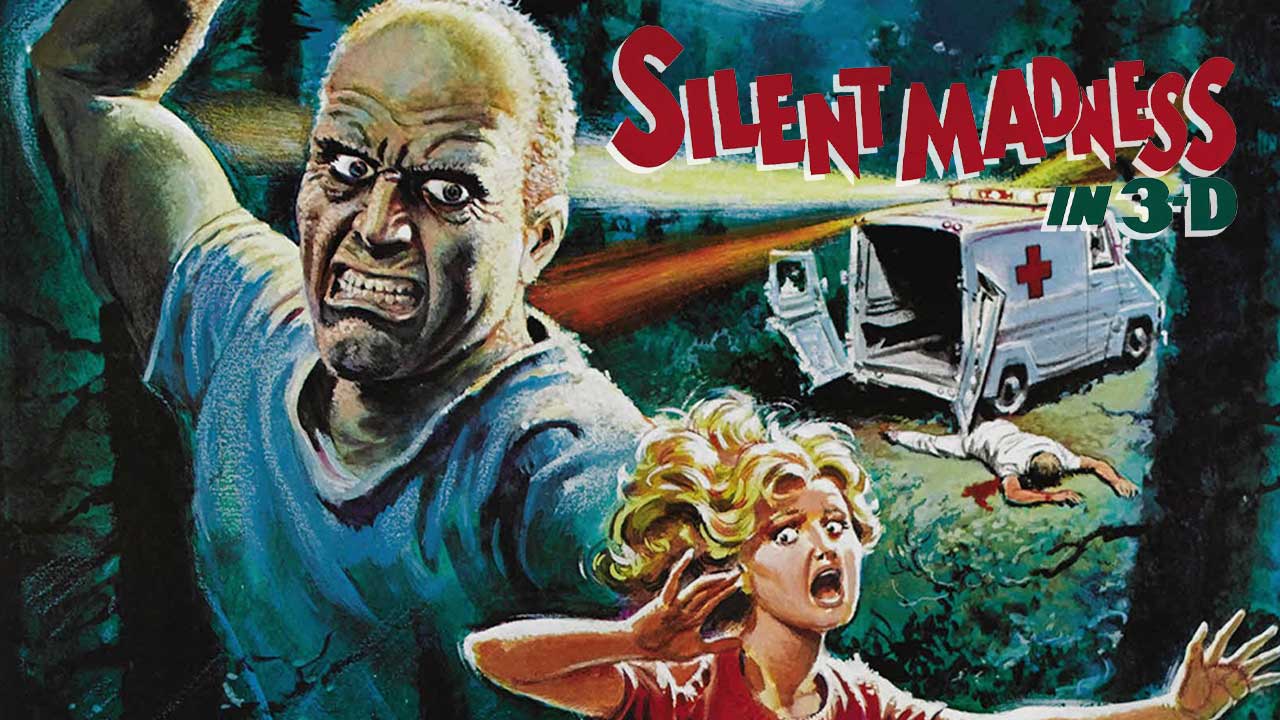
    [et_pb_section fb_built=”1″ admin_label=”section” _builder_version=”4.16″ global_colors_info=”{}”][et_pb_row column_structure=”2_3,1_3″ admin_label=”row” _builder_version=”4.16″ background_size=”initial” background_position=”top_left” background_repeat=”repeat” global_colors_info=”{}”][et_pb_column type=”2_3″ _builder_version=”4.16″ custom_padding=”|||” global_colors_info=”{}” custom_padding__hover=”|||”][et_pb_text _builder_version=”4.26.1″ _module_preset=”default” global_colors_info=”{}”]Alongside the slasher boom, the early 1980s saw a revival of 3D thanks to the surprise hit Comin’ at Ya! Between 1981 and 1983, 3D movies like Friday the 13th Part III, Parasite, and Jaws 3D hit theaters. Enter filmmakers Simon Nuchtern and Bill Milling, who first met working on the 1981 horror film Nightmare. Seeing the popularity of slasher films and the interest in 3D, they decided to combine the two. Around this time, numerous publications reported on mental asylums letting patients out early for budgetary reasons. The two used this as the backbone and hired Bob Zimmerman and Nelson DeMille to help with the script. With a budget of roughly $600,000, filming took place around Nyack, New York, using the ArriVision 3-D camera system. After premiering at the Cannes Film Festival, Silent Madness hit movie screens in October 1984 in both 2D and 3D.

    [/et_pb_text][/et_pb_column][et_pb_column type=”1_3″ _builder_version=”4.16″ custom_padding=”|||” global_colors_info=”{}” custom_padding__hover=”|||”][et_pb_circle_counter title=”Rating” number=”70″ bar_bg_color=”#EDF000″ _builder_version=”4.26.1″ _module_preset=”default” global_colors_info=”{}”][/et_pb_circle_counter][/et_pb_column][/et_pb_row][et_pb_row _builder_version=”4.16″ _module_preset=”default” global_colors_info=”{}”][et_pb_column type=”4_4″ _builder_version=”4.16″ _module_preset=”default” global_colors_info=”{}”][et_pb_text _builder_version=”4.27.2″ _module_preset=”default” global_colors_info=”{}”]

    Synopsis

    The Craven Mental Institution has recently implemented a program that releases patients they feel are fit for society. Not everyone favors this, particularly Dr. Joan Gilmore (Belinda Montgomery), who thinks it could be dangerous. She’s proven right when a homicidal patient named Howard Johns (Solly Marx) gets released due to a clerical error. Dr. Kruger (Roderick Cook) explains that Howard Johns passed away, but Gilmore suspects something is up, so she investigates further. With help from newspaper owner Mark McGowan (David Greenan), she goes undercover at a sorority house where Johns committed murder. She tries getting help from Sheriff Liggett (Sydney Lassick), but he refuses when the hospital tells him Johns is dead. Elsewhere, Kruger enlists orderlies Jesse (Philip Levy) and Virgil (Dennis Helfend) to bring Johns back and deal with Gilmore. Will Gilmore uncover the truth, and who will be the next victim of Silent Madness?


    Review

    While I wouldn’t call Silent Madness an unsung classic, I will say that it’s better than most non-franchise slashers. One aspect that makes it stand out is the acting, which is above average compared to similar movies. Belinda Montgomery makes for a strong lead as Dr. Gilmore, acting confident, self-assured, and willing to stand her ground. David Greenan also does an excellent job as Mark McGowan and has great chemistry with Montgomery. Although her scenes are brief, classic actress Viveca Lindfors is also memorable as the sorority housemother, Mrs. Collins. Also, Sydney Lassick of One Flew Over the Cuckoo’s Nest fame steals the show as the foul-mouthed sheriff. Solly Marks is a solidly intimidating killer, and Roderick Cook is great as the sinister Dr. Kruger. Even the sorority sisters are very likable, though they have little to do. Also, look for Sleepaway Camp actors Paul DeAngelo and Katherine Kamhi.

    What also makes this film stand out is the 3D, which is as gimmicky and cheesy as you can imagine. Admittedly, it’s not as fun as the 3D in Friday the 13th Part III, but the 3D that’s there does add to the charm. Most of the time, the actor will hold an object to the camera and pause, which adds some unintentional humor. Still, I’d rather have this old-school, gimmicky 3D over Avatar’s flashy, atmospheric 3D any day. Also, while the kills are relatively tame and lacking in gore, many are imaginative and creatively unique. A memorable one involves a girl upside down strangled by a rope tied to a dumbbell thrown out a window. There’s also a flashback sequence where several girls get gunned down with a nail gun, which is just brutal. The kills are above your typical slice and dice, even if not bloody.

    Whether intentional or not, the film also has a slight anti-corporate message and provides commentary on the healthcare system. We see patients mistreated by the staff, technical errors swept under the rug, and management more concerned with money. Considering the filmmakers’ inspiration for this film, it wouldn’t surprise me if this commentary was intentional. Granted, I’m probably giving this movie more credit than it deserves, but this is more ambitious than typical slashers. Criticisms aside, it’s clear the filmmakers tried making something unique, and even if some of it didn’t work, they tried. At slightly over 90 minutes long, parts of the film could’ve been shorter, but it moves at a decent pace. So, if you’ve seen all the big slashers and want something else, give this a shot. Overall, Silent Madness is hardly a classic, but its ambition, story, and acting put it above its contemporaries.


    Buy Silent Madness from Amazon: https://amzn.to/3NShpZV.

    Disclosure: The above link is an affiliate link, which means that, at zero cost to you, I will earn a commission if you click through the link and finalize a purchase.

    [/et_pb_text][et_pb_code _builder_version=”4.27.5″ _module_preset=”default” hover_enabled=”0″ sticky_enabled=”0″]

    Where to watch Silent Madness (1984)

    data-api-key=”LMVDLdLSH5ZJnQ4FMGMgyJCB8cmGbfCV” data-object-type=”Movie” data-title=”Silent Madness” data-year=”1984″ data-theme=”light”>

    [/et_pb_code][/et_pb_column][/et_pb_row][/et_pb_section]
  • The Mutilator (1984)

    The Mutilator (1984)

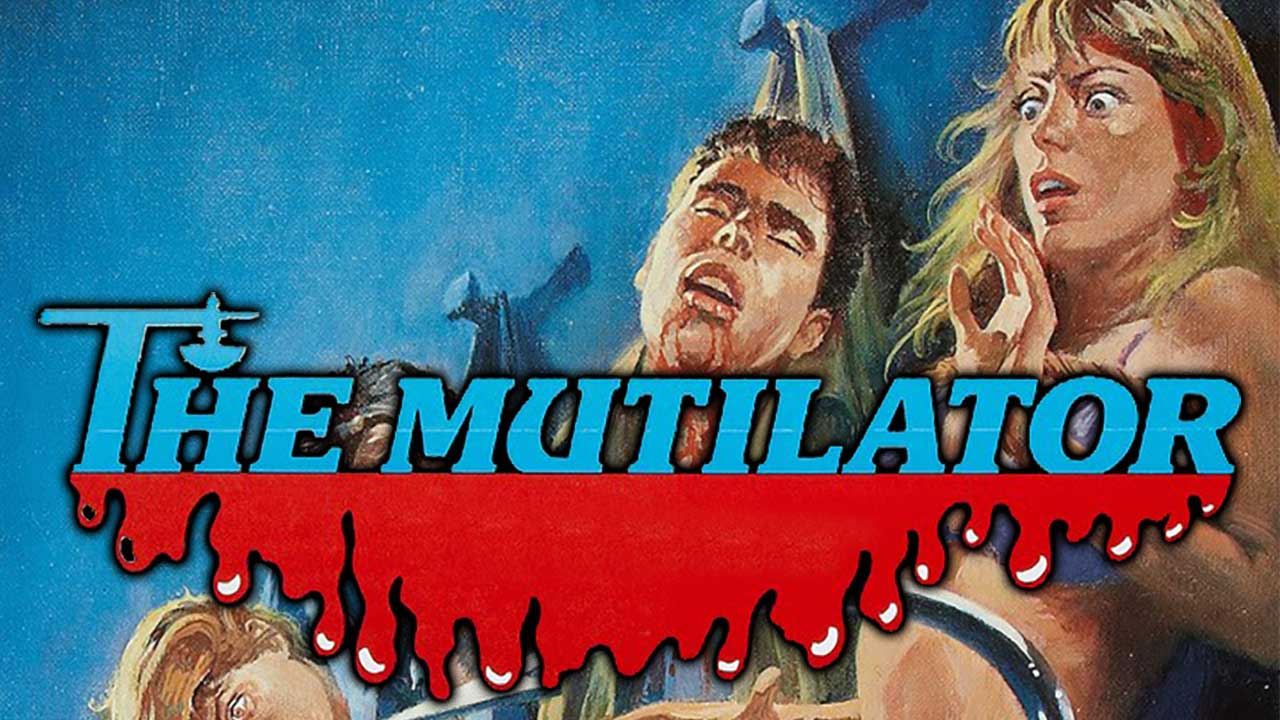
    [et_pb_section fb_built=”1″ admin_label=”section” _builder_version=”4.16″ global_colors_info=”{}”][et_pb_row column_structure=”2_3,1_3″ admin_label=”row” _builder_version=”4.16″ background_size=”initial” background_position=”top_left” background_repeat=”repeat” global_colors_info=”{}”][et_pb_column type=”2_3″ _builder_version=”4.16″ custom_padding=”|||” global_colors_info=”{}” custom_padding__hover=”|||”][et_pb_text _builder_version=”4.26.0″ _module_preset=”default” global_colors_info=”{}”]Though he was practicing law at the time, Buddy Cooper always wanted to work in the movie industry. He spent some time taking courses on screenwriting and production at American University, where he met Associate Professor John Douglass. The two hit it off, and Douglass agreed to help Cooper co-direct a script he wrote for a horror film. Cooper’s father owned a hotel for housing and an isolated condo off Atlantic Beach, so everything was set. Much of the cast and crew were locals, family members, or young New York and LA up-and-comers. For its release, the MPAA wanted to give the film an X-rating, but Cooper refused and released it unrated. Under the title Fall Break, the film premiered in Raliegh, North Carolina, in early 1984 until the distributor retitled it. After ironically making cuts to get an R-rating, the film hit LA theaters in 1985 as The Mutilator.
    [/et_pb_text][/et_pb_column][et_pb_column type=”1_3″ _builder_version=”4.16″ custom_padding=”|||” global_colors_info=”{}” custom_padding__hover=”|||”][et_pb_circle_counter title=”Rating” number=”60″ bar_bg_color=”#EDF000″ _builder_version=”4.26.0″ _module_preset=”default” global_colors_info=”{}”][/et_pb_circle_counter][/et_pb_column][/et_pb_row][et_pb_row _builder_version=”4.16″ _module_preset=”default” global_colors_info=”{}”][et_pb_column type=”4_4″ _builder_version=”4.16″ _module_preset=”default” global_colors_info=”{}”][et_pb_text _builder_version=”4.26.1″ _module_preset=”default” global_colors_info=”{}”]

    Synopsis

    Young Ed (Trace Cooper) accidentally kills his mother with his father’s hunting rifle while trying to clean it. Years later, Ed (Matt Mitler), now in college, gets a call from his father to close up his beach condo. With Fall Break approaching, his girlfriend Pam (Ruth Martinez) suggests they and their friends spend it at the condominium. He agrees, and they bring their friends Ralph (Bill Hitchcock), Sue (Connie Rogers), Linda (Frances Raines), and Mike (Morey Lampley). Little do they know that a mysterious killer (Jack Chatham) roams outside, waiting to pick them off one by one. The victims die in increasingly gruesome ways, such as with a boat motor, a flounder gig, and a fishing gaff. A local cop (Ben Moore) tries saving the young adults, only to wind up being decapitated by the killer. Who will survive Fall Break, and how many will fall victim to The Mutilator?


    Review

    Whether you call it Fall Break or The Mutilator, this formulaic slasher film doesn’t have much to offer. Of course, there’s nothing wrong with that, but if you’re expecting something more, you will be disappointed. It has a basic setup: young people go to an isolated setting to party, and a killer stalks the area. In a way, it’s similar to the setup of Friday the 13th, except this came out years later. Also, that film intentionally hid the killer to build suspense, whereas this one immediately shows the killer. Then again, this movie isn’t concerned about building tension so much as it is about delivering the kills. Thankfully, Mark Shostrom (Evil Dead II, From Beyond, Forbidden World) and his crew delivered some gruesome set pieces. In particular, the scenes involving a boat motor and a large fishing gaff are more gruesome than many other slashers.

    Sadly, for all of its bloody kills, the film lacks stellar acting and a compelling story. In this film’s defense, almost everyone involved was relatively unknown at the time and didn’t have much experience. Also, no one is so unlikable that you’re begging for their deaths, which puts it above most modern horror films. Matt Mitler, who later appeared in 1986’s Breeders, is a decent lead, though he comes off a bit milquetoast. The biggest standout is Bill Hitchcock as the comedic relief Ralph, who makes the most of his screen time. His carefree attitude and quick-witted one-liners make him a fun character, and he has a memorably goofy silent film-esque scene. While he doesn’t have much dialogue, Jack Chatham makes an imposing killer with his enormous stature and terrifying facial expressions. Even if the cast isn’t overly memorable, they get the job done well enough.

    As formulaic as this movie is, some weird additions make it stand out from its contemporaries. The title song is so upbeat and cheerful that it feels more appropriate for a sitcom than a slasher. The end credits, which feature bloopers alongside the cast’s names with respective footage and the theme song, add to that. It adds to the sense that the people making this film were having fun, which I can appreciate. Regardless of how the final product turned out, I’m glad the cast and crew enjoyed themselves while making it. The homegrown, local feel to the film adds the kind of charm you’ll only find in low-budget horror movies. Plus, at only 86 minutes, the movie gets in and out without the need to pad things out too much. Overall, The Mutilator isn’t anything remarkable, but it offers the type of thrills you’d expect.


    Buy The Mutilator from Amazon: https://amzn.to/3WgDJRX.

    Disclosure: The above link is an affiliate link, which means that, at zero cost to you, I will earn a commission if you click through the link and finalize a purchase.
    [/et_pb_text][et_pb_code _builder_version=”4.27.5″ _module_preset=”default” hover_enabled=”0″ sticky_enabled=”0″]

    Where to watch The Mutilator (1984)

    data-api-key=”LMVDLdLSH5ZJnQ4FMGMgyJCB8cmGbfCV” data-object-type=”Movie” data-title=”The Mutilator” data-year=”1984″ data-theme=”light”>

    [/et_pb_code][/et_pb_column][/et_pb_row][/et_pb_section]