Facebook

Author: FilmNerd

  • Godzilla vs. Kong (2021)

    Godzilla vs. Kong (2021)

    [et_pb_section fb_built=”1″ _builder_version=”4.9.4″ _module_preset=”default”][et_pb_row column_structure=”2_3,1_3″ _builder_version=”4.9.4″ _module_preset=”default”][et_pb_column type=”2_3″ _builder_version=”4.9.4″ _module_preset=”default”][et_pb_text _builder_version=”4.9.4″ _module_preset=”default” hover_enabled=”0″ sticky_enabled=”0″]

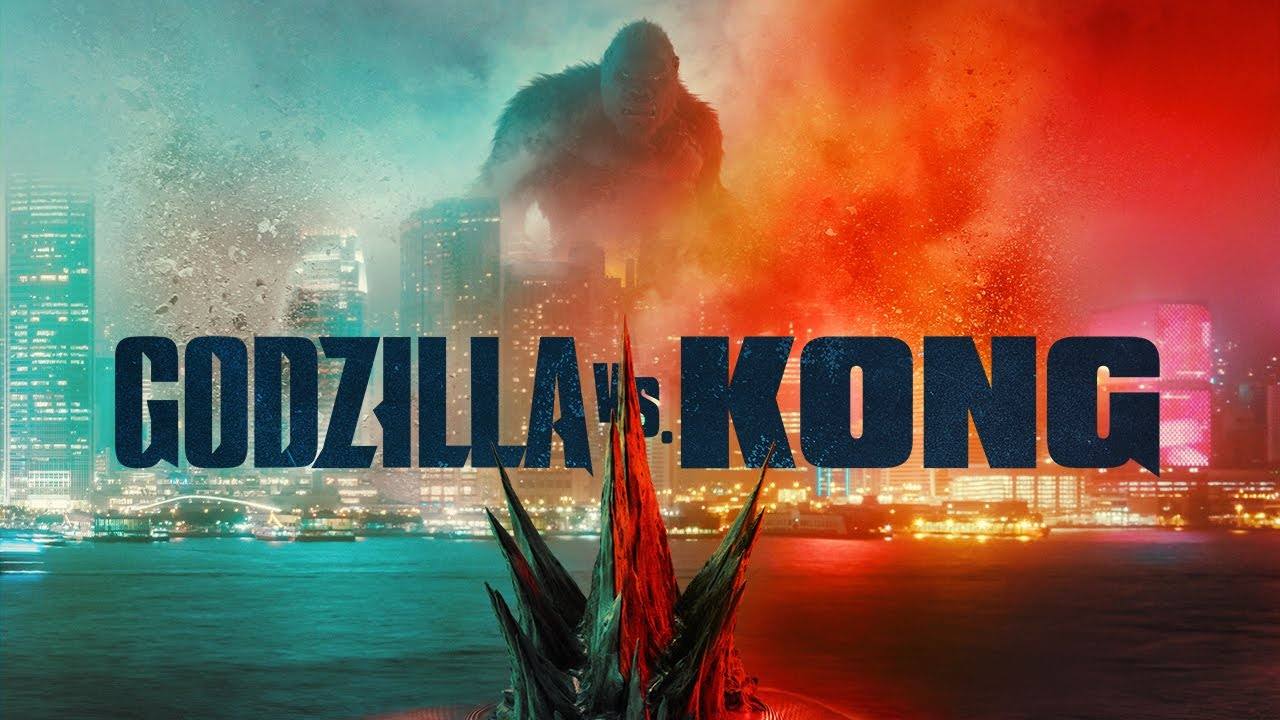
    When Legendary announced that they were moving Kong: Skull Island to Warner Bros., they also announced that Godzilla would crossover. However, the producers insisted that this crossover film wouldn’t be a remake of 1962’s King Kong vs. Godzilla. While Michael Dougherty directed Godzilla: King of the Monsters, he returned for this as a writer alongside Zach Shields. Adam Wingard, who was originally attached to a sequel to Peter Jackson’s 2005 King Kong remake, was hired to direct. Max Borenstein returned to write alongside Eric Pearson, who also co-wrote Thor: Ragnarok and did rewrites for other MCU movies. With Millie Bobby Brown and Kyle Chandler reprising their previous roles, they cast Rebecca Hall, Alexander Skarsgård, and Demián Bichir. After a six-month shoot, the film was set to release in May 2020 but was delayed due to COVID-19. Finally, Godzilla vs Kong hit theaters and HBO Max in March 2021.

    [/et_pb_text][/et_pb_column][et_pb_column type=”1_3″ _builder_version=”4.9.4″ _module_preset=”default”][et_pb_circle_counter title=”Rating” number=”80″ bar_bg_color=”#7CDA24″ _builder_version=”4.9.4″ _module_preset=”default”][/et_pb_circle_counter][/et_pb_column][/et_pb_row][et_pb_row _builder_version=”4.9.4″ _module_preset=”default”][et_pb_column type=”4_4″ _builder_version=”4.9.4″ _module_preset=”default”][et_pb_text _builder_version=”4.9.4″ _module_preset=”default” hover_enabled=”0″ sticky_enabled=”0″]

    Synopsis

    Following Godzilla’s fight with King Ghidorah, Kong is being monitored by Dr. Ilene Andrews (Rebecca Hall) on Skull Island. Meanwhile, Walter Simmons (Demián Bichir), the CEO of Apex Cybernetics, hires Dr. Nathan Lind (Alexander Skarsgård) to lead an expedition. Simmons seeks Lind because of his theories about a “Hollow Earth” that could be where the Titans originally came from. Despite his reluctance, he agrees and asks Andrews to help and let them use Kong to guide them. Meanwhile, Madison Russell (Millie Bobby Brown) seeks out conspiracy theorist Bernie Hayes (Brian Tyree Henry) to investigate Godzilla’s recent attacks. Godzilla is being labeled a threat after destroying an Apex facility, but Russell and Hayes suspect there’s more going on. Eventually, Godzilla and Kong collide in an epic struggle for dominance while the humans watch on in awe. However, unbeknownst to them, a new challenger will soon be entering the ring.


    Review

    Godzilla vs Kong is a very dumb and silly movie, but it’s the sort of dumb and silly that works. While Godzilla: King of the Monsters tried adding some philosophical qualities to the monsters, this gets straight to the point. Adam Wingard knows exactly what a movie like this should be, and he more or less succeeds at delivering it. Admittedly, the story doesn’t make much sense when you start thinking about it, but it serves its purpose. The story and characters are there to give a reason why Godzilla and Kong would be fighting and it works. The fight scenes here are easily the best this series of monster movies has seen with plenty of variety added. Whether it’s the fight on the ocean or the nighttime fight in Hong Kong illuminated by neon lights, it’s amazing. Kaiju fans will get exactly what they want and then some.

    For as silly and dumb as the film is, it’s much more well-acted and well-made than you would expect. Rebecca Hall and Alexander Skarsgård work as the leads, and thankfully there’s no forced romance between them. Millie Bobby Brown, Julian Dennison, and Brian Tyree Henry make for a solid trio and have some fun banter. However, Kaylee Hottle steals the show as the young, deaf Iwi girl who communicates with Kong using sign language. Their scenes together are pretty adorable and they manage to convey plenty of emotion without a line of dialogue. Though his character is the archetypal evil corporate boss, Demián Bichir is pretty entertaining and clearly having fun. Along with the film’s impressive visuals, it all comes together in a very entertaining kaiju film that fans will love. Overall, Godzilla vs Kong is the epic battle fans have long wanted and delivers exactly what it needs to.


    See Godzilla vs Kong in theaters or on HBO Max: https://bit.ly/3dO7aEy

    [/et_pb_text][/et_pb_column][/et_pb_row][/et_pb_section]

  • Vicious Lips (1986)

    Vicious Lips (1986)

    [et_pb_section fb_built=”1″ _builder_version=”4.16″ _module_preset=”default” global_colors_info=”{}”][et_pb_row column_structure=”2_3,1_3″ _builder_version=”4.16″ _module_preset=”default” global_colors_info=”{}”][et_pb_column type=”2_3″ _builder_version=”4.16″ _module_preset=”default” global_colors_info=”{}”][et_pb_text _builder_version=”4.16″ _module_preset=”default” global_colors_info=”{}”]Originally from Hawaii, Albert Pyun got his first taste of the film industry through an internship with Akira Kurosawa. Following his time in Japan, he moved to Los Angeles to become a director and started with a bang. Made on a budget of $4 million, his 1982 debut The Sword and the Sorcerer grossed almost $40 million domestically. With this success, Pyun was hired by Dino De Laurentius to helm 1985’s Radioactive Dreams, which made a decent profit. Unfortunately, his experience shooting for De Laurentius proved too overwhelming, so he decided his next film would be smaller scale. He decided to shoot his next film on a budget of roughly $100,000 in a week using very few locations. At some point, Empire Pictures got involved and acquired the film for release, only for it to be quickly forgotten. The result was the 1986 sci-fi punk rock film, Vicious Lips.

    [/et_pb_text][/et_pb_column][et_pb_column type=”1_3″ _builder_version=”4.16″ _module_preset=”default” global_colors_info=”{}”][et_pb_circle_counter title=”Rating” number=”65″ bar_bg_color=”#EDF000″ _builder_version=”4.16″ _module_preset=”default” global_colors_info=”{}”][/et_pb_circle_counter][/et_pb_column][/et_pb_row][et_pb_row _builder_version=”4.16″ _module_preset=”default” global_colors_info=”{}”][et_pb_column type=”4_4″ _builder_version=”4.16″ _module_preset=”default” global_colors_info=”{}”][et_pb_text _builder_version=”4.27.2″ _module_preset=”default” hover_enabled=”0″ global_colors_info=”{}” sticky_enabled=”0″]

    Synopsis

    In an unspecified future, Matty Asher (Anthony Kentz) is looking for a new lead singer for his band, Vicious Lips. He lucks out when he finds Judy Jetson (Dru-Anne Perry) at a local talent show and immediately signs her on. She meets the other band members, Bree Syn (Gina Calabrese), Wynzi Krodo (Linda Kerridge), and Mandaa Uueu (Shayne Farris). While the other band members don’t take a liking to her, Judy does a good job at their first show. Matty manages to get them a gig with music mogul Maxine Mortogo (Mary-Anne Graves) at her club, the Radioactive Dream. They steal a ship to get to the show, only to hit an asteroid and crash onto a desert planet. While Matty goes to find help, the girls stay behind, unaware that a Venusian beast (Christian Andrews) is onboard. Will they escape the planet, or will the beast get them first?


    Review

    Vicious Lips is a film that has a lot going for it only to squander any potential it had. The opening 30 minutes start off really strong, but then the proceeding 40 minutes drag the pacing to a halt. While it’s clear the budget was low, the production design has a unique punk rock sci-fi style to it. It’s very grungy and rundown-looking, mixed in with some neon colors, reminiscent of night clubs you’d see in Los Angeles. Even the spaceship has a charming low-budget quality about it, though it slightly resembles the one from Galaxy of Terror. It certainly helps that the art director was Bob Ziembicki, who later worked on Dead Man and Boogie Nights. Also, there’s the solid creature effects from future Oscar winner Greg Cannom and the ever dependable John Carl Buechler. However, the best part of the film is the awesome soundtrack by Sue Saad.

    Unfortunately, that’s where most of my positives for Vicious Lips stop since the majority of it doesn’t work. Even though I said the first 30 minutes were the best part, there’s some quick-cut editing that’s choppy and disorienting. However, once they’re on the desert planet, the next 40 minutes of the film grind to a screeching halt. Most of it consists of the girls sitting around the ship talking about inane stuff that doesn’t advance the plot. It doesn’t help that, with the exception of Anthony Kentz, Christian Andrews, and maybe Dru-Anne Perry, everyone comes off lifeless. Even Linda Kerridge, who was fantastic in Fade to Black, seems like she’d rather be anywhere else than here. It all culminates in an ending so abrupt and confusing, you’ll be left baffled as to what actually happened. Overall, Vicious Lips is a film that could’ve been fun but instead is just boring.


    Buy Vicious Lips from Amazon: https://amzn.to/3NPVcvl.

    Disclosure: The above link is an affiliate link, which means that, at zero cost to you, I will earn a commission if you click through the link and finalize a purchase.

    [/et_pb_text][/et_pb_column][/et_pb_row][/et_pb_section]

  • Sugar Cookies (1973)

    Sugar Cookies (1973)

    [et_pb_section fb_built=”1″ _builder_version=”4.9.4″ _module_preset=”default”][et_pb_row column_structure=”2_3,1_3″ _builder_version=”4.9.4″ _module_preset=”default”][et_pb_column type=”2_3″ _builder_version=”4.9.4″ _module_preset=”default”][et_pb_text _builder_version=”4.9.4″ _module_preset=”default” hover_enabled=”0″ sticky_enabled=”0″]

    Years before forming Troma Entertainment, Lloyd Kaufman was studying at Yale University alongside lifelong friend and future filmmaker Oliver Stone. In the mid-1960s, both decided to take a hiatus from Yale: Lloyd went to Chad and Oliver served in Vietnam. After returning to Yale, Kaufman decided to pursue filmmaking, starting with 1969’s The Girl Who Returned. Later on, he started working at Cannon Films alongside John G. Avildsen, who later directed Rocky and The Karate Kid. In 1971, Kaufman directed his follow-up film, The Battle of Love’s Return, which featured his old friend Oliver Stone acting. It was on said film that Kaufman met future cult actress Lynn Lowry, who he was immediately smitten by. He cast her in his next film, which was directed by Theodore Gershuny, who previously directed Silent Night, Bloody Night. That film was finally released to theaters in 1973 as Sugar Cookies.

    [/et_pb_text][/et_pb_column][et_pb_column type=”1_3″ _builder_version=”4.9.4″ _module_preset=”default”][et_pb_circle_counter title=”Rating” number=”85″ bar_bg_color=”#7CDA24″ _builder_version=”4.9.4″ _module_preset=”default”][/et_pb_circle_counter][/et_pb_column][/et_pb_row][et_pb_row _builder_version=”4.9.4″ _module_preset=”default”][et_pb_column type=”4_4″ _builder_version=”4.9.4″ _module_preset=”default”][et_pb_text _builder_version=”4.9.4″ _module_preset=”default” hover_enabled=”0″ sticky_enabled=”0″]

    Synopsis

    During a bizarre sexual teasing, actress Alta Leigh (Lynn Lowry) is killed by her pornographer boyfriend Max Pavell (George Shannon). Following her death, Max and his other lover Camilla Stone (Mary Woronov) look for another girl to manipulate. During auditions, Camilla meets Julie Kent (Lynn Lowry), an aspiring actress who looks exactly like Alta. Camilla decides to befriend Julie and earn her trust in an attempt to turn her into Alta for Max. Over the course of a few days, Julie starts growing close to Camilla, completely unaware of her true intentions. Meanwhile, Max is having an affair with his secretary (Jennifer Welles) and manipulating his nephew Gus (Daniel Sadur). Soon, Max meets Julie and is immediately smitten by her, though he’s unaware of what Camilla is up to. It all culminates in an explosive twist that will leave you on the edge of your seat.


    Review

    Lloyd Kaufman has described Sugar Cookies as “the only X-rated film in history to ever lose money.” Admittedly, it’s easy to see how this could’ve lost money since it’d be hard to sell a film like this. People expecting this to be some sort of 70s sex romp are going to be somewhat disappointed. While there’s plenty of nudity, there are not very many sex scenes, and they’re pretty softcore by 70s standards. Also, there are weird comedic moments sprinkled in, mostly with the Gus character, that clash with the overall film. One minute, you’re watching an erotic thriller, when suddenly a jovial song called “Big Gus, What’s The Fuss?” is playing. While it’s common to inject some humor into a thriller, it’s not really built up and comes out of nowhere. It’s almost on par with The Last House on the Left, though this isn’t quite as disturbing.

    Despite its flaws, this is still a very interesting and fairly well-made erotic thriller even factoring in its low budget. Kaufman said this was meant to be in the style of a Hitchcock thriller, and I think they succeeded. The film deals with themes like an identity crisis, infidelity, manipulation, and generally using people to satisfy your own needs. Lynn Lowry is incredible in her contrasting dual roles as the bitchy Alta and the innocent Julie. Mary Woronov is spot-on as the cold-hearted Camilla, always sporting a face that conveys how manipulative she is. George Shannon also does a great job playing a manipulative and uncaring sleazebag who you love to hate. While the film can get slow at times and has one too many montages, it’s still a breezy watch. Overall, Sugar Cookies is an interesting relic of 70s low-budget cinema that’s worth discovering.


    Buy Sugar Cookies from Amazon: https://amzn.to/3x4Yh1f

    [/et_pb_text][/et_pb_column][/et_pb_row][/et_pb_section]
  • Galaxy of Terror (1981)

    Galaxy of Terror (1981)

    [et_pb_section fb_built=”1″ _builder_version=”4.16″ _module_preset=”default” global_colors_info=”{}”][et_pb_row _builder_version=”4.25.2″ _module_preset=”default” global_colors_info=”{}”][et_pb_column type=”4_4″ _builder_version=”4.25.2″ _module_preset=”default” global_colors_info=”{}”][et_pb_video src=”https://youtu.be/q0ssEVAgBRs” _builder_version=”4.25.2″ _module_preset=”default” global_colors_info=”{}”][/et_pb_video][/et_pb_column][/et_pb_row][et_pb_row column_structure=”2_3,1_3″ _builder_version=”4.16″ _module_preset=”default” global_colors_info=”{}”][et_pb_column type=”2_3″ _builder_version=”4.16″ _module_preset=”default” global_colors_info=”{}”][et_pb_text _builder_version=”4.16″ _module_preset=”default” global_colors_info=”{}”]

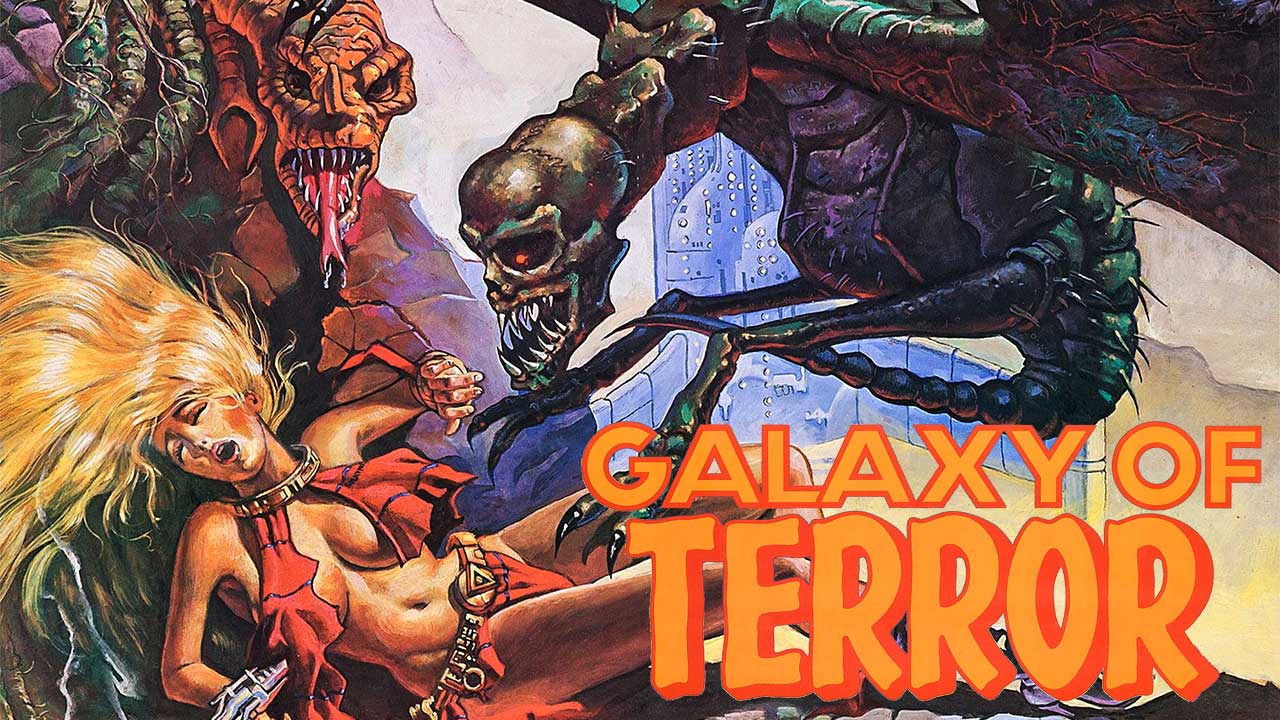
    As mentioned in my review of Alien, B-movie producer Roger Corman was originally set to produce before Fox stepped up. After the film became a massive hit, Corman decided to capitalize on its success by making his own knock-off. He hired director Bruce Clark and writer Marc Siegler, who he worked with in the past on 1969’s Naked Angels. The two decided that rather than copy the Ridley Scott film wholesale, they’d make their film more psychological. Much of the crew that was hired had worked on Corman’s Star Wars knock-off, Battle Beyond the Stars. Among them was a then 26-year-old James Cameron, who quickly rose through the ranks to be Head of Production Design. What resulted was perhaps one of the most infamously sleazy Alien knock-offs ever made thanks to one particular scene. The subsequent film was released in October 1981 as Galaxy of Terror.

    [/et_pb_text][/et_pb_column][et_pb_column type=”1_3″ _builder_version=”4.16″ _module_preset=”default” global_colors_info=”{}”][et_pb_circle_counter title=”Rating” number=”80″ bar_bg_color=”#7CDA24″ _builder_version=”4.16″ _module_preset=”default” global_colors_info=”{}”][/et_pb_circle_counter][/et_pb_column][/et_pb_row][et_pb_row _builder_version=”4.16″ _module_preset=”default” global_colors_info=”{}”][et_pb_column type=”4_4″ _builder_version=”4.16″ _module_preset=”default” global_colors_info=”{}”][et_pb_text _builder_version=”4.27.4″ _module_preset=”default” hover_enabled=”0″ global_colors_info=”{}” sticky_enabled=”0″]

    Synopsis

    After receiving a distress signal from the planet Morganthus, the spaceship Quest is sent out to investigate. Piloted by Captain Trantor (Grace Zabriskie), the ship ends up crash landing, thought thankfully the crew survives. Led by Baelon (Zalman King), the crew is sent out to investigate the source of the signal and find bodies. Eventually, they find a giant pyramid-like structure, which empath Alluma (Erin Moran) describes as feeling “empty” and “dead”. Among the crew is Alluma’s lover Cabren (Edward Albert), tech officer Dameia (Taaffe O’Connell), and the mute Quuhod (Sid Haig). As they venture further into the pyramid, the crew are being picked off one by one in gruesome ways. The survivors discover that the pyramid is taking their greatest fears and bringing them to life to kill them off. Who is responsible for this, and what horrors await our heroes as they explore this galaxy of terror?


    Review

    Even for its low budget, Galaxy of Terror is one of the better-made knock-offs to come out of Roger Corman. Part of this is because of the amazing effects work by Cameron, the Skotak Brothers, and Alec Gillis among others. It’s easy to compare the work Cameron did on this to what he would later do with Aliens. From the look of the barren planet to the ominous pyramid’s design, they did a lot for very little. What also makes this stand out is how, while it’s clear what they’re knocking off, they still make it original. The idea of something manifesting a person’s worst fears into reality is unique, especially for the opportunities it offers. There are so many memorable creatures and monsters, as well as inventive death scenes, it’ll satiate any gore hound’s appetite. Even the sound effects make the film wonderfully gross and disgusting.

    The film has probably one of the weirdest casts ever, including Ray Walston, Erin Moran, Zalman King, and Robert Englund. It’s so weird seeing Walston, Moran, and King in a film where people are torn apart and slashed by monsters. B-movie regulars Sid Haig and Taaffe O’Connell shine in their respective roles and easily have the most memorable death scenes. O’Connell’s is probably the most notorious, considering it involves her being, essentially, raped to death by a giant maggot. Admittedly, Clark and Siegler were ordered to include the scene, so they decided to make it as ridiculous as possible. To their credit, they succeeded, and it’s certainly a moment you won’t see in any film before or after. Admittedly, the story can get confusing, especially towards the end, but at 80 minutes, it flies by pretty quickly. Overall, Galaxy of Terror is an oddity worth tracking down for cult aficionados.


    Buy Galaxy of Terror on Amazon: https://amzn.to/2RAdBCz.

    Disclosure: The above link is an affiliate link, which means that, at no additional cost, I will earn a commission if you click through the link and make a purchase.

    [/et_pb_text][et_pb_code _builder_version=”4.27.4″ _module_preset=”default” hover_enabled=”0″ sticky_enabled=”0″]

    Where to watch Galaxy of Terror (1981)

    data-api-key=”LMVDLdLSH5ZJnQ4FMGMgyJCB8cmGbfCV” data-object-type=”Movie” data-title=”Galaxy of Terror” data-year=”1981″ data-theme=”light”>

    [/et_pb_code][/et_pb_column][/et_pb_row][/et_pb_section]

  • Pink Floyd: The Wall (1982)

    Pink Floyd: The Wall (1982)

    [et_pb_section fb_built=”1″ fullwidth=”on” _builder_version=”4.9.2″ _module_preset=”default” custom_margin=”||||false|false”][et_pb_fullwidth_header title=”Special Review” subhead=”This review was requested by Patreon support JacksJD. If you’d like to support me on Patreon, click the button below.” text_orientation=”center” button_one_text=”Visit Patreon” button_one_url=”https://www.patreon.com/filmnerd” background_overlay_color=”#f96854″ _builder_version=”4.9.4″ _module_preset=”default” title_level=”h2″ background_color=”#f96854″ custom_button_one=”on” button_one_bg_color=”#052d49″ custom_margin=”||||false|false” custom_padding=”25px||25px||false|false”][/et_pb_fullwidth_header][/et_pb_section][et_pb_section fb_built=”1″ _builder_version=”4.6.5″ _module_preset=”default”][et_pb_row column_structure=”2_3,1_3″ _builder_version=”4.6.5″ _module_preset=”default”][et_pb_column type=”2_3″ _builder_version=”4.6.5″ _module_preset=”default”][et_pb_text _builder_version=”4.9.4″ _module_preset=”default” hover_enabled=”0″ sticky_enabled=”0″]

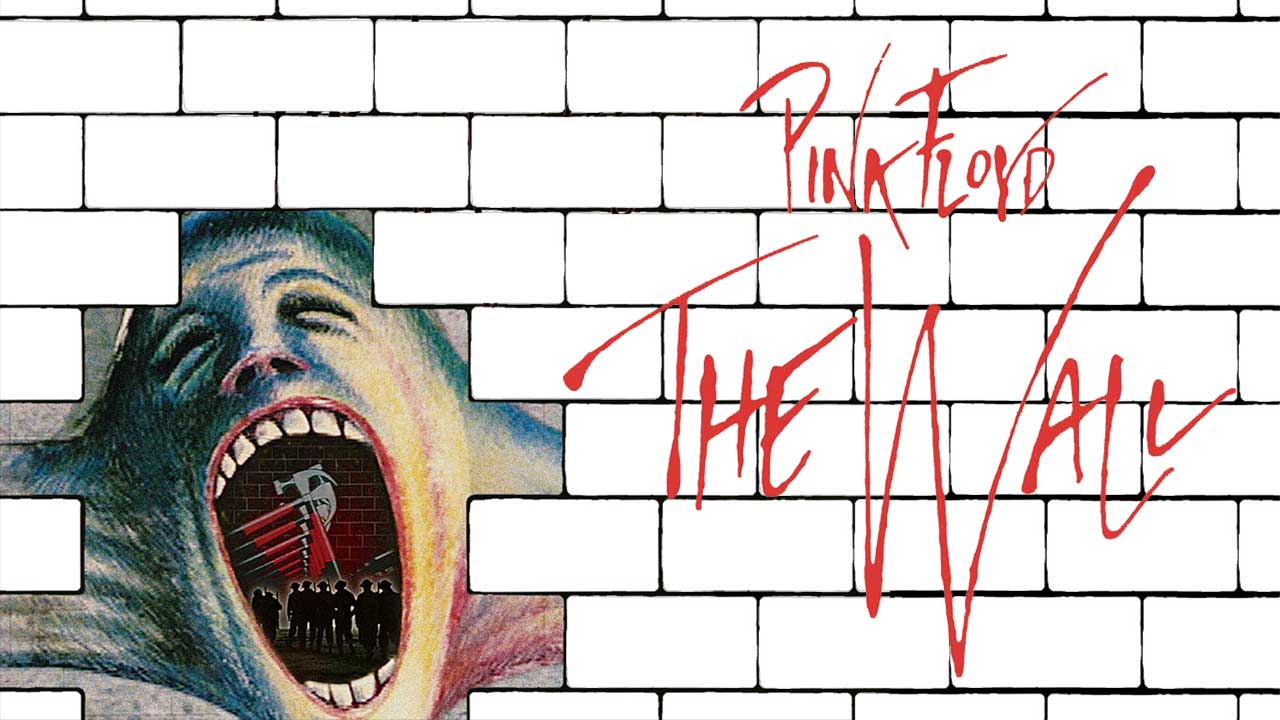
    Since its formation in 1965, Pink Floyd is considered to be one of the most successful bands of all time. Originally consisting of Syd Barrett, Nick Mason, Roger Waters, and Richard Wright, the band sold over 250 million records worldwide. As the band rose to prominence in the 70s, Waters felt somewhat alienated from his audiences under the “executive approach”. The band used this disillusionment as the basis for the 11th studio album The Wall which was released in 1979. The album was a massive hit, so Pink Floyd decided to adapt the album to film using tour footage. Alan Parker, best known for Fame and Bugsy Malone, was hired to direct, though this led to a troubled production. Parker, Waters, and animation director Gerald Scarfe clashed over the vision and who had the final say on the project. Finally, Pink Floyd: The Wall was released in mid-1982.

    [/et_pb_text][/et_pb_column][et_pb_column type=”1_3″ _builder_version=”4.6.5″ _module_preset=”default”][et_pb_circle_counter title=”Rating” number=”90″ bar_bg_color=”#7CDA24″ _builder_version=”4.9.4″ _module_preset=”default”][/et_pb_circle_counter][/et_pb_column][/et_pb_row][et_pb_row _builder_version=”4.6.5″ _module_preset=”default”][et_pb_column type=”4_4″ _builder_version=”4.6.5″ _module_preset=”default”][et_pb_text _builder_version=”4.9.4″ _module_preset=”default” hover_enabled=”0″ sticky_enabled=”0″]

    Synopsis

    The film centers around Pink (Bob Geldof), a rock star wracked with depression who has isolated himself from the world. Through a series of flashbacks, we learn that his father was killed in WWII, leaving his mother (Christine Hargreaves) alone. He also remembers his school days as a sort of prison camp run by teachers who’re unhappy with their lives. Eventually, Pink gets a wife (Eleanor David) who ends up leaving him for another man, starting the wall’s construction. Back in the present, Pink becomes increasingly self-destructive, culminating in him destroying his hotel room and trapping himself within. Now fully isolated, Pink shaves off his hair and watches TV until his manager (Bob Hoskins) finds him. During a concert, Pink starts slipping further into insanity, imagining himself as a dictator at a fascist rally. It all leads to him eventually deciding he no longer wants to be in the wall.


    Review

    Since its release, much has been written about Pink Floyd: The Wall, so I’m not sure what I can add. All I can say is that this is easily one of the most surreal and bizarre films I’ve ever seen. I mean that in a good way, as this film tells a great story with its odd visuals. The animations by Gerald Scarfe are a sight to behold, feeling like a cross between Ralph Bakshi and Salvador Dali. They complement the live-action sequences, which offer some of the most iconic images ever associated with Pink Floyd. The sequence where school children are on a conveyor belt leading to a meat grinder is easily the most memorable. It’s one of those films where even if you’re unsure of what’s happening, you’re never bored because of the visuals. Paired with some great songs, it’s a visual and auditory feast.

    Admittedly, it’s hard to judge this on a narrative level since there’s not much in terms of story or dialogue. This film tells its story purely through visuals with little to no dialogue, which can be good and bad. While it doesn’t spoonfeed you information, it can also be difficult to discern what’s going on unless you’re paying attention. In terms of acting, Bob Geldof works thanks to his body language and facial expressions showing his pain and anguish. There are some appearances from Bob Hoskins (Brazil) and a then-unknown Jenny Wright (Near Dark), but they don’t do much. At roughly 95 minutes in length, the film moves at a decent pace and never overstays its welcome. Even if you’re not a huge Pink Floyd fan, this is still worth a watch for its visual storytelling alone. Overall, Pink Floyd: The Wall is an impressively depressing yet beautiful musical drama.


    Buy Pink Floyd: The Wall from Amazon: https://amzn.to/3sdCoZW

    [/et_pb_text][/et_pb_column][/et_pb_row][/et_pb_section]
  • Godzilla: King of the Monsters (2019)

    Godzilla: King of the Monsters (2019)

    [et_pb_section fb_built=”1″ _builder_version=”4.9.4″ _module_preset=”default”][et_pb_row column_structure=”2_3,1_3″ _builder_version=”4.9.4″ _module_preset=”default”][et_pb_column type=”2_3″ _builder_version=”4.9.4″ _module_preset=”default”][et_pb_text _builder_version=”4.9.4″ _module_preset=”default”]

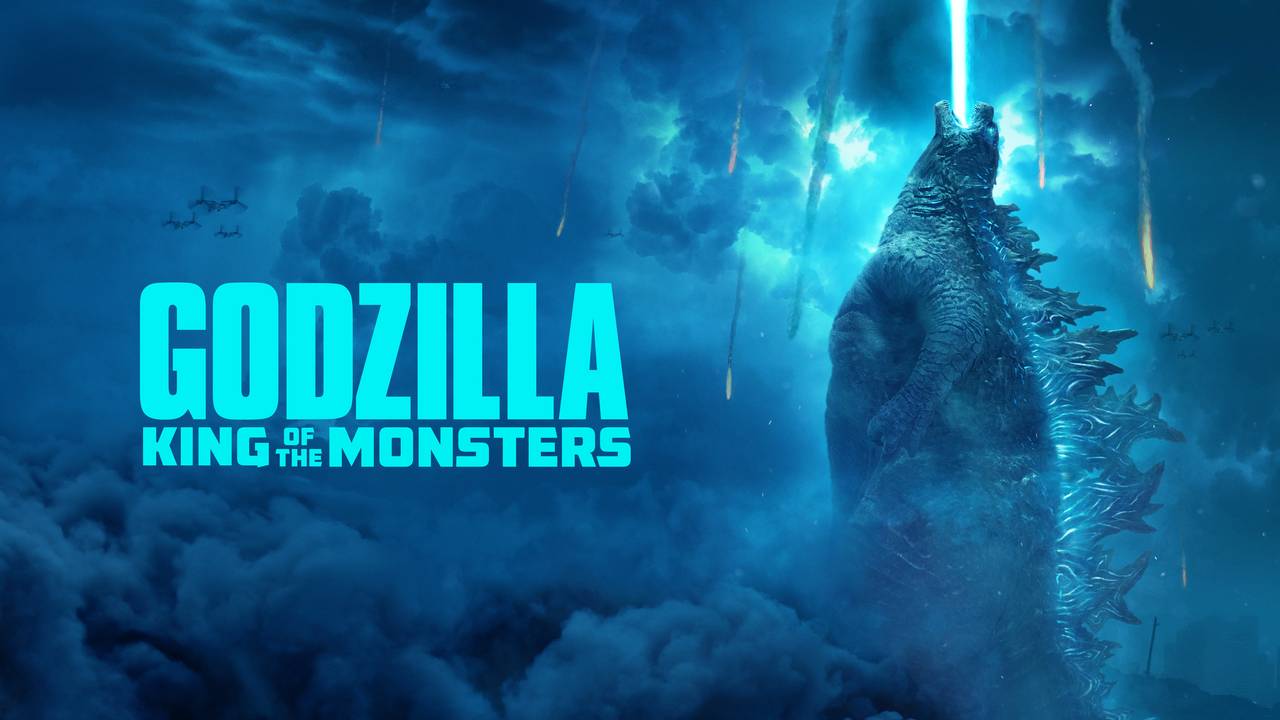
    While the reaction was divided between hardcore fans and critics, 2014’s Godzilla was a financial hit, grossing over $500 million. Though Gareth Edwards was open to returning for a sequel, he also wanted the film to work on its own. After a successful opening, Legendary Pictures immediately greenlit a sequel with plans to develop a trilogy with Edwards directing. Eventually, Edwards dropped out to direct Rogue One: A Star Wars Story, and Krampus director Michael Dougherty was hired. For this installment, Dougherty wanted to include more monster action as well as focus more on Monarch. Legendary announced that they had acquired the rights to Mothra, Rodan, and King Ghidorah, so they wanted those included. This was to be the start of a new cinematic universe that revolved around Toho’s legendary kaiju. After a three-month shoot and extensive post-production, Godzilla: King of the Monsters was released to theaters in May 2019.

    [/et_pb_text][/et_pb_column][et_pb_column type=”1_3″ _builder_version=”4.9.4″ _module_preset=”default”][et_pb_circle_counter title=”Rating” number=”70″ bar_bg_color=”#EDF000″ _builder_version=”4.9.4″ _module_preset=”default”][/et_pb_circle_counter][/et_pb_column][/et_pb_row][et_pb_row _builder_version=”4.9.4″ _module_preset=”default”][et_pb_column type=”4_4″ _builder_version=”4.9.4″ _module_preset=”default”][et_pb_text _builder_version=”4.9.4″ _module_preset=”default” hover_enabled=”0″ sticky_enabled=”0″]

    Synopsis

    Five years after the San Francisco attack, the world has started adapting to the existence of monsters being dubbed “Titans”. Dr. Emma Russell (Vera Farmiga) is working with Monarch on the “Orca”, a device that emits frequencies Titans respond to. While she and her daughter Madison (Millie Bobby Brown) witness Mothra’s birth, a group of eco-terrorists kidnaps them. Meanwhile, Monarch scientists Dr. Ishirō Serizawa (Ken Watanabe) and Dr. Vivienne Graham (Sally Hawkins) recruit Emma’s ex-husband Mark (Kyle Chandler). Despite his objections, he agrees to help find his ex-wife and daughter, who are hostages of Alan Jonah (Charles Dance). However, it turns out Emma is working with Jonah in reviving the Titans to cleanse the planet, thus eradicating humanity. She awakens Rodan and King Ghidorah, who is controlling the other Titans and causing untold destruction to reshape the Earth. With limited options, our heroes must call upon Godzilla to fight.


    Review

    While Godzilla: King of the Monsters delivers on the monster action as Dougherty promised, it suffers in the story department. As much as I ragged on 2014’s Godzilla for having mostly uninteresting characters, I was still invested in the story. Sure, Godzilla didn’t show up until the hour mark, but there was enough build-up to where the wait felt validated. Here, the monsters are in the film so much that, at times, it becomes sensory overload and gets overwhelming. It doesn’t help that the story is fairly uninteresting and the dialogue largely consists of unnecessary philosophizing and exposition dumps. Also, while the 2014 film had some characters I liked, there are even fewer characters I care about here. Admittedly, the acting from Farmiga, Brown, Chandler, and especially Dance is strong, but there’s not much to their characters. They could’ve been played by anyone and it wouldn’t make a difference.

    Criticisms aside, I can’t say I didn’t find some enjoyment in the giant monster brawls and nobs to older films. For one, they mention an “Oxygen Destroyer”, which was the device used to kill Godzilla in the original film. Also, the characters initially call King Ghidorah “Monster Zero”, a nod to the American title of Invasion of Astro-Monster. Plus, there are a few music cues taken from the older Godzilla films, so this should please hardcore kaiju fans. As much as I criticize the sensory overload of the monster brawls, they are easily the highlight of the film. The best fight is towards the end where Godzilla takes on King Ghidorah while Mothra and Rodan duke it out. All in all, if you’re just interested in seeing giant monsters fight, this film should satisfy you. Overall, Godzilla: King of the Monsters is a mess, but it’s a fairly enjoyable mess.


    Buy Godzilla: King of the Monsters from Amazon: https://amzn.to/3tvJXN4

    [/et_pb_text][/et_pb_column][/et_pb_row][/et_pb_section]
  • The Vampire Journals (1997)

    The Vampire Journals (1997)

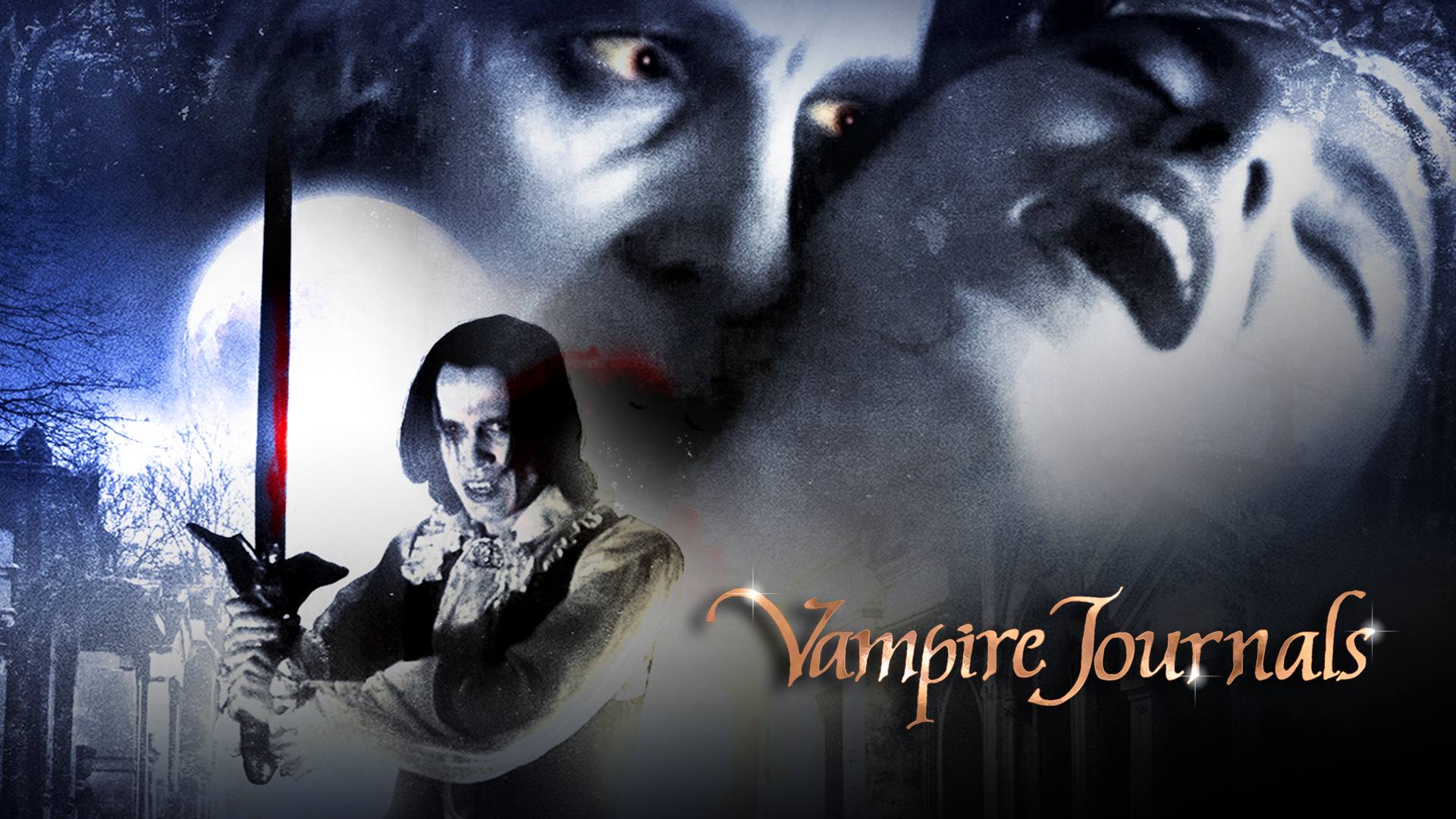
    [et_pb_section fb_built=”1″ _builder_version=”4.16″ _module_preset=”default” global_colors_info=”{}”][et_pb_row column_structure=”2_3,1_3″ _builder_version=”4.16″ _module_preset=”default” global_colors_info=”{}”][et_pb_column type=”2_3″ _builder_version=”4.16″ _module_preset=”default” global_colors_info=”{}”][et_pb_text _builder_version=”4.16″ _module_preset=”default” global_colors_info=”{}”]Following the production of Bloodlust: Subspecies III, Charles Band proposed to director Ted Nicolaou with an idea for a spin-off. Band suggested doing a more classical, sophisticated vampire movie that was more urban versus Subspecies being in the country. Nicolaou accepted though it would be years before the film got off the ground following Full Moon’s fallout with Paramount. Around this time, 1994’s Interview with the Vampire, based on Anne Rice’s novel, was a critical and financial hit. This might’ve inspired Band’s decision, as it’s typical of him to chase after a trend while it’s still popular. Regardless, Nicolaou was interested in making a more elegant vampire movie that would be filmed in Romania. It helped that he really enjoyed shooting there, so after an extensive series of auditions, Nicolaou shot his vampire spinoff. Finally, in February 1997, The Vampire Journals was released to a ravenous fanbase.

    [/et_pb_text][/et_pb_column][et_pb_column type=”1_3″ _builder_version=”4.16″ _module_preset=”default” global_colors_info=”{}”][et_pb_circle_counter title=”Rating” number=”80″ bar_bg_color=”#7CDA24″ _builder_version=”4.16″ _module_preset=”default” global_colors_info=”{}”][/et_pb_circle_counter][/et_pb_column][/et_pb_row][et_pb_row _builder_version=”4.16″ _module_preset=”default” global_colors_info=”{}”][et_pb_column type=”4_4″ _builder_version=”4.16″ _module_preset=”default” global_colors_info=”{}”][et_pb_text _builder_version=”4.27.4″ _module_preset=”default” hover_enabled=”0″ global_colors_info=”{}” sticky_enabled=”0″]

    Synopsis

    In Bucharest, the vampiric Zachary (David Gunn) is hunting down fellow vampire Ash (Johnathan Morris) for a revenge quest. Back in the 1800s, Zachary killed the woman who turned him and his hunting down everyone in her bloodline. He tracks Ash down to Club Muse, a nightclub that he owns alongside its manager Iris (Starr Andreeff). One night, Zach and Ash come across an aspiring pianist named Sofia (Kirsten Cerre) and fall in love with her. Ash sends Iris to invite Sofia to the club with the promise of $1,000 for a live solo performance. Zach warns her not to go, but she does and ends up getting turned by Ash. While she’s being held hostage until agreeing to accept Ash as her master, Zach infiltrates the club to rescue her. But will it be too late to save her before Ash fully turns her into one of his brides?


    Review

    While not the most original vampire film, The Vampire Journals is easily one of Full Moon’s most well-made movies. Like the Subspecies films, Ted Nicolaou takes full advantage of filming in Bucharest and chooses some fantastic locations. Not only do they use the historic architecture, but the wintertime conditions help the film stand out. Nicolaou makes great use of shadows and harsh lighting to establish mood much as he did in previous films. Adding to the film’s mood is the haunting score by Richard Kosinski, evoking the same emotions as his Subspecies score. Long-time collaborator Adolfo Bartoli uses some creative angles and lighting to help accentuate the film’s more gothic nature. In a way, the style and look are very similar to the Hammer Films of the 1960s and 1970s. Adding to the old school feel is the extensive use of fog and very dim lighting, which are excellent.

    Though the cast is comprised mostly of unknowns and character actors, they all do a surprisingly great job. David Gunn makes for a solid, moody lead, though his voiceovers can get somewhat grating, sounding super emotional and archaic. It reminds me of Harrison Ford’s voiceovers in Blade Runner, but at least here Gunn puts some emotion in it. Kirsten Cerre, on top of being adorable, brings some emotional weight with her performance and works well off of Gunn. However, it’s Johnathan Morris’ Ash who stands out as the malevolent vampire, adding some class and an element of tragedy. Even though it’s billed as a Subspecies spinoff, there’s only a one-line mention of Radu and Transylvania. In a way, this works in the film’s favor in that you can enjoy it as a standalone vampire film. Overall, The Vampire Journals is a well-made and solidly entertaining gothic horror film.


    Buy The Vampire Journals from

    Disclosure: The above link is an affiliate link, which means that, at zero cost to you, I will earn a commission if you click through the link and finalize a purchase.

    [/et_pb_text][/et_pb_column][/et_pb_row][/et_pb_section]
  • Bloodsucking Freaks (1976)

    Bloodsucking Freaks (1976)

    [et_pb_section fb_built=”1″ _builder_version=”4.9.3″ _module_preset=”default”][et_pb_row column_structure=”2_3,1_3″ _builder_version=”4.9.3″ _module_preset=”default”][et_pb_column type=”2_3″ _builder_version=”4.9.3″ _module_preset=”default”][et_pb_text _builder_version=”4.9.3″ _module_preset=”default”]

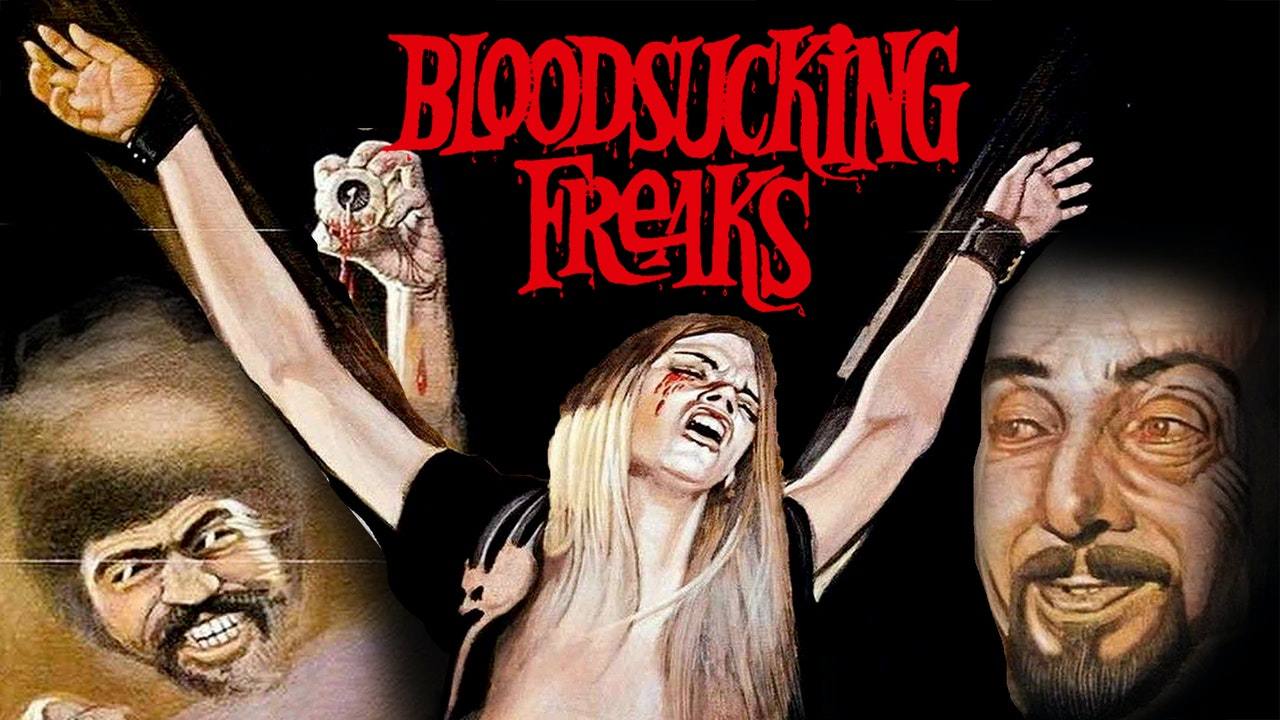
    New York-based filmmaker Joel M. Reed started in the adult industry directing films like Career Bed and Sex by Advertisement. Going into the 70s, he directed Wit’s End, which was finished in 1971 but not released until 1975. He made his transition into horror with 1975’s Blood Bath, which featured early appearances from Doris Roberts and P.J. Soles. Around this time, he was working on a film about a rock star haunted by a groupie’s ghost. Unfortunately, he couldn’t get that off the ground, so he instead made a horror comedy that incorporated S&M and ballet. Initially titled Sardu, Master of the Screaming Virgins, the film was released in 1976 as The Incredible Torture Show. Years later, Troma acquired the film and re-released it, but got in trouble after releasing it uncut with an R-rating. Having become the subject of controversy, the film gained a cult reputation as Bloodsucking Freaks.

    [/et_pb_text][/et_pb_column][et_pb_column type=”1_3″ _builder_version=”4.9.3″ _module_preset=”default”][et_pb_circle_counter title=”Rating” number=”70″ bar_bg_color=”#EDF000″ _builder_version=”4.9.3″ _module_preset=”default”][/et_pb_circle_counter][/et_pb_column][/et_pb_row][et_pb_row _builder_version=”4.9.3″ _module_preset=”default”][et_pb_column type=”4_4″ _builder_version=”4.9.3″ _module_preset=”default”][et_pb_text _builder_version=”4.9.3″ _module_preset=”default” hover_enabled=”0″ sticky_enabled=”0″]

    Synopsis

    Sardu (Seamus O’Brien) runs an off-Broadway show called “Theatre of the Macabre” with his diminutive assistant Ralphus (Luis De Jesus). Their show mainly consists of them brutally torturing and killing various naked women they get through the white slave trade. During a show, theatre critic Creasy Silo (Alan Dellay) denounces the show and refuses to even give a negative review. As revenge, Sardu has Ralphus and one of his girls kidnap Creasy to torture him for a positive review. To try and elevate the show, Sardu also sets his sights on famed ballerina Natasha Di Natalie (Viju Krem). When she refuses to participate, Sardu forces her to watch as they dismember and kill various women in gruesome ways. Meanwhile, her football-player boyfriend Tom Maverick (Niles McMaster) enlists Detective John Tucci (Dan Fauci) to help find her. What horrors await our heroes as they venture into Sardu’s Theatre of the Macabre?


    Review

    Bloodsucking Freaks has been discussed to death since its release, so there’s not much that hasn’t already been said. It’s vile, it’s graphic, it’s sleazy, it’s misogynistic, it’s ridiculous, it’s campy, it’s juvenile, and other adjectives. Since much more graphic films have been made in later years, this one is fairly tame by comparison. The gore in this film is about on par with a Herschel Gordon Lewis movie, including the bright red blood. That being said, some sequences are still pretty gruesome even by today’s standards, though most of them are implied. One involves a deranged doctor pulling a woman’s teeth out and drilling a hole in her head to drink from. If nothing else, this film has some creative ways by which they dispatch their victims, which keeps things somewhat original. It’s definitely not for the squeamish, but there’s far worse out there.

    This is a somewhat impossible film to review since the filmmakers clearly weren’t going for some sort of artistic vision. They clearly wanted to make a film that featured naked women being tortured and maimed in gratuitous ways. That said, I will say that the film has an almost hypnotic quality to it, like you can’t look away. Also, the film benefits from being filmed in 1970s New York, where every street corner had grime and grit. Acting-wise, it runs the gambit from being pretty bad to somewhat decent, though Seamus O’Brien is easily the best actor. It’s a shame he was killed shortly after making this film because he could’ve been a great character actor. In fact, many of the people involved have died over the years, which adds to its overall mystique. Overall, Bloodsucking Freaks isn’t for everyone, but it’s an interesting footnote in exploitation cinema.


    Buy Bloodsucking Freaks from Amazon: https://amzn.to/3a8agBo

    [/et_pb_text][/et_pb_column][/et_pb_row][/et_pb_section]
  • Kong: Skull Island (2017)

    Kong: Skull Island (2017)

    [et_pb_section fb_built=”1″ _builder_version=”4.9.3″ _module_preset=”default”][et_pb_row column_structure=”2_3,1_3″ _builder_version=”4.9.3″ _module_preset=”default”][et_pb_column type=”2_3″ _builder_version=”4.9.3″ _module_preset=”default”][et_pb_text _builder_version=”4.9.3″ _module_preset=”default” hover_enabled=”0″ sticky_enabled=”0″]

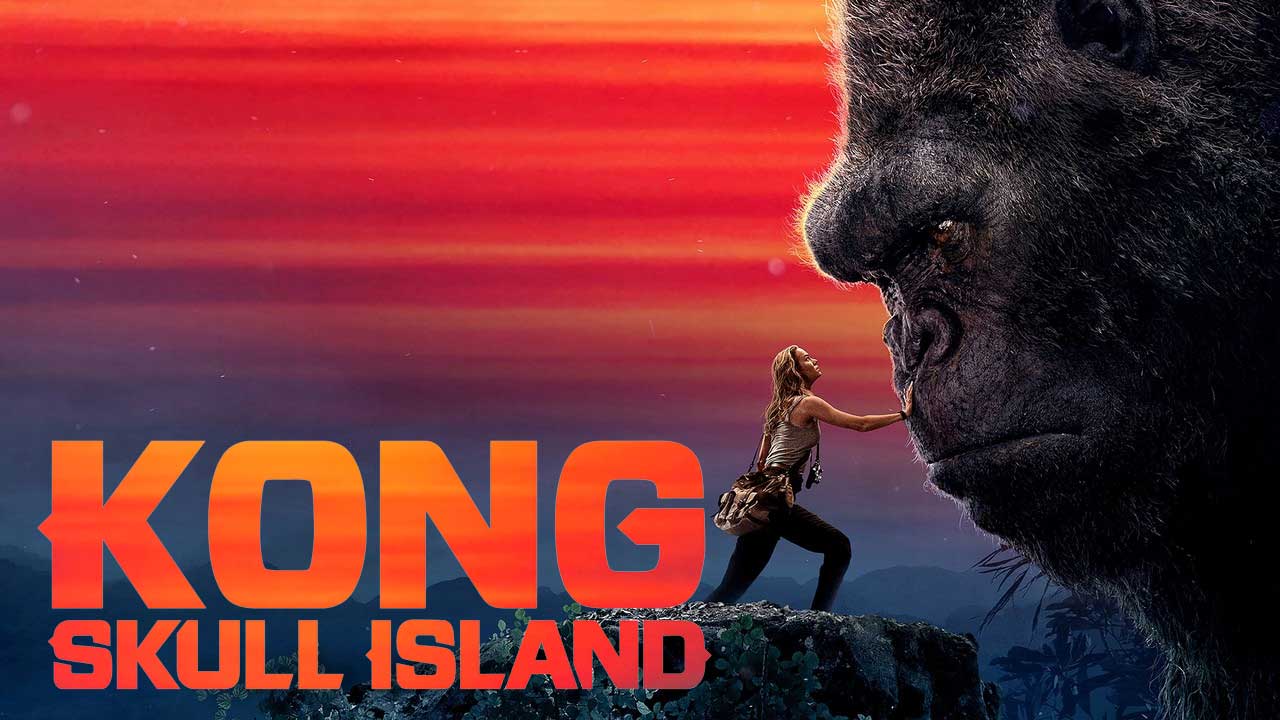
    Around 2013, Peter Jackson was looking for a director to make a sequel to his 2005 remake of King Kong. While Adam Wingard and Guillermo Del Toro were considered, the project fell through after going from Universal to Warner Bros. With Legendary Pictures producing and Warner Bros. distributing, they decided to make a film that would crossover with 2014’s Godzilla. After offering the directing job to Joe Cornish of Attack the Block fame, the job went to Jordan Vogt-Roberts. Working alongside screenwriter Max Borenstein, they decided to set the film after the Vietnam war, taking inspiration from Apocalypse Now. For the creature design, they took inspiration from Miyazaki’s Spirited Away and Princess Mononoke, as well as Evangelion and Pokemon. For Kong’s design, they wanted to harken back to the 1933 original, while also making him unique. After a six-month shoot, Kong: Skull Island was released in March of 2017.

    [/et_pb_text][/et_pb_column][et_pb_column type=”1_3″ _builder_version=”4.9.3″ _module_preset=”default”][et_pb_circle_counter title=”Rating” number=”85″ bar_bg_color=”#7CDA24″ _builder_version=”4.9.3″ _module_preset=”default” hover_enabled=”0″ sticky_enabled=”0″][/et_pb_circle_counter][/et_pb_column][/et_pb_row][et_pb_row _builder_version=”4.9.3″ _module_preset=”default”][et_pb_column type=”4_4″ _builder_version=”4.9.3″ _module_preset=”default”][et_pb_text _builder_version=”4.9.3″ _module_preset=”default” hover_enabled=”0″ sticky_enabled=”0″]

    Synopsis

    After the Vietnam War, Bill Randa (John Goodman), head of Monarch, is leading an expedition to Skull Island. For the trip, he hires Lieutenant Colonel Preston Packard (Samuel L. Jackson) to lead an army escort onto the island. He also hires professional tracker and former SAS Captain James Conrad (Tom Hiddleston) and anti-war photographer Mason Weaver (Brie Larson). Unfortunately, once they make it to the island, their helicopters are attacked by Kong, a 100-foot tall gorilla. The survivors end up splitting into groups: Conrad, Weaver, and the research team, and Randa, Packard, and his soldiers. While exploring, Conrad’s group meets the island natives and Hank Marlow (John C. Reilly), a pilot who crash-landed in WWII. Marlow explains that Kong is the God of the island and protects the natives from underground creatures called “Skullcrawlers”. Will our heroes make it off the island, or will they fall prey to Kong’s wrath?


    Review

    While I enjoyed the 2014 Godzilla, I had some issues with it that, though not dealbreakers, definitely hurt it. In many ways, Kong: Skull Island improves on those flaws and makes for a much better film. For one, the 2014 film had a very muted color palette and was shot at night or with little lighting. Here, not only does a majority take place in the daytime, but it’s got a much richer color palette. The vibrant colors help the film stand out, and the 70s inspired style helps give it a unique identity. Vogt-Roberts’ direction is top-notch, taking full advantage of the tropical locations and staging some incredible action sequences. From the helicopter attack to Kong fighting the big Skullcrawler, this is a feast to the eyes. Speaking of, the visual effects are impressive, Kong and the other creatures looking highly detailed and feeling three-dimensional.

    Acting-wise, everyone does a solid job with their roles, and each has a moment to shine. Tom Hiddleston makes for a good action hero, while still maintaining that sly wit that made him work as Loki. Brie Larson helps to balance the cast out, and thankfully there’s no forced romance between her and Hiddleston. Like always, Jackson gives a very commanding performance, towering over everyone else with his character’s determination to kill Kong. John Goodman also works as the scientist/government agent determined to prove the existence of giant monsters despite his naysayers. However, John C. Reilly steals the show as Marlow, acting as the comic relief, while having some genuine emotion. Many of the supporting cast also stand out in their own ways, and the writing helps elevate them. Overall, Kong: Skull Island works as a standalone monster movie and a great continuation to what Godzilla started.


    Buy Kong: Skull Island from Amazon: https://amzn.to/3uNoGi9

    [/et_pb_text][/et_pb_column][/et_pb_row][/et_pb_section]
  • Postal (2007)

    Postal (2007)

    [et_pb_section fb_built=”1″ fullwidth=”on” _builder_version=”4.9.3″ _module_preset=”default” custom_margin=”||||false|false”][et_pb_fullwidth_header title=”Special Review” subhead=”This review was requested by Discord user Rogue, Internet Man. If you’d like to join the server or subscribe to Rogue’s YouTube channel, click the buttons below.” text_orientation=”center” button_one_text=”Visit Discord” button_one_url=”https://discord.gg/sKBSX7u” button_two_text=”Rogue on YouTube” button_two_url=”https://www.youtube.com/channel/UCphx-byfxLP4d4OtOHeMEpA” _builder_version=”4.9.3″ _module_preset=”default” background_enable_color=”off” use_background_color_gradient=”on” background_color_gradient_start=”#8300e9″ background_color_gradient_end=”#e02b20″ custom_button_one=”on” button_one_bg_color=”#8300E9″ custom_button_two=”on” button_two_bg_color=”#E02B20″ custom_margin=”||||false|false” custom_padding=”25px||25px||false|false” hover_enabled=”0″ title_level=”h2″ sticky_enabled=”0″][/et_pb_fullwidth_header][/et_pb_section][et_pb_section fb_built=”1″ _builder_version=”4.6.5″ _module_preset=”default”][et_pb_row column_structure=”2_3,1_3″ _builder_version=”4.6.5″ _module_preset=”default”][et_pb_column type=”2_3″ _builder_version=”4.6.5″ _module_preset=”default”][et_pb_text _builder_version=”4.9.3″ _module_preset=”default”]

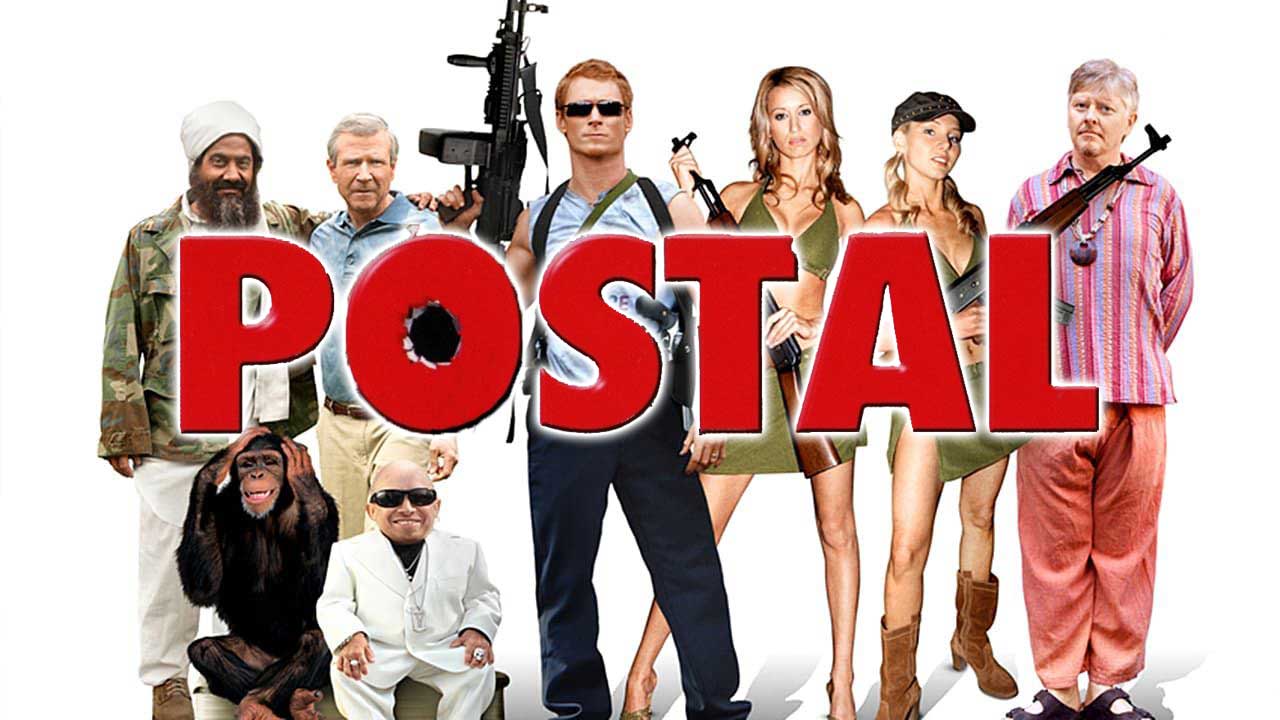
    German filmmaker Uwe Boll is considered to be one of the worst directors in the past few decades. After making a splash with Blackwoods and Heart of America in 2002, Boll started making movies based on video games. His first video game film was 2003’s House of the Dead, which is considered one of the worst films ever. Since then, he’s gone on to make movies based on Alone in the DarkBloodrayne, and Dungeon Siege. Each of the films received generally negative reviews and lost money at the box office, but he still found work. According to Boll, he was approached with doing an adaptation of the controversial game Postal, and he was intrigued. He got the backing of developer Running With Scissors and amassed a budget of $15 million to produce the film. Originally set for a 2007 release, Postal got a very limited release in May 2008.

    [/et_pb_text][/et_pb_column][et_pb_column type=”1_3″ _builder_version=”4.6.5″ _module_preset=”default”][et_pb_circle_counter title=”Rating” number=”55″ bar_bg_color=”#E09900″ _builder_version=”4.9.3″ _module_preset=”default”][/et_pb_circle_counter][/et_pb_column][/et_pb_row][et_pb_row _builder_version=”4.6.5″ _module_preset=”default”][et_pb_column type=”4_4″ _builder_version=”4.6.5″ _module_preset=”default”][et_pb_text _builder_version=”4.9.3″ _module_preset=”default” hover_enabled=”0″ sticky_enabled=”0″]

    Synopsis

    Life is tough for The Postal Dude (Zach Ward), after being mocked at an interview, denied welfare, and cheated on. Wanting to move out of town, he teams up with his Uncle Dave (Dave Foley), who’s organized a religious cult. Turns out Uncle Dave owes tons of money to the IRS, so he and Postal Dude devise a plan. There are 2,000 Krotchy Dolls, which are considered extremely rare, being sold at a local amusement part called Little Germany. Unbeknownst to them, the Taliban are also after the dolls as they plan to put Bird Flu vials in them. Postal Dude, Uncle Dave, and his right-hand man Richie (Chris Coppola) steal the dolls after a shootout breaks out. However, Richie kills Uncle Dave as he plans to use the dolls to bring about the end of the world. Also, Verne Troyer, Osama Bin Laden, and George W. Bush are there.


    Review

    Going into this, I had only seen clips of Boll’s movies and heard about how bad his films were. Admittedly, the only one of his films I had seen before this was 2009’s Rampage, which I thought was alright. As far as Postal goes, it’s technically not a good movie, but it’s an interesting one to put it lightly. In terms of Uwe Boll’s direction, it’s pretty flat, with almost every scene having an unusually orangish tint to it. Also, there are so many scenes where the camera doesn’t stay still that it becomes irritating. Acting-wise, it’s clear that everyone knew what kind of movie they were in and decided to just go for it. Zach Ward makes for a decent lead, and Dave Foley has some funny moments, though Chris Coppola can get obnoxious. Also, I feel like Verne Troyer probably regretted doing The Love Guru more than this.

    Further adding to how not good this film is, several subplots go absolutely nowhere and are dropped almost immediately. I had to exclude the vast majority of them from this review because of how utterly pointless they were. Boll clearly meant for this to be some sort of sociopolitical satire, but he’s as subtle as an atomic bomb. However, given Boll’s reputation and his constant criticisms at the time, it’s understandable why he was so vitriolic. This was never meant to be a good movie, but instead an incredibly offensive, politically incorrect, terrible movie. In many ways, he succeeded, and I even found myself laughing at just how absurd the humor was. So while I can’t call this some misunderstood masterpiece, I can commend Boll for succeeding at what he tried doing. Overall, Postal is pretty awful, but then again, maybe that’s the point or something like that.


    Buy Postal from Amazon: https://amzn.to/3g19l9C

    [/et_pb_text][/et_pb_column][/et_pb_row][/et_pb_section]