Facebook

Author: FilmNerd

  • Puppet Master 5: The Final Chapter (1994)

    Puppet Master 5: The Final Chapter (1994)

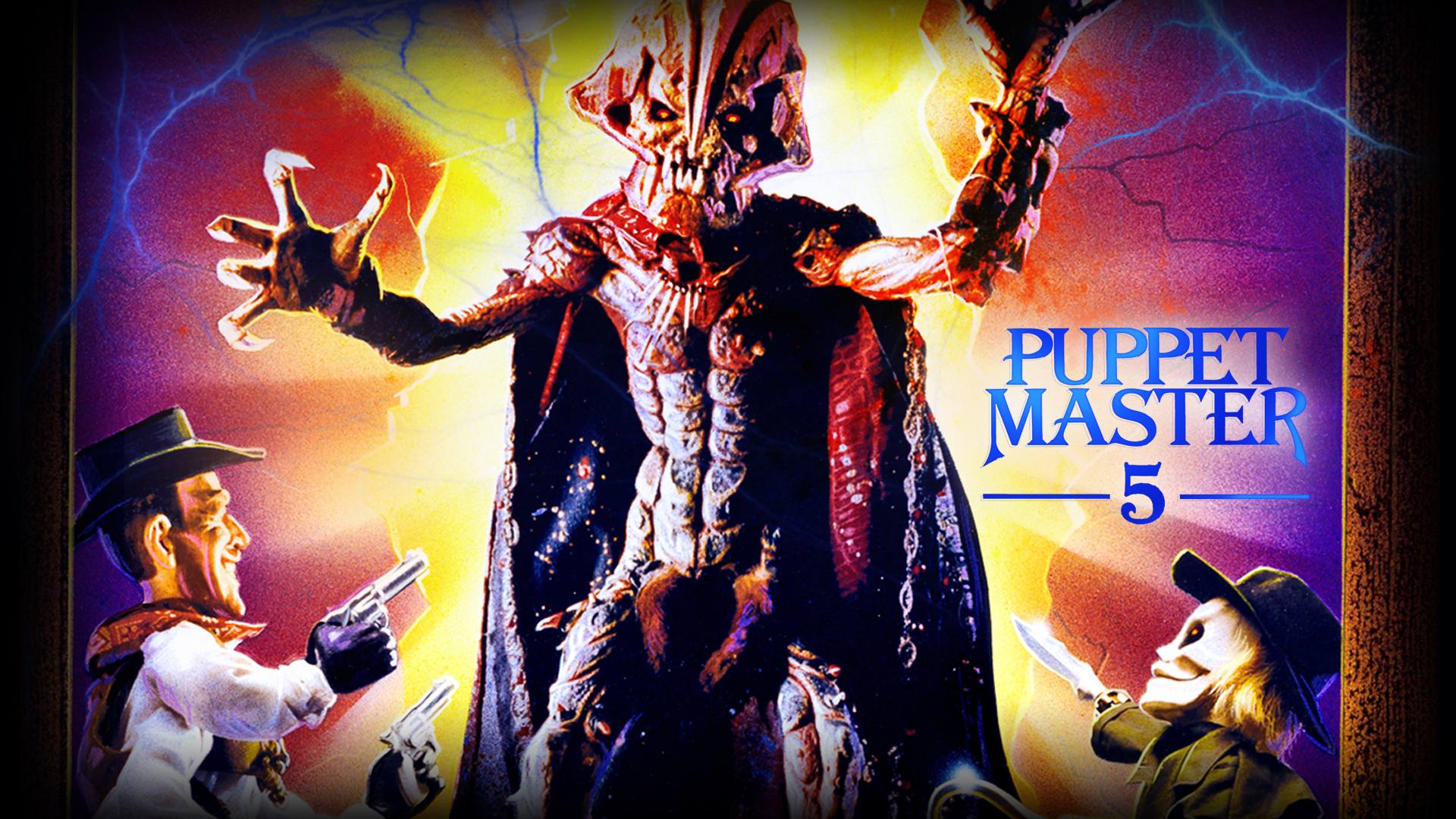
    [et_pb_section fb_built=”1″ _builder_version=”4.16″ _module_preset=”default” global_colors_info=”{}”][et_pb_row column_structure=”2_3,1_3″ _builder_version=”4.16″ _module_preset=”default” global_colors_info=”{}”][et_pb_column type=”2_3″ _builder_version=”4.16″ _module_preset=”default” global_colors_info=”{}”][et_pb_text _builder_version=”4.16″ _module_preset=”default” global_colors_info=”{}”]As mentioned in my review of Puppet Master 4, Charles Band originally wanted to produce Puppet Master: The Movie. It would’ve been a huge theatrical release, but for whatever reason, the project fell through, though the script stayed. They decided that the one script would be divided into two movies, and Jeff Burr was hired to direct both. Both films were heavily padded to be feature-length, Burr saying that you could trim them into one 90-minute film. The films had a combined budget of under $1 million and were shot back-to-back, though there was a delay. The fourth film was released in November 1993, but the fifth film sat on the shelf for eight months. Finally, the film was quickly edited together and released direct-to-video in September of 1994, as was dictated by Paramount. So, with the backstory covered, let’s discuss Puppet Master 5: The Final Chapter.

    [/et_pb_text][/et_pb_column][et_pb_column type=”1_3″ _builder_version=”4.16″ _module_preset=”default” global_colors_info=”{}”][et_pb_circle_counter title=”Rating” number=”80″ bar_bg_color=”#7CDA24″ _builder_version=”4.16″ _module_preset=”default” global_colors_info=”{}”][/et_pb_circle_counter][/et_pb_column][/et_pb_row][et_pb_row _builder_version=”4.16″ _module_preset=”default” global_colors_info=”{}”][et_pb_column type=”4_4″ _builder_version=”4.16″ _module_preset=”default” global_colors_info=”{}”][et_pb_text _builder_version=”4.27.4″ _module_preset=”default” hover_enabled=”0″ global_colors_info=”{}” sticky_enabled=”0″]

    Synopsis

    After the events of the last film, Rick Myers (Gordon Currie) has been arrested and convicted of murder. Thankfully, he’s released on bail thanks to Dr. Jennings (Ian Ogilvy), a scientist working for the same company as Rick. Blade is confiscated by the police, but he escapes and makes his way back to Rick to ask for help. Meanwhile, the demon Sutekh (Jake McKinnon) sends a Totem puppet infused with his power to Earth and confront the puppets. Jennings takes thugs Tom Hendy (Nicholas Guest), Jason (Willard E. Pugh), and Scott (Duane Whitaker) to the Bodega Bay Hotel. Turns out Jennings is interested in finding Toulon’s secrets, so he wants to find the puppets and the life-giving formula. Rick, Blade, and Susie (Chandra West) get to the hotel and are instructed by Toulon (Guy Rolfe) to resurrect Decapitron. This leads to a fight between the puppets and Sutekh’s evil forces!


    Review

    Puppet Master 5: The Final Chapter, despite the padding, is another solidly entertaining entry in the long-running franchise. Admittedly, this entry is clearly padded to reach feature-length like the last film, but it’s not enough to ruin it. Jeff Burr does what he can to make the film more dynamic, using titled angles and dynamic lighting/shadows. Like the other films, the puppet work is the highlight of the film, using a combination of puppetry and stop-motion. Sadly, there’s not as much stop-motion as the others, but it still looks great thanks to the late David Allen. Like the last film, Sutekh is an imposing villain, though his voice isn’t nearly as intimidating as the last film. However, unlike the last film, Torch is actually in the movie, though Tunneler only has one scene. Still, it’s great seeing the puppets have more human characteristics, making them more characters than props.

    Once again, Gordon Currie makes a likable hero, and Chandra West works as his girlfriend who’s given more to do. As the human villain, Ian Ogilvy is fun as the cartoonishly pompous Dr. Jennings, almost like a dime-store Tim Curry. Again, while not given much screentime or lines, Guy Rolfe makes the most of it and gives a solid delivery. There are also some notable appearances from actors like Ron O’Neal (Superfly) and Clu Gulager (Return of the Living Dead). Also, Guest, Pugh, and Whitaker have some fun moments between each other, clearly improvising their dialogue and having solid chemistry. Admittedly, it’s kinda funny that this is called “The Final Chapter” when there’s clearly more movies to come. Granted, this could be considered “The Final Chapter” for many reasons, but that’s a story for another time. Overall, Puppet Master 5: The Final Chapter is another solidly entertaining entry.


    Buy Puppet Master 5: The Final Chapter from

    Disclosure: The above link is an affiliate link, which means that, at zero cost to you, I will earn a commission if you click through the link and finalize a purchase.

    [/et_pb_text][/et_pb_column][/et_pb_row][/et_pb_section]
  • The Raid (2012)

    The Raid (2012)

    [et_pb_section fb_built=”1″ fullwidth=”on” _builder_version=”4.5.6″ _module_preset=”default” custom_margin=”||||false|false”][et_pb_fullwidth_header title=”Special Review” subhead=”This review was requested by Discord user Arsene. If you’d like to join the server, click the button below.” text_orientation=”center” button_one_text=”Visit Discord” button_one_url=”https://discord.gg/sKBSX7u” background_overlay_color=”#8300E9″ _builder_version=”4.9.2″ _module_preset=”default” custom_margin=”||||false|false” custom_padding=”25px||25px||false|false” hover_enabled=”0″ title_level=”h2″ sticky_enabled=”0″][/et_pb_fullwidth_header][/et_pb_section][et_pb_section fb_built=”1″ _builder_version=”4.6.5″ _module_preset=”default”][et_pb_row column_structure=”2_3,1_3″ _builder_version=”4.6.5″ _module_preset=”default”][et_pb_column type=”2_3″ _builder_version=”4.6.5″ _module_preset=”default”][et_pb_text _builder_version=”4.9.2″ _module_preset=”default” hover_enabled=”0″ sticky_enabled=”0″]

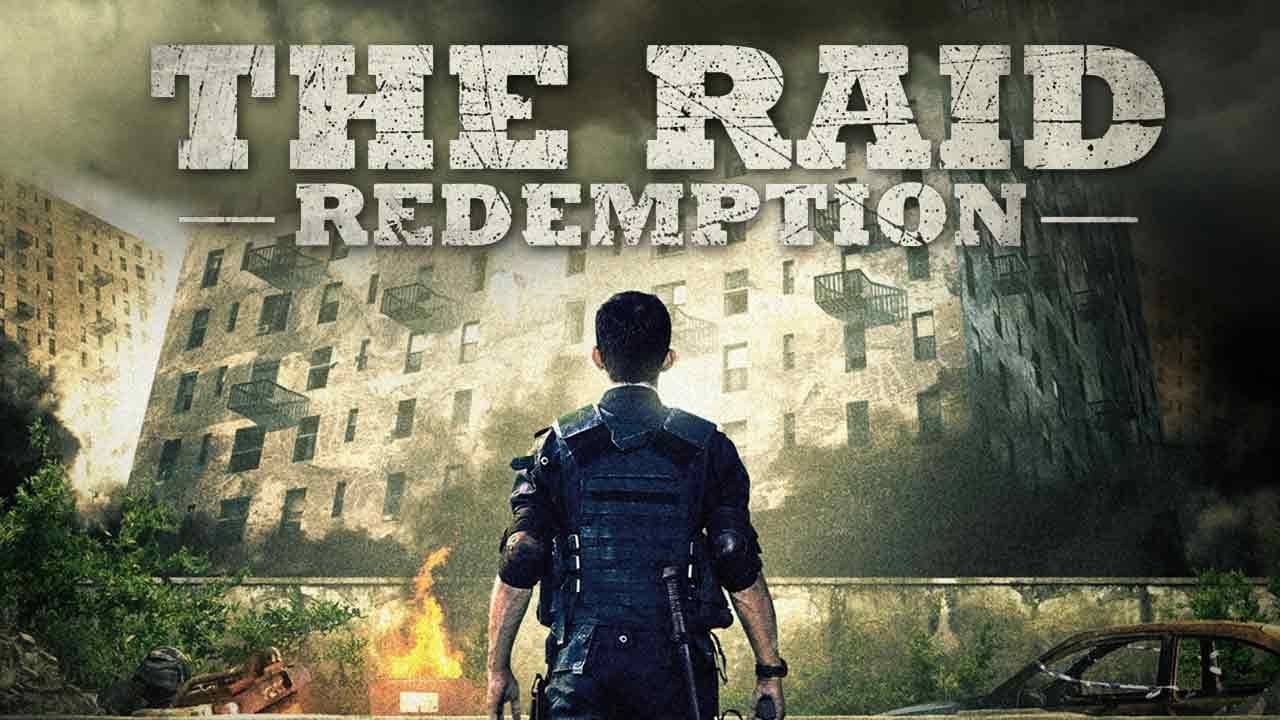
    Welsh director Gareth Evans was doing freelance work on a documentary in Indonesia where he met martial artist Iko Uwais. Seeing some potential in him, Evans decided to cast Uwais as the lead in his 2009 film Merantau. After its production, Evans and his producers were working on a large-scale gangster film called Berandal, but it fell through. Unfortunately, they didn’t have the budget to fund such a large project, so they decided to scale it back. While Merantau had a somewhat slow pace, Evans wanted his next film to be more action-packed and move much faster. Evans brought much of the cast and crew he worked on before for what he called a “full-on” action film. Given the nature of the production, they opted to film in high-definition digital instead of on film. Following its premiere at the Toronto International Film Festival, The Raid was released worldwide in 2012.

    [/et_pb_text][/et_pb_column][et_pb_column type=”1_3″ _builder_version=”4.6.5″ _module_preset=”default”][et_pb_circle_counter title=”Rating” number=”90″ bar_bg_color=”#7CDA24″ _builder_version=”4.9.2″ _module_preset=”default” hover_enabled=”0″ sticky_enabled=”0″][/et_pb_circle_counter][/et_pb_column][/et_pb_row][et_pb_row _builder_version=”4.6.5″ _module_preset=”default”][et_pb_column type=”4_4″ _builder_version=”4.6.5″ _module_preset=”default”][et_pb_text _builder_version=”4.9.2″ _module_preset=”default” hover_enabled=”0″ sticky_enabled=”0″]

    Synopsis

    Sergeant Jaka (Joe Taslim) and Lieutenant Wahyu (Pierre Gruno) are leading a 20-man squad to raid a rundown apartment block. Their objective is to bring in crimelord Tama Riyadi (Ray Sahetapy), who runs the block and lets criminals live there. Unfortunately, the team is spotted and gunned down by Tama’s forces, leaving much of the team decimated. The only survivors are rookies Rama (Iko Uwais), Bowo (Tegar Satrya), and Dagu (Eka Rahmadia), alongside Jaka and Wahyu. As they fight for survival, the group is separated after Bowo is critically injured following the firefight. Rama gets help for Bowo by taking him to see Gofar (Iang Darmawan), a tenant who they helped out earlier. While Bowo’s wounds are being tended to, Rama goes off to find his team and fight off Tama’s forces. By the end of the day, only the strongest will make it out alive.


    Review

    The Raid is one of the purest action films of the last decade, featuring non-stop, high-octane action throughout. Not a minute of screentime goes by without some over-the-top action sequence involving all manner of shootouts and hand-to-hand combat. Admittedly, the intense action comes at the expense of the story and characterization as what’s there is pretty basic. There are some moments of character development here and there, but it’s more so added to provide some breathing room. However, this film’s focus isn’t on having a thoughtful story or deep characterization, but on providing wall-to-wall action. Some highlights include a hallway fight involving machetes, a two-on-one fight scene, and a full-on brawl in a drug factory. It helps that Gareth Evans films the action in a way that’s exciting and chaotic but also easy to see. Granted, there is some shaky-cam that can be somewhat disorienting.

    In between the action and moments of character development are some suspenseful scenes straight out of a horror film. The scenes go on just long enough that they maintain the suspense throughout without feeling padded out. While there isn’t much room for the cast to act, they do a serviceable job with the material they’re given. Ray Sahetapy, in particular, makes for a good villain, perfectly going back and forth between calm coolness and sadistic intensity. Iko Uwais has the looks and charisma for a solid action hero, and his fighting skills are more than impressive. The score further amps up the action with tons of fast-paced rock, though it slows down during the suspenseful scenes. At slightly over 90 minutes, the film moves at a fast pace that never feels too overwhelming or dragged out. Overall, The Raid is one of the best action films of the past decade.


    Buy The Raid from Amazon: https://amzn.to/3eJsUCF

    [/et_pb_text][/et_pb_column][/et_pb_row][/et_pb_section]

  • Pigs (1973)

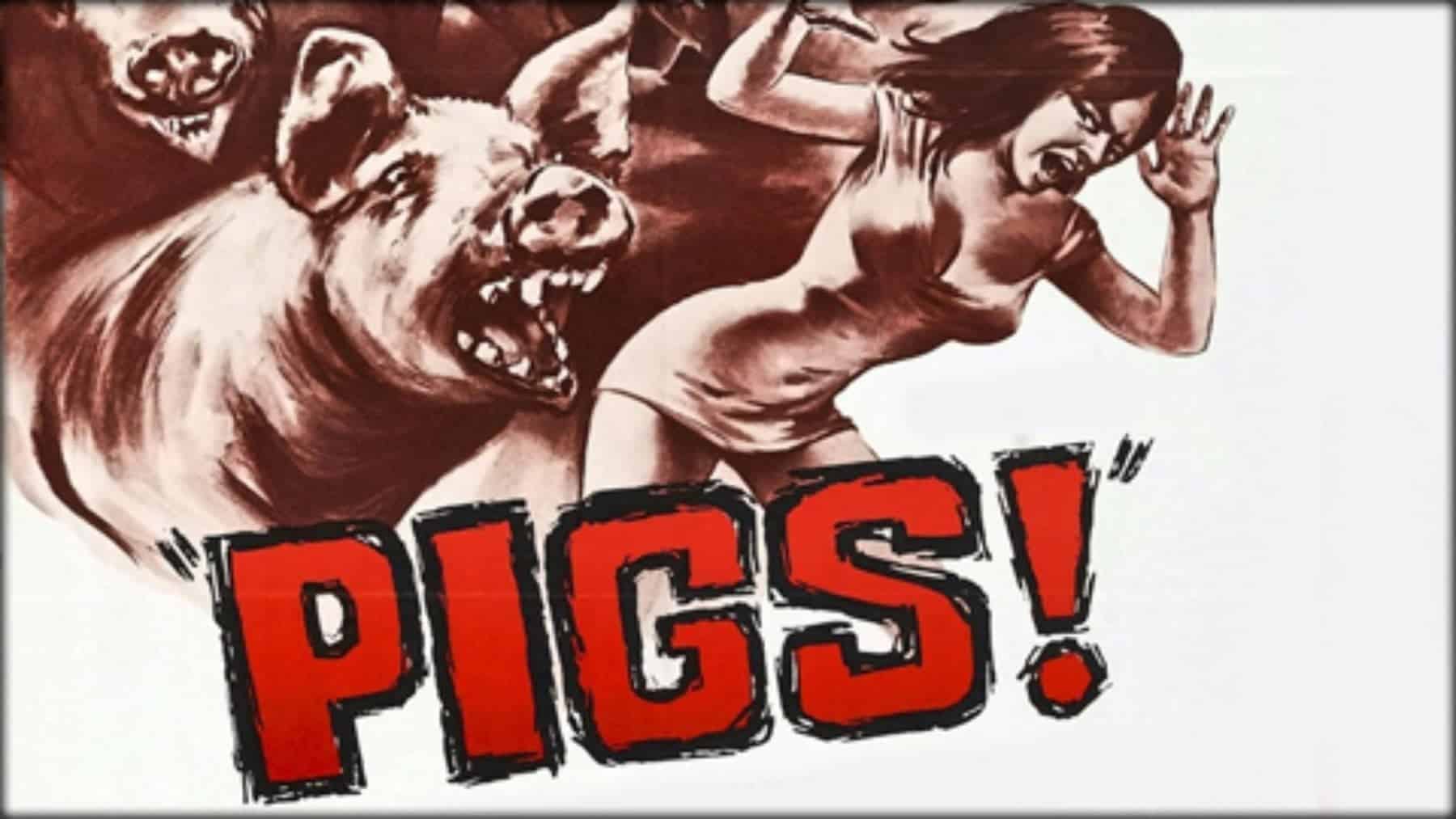
    Pigs (1973)

    [et_pb_section fb_built=”1″ _builder_version=”4.9.2″ _module_preset=”default”][et_pb_row column_structure=”2_3,1_3″ _builder_version=”4.9.2″ _module_preset=”default”][et_pb_column type=”2_3″ _builder_version=”4.9.2″ _module_preset=”default”][et_pb_text _builder_version=”4.9.2″ _module_preset=”default”]

    Marc Lawrence was a very prolific character actor who had been working in the industry since the 1930s. Unfortunately, his career was hit during the McCarthy era, when he was forced to give the names of supposed Communists. During this time, he moved to Europe where he continued getting work until the McCarthy era ended in the 1970s. Upon his return, he decided that he would try being a filmmaker, having studied the many directors he worked with. He settled on making a horror film since it’s the cheapest to produce and the easiest to make money on. On a relatively low budget, he cast his daughter, actress Toni Lawrence, in the lead role for a 10-day shoot. Originally released in 1973, the film was re-released with various titles, including Daddy’s Deadly Darling and The Strange Love Exorcist. With that backstory covered, let’s talk about Marc Lawrence’s Pigs.

    [/et_pb_text][/et_pb_column][et_pb_column type=”1_3″ _builder_version=”4.9.2″ _module_preset=”default”][et_pb_circle_counter title=”Rating” number=”80″ bar_bg_color=”#7CDA24″ _builder_version=”4.9.2″ _module_preset=”default”][/et_pb_circle_counter][/et_pb_column][/et_pb_row][et_pb_row _builder_version=”4.9.2″ _module_preset=”default”][et_pb_column type=”4_4″ _builder_version=”4.9.2″ _module_preset=”default”][et_pb_text _builder_version=”4.9.2″ _module_preset=”default” hover_enabled=”0″ sticky_enabled=”0″]

    Synopsis

    A mysterious woman named Lynn Hart (Toni Lawrence) is driving through the desert when stumbles upon a ramshackle motel/diner. There, she meets the owner Zambrini (Marc Lawrence), a former circus performer, and he decides to offer her a job. She works as a waitress at his diner while also staying at the motel rent-free. One night, she ends up killing a lecherous local, and after finding out, Zambrini feeds the body to his pigs. Turns out Zambrini’s pigs have acquired a taste for human flesh, so he has to keep feeding them dead bodies. The sudden disappearance catches the attention of Sheriff Dan Cole (Jesse Vint), who starts wondering where Lynn came from. Jess Winter (Jim Antonio), a private investigator, arrives to look into Lynn’s history, but they find more than initially thought. Just who is this mystery woman, and who will be the next meal for the pigs?


    Review

    Like many low-budget 1970s drive-in flicks, Pigs is very rough around the edges and not the most professionally made. However, its low-budget nature adds to the homegrown charm of the production, especially given that this was a family affair. Directing-wise, Marc Lawrence won’t be considered a “master of horror”, but his direction is competent and adds some tension. There are tons of harsh zooms and uncomfortable close-ups that add a general sense of unease to the film. Acting-wise, Marc Lawrence gives a solid performance as a man who clearly has his own personal demons to deal with. Though he’s feeding corpses to his pigs, it comes across that he doesn’t like doing it and feels somewhat ashamed. Lawrence was always known for playing a background heavy, so this was a chance for him to branch out. In that sense, he mostly succeeds at portraying a somewhat sympathetic character.

    Toni Lawrence, though cast because her father was the director, really shines as the beautiful yet deadly Lynn Hart. Like her father, she does a good job playing a character struggling with her demons and a troubled past. It helps that you don’t know what her story is, what her motives are, and what led her to this. Admittedly, the title’s a bit of a misnomer in that while there are pigs, it’s not a killer pig movie. It’s more of a character study that explores mental illness if left unchecked, and how past traumas can affect us. The rest of the cast is serviceable if forgettable, although Jesse Vint and Jim Antonio stand out in their roles. Also, Charles Bernstein’s minimalist score adds to the tension, and his theme song gives a sense of despair. Overall, Pigs isn’t what you think it is, but it’s worth a watch.


    Buy Pigs from Amazon: https://amzn.to/3eJJOkC

    [/et_pb_text][/et_pb_column][/et_pb_row][/et_pb_section]

  • 12 Angry Men (1957)

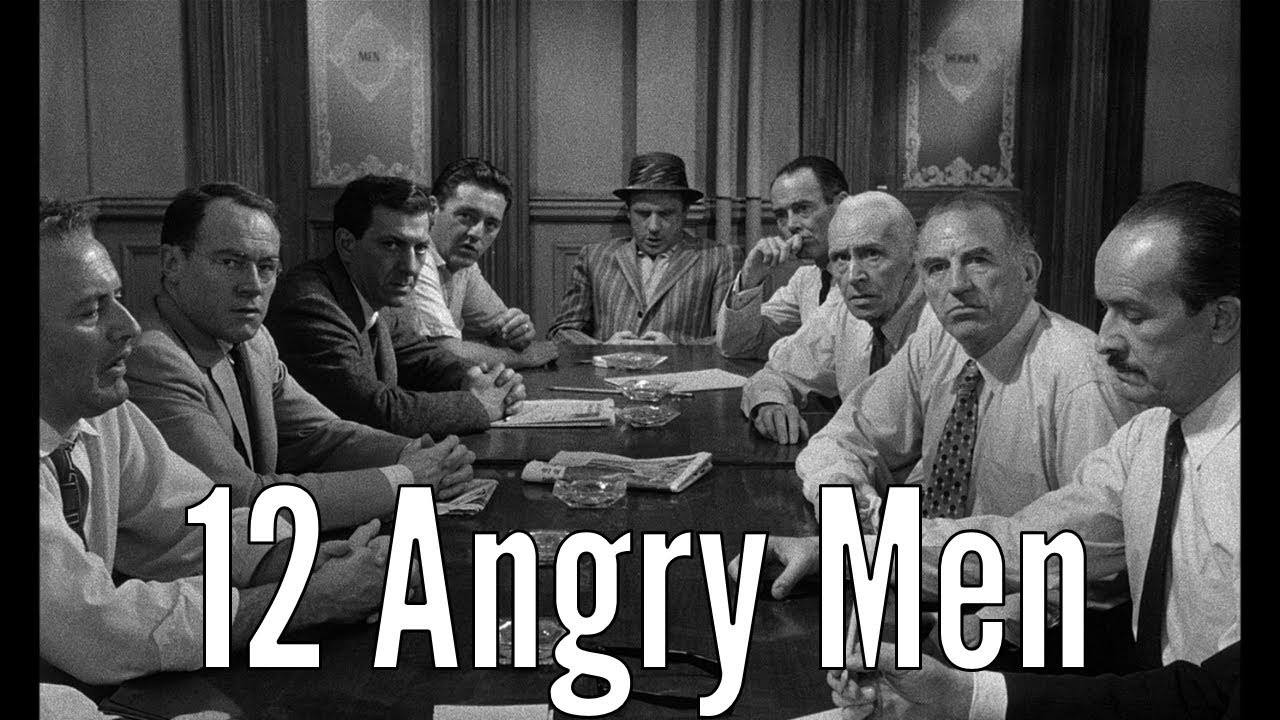
    12 Angry Men (1957)

    [et_pb_section fb_built=”1″ _builder_version=”4.16″ _module_preset=”default” global_colors_info=”{}”][et_pb_row column_structure=”2_3,1_3″ _builder_version=”4.16″ _module_preset=”default” global_colors_info=”{}”][et_pb_column type=”2_3″ _builder_version=”4.16″ _module_preset=”default” global_colors_info=”{}”][et_pb_text _builder_version=”4.16″ _module_preset=”default” global_colors_info=”{}”]Writer Reginald Rose wrote a screenplay based on his experiences serving jury duty that explored the drama that ensued. Rose was writing for the dramatic anthology series Studio One when his screenplay was sold to them for adaptation. In 1954, the screenplay was adapted for the show’s seventh season directed by Franklin J. Schaffner and starring Robert Cummings. The teleplay was a success, earning three Emmy awards for Best Writer (Rose), Best Director (Schaffner), and Best Actor (Cummings). Following its success, the screenplay was adapted to film, with Rose writing the script and co-producing with star Henry Fonda. They hired Sidney Lumet to direct what became his first feature film due to his work on television. With a low budget of roughly $337,000 and a relatively small cast, Lumet set out to direct this film adaptation. In 1957, Lumet’s adaptation of 12 Angry Men was released to theaters.

    [/et_pb_text][/et_pb_column][et_pb_column type=”1_3″ _builder_version=”4.16″ _module_preset=”default” global_colors_info=”{}”][et_pb_circle_counter title=”Rating” number=”100″ bar_bg_color=”#7CDA24″ _builder_version=”4.16″ _module_preset=”default” global_colors_info=”{}”][/et_pb_circle_counter][/et_pb_column][/et_pb_row][et_pb_row _builder_version=”4.16″ _module_preset=”default” global_colors_info=”{}”][et_pb_column type=”4_4″ _builder_version=”4.16″ _module_preset=”default” global_colors_info=”{}”][et_pb_text _builder_version=”4.27.2″ _module_preset=”default” hover_enabled=”0″ global_colors_info=”{}” sticky_enabled=”0″]

    Synopsis

    An 18-year-old Hispanic man (John Savoca) is on trial for first-degree murder, having supposedly stabbed his father to death. After being read the details and shown the evidence, the jury is sent off to determine a verdict. The verdict must be unanimous, meaning all twelve members must decide on whether the defendant is guilty or not guilty. Initially, all the jurors vote ‘guilty’ except for Juror #8 (Henry Fonda), who’s unsure if the defendant committed the murder. Over the course of the next few hours, the jurors go back and forth questioning the evidence and their votes. Tensions rise as the men argue with each other, compounded by the sweltering heat while confined in a single space. As time goes by, the vote sways towards ‘not guilty, much to the chagrin of some of the other jurors. Soon, the men will examine not only the case but on themselves.


    Review

    Although not a financial success at the time, 12 Angry Men has gone done in history as classic American cinema. This film absolutely deserves its status given how powerful the material is and the themes that are explored. First off, every member of the principal cast, namely the twelve jurors, each give an amazing and career-defining performance. Henry Fonda gives a very grounded and sympathetic performance as the outlier and the one who sets everything in motion. Lee J. Cobb also shines as the polar opposite of Fonda, determined to see the defendant get the chair. Watching him getting more and more frustrated while Fonda remains calm and collected is worth the price of admission alone. The rest of the cast, featuring Jack Warden, E. G. Marshall, Martin Balsam, and Jack Klugman amongst others also shine. There isn’t a single cast member who gives a subpar performance.

    What also makes the film stand out is the direction from Sidney Lumet, who became a celebrated filmmaker later on. He keeps the action moving given it’s set primarily in one location with plenty of tracking shots and wide angles. Its single setting also helps make you feel like you’re right there with them as the heat gets to them. With a roughly 90-minute runtime, the film moves at a solid pace and never feels bogged down by unnecessary padding. The film explores plenty of issues that are still relevant, such as prejudice, bias, and coming together despite different backgrounds. The fact that none of the characters are given names also adds to the realism, like they could be anyone. It’s one of the most well-made, well-acted, and well-written American dramas of all-time that everyone should see at least once. Overall, 12 Angry Men is a classic of American cinema.


    Buy 12 Angry Men from Amazon: https://amzn.to/40uRleY.

    Disclosure: The above link is an affiliate link, which means that, at zero cost to you, I will earn a commission if you click through the link and finalize a purchase.

    [/et_pb_text][/et_pb_column][/et_pb_row][/et_pb_section]
  • Intruder (1989)

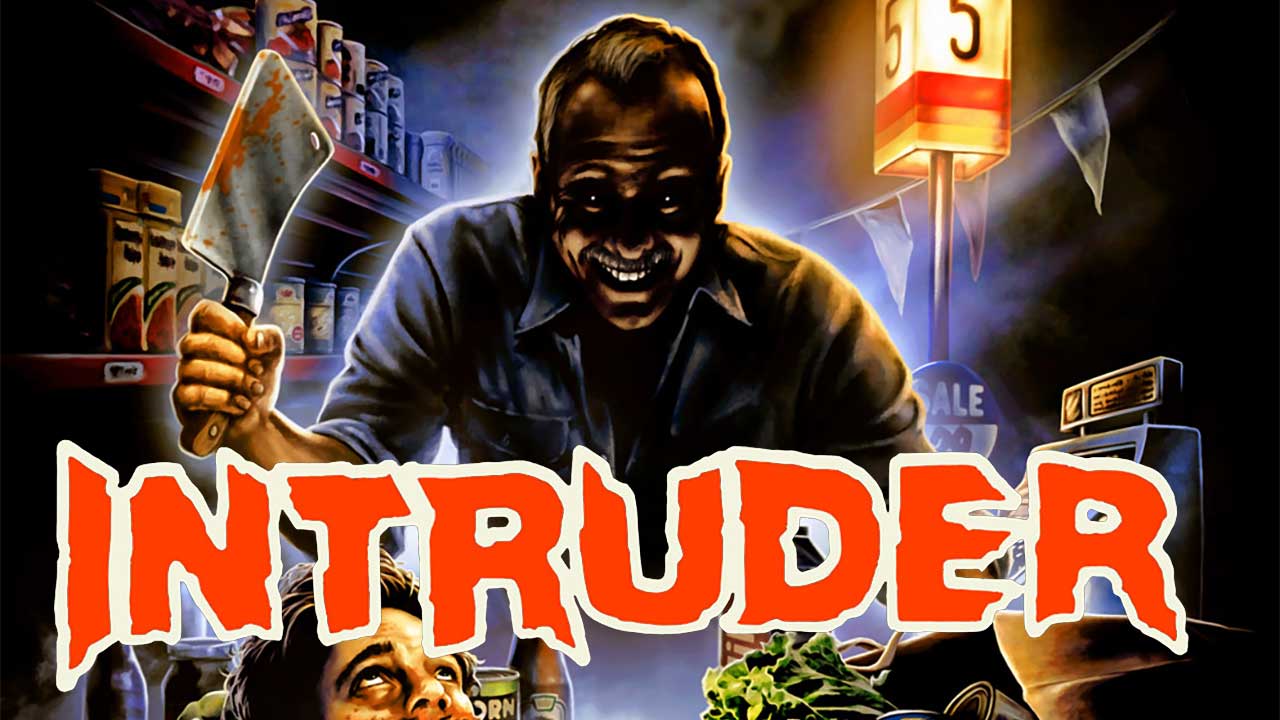
    Intruder (1989)

    [et_pb_section fb_built=”1″ _builder_version=”4.9.1″ _module_preset=”default”][et_pb_row column_structure=”2_3,1_3″ _builder_version=”4.9.1″ _module_preset=”default”][et_pb_column type=”2_3″ _builder_version=”4.9.1″ _module_preset=”default”][et_pb_text _builder_version=”4.9.1″ _module_preset=”default”]

    Growing up in Michigan, Scott Spiegel was good friends with Sam Raimi, his brother Ted, and Bruce Campbell. They worked together on various Super-8 shorts, most notably Within the Woods, which was the precursor to The Evil Dead. Seeing how they were able to raise some money for their film, Spiegel decided to follow in their footsteps. He had filmed a short called Night Crew about the late-night crew of a grocery store being killed off one-by-one. Spiegel wanted to expand it to feature-length, but unfortunately, he struggled with securing financing for the project and it languished. He went onto co-write Evil Dead II, and his work caught the attention of up-and-coming producer Lawrence Bender. Bender agreed to work with Spiegel to co-write and produce the feature, having secured funding from Charles Band’s Empire Pictures. Finally, in 1989, Spiegel’s directorial debut Intruder was released, albeit in a heavily-edited version.

    [/et_pb_text][/et_pb_column][et_pb_column type=”1_3″ _builder_version=”4.9.1″ _module_preset=”default”][et_pb_circle_counter title=”Rating” number=”85″ bar_bg_color=”#7CDA24″ _builder_version=”4.9.1″ _module_preset=”default”][/et_pb_circle_counter][/et_pb_column][/et_pb_row][et_pb_row _builder_version=”4.9.1″ _module_preset=”default”][et_pb_column type=”4_4″ _builder_version=”4.9.1″ _module_preset=”default”][et_pb_text _builder_version=”4.9.2″ _module_preset=”default” hover_enabled=”0″ sticky_enabled=”0″]

    Synopsis

    It’s closing time at Walnut Supermarket, and the night crew is working to get everything ready for tomorrow. However, they receive some bad news from owners Danny (Eugene Glazer) and Bill (Danny Hicks), announcing they’re selling the store. Everyone’s understandably upset about losing their jobs, but they’re instructed to mark down the prices to prepare for the close. Meanwhile, cashier Jennifer (Elizabeth Cox) has been getting stalked and receiving calls from her ex-boyfriend Craig (David Byrnes). As time goes by, the night crew starts getting picked off one-by-one by an unknown killer in gruesome ways. There’s death by a trash compactor, death by meathook, death by bandsaw, and plenty more as the bodies pile up. Eventually, Jennifer is the only one left as she stumbles across her co-workers’ and faces off with the killer. She soon learns that the killer is just crazy about this store!


    Review

    While not as much of a classic as Halloween or Friday the 13thIntruder is an underrated slasher film. Having a slasher set in a grocery store is very unique, instead of the usual summer camp or dormitory. What also makes this stand out is Spiegel’s use of POV shots and unconventional camera angles that add some uneasiness. There are POV shots of a shopping cart, a phone, and even a broom, plus the tried-and-true killer POV shots. Admittedly, the film is very light on the story, but then again, most slashers films aren’t concerned with the story. They’re more concerned about delivering over-the-top and creative kills, which this film has in spades and then some. Designed by the newly formed KNB Effects, the kill scenes are nothing short of spectacularly brutal and vicious. The bandsaw death scene is worth the price of admission alone.

    Acting-wise, everyone does a fine job, Elizabeth Cox and Danny Hicks especially being the standouts. Cox makes for a solid final girl, delivering a wide variety of screams and showing plenty of emotion. Hicks, however, steals the show as Bill, the obsessive co-owner who will stop at nothing to protect his store. What makes his performance so great is how he starts as a nice, very unassuming, and pretty funny guy. This makes the big reveal all the more shocking, especially with how intense and creepy he plays the part. Admittedly, this is somewhat ruined when you can clearly tell that he’s doing the killings even when hidden in shadows. Also, without giving too much away, the film ends on a somewhat dour note, which helps make it stand out. Overall, Intruder is an underrated gem that’s sure to please gorehounds and general horror fans alike.


    Buy Intruder on Amazon: https://amzn.to/3qFymsE

    [/et_pb_text][/et_pb_column][/et_pb_row][/et_pb_section]
  • Ebirah, Horror of the Deep (1966)

    Ebirah, Horror of the Deep (1966)

    [et_pb_section fb_built=”1″ _builder_version=”4.16″ _module_preset=”default” global_colors_info=”{}”][et_pb_row column_structure=”2_3,1_3″ _builder_version=”4.16″ _module_preset=”default” global_colors_info=”{}”][et_pb_column type=”2_3″ _builder_version=”4.16″ _module_preset=”default” global_colors_info=”{}”][et_pb_text _builder_version=”4.16″ _module_preset=”default” global_colors_info=”{}”]

    Following the release of Invasion of Astro-Monster, Toho decided to start working on a new King Kong movie. Originally titled Operation Robinson Crusoe: King Kong vs. Ebirah, Rankin/Bass Productions rejected it and Godzilla was added instead. After directing the previous four entries, Ishiro Honda stepped down and Jun Fukuda stepped in the director’s chair. This entry was given a much lower budget than the previous films, as Toho wanted to cut back on expenses. For instance, instead of being set in Tokyo, the setting was changed to an island in the Pacific. Also, many actors from previous Godzilla films, including Akira Takarada and Kumi Mizuno, returned to play completely different characters. Sadamasa Arikawa, who directed the special effects, noted how frustrating the experience was given the limited budget. Finally, 1966 saw the release of Ebirah, Horror of The Deep, aka Godzilla vs. the Sea Monster.

    [/et_pb_text][/et_pb_column][et_pb_column type=”1_3″ _builder_version=”4.16″ _module_preset=”default” global_colors_info=”{}”][et_pb_circle_counter title=”Rating” number=”75″ bar_bg_color=”#EDF000″ _builder_version=”4.16″ _module_preset=”default” global_colors_info=”{}”][/et_pb_circle_counter][/et_pb_column][/et_pb_row][et_pb_row _builder_version=”4.16″ _module_preset=”default” global_colors_info=”{}”][et_pb_column type=”4_4″ _builder_version=”4.16″ _module_preset=”default” global_colors_info=”{}”][et_pb_text _builder_version=”4.27.4″ _module_preset=”default” hover_enabled=”0″ global_colors_info=”{}” sticky_enabled=”0″]

    Synopsis

    Ryota (Tôru Watanabe) is searching for his brother after he’s lost at sea following a boating accident. He steals a yacht with his friends Ichino (Chotaro Togin) and Nita (Hideo Sunazuka) alongside bank robber Yoshimura (Akira Takarada). They end up stranded on a remote island being run by the Red Bamboo, led by Captain Yamoto (Akihiko Hirata). Turns out the Red Bamboo has enslaved the locals and has a monster known as Ebirah under their control. With help from a local girl named Daiyo (Kumi Mizuno), they find Godzilla trapped in a cave. Using a makeshift lightning rod, they awaken Godzilla to fight off the Red Bamboo and take on Ebirah. Soon enough, Ryota is reunited with his brother Yata (Toru Ibuki) and they try to escape the island. Mothra also arrives to save the locals and our heroes, as well as fight off Godzilla before the island explodes.


    Review

    Often considered one of the lesser entries in the series, Ebirah, Horror of the Deep is more a middle-of-the-road entry. Compared to King Ghidorah, Mothra, and Rodan, Ebirah is a fairly uninteresting monster, basically just a jumbo shrimp. On top of that, Godzilla doesn’t do anything until the 50-minute mark, and even then, the fight isn’t that exciting. Still, there are some amusing moments, such as one where Godzilla and Ebirah play catch with a boulder. Also, while it’s great seeing Mothra make a return, her role in this is more or less a cameo. You can tell this was originally a King Kong movie given how differently Godzilla acts in this film. Like Kong, he’s found in a cave, awoken by lightning, and has an odd attraction to the female lead. It makes me wonder what this movie would’ve been like had the main monster been King Kong instead.

    As far as the human plot goes, it’s definitely one of the more unique storylines in a Godzilla film. The addition of a corrupt paramilitary group enslaving an island’s natives is a nice touch that makes this stand out. It’s interesting how Akihiko Hirata, who portrayed Dr. Daisuke Serizawa in the original Godzilla, once again dons an eyepatch. Here, he plays a villain and gives a solid performance, and Kumi Mizuno from Invasion of Astro-Monster does solid work. The other cast members do their jobs well, but none of them really stand out aside from those mentioned earlier. While the effects are noticeably cheaper given the reduced budget, it’s still fun watching Godzilla trample over military vehicles. At an hour and 23 minutes, the film moves at a decent pace and provides decent kaiju entertainment. Overall, Ebirah, Horror of the Deep is a flawed but enjoyable entry in the series.


    Buy Ebirah, Horror of the Deep on Amazon: https://amzn.to/3efrqjg.

    Disclosure: The above link is an affiliate link, which means that, at no additional cost, I will earn a commission if you click through the link and make a purchase.

    [/et_pb_text][et_pb_code _builder_version=”4.27.4″ _module_preset=”default” hover_enabled=”0″ sticky_enabled=”0″]

    Where to watch Ebirah, Horror of the Deep (1966)

    data-api-key=”LMVDLdLSH5ZJnQ4FMGMgyJCB8cmGbfCV” data-object-type=”Movie” data-title=”Ebirah, Horror of the Deep” data-year=”1966″ data-theme=”light”>

    [/et_pb_code][/et_pb_column][/et_pb_row][/et_pb_section]
  • Lupin III: The First (2019)

    Lupin III: The First (2019)

    [et_pb_section fb_built=”1″ fullwidth=”on” _builder_version=”4.9.1″ _module_preset=”default”][et_pb_fullwidth_header _builder_version=”4.9.1″ _module_preset=”default” title=”Special Review” subhead=”This review was requested by Discord user BodaciousCNO. If you’d like to join the server, click the button below.” button_one_text=”Visit Discord” button_one_url=”https://discord.gg/sKBSX7u” background_color=”#8300E9″ text_orientation=”center” title_level=”h2″ hover_enabled=”0″ sticky_enabled=”0″][/et_pb_fullwidth_header][/et_pb_section][et_pb_section fb_built=”1″ admin_label=”section” _builder_version=”3.22″][et_pb_row _builder_version=”4.9.1″ _module_preset=”default” column_structure=”2_3,1_3″][et_pb_column _builder_version=”4.9.1″ _module_preset=”default” type=”2_3″][et_pb_text _builder_version=”4.9.1″ _module_preset=”default” hover_enabled=”0″ sticky_enabled=”0″]

    In 1965, Kazuhiko Katō, under the pen name Monkey Punch, created Lupin the Third, a manga about a gentlemen thief. Inspired by the character Arsène Lupin created by Maurice Leblanc, the manga was published in 1967 in Weekly Manga Action. Upon its publication, the manga proved to be a massive hit and was adapted into numerous anime series and movies. The first animated feature was 1978’s The Mystery of Mamo, followed by 1979’s The Castle of Cagliostro from Hayao Miyazaki. Over the years, Monkey Punch wanted to see the character brought to life as a 3D animated character. Work began in early 2019 with Monkey Punch supervising, but he sadly passed away in April of that year. Many cast and crew who’ve worked on previous adaptations came back for this ambitious project. Lupin III: The First was released in Japan in December 2019 and the US in October 2020.

    [/et_pb_text][/et_pb_column][et_pb_column _builder_version=”4.9.1″ _module_preset=”default” type=”1_3″][et_pb_circle_counter _builder_version=”4.9.1″ _module_preset=”default” title=”Rating” number=”90″ bar_bg_color=”#7CDA24″ hover_enabled=”0″ sticky_enabled=”0″][/et_pb_circle_counter][/et_pb_column][/et_pb_row][et_pb_row admin_label=”row” _builder_version=”3.25″ background_size=”initial” background_position=”top_left” background_repeat=”repeat”][et_pb_column type=”4_4″ _builder_version=”3.25″ custom_padding=”|||” custom_padding__hover=”|||”][et_pb_text _builder_version=”4.9.1″ _module_preset=”default” hover_enabled=”0″ sticky_enabled=”0″]

    Synopsis

    Renowned archaeologist Professor Bresson (Marc Thompson) entrusts his diary to his family as it contains secrets the Nazis are after. Unfortunately, Bresson is killed and the family dies in a car crash, the only survivor being their infant daughter. Years later, the diary is displayed at a museum when infamous thief Arsène Lupin III (Tony Oliver) tries stealing it. Unfortunately, a young woman named Laetitia (Laurie Hymes) steals it, then femme fatale Fujiko (Michelle Ruff) steals it from her. Lupin’s arrested by Inspector Zenigata (Doug Erholtz) but is rescued by his cohorts Jigen (Richard Epcar) and Goemon (Lex Lang). Lupin catches up to Laetitia, who reveals that she’s working for her adoptive grandfather Lambert (David Brimmer). Lambert is working for Gerard (Paul Guyet) who’s looking for a weapon called The Eclipse to restore the Third Reich. It’s up to Lupin, Laetitia, and his crew to stop them from finding it.


    Review

    Lupin III: The First is a wonderful animated adventure that both fans and even non-fans will find enjoyable. While it’s difficult to convert something 2D to 3D, here it works thanks to the fluid and stylized animation used. All of the characters have very unique designs, fluid and exaggerated movements, and a wide range of facial expressions. Honestly, the animation is on par with anything Pixar or Disney Animation could create, though some things don’t translate well. For instance, the 3D animation gives many of the characters a weird, plastic-like sheen to them, which can be distracting. Also, some of the more cartoony facial expressions that worked in 2D don’t always translate well to 3D. The same thing goes for some of the movements, which can come off as stiff and unnatural at times. Still, it’s an impressive feat given the risks in translating a popular character to something new.

    The story moves at a good pace, with the action-heavy scenes and more dramatic scenes being well-balanced. Admittedly, several exposition-heavy scenes drag the film down at times, but the action and humor keep things moving. Each of the characters is memorable in their own ways, either being loveable goofballs, intense villains, or cool archetypes. Admittedly, the main villain can come off as a bit bland and one-dimensional, but it works given the material. The voice acting fits the characters well, with many of the original English actors returning for this film. Each of the action sequences is over-the-top and fun to watch, in a way harkening back to old-school adventure serials. At roughly 90 minutes in length, the film never overstays its welcome and entertains throughout despite some parts that drag. Overall, Lupin III: The First is a solid animated adventure that even people unfamiliar with the manga will love.


    Buy Lupin III: The First on Amazon: https://amzn.to/3qb8c0s

    [/et_pb_text][/et_pb_column][/et_pb_row][/et_pb_section]

  • The Toxic Avenger Part III: The Last Temptation of Toxie (1989)

    The Toxic Avenger Part III: The Last Temptation of Toxie (1989)

    [et_pb_section fb_built=”1″ admin_label=”section” _builder_version=”3.22″][et_pb_row _builder_version=”4.9.0″ _module_preset=”default” column_structure=”2_3,1_3″][et_pb_column _builder_version=”4.9.0″ _module_preset=”default” type=”2_3″][et_pb_text _builder_version=”4.9.0″ _module_preset=”default” hover_enabled=”0″ sticky_enabled=”0″]

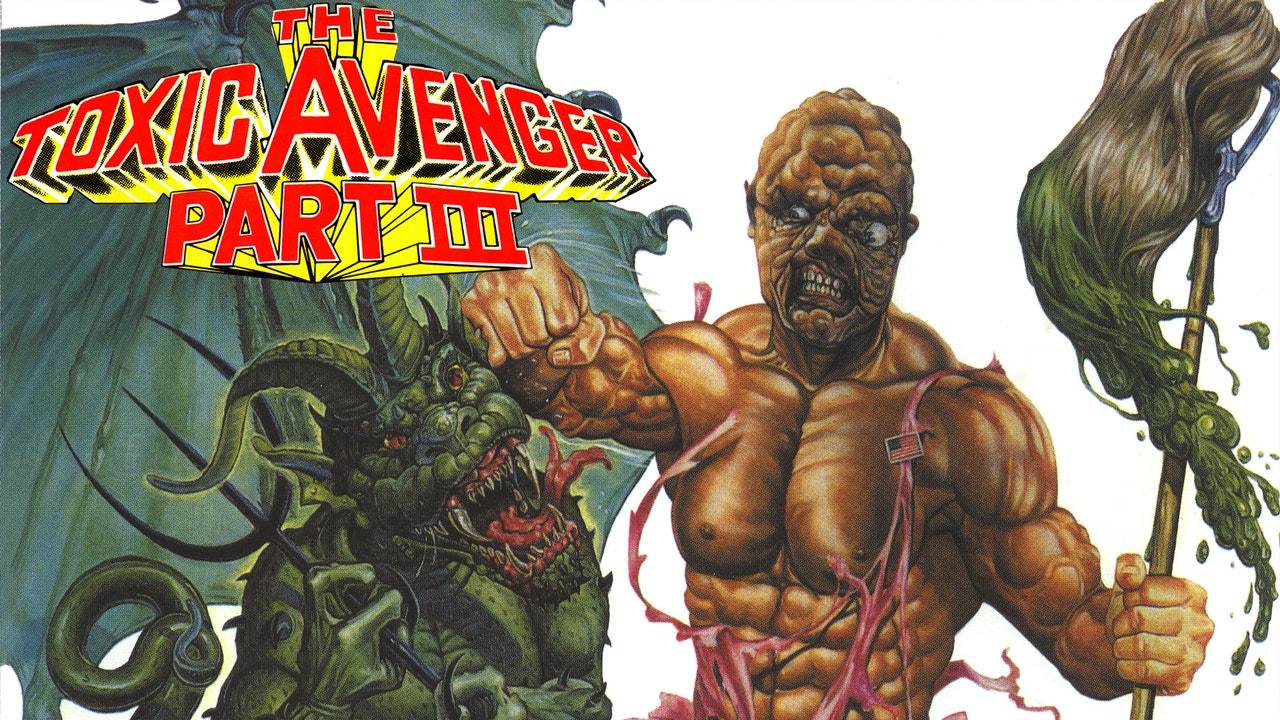
    When Troma started working on a sequel to The Toxic Avenger, times were admittedly tough for the studio. After the failure of Troma’s War, the studio had been blacklisted from Hollywood and relegated to much smaller fare. While they had a $2 million budget, Troma founder Lloyd Kaufman got overly ambitious with his toxic sequel. The original cut of the sequel was four hours long, so naturally, they had to split it in half. The first half was released as The Toxic Avenger Part II in February 1989 while the second half continued. Though the last film was made primarily in Tokyo, this one would return to New York and New Jersey. Much of the cast and crew returned, and Mark Torgl from the original was supposed to return, but he declined. Finally, November 1989 saw the release of The Toxic Avenger Part III: The Last Temptation of Toxie.

    [/et_pb_text][/et_pb_column][et_pb_column _builder_version=”4.9.0″ _module_preset=”default” type=”1_3″][et_pb_circle_counter _builder_version=”4.9.0″ _module_preset=”default” title=”Rating” number=”80″ bar_bg_color=”#7CDA24″ hover_enabled=”0″ sticky_enabled=”0″][/et_pb_circle_counter][/et_pb_column][/et_pb_row][et_pb_row admin_label=”row” _builder_version=”3.25″ background_size=”initial” background_position=”top_left” background_repeat=”repeat”][et_pb_column type=”4_4″ _builder_version=”3.25″ custom_padding=”|||” custom_padding__hover=”|||”][et_pb_text _builder_version=”4.9.0″ _module_preset=”default” hover_enabled=”0″ sticky_enabled=”0″]

    Synopsis

    After running Apocalypse Inc out of Tromaville, the Toxic Avenger (Ron Fazio) has become depressed despite bringing peace to Tromaville. While failing at getting work, Toxie and his blind girlfriend Claire (Phoebe Legere) find a way to restore her eyesight. Unfortunately, the procedure costs more than they can afford, but hope comes when Toxie gets a job opportunity. This comes from Apocalypse Inc, whose Chairman (Rick Collins) offers Toxie money for Claire’s surgery in exchange for his services. He accepts the offer, much to the shock of the Tromaville citizens, who feel betrayed by their so-called hero. Things get worse once Toxie’s ego inflates, and soon he sees how the citizens of Tromaville have rejected him. Toxie eventually learns the error of his ways, works to restore the people’s trust and confronts the Chairman. It’s soon revealed that the Chairman is The Devil himself, and Toxie has to stop him.


    Review

    The Toxic Avenger Part III: The Last Temptation of Toxie, like its predecessor, has problems but is still fun. From its opening sequence at a video store to the showdown with The Devil, you’re in for a wild ride. Speaking of which, while the opening sequence seems out of place, it’s a great showcase of some cartoonishly grisly effects. Guts are ripped out, faces are erased, arms are crushed in a VCR, and heads are ripped off via mop. Admittedly, the film starts dragging after the opening sequence, especially when they start using stock footage from the last film. The story picks up significantly once Toxie confronts the Chairman/Devil, but there’s only about a half-hour left by then. At slightly under an hour and 45 minutes, the film feels padded and dragged out to reach feature-length. That said, this still provides everything that a Troma fan could ask for.

    Ron Fazio gives another solid performance as Toxie, clearly having fun as the loveable creature of superhuman size and strength. Phoebe Legere is an over-the-top ditz with her performance, though she gets to show off more of her musical talents. Like before, Rick Collins and Lisa Gaye give wonderfully hammy performances as the villains, Rick getting more screentime this time. The scene where he transforms into The Devil is grisly and horrific, just what you’d expect from a Troma film. Michael Jai White and Troma regular Joe Fleishaker make appearances, but they’re relegated to the background with hardly any lines. There are some fun fourth wall jokes thrown in for good measure, though they can sometimes be distracting. Like the last film, this is a bit of a mess, but it’s still a good time. Overall, The Toxic Avenger Part III: The Last Temptation of Toxie is enjoyable schlock.


    Buy The Toxic Avenger Part III: The Last Temptation of Toxie on Amazon: https://amzn.to/3kDg2P6

    [/et_pb_text][/et_pb_column][/et_pb_row][/et_pb_section]

  • Dollman vs. Demonic Toys (1993)

    Dollman vs. Demonic Toys (1993)

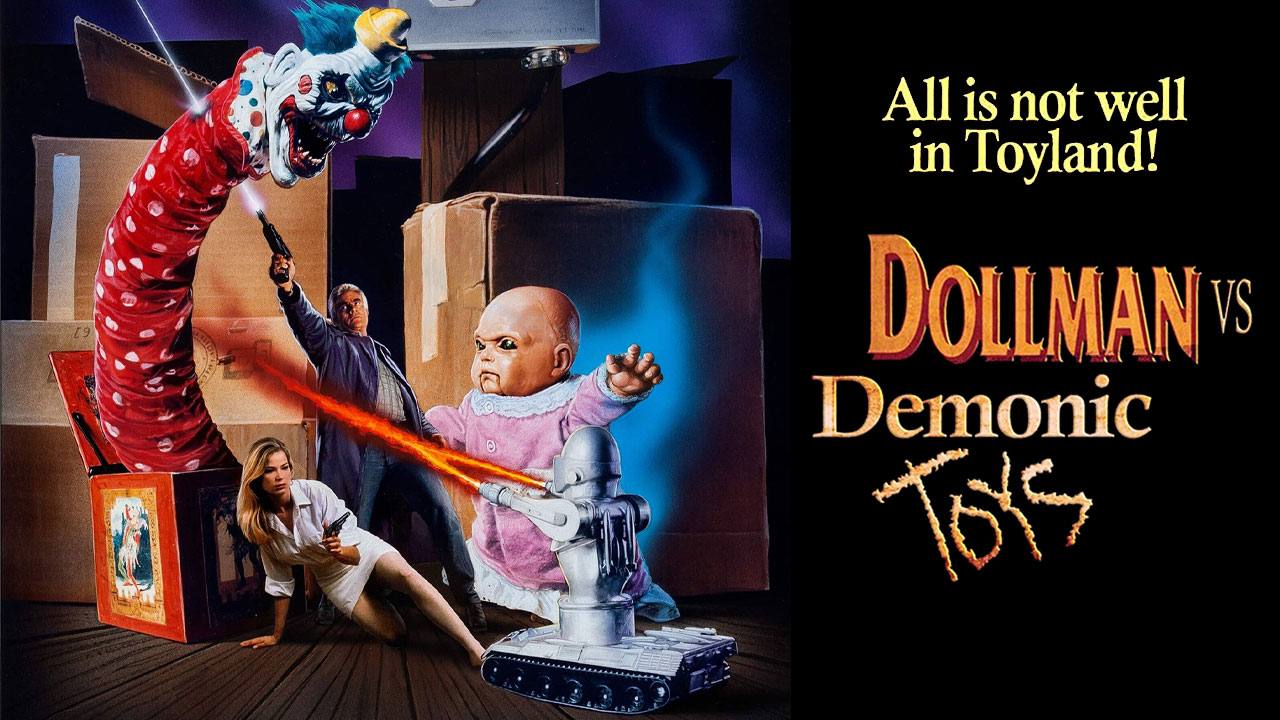
    [et_pb_section fb_built=”1″ _builder_version=”4.16″ _module_preset=”default” global_colors_info=”{}”][et_pb_row column_structure=”2_3,1_3″ _builder_version=”4.16″ _module_preset=”default” global_colors_info=”{}”][et_pb_column type=”2_3″ _builder_version=”4.16″ _module_preset=”default” global_colors_info=”{}”][et_pb_text _builder_version=”4.16″ _module_preset=”default” global_colors_info=”{}”]As mentioned before, Charles Band grew up reading Marvel comics during the 50s and 60s while living in Italy. One aspect of Marvel comics he loved was the crossover, where characters from one storyline would meet up with another. When he got older and started producing his own movies, Band wanted to incorporate crossovers between his own franchises. He tried doing this with 1986’s Eliminators and the anthology Pulse Pounders, but Empire collapsed before he had the opportunity. Once he founded Full Moon, he started up several franchises in the hopes of them crossing over at some point. Originally, Puppet Master 4 was to be a crossover with Demonic Toys, but they decided to go in another direction. Instead, Charles Band decided to crossover Demonic Toys with the earlier hit Dollman, along with adding elements from Bad Channels. The result was the 1993 crossover film, Dollman vs. Demonic Toys.

    [/et_pb_text][/et_pb_column][et_pb_column type=”1_3″ _builder_version=”4.16″ _module_preset=”default” global_colors_info=”{}”][et_pb_circle_counter title=”Rating” number=”70″ bar_bg_color=”#EDF000″ _builder_version=”4.16″ _module_preset=”default” global_colors_info=”{}”][/et_pb_circle_counter][/et_pb_column][/et_pb_row][et_pb_row _builder_version=”4.16″ _module_preset=”default” global_colors_info=”{}”][et_pb_column type=”4_4″ _builder_version=”4.16″ _module_preset=”default” global_colors_info=”{}”][et_pb_text _builder_version=”4.27.4″ _module_preset=”default” hover_enabled=”0″ global_colors_info=”{}” sticky_enabled=”0″]

    Synopsis

    Intergalactic cop Brick Bardo (Tim Thomerson) is traveling to the small town of Pahoota looking for a recently shrunken-down woman. Said shrunken-down woman is Nurse Ginger (Melissa Behr), who was left 11″ tall after the events of Bad Channels. Meanwhile, Judith Grey (Tracy Scoggins) has been staking out the Toyland Warehouse despite being suspended from the force. After being forced out of the warehouse by the police, Judith seeks out Brick and Ginger to help her out. Though skeptical, the two decide to tagalong and find security guard Ray Vernon (Phil Fondacaro) working with the demonic toys. A firefight ensues, where Ray’s shot, Judith’s shot by the robot Mr. Static, and Brick shoots Mr. Static in response. After Judith dies, Brick makes it his personal mission to take on the remaining demonic toys and stop their plans. Will the demonic toys succeed, or will Brick be able to stop them?


    Review

    Dollman vs. Demonic Toys promises a lot from its title, but unfortunately, it doesn’t quite live up to its potential. Having the Dollman squaring up against the Demonic Toys makes sense and should be awesome, and it kind of is. As per usual, Tim Thomerson shines as the wise-cracking Brick Bardo, spouting off one-liners while blasting toys with his gun. Tracy Scoggins also does a good job, clearly having fun with her role and giving it her all. Melissa Behr, on top of being drop-dead gorgeous, has a fun, snarky, and fierce personality as the shrunken-down nurse. The puppet effects are pretty solid, the design of the new Zombietoid standing out as an exaggerated GI Joe. They even use some suits and inflatables for the scenes where the toys share the screen with Dollman. While there’s a clearly noticeable difference, it works for this kind of movie.

    Unfortunately, the film has plenty of flaws that drag it down, preventing it from being a Full Moon classic. For one, about half of the film is comprised of stock footage from the earlier films framed as flashbacks. With only 30 minutes of original footage, the film clocks in at roughly an hour and some change in length. Even by Full Moon standards, that length is pretty anemic considering the material they had to work with. They could’ve expanded upon the lore from the previous films, but they don’t do much of anything with it. Not only that, but they screw around with the continuity of the previous films, most especially Bad Channels. Given the period in Full Moon’s history that this was made, this is quite the sore spot in that era. Overall, Dollman vs. Demonic Toys is ok, but there are better Full Moon movies you could watch.


    Buy Dollman vs. Demonic Toys from

    Disclosure: The above link is an affiliate link, which means that, at zero cost to you, I will earn a commission if you click through the link and finalize a purchase.

    [/et_pb_text][et_pb_code _builder_version=”4.27.4″ _module_preset=”default” hover_enabled=”0″ sticky_enabled=”0″]

    Where to watch Dollman vs. Demonic Toys (1993)

    data-api-key=”LMVDLdLSH5ZJnQ4FMGMgyJCB8cmGbfCV” data-object-type=”Movie” data-title=”Dollman vs. Demonic Toys” data-year=”1993″ data-theme=”light”>

    [/et_pb_code][/et_pb_column][/et_pb_row][/et_pb_section]

  • Happy Gilmore (1996)

    Happy Gilmore (1996)

    [et_pb_section fb_built=”1″ _builder_version=”4.9.0″ _module_preset=”default”][et_pb_row column_structure=”2_3,1_3″ _builder_version=”4.9.0″ _module_preset=”default”][et_pb_column type=”2_3″ _builder_version=”4.9.0″ _module_preset=”default”][et_pb_text _builder_version=”4.9.0″ _module_preset=”default”]

    At age 17, a young Adam Sandler first took at comedy clubs after his brother urged him to do so. This led to a small role on The Cosby Show and the lead in the mostly-forgotten comedy Going Overboard. However, his career took off when comedian Dennis Miller discovered him and introduced him to SNL producer Lorne Michaels. Sandler was hired as a writer in 1990, became a featured player the following year, and was a massive hit. After being fired in 1995, Sandler decided to pursue films, having previously appeared in supporting roles in Coneheads and Airheads. He scored a hit with Billy Madison, which he co-wrote with his college roommate and SNL writer Tim Herlihy. Following its success, Herlihy and Sandler started working on their next project, hiring actor-turned-director Dennis Dugan to helm the project. After a three-month shoot, February 1996 saw the release of Happy Gilmore.

    [/et_pb_text][/et_pb_column][et_pb_column type=”1_3″ _builder_version=”4.9.0″ _module_preset=”default”][et_pb_circle_counter title=”Rating” number=”80″ bar_bg_color=”#7CDA24″ _builder_version=”4.9.0″ _module_preset=”default”][/et_pb_circle_counter][/et_pb_column][/et_pb_row][et_pb_row _builder_version=”4.9.0″ _module_preset=”default”][et_pb_column type=”4_4″ _builder_version=”4.9.0″ _module_preset=”default”][et_pb_text _builder_version=”4.9.0″ _module_preset=”default”]

    Synopsis

    Happy Gilmore (Adam Sandler) is an aspiring hockey player whose life isn’t going anywhere and has serious anger issues. While visiting his grandmother (Frances Bay), he learns that the IRS is foreclosing on her house because of back taxes. He chats with the movers, who challenge him to a long-drive contest, and he hits the ball 400 yards away. Happy decides to hustle people at a golf range, where he runs into former pro golfer Chubbs Peterson (Carl Weathers). At Chubbs’ persistence, Happy enters into a local golf tournament, which he wins, getting a spot on the pro tour. Happy’s unorthodox skills and crass antics make him a fan favorite, which upsets pro golfer Shooter McGavin (Christopher McDonald). Meanwhile, Happy falls for Virginia Venit (Julie Bowen), who helps him take down Shooter and get his grandmother’s house back. Will Happy get the house back, or will Shooter shoot him down?


    Review

    Happy Gilmore is vulgar, crass, foul, and utterly stupid, but it’s also weirdly endearing and better than you’d expect. It’s got the tropes you’d see in future Sandler films: crude humor, rampant product placement, celebrity cameos, and SNL alumni. However, it’s not as bad here, probably because there’s a sort of innocence lacking in Sandler’s more recent comedies. It helps that the central motivation for Happy’s actions is trying to help someone close to him instead of himself. In terms of his direction, Dennis Dugan does a decent job, though it’s nothing too special or extraordinary. There are some cool POV shots of the goofball and some good use of filters for the dream sequences. Otherwise, it looks no different than your standard 90s comedy, though it’s not going for any artistic merit. It’s going for dumb, fun entertainment, and it mostly succeeds where it counts.

    As the hero, Adam Sandler does a good job, only mugging for the camera when appropriate, but is otherwise likable. Julie Bowen works as the love interest, and Frances Bay is incredibly sweet and lovable as the grandmother. However, it’s Christopher McDonald who absolutely steals the show as Shooter McGavin, chewing up as much scenery as he can. Carl Weathers also seems to be having fun as the old golf coach who acts as a wise sage. Richard Kiel and Bob Barker have some fun cameos, Barker especially since he gets to beat up Adam Sandler. Also, Ben Stiller has a brief but funny appearance as the orderly at the nursing home Happy’s grandmother stays at. At an hour and 33 minutes, the film goes by quickly and has a decent pace to keep you entertained. Overall, Happy Gilmore won’t appeal to everyone, but it’s a decent sports comedy.


    Buy Happy Gilmore from Amazon: https://amzn.to/3pOAJbY

    [/et_pb_text][/et_pb_column][/et_pb_row][/et_pb_section]