Facebook

FilmNerd

Category: Documentary

  • VHS Massacre Too (2020)

    VHS Massacre Too (2020)

    [et_pb_section fb_built=”1″ admin_label=”section” _builder_version=”4.16″ global_colors_info=”{}”][et_pb_row column_structure=”2_3,1_3″ admin_label=”row” _builder_version=”4.16″ background_size=”initial” background_position=”top_left” background_repeat=”repeat” global_colors_info=”{}”][et_pb_column type=”2_3″ _builder_version=”4.16″ custom_padding=”|||” global_colors_info=”{}” custom_padding__hover=”|||”][et_pb_text _builder_version=”4.20.4″ _module_preset=”default” global_colors_info=”{}”]

    Upon its 2016 release, VHS Massacre: Cult Films and the Decline of Physical Media was very well received. The film won several accolades at the Telly Awards, WorldFest Houston, and the Miami International Science Fiction Film Festival. Since then, Tom Seymour and crew have noticed how history is being repeated in the streaming era. Much like movies were subject to censorship in the VHS era, independent filmmakers faced obstacles from large conglomerates today. Years after the original, Seymour decided to make a follow-up documentary showcasing the struggles of independent cinema. They got several interviewees from the first documentary and YouTube creators James Rolfe and Shawn C. Phillips. Once again, Troma picked up the distribution rights to the documentary and had its premiere in early 2020. In 2022, VHS Massacre Too made it to Blu-ray before premiering on Troma Now in 2023.

    [/et_pb_text][/et_pb_column][et_pb_column type=”1_3″ _builder_version=”4.16″ custom_padding=”|||” global_colors_info=”{}” custom_padding__hover=”|||”][et_pb_circle_counter title=”Rating” number=”85″ bar_bg_color=”#7CDA24″ _builder_version=”4.20.4″ _module_preset=”default” hover_enabled=”0″ global_colors_info=”{}” sticky_enabled=”0″][/et_pb_circle_counter][/et_pb_column][/et_pb_row][et_pb_row _builder_version=”4.16″ _module_preset=”default” global_colors_info=”{}”][et_pb_column type=”4_4″ _builder_version=”4.16″ _module_preset=”default” global_colors_info=”{}”][et_pb_text _builder_version=”4.20.4″ _module_preset=”default” hover_enabled=”0″ global_colors_info=”{}” sticky_enabled=”0″]

    Synopsis

    The documentary starts with film critic/horror host John Bloom, aka Joe Bob Briggs, giving a history of film censorship. He goes over the Hays Code, first introduced in 1934, then the formation of the MPAA in 1968. Interestingly, he mentions how films like The Texas Chain-Saw Massacre are regarded as classics today but were trashed upon release. From there, we see how physical media has declined, thanks partly to Blockbuster excluding exploitation/independent films. Filmmakers Debbie Rochon, J.R. Bookwalter, and Lloyd Kaufman discuss how streaming has financially hurt them and other independents. Rochon and James Rolfe also share stories about the difficulty of supporting themselves while making a movie for no money. Lloyd Kaufman also talks about how even the term “independent cinema” has been co-opted by the major studios. To top it off, the filmmakers even visit the last Blockbuster in the country, located in Bend, Oregon.


    Review

    VHS Massacre Too significantly improved over its predecessor, even if the title is a bit of a misnomer. This documentary is about censorship and how changing times affect independent filmmakers, which was the first film briefly touched on. While the decline of physical media is covered, it’s not given as much attention as the original. The best parts of the documentary are hearing the stories of independent filmmakers dealing with bad distribution deals. Hearing Debbie Rochon’s story about trying to get her film Model Hunger released made me want to watch it. Another highlight is Joe Bob Briggs pointing out the news publications’ hypocrisy in giving exploitation filmmakers attention when they die. The New York Times won’t review Larry Cohen’s The Stuff, but they’ll write a loving obituary for him. It shows how people who willingly talk about exploitation movies today were ashamed of it before.

    Including James Rolfe and Shawn C. Phillips is an interesting choice, but it also seems out of place. Nothing against Phillips, but Rolfe has much more experience behind the camera and understands the struggles more. The feel of the documentary is generally negative, but it offers suggestions for improving the state of independent cinema. It presents the idea that while independent cinema is dying, there are ways to take power away from the conglomerates. This documentary is also excellent for fans of exploitation cinema as it talks about how important these films are. Many classic exploitation movies shattered taboos and challenged how people think, which many of today’s mainstream movies fail to do. At 77 minutes, the documentary goes by quickly and doesn’t overstay its welcome, providing enough entertainment without dragging things out. Overall, VHS Massacre Too is an excellent documentary about censorship and truly independent cinema.


    Buy VHS Massacre Too from Amazon: https://amzn.to/3MOM37c.

    Disclosure: The above link is an affiliate link, which means that, at zero cost to you, I will earn a commission if you click through the link and finalize a purchase.

    [/et_pb_text][/et_pb_column][/et_pb_row][/et_pb_section]
  • VHS Massacre: Cult Films and the Decline of Physical Media (2016)

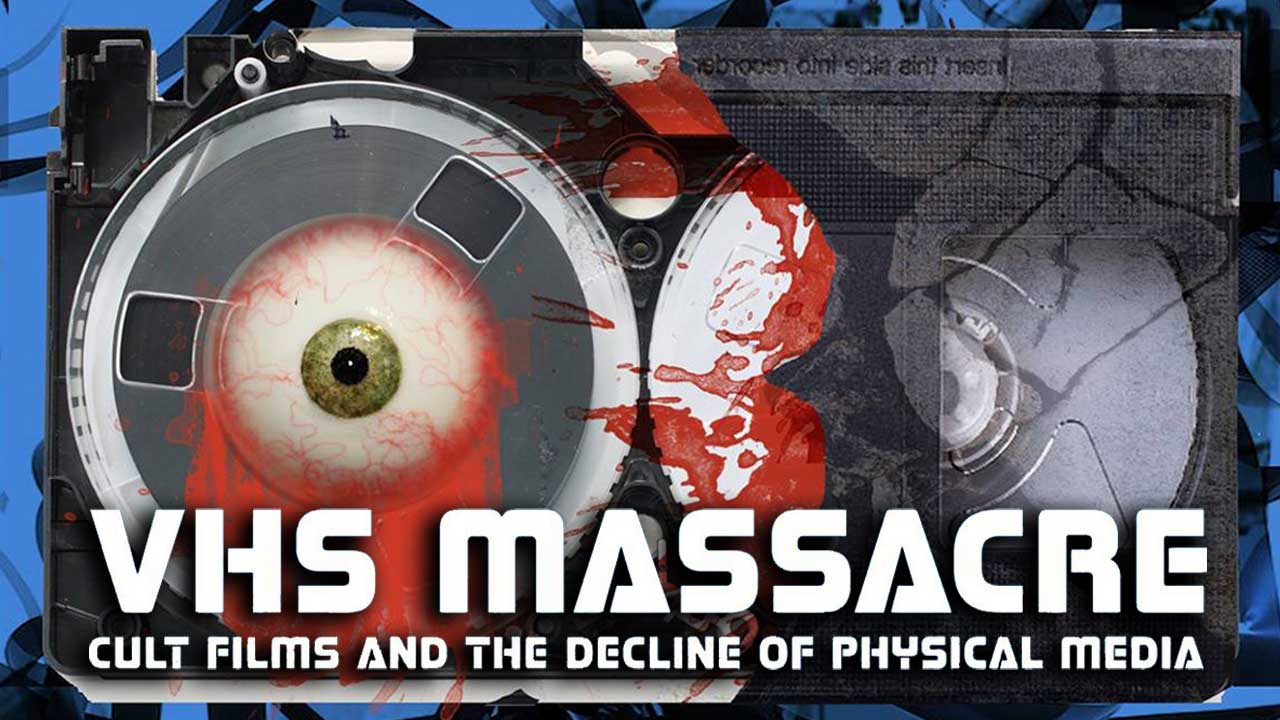
    VHS Massacre: Cult Films and the Decline of Physical Media (2016)

    [et_pb_section fb_built=”1″ admin_label=”section” _builder_version=”4.16″ global_colors_info=”{}”][et_pb_row column_structure=”2_3,1_3″ admin_label=”row” _builder_version=”4.16″ background_size=”initial” background_position=”top_left” background_repeat=”repeat” global_colors_info=”{}”][et_pb_column type=”2_3″ _builder_version=”4.16″ custom_padding=”|||” global_colors_info=”{}” custom_padding__hover=”|||”][et_pb_text _builder_version=”4.20.2″ _module_preset=”default” global_colors_info=”{}”]

    People have wanted to watch their favorite movies at home and share them with others for generations. In the late 1970s, the VHS (Video Home System) tape was introduced as a new way to watch content. In the 80s and 90s, VHS became the dominant video format, and numerous video stores popped up worldwide. Unfortunately, as time progressed and technology advanced, the need for physical media diminished in favor of digital content. While DVD, Blu-Ray, and 4K UHD are still around, most consumers are happy using their favorite streaming service. However, in the early 2010s, there was a sudden resurgence in the popularity of the VHS format. In 2012, Tom Seymour and Ken Powell began working on a documentary detailing the rise and fall of home video. After years of work, VHS Massacre: Cult Films and the Decline of Physical Media was released by Troma in 2016.

    [/et_pb_text][/et_pb_column][et_pb_column type=”1_3″ _builder_version=”4.16″ custom_padding=”|||” global_colors_info=”{}” custom_padding__hover=”|||”][et_pb_circle_counter title=”Rating” number=”80″ bar_bg_color=”#7CDA24″ _builder_version=”4.20.2″ _module_preset=”default” global_colors_info=”{}”][/et_pb_circle_counter][/et_pb_column][/et_pb_row][et_pb_row _builder_version=”4.16″ _module_preset=”default” global_colors_info=”{}”][et_pb_column type=”4_4″ _builder_version=”4.16″ _module_preset=”default” global_colors_info=”{}”][et_pb_text _builder_version=”4.20.2″ _module_preset=”default” global_colors_info=”{}”]

    Synopsis

    New York City film fans Tom Seymour and Ken Powell started a podcast about cult cinema and B-movies. During their show, they decided to create a series called VHS Massacre, where they find random tapes and riff them. Along the way, they conducted a series of interviews with cult film figures about home video’s impact and its decline. Subjects include genre journalist John Bloom, aka Joe Bob Briggs, Troma founder Lloyd Kaufman, and cult actress Debbie Rochon. They also chat with B-movie figures like Troll 2‘s Deborah Reed, Samurai Cop‘s Mark Frazer, and The Room‘s Greg Sestero. Sadly, almost every video store the documentarians visit closes shortly after, showing the decline in physical media. They discuss how streaming and the internet killed home media in some ways and the benefits of streaming. But the question remains: is there still life in VHS, or will physical media be phased out entirely?


    Review

    VHS Massacre has a lot going for it, first and foremost being the genuine passion and love for the subject. These guys have a love not just of movies but of VHS that shines throughout the documentary. You feel their excitement when they find an obscure tape in a small New York East Village store. Also, the interviews they get are highly entertaining and informative, detailing how the VHS boom helped independent filmmakers. We hear Lloyd Kaufman talk about how the conglomerates and media corporations ruined it for the independents. We also hear from fans of VHS, who show off their collections and talk about their appeal amongst collectors. A brief history of home video formats is discussed, from the VHS and Betamax rivalry to the rise of DVD. Interestingly, the documentary isn’t entirely one-sided since people like Joe Bob Briggs talk about the benefits of streaming.

    As well-intentioned as the documentary is, parts of it come off as somewhat scatterbrained, namely some of the subjects. One minute, they’re talking about VHS tapes they found, followed by an interview with Deborah Reed from Troll 2. As entertaining as the discussion is, it has nothing to do with the subject, which happens quite a bit. Someone will talk about physical media, then another random interview with cult film figures will be interjected. If they discussed the VHS release of Troll 2 or Samurai Cop, that would’ve been relevant, but it’s not mentioned. At 72 minutes, it’s quick, but you’ll wish they had discussed the rise and fall of physical media more. Still, this documentary does an excellent job of highlighting how physical media should be preserved and remembered. Overall, VHS Massacre: Cult Films and the Decline of Physical Media is a solid, if unfocused, documentary perfect for cinephiles.


    Buy VHS Massacre from Amazon: https://amzn.to/401TyuO.

    Disclosure: The above link is an affiliate link, which means that, at zero cost to you, I will earn a commission if you click through the link and finalize a purchase.

    [/et_pb_text][et_pb_code _builder_version=”4.27.4″ _module_preset=”default” hover_enabled=”0″ sticky_enabled=”0″]

    Where to watch VHS Massacre: Cult Films and the Decline of Physical Media (2016)

    data-api-key=”LMVDLdLSH5ZJnQ4FMGMgyJCB8cmGbfCV” data-object-type=”Movie” data-title=”VHS Massacre: Cult Films and the Decline of Physical Media” data-year=”2016″ data-theme=”light”>

    [/et_pb_code][/et_pb_column][/et_pb_row][/et_pb_section]

  • Zombiethon (1986)

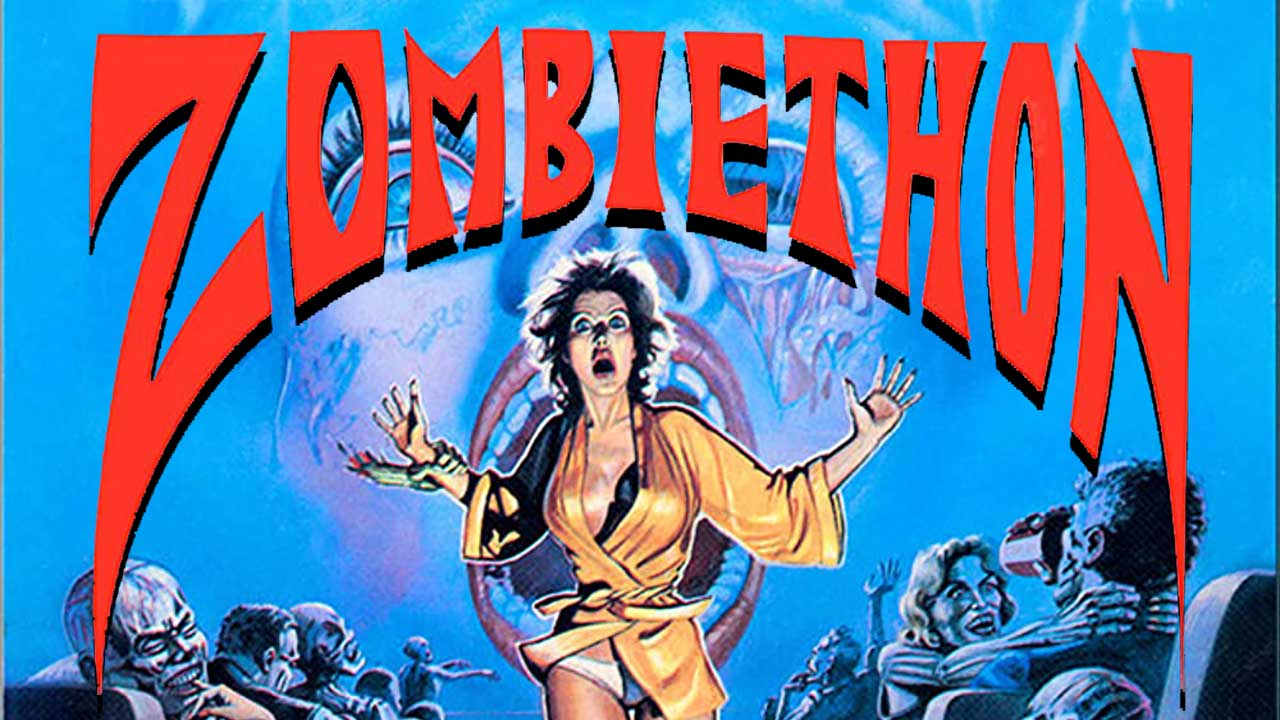
    Zombiethon (1986)

    [et_pb_section fb_built=”1″ _builder_version=”4.16″ _module_preset=”default” global_colors_info=”{}”][et_pb_row column_structure=”2_3,1_3″ _builder_version=”4.16″ _module_preset=”default” global_colors_info=”{}”][et_pb_column type=”2_3″ _builder_version=”4.16″ _module_preset=”default” global_colors_info=”{}”][et_pb_text _builder_version=”4.19.5″ _module_preset=”default” global_colors_info=”{}”]After making three back-to-back compilation tapes, Charles Band and Ken Dixon made one more to end it all. As mentioned before, Band acquired the rights to numerous low-budget horror films for his label, Wizard Video. Many of these were European and directed by exploitation filmmakers like Lucio Fulci, Jess Franco, and Pierre Chevalier. Also, by the mid-1980s, zombie movies were popular thanks to Return of the Living Dead and Day of the Dead. Luckily for Band, plenty of European zombie movies came out after the success of George Romero’s Dawn of the Dead. Band and Dixon would use clips from various zombie movies using a wraparound story instead of hosts for this compilation. This was their last compilation tape, as Ken Dixon later directed 1987’s Slave Girls from Beyond Infinity. But before then, Charles Band released their zombie compilation Zombiethon to a ravenous fanbase.

    [/et_pb_text][/et_pb_column][et_pb_column type=”1_3″ _builder_version=”4.16″ _module_preset=”default” global_colors_info=”{}”][et_pb_circle_counter title=”Rating” number=”65″ bar_bg_color=”#EDF000″ _builder_version=”4.19.5″ _module_preset=”default” global_colors_info=”{}”][/et_pb_circle_counter][/et_pb_column][/et_pb_row][et_pb_row _builder_version=”4.16″ _module_preset=”default” global_colors_info=”{}”][et_pb_column type=”4_4″ _builder_version=”4.16″ _module_preset=”default” global_colors_info=”{}”][et_pb_text _builder_version=”4.27.4″ _module_preset=”default” hover_enabled=”0″ global_colors_info=”{}” sticky_enabled=”0″]

    Synopsis

    A zombie chases a young woman (Karrene Janyl Caudle) into The Historic El Rey Theater, occupied by various zombies. The young woman takes a seat as she and the other undead patrons watch clips from multiple zombie movies. We start with Lucio Fulci’s 1979 classic Zombie, most infamous for a brutal eye-gouging and zombie vs. shark death match. Unfortunately, the quality goes downhill as we move onto the notoriously bad 1981 schlockfest Zombie Lake. Things only get worse when we go to Jess Franco’s Oasis of the Zombies, followed by Murder Syndrome, aka Fear. Then, we get two 1970s offerings: 1970’s The Invisible Dead and 1973’s A Virgin Among the Living Dead. To cap off this compilation, we end with Ted V. Mikel’s The Astro-Zombies from 1968, previously featured in Filmgore. Stay away from any graveyards, as the liveliest Festival of the Dead is about to begin!


    Review

    Of all four of the compilation tapes made for Wizard Video, Zombiethon is undoubtedly one of them. It’s not as fun as The Best of Sex and Violence, but it’s a step above Famous T & A. This one tries to be unique by having a wraparound story instead of the usual host segments. These wraparound segments add charm due to their cheesiness but are disjointed, confusing, and repetitive. Each sequence boils down to a pretty girl getting chased by a zombie, running into a theater, rinse and repeat. In place of makeup, all the zombies wear masks, which come off as cheap but add to the campiness. Unfortunately, the wraparound has no resolution, as it ends with the zombies sitting in the theater. We never find out what happened to the various women who were chased inside, so I guess they’re dead.

    As for the clips shown, there’s a decent variety, but the compilation somewhat blows its load a little early. They start with a truncated version of Lucio Fulci’s classic, only to transition into progressively worse movies. Also, according to the book Empire of the B’s, the compilation features Dawn of the Dead, Burial Ground, etc. Unless they watched a different version than me, none of the other movies they mention are featured. Either way, this compilation does succeed in helping you avoid sitting through some utter garbage. Why sit through all 82 minutes of Oasis of the Zombies when you can watch the highlights shown here? Considering that Empire folded a few years later, it’s unfortunate we didn’t get more of these compilations until years later. Overall, Zombiethon isn’t the worst of the Wizard Video comp tapes, and it’ll make for some good background noise.


    Buy Zombiethon from:

    Disclosure: The above link is an affiliate link, which means that, at zero cost to you, I will earn a commission if you click through the link and finalize a purchase.

    [/et_pb_text][/et_pb_column][/et_pb_row][/et_pb_section]

  • Filmgore (1983)

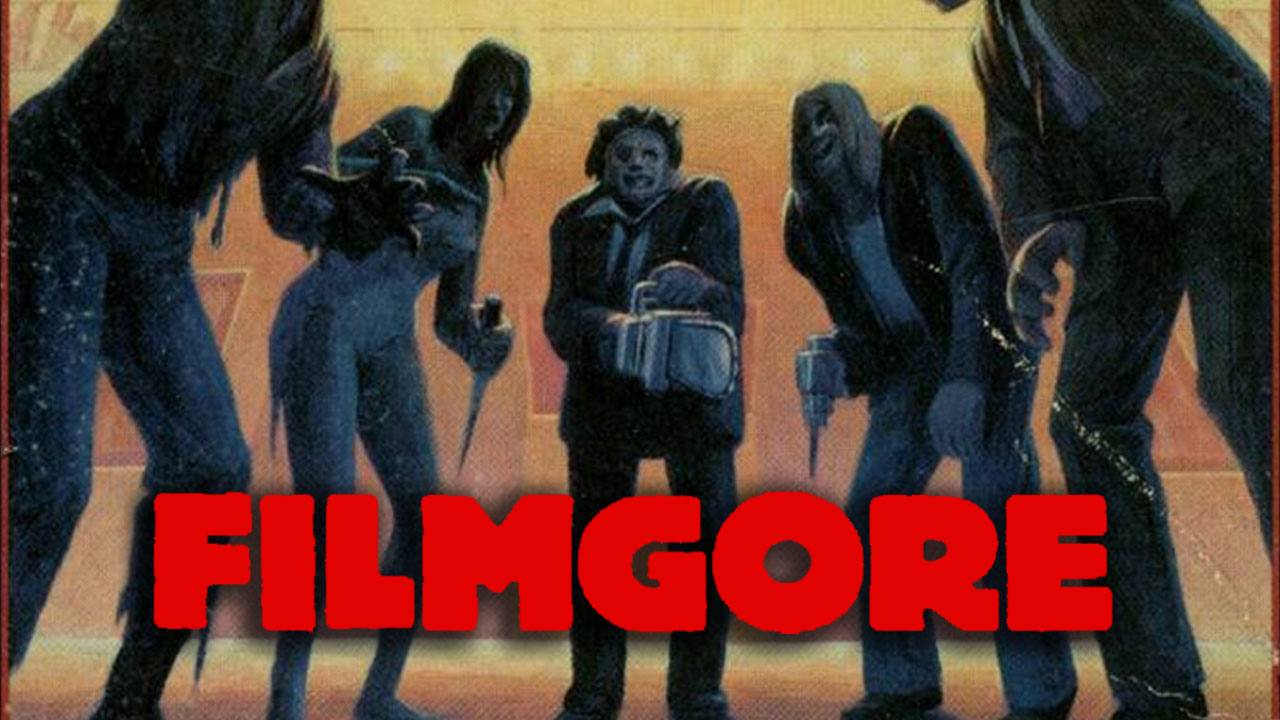
    Filmgore (1983)

    [et_pb_section fb_built=”1″ _builder_version=”4.16″ _module_preset=”default” global_colors_info=”{}”][et_pb_row column_structure=”2_3,1_3″ _builder_version=”4.16″ _module_preset=”default” global_colors_info=”{}”][et_pb_column type=”2_3″ _builder_version=”4.16″ _module_preset=”default” global_colors_info=”{}”][et_pb_text _builder_version=”4.19.4″ _module_preset=”default” global_colors_info=”{}”]As I mentioned in my review of Famous T & A, many studios created compilation tapes to stock video stores. They were cheap to produce, gave audiences exactly what they wanted, and always made a profit. Charles Band and Ken Dixon had already made two compilation tapes, including 1982’s The Best of Sex and Violence. They got B-movie icons like John Carradine and Sybil Danning to deliver wry commentary over the clips shown. Band and Dixon hired Cassandra Peterson, who exploded in popularity as the horror hostess Elvira, for their next tape. They also brought Forrest J. Ackerman, the founding editor/writer of Famous Monsters of Filmland, to write Peterson’s quips. While the other compilations focused on violence or nudity, this one focused primarily on blood and guts. In 1983, Charles Band released the compilation tape Filmgore through his Wizard Video label.

    [/et_pb_text][/et_pb_column][et_pb_column type=”1_3″ _builder_version=”4.16″ _module_preset=”default” global_colors_info=”{}”][et_pb_circle_counter title=”Rating” number=”60″ bar_bg_color=”#EDF000″ _builder_version=”4.19.4″ _module_preset=”default” global_colors_info=”{}”][/et_pb_circle_counter][/et_pb_column][/et_pb_row][et_pb_row _builder_version=”4.16″ _module_preset=”default” global_colors_info=”{}”][et_pb_column type=”4_4″ _builder_version=”4.16″ _module_preset=”default” global_colors_info=”{}”][et_pb_text _builder_version=”4.27.4″ _module_preset=”default” hover_enabled=”0″ global_colors_info=”{}” sticky_enabled=”0″]

    Synopsis

    The Mistress of the Dark, Elvira (Cassandra Peterson), hosts this gallery of gore, offering her snide quips and “valuable assets.” First on the chopping block is Herschell Gordon Lewis’ 1963 splatterfest, Blood Feast, about an Egyptian caterer who’s a cannibal. Next, we get two of the most highly regarded 70s shockers, The Texas Chain Saw Massacre and The Driller Killer. Then, we move on to Drive-In Massacre, Ted V. Mikels’ The Astro Zombies, and Carnival of Blood. We’re also treated to low-budget movies like Dr. Jekyll’s Dungeon of Death and Fiend, from Don Dohler of Nightbeast infamy. After this, we return to HG Lewis with what he’s considered his best film, 1964’s Two Thousand Maniacs! The collection ends with the notorious 1975 stinker Snuff, a pre-existing no-budget shocker re-edited with a gory ending. With Elvira as your guide, check out some of the goriest scenes that Hollywood has to offer.


    Review

    Compared to the earlier comp tapes, Filmgore is better than Famous T & A but worse than Sex and Violence. What makes this one more enjoyable is Cassandra Peterson, who’s entertaining as always as Elvira. She delivers each line with her tongue firmly planted in her cheek and has fun commenting on the movies. Also, while the other compilations were either trailers or random clips, this one offers the cliff notes of several films. Admittedly, this does lessen the impact of The Texas Chain Saw Massacre but prevents you from suffering through Snuff. Then again, spotlighting all the bloody scenes might also entice people to seek out the full movies. It’s similar to modern movie reviewers on YouTube, where people more or less condense a film to explain the plot. These comp tapes were ahead of their time, or I’m giving them too much credit.

    In terms of actual production, this is as cheap as you can get: one set, one actress, and one camera. The quips written by Forrest J. Ackerman aren’t the most clever, but they’re fun in a cheesy way. Cassandra Peterson is at least given more to do here than Sybil Danning, who looked confused the whole time. Some of the films chosen don’t feel like they belong, like The Astro Zombies, which isn’t all that bloody. The same thing could apply to The Texas Chain Saw Massacre, but at least the violence felt gruesome. At around 90 minutes, this compilation goes by fairly quickly and delivers on what it promises. There are better comp tapes out there, but this is a decent one to watch. Overall, Filmgore does what it sets out to do, but don’t expect anything of substance.


    Buy Filmgore on Amazon: https://amzn.to/4jUPIxY.

    Disclosure: The above link is an affiliate link, which means that, at zero cost to you, I will earn a commission if you click through the link and finalize a purchase.

    [/et_pb_text][/et_pb_column][/et_pb_row][/et_pb_section]
  • Famous T & A (1982)

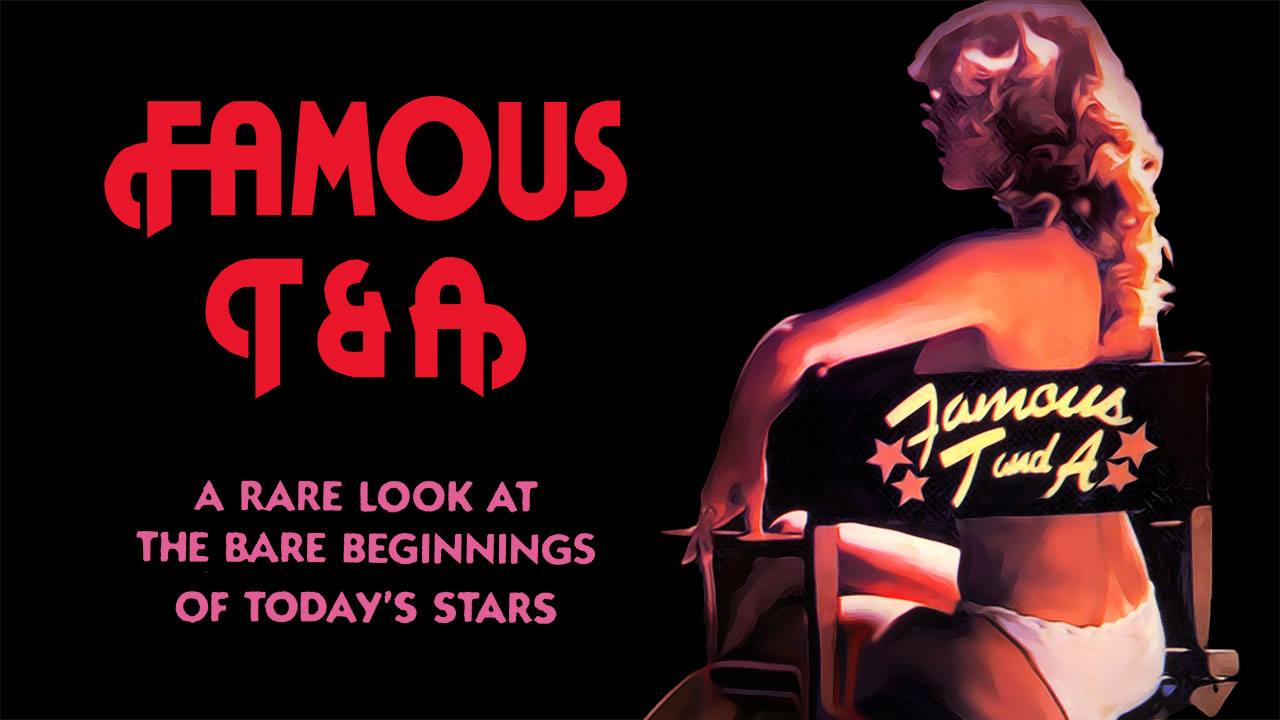
    Famous T & A (1982)

    [et_pb_section fb_built=”1″ _builder_version=”4.16″ _module_preset=”default” global_colors_info=”{}”][et_pb_row column_structure=”2_3,1_3″ _builder_version=”4.16″ _module_preset=”default” global_colors_info=”{}”][et_pb_column type=”2_3″ _builder_version=”4.16″ _module_preset=”default” global_colors_info=”{}”][et_pb_text _builder_version=”4.19.2″ _module_preset=”default” global_colors_info=”{}”]With the advent of home video in the 1980s, numerous studios started making compilation tapes using obscure movie footage. Some notable examples include Terror in the AislesComing Soon, and It Came from Hollywood. There was Film House Fever, Mad Ron’s Prevues from Hell, and the Wizard Video comp tapes on the low-budget side. In 1982, Charles Band and Ken Dixon created The Best of Sex and Violence, a compilation of obscure movie trailers. The appeal of these comp tapes was that they were relatively easy to make, cost very little, and provided content. With the first comp tape being such a hit, Band and Dixon put together a more titillating tape. They hired B-movie queen Sybil Danning to host this collection of clips featuring name actresses getting nude. Released in 1982, Famous T & A tried to recapture the magic that Band and Dixon struck before.

    [/et_pb_text][/et_pb_column][et_pb_column type=”1_3″ _builder_version=”4.16″ _module_preset=”default” global_colors_info=”{}”][et_pb_circle_counter title=”Rating” number=”40″ bar_bg_color=”#E09900″ _builder_version=”4.19.2″ _module_preset=”default” global_colors_info=”{}”][/et_pb_circle_counter][/et_pb_column][/et_pb_row][et_pb_row _builder_version=”4.16″ _module_preset=”default” global_colors_info=”{}”][et_pb_column type=”4_4″ _builder_version=”4.16″ _module_preset=”default” global_colors_info=”{}”][et_pb_text _builder_version=”4.27.4″ _module_preset=”default” global_colors_info=”{}”]

    Synopsis

    After strapping on her outfit for one of her big projects, Sybil Danning introduces these scintillating scenes. First up, we have revealing moments of actress Phyllis Davis on the set of the survival film Terminal Island. Next, Ornella Muti, best known as Princess Aura from Flash Gordon, bears all in the obscure 70s film Summer Affair. We also get the original Bond girl, Ursula Andress, paraded around in the cannibal film Slave of the Cannibal God. There’s also international superstar Jacqueline Bisset, fresh off of her roles in Bullitt and Airport, in 1971’s Secrets. We even get scenes from Charles Band’s earlier works, featuring Idy Tripodi from Auditions and Angela Aames from Fairy Tales. A pre-Elvira Cassandra Peterson shakes it in The Working Girls, and Vanity hooks up with a gorilla on Tanya’s Island. This and more can be found in the bizarre 74-minute collection Famous T & A.


    Review

    Despite my criticisms of its non-existent production values, I thought The Best of Sex and Violence was a fun treat. It had a good selection of trailers, each divided into individual segments, with a fun host delivering snappy comebacks. With Famous T&A, not even Sybil Danning’s presence can save this poor excuse for a compilation. Unlike Sex and Violence, this movie has no structure, going from one clip to another with no rhyme or reason. It doesn’t help that many clips are of inferior quality and choppily edited, making them nearly impossible to watch. Plus, for a movie claiming to feature now-famous actresses baring it all, only a few are what I’d consider “stars.” Besides Ursula Andress and Jacqueline Bissett, anyone unfamiliar with cult films won’t know Phyllis Davis, Laura Gemser, or Ornella Muti. Also, despite being listed on the poster, Nastassja Kinski is nowhere to be seen.

    Granted, in a pre-internet age, this movie certainly had its place for those looking for gratuitous sex and nudity. Back in the day, it was harder for people to find this stuff outside scuzzy movie theaters on 42nd Street. Comp tapes like this were an excellent way for people to access instant content years before the internet. This movie has its place in obscure film history, even if the final product isn’t great. After this, Ken Dixon would make two more compilation movies for Wizard Video: Filmgore and Zombiethon. His last credit was the cheesy space movie Slave Girls from Beyond Infinity, starring Elizabeth Kaitan, who makes everything better. As for this compilation, unless you want to see grainy footage of actresses stripping and screwing, there are better choices. Overall, Famous T&A isn’t awful, but you could spend 74 minutes doing something better.


    Buy Famous T&A on Amazon: https://amzn.to/43ddDRY.

    Disclosure: The above link is an affiliate link, which means that, at zero cost to you, I will earn a commission if you click through the link and finalize a purchase.

    [/et_pb_text][et_pb_code _builder_version=”4.27.4″ _module_preset=”default” hover_enabled=”0″ sticky_enabled=”0″]

    Where to watch Famous T&A (1982)

    data-api-key=”LMVDLdLSH5ZJnQ4FMGMgyJCB8cmGbfCV” data-object-type=”Movie” data-title=”Famous T&A” data-year=”1982″ data-theme=”light”>

    [/et_pb_code][/et_pb_column][/et_pb_row][/et_pb_section]

  • The Best of Sex and Violence (1982)

    The Best of Sex and Violence (1982)

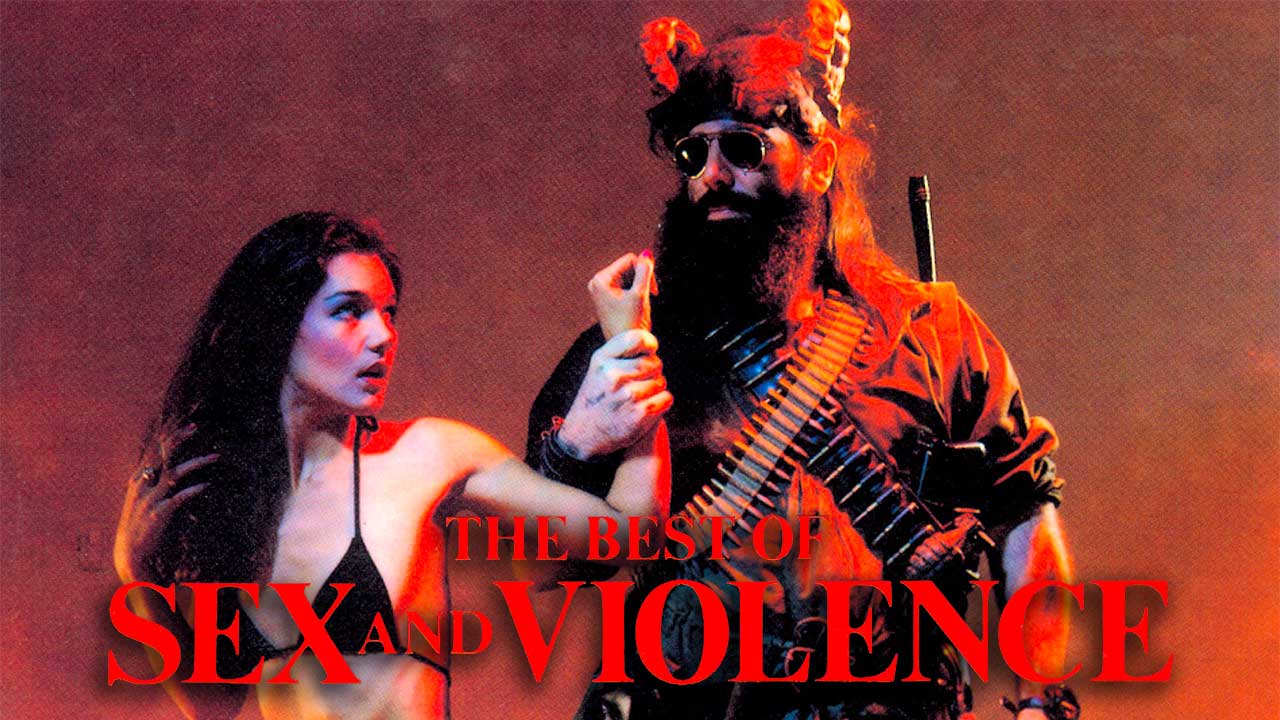
    [et_pb_section fb_built=”1″ _builder_version=”4.16″ _module_preset=”default” global_colors_info=”{}”][et_pb_row column_structure=”2_3,1_3″ _builder_version=”4.16″ _module_preset=”default” global_colors_info=”{}”][et_pb_column type=”2_3″ _builder_version=”4.16″ _module_preset=”default” global_colors_info=”{}”][et_pb_text _builder_version=”4.18.0″ _module_preset=”default” global_colors_info=”{}”]Despite founding one of the earliest independent home video companies, Charles Band wasn’t a part of it for long. After starting Meda Home Entertainment, he started taking on more and more partners, including producer Irwin Yablans. Eventually, Yablans and his associates owned more of the company, so Band forcibly sold off his shares. The company was rebranded to Media Home Entertainment and continued for the next decade until 1993. Meanwhile, Band still wanted in on the home video market, so he formed a new label called Wizard Video. Charles started acquiring the rights to all kinds of crazy exploitation films to release under his new brand. After getting the licenses for so many bizarre movies, Band created a compilation tape of the trailers. He hired Ken Dixon to put together the first Wizard Video release titled The Best of Sex and Violence.

    [/et_pb_text][/et_pb_column][et_pb_column type=”1_3″ _builder_version=”4.16″ _module_preset=”default” global_colors_info=”{}”][et_pb_circle_counter title=”Rating” number=”70″ bar_bg_color=”#EDF000″ _builder_version=”4.18.0″ _module_preset=”default” global_colors_info=”{}”][/et_pb_circle_counter][/et_pb_column][/et_pb_row][et_pb_row _builder_version=”4.16″ _module_preset=”default” global_colors_info=”{}”][et_pb_column type=”4_4″ _builder_version=”4.16″ _module_preset=”default” global_colors_info=”{}”][et_pb_text _builder_version=”4.27.4″ _module_preset=”default” hover_enabled=”0″ global_colors_info=”{}” sticky_enabled=”0″]

    Synopsis

    Veteran actor John Carradine hosts this cavalcade of cinematic oddities, delivering snide comments with a dry wit. The compilation begins with two violent exploitation films, Bury Me an Angel and The Doberman Gang. Things get steamy with trailers for The Sin of Adam and Eve and the adult version of Alice in Wonderland. Charles Band also sneaks in trailers for his movies, like CinderellaFairy Tales, and Tourist Trap. For more extreme thrills, we get trailers for video nasties like I Spit on Your GraveThe Boogeyman, and Zombie. There’s a bevy of buxom beauties, either being sacrificed to Satan or shooting their way out of prison. We end with some blaxploitation, including Ebony, Ivory, & JadeDr. Black & Mr. Hyde, and some Rudy Ray Moore. Also, look for an appearance by John’s sons, David “Bill” Carradine and Keith “Tom Frank” Carradine.


    Review

    The Best of Sex and Violence is a hard movie to review since it barely counts as one. In terms of being a movie, this has very little production value, essentially just one actor sitting in a room. That said, John Carradine does his best to deliver his comebacks, even if he looks confused about why he’s there. It’s funny hearing him talk about working on the classic Universal horror films and working with Cecil B. Demille. It’s also nice seeing him with his sons making family jokes about borrowing the car or asking for money. Ken Dixon, who later directed Slave Girls from Beyond Infinity, put a lot of care into making this compilation. He makes the trailers flow together, dividing them into segments depending on genre and selecting the best trailers. They even sneak in clips from Last Foxtrot in Burbank and End of the World.

    Of course, the main reason to see this movie is the collection of trailers for all these obscure exploitation flicks. You get tons of action, horror, nudity, harmful stereotypes, dated humor, and exaggerated acting to make any B-movie fan happy. With many of these older movies, the trailers are far better than the movies, though there are some exceptions. For instance, Tourist TrapI Spit on Your GraveZombie, and any of Rudy Ray Moore’s films are worth watching. It also gives you a glimpse of the kinds of movies coming out around that time. This movie would be great for putting on in the background during a party, especially for cult movie fans. Admittedly, some of the trailers go a little too long, and they’re poor quality, but it’s still a fun watch. Overall, The Best of Sex and Violence is a treat for fans of obscure exploitation movies.


    Buy The Best of Sex and Violence from Amazon: https://amzn.to/3F5BXNG.

    Disclosure: The above link is an affiliate link, which means that, at zero cost to you, I will earn a commission if you click through the link and finalize a purchase.

    [/et_pb_text][/et_pb_column][/et_pb_row][/et_pb_section]
  • Auditions (1978)

    Auditions (1978)

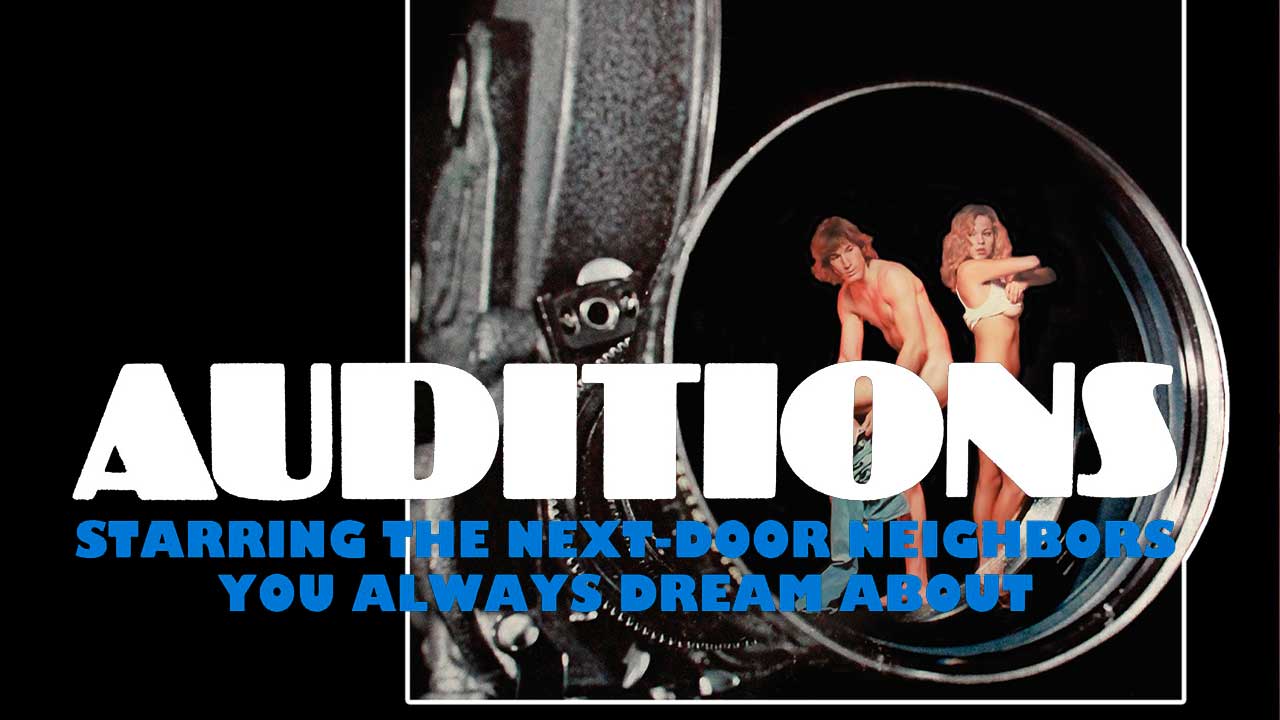
    [et_pb_section fb_built=”1″ _builder_version=”4.16″ _module_preset=”default” global_colors_info=”{}”][et_pb_row column_structure=”2_3,1_3″ _builder_version=”4.16″ _module_preset=”default” global_colors_info=”{}”][et_pb_column type=”2_3″ _builder_version=”4.16″ _module_preset=”default” global_colors_info=”{}”][et_pb_text _builder_version=”4.27.4″ _module_preset=”default” global_colors_info=”{}”]After a successful reveal in Japan in 1976, the VHS (Video Home System) cassette came to the US in 1977. With its ability to record live TV and up to 4 hours of playtime, people could finally watch whatever, whenever. One of the first home video companies was Magnetic Video, which acquired the license for some 20th Century Fox titles. While many other major studios feared VHS, Charles Band saw the potential in the burgeoning video market. In 1978, Band founded Meda Home Entertainment, named after his then-wife, and released titles like HalloweenSlithis, and Flesh Gordon. He also recognized the demand for original content, so he devised an idea he could make quickly and cheaply. He remembered some of the bizarre people who auditioned for Cinderella and Fairy Tales and used that as a basis. In 1978, Band released the adult pseudo-documentary Auditions under his Meda Home Entertainment.

    [/et_pb_text][/et_pb_column][et_pb_column type=”1_3″ _builder_version=”4.16″ _module_preset=”default” global_colors_info=”{}”][et_pb_circle_counter title=”Rating” number=”45″ bar_bg_color=”#E09900″ _builder_version=”4.18.0″ _module_preset=”default” global_colors_info=”{}”][/et_pb_circle_counter][/et_pb_column][/et_pb_row][et_pb_row _builder_version=”4.16″ _module_preset=”default” global_colors_info=”{}”][et_pb_column type=”4_4″ _builder_version=”4.16″ _module_preset=”default” global_colors_info=”{}”][et_pb_text _builder_version=”4.27.4″ _module_preset=”default” global_colors_info=”{}”]

    Synopsis

    Around March 15, 1978, the producers of Cinderella and Fairy Tales submitted an ad in the Hollywood Variety. The ad was a call for “the world’s sexiest man & woman” and “the world’s most unusual act or personality.” The producers built two sets: a medieval dungeon and a French boudoir, and received hundreds of potential actors. Tons of eccentric people arrive, including shy schoolteacher Tracy Matthews (Bonnie Werchan) and the stud Charlie White (Rick Cassidy). Each potential cast member is asked to strip naked, describe their most intimate moments, and even please themselves. One of the more problematic applicants is Sally Webster (Linnea Quigley), who they discover is 15 and has her removed. As the day goes on, more and more people try out, and only the best can move forward. Who will get the parts of Sleeping Beauty, Prince Charming, and the comic relief for Fairy Tales II?


    Review

    Unfortunately, there’s not much I can say about Auditions because it’s barely even a movie. Sure, there are characters and a story, but I don’t know if those qualify, considering what’s here. The film claims that the people on screen are real, except that the credits ruin it. Granted, they probably would’ve been hit with at least one lawsuit if they had used actual people. It doesn’t help that one of the “plot points” involves a girl auditioning despite being a minor. Interestingly, this led to the film being banned in some countries, even though Linnea Quigley was 19 then. Then again, they would’ve had to watch the movie all the way through, which I can’t blame them. As a sex film, it’s not very erotic, as everyone strips naked, fools around, and makes complete fools of themselves. As a comedy, it’s hardly funny, with most gags falling flat.

    As not good as this “movie” is, it’s an interesting relic from Charles Band’s catalog perfect for Full Moon completionists. There’s also some commentary about how some people are willing to do anything for fame, even if unintentional. Plus, the movie is just so bizarre and odd that, as boring as it is, there are little moments that will stick with you. It might be the closest Band has come to making something sleazy enough to feel at home on 42nd Street. That’s more than I can say for some of the other drek Charles Band made, like End of the World. Honestly, I almost half-heartedly recommend watching this at least once just for how bizarre the experience is. Just prepare for nearly 90 minutes of people stumbling, stripping, dancing, trying to be funny, and rolling around. Overall, Auditions would probably be better enjoyed with friends and liquor.


    Buy Auditions from Amazon: https://amzn.to/43elkYo.

    Disclosure: The above link is an affiliate link, which means that, at zero cost to you, I will earn a commission if you click through the link and finalize a purchase.

    [/et_pb_text][et_pb_code _builder_version=”4.27.4″ _module_preset=”default” hover_enabled=”0″ sticky_enabled=”0″]

    Where to watch Auditions (1978)

    data-api-key=”LMVDLdLSH5ZJnQ4FMGMgyJCB8cmGbfCV” data-object-type=”Movie” data-title=”Auditions” data-year=”1978″ data-theme=”light”>

    [/et_pb_code][/et_pb_column][/et_pb_row][/et_pb_section]
  • All the Love You Cannes! (2002)

    All the Love You Cannes! (2002)

    [et_pb_section fb_built=”1″ _builder_version=”4.14.2″ _module_preset=”default” global_colors_info=”{}”][et_pb_row column_structure=”2_3,1_3″ _builder_version=”4.14.2″ _module_preset=”default” global_colors_info=”{}”][et_pb_column type=”2_3″ _builder_version=”4.14.2″ _module_preset=”default” global_colors_info=”{}”][et_pb_text _builder_version=”4.14.2″ _module_preset=”default” hover_enabled=”0″ global_colors_info=”{}” sticky_enabled=”0″]

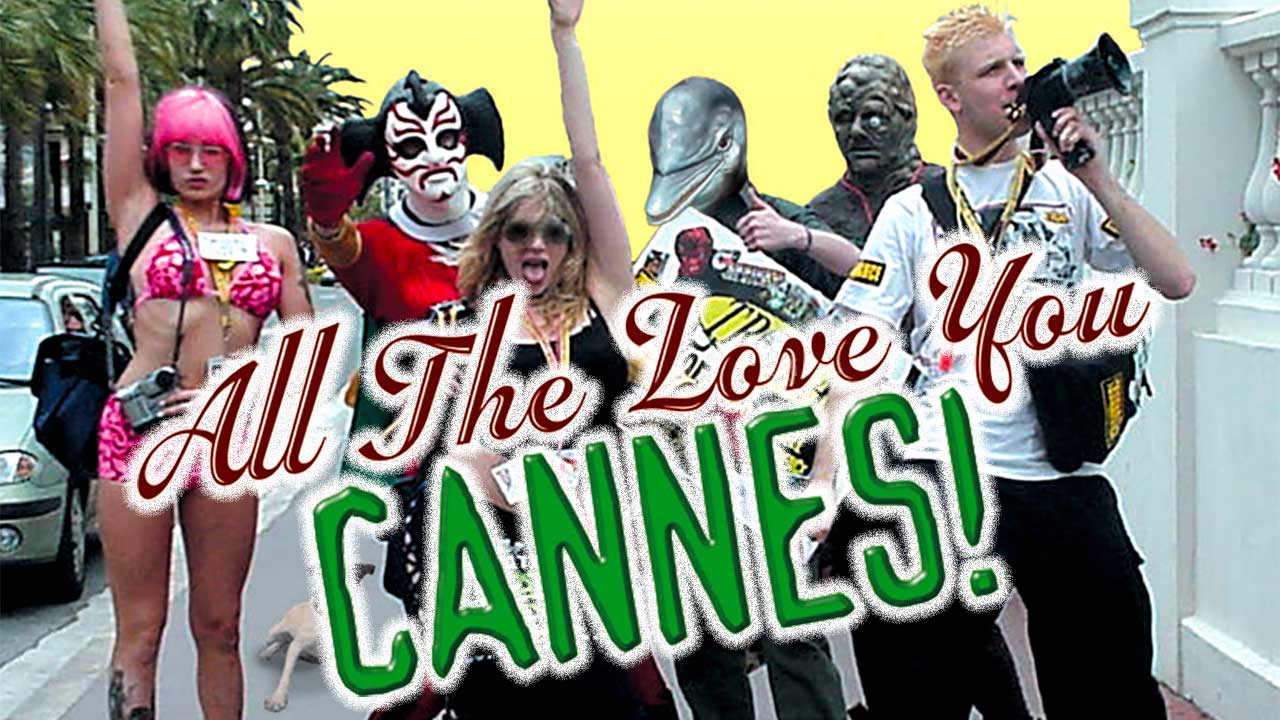
    In 1938, French Minister of National Education Jean Zay got the idea to start an international film festival. This decision was mainly due to the Venice Film Festival’s bias towards fascism and the Nazi regime at the time. With support from the US and England, Zay chose the city of Cannes to host this new festival. Unfortunately, 1939 was when the Nazis invaded France, and it seemed that the festival was no more. Thankfully, the festival relaunched in 1946, and the Cannes International Film Festival was born on September 20, 1946. In 1959, the Marché du Film (Film Market) was founded for studios to buy and sell to foreign markets. Since Troma’s birth in the early 1970s, Lloyd Kaufman and his team have traveled to Cannes to promote their movies. To show their fans what the festival is like, Troma produced the 2002 documentary All The Love You Cannes!

    [/et_pb_text][/et_pb_column][et_pb_column type=”1_3″ _builder_version=”4.14.2″ _module_preset=”default” global_colors_info=”{}”][et_pb_circle_counter title=”Rating” number=”80″ bar_bg_color=”#7CDA24″ _builder_version=”4.14.2″ _module_preset=”default” global_colors_info=”{}”][/et_pb_circle_counter][/et_pb_column][/et_pb_row][et_pb_row _builder_version=”4.14.2″ _module_preset=”default” global_colors_info=”{}”][et_pb_column type=”4_4″ _builder_version=”4.14.2″ _module_preset=”default” global_colors_info=”{}”][et_pb_text _builder_version=”4.14.2″ _module_preset=”default” hover_enabled=”0″ global_colors_info=”{}” sticky_enabled=”0″]

    Synopsis

    In 2001, Lloyd Kaufman and his team visited the Cannes Film Festival to try and promote their films. In particular, they were looking to drive up hype for Terror Firmer and Citizen Toxie: The Toxic Avenger IV. While filming the goings-on at Cannes, Lloyd provides advice and insight for those who want to attend and save money. Since the major studios spend millions of dollars promoting their movies, Troma has to go above and beyond for attention. For example, the team put on parades where they make tons of noise, hand out leaflets, and frolic half-naked. Unfortunately, the Troma team runs afoul of the hotel security and local police because of their shenanigans. Most of the blame is laid at Doug Sakmann, who’s shown getting drunk and getting himself into tons of trouble. Also, a small dog from Warner Bros. tries to start some beef with Troma.


    Review

    All The Love You Cannes! is an entertaining and insightful look at Cannes and the studio system in general. Much like the making-of documentaries they’ve made, this one also shows how chaotic working for Troma can be. The documentary shows the struggles Troma has to go through to get people to notice them. We’re shown the 40+ staff sleeping in an apartment made for four people, getting into drunken fights, and hassling cops. We also see some internal trouble from the Troma team, including some Tromettes being sexually harassed by locals. As mentioned above, Doug Sakmann is given most of the blame since he’s the one charged with running things. It doesn’t help that he performs stunts like stumbling around spewing blood and running outside in a Kabukiman costume. It’s the kind of pure insanity you’d expect from Troma.

    Something is endearing about these renegades going up against the bigwigs as chaotic as everything is. Troma has always been a champion of independent cinema, and they feel that the big corporations have taken over. In addition to providing sound advice, Lloyd also shows how pure showmanship can win people over to your side. Admittedly, there are times where things get so chaotic that it’s hard to follow along with what’s happening. Plus, there’s not much information about Cannes’ history, which would’ve helped add further context to the narrative being presented. Even though the documentary is almost twenty years old, many of the topics discussed are still relevant today. Also, given some of the recent things Lloyd has said about Cannes, it might’ve gotten even worse. Overall, All The Love You Cannes! is one of the most eye-opening documentaries that any aspiring filmmaker can watch.


    Buy All The Love You Cannes! from Amazon: https://amzn.to/3s7Lxa4.

    [/et_pb_text][/et_pb_column][/et_pb_row][/et_pb_section]
  • In Search of Darkness: Part II (2020)

    In Search of Darkness: Part II (2020)

    [et_pb_section fb_built=”1″ _builder_version=”4.8.1″ _module_preset=”default”][et_pb_row column_structure=”2_3,1_3″ _builder_version=”4.8.1″ _module_preset=”default”][et_pb_column type=”2_3″ _builder_version=”4.8.1″ _module_preset=”default”][et_pb_text _builder_version=”4.8.1″ _module_preset=”default”]

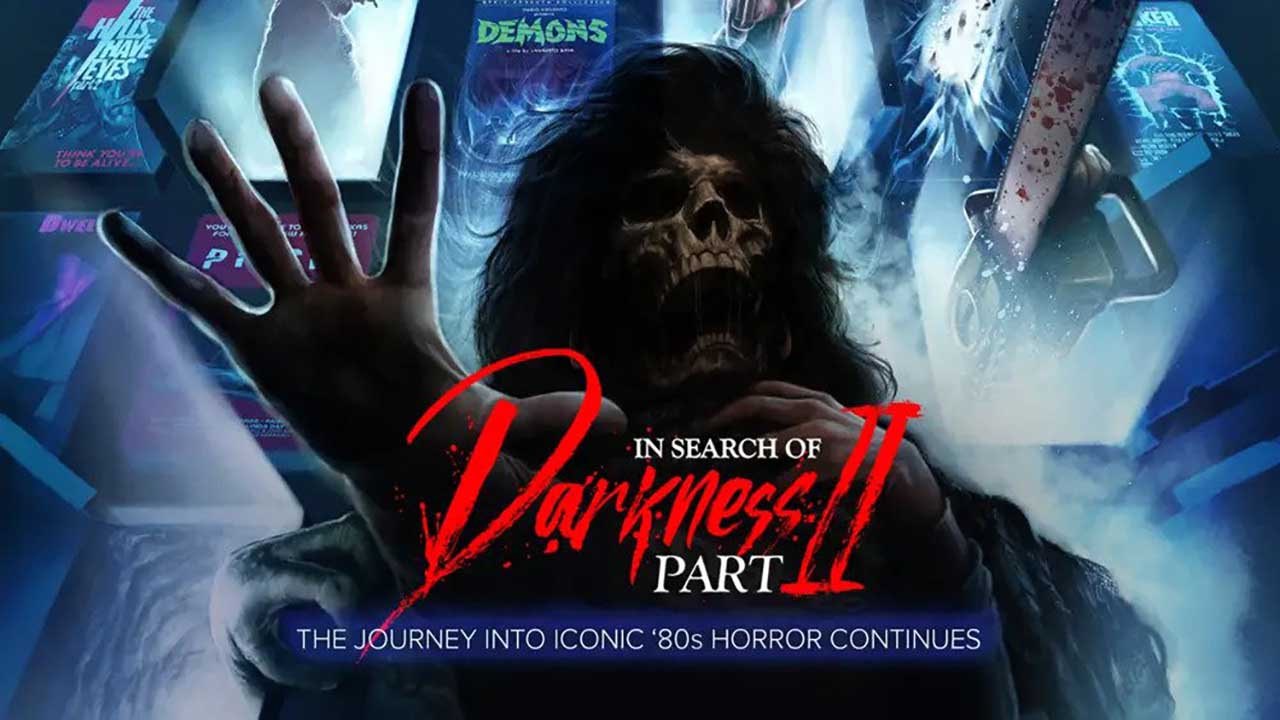
    Following its release in 2019, In Search of Darkness earned universal acclaim from both critics and audiences alike. The film earned a 94% approval rating on Rotten Tomatoes, Forbes magazine calling it “a scary good magnum opus”. Given its success, the filmmakers decided to follow-up with yet another four-hour-long 1980s horror documentary and expand further. While the first one covered the more iconic films, the second one would focus on more lesser-known films. In addition to the returning guests, many more guests were added, including actors, special effects artists, and internet commentators. Instead of using Kickstarter and IndieGogo, the filmmakers decided to make the documentary available for pre-order from their website. Through this, numerous different editions based on actors and internet personalities were made available for backers with their own exclusives. Finally, in late 2020, In Search of Darkness: Part II was released for horror fans to enjoy.

    [/et_pb_text][/et_pb_column][et_pb_column type=”1_3″ _builder_version=”4.8.1″ _module_preset=”default”][et_pb_circle_counter title=”Rating” number=”95″ bar_bg_color=”#7CDA24″ _builder_version=”4.8.1″ _module_preset=”default”][/et_pb_circle_counter][/et_pb_column][/et_pb_row][et_pb_row _builder_version=”4.8.1″ _module_preset=”default”][et_pb_column type=”4_4″ _builder_version=”4.8.1″ _module_preset=”default”][et_pb_text _builder_version=”4.8.1″ _module_preset=”default” hover_enabled=”0″ sticky_enabled=”0″]

    Synopsis

    Building off of the first film, this once again looks at horror films of the 1980s but expands further. More foreign films are spotlighted, including films from prominent directors like Dario Argento, Lamberto Bava, and Lucio Fulci. Some of the horror films that are spotlighted include NightbeastBlood DinerCannibal HolocaustBeetlejuiceThe Beyond, and Mother’s Day. The new guests featured include Robert Englund, Steve Johnson, Tom Savini, Linnea Quigley, Robert Rusler, Nancy Allen, and Gedde Watanabe. While many of the commentators from the last film return, they also bring in YouTubers Brandon Tenold and Oliver Harper. Like the last film, they cover films from each year and in between focus on trends and themes explored. Also, they spotlight the careers of some of the major players interviewed, including Englund, Savini, and Quigley. It’s another massive four-hour celebration of one of the most prominent decades in horror cinema.


    Review

    Like the last film, In Search of Darkness: Part II is a very informative and enjoyable horror documentary. The filmmakers have taken everything that made the first film great, expand upon it, and make it better. Fans who may have been disappointed that a certain film or a certain guest wasn’t included will hopefully be satisfied. There’s a nice variety between American-made and foreign horror films, though there seems to be more emphasis on Italian cinema. The only exceptions are the Hong Kong film The Seventh Curse and the Japanese film Tetsuo: The Iron Man. Then again, as with the last documentary, there are so many films out, it’s difficult to cover them all. Also, it would’ve been great if they had gotten some interviewees who had been involved in the Italian-made productions. Still, what we’re given here is more than we could have asked for.

    Having more effects artists interviewed is a huge get for this documentary, hearing them explain how effects were pulled off. It’s especially cool to see Tom Savini reminisce about his experiences as the “master of splatter” in the ’80s. Like before, they explore various horror trends and themes explored, plus the impact the films had on pop culture. For instance, there’s a segment where they talk about video games based on horror films and how they’ve evolved. With speakers like actor Gedde Watanabe and director Jackie Kong, there’s also some commentary on how Asians were represented. It’s interesting to hear Watanabe talk about going from a stereotype in Sixteen Candles to a regular guy in Vamp. There’s also talk about queer representation in horror, further showing that horror truly knows no demographics. Overall, if you loved the first film, In Search of Darkness: Part II gives you even more.


    Learn more about In Search of Darkness: Part II at 80shorrordoc.com

    [/et_pb_text][/et_pb_column][/et_pb_row][/et_pb_section]
  • In Search of Darkness: A Journey Into Iconic ’80s Horror (2019)

    In Search of Darkness: A Journey Into Iconic ’80s Horror (2019)

    [et_pb_section fb_built=”1″ _builder_version=”4.16″ _module_preset=”default” global_colors_info=”{}”][et_pb_row column_structure=”2_3,1_3″ _builder_version=”4.16″ _module_preset=”default” global_colors_info=”{}”][et_pb_column type=”2_3″ _builder_version=”4.16″ _module_preset=”default” global_colors_info=”{}”][et_pb_text _builder_version=”4.16″ _module_preset=”default” global_colors_info=”{}”]

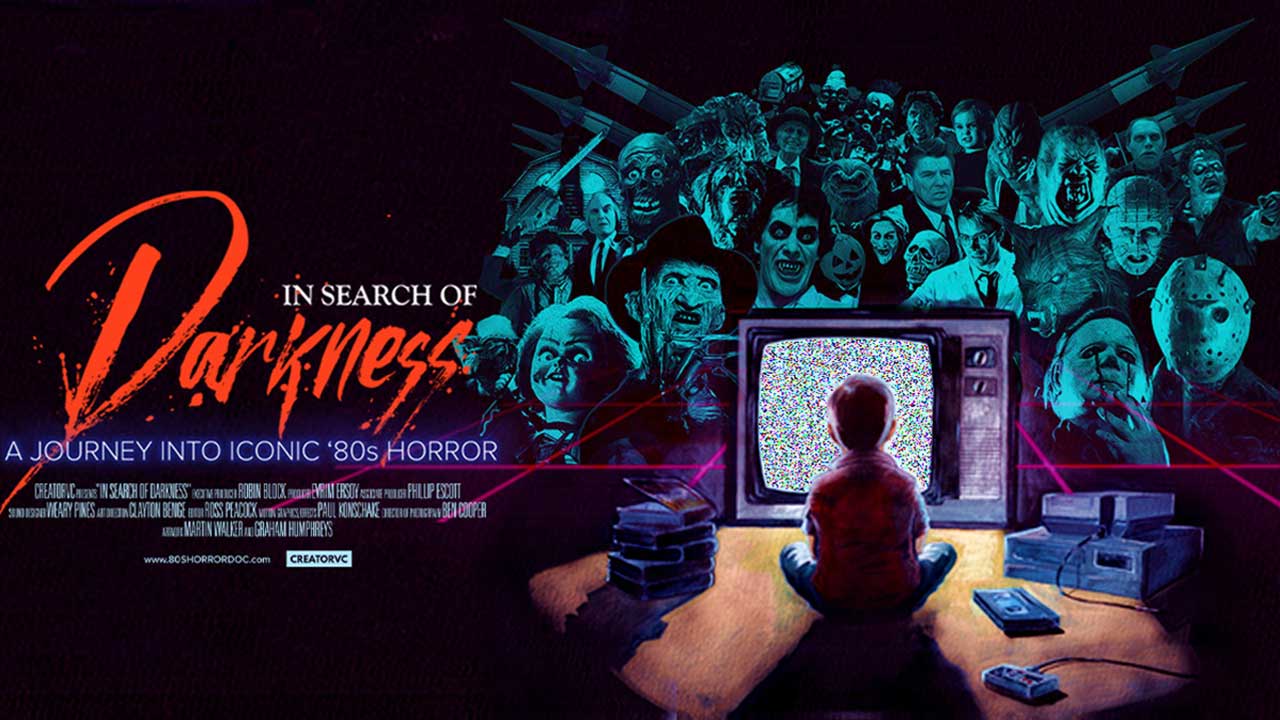
    Horror is not only one of the oldest film genres, but one of the oldest fiction genres in history. The genre’s roots go all the way back to 1700s literature with Horace Walpole’s The Castle of Otranto in 1764. With the dawn of cinema in the 1800s came the rise of horror films, namely The Haunted Castle in 1896. There was also the German Expressionist movement, which brought The Cabinet of Dr. Caligari in 1920 and Nosferatu in 1922. From the Universal Monsters of the 30s-40s to the atomic horrors of the 50s-60s, horror has continued to evolve. In October 2018, CreatorVC Studios launched a Kickstarter campaign for a documentary exploring the horror cinema of the 1980s. Between its Kickstarter and IndieGogo campaigns, the project amassed over $450,000, making it an overwhelming success. After premiering at Beyond Fest in 2019, In Search of Darkness was released to backers.

    [/et_pb_text][/et_pb_column][et_pb_column type=”1_3″ _builder_version=”4.16″ _module_preset=”default” global_colors_info=”{}”][et_pb_circle_counter title=”Rating” number=”95″ bar_bg_color=”#7CDA24″ _builder_version=”4.16″ _module_preset=”default” global_colors_info=”{}”][/et_pb_circle_counter][/et_pb_column][/et_pb_row][et_pb_row _builder_version=”4.16″ _module_preset=”default” global_colors_info=”{}”][et_pb_column type=”4_4″ _builder_version=”4.16″ _module_preset=”default” global_colors_info=”{}”][et_pb_text _builder_version=”4.27.4″ _module_preset=”default” hover_enabled=”0″ global_colors_info=”{}” sticky_enabled=”0″]

    Synopsis

    The documentary covers some of the most iconic horror films, and some obscure ones, from the 1980s, year by year. Some of the films covered include Friday the 13thThey LiveRe-AnimatorThe ChangelingThe Lost Boys, and Pet Sematary. Filmmakers and actors from these films interviewed include John Carpenter, Stuart Gordon, Jeffrey Combs, Barbara Crampton, and Alex Winter. Also, various genre experts and commentators are interviewed, including Cecil Trachtenberg, Ryan Turek, Heather Wixson, and James A. Janisse. In between each year, they explore how various real-world events at the time affected the horror films being made. Various trends such as holiday horror, the rise in slashers, and the birth of the direct-to-video horror film are explored. At the heart of it all, they discuss the attraction to both 80s horror and horror in general. It’s over four hours of exploring 80s horror films and why people love them.


    Review

    In Search of Darkness lives up to what it promises and then some, being both informative and entertaining. As stated previously, they cover plenty of films you’d expect, plus some lesser-known ones that deserve more attention. While they gather tons of amazing guests for the documentary, it’s disappointing that there were some they couldn’t get. For example, it would’ve benefitted if they had effects artists like Rick Baker, Steve Johnson, and Tom Savini on board. Also, with its 4+ hour runtime, it can be an intimidating watch for people given all the information that’s presented. While it’s quite an undertaking, you start to not notice the runtime after a while and it goes by quickly. It flows at a good pace, the editing is tight, and it never feels like it drags to a halt. For hardcore horror fans, this is an absolute dream come true.

    What helps is that this a documentary that can be watched either in one sitting or in chunks. Each year is broken into its own 15-20 minute segment with an intervening 10-minute break to discuss various themes. Some fans might be disappointed that a film they’re hoping for isn’t covered, but they still cover some good ones. For burgeoning horror fans, this provides a great resource of films to watch that they may not have heard of. The discussions on what was going on during the 80s also offer further perspective on how these films were made. Given how much of a massive undertaking this one, the creators should be given credit for their hard work. It’s a testament to fans of the genre that so many were able to come together to make this happen. Overall, In Search of Darkness is a phenomenal love letter to 80s horror cinema.


    Buy In Search of Darkness from Amazon: https://amzn.to/4i2TrcJ.

    Disclosure: The above link is an affiliate link, which means that, at no additional cost, I will earn a commission if you click through the link and make a purchase.

    [/et_pb_text][et_pb_code _builder_version=”4.27.4″ _module_preset=”default” hover_enabled=”0″ sticky_enabled=”0″]

    Where to watch In Search of Darkness: A Journey Into Iconic ’80s Horror (2019)

    data-api-key=”LMVDLdLSH5ZJnQ4FMGMgyJCB8cmGbfCV” data-object-type=”Movie” data-title=”In Search of Darkness” data-year=”2019″ data-theme=”light”>

    [/et_pb_code][/et_pb_column][/et_pb_row][/et_pb_section]