Facebook

FilmNerd

Category: Drama

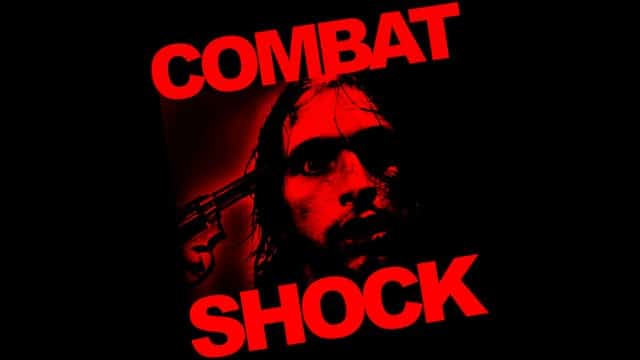
  • Combat Shock (1986)

    Combat Shock (1986)

    [et_pb_section bb_built=”1″][et_pb_row][et_pb_column type=”2_3″][et_pb_text _builder_version=”3.11.1″]

    The Vietnam War is arguably one of the most controversial wars in history. From 1955 to 1975, American troops were sent in to fight against the Vietcong. By the end, more than 3 million people lost their lives in the conflict, including over 58,000 American troops. But for the survivors, the worst was not over for them. After the war, many American troops started experiencing shell shock, aka Post-Traumatic Stress Disorder (PTSD). This led drug abuse, depression, and an overall detachment from reality. There were even cases of veterans committing suicide. Soon after the war, filmmakers started exploring what such a conflict could do to someone. Films like The Deer Hunter and Apocalypse Now were among the first. Then, in 1984, aspiring filmmaker Buddy Giovinazzo brought us a film showing how a Vietnam veteran tries and fails to reintegrate into society with disastrous results. That film was Combat Shock.

    [/et_pb_text][/et_pb_column][et_pb_column type=”1_3″][et_pb_circle_counter _builder_version=”3.11.1″ title=”Rating” number=”85″ bar_bg_color=”#7cda24″ /][/et_pb_column][/et_pb_row][et_pb_row][et_pb_column type=”4_4″][et_pb_text _builder_version=”3.11.1″]

    The film centers around Frankie Dunlan (Rick Giovinazzo), a Vietnam veteran who is struggling to make ends meet. He has been out of work, his wife Cathy (Veronica Stork) is stuck at home taking care of their deformed baby, and they are about to be evicted. We learn through flashbacks that Frankie had been held captive and tortured for months before being taken to a hospital. While he was physically fine, he was and still is emotionally scarred from what he experienced. Back home, things are even worse: he goes to the unemployment office only to be told that there are no jobs for him, he owes money to a mob boss who won’t take no for an answer, and a childhood friend of his has become a junkie. This ultimately leads to Frankie spiraling out of control until he just can’t take it anymore.

    Without a doubt, Combat Shock is one of the bleakest and most shocking films of its kind. While it does have similar elements to Taxi Driver, the two are quite different. As dark and gritty as Taxi Driver is, Travis Bickle still saves the young girl, lives and has his job, and ends up with the love interest. Such is not the case with Combat Shock. It starts out bleak and depressing, and it stays that way. Even though the film is clearly low-budget and not the most well-made, this actually works to the film’s advantage. The gritty and grimy look really captures just how bleak the situation is. Plus, the performances here, especially from lead Rick Giovinazzo, are excellent. Just from his facial expressions, you can see the pain and anguish Frankie is going through. The music is also top-notch, capturing just how isolated and alone he feels.

    This film has an interesting production history behind it. Director Buddy Giovinazzo grew up in a family of musicians, though he was more interested in film. Since youth, he was always fascinated by classic horror films like Frankenstein and The Wolf Man. He was captivated by the sympathetic monster or the man becoming a monster against his free will. For his first film, he wanted to examine what it would be like if someone had a day where everything that could go wrong does. Filmed for very little money over the course of a few years, Giovinazzo struggled to make his vision a reality. The film was eventually picked up by Troma, the studio behind The Toxic AvengerClass of Nuke ‘Em High, and Troma’s War amongst others. Unfortunately, they had to cut the film for an R-rating and was marketed as more of an action film.

    In spite of this, Giovinazzo has nothing but nice things to say about Troma and understands why they had to cut the film. In fact, Troma president Lloyd Kaufman didn’t want to have the film cut at all. Sadly, with the way the market is, audiences wouldn’t have been ready for a film like this if it were marketed correctly. Thankfully, more and more people have seen it and recognized it as one of the better films from Troma. It’s a very atypical film from the studio known for their over-the-top gore, gratuitous nudity, and generally comedic tone. Not only is this a film that explores how someone’s life can go downhill so fast, Combat Shock also shows how passion and talent can create such a breathtaking film.

    [/et_pb_text][/et_pb_column][/et_pb_row][/et_pb_section]
  • The Breakfast Club (1985)

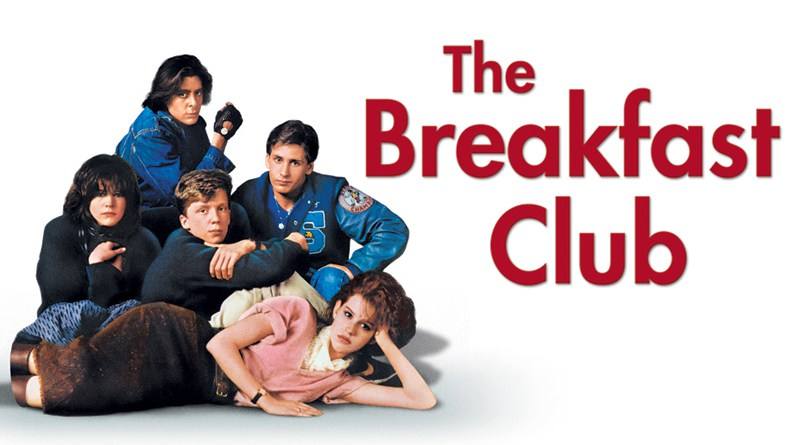
    The Breakfast Club (1985)

    [et_pb_section bb_built=”1″][et_pb_row][et_pb_column type=”2_3″][et_pb_text _builder_version=”3.9″]

    John Hughes is a name that has become synonymous with growing up as a teenager in the 1980s. Having started as a writer for National Lampoon, he wrote two of the most seminal comedies of the decade, namely National Lampoon’s Vacation and Mr. Mom, both released in 1983. Then, in 1984, Hughes not only wrote but also directed Sixteen Candles, which was a hit with both critics and audiences, and is still regarded as a classic of its time. Since it was much more of a lighthearted comedy and slightly more inline with some of the other screwball teen comedies of the early 80s like Porky’sScrewballs, and, to an extent, The Last American Virgin, Hughes decided to follow it up with a film that took a closer examination of what life was like for the average teen in high school. Tackling issues like figuring out how you fit in, being locked down into a specific clique, and the pressures teens are put upon by their parents and their fellow students, that film would go on to be one of the most important and beloved films of the 1980s, The Breakfast Club.

    [/et_pb_text][/et_pb_column][et_pb_column type=”1_3″][et_pb_circle_counter _builder_version=”3.9″ title=”Rating” number=”95″ bar_bg_color=”#7cda24″ /][/et_pb_column][/et_pb_row][et_pb_row][et_pb_column type=”4_4″][et_pb_text _builder_version=”3.9″]

    Our film starts off on a Saturday morning at Shermer High School, where we have five students from different social classes and school cliques who are forced to come in for detention. These students include the nerdy kid Brian Johnson, played by Anthony Michael Hall, the athletic Andrew Clarke, played by Emilio Estevez, the reclusive and strange Allison Reynolds, played by Ally Sheedy, the popular young socialite Claire Standish, played by Molly Ringwald, and the reckless criminal John Bender, played by Judd Nelson. Under the watchful eye of Principal Vernon, played by Paul Gleason, the five are there for their own reasons that are revealed as the movie goes along, and they spend the day eventually getting to know one another and finding out that they’re not as different as they think. Truths are shared, secrets are revealed, friendships/relationships are formed, and they all grow as young people trying to find their place in the world.

    The setup really can’t be any simpler than that: five teens stuck in detention spend the day eventually learning about who they really are. As simple as it is, it really works, and there’s a lot more that goes on besides that. What makes this film truly special is that despite it obviously being in the 80s (the music, the clothes, the hairstyles, etc), this is a really timeless film as the issues it addresses are still applicable to young people today. All of us who have been through high school have experienced at least some of the same things as these kids, whether it’s how Andrew feels pressured to be #1 all the time because of his overbearing father, Brian being upset that he got an F on a shop assignment and how it will affect his grades, or even Claire’s having to always maintain her image and go along with everything her friends say. Each of the five characters is relatable in their own way to how we were in high school. Given that John Hughes was in his 30s when he wrote this, it’s amazing how he perfectly captures how teens think and act, almost as if he’s still a teenager himself, but in the body of a fully-grown adult.

    The five leads all fit into their characters perfectly. Anthony Michael Hall, who’s best known for being the nerdy kid in movies like Sixteen Candles and Weird Science, really gets to shine as Brian, who’s arguably the most relatable one of the group. Emilio Estevez, while seeming a bit bland at times, is still great as Andrew, especially in some of his more emotional scenes such as when he tells the story of what he did to get into detention and why he did it. Molly Ringwald, though initially a bit stand-offish, does become both likable and sympathetic as the movie goes on, and she even tells some truths that, while painful, are pretty true of how certain cliques interact with each other in high school. Ally Sheedy, though largely quiet in the first act, does grow as a character once she does talk, and she’s probably the second most relatable character next to Brian since at least some of us have felt like an outcast at that time. And of course, there’s Judd Nelson, who absolutely steals the show as John Bender, as he has so much manic energy and says so many quotable lines that it’s hard not to love the guy, especially in the scenes where he’s telling off the principal. Gleason is also fun as the principal, who tries to maintain his authority figure status despite some of the more ridiculous stuff that happens to him, and a special mention goes to John Kapelos as Carl, the janitor who probably understands the kids more than they know themselves.

    If I did have any complaints about the film (and it’s so minor that it probably doesn’t really matter), it’s that the movie doesn’t necessarily have a straightforward plot. A lot of the film is kind of a series of events strung together, almost feeling episodic. Like one scene, they’re running around the school trying to get to Bender’s locker without being caught. Then, Andrew and Brian are chatting when Allison joins in and dumps her purse out to them, essentially dumping all her problems on them. Granted, there is a narrative to these scenes, and it does really capture the feeling of being stuck at this school with the five of them just trying to find a way to pass the time while also growing closer together. All in all, this is an absolute wonder of a film that’s still just as relevant now as it was back then. Every one of us has been a brain, an athlete, a basket case, a princess, and a criminal at some point in our lives, and The Breakfast Club is a great examination of how each of us embodies each of those characteristics all at once.

    [/et_pb_text][/et_pb_column][/et_pb_row][/et_pb_section]
  • Rocky (1976)

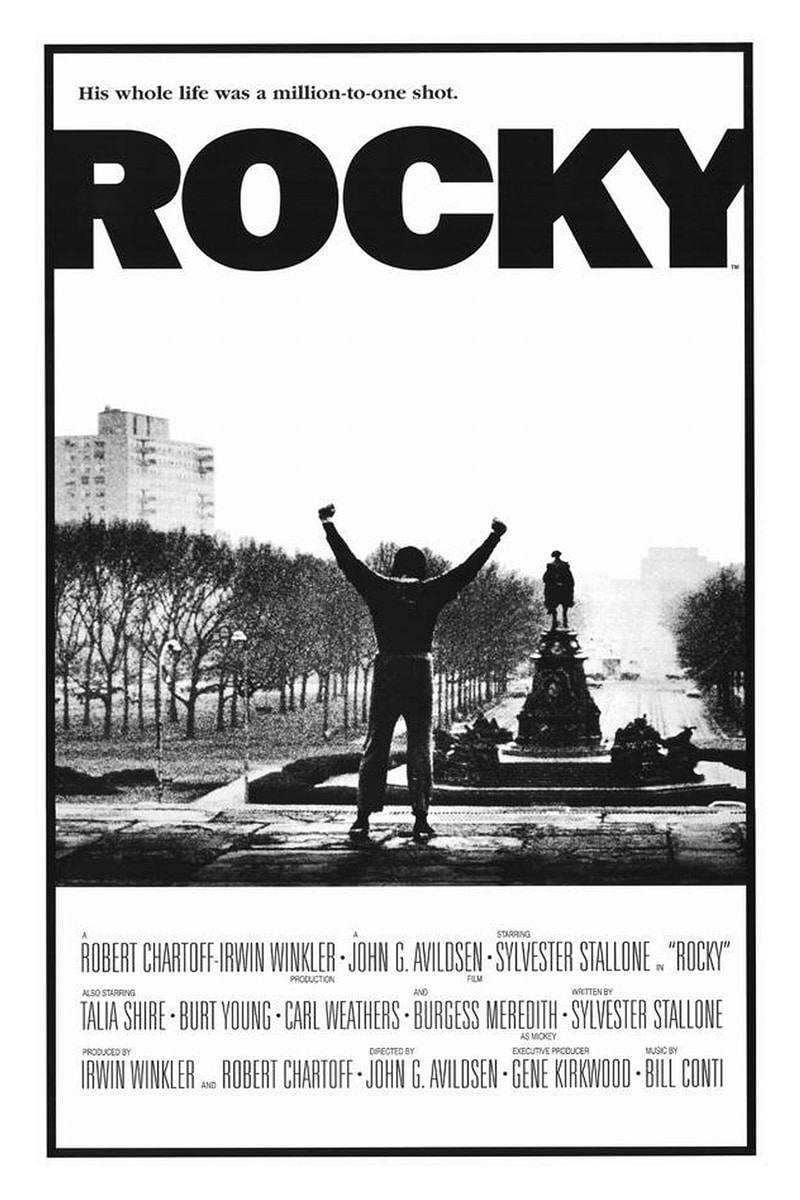
    Rocky (1976)

    [et_pb_section fb_built=”1″ _builder_version=”4.16″ global_colors_info=”{}”][et_pb_row _builder_version=”4.16″ background_size=”initial” background_position=”top_left” background_repeat=”repeat” global_colors_info=”{}” column_structure=”2_3,1_3″][et_pb_column type=”2_3″ _builder_version=”4.16″ custom_padding=”|||” global_colors_info=”{}” custom_padding__hover=”|||”][et_pb_text _builder_version=”4.27.4″ hover_enabled=”0″ global_colors_info=”{}” sticky_enabled=”0″]

    Today, Sylvester Stallone is regarded as one of the finest action stars of the past 30 years. He’s most well-known for the Rambo franchise, more recently The Expendables movies, and of course, the Rocky franchise. Nowadays, they’re up to seven films with an eighth film on the way, but let’s go back in time to the early 1970’s. Prior to making it big as the Italian Stallion, Stallone was doing what he could to get by, including his first starring role being in a soft-core porn (yeah, seriously) film called The Party at Kitty and Studs in 1973. As easy as it is to make fun of him for that, keep in mind that he had recently been evicted from his apartment, was living on the streets, and slept for three weeks at the Port Authority Bus Terminal, so with that in mind, it’s easy to see why he agreed to do the film for $200 a day for two days. Stallone even said, “it was either do that movie or rob someone, because I was at the end – the very end – of my rope.” Funny enough, after Stallone’s newfound fame, the film was later rereleased as The Italian Stallion.

    [/et_pb_text][/et_pb_column][et_pb_column type=”1_3″ _builder_version=”4.16″ custom_padding=”|||” global_colors_info=”{}” custom_padding__hover=”|||”][et_pb_circle_counter title=”Rating” number=”90″ bar_bg_color=”#7cda24″ _builder_version=”4.16″ global_colors_info=”{}”][/et_pb_circle_counter][/et_pb_column][/et_pb_row][et_pb_row _builder_version=”4.16″ background_size=”initial” background_position=”top_left” background_repeat=”repeat” global_colors_info=”{}”][et_pb_column type=”4_4″ _builder_version=”4.16″ custom_padding=”|||” global_colors_info=”{}” custom_padding__hover=”|||”][et_pb_text _builder_version=”4.27.4″ hover_enabled=”0″ global_colors_info=”{}” sticky_enabled=”0″]

    After having roles in movies in the early to mid 70s such as BananasThe Lords of Flatbush, and the cult-classic Death Race 2000, Stallone got the motivation to write the script for Rocky after watching the championship match between Muhammad Ali and Chuck Wepner, where, while being TKO’d by Ali in the 15th round, people were stunned that Wepner made it as long as he did. He spent three whole days writing the script, with the intent of playing the lead role. However, when he presented the script to United Artists, which they liked, they wanted someone like Ryan O’Neal, Burt Reynolds, or James Caan for the part. Thanks to both persistence and the support of producers Irwin Winkler and Robert Chartoff, Stallone managed to get the lead role.


    Synopsis

    The film tells the story of small-time boxer Rocky Balboa (Stallone), who one day gets a shot at fighting the heavyweight champion Apollo Creed, played by the always awesome Carl Weathers. In addition, Rocky pursues a romance with meek pet store clerk Adrian, played by Talia Shire, who usually gets treated like dirt by her brother Paulie, played by Burt Young. In prep for his fight, Rocky gets the curmudgeonly old former boxer Mickey, played by Burgess Meredith. With the support of his trainer, his newfound love, and his determination and heart, Rocky works his way up, not to necessarily beat Apollo in the ring, but prove to others and himself that he can go the distance.


    Review

    Despite what the sequels became, the first one stands out as more than just a boxing movie. The movie is really more of a character study. We see Rocky as a good-natured guy who, while not very bright, has a lot of heart and cares about others. When a mob boss named Tony Gazzo, played by character actor Joe Spinell, wants him to break a guy’s fingers for not paying, Rocky refuses cause he can’t bring himself to do it. While Paulie treats her like dirt, and she’s generally ignored by others, Rocky sees the beauty in Adrian and wants to show her that she is special and matters. There’s even one scene where Rocky helps a young girl get back to her home and warns her about how there can be a lot of creeps on the street. Really, the boxing element is somewhat secondary in the film.

    Directed by John G. Avildsen, who later went on to make The Karate Kid films, Rocky is an important entry in film history. This was during a period of filmmaking known as New Hollywood, where studios gave filmmakers more creative control and were willing to take more risks. While he did have a few roles under his belt, Stallone was still relatively unknown, and many of the other cast members were cast late into the production. In spite of the risks, much like Rocky, the film rose to the top and became a massive success. What makes the film work are the characters. In addition to the good-natured Rocky, you also have Burgess Meredith as Mickey, who you feel was once a great boxer until old age got the better of him, and he almost sees Rocky as the son he never had, so he trains Rocky not only to help him in the fight, but also to feel like he has purpose. Then there’s Carl Weathers as the flashy and arrogant boxer Apollo Creed. Weathers just oozes charisma and steals nearly every scene he’s in, but it is almost satisfying when you see the shock on his face when Rocky just won’t go down.

    Another major part of the film’s success is the music composed by Bill Conti. Anytime you hear the theme, Gonna Fly Now, you immediately want to start running and punching at the air like you’re Rocky. It’s the kind of song that really gets you pumped up. Other than that, the rest of the score helps add character to the film, by showing just how low the characters are in their life situation but also giving them a sense of hope. The movie is very inspirational, telling us that it’s not about whether we win or lose, but that it’s about proving to yourself and others that you can do it.

    The film went on to make a ton of money ($225 million against a $1.1 million budget), and won three Academy Awards for Best Director, Best Film Editing, and Best Picture, against movies like Taxi DriverNetwork, and All the President’s Men. There were six films that followed, four directed by Stallone, one by Avildsen, and one by Ryan Coogler. Despite how campy and ridiculous some of the sequels got, the first film still stands as what happens when someone with a lot of heart and drive goes against the odds and proves to the world that they can make something out of themselves.


    Buy Rocky from Amazon: https://amzn.to/3K5oyYA.

    Disclosure: The above link is an affiliate link, which means that, at no additional cost, I will earn a commission if you click through the link and make a purchase.

    [/et_pb_text][et_pb_code _builder_version=”4.27.4″ _module_preset=”default” hover_enabled=”0″ sticky_enabled=”0″]

    Where to watch Rocky (1976)

    data-api-key=”LMVDLdLSH5ZJnQ4FMGMgyJCB8cmGbfCV” data-object-type=”Movie” data-title=”Rocky” data-year=”1976″ data-theme=”light”>

    [/et_pb_code][/et_pb_column][/et_pb_row][/et_pb_section]