Facebook

Blog

  • The Human Tornado (1976)

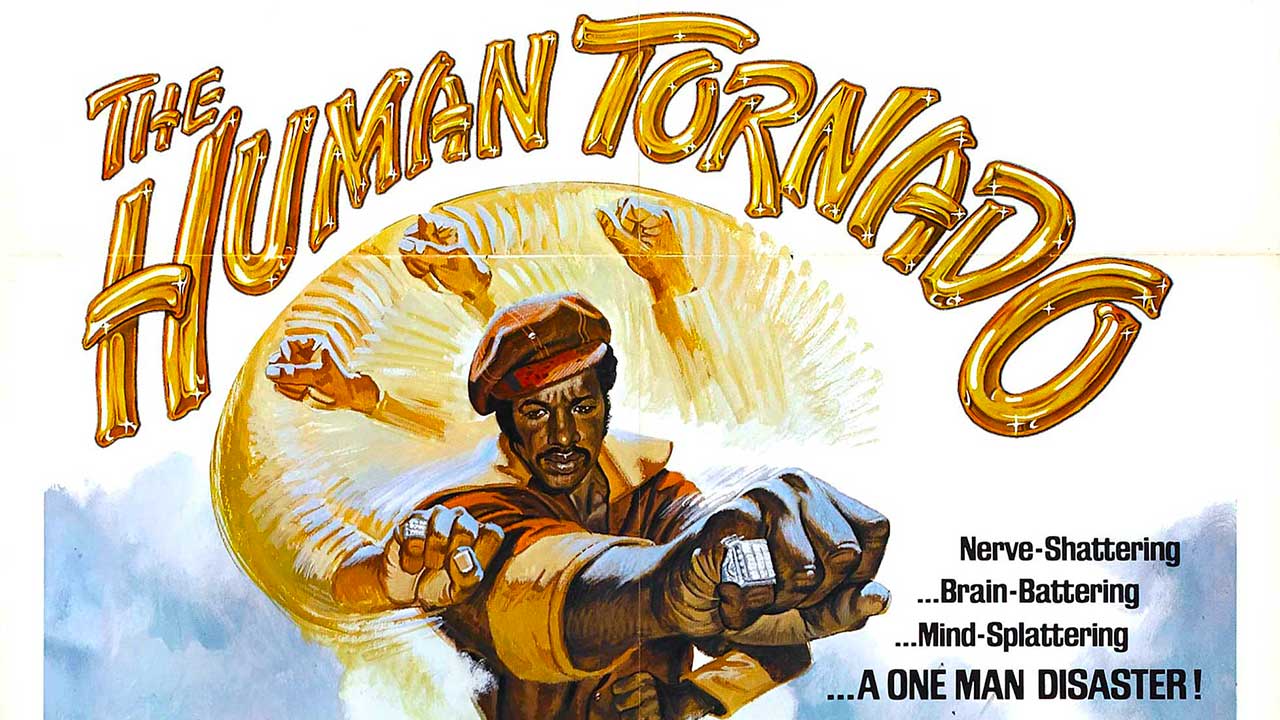
    The Human Tornado (1976)

    [et_pb_section fb_built=”1″ admin_label=”section” _builder_version=”4.16″ global_colors_info=”{}”][et_pb_row column_structure=”2_3,1_3″ admin_label=”row” _builder_version=”4.16″ background_size=”initial” background_position=”top_left” background_repeat=”repeat” global_colors_info=”{}”][et_pb_column type=”2_3″ _builder_version=”4.16″ custom_padding=”|||” global_colors_info=”{}” custom_padding__hover=”|||”][et_pb_text _builder_version=”4.16″ _module_preset=”default” global_colors_info=”{}”]

    Rudy Ray Moore took a huge gamble when making Dolemite, but thankfully, that gamble paid off. While people didn’t track box office totals back then, it’s reported that the film grossed $12 million on a $100,000 budget. Moore decided to strike while the iron was hot and make a sequel with this success. Since D’Urville Martin didn’t care about the original, Moore hired a new director to helm the project. Through his producing partner T. Toney, Moore met theater director Cliff Roquemore, a Detroit native looking for his big break. Moore liked his theater work and hired Roquemore to helm the sequel with his ideas for the film. Much of the cast and crew from the original returned, and the shoot went much smoother this time around. After a four-week shooting schedule, The Human Tornado made its way to theaters in the summer of 1976.

    [/et_pb_text][/et_pb_column][et_pb_column type=”1_3″ _builder_version=”4.16″ custom_padding=”|||” global_colors_info=”{}” custom_padding__hover=”|||”][et_pb_circle_counter title=”Rating” number=”75″ bar_bg_color=”#EDF000″ _builder_version=”4.16″ _module_preset=”default” global_colors_info=”{}”][/et_pb_circle_counter][/et_pb_column][/et_pb_row][et_pb_row _builder_version=”4.16″ _module_preset=”default” global_colors_info=”{}”][et_pb_column type=”4_4″ _builder_version=”4.16″ _module_preset=”default” global_colors_info=”{}”][et_pb_text _builder_version=”4.16″ _module_preset=”default” global_colors_info=”{}”]

    Synopsis

    Dolemite (Rudy Ray Moore) throws a massive party at his mansion to celebrate after a successful comedy tour. Unfortunately, the party’s interrupted when the racist Sheriff Beatty (J.B. Baron) breaks in, finding his wife in bed with Dolemite. Dolemite escapes and hits the road with his friends Bo (Ernie Hudson), Jimmy (James Cromartie), and Dough (Ed Montgomery). Once home, Queen Bee (Lady Reed) tells Dolemite that local crime boss Cavaletti (Herb Graham) kidnapped two of his girls. Meanwhile, Beatty enlists police Captain Ryan (Jack Kelly) to hunt down Dolemite, informing Agent Blakely (Jerry Jones) of the situation. With help from his lady friend Hurricane Annie (Gloria Delaney), Dolemite kicks ass and takes names searching for his girls. It’s up to Dolemite and company to free the girls, take out Cavaletti, and get even with the racist sheriff. It’s a hell of a storm when The Human Tornado rolls in!


    Review

    Compared to its predecessor, The Human Tornado is in many ways an improvement that enhances what made the original work. It’s got the same wacky humor, kung-fu fighting, and vulgar taunts as Dolemite, but cranked up to 11. One example of the gags going more over-the-top is when they replay Rudy Ray Moore doing an outrageous stunt. Like in the last film, Rudy Ray Moore is firing on all cylinders and then some with his performance. You can tell he’s having more fun with his exaggerated body movements and how he delivers his ridiculous lines. Compared to D’Urville Martin, Cliff Roquemore’s direction is superior, with all the fast and slow-motion effects added. His kinetic filmmaking adds to just how wild and crazy the overall film is, making it overwhelming at times. Honestly, you’ll be so overwhelmed, you’ll feel like Barbara Gerl’s character by the film’s end.

    It’s great seeing a young Ernie Hudson playing a relatively significant supporting role, and he does a great job. Also, Jerry Jones gives another excellent performance as Blakely, though he doesn’t have as much to do here. The rest of the supporting cast play their parts as appropriately exaggerated as possible, further adding to the film’s charm. You can tell that the crew learned a lot from the last movie, given the lack of noticeable technical flubs. Admittedly, even though this is supposed to be a sequel, it works more as a standalone film. Plus, while the last movie almost had little to no plot, this one has almost too much story to follow. Still, if you can sit back and not take it too seriously, you’ll be in for a fun thrill ride. Overall, The Human Tornado takes what worked before and doubles down on that tenfold.


    Buy The Human Tornado from Amazon: https://amzn.to/35boPEI.

    Disclosure: The above link is an affiliate link, which means that, at zero cost to you, I will earn a commission if you click through the link and finalize a purchase.

    [/et_pb_text][et_pb_code _builder_version=”4.27.4″ _module_preset=”default” hover_enabled=”0″ sticky_enabled=”0″]

    Where to watch The Human Tornado (1976)

    data-api-key=”LMVDLdLSH5ZJnQ4FMGMgyJCB8cmGbfCV” data-object-type=”Movie” data-title=”The Human Tornado” data-year=”1976″ data-theme=”light”>

    [/et_pb_code][/et_pb_column][/et_pb_row][/et_pb_section]
  • Dolemite (1975)

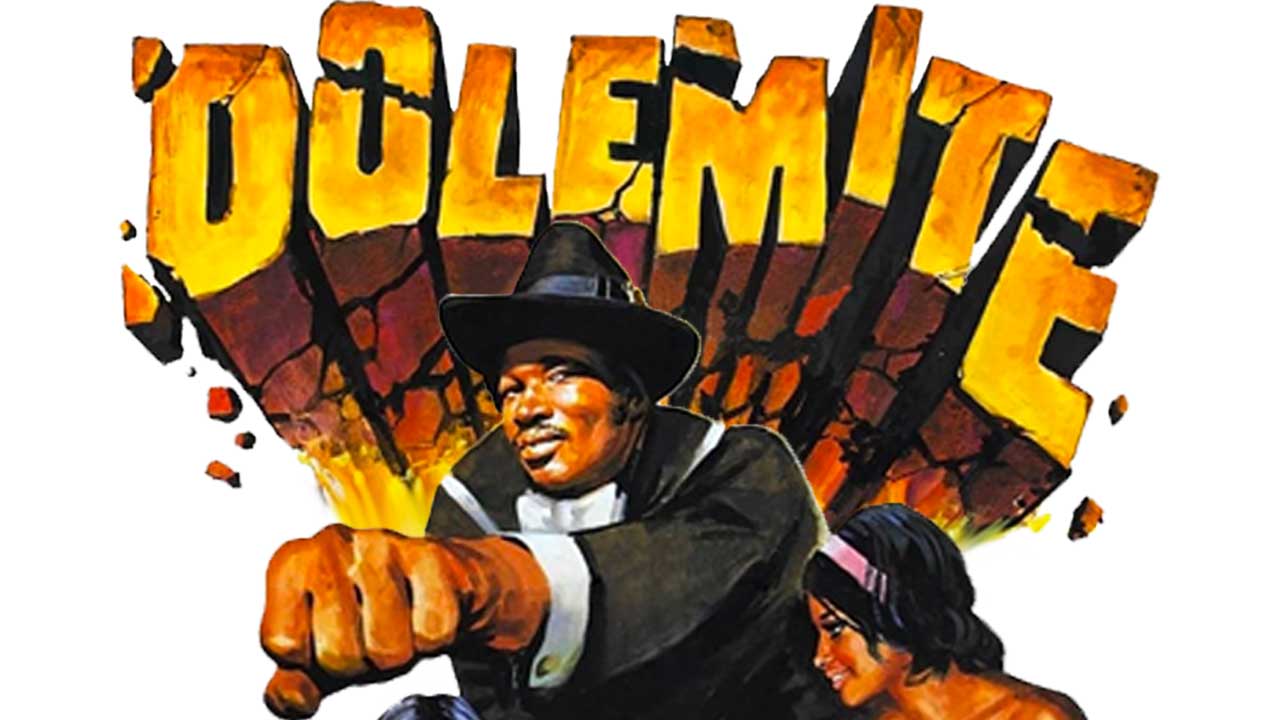
    Dolemite (1975)

    [et_pb_section fb_built=”1″ admin_label=”section” _builder_version=”4.16″ global_colors_info=”{}”][et_pb_row column_structure=”2_3,1_3″ admin_label=”row” _builder_version=”4.16″ background_size=”initial” background_position=”top_left” background_repeat=”repeat” global_colors_info=”{}”][et_pb_column type=”2_3″ _builder_version=”4.16″ custom_padding=”|||” global_colors_info=”{}” custom_padding__hover=”|||”][et_pb_text _builder_version=”4.16″ _module_preset=”default” global_colors_info=”{}”]

    After Sweet Sweetback’s Baadasssss Song hit theaters in 1971, a new film genre began to take shape called “Blaxploitation.” Despite protests from the NAACP, movies like ShaftSuper Fly, and Blacula were raking in the money. Around this time, Rudy Ray Moore released his comedy albums Eat Out More Often and This Pussy Belongs To Me. Both found huge success, but sales declined in 1973, so Moore decided to take his material to the next level. Moore decided to make a film about his pimp character Dolemite, raising $100,000 of his own money to finance it. He met writer/actor Jerry Jones through a mutual acquaintance, who agreed to work with Moore on the script. Jones recommended actor D’Urville Martin to direct, though Martin fully admitted he was only in it for the credit. Following an arduous production, Dolemite made its way onto the big screen in 1975.

    [/et_pb_text][/et_pb_column][et_pb_column type=”1_3″ _builder_version=”4.16″ custom_padding=”|||” global_colors_info=”{}” custom_padding__hover=”|||”][et_pb_circle_counter title=”Rating” number=”70″ bar_bg_color=”#EDF000″ _builder_version=”4.16″ _module_preset=”default” global_colors_info=”{}”][/et_pb_circle_counter][/et_pb_column][/et_pb_row][et_pb_row _builder_version=”4.16″ _module_preset=”default” global_colors_info=”{}”][et_pb_column type=”4_4″ _builder_version=”4.16″ _module_preset=”default” global_colors_info=”{}”][et_pb_text _builder_version=”4.27.4″ _module_preset=”default” hover_enabled=”0″ global_colors_info=”{}” sticky_enabled=”0″]

    Synopsis

    Dolemite (Rudy Ray Moore) is a pimp serving time after being set up by his rival Willie Green (D’Urville Martin). With help from his friend Queen Bee (Lady Reed), the warden lets Dolemite walk free to take down Willie Green. Along the way, detectives Mitchell (John Kerry) and White, who helped Green, hassle Dolemite at every opportunity. Joined by his squad of kung-fu killer prostitutes, Dolemite takes back his club and rebuilds his reputation. Meanwhile, FBI Agent Blakely (Jerry Jones) monitors the situation and keeps tabs on what Dolemite is up to. However, it turns out that Willie Green is working alongside Mayor Daley (Monte ‘Hy’ Pike), who’s pushing for reelection. With the corrupt cops and rival gangs coming in on all sides, Dolemite is in the ride of his life. He’s going to let them know that Dolemite is his name, and f***in up motherf***ers is his game!


    Review

    Dolemite is a film that shouldn’t work, but it rises above its shortcomings to become extraordinary. It has a very homegrown feel where you can tell everyone involved tried their best, even with their inexperience. Jerry Jones is arguably the best actor out of the entire cast, only going over the top when necessary. While he does at times look sleepy, Rudy Ray Moore is firing on all cylinders as the titular hero. Moore has a way with words and delivers some of the most quotable dialogue you’ll ever hear in a movie. Vainus Rackstraw, who plays the small role of Creeper, is memorable for just how weird and drugged out he is. Plus, he has a catchy theme song which, like the rest of the music by Arthur Wright, is fantastic. Of course, there’s the theme song by Ben Taylor, which is just the cherry atop this sundae.

    Admittedly, the flaws are more than apparent here, but they don’t entirely lessen how enjoyable the film is. For one, it’s clear that D’Urville Martin didn’t care when he was directing, as most of the shots look flat. The plot has more holes than swiss cheese, scenes don’t flow together, and there are several dead spots. Also, even in the correct aspect ratio, there are several times where filming equipment and crew members are visible. Apart from Moore and Jones, the rest of the acting ranges from mediocre to subpar to hilariously awful. However, many of these flaws add to its charm, much in the same way as The Evil Dead. The film goes by quickly at about 90 minutes long, though your enjoyment will vary based on your sensibilities. Overall, Dolemite has its fair share of problems, but it more than deserves its status as a blaxploitation classic. 

    Buy Dolemite from Amazon: https://amzn.to/3hgA8hu.

    Disclosure: The above link is an affiliate link, which means that, at zero cost to you, I will earn a commission if you click through the link and finalize a purchase.

    [/et_pb_text][et_pb_code _builder_version=”4.27.4″ _module_preset=”default” global_colors_info=”{}”]

    Where to watch Dolemite (1975)

    data-api-key=”LMVDLdLSH5ZJnQ4FMGMgyJCB8cmGbfCV” data-object-type=”Movie” data-title=”Dolemite” data-year=”1975″ data-theme=”light”>

    [/et_pb_code][/et_pb_column][/et_pb_row][/et_pb_section]
  • The Battle of Love’s Return (1971)

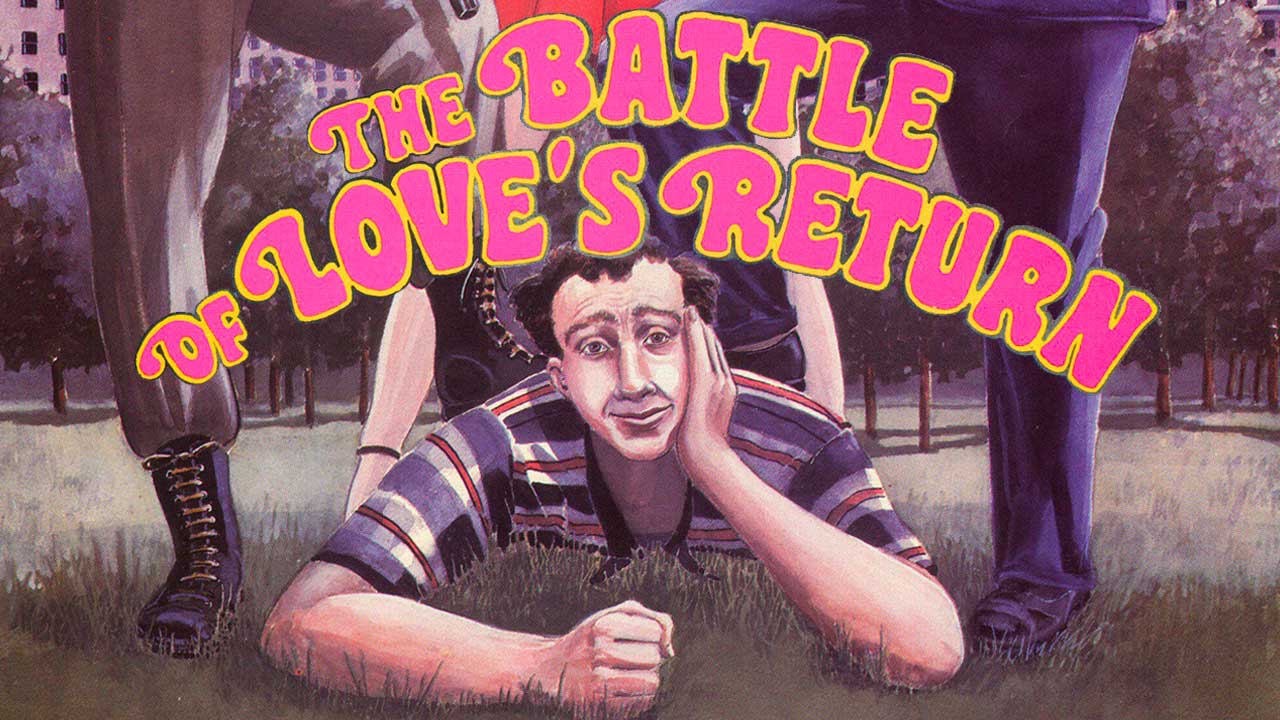
    The Battle of Love’s Return (1971)

    [et_pb_section fb_built=”1″ _builder_version=”4.16″ _module_preset=”default” global_colors_info=”{}”][et_pb_row column_structure=”2_3,1_3″ _builder_version=”4.16″ _module_preset=”default” global_colors_info=”{}”][et_pb_column type=”2_3″ _builder_version=”4.16″ _module_preset=”default” global_colors_info=”{}”][et_pb_text _builder_version=”4.27.4″ _module_preset=”default” hover_enabled=”0″ global_colors_info=”{}” sticky_enabled=”0″]

    After graduating from Yale University, Lloyd Kaufman started working for Cannon Films, where he met up-and-coming filmmaker John G. Avildsen. The two first collaborated on the 1970 film Joe, starring Peter Boyle and a then-unknown Susan Sarandon. Soon after, they worked on the 1971 film Cry Uncle, which Kaufman distributed under his then newly formed Troma Entertainment. Around this time, future Oscar-winning director Oliver Stone returned from Vietnam and earned a film degree from New York University. He attended Yale with Kaufman, so Stone decided to co-produce a few movies in the early 1970s. Kaufman also knew producer Frank Vitale, who would collaborate on Kaufman’s first major motion picture after The Girl Who Returned. With an $8,000 budget, Lloyd Kaufman assembled his team to helm a quirky comedy about life in 1970s New York. In June 1971, The Battle of Love’s Return made its way onto the big screen.

    [/et_pb_text][/et_pb_column][et_pb_column type=”1_3″ _builder_version=”4.16″ _module_preset=”default” global_colors_info=”{}”][et_pb_circle_counter title=”Rating” number=”60″ bar_bg_color=”#EDF000″ _builder_version=”4.16″ _module_preset=”default” global_colors_info=”{}”][/et_pb_circle_counter][/et_pb_column][/et_pb_row][et_pb_row _builder_version=”4.16″ _module_preset=”default” global_colors_info=”{}”][et_pb_column type=”4_4″ _builder_version=”4.16″ _module_preset=”default” global_colors_info=”{}”][et_pb_text _builder_version=”4.27.4″ _module_preset=”default” hover_enabled=”0″ global_colors_info=”{}” sticky_enabled=”0″]

    Synopsis

    Abacrombie (Lloyd Kaufman) is a down-on-his-luck loser who can’t seem to catch a break no matter how hard he tries. After failing a big job from his boss Mr. Crumb (Stanley Kaufman), Abacrombie is fired and left wandering the streets. He passes by a coffee shop and sees his Dream Girl (Lynn Lowry), but he’s too shy to go inside. While trying to find himself, he meets a loafer (Andy Kay), who constantly hounds him for being a square. He even tries to help an old lady (Ida Goodcutt) cross the street but gets beaten by her. At one point, he tries joining a hippie commune only to get laughed at by them and the cops. Despite being scorned by his Dream Girl, Abacrombie is determined to make a name for himself at any cost. Will he succeed and win the battle of love’s return?


    Review

    Compared to Lloyd’s first film, The Battle of Love’s Return is more engaging and not as tedious to watch. While the film is a comedy, don’t expect a joke every five minutes as it veers closer to arthouse territory. There are these odd black-and-white vignettes between the narrative segments where some actors give improvised interviews. I’m not sure what their purpose is other than to paint a picture of people in the early 1970s. Admittedly, the only one I was mildly interested in was where Lynn Lowry plays a Southern belle looking for love. Speaking of, just like in Sugar Cookies, Lowry is positively stunning and is having fun saying some exaggerated lines. Also, look out for an early appearance from Oliver Stone, who has a bit part as Cliff, Abacrombie’s co-worker. He only has one scene, but it’s cool to see him at such a young age.

    Lloyd Kaufman is a mixture of Charlie Chaplin, Buster Keaton, and even some Mel Brooks in terms of acting. Most of the humor is rooted in old-school slapstick, so if you’re not a fan, you probably won’t enjoy this. He moves with exaggerated body movements and gives the same cartoonish faces you’d see in his later films. As far as filmmaking goes, he shoots this in an arthouse style with occasional black-and-white, extreme close-ups, and long takes. While there is a plot, there isn’t any particular structure or complete sequence of events. Things just happen without much of an explanation, like going from hanging with hippies to suddenly fighting in Vietnam. It might be somewhat confusing, but it’s a brisk watch at slightly under 90 minutes, and it’s an intriguing experience. Overall, The Battle of Love’s Return is a fascinating if disjointed early look at Kaufman’s long career.


    Buy The Battle of Love’s Return from Amazon: https://amzn.to/4nX26i0.

    Disclosure: The above link is an affiliate link, which means that, at no additional cost, I will earn a commission if you click through the link and make a purchase.

    [/et_pb_text][et_pb_code _builder_version=”4.27.4″ _module_preset=”default” global_colors_info=”{}”]

    Where to watch The Battle of Love’s Return (1971)

    data-api-key=”LMVDLdLSH5ZJnQ4FMGMgyJCB8cmGbfCV” data-object-type=”Movie” data-title=”The Battle of Love’s Return” data-year=”1971″ data-theme=”light”>

    [/et_pb_code][/et_pb_column][/et_pb_row][/et_pb_section]
  • Rudy Ray Moore Retrospective – An Introduction

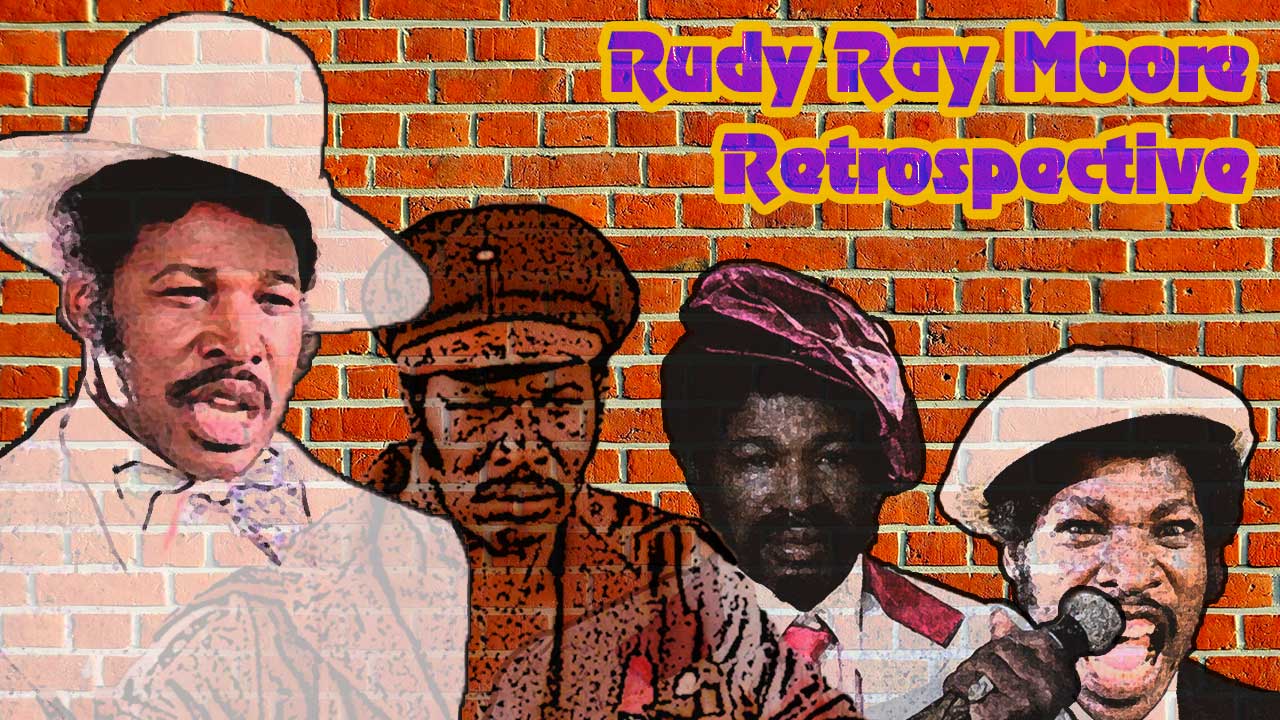
    Rudy Ray Moore Retrospective – An Introduction

    [et_pb_section fb_built=”1″ admin_label=”section” _builder_version=”3.22″ global_colors_info=”{}”][et_pb_row admin_label=”row” _builder_version=”3.25″ background_size=”initial” background_position=”top_left” background_repeat=”repeat” global_colors_info=”{}”][et_pb_column type=”4_4″ _builder_version=”3.25″ custom_padding=”|||” global_colors_info=”{}” custom_padding__hover=”|||”][et_pb_text _builder_version=”4.14.8″ global_colors_info=”{}”]There are many important names in the history of black cinema: Sidney Poitier, John Singleton, and Steve McQueen, amongst others. These people have created some of the greatest films that inspire future generations to pursue their dreams. However, one era of black filmmaking tends to get overlooked or dismissed by today’s audiences: the Blaxploitation era. Throughout the 1970s, actors like Richard Roundtree, Pam Grier, Jim Brown, and Fred Williamson were tearing up movie screens. Many of these films were low budget, tackled many different genres, and even explored themes that are still relevant today. Despite what the name suggests, Blaxploitation films were more about empowering African Americans than exploiting them. One name that doesn’t get brought up as much in Blaxploitation is Rudolph Frank Moore, aka Rudy Ray Moore. In honor of Black History Month, FilmNerd will look at Moore’s four major motion pictures from 1975 to 1979.
    [/et_pb_text][/et_pb_column][/et_pb_row][et_pb_row column_structure=”1_4,1_4,1_4,1_4″ _builder_version=”4.14.8″ _module_preset=”default” global_colors_info=”{}”][et_pb_column type=”1_4″ _builder_version=”4.14.8″ _module_preset=”default” global_colors_info=”{}”][et_pb_image src=”https://staging.film-nerd.com/wp-content/uploads/2022/02/dolemite-poster-scaled.jpg” alt=”Dolemite” title_text=”dolemite-poster” admin_label=”Dolemite” module_class=”enlarge” _builder_version=”4.14.8″ _module_preset=”default” hover_enabled=”0″ global_colors_info=”{}” url=”@ET-DC@eyJkeW5hbWljIjp0cnVlLCJjb250ZW50IjoicG9zdF9saW5rX3VybF9wb3N0Iiwic2V0dGluZ3MiOnsicG9zdF9pZCI6IjY3NjUifX0=@” _dynamic_attributes=”url” sticky_enabled=”0″][/et_pb_image][/et_pb_column][et_pb_column type=”1_4″ _builder_version=”4.14.8″ _module_preset=”default” global_colors_info=”{}”][et_pb_image src=”https://staging.film-nerd.com/wp-content/uploads/2022/02/the-human-tornado-poster-scaled.jpg” alt=”The Human Tornado” title_text=”the-human-tornado-poster” admin_label=”The Human Tornado” module_class=”enlarge” _builder_version=”4.14.8″ _module_preset=”default” hover_enabled=”0″ global_colors_info=”{}” url=”@ET-DC@eyJkeW5hbWljIjp0cnVlLCJjb250ZW50IjoicG9zdF9saW5rX3VybF9wb3N0Iiwic2V0dGluZ3MiOnsicG9zdF9pZCI6IjY3ODMifX0=@” _dynamic_attributes=”url” sticky_enabled=”0″][/et_pb_image][/et_pb_column][et_pb_column type=”1_4″ _builder_version=”4.14.8″ _module_preset=”default” global_colors_info=”{}”][et_pb_image src=”https://staging.film-nerd.com/wp-content/uploads/2022/02/petey-wheatstraw-poster.jpg” alt=”Petey Wheatstraw” title_text=”petey-wheatstraw-poster” admin_label=”Petey Wheatstraw” module_class=”enlarge” _builder_version=”4.14.8″ _module_preset=”default” hover_enabled=”0″ global_colors_info=”{}” url=”@ET-DC@eyJkeW5hbWljIjp0cnVlLCJjb250ZW50IjoicG9zdF9saW5rX3VybF9wb3N0Iiwic2V0dGluZ3MiOnsicG9zdF9pZCI6IjY3ODgifX0=@” _dynamic_attributes=”url” sticky_enabled=”0″][/et_pb_image][/et_pb_column][et_pb_column type=”1_4″ _builder_version=”4.14.8″ _module_preset=”default” global_colors_info=”{}”][et_pb_image src=”https://staging.film-nerd.com/wp-content/uploads/2022/02/disco-godfather-poster.jpg” alt=”Disco Godfather” title_text=”disco-godfather-poster” admin_label=”Disco Godfather” module_class=”enlarge” _builder_version=”4.14.8″ _module_preset=”default” hover_enabled=”0″ global_colors_info=”{}” url=”@ET-DC@eyJkeW5hbWljIjp0cnVlLCJjb250ZW50IjoicG9zdF9saW5rX3VybF9wb3N0Iiwic2V0dGluZ3MiOnsicG9zdF9pZCI6IjY3OTMifX0=@” _dynamic_attributes=”url” sticky_enabled=”0″][/et_pb_image][/et_pb_column][/et_pb_row][/et_pb_section]
  • Lurking Fear (1994)

    Lurking Fear (1994)

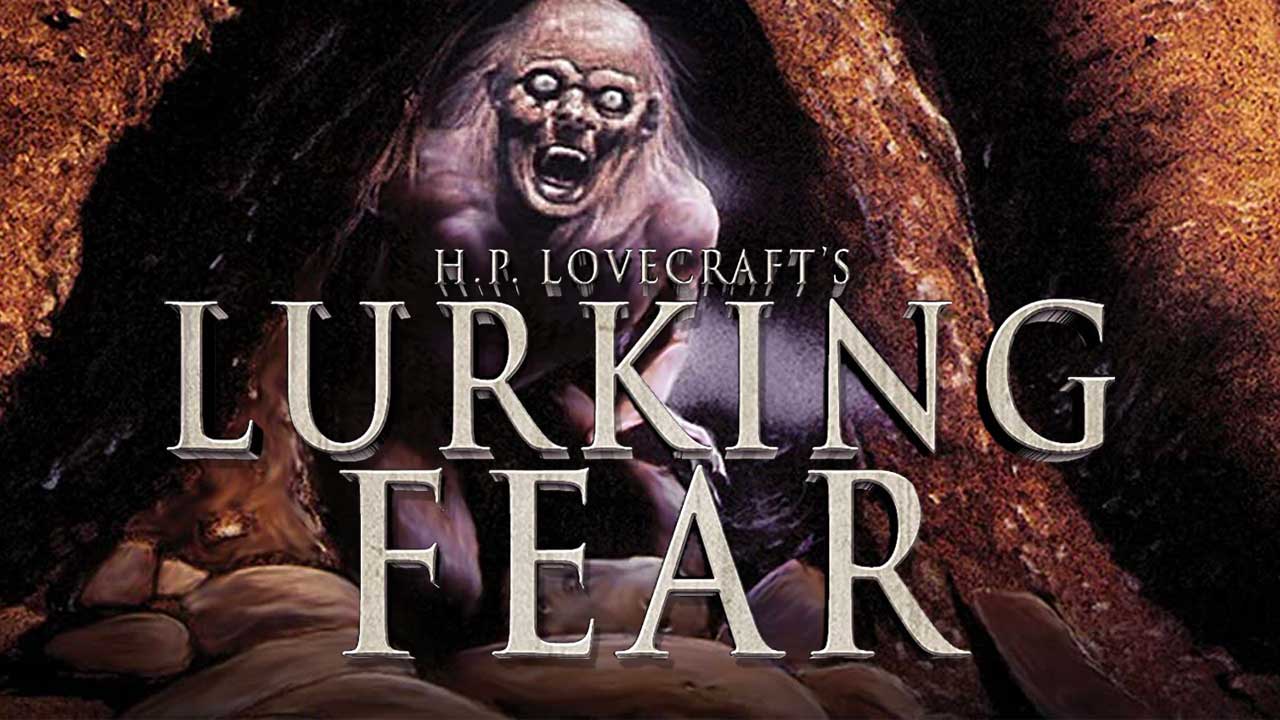
    [et_pb_section fb_built=”1″ _builder_version=”4.16″ _module_preset=”default” global_colors_info=”{}”][et_pb_row column_structure=”2_3,1_3″ _builder_version=”4.16″ _module_preset=”default” global_colors_info=”{}”][et_pb_column type=”2_3″ _builder_version=”4.16″ _module_preset=”default” global_colors_info=”{}”][et_pb_text _builder_version=”4.16″ _module_preset=”default” global_colors_info=”{}”]After the success of 1985’s Re-Animator, director Stuart Gordon and writer Dennis Paoli wanted to adapt another Lovecraft story. They wanted to film Lovecraft’s 1923 short story The Lurking Fear, but Empire Pictures’ collapse canceled the project. Years later, C. Courtney Joyner, who previously wrote Prison for Empire Pictures, directed Trancers III: Deth Lives for Full Moon. Studio head Charles Band was pleased with the sequel, so he offered Joyner the chance to resurrect the Lovecraft adaptation. At the time, Band found success shooting in Romania after filming the Subspecies franchise, so they filmed at Buftea Studios. They brought on Empire/Full Moon veteran Jeffrey Combs, alongside Ashley Laurence, Vincent Schiavelli, and Jon Finch. Unfortunately, Joyner and Finch did not see eye-to-eye, as Finch disagreed with Joyner’s direction and made the experience rough. Despite these setbacks, Lurking Fear finally hit video store shelves in July 1994.

    [/et_pb_text][/et_pb_column][et_pb_column type=”1_3″ _builder_version=”4.16″ _module_preset=”default” global_colors_info=”{}”][et_pb_circle_counter title=”Rating” number=”70″ bar_bg_color=”#EDF000″ _builder_version=”4.16″ _module_preset=”default” global_colors_info=”{}”][/et_pb_circle_counter][/et_pb_column][/et_pb_row][et_pb_row _builder_version=”4.16″ _module_preset=”default” global_colors_info=”{}”][et_pb_column type=”4_4″ _builder_version=”4.16″ _module_preset=”default” global_colors_info=”{}”][et_pb_text _builder_version=”4.27.4″ _module_preset=”default” hover_enabled=”0″ global_colors_info=”{}” sticky_enabled=”0″]

    Synopsis

    After being released from prison, John Martense (Blake Adams) goes to his childhood town of Lefferts Corner. He meets up with family friend Knaggs (Vincent Schiavelli), a local mortician who’s been holding onto part of a map. The map shows the location of a hidden stash of money left by Martense’s father after his last heist. He follows the map to an abandoned church, where he meets Cathryn (Ashley Laurence) and Dr. Haggis (Jeffrey Combs). It turns out that underground monsters have repeatedly attacked the town, and Cathryn lost her sister to the creatures. Soon enough, master thief Bennett (Jon Finch) and his accomplice Ms. Marlowe (Allison Mackie), arrive looking for the stash. Soon enough, the underground dwellers make their way into the church, and the group has to make a stand. Who will survive the onslaught, and who will be the next victim of the lurking fear?


    Review

    Compared to other Lovecraft adaptations from Charles Band, Lurking Fear isn’t as good as Re-Animator or From Beyond. That said, this film has plenty going for it, from the moody atmosphere and the solid cast. Blake Bailey, who later starred in Head of the Family, gives a good performance as a rugged ex-con. Ashley Laurence stands out as the formidable female lead who’s willing to show some vulnerability without seeming weak. On top of looking good with a beard, Jeffrey Combs is fun as the snarky and pessimistic chain-smoking doctor. Vincent Schiavelli has some good moments with Blake Bailey, but his role is more like an extended cameo. Even if he was awful to work with, Jon Finch still makes for a great and imposing villain. Allison Mackie, who was also Joyner’s cousin, has a great femme fatale look and works well along with Finch.

    The movie has a similar “mobsters vs. monsters” vibe as 1985’s Transmutations, but Joyner does a much better job. While that film ruined its approach to combining horror with film noir, this one manages to balance the tone out. Even before the monsters show up, Joyner manages to create a foreboding mood that’s reminiscent of old gothic horror films. Once the monsters show up, it becomes a gruesome onslaught similar to the climax in From Dusk Till Dawn. If there are any problems with the film, I’d say that we don’t get to know our main characters much. We’re given just a basic setup for them before they’re thrown into an explosive climax with copious amounts of gore. While this doesn’t have the lasting power of Stuart Gordon’s adaptations, this one will provide enough entertainment for 75 minutes. Overall, Lurking Fear is an underrated gem that’s worth uncovering.


    Buy Lurking Fear from:

    Disclosure: The above link is an affiliate link, which means that, at zero cost to you, I will earn a commission if you click through the link and finalize a purchase.

    [/et_pb_text][/et_pb_column][/et_pb_row][/et_pb_section]

  • Jackass Forever (2022)

    Jackass Forever (2022)

    [et_pb_section fb_built=”1″ _builder_version=”4.14.7″ _module_preset=”default” global_colors_info=”{}”][et_pb_row column_structure=”2_3,1_3″ _builder_version=”4.14.7″ _module_preset=”default” global_colors_info=”{}”][et_pb_column type=”2_3″ _builder_version=”4.14.7″ _module_preset=”default” global_colors_info=”{}”][et_pb_text _builder_version=”4.14.7″ _module_preset=”default” hover_enabled=”0″ global_colors_info=”{}” sticky_enabled=”0″]

    On October 1, 2000, the reality comedy series Jackass premiered on MTV and became an instant hit. Despite numerous controversies, the show ran for three seasons, spawned several spin-off shows, and even a feature film in 2002. The movie grossed $79.5 million worldwide on a budget of $5 million despite its poor critical reception. Though they intended for the movie to be the finale, the crew later made Jackass Number Two in 2006. The sequel grossed even more at the box office and received higher praise than the original. In 2010, Jackass 3D hit theaters and became the highest-grossing film of the series, making over $170 million worldwide. The spin-off movie Bad Grandpa hit theaters in 2013, making over $150 million worldwide and earning an Oscar nomination. After years of discussion and speculation, the long-awaited fourth main film, Jackass Forever, hit theaters in 2022.

    [/et_pb_text][/et_pb_column][et_pb_column type=”1_3″ _builder_version=”4.14.7″ _module_preset=”default” global_colors_info=”{}”][et_pb_circle_counter title=”Rating” number=”85″ bar_bg_color=”#7CDA24″ _builder_version=”4.14.7″ _module_preset=”default” global_colors_info=”{}”][/et_pb_circle_counter][/et_pb_column][/et_pb_row][et_pb_row _builder_version=”4.14.7″ _module_preset=”default” global_colors_info=”{}”][et_pb_column type=”4_4″ _builder_version=”4.14.7″ _module_preset=”default” global_colors_info=”{}”][et_pb_text _builder_version=”4.14.7″ _module_preset=”default” hover_enabled=”0″ global_colors_info=”{}” sticky_enabled=”0″]

    Synopsis

    The film opens with an extended sequence that pays tribute to kaiju movies, except the monster is Chris Pontius’ phallus. After that, the movie turns into a series of stunts and pranks pulled by the old crew and new members. We see Johnny Knoxville attacked by a bull, Steve-O’s nethers used as a beehive, and Wee Man pecked by vultures. The newcomers – Sean “Poopies” McInerney, Zach Holmes, Jasper Dolphin, Rachel Wolfson, and Eric Manaka – are put through the wringer. They get stung on the lip by scorpions, glide onto cactuses, and ride a bicycle into a fake wall. The old crew revisits some of their old stunts, including The Cup Test and The Underwater Fart. Some of the guests featured include Tyler, the Creator, Eric André, Machine Guy Kelly, Rob Dyrdek, and Francis Ngannou. In true Jackass fashion, no one should attempt to replicate the stunts performed.


    Review

    Usually, sequels made years later tend not to be very good or even watchable, but Jackass Forever is an exception. Going into this, I was worried the returning cast was too old, and the new people would drag it down. Thankfully, the newcomers are just as funny as the old guard, who still have that daredevil energy they’re known for. Just the fact that the nearly 50-year-old Steve-O was willing to have bees on his Johnson is impressive. The new talent held their own and showed that they were just as willing to endure punishment as the oldies. There were several instances where I squirmed in my chair and laughed harder than I have in a while. Even the stunts from the trailer still got me gasping at how far they went with it. Some bits don’t land as well as others, but even those are still highly entertaining.

    This movie isn’t going to convert anyone who isn’t a Jackass fan, but you’ll probably know that going in. Like every movie in this series, this has tons of crude humor, foul language, and total disregard for one’s safety. It’s easy to criticize this movie for not having any plot, but that’s not the kind of movie this is. These guys weren’t looking to change the world through cinema but just wanted to have a good time. Most likely, this will be the last Jackass movie we’ll ever see, so they at least went out swinging. On a side note, despite the controversy surrounding Bam Margera’s absence, here’s hoping he gets the help he needs. While this film won’t be sweeping the awards anytime soon, it’s still a fun, if occasionally wince-inducing, thrill ride. Overall, Jackass Forever may not last forever, but it’s still a good send-off for this franchise.


    Buy tickets to Jackass Forever from Fandango: https://fandan.co/3rVqFT3.

    [/et_pb_text][/et_pb_column][/et_pb_row][/et_pb_section]
  • Frightmare (1983)

    Frightmare (1983)

    [et_pb_section fb_built=”1″ _builder_version=”4.14.6″ _module_preset=”default” global_colors_info=”{}”][et_pb_row column_structure=”2_3,1_3″ _builder_version=”4.14.6″ _module_preset=”default” global_colors_info=”{}”][et_pb_column type=”2_3″ _builder_version=”4.14.6″ _module_preset=”default” global_colors_info=”{}”][et_pb_text _builder_version=”4.14.7″ _module_preset=”default” hover_enabled=”0″ global_colors_info=”{}” sticky_enabled=”0″]

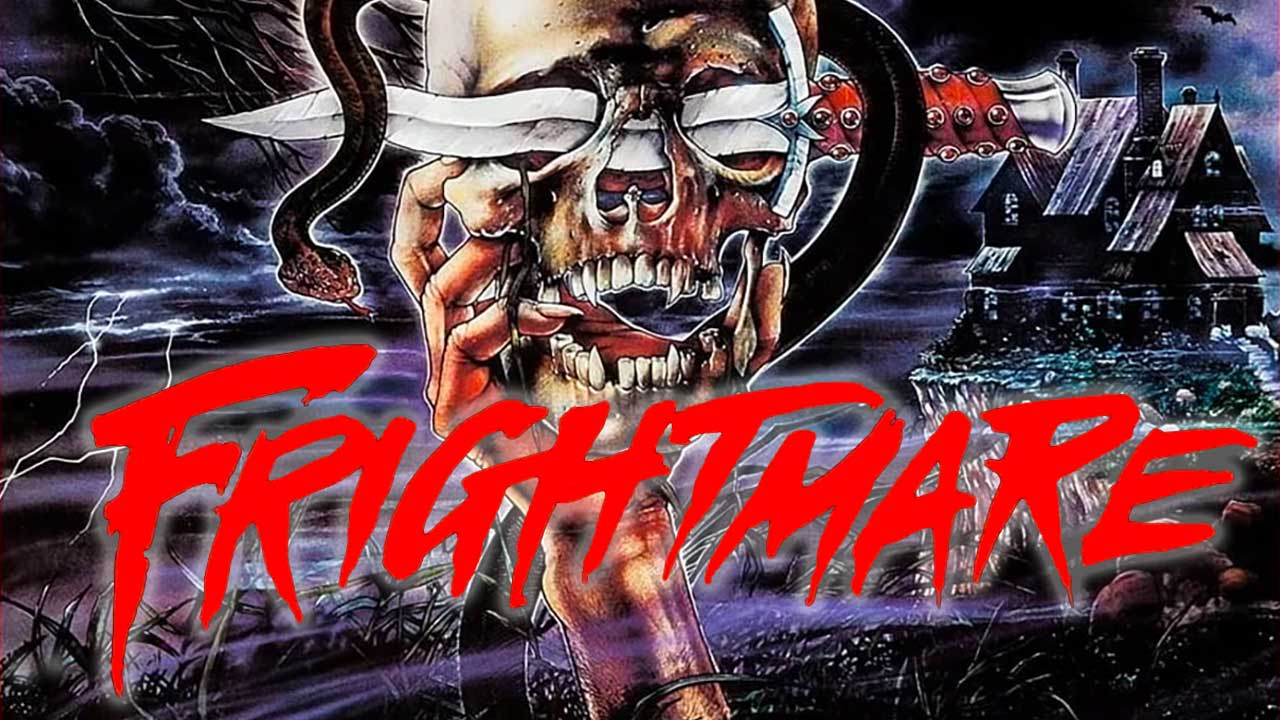
    Born in 1928, Norman Thaddeus Vane was a successful playwright turned screenwriter turned filmmaker whose career spanned several decades. His first play, “The Penguin,” featured a then-unknown Martin Landau and opened Off-Broadway in 1952 to stellar reviews. In 1960, he transitioned from playwriting to filmmaking by directing Conscience Bay, then writing The Fledglings in 1964. Vane mostly stuck to screenwriting throughout the late 1960s into the 1970s before returning to director in the early 1980s. In 1982, his second feature, The Black Room, featuring then-unknowns Linnea Quigley and Christopher McDonald, saw a West German release. Around the same time, he shot a film that combined tropes from horror films old and new. The movie initially saw a 1981 release as The Horror Star, but Troma picked up the distribution rights years later. Subsequently, Troma later released the film under the title Frightmare.

    [/et_pb_text][/et_pb_column][et_pb_column type=”1_3″ _builder_version=”4.14.6″ _module_preset=”default” global_colors_info=”{}”][et_pb_circle_counter title=”Rating” number=”70″ bar_bg_color=”#EDF000″ _builder_version=”4.14.7″ _module_preset=”default” hover_enabled=”0″ global_colors_info=”{}” sticky_enabled=”0″][/et_pb_circle_counter][/et_pb_column][/et_pb_row][et_pb_row _builder_version=”4.14.6″ _module_preset=”default” global_colors_info=”{}”][et_pb_column type=”4_4″ _builder_version=”4.14.6″ _module_preset=”default” global_colors_info=”{}”][et_pb_text _builder_version=”4.14.7″ _module_preset=”default” hover_enabled=”0″ global_colors_info=”{}” sticky_enabled=”0″]

    Synopsis

    Conrad Razkoff (Ferdy Mayne) is a once-respected horror star who now has to do commercials to make ends meet. A local film society invites him to their school, but unfortunately, he suffers a heart attack while on stage. Thankfully, he recovers, though knowing that death will be coming soon, he starts preparing his funeral. Following his death, the film students get drunk and decide to exhume his body despite objections from Meg (Jennifer Starrett). Conrad’s wife, Etta (Barbara Pilavin), learns that the body is gone, so she meets the psychic, Mrs. Rohmer (Nita Talbot). Rohmer discovers where the body is, and, through Etta’s chanting, Conrad rises from the dead to exact his revenge. One by one, each of the film students gets picked off in a sadistic fashion, more graphic than the last. Having risen from the grave, Conrad Razkoff has gone from playing a monster to being a monster.


    Review

    Frightmare is an oddity, bridging the gap between the atmospheric horror of the past and the rising slasher boom. It has the mood of an old black-and-white chiller and the gore and nudity of an early 80s hack-and-slash movie. It also shows how a once-prominent celebrity can lose relevancy over time and try to reclaim their lost status. As Conrad Radzoff, Ferdy Mayne revels in playing such a larger-than-life character, chewing as much scenery as possible. He’s easily the highlight of the cast as, unfortunately, the rest of the actors don’t particularly stand out. Luca Bercovici from Parasite 3D and Jeffrey Combs, famous for Re-Animator and From Beyond, make early appearances here. Also in the cast are Scott Thomson, who later appeared in Ghoulies, and famous character actress Nita Talbot. It’s odd how a Troma movie would have so many connections with Charles Band’s Empire Pictures and Full Moon Features.

    The cinematographer was Joel King, whose previous credits include being a camera operator for Carrie and The Beastmaster, which shows. He gives the film a surreal, dream-like quality that makes it feel otherworldly, like something out of a nightmare. For a low-budget production, the gore effects are surprisingly well done, the highlight being a decapitation done in slow-motion. Admittedly, the film’s most unique aspect is what somewhat hurts it, which causes an identity crisis. While the old-school atmospheric elements work, the slasher portions feel almost tacked on, likely to appeal to that crowd. Plus, there are hints of Conrad either screwing people over or people using him, but that’s never fully explored. While I wouldn’t go so far as to call this a forgotten masterpiece, it’s still a lesser-known gem worth watching. Overall, Frightmare isn’t perfect, but it has enough going to give it a mild recommendation.


    Buy Frightmare on Amazon: https://amzn.to/3ruol4R.

    Disclosure: The above link is an affiliate link, which means that, at zero cost to you, I will earn a commission if you click through the link and finalize a purchase.

    [/et_pb_text][/et_pb_column][/et_pb_row][/et_pb_section]
  • The Dungeonmaster (1984)

    The Dungeonmaster (1984)

    [et_pb_section fb_built=”1″ _builder_version=”4.14.6″ _module_preset=”default” global_colors_info=”{}”][et_pb_row column_structure=”2_3,1_3″ _builder_version=”4.14.6″ _module_preset=”default” global_colors_info=”{}”][et_pb_column type=”2_3″ _builder_version=”4.14.6″ _module_preset=”default” global_colors_info=”{}”][et_pb_text _builder_version=”4.14.7″ _module_preset=”default” global_colors_info=”{}”]

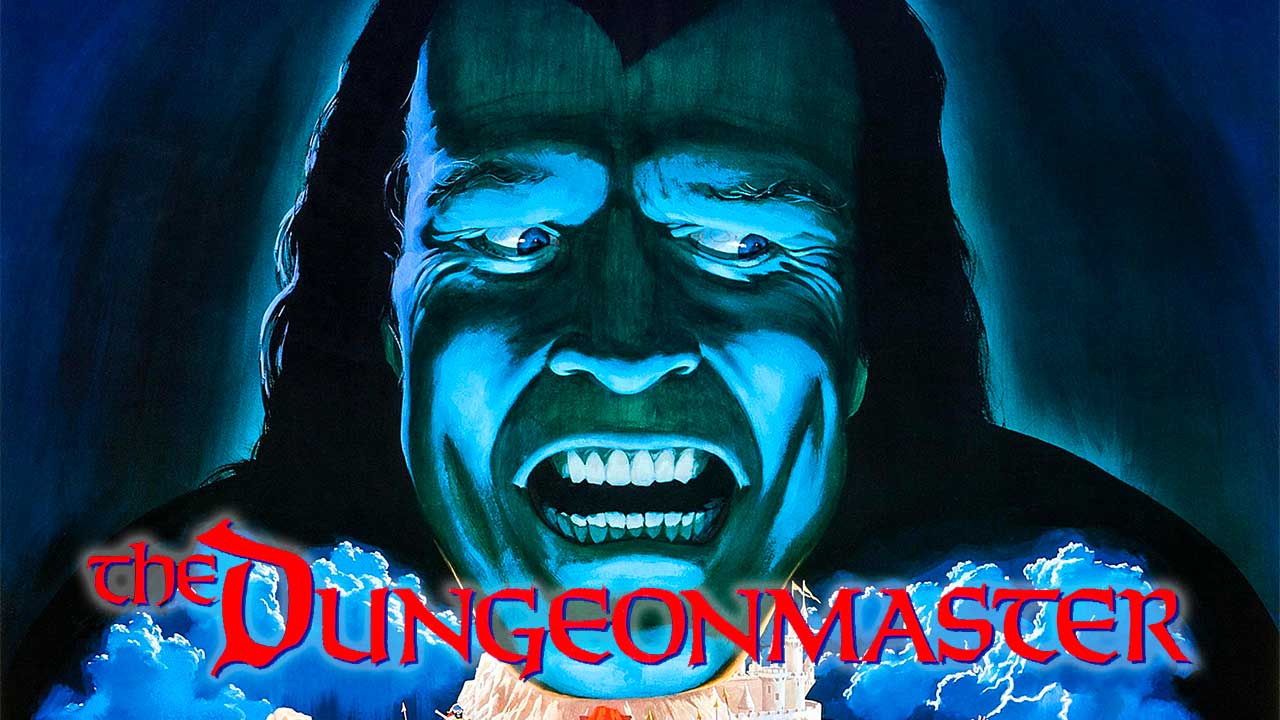
    Charles Band was known for promising directing jobs to people he worked with during the past. Some of the people he offered jobs to included John Carl Buechler, David Allen, Peter Manoogian, and Ted Nicolaou. They worked with Band as editors, make-up effects artists, stop-motion animators, and production managers, but they all wanted to direct. In 1983, Band finally gave them a chance to produce segments of an anthology film called Ragewar. Some of the cast and crew from Metalstorm: The Destruction of Jared-Syn, including Jeffrey Byron and Richard Moll, returned here. The film was initially released as Ragewar but didn’t gain much traction, not even when the studio retitled it Digital Knights. Around this time, the game Dungeons & Dragons exploded in popularity, so Charles Band decided to capitalize on this. The movie finally hit theaters as The Dungeonmaster in the UK in 1984 and the US in 1985.

    [/et_pb_text][/et_pb_column][et_pb_column type=”1_3″ _builder_version=”4.14.6″ _module_preset=”default” global_colors_info=”{}”][et_pb_circle_counter title=”Rating” number=”50″ bar_bg_color=”#E09900″ _builder_version=”4.14.7″ _module_preset=”default” global_colors_info=”{}”][/et_pb_circle_counter][/et_pb_column][/et_pb_row][et_pb_row _builder_version=”4.14.6″ _module_preset=”default” global_colors_info=”{}”][et_pb_column type=”4_4″ _builder_version=”4.14.6″ _module_preset=”default” global_colors_info=”{}”][et_pb_text _builder_version=”4.14.7″ _module_preset=”default” hover_enabled=”0″ global_colors_info=”{}” sticky_enabled=”0″]

    Synopsis

    Paul Bradford (Jeffrey Byron) is a technical wiz who’s developed a super-smart computer called “X-CALBR8”, aka ‘Cal.’ His girlfriend Gwen (Leslie Wing) isn’t too fond of ‘Cal’ as she thinks Paul cares more for it than her. One night, Gwen mysteriously disappears, and Paul finds himself in another dimension, where he sees Gwen chained to a boulder. Their captor is Mestema (Richard Moll), a powerful sorcerer who wants to battle Paul and his supercomputer. Mestema has Paul compete in a series of challenges to see if he can use his technology to overcome them. These challenges involve frozen terrors, zombified warriors, a giant stone golem, a heavy metal band, desert raiders, and a slasher. In between each challenge, Mestema keeps taunting Paul and telling him how he’ll fail and Gwen will be his. Will Paul succeed, or will Gwen fall prey to The Dungeonmaster?


    Review

    In some ways, The Dungeonmaster is a perfect encapsulation of what made Empire Pictures what it was. You’ve got action scenes, hideous monsters, stop-motion creations, occasional nudity, gratuitous use of heavy metal, and nonsensical stories. For an anthology film, the segments don’t flow together cohesively and just hop from one to another. It doesn’t help that each segment lasts roughly five to ten minutes without any development or setup. Each sequence does show off that particular director’s style, such as David Allen’s stop-motion and John Carl Buechler’s practical effects. Charles Band’s segment is probably the film’s highlight, even if it’s essentially a music video for WASP. Interestingly, parts of the WASP segment were incorporated into TerrorVision, made by one of The Dungeonmaster‘s directors, Ted Nicolaou. Unfortunately, this movie isn’t nearly as fun or as gooey as that one was.

    The score by regular Empire/Full Moon composter Richard Band is decent, and it adapts to each segment. Like in Metalstorm, Jeffrey Byron is charismatic and likable, even if it’s hard to buy him as a tech wiz. Leslie Wing is ok as his girlfriend Gwen, though most of her screen time is yelling for Paul. Richard Moll is entertaining as the villainous Mestema, as he’s having fun playing such a larger-than-life villain. There are also some appearances from other Empire/Full Moon alumni, including Gina Calabrese (Vicious Lips) and Phil Fondacaro (Troll). Despite the film having seven total segments, it only clocks in at slightly over 70 minutes in length. Even though it’s a bit of a mess, at least it gets in and out relatively quickly. Overall, The Dungeonmaster doesn’t entirely work, but it has some cheesy fun to entertain genre fans and curious onlookers.


    Buy The Dungeonmaster on Amazon: https://amzn.to/3Hr3l4x.

    Disclosure: The above link is an affiliate link, which means that, at zero cost to you, I will earn a commission if you click through the link and finalize a purchase.

    [/et_pb_text][/et_pb_column][/et_pb_row][/et_pb_section]

  • Full Metal Jacket (1987)

    Full Metal Jacket (1987)

    [et_pb_section fb_built=”1″ fullwidth=”on” _builder_version=”4.9.2″ _module_preset=”default” custom_margin=”||||false|false” global_colors_info=”{}”][et_pb_fullwidth_header title=”Special Review” subhead=”This review is a special request from Patreon supporter BodaciousCNO. If you’d like to support me on Patreon, click the button below.” text_orientation=”center” button_one_text=”Visit Patreon” button_one_url=”https://www.patreon.com/filmnerd” background_overlay_color=”#f96854″ _builder_version=”4.14.7″ _module_preset=”default” title_level=”h2″ background_color=”#f96854″ custom_button_one=”on” button_one_bg_color=”#052d49″ custom_margin=”||||false|false” custom_padding=”25px||25px||false|false” global_colors_info=”{}”][/et_pb_fullwidth_header][/et_pb_section][et_pb_section fb_built=”1″ _builder_version=”4.6.5″ _module_preset=”default” global_colors_info=”{}”][et_pb_row column_structure=”2_3,1_3″ _builder_version=”4.6.5″ _module_preset=”default” global_colors_info=”{}”][et_pb_column type=”2_3″ _builder_version=”4.6.5″ _module_preset=”default” global_colors_info=”{}”][et_pb_text _builder_version=”4.14.7″ _module_preset=”default” global_colors_info=”{}”]

    In the early 1980s, Stanley Kubrick expressed interest in doing a film about the horrors of the Vietnam War. After discovering the 1979 novel The Short-Timers, Kubrick referred to Gustav Hasford, the original author, to adapt the book. Kubrick had also been working with novelist Michael Herr, who previously wrote the Vietnam memoir Dispatches, on the screenplay. Initially, they brought on former Marine R. Lee Ermey as a technical advisor, but he convinced Kubrick to cast him. The rest of the cast consisted of relative unknowns like Matthew Modine, Vincent D’Onofrio, Adam Baldwin, and Arliss Howard. Filming occurred between 1985 and 1986, primarily in England, though it was difficult for many cast and crew members. After a rough shooting, the film premiered in the US in June 1987 and the UK in September. Concerned that audiences would misunderstand the title, Kubrick chose to call the movie Full Metal Jacket.

    [/et_pb_text][/et_pb_column][et_pb_column type=”1_3″ _builder_version=”4.6.5″ _module_preset=”default” global_colors_info=”{}”][et_pb_circle_counter title=”Rating” number=”90″ bar_bg_color=”#7CDA24″ _builder_version=”4.14.7″ _module_preset=”default” global_colors_info=”{}”][/et_pb_circle_counter][/et_pb_column][/et_pb_row][et_pb_row _builder_version=”4.6.5″ _module_preset=”default” global_colors_info=”{}”][et_pb_column type=”4_4″ _builder_version=”4.6.5″ _module_preset=”default” global_colors_info=”{}”][et_pb_text _builder_version=”4.14.7″ _module_preset=”default” hover_enabled=”0″ global_colors_info=”{}” sticky_enabled=”0″]

    Synopsis

    At Parris Island, Drill Instructor Gunnery Sergeant Hartman (R. Lee Ermey) trains recruits to become Marines. While he’s tough but fair to most of them, he’s particularly annoyed with Private Leonard “Gomer Pyle” Lawrence (Vincent D’Onofrio). Throughout the training, Lawrence is mocked and ridiculed by both Hartman and his fellow recruits for being overweight and incompetent. The only one who shows some compassion is J. T. “Joker” Davis (Matthew Modine), but even he can’t help him. After training, J. T. is made a sergeant and sent off to Vietnam as a reporter for Stars and Stripes. Paired with combat photographer Private First Class Rafterman (Kevyn Major Howard), J. T. witnesses first-hand the horrors of war. He sees fellow soldiers getting blown up, shot by snipers, and losing their humanity as the conflict continues. In his own words, J. T. sees what he calls “the duality of man” at play.


    Review

    Of the many Vietnam war movies released around this time, Full Metal Jacket is undoubtedly one of the most well-made. There are tons of long takes, tracking shots, and harsh lighting to accentuate the mood in typical Kubrick fashion. Admittedly, the movie’s best parts are the scenes at boot camp, mainly because of the performances. R. Lee Ermey steals the show as the hard-as-nails drill sergeant spouting some of the most profane dialogue imaginable. Also, Vincent D’Onofrio is another stand-out as the sympathetic yet insane Private Pyle with some memorable lines of his own. Matthew Modine makes for a good center as he deals with the unhinged insanity of Ermey and D’Onofrio. Unfortunately, the boot camp sequences end roughly 45 minutes in, and the rest of the movie slows down dramatically. Still, the scenes in Vietnam have their merits, even if they’re not as memorable.

    As mentioned earlier, the film is incredibly well-made, and it shows during the Vietnam scenes. You get a sense of how ravaged these cities have become by the war with all the blown-up buildings. It’s crazy to think the film was shot in England, considering how well they could recreate a bombed-out Vietnam. The film tackles many themes, such as the duality of man and how war can make people into killing machines. Sadly, the sequences in Vietnam feel somewhat scattered and more like a series of events that just happen. It doesn’t quite have the emotional impact of similar Vietnam war movies like Platoon or Apocalypse Now. Despite its flaws, this is still an incredible well-made war film with great performances that explores humanity as a whole. Overall, Full Metal Jacket isn’t perfect, but it still earns its place as a cinematic classic.


    Buy Full Metal Jacket from Amazon: https://amzn.to/34cknVR.

    Disclosure: The above link is an affiliate link, which means that, at zero cost to you, I will earn a commission if you click through the link and finalize a purchase.

    [/et_pb_text][/et_pb_column][/et_pb_row][/et_pb_section]
  • Godzilla vs. Hedorah (1971)

    Godzilla vs. Hedorah (1971)

    [et_pb_section fb_built=”1″ _builder_version=”4.14.6″ _module_preset=”default” global_colors_info=”{}”][et_pb_row column_structure=”2_3,1_3″ _builder_version=”4.14.6″ _module_preset=”default” global_colors_info=”{}”][et_pb_column type=”2_3″ _builder_version=”4.14.6″ _module_preset=”default” global_colors_info=”{}”][et_pb_text _builder_version=”4.14.7″ _module_preset=”default” hover_enabled=”0″ global_colors_info=”{}” sticky_enabled=”0″]

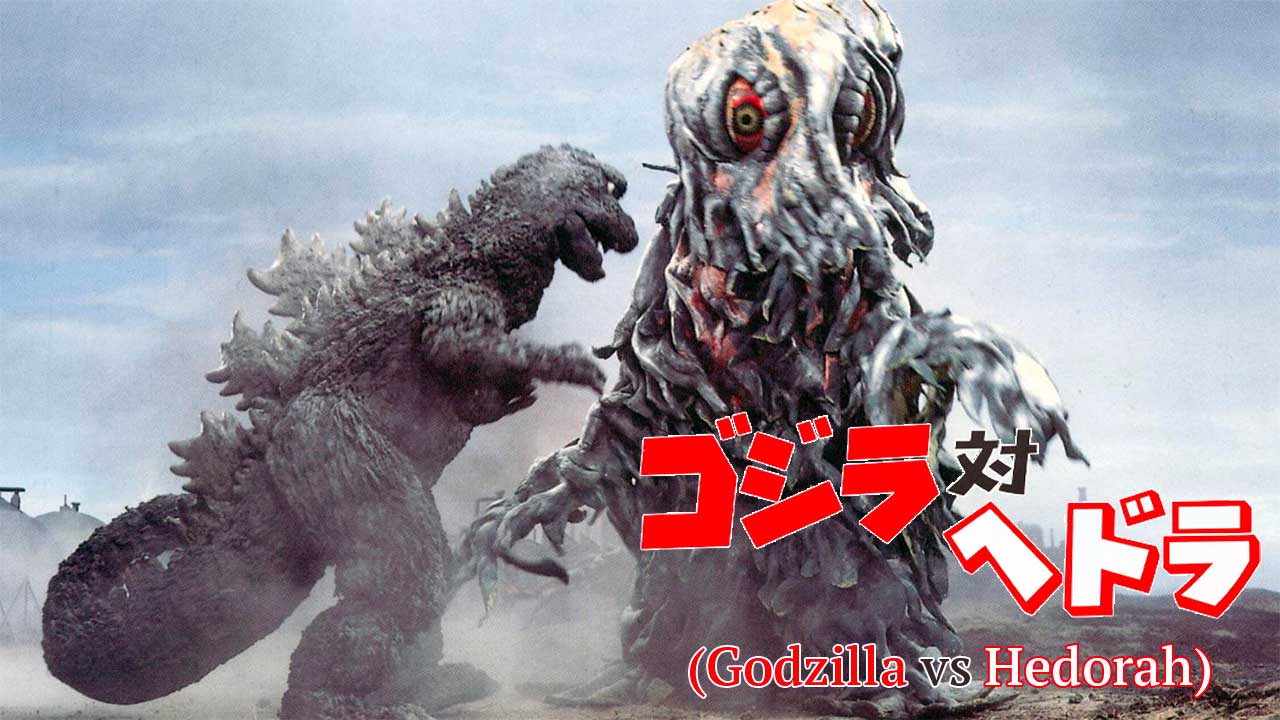
    Following the release of All Monsters Attack, director Ishiro Honda left Toho, and special effects creator Eiji Tsuburaya passed away. With nowhere left to go with the series, Toho decided to hire newcomer Yoshimitsu Banno to helm the next installment. After driving through cities like Yokkaichi and seeing all the pollution, Banno chose to add an environmental message. He previously worked with filmmaker Akira Kurosawa as an assistant director on Throne of Blood and The Hidden Fortress. Unfortunately, the studio gave Banno a meager budget to work with due to how the previous films performed financially. In addition, the film ran into some production problems, most notably one of the suit actors contracting appendicitis. Sadly, this would be the only Godzilla film Banno would helm since producer Tomoyuki Tanaka hated the finished product. In 1971, Godzilla vs. Hedorah, aka Godzilla vs. The Smog Monster, landed in Japanese theaters.

    [/et_pb_text][/et_pb_column][et_pb_column type=”1_3″ _builder_version=”4.14.6″ _module_preset=”default” global_colors_info=”{}”][et_pb_circle_counter title=”Rating” number=”50″ bar_bg_color=”#E09900″ _builder_version=”4.14.7″ _module_preset=”default” hover_enabled=”0″ global_colors_info=”{}” sticky_enabled=”0″][/et_pb_circle_counter][/et_pb_column][/et_pb_row][et_pb_row _builder_version=”4.14.6″ _module_preset=”default” global_colors_info=”{}”][et_pb_column type=”4_4″ _builder_version=”4.14.6″ _module_preset=”default” global_colors_info=”{}”][et_pb_text _builder_version=”4.14.7″ _module_preset=”default” hover_enabled=”0″ global_colors_info=”{}” sticky_enabled=”0″]

    Synopsis

    A small tadpole-like creature has been cited feeding off Japan’s pollution and growing into an enormous sea monster. Dr. Toru Yano (Akira Yamauchi) and his young son Ken Yano (Hiroyuki Kawase) narrowly survive an attack from the creature. Ken insists that Godzilla will save them from the pollution-spewing horror, which the public dubs “Hedorah” after its reveal. Soon enough, Godzilla arrives to do battle with Hedorah, quickly taking down the sludge creature and forcing it to retreat. Unfortunately, Hedorah soon grows to an even larger size and causes several people to die from its poisonous fumes. A group decides to throw a party on Mt. Fuji, thinking the world’s ending, though Godzilla and Hedorah soon arrive. While Godzilla puts up a good fight, Hedorah soon overpowers him and tries drowning him in toxic sludge. Will Godzilla stop this gross horror, or will Hedorah consume the earth in its poisonous gases?


    Review

    Even by Showa era standards, Godzilla vs. Hedorah is one of the strangest entries to date, and that’s saying something. Considering that Banno wanted to showcase the horrors of pollution, he certainly succeeded at showing how gross it is. Hedorah is undoubtedly one of the more unique monsters Godzilla’s ever faced, taking multiple forms that get stronger over time. The movie also includes one of the more infamous moments of the series: Godzilla using his atomic breath to fly. This leads to one of the film’s biggest problems: it doesn’t seem to know who its audience is. There are plenty of goofy moments more in line with this era of films appealing to kids. However, there are also tons of nightmarish and trippy imagery that seem more suited for adults. It’s like the film can’t decide if it wants to promote an anti-pollution message or be a 1970’s anti-drug PSA.

    Even Godzilla’s entrance is accompanied by music that sounds like what you’d hear when a cartoon character is drunk. There are also these weird animated segments sprinkled throughout the film that add to the tonal dissonance. Speaking of Godzilla, the suit works well for what’s required, and the Hedorah suit is also well-made. Unlike the last film, this one has plenty of monster fights that are easily the highlights, though they end quickly. Like other kaiju films from the time, the lead is a kid who seems to know more than he should. Thankfully, the kid is nowhere near as annoying as the child lead from the previous installment. If nothing else, this entry is worth a watch for just how downright weird it is. Overall, Godzilla vs. Hedorah is a mid-tier installment that’s most noteworthy for how bizarre everything is.


    Buy Godzilla vs. Hedorah on Amazon: https://amzn.to/32HTKr0.

    Disclosure: The above link is an affiliate link, which means that, at zero cost to you, I will earn a commission if you click through the link and finalize a purchase.

    [/et_pb_text][/et_pb_column][/et_pb_row][/et_pb_section]