Facebook

FilmNerd

Category: Classics

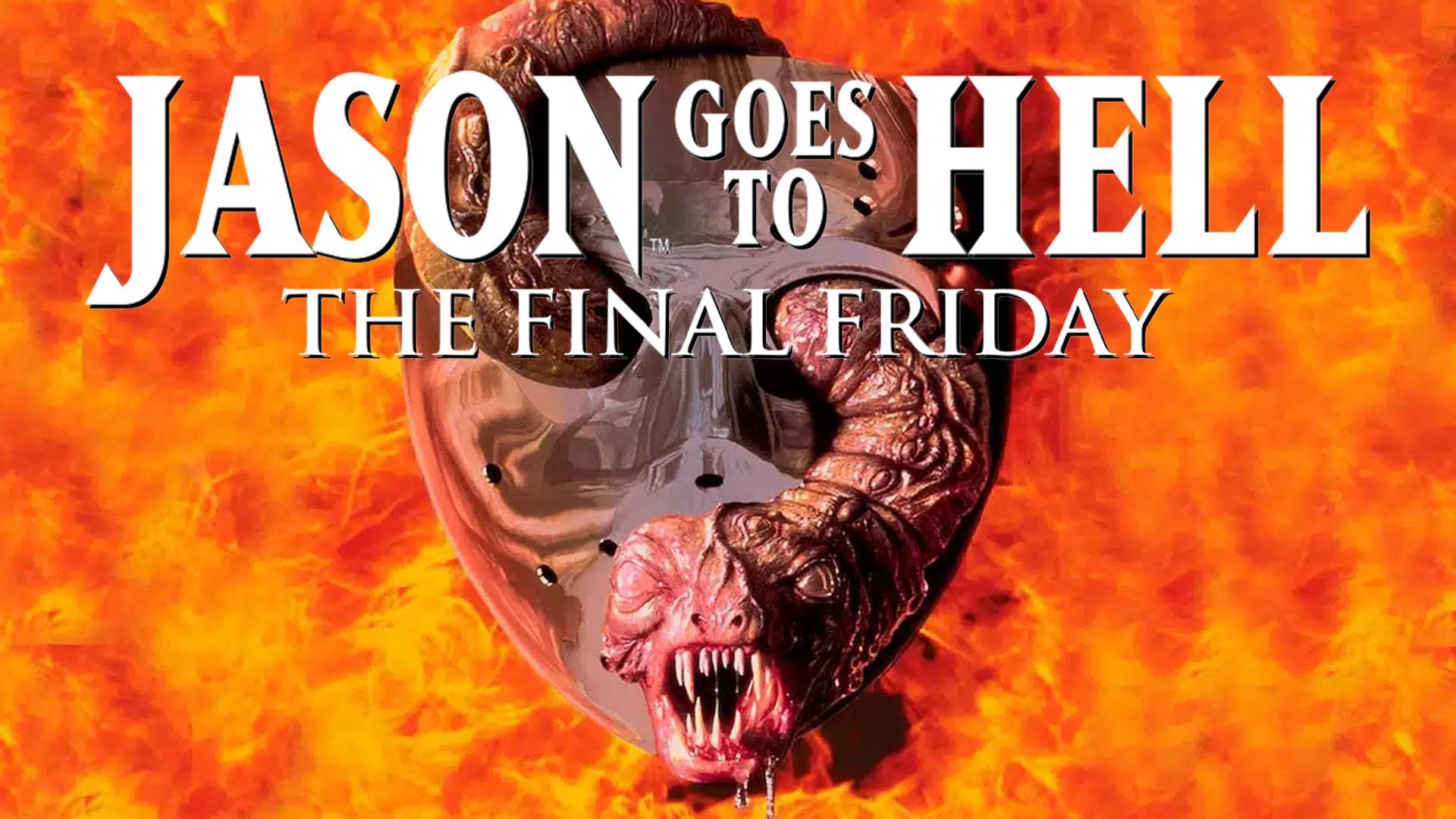
  • Jason Goes to Hell: The Final Friday (1993)

    Jason Goes to Hell: The Final Friday (1993)

    [et_pb_section fb_built=”1″ _builder_version=”4.16″ _module_preset=”default” global_colors_info=”{}”][et_pb_row column_structure=”2_3,1_3″ _builder_version=”4.16″ _module_preset=”default” global_colors_info=”{}”][et_pb_column type=”2_3″ _builder_version=”4.16″ _module_preset=”default” global_colors_info=”{}”][et_pb_text _builder_version=”4.27.5″ _module_preset=”default” global_colors_info=”{}”]

    On a $5 million budget, Friday the 13th Part VIII: Jason Takes Manhattan grossed $14 million, making it a disappointment. Due to declining box office numbers, Paramount decided to sell the franchise rights to New Line Cinema. Sean Cunningham, who left the series after directing the original, came back to produce the first installment under New Line. Cunningham hired first-time filmmaker Adam Marcus to helm the project due to his love of the franchise. Marcus hired Jay Huguely to write the screenplay, but Cunningham, who was dissatisfied, brought in Dean Lorey to rewrite it. Despite giving the greenlight, New Line executive Michael De Luca hired Leslie Boam for further rewrites. Filming started in July 1992, though Cunningham reshot half the film after disagreeing with Marcus’ vision. After numerous reshoots and reedits, Jason Goes to Hell: The Final Friday hit theaters in August 1993.

    [/et_pb_text][/et_pb_column][et_pb_column type=”1_3″ _builder_version=”4.16″ _module_preset=”default” global_colors_info=”{}”][et_pb_circle_counter title=”Rating” number=”60″ bar_bg_color=”#EDF000″ _builder_version=”4.27.5″ _module_preset=”default” hover_enabled=”0″ global_colors_info=”{}” sticky_enabled=”0″][/et_pb_circle_counter][/et_pb_column][/et_pb_row][et_pb_row _builder_version=”4.16″ _module_preset=”default” global_colors_info=”{}”][et_pb_column type=”4_4″ _builder_version=”4.16″ _module_preset=”default” global_colors_info=”{}”][et_pb_text _builder_version=”4.27.5″ _module_preset=”default” global_colors_info=”{}”]

    Synopsis

    Jason Voorhees (Kane Hodder) chases a woman through the woods, only to be led into a trap. FBI SWAT members destroy Jason, and his remains are taken to the morgue, seemingly ending his reign of terror. However, demonic voices persuade the coroner (Richard Gant) to eat Jason’s heart, allowing his soul to possess him. As Jason continues his bloody rampage, local bounty hunter Creighton Duke (Steven Williams) is tracking him down. He tries recruiting a waitress named Diana Kimble (Erin Gray), claiming she’s the only one who can stop Jason. Unfortunately, Jason kills her, and her murder is pinned on her daughter’s ex, Steven Freeman (John D. LeMay). In prison, Duke tells Steven that Diana was Jason’s half-sister, and only her daughter, Jessica (Kari Keegan), can defeat him. Will Jason’s reign of terror continue anew, or will this be where Jason Goes to Hell?


    Review

    Perhaps more than any other film in the franchise, Jason Goes to Hell: The Final Friday divided the fanbase. People either love this movie and consider it among the best, or they wish death on Adam Marcus. I’m in the middle; for me, it doesn’t top The Final Chapter or Jason Lives, but it has its moments. Before I get into my issues with the film, I want to highlight what worked for me. For starters, the opening sequence is a fun spoof of the series tropes, and seeing Jason get decimated is entertaining. Steven Williams steals the show as badass bounty hunter Creighton Duke, delivering some great lines with a suave charm. John D. LeMay does a great job as the unlikely hero who rises up to the occasion. Also, this film has some great gore, including wrist snapping, a girl cut in half, and a jaw caved in.

    While I applaud Adam Marcus’s attempts to add mythology to the series, I think it’s largely unnecessary. Does Jason being a deadite from The Evil Dead really add anything new that makes him scarier? Why does a relative of Jason’s have to be the one to bring him down finally? Also, having Jason’s essence be manifested as a parasite that infects people makes no sense. It feels like Adam Marcus tried to apply logic to the series to appease fans who were obsessed with continuity. The franchise never had the most consistent continuity, but these weren’t meant to be anything more than just fun slashers. Plus, the “Goes to Hell” monikor is only partially true since Jason goes to hell, but not until the end. Granted, this movie was only supposed to set up Freddy vs. Jason, but that wouldn’t happen for another 10 years.

    However, as much as I complain about the nonsensical plot, it’s so bonkers that I enjoy it. So much new stuff is needlessly added in that it becomes more hilarious than infuriating after a while. Also, it’s a shame that Jason appears so little here because his look in this movie is among his best. Another positive I can give this movie is that the humor is, for the most part, on point. From the tabloid news station to the diner taking advantage of Jason’s demise, it’s entertainingly dark humor. At only slightly under 90 minutes, the movie moves at a decent pace, so it never feels like it’s dragging. While I don’t think Adam Marcus deserves all the hate he’s received, he may have tried too hard here. Overall, Jason Goes to Hell: The Final Friday certainly tries, but it doesn’t quite stick the landing.


    Buy Jason Goes to Hell: The Final Friday from Amazon: https://amzn.to/46ztNYj.

    Disclosure: The above link is an affiliate link, which means that, at no additional cost, I will earn a commission if you click through the link and make a purchase.

    [/et_pb_text][et_pb_code _builder_version=”4.27.5″ _module_preset=”default” global_colors_info=”{}”]

    Where to watch Jason Goes to Hell: The Final Friday (1993)

    data-api-key=”LMVDLdLSH5ZJnQ4FMGMgyJCB8cmGbfCV” data-object-type=”Movie” data-title=”Jason Goes to Hell: The Final Friday” data-year=”1993″ data-theme=”light”>

    [/et_pb_code][/et_pb_column][/et_pb_row][/et_pb_section]
  • What Ever Happened to Baby Jane? (1962)

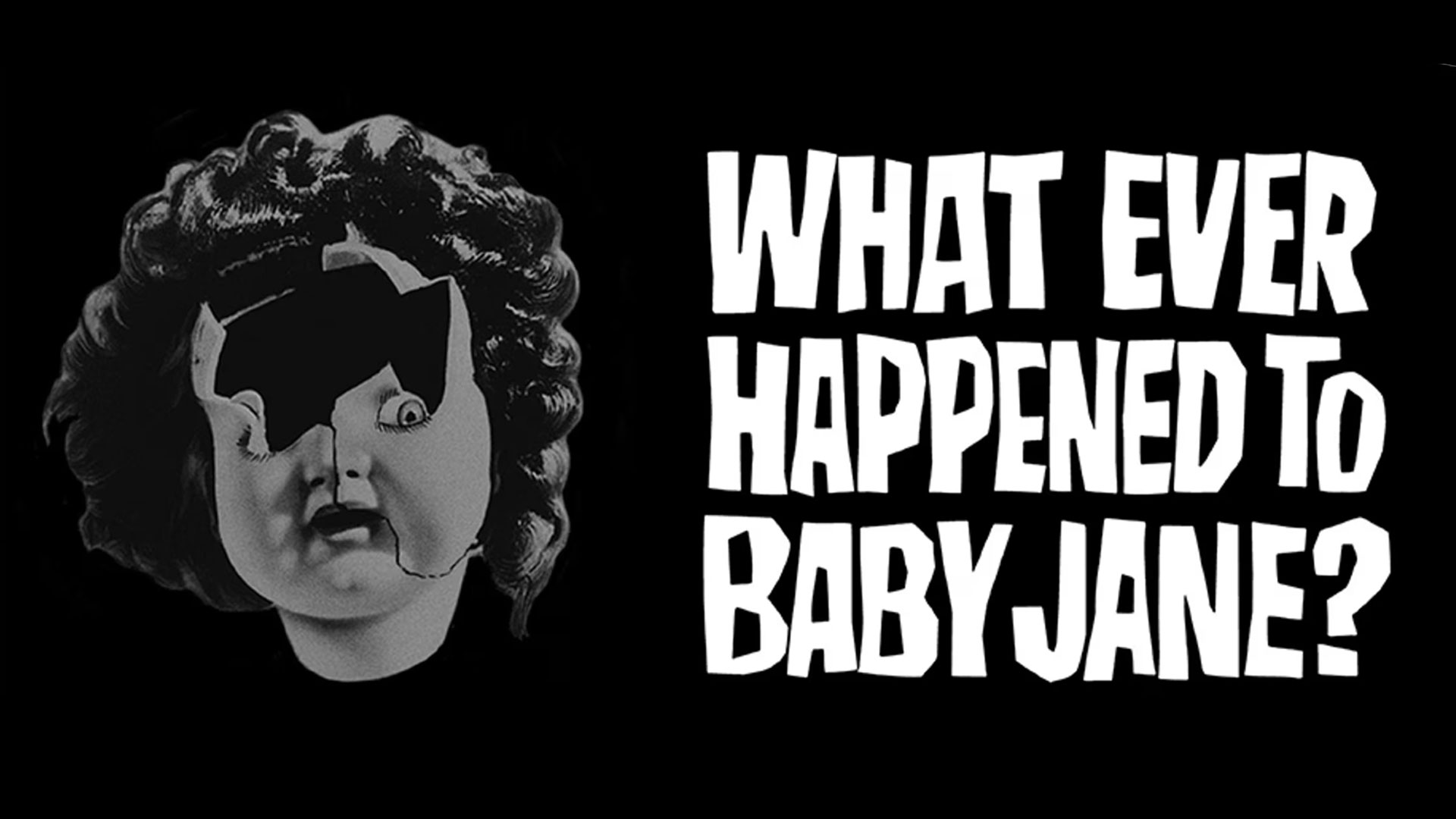
    What Ever Happened to Baby Jane? (1962)

    [et_pb_section fb_built=”1″ _builder_version=”4.16″ _module_preset=”default” global_colors_info=”{}”][et_pb_row column_structure=”2_3,1_3″ _builder_version=”4.16″ _module_preset=”default” global_colors_info=”{}”][et_pb_column type=”2_3″ _builder_version=”4.16″ _module_preset=”default” global_colors_info=”{}”][et_pb_text _builder_version=”4.27.5″ _module_preset=”default” global_colors_info=”{}”]

    In 1960, Henry Farrell’s novel, What Ever Happened to Baby Jane?, was published by Rinehart & Company. Just a few weeks later, producer Richard Rush tried to acquire the film rights, but without success. Instead, the rights went to producer/director Robert Aldrich, who secured financing through Seven Arts Productions and Warner Bros. For the leads, the studio hired veteran actresses Bette Davis and Joan Crawford, both of whom wanted to work together. Filming began in July 1962 on an initial budget of $600,000, which quickly rose to slightly over $1 million. Rumors began circulating of an intense feud between Davis and Crawford, despite their denials of one in interviews. Still, the general public knew of their mutual hatred, which the studio played up for marketing purposes. Despite these issues, What Ever Happened to Baby Jane? premiered in Cincinnati in October 1962 before moving across the country.

    [/et_pb_text][/et_pb_column][et_pb_column type=”1_3″ _builder_version=”4.16″ _module_preset=”default” global_colors_info=”{}”][et_pb_circle_counter title=”Rating” number=”95″ bar_bg_color=”#7CDA24″ _builder_version=”4.27.5″ _module_preset=”default” global_colors_info=”{}”][/et_pb_circle_counter][/et_pb_column][/et_pb_row][et_pb_row _builder_version=”4.16″ _module_preset=”default” global_colors_info=”{}”][et_pb_column type=”4_4″ _builder_version=”4.16″ _module_preset=”default” global_colors_info=”{}”][et_pb_text _builder_version=”4.27.5″ _module_preset=”default” hover_enabled=”0″ global_colors_info=”{}” sticky_enabled=”0″]

    Synopsis

    As children, “Baby Jane” Hudson (Julie Allred) was a big star, while her sister, Blanche (Gina Gillespie), was sidelined. However, as they get older, Jane begins to lose relevance and succumbs to alcoholism, while Blanche rises to stardom. Unfortunately, things come crumbling down when Blanche gets into a car accident that leaves her paralyzed. Years later, Blanche (Joan Crawford), now in a wheelchair, lives in a mansion with Jane (Bette Davis) tending to her. Now that they’ve reversed roles again, Jane asserts her dominance over Blanche and constantly abuses and gaslights her. Jane tries to reclaim her fame by hiring pianist, Edwin Flagg (Victor Buono), while Blanche desperately cries out for help. After learning that Blanche plans to sell the house, Jane restrains and locks her away while going about her day. Will Jane manage to reclaim her former stardom, or will her innumerable crimes come to a head?


    Review

    Upon its initial release, What Ever Happened to Baby Jane? received mixed reviews from critics. However, over the years, people have recognized that the film is more nuanced and brilliant than was initially thought. The movie explores themes of jealousy, mental illness, rivalry, delusion, and wanting to cling to the past. Sure, nothing presented here is subtle in the slightest, but the lack of subtlety makes the film much more powerful. Given when this movie came out, it was pretty progressive in its portrayal of how Hollywood discards women over time. Especially back then, actresses would lose work because of their age or because people thought they were irrelevant. This film shows what happens when someone who was once famous loses her star power and spirals into depression. Plus, the movie also shows how their decline can affect those close to them, including family and friends.

    It goes without saying that Bette Davis earned her Oscar nomination for her portrayal of “Baby” Jane Hudson. From her exaggerated makeup to the worn-out dresses she wears, she’s trying desperately to cling to her childhood fame. That said, the movie shows that underneath the frilly dresses and cutesy songs, Jane is cruel, mean-spirited, and bellicose. She acts like a spoiled child who never grew up, always needing to get her way despite what others say. By contrast, Joan Crawford gives a quiet, restrained performance as Blanche, a once-famous actress who uses a wheelchair. While Jane lost her stardom due to irrelevance, Blanche had hers taken away, which makes her more sympathetic. Seeing Davis and Crawford together makes the film more thrilling and tense, especially knowing their real-life rivalry. Also, the ending is brilliant in how it makes you question the dynamic between the two sisters.

    Aside from Davis and Crawford, another standout is Victor Buono as the outsider dragged into the madness. He acts as the audience surrogate, witnessing the chaos and reacting as anyone would, but with a sardonic attitude. Robert Aldrich’s direction, though minimal, adds to the feeling of claustrophobia through his use of tight angles and long shots. The black-and-white photography heightens the sense of dread, making even something as pleasant as a beach feel eerie. Granted, many of these creative choices, including a few locations, were limited by budget, yet still work. At just slightly over two hours, a few parts drag, but it’s never dull or feels like padding. While some moments might come off as campy, the film as a whole is both frightening and tragic. Overall, What Ever Happened to Baby Jane? is a classic psychological thriller bolstered by two incredible performances.


    Buy What Ever Happened to Baby Jane? from Amazon: https://amzn.to/4rW69hU.

    Disclosure: The above link is an affiliate link, which means that, at no additional cost, I will earn a commission if you click through the link and make a purchase.

    [/et_pb_text][et_pb_code _builder_version=”4.27.5″ _module_preset=”default” hover_enabled=”0″ global_colors_info=”{}” sticky_enabled=”0″]

    Where to watch What Ever Happened to Baby Jane? (1962)

    data-api-key=”LMVDLdLSH5ZJnQ4FMGMgyJCB8cmGbfCV” data-object-type=”Movie” data-title=”What Ever Happened to Baby Jane?” data-year=”1962″ data-theme=”light”>

    [/et_pb_code][/et_pb_column][/et_pb_row][/et_pb_section]
  • Halloween: The Curse of Michael Myers (1995)

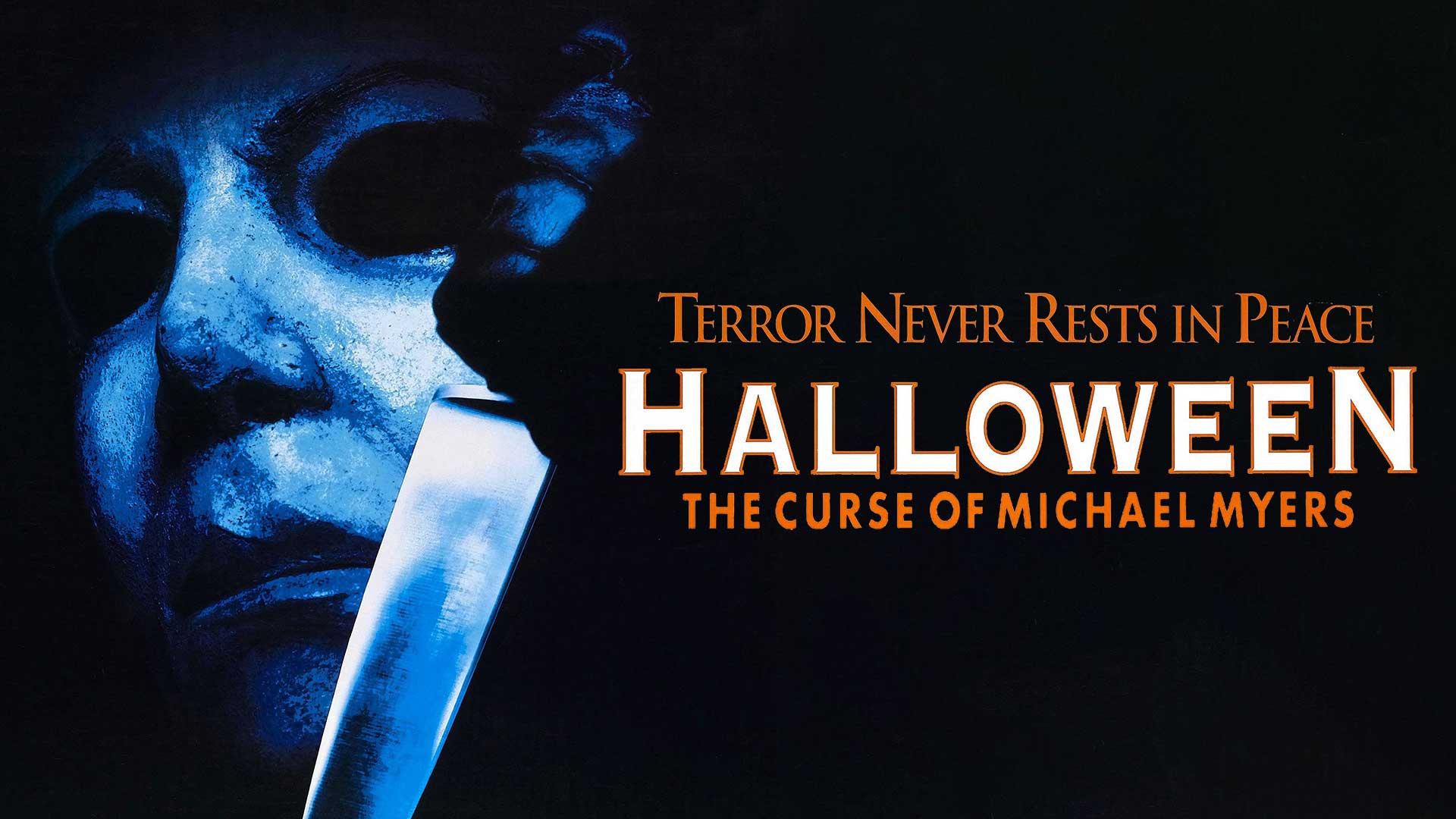
    Halloween: The Curse of Michael Myers (1995)

    [et_pb_section fb_built=”1″ _builder_version=”4.16″ _module_preset=”default” global_colors_info=”{}”][et_pb_row column_structure=”2_3,1_3″ _builder_version=”4.16″ _module_preset=”default” global_colors_info=”{}”][et_pb_column type=”2_3″ _builder_version=”4.16″ _module_preset=”default” global_colors_info=”{}”][et_pb_text _builder_version=”4.27.4″ _module_preset=”default” global_colors_info=”{}”]

    On a $5.5 million budget, Halloween 5: The Revenge of Michael Myers grossed $11.6 million, becoming the lowest-grossing entry. Due to poor commercial and critical performance, producer Moustapha Akkad put the series on hold for a few years. In the early 90s, aspiring writer Daniel Farrands, a self-described fan, submitted a script that the producers really liked. Unfortunately, plans stalled until Miramax acquired the franchise rights, but production further stalled after numerous writers and directors dropped out. Eventually, the studio brought Farrands back to write a final draft and hired Joe Chappelle to direct. Donald Pleasance agreed to come back after being impressed by Farrands’s script, and a then-unknown Paul Rudd made his debut. Filming took place in Salt Lake City in late 1994, but the studio demanded reshoots after poor test screenings. After numerous reshoots and re-edits, Halloween: The Curse of Michael Myers hit theaters in September 1995.

    [/et_pb_text][/et_pb_column][et_pb_column type=”1_3″ _builder_version=”4.16″ _module_preset=”default” global_colors_info=”{}”][et_pb_circle_counter title=”Rating” number=”30″ bar_bg_color=”#E09900″ _builder_version=”4.27.4″ _module_preset=”default” global_colors_info=”{}”][/et_pb_circle_counter][/et_pb_column][/et_pb_row][et_pb_row _builder_version=”4.16″ _module_preset=”default” global_colors_info=”{}”][et_pb_column type=”4_4″ _builder_version=”4.16″ _module_preset=”default” global_colors_info=”{}”][et_pb_text _builder_version=”4.27.4″ _module_preset=”default” hover_enabled=”0″ global_colors_info=”{}” sticky_enabled=”0″]

    Synopsis

    Six years after the last film, Jamie Lloyd (J. C. Brandy) gives birth while being held prisoner by a cult. She manages to escape and hides the baby, but gets killed by Michael Myers (George P. Wilbur). Meanwhile, single mother Kara (Marianne Hagan) and her son Danny (Devin Gardner) live with her parents in the Myers house. Next door, Tommy Doyle (Paul Rudd) has become a recluse obsessed with Michael Myers since the original film. He finds the baby and runs into Dr. Loomis (Donald Pleasence), who tries to warn Kara and her family. Unfortunately, Michael Myers returns home and begins killing Kara’s family to get the baby. Tommy explains that the Thorn cult controls Michael and must kill every member of his family. Will Michael succeed in carrying out the cult’s plans, or will our heroes stop the curse once and for all?


    Review

    Halloween: The Curse of Michael Myers is a complete mess of ideas, not helped by the awful editing. There are so many quick cuts, flashing lights, and overly close-up shots that make for a confusing watch. Even going into this completely blind, you can tell that this film had a very troubled production. From what I understand, the producer’s cut is slightly better, but I’m going strictly by the theatrical cut. If I can give the theatrical cut any credit, there are some fun kills, most prominently a satisfying head explosion. Even still, not only is the editing hard to watch, but there are so many dropped subplots and unsatisfying resolutions. For instance, they bring back Jamie Lloyd only to kill her in the first few minutes. Also, there’s a subplot about the Thorn cult trying to recruit Dr. Loomis that ultimately goes nowhere.

    Speaking of Dr. Loomis, despite literally dying, Donald Pleasence still turns in an excellent performance. Even if his dialogue is stock and generic, he still delivers a level of gravitas you wouldn’t expect here. On the flip side, Paul Rudd falls flat here, but I don’t entirely blame him for his lackluster performance. For one, it was his first film, and second, he was miscast as the weird recluse obsessed with murder. Marianne Hagan, who also made her debut here, gives a genuinely outstanding performance as a struggling single mother. As easy as it is to hate that Danielle Harris didn’t come back, J.C. Brandy did the best she could. Mitch Ryan is fairly creepy as Dr. Wynn, and Bradford English is wonderfully hateable as Kara’s abusive father. Aside from George P. Wilbur making for another good Michael Myers, the rest of the cast is unremarkable.

    Before I mention my feelings about director Joe Chapelle, some of his directing is decent. There are some effectively creepy shots here and there that capture an appropriately haunting feel. Still, you can tell he didn’t care for this project, and he seemed to have contempt for it. For instance, he cut most of Donald Pleasence’s scenes because he found him “too boring,” which is ridiculous. Regardless of his directing style, the movie’s biggest flaw is in trying to overexplain Michael’s motivations. I commend the filmmakers for attempting to commit to what the previous entries established, but it comes off as convoluted. The original film worked because of its simplicity, whereas this and the other sequels tried adding motivation nobody asked for. Overall, Halloween: The Curse of Michael Myers is a far cry from the John Carpenter classic that fails to deliver.


    Buy Halloween: The Curse of Michael Myers from Amazon: https://amzn.to/4nqNLtX.

    Disclosure: The above link is an affiliate link, which means that, at no additional cost, I will earn a commission if you click through the link and make a purchase.

    [/et_pb_text][et_pb_code _builder_version=”4.27.4″ _module_preset=”default” global_colors_info=”{}”]

    Where to watch Halloween: The Curse of Michael Myers (1995)

    data-api-key=”LMVDLdLSH5ZJnQ4FMGMgyJCB8cmGbfCV” data-object-type=”Movie” data-title=”Halloween: The Curse of Michael Myers” data-year=”1995″ data-theme=”light”>

    [/et_pb_code][/et_pb_column][/et_pb_row][/et_pb_section]
  • Friday the 13th Part VIII: Jason Takes Manhattan (1989)

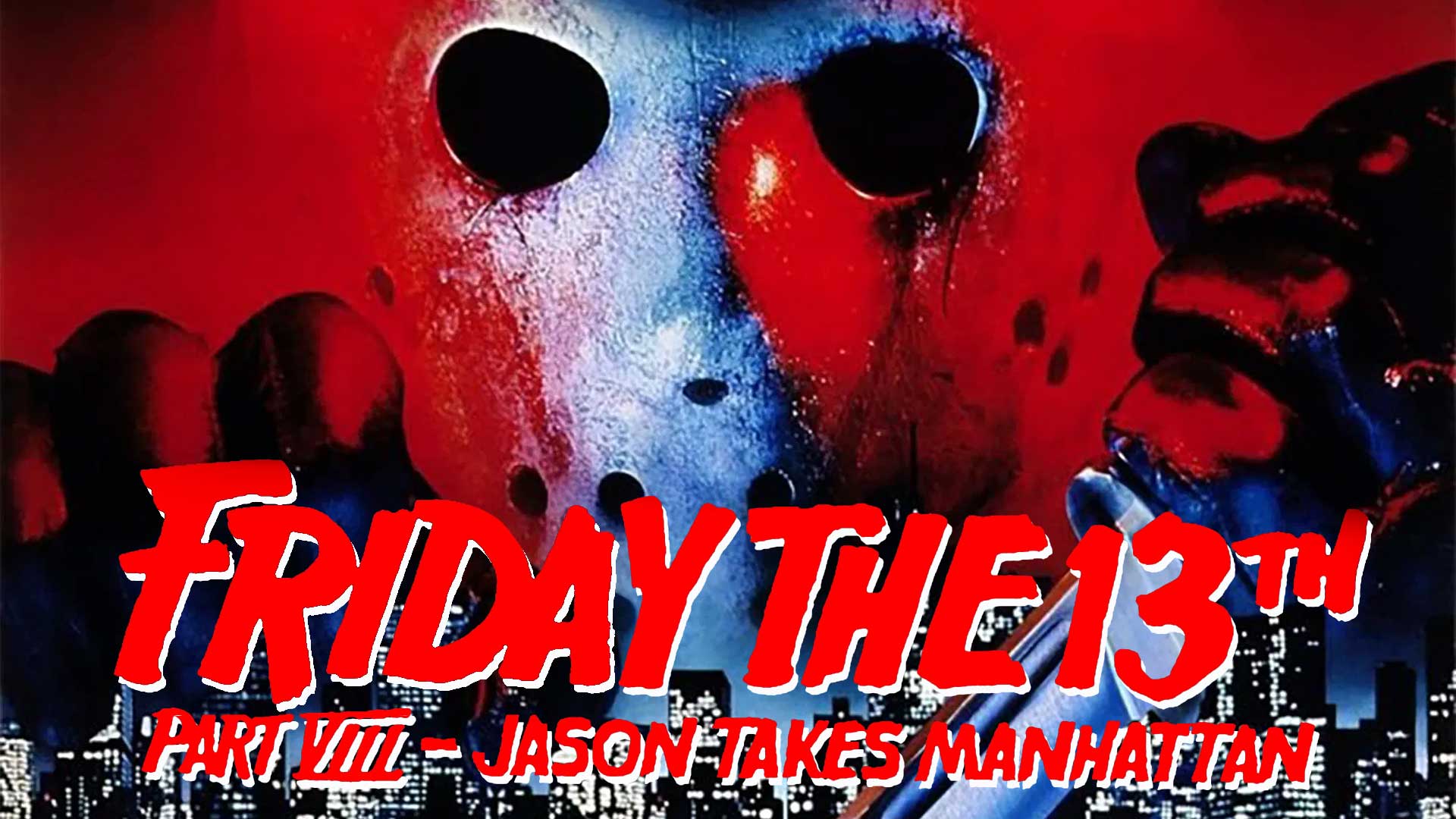
    Friday the 13th Part VIII: Jason Takes Manhattan (1989)

    [et_pb_section fb_built=”1″ _builder_version=”4.16″ _module_preset=”default” global_colors_info=”{}”][et_pb_row column_structure=”2_3,1_3″ _builder_version=”4.16″ _module_preset=”default” global_colors_info=”{}”][et_pb_column type=”2_3″ _builder_version=”4.16″ _module_preset=”default” global_colors_info=”{}”][et_pb_text _builder_version=”4.27.4″ _module_preset=”default” global_colors_info=”{}”]Against a $2.8 million budget, Friday the 13th Part VII: The New Blood grossed $19.17 million, making it a disappointment. Despite this, Paramount Pictures decided to move forward, offering the director’s chair to first-time director Rob Hedden. Hedden asked if he could take Jason out of Crystal Lake, which series producer Frank Mancuso Jr agreed to. He decided to have Jason terrorize New York City, which excited Paramount, but they had reservations due to budgetary limits. To address this, Hedden rewrote the script so that the first two-thirds occurred on a boat before moving to NYC. Filming took place in British Columbia, with Vancouver representing New York, although they spent two days shooting in Times Square. Despite Paramount’s reservations, the film still had a $5 million budget, the biggest of any entry thus far. Jason slashed theater screens in July 1989 with Friday the 13th Part VIII: Jason Takes Manhattan.

    [/et_pb_text][/et_pb_column][et_pb_column type=”1_3″ _builder_version=”4.16″ _module_preset=”default” global_colors_info=”{}”][et_pb_circle_counter title=”Rating” number=”50″ bar_bg_color=”#E09900″ _builder_version=”4.27.4″ _module_preset=”default” global_colors_info=”{}”][/et_pb_circle_counter][/et_pb_column][/et_pb_row][et_pb_row _builder_version=”4.16″ _module_preset=”default” global_colors_info=”{}”][et_pb_column type=”4_4″ _builder_version=”4.16″ _module_preset=”default” global_colors_info=”{}”][et_pb_text _builder_version=”4.27.4″ _module_preset=”default” global_colors_info=”{}”]

    Synopsis

    To celebrate their graduation, the senior class of Lakeview High School set sail aboard the SS Lazarus for New York. Chaperoning the trip are teachers Dr. Charles McCulloch (Peter Mark Richman) and Colleen Van Deusen (Barbara Bingham). Against Charles’ wishes, Colleen brings along his niece, Rennie Wickham (Jensen Daggett), to help her conquer her aquaphobia. Unfortunately, a newly resurrected Jason Voorhees (Kane Hodder) stows away on the ship just as they take off. It’s not long until Jason starts picking off the students one by one using glass shards, a guitar, and strangulation. Jason’s rampage starts a fire, forcing Charles, Colleen, and Rennie, alongside Sean (Scott Reeves) and Julius (V.C. Dupree), to escape. They manage to reach New York City, only for Jason to catch up with them and give chase. With our heroes running for their lives and Jason on the loose, New York has a new problem.


    Review

    Just on concept alone, Friday the 13th Part VIII: Jason Takes Manhattan should’ve been good. Rob Hedden even envisioned scenes at Madison Square Garden, the Empire State Building, the Brooklyn Bridge, and more. Sadly, Paramount’s tight purse strings wouldn’t allow his vision to become real, hence why “New York” looks like Vancouver. Granted, that’s just one of many issues with the movie, but it’s one I can’t entirely blame on the director. To his credit, Hedden does agree that more scenes should’ve been in New York instead of on a ship. Additionally, for a first-time director, he executes some decent shots, such as a “decapi-cam” camera and low-angle shots. Plus, there are some humorous touches, such as Jason running into street punks and the ironic nature of the kills. Examples include stabbing a cokehead with broken glass, bludgeoning a rocker with a guitar, and punching a boxer’s head off.

    Though not the strongest of the series’ female leads, Jensen Daggett does a decent job here. While the frumpy clothes aren’t doing her any favors, she at least brings a strong and vulnerable performance. Peter Mark Richman makes for a compelling antagonist, committing reprehensible acts while believing he’s acting in his niece’s best interest. Once again, Kane Hodder delivers as Jason and proves why he’s the best actor to don the hockey mask. He gives the slasher an imposing presence that towers over everyone, and his heavy breathing makes him scarier. Sharlene Martin is fun as the preppy cokehead, but she isn’t as entertaining as Susan Jennifer Sullivan in Part VII. It’s cool to see Kelly Hu years before she appeared in X2: X-Men United and The Scorpion King. Unfortunately, the rest of the cast isn’t anything to write home about in terms of performances.

    There isn’t much else to discuss, as this movie doesn’t bring anything new to the table aside from its setting. Even then, it doesn’t fully deliver since the first hour takes place on a cruise ship before arriving in NYC. Even if the alley scenes are filmed in Canada, the filmmakers strive to depict them like they’re in New York. That said, seeing Jason stomping through Times Square and hassling street punks is a series highlight. Another noteworthy aspect is the music, both the score and songs like “The Darkest Side of the Night” by Metropolis. Fred Mollin’s score is on par with Harry Manfredini’s work, and the songs are fun to listen to. As easy as it is to call this the worst one, it’s clear that the filmmakers tried, which is commendable. Overall, Friday the 13th Part VIII: Jason Takes Manhattan is sadly a low point.


    Buy Friday the 13th Part VIII: Jason Takes Manhattan from Amazon: https://amzn.to/4kC3plE.

    Disclosure: The above link is an affiliate link, which means that, at no additional cost, I will earn a commission if you click through the link and make a purchase.

    [/et_pb_text][et_pb_code _builder_version=”4.27.5″ _module_preset=”default” hover_enabled=”0″ global_colors_info=”{}” sticky_enabled=”0″]

    Where to watch Friday the 13th: Part VIII – Jason Takes Manhattan (1989)

    data-api-key=”LMVDLdLSH5ZJnQ4FMGMgyJCB8cmGbfCV” data-object-type=”Movie” data-title=”Friday the 13th: Part VIII – Jason Takes Manhattan” data-year=”1989″ data-theme=”light”>

    [/et_pb_code][/et_pb_column][/et_pb_row][/et_pb_section]
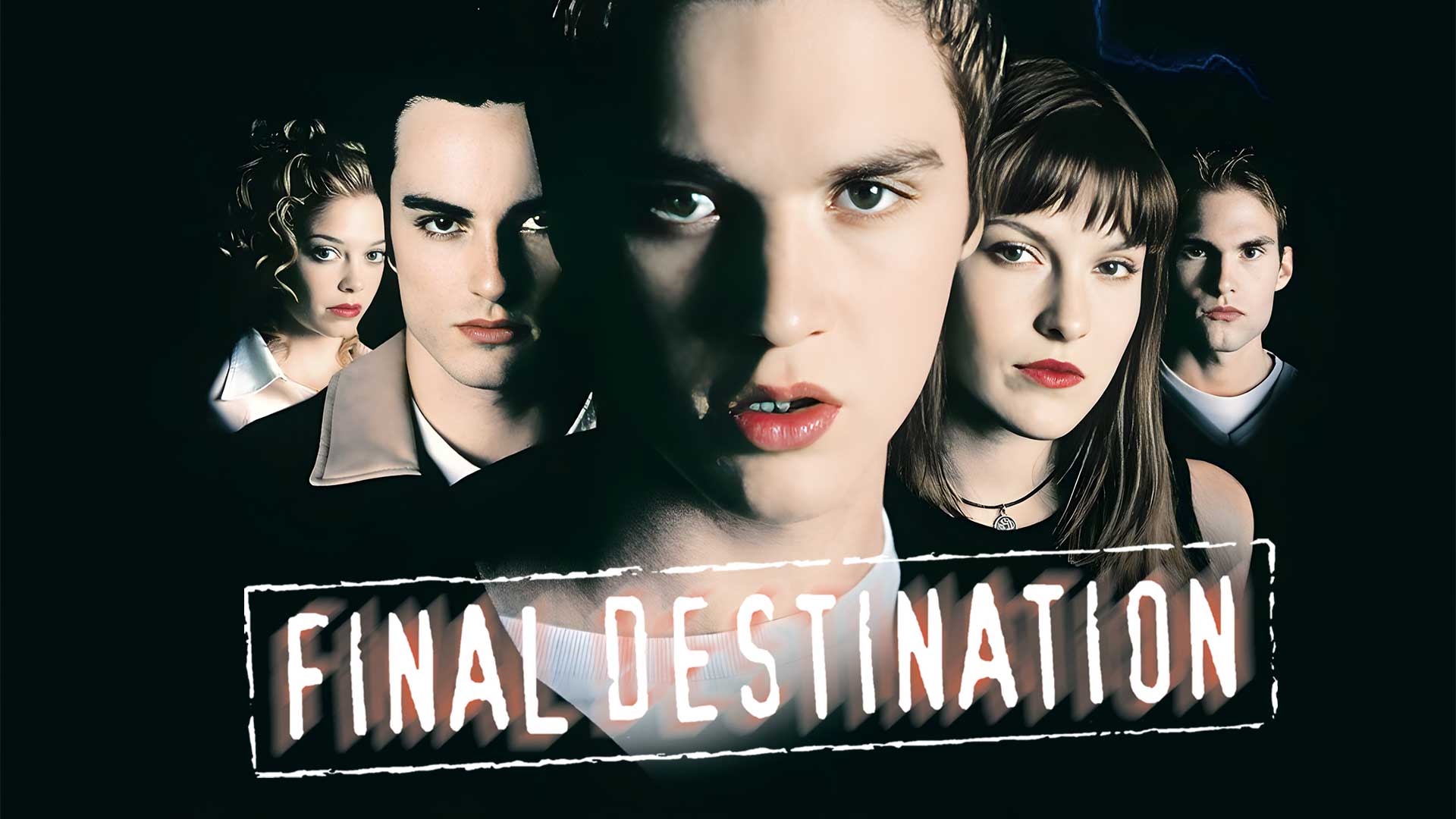
  • Final Destination (2000)

    Final Destination (2000)

    [et_pb_section fb_built=”1″ _builder_version=”4.16″ _module_preset=”default” global_colors_info=”{}”][et_pb_row column_structure=”2_3,1_3″ _builder_version=”4.16″ _module_preset=”default” global_colors_info=”{}”][et_pb_column type=”2_3″ _builder_version=”4.16″ _module_preset=”default” global_colors_info=”{}”][et_pb_text _builder_version=”4.27.4″ _module_preset=”default” global_colors_info=”{}”]Wanting to enter the industry, aspiring writer Jeffrey Reddick worked on a spec script for The X-Files titled Flight 180. However, the script went to New Line Cinema, who saw potential in adapting it into a feature film. Reddick rewrote the script as per New Line’s wishes, and they hired Glen Morgan and James Wong for further rewrites. Given the popularity of 1996’s Scream, the studio wanted to cast primarily young adult actors to cater to that market. They hired newcomers Devon Sawa, Ali Larter, Sean William Scott, Kerr Smith, Amanda Detmer, and Chad Donella for the leads. With a $23 million budget, filming took place around Long Island, Vancouver, Toronto, and San Francisco. Following various test screenings, many scenes and subplots had to be cut, and a new ending was filmed months later. Now retitled to Final Destination, the film hit theater screens in March 2000.

    [/et_pb_text][/et_pb_column][et_pb_column type=”1_3″ _builder_version=”4.16″ _module_preset=”default” global_colors_info=”{}”][et_pb_circle_counter title=”Rating” number=”85″ bar_bg_color=”#7CDA24″ _builder_version=”4.27.4″ _module_preset=”default” global_colors_info=”{}”][/et_pb_circle_counter][/et_pb_column][/et_pb_row][et_pb_row _builder_version=”4.16″ _module_preset=”default” global_colors_info=”{}”][et_pb_column type=”4_4″ _builder_version=”4.16″ _module_preset=”default” global_colors_info=”{}”][et_pb_text _builder_version=”4.27.4″ _module_preset=”default” global_colors_info=”{}”]

    Synopsis

    A group of high school seniors is boarding an international flight to Paris when something unexplained happens. One of the students, Alex (Devon Sawa), has a vision of the plane exploding and tries to warn everyone. He starts causing a panic, so security removes him and several of his classmates from the plane, which explodes. Roughly a month after the crash, some of the survivors start dying under mysterious circumstances. Given his accurate predictions, FBI Agents Weine (Daniel Roebuck) and Schreck (Roger Guenveur Smith) deem Alex a prime suspect. With help from fellow survivor and love interest, Clear (Ali Larter), Alex tries to figure out Death’s plan. He discovers that Death is claiming the survivors in a specific order, so he tries to stop it. But what Alex soon discovers is that you can’t cheat Death, and Death will always find you.


    Review

    Even 25 years after its release, the original Final Destination still holds up as a fantastic horror film. While it may not be as over-the-top as its sequels, this movie still has some fun, elaborate kill sequences. What makes the scenes so enjoyable is seeing all the intricate steps that lead to the character’s ultimate demise. For instance, something as simple as a broken coffee mug can lead to a house catching fire and exploding. The film also features some simple death scenes interspersed to break up the monotony and provide a genuine shock. Though some are more obvious than others, the fact that they happen so suddenly makes them more shocking. Some are so sudden that it borders on being funny, which is fitting given some of the humorous touches. From background pictures foreshadowing the deaths to the use of a John Denver song, it’s cleverly morbid.

    What also elevates this movie above many others of its time is the characters, who are likable in some ways. Devon Sawa shines as the reluctant protagonist trying to save everyone and stop Death’s plan, only to be their undoing. Ali Larter is also great as the loner Clear, and she has excellent chemistry with Sawa. Kerr Smith makes for a great hateable jock who talks tough but shows weakness as the deaths pile on. Kristen Cloke is also great as Ms. Lewton, the adult figure racked with guilt over the deaths of her students. She and the other actors do a great job showing the anguish and remorse they feel over surviving the crash. Also, while he’s only in one scene, the late Tony Todd steals the show as the mortician, William Bludworth. His menacing voice and imposing presence elevate what otherwise is an exposition dump.

    Given that this movie came out a year before 9/11, watching the plane explosion now is unsettling. That said, it’s still an effective sequence, seeing how the suspense builds and builds until the sides blow out. Glen Morgan and James Wong do a great job of keeping the suspense going throughout and putting you on edge. Of course, none of this would be possible without Jeffrey Reddick’s original script, which helped launch an entire franchise. Admittedly, some of the humor clashes with the serious tone they’re trying to go for, but it isn’t awful. Plus, aside from Alex, Clear, Ms. Lewton, and Carter, the other characters exist just for cannon fodder. Granted, none of the characters are overly obnoxious, and the film moves at a solid pace. Overall, Final Destination still works thanks to its solid death sequences and a great mix of horror and humor.


    Buy Final Destination from Amazon: https://amzn.to/4ja8rEv.

    Disclosure: The above link is an affiliate link, which means that, at no additional cost, I will earn a commission if you click through the link and make a purchase.

    [/et_pb_text][et_pb_code _builder_version=”4.27.4″ _module_preset=”default” hover_enabled=”0″ global_colors_info=”{}” sticky_enabled=”0″]

    Where to watch Final Destination (2000)

    data-api-key=”LMVDLdLSH5ZJnQ4FMGMgyJCB8cmGbfCV” data-object-type=”Movie” data-title=”Final Destination” data-year=”2000″ data-theme=”light”>

    [/et_pb_code][/et_pb_column][/et_pb_row][/et_pb_section]
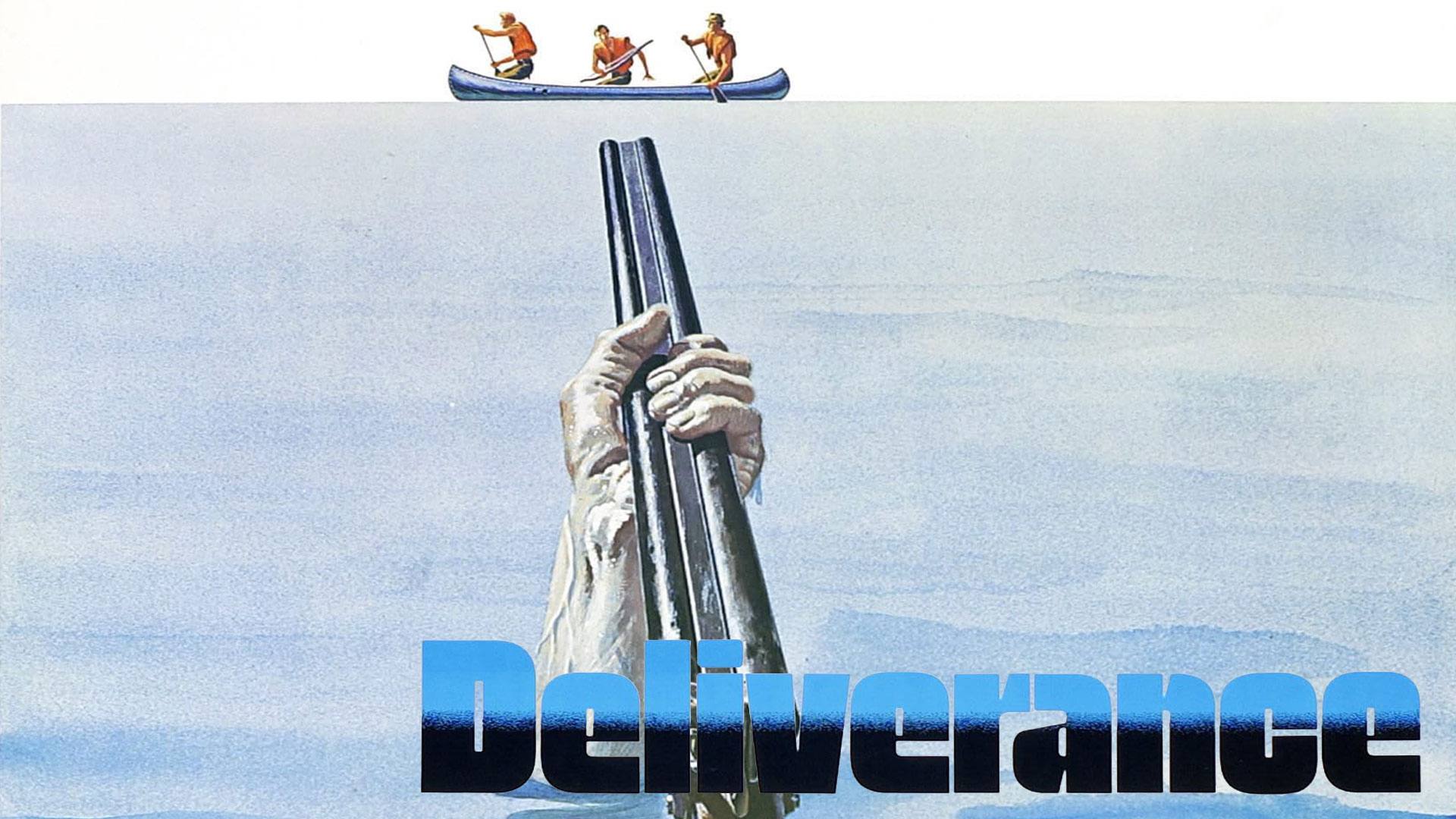
  • Deliverance (1972)

    Deliverance (1972)

    [et_pb_section fb_built=”1″ fullwidth=”on” _builder_version=”4.16″ _module_preset=”default” custom_margin=”||||false|false” global_colors_info=”{}”][et_pb_fullwidth_header title=”Special Review” subhead=”This review is a special request from Patreon supporter BodaciousCNO. If you’d like to support me on Patreon, click the button below.” text_orientation=”center” button_one_text=”Visit Patreon” button_one_url=”https://www.patreon.com/filmnerd” background_overlay_color=”#f96854″ _builder_version=”4.27.4″ _module_preset=”default” title_level=”h2″ background_color=”#f96854″ custom_button_one=”on” button_one_bg_color=”#052d49″ custom_margin=”||||false|false” custom_padding=”25px||25px||false|false” global_colors_info=”{}”][/et_pb_fullwidth_header][/et_pb_section][et_pb_section fb_built=”1″ _builder_version=”4.16″ _module_preset=”default” global_colors_info=”{}”][et_pb_row column_structure=”2_3,1_3″ _builder_version=”4.16″ _module_preset=”default” global_colors_info=”{}”][et_pb_column type=”2_3″ _builder_version=”4.16″ _module_preset=”default” global_colors_info=”{}”][et_pb_text _builder_version=”4.27.4″ _module_preset=”default” global_colors_info=”{}”]After publishing a series of poems in the 50s and 60s, James Dickey published his first novel, Deliverance, in 1970. The book became a massive critical and commercial success, leading to Warner Bros. acquiring the film rights. They hired John Boorman to direct, who had previously helmed the films Point Blank and Hell in the Pacific. Despite acquiring the rights, Warner Bros. had little faith in the project, offering only a $2 million budget. While Boorman wanted to cast Marlon Brando and Jack Nicholson, he ultimately had to settle for lesser-known or unknown actors. Filming took place primarily in northeastern Georgia and parts of South Carolina between May and August 1971. Despite the studio’s efforts to kill the project, Boorman and company forged ahead, even with many actors getting hurt. After numerous broken bones, fistfights, and near close calls, John Boorman’s Deliverance hit theaters in July 1972.

    [/et_pb_text][/et_pb_column][et_pb_column type=”1_3″ _builder_version=”4.16″ _module_preset=”default” global_colors_info=”{}”][et_pb_circle_counter title=”Rating” number=”85″ bar_bg_color=”#7CDA24″ _builder_version=”4.27.4″ _module_preset=”default” global_colors_info=”{}”][/et_pb_circle_counter][/et_pb_column][/et_pb_row][et_pb_row _builder_version=”4.16″ _module_preset=”default” global_colors_info=”{}”][et_pb_column type=”4_4″ _builder_version=”4.16″ _module_preset=”default” global_colors_info=”{}”][et_pb_text _builder_version=”4.27.4″ _module_preset=”default” global_colors_info=”{}”]

    Synopsis

    Longtime friends Lewis (Burt Reynolds), Ed (Jon Voight), Bobby (Ned Beatty), and Drew (Ronny Cox) embark on a canoe trip. Being an outdoorsman, Lewis leads the group, and Ed lacks his courage, while the other guys are newcomers. Along the way, the guys mingle with some locals, with Drew engaging in a banjo duel with a young kid. Eventually, the guys reach their canoes and travel in pairs, but they end up getting separated. Ed and Bobby get ambushed by some mountain men, who tie Ed to a tree and rape Bobby at gunpoint. Thankfully, Lewis sneakily kills the rapist while Drew grabs the shotgun from the lone mountain man before he flees. Given the situation, the guys decide to bury the body and continue like nothing happened, only for things to worsen. With one injured and another lost, the remaining survivors must fight to stay alive.


    Review

    Deliverance is considered a landmark in American cinema, and it deserves that status for its raw visceral energy. The way the movie is filmed, along with the absence of a soundtrack, contributes to its sense of realism. Vilmos Zsigmond, who won an Oscar for Close Encounters of the Third Kind, shows why he was a legendary cinematographer. He perfectly captures the feeling of isolation that the guys feel as they canoe their way along the river. Adding to this is the absence of a traditional soundtrack, although the Dueling Banjos scene remains memorable. Like many thrillers from the 1970s, the film moves at a slow pace, which might put modern audiences off. However, the pacing adds to the tension that builds throughout as the adventure from hell worsens for our heroes. You could probably shave a few minutes off, but the film only runs at slightly less than two hours.

    Though it’s weird seeing him without a mustache, Burt Reynolds shows why he became such a big star. He exudes charisma and gives off a strong presence that makes him stand out from the other cast members. Jon Voight, who earned an Oscar nomination years earlier for Midnight Cowboy, is also excellent. You see him transform from a meek middle-class worker to a hardened survivor as the film progresses. Given that this was the debut of both Ned Beatty and Ronny Cox, they certainly went through a lot. It’s interesting to see Cox, best known for his role in RoboCop, play a free-spirited guitar player. Beatty does a good job as a trauma-ridden rape victim who remains quiet and reserved throughout the film. While many of the mountain men blend in with each other, Billy Redden is memorable as Cox’s banjo-playing rival.

    Considering the movie’s legacy, audiences who are familiar with it but haven’t seen it might find the film tame. While Beatty’s rape scene is disturbing, it lacks the visceral quality of The Last House on the Left. It doesn’t help that Craven’s film spent time with its villains, whereas the mountain men here appear briefly. That said, I’d probably rank Boorman’s film higher, as it has a more consistent tone and doesn’t have comedic relief. Also, kudos to the actors for doing many of their stunts, which adds a sense of danger. That aspect also makes the story feel more relatable since almost everyone has ventured somewhere they shouldn’t have. Even if the numerous parodies and references have diminished the film’s impact, it remains a cultural milestone for a reason. Overall, Deliverance is a solid thriller, featuring some great performances and a subtle sense of dread that pervades throughout.


    Buy Deliverance from Amazon: https://amzn.to/3S2qKQM.

    Disclosure: The above link is an affiliate link, which means that, at no additional cost to you, I will earn a commission if you click through the link and make a purchase.

    [/et_pb_text][et_pb_code _builder_version=”4.27.4″ _module_preset=”default” hover_enabled=”0″ global_colors_info=”{}” sticky_enabled=”0″]

    Where to watch Deliverance (1972)

    data-api-key=”LMVDLdLSH5ZJnQ4FMGMgyJCB8cmGbfCV” data-object-type=”Movie” data-title=”Deliverance” data-year=”1972″ data-theme=”light”>

    [/et_pb_code][/et_pb_column][/et_pb_row][/et_pb_section]
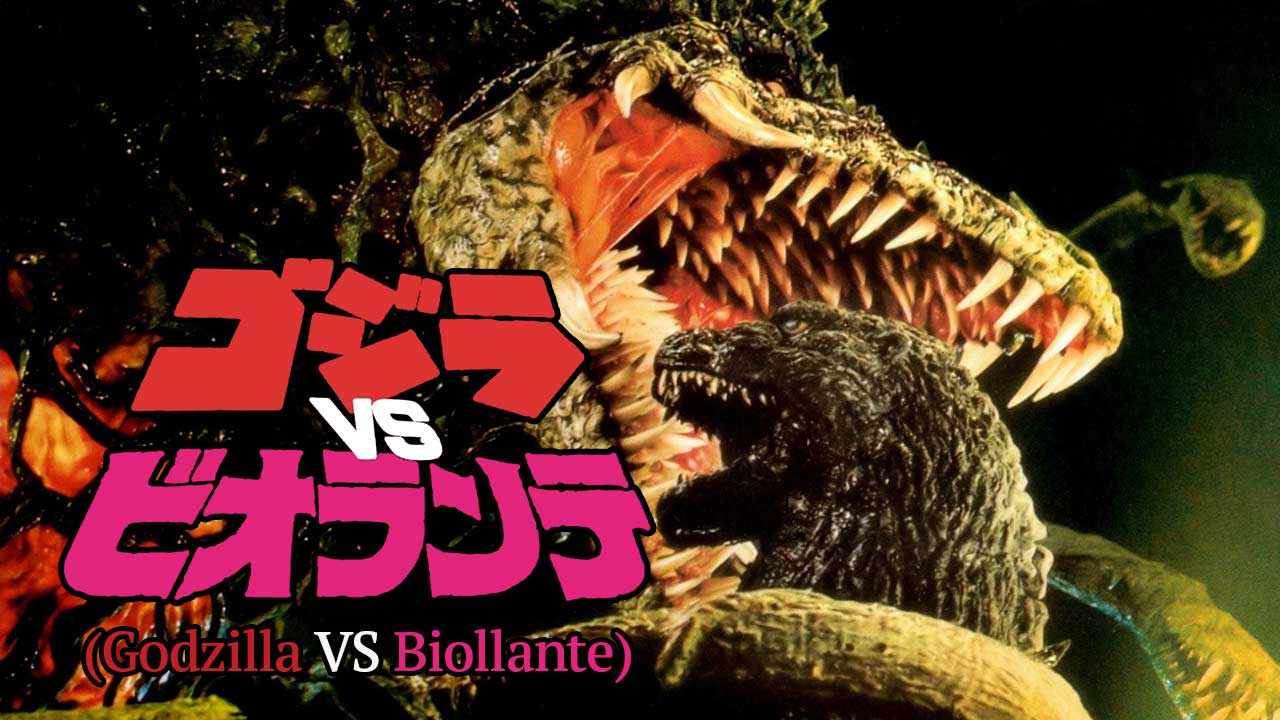
  • Godzilla vs. Biollante (1989)

    Godzilla vs. Biollante (1989)

    [et_pb_section fb_built=”1″ admin_label=”section” _builder_version=”4.16″ global_colors_info=”{}”][et_pb_row column_structure=”2_3,1_3″ admin_label=”row” _builder_version=”4.16″ background_size=”initial” background_position=”top_left” background_repeat=”repeat” global_colors_info=”{}”][et_pb_column type=”2_3″ _builder_version=”4.16″ custom_padding=”|||” global_colors_info=”{}” custom_padding__hover=”|||”][et_pb_text _builder_version=”4.27.4″ _module_preset=”default” global_colors_info=”{}”]Despite The Return of Godzilla making its money back, longtime Godzilla producer Tomoyuki Tanaka was hesitant about making a follow-up. However, after seeing how successful Frank Oz’s remake of Little Shop of Horrors was, Tanaka decided to push forward. In a bold move, Tanaka held a contest where the public could submit story ideas for a potential script. Tanaka then handed the five finalists to writer/director Kazuki Ōmori, who chose the entry submitted by dentist Shinichiro Kobayashi. Using his biologist background, Ōmori modified Kobayashi’s original treatment, focusing on genetic engineering and botany while adding spy elements. After being impressed by his work on 1989’s Gunhed, Toho hired Koichi Kawakita as the special effects supervisor. With a $10.7 million budget, substantially more than the last installment, Toho hoped this would be the hit they wanted. Godzilla Vs. Biollante hit Japanese theaters in 1989 before going direct-to-video in the US in 1992.

    [/et_pb_text][/et_pb_column][et_pb_column type=”1_3″ _builder_version=”4.16″ custom_padding=”|||” global_colors_info=”{}” custom_padding__hover=”|||”][et_pb_circle_counter title=”Rating” number=”85″ bar_bg_color=”#7CDA24″ _builder_version=”4.27.4″ _module_preset=”default” global_colors_info=”{}”][/et_pb_circle_counter][/et_pb_column][/et_pb_row][et_pb_row _builder_version=”4.16″ _module_preset=”default” global_colors_info=”{}”][et_pb_column type=”4_4″ _builder_version=”4.16″ _module_preset=”default” global_colors_info=”{}”][et_pb_text _builder_version=”4.27.4″ _module_preset=”default” global_colors_info=”{}”]

    Synopsis

    Following Godzilla’s rampage, scientists find his cells scattered across Tokyo, only for Saradian agent SSS9 (Manjot Bedi) to steal them. The cells are delivered to the Saradian Institute of Technology and Science, where scientists hope to create fertile land. The Saradian government enlists Dr. Genshiro Shiragami (Kōji Takahashi), who brings along his daughter, Erika (Yasuko Sawaguchi), for the project. Unfortunately, a terrorist bombing destroys the lab where the cells were housed and kills Erika. Years later, Dr. Shiragami becomes a recluse trying to merge Erika’s cells with a rose to keep her soul. Japanese scientists are developing “Anti-Nuclear Energy Bacteria” using Godzilla’s cells, and they recruit Dr. Shiragami, to whom he reluctantly agrees. Unbeknownst to the scientists, Shiragami merges the Godzilla cells with the rose, creating the plant-like monster Biollante. With Godzilla reawakening from his volcanic tomb, it’s only a matter of time before both monsters duke it out. 


    Review

    Godzilla Vs. Biollante tends to be overlooked outside hardcore fans, which is a shame considering its uniqueness. This film not only boasts one of the series’ most original monsters, but it also features a strong human-centered storyline. Shiragami’s arc of trying to preserve his daughter echoes themes of grief and loss and offers commentary on genetic engineering. Remember that this film came out two years before Jurassic Park tackled similar issues of the dangers of science. Also, Biollante herself has a distinctive monster design, being a giant puppet instead of the tried-and-true guy-in-suit monster. From its initial appearance as a giant rose to a massive plant mass with a crocodile head, it’s truly memorable. While the limited mobility means we don’t get the knock-down drag-out fights of previous films, the battle is still unforgettable. Plus, Biollante is one of the only monsters that make Godzilla look small in comparison.

    Kōji Takahashi does a great job as the brilliant yet grief-stricken Dr. Shiragami trying to atone for his mistakes. Even if you disagree with his methods, you understand what he goes through in wanting to bring his daughter back. Another cast member worth mentioning is Megumi Odaka as Miki Saegusa, a psychic girl who becomes a recurring character. Another aspect that makes this entry stand out is establishing continuity with the previous films, which carries on throughout. Seeing how the world evolves to combat these new threats is exciting and makes you want to see what’s next. Like before, the scenes of the military fighting Godzilla are spectacular with its miniatures and guy-in-suit techniques. The Godzilla suit in this looks much more menacing and threatening than the admittedly goofy one in the last film. Unfortunately, the music sometimes lacks, trying to mix the original theme with fast-paced rock.

    As great as the human storyline is, it’s not without its flaws, namely how scattered it feels. The subplot with the Saradian agent comes and goes out of nowhere without any meaningful payoff. So many little subplots and side stories happen one after another that it’s hard to focus on what’s happening. Also, like the last film, this tries to philosophize Godzilla by asking who the real monster is, which is silly. Sure, the original explored themes of nuclear destruction in post-war Japan, but it was still a giant monster movie. The film takes a while to get going, but once it does, the final battle with Biollante is a show-stopper. Despite its flaws, this is still a unique and original Godzilla film that longtime fans and newcomers should enjoy. Overall, Godzilla Vs. Biollante is a hidden gem within the legendary monster’s historic franchise.


    Buy Godzilla Vs. Biollante from Amazon: https://amzn.to/428Peww.

    Disclosure: The above link is an affiliate link, which means that, at zero cost to you, I will earn a commission if you click through the link and finalize a purchase.

    [/et_pb_text][et_pb_code _builder_version=”4.27.4″ _module_preset=”default” hover_enabled=”0″ sticky_enabled=”0″]

    Where to watch Godzilla vs. Biollante (1989)

    data-api-key=”LMVDLdLSH5ZJnQ4FMGMgyJCB8cmGbfCV” data-object-type=”Movie” data-title=”Godzilla vs. Biollante” data-year=”1989″ data-theme=”light”>

    [/et_pb_code][/et_pb_column][/et_pb_row][/et_pb_section]
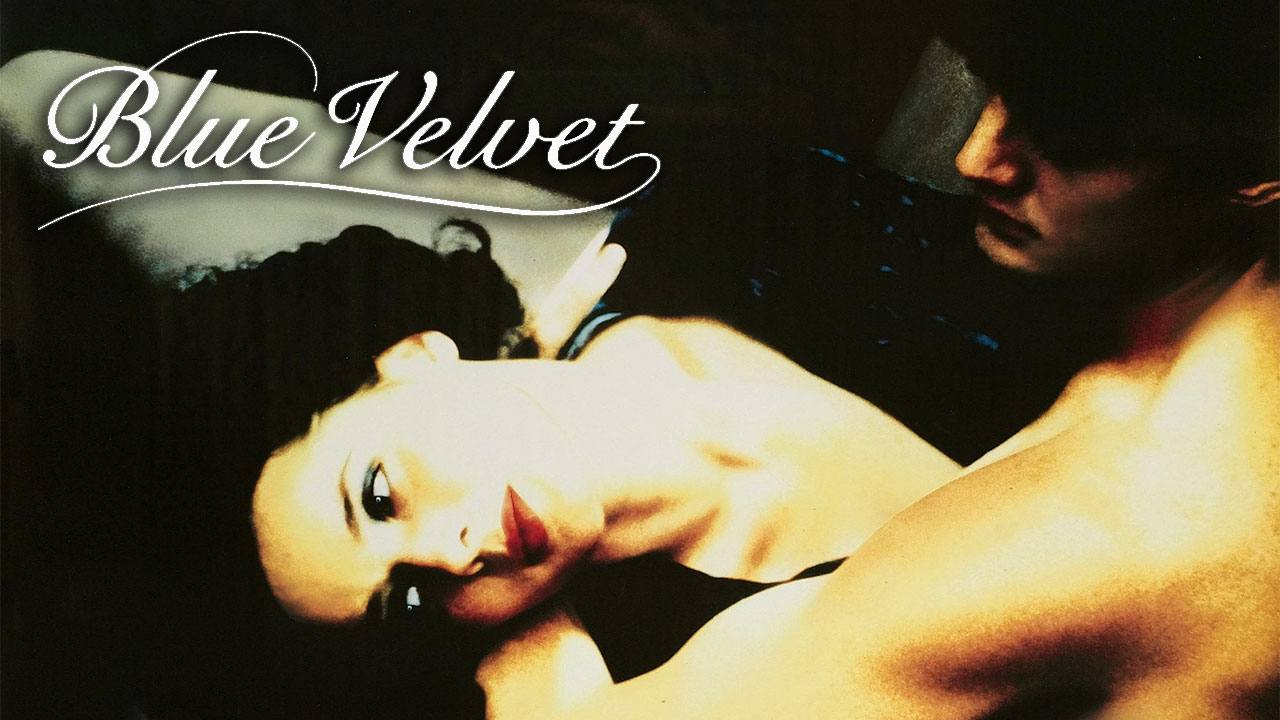
  • Blue Velvet (1986)

    Blue Velvet (1986)

    [et_pb_section fb_built=”1″ _builder_version=”4.16″ _module_preset=”default” global_colors_info=”{}”][et_pb_row column_structure=”2_3,1_3″ _builder_version=”4.16″ _module_preset=”default” global_colors_info=”{}”][et_pb_column type=”2_3″ _builder_version=”4.16″ _module_preset=”default” global_colors_info=”{}”][et_pb_text _builder_version=”4.27.4″ _module_preset=”default” global_colors_info=”{}”]After finding success with 1980’s The Elephant Man, director David Lynch was contemplating what to make next. He met with producer Richard Roth to discuss a screenplay called Ronnie Rocket, which Roth passed due to its abstractness. Still intrigued, Roth asked Lynch for other ideas, and Lynch talked about voyeurism, severed ears, and a Bobby Vinton song. After working and reworking the script, Lynch had trouble finding a studio due to the violent nature of the story. On top of that, 1984’s Dune was such a critical and commercial failure that producers actively avoided Lynch. Thankfully, producer Dino De Laurentiis saw potential and agreed to offer a $6 million budget and total artistic freedom. Filming lasted from August to November 1985 in Wilmington, North Carolina, with a cast of relatively unknown actors. After premiering at the Montréal World Film Festival, Blue Velvet hit theater screens in September 1986.

    [/et_pb_text][/et_pb_column][et_pb_column type=”1_3″ _builder_version=”4.16″ _module_preset=”default” global_colors_info=”{}”][et_pb_circle_counter title=”Rating” number=”95″ bar_bg_color=”#7CDA24″ _builder_version=”4.27.4″ _module_preset=”default” global_colors_info=”{}”][/et_pb_circle_counter][/et_pb_column][/et_pb_row][et_pb_row _builder_version=”4.16″ _module_preset=”default” global_colors_info=”{}”][et_pb_column type=”4_4″ _builder_version=”4.16″ _module_preset=”default” global_colors_info=”{}”][et_pb_text _builder_version=”4.27.4″ _module_preset=”default” global_colors_info=”{}”]

    Synopsis

    After his dad suffers a stroke, college student Jeffrey Beaumont (Kyle MacLachlan) comes home to help his family. While walking home from the hospital, Jeffrey finds a severed ear and takes it to Detective Williams (George Dickerson). Jeffrey meets Williams’s daughter Sandy (Laura Dern), who tells him the ear may relate to a local lounge singer. After seeing a performance by the singer Dorothy Vallens (Isabella Rossellini), Jeffrey becomes intrigued and sneaks into her apartment. Unfortunately, this act of voyeurism leads him to the psychotic Frank Booth (Dennis Hopper), who tortures and abuses Dorothy. Jeffrey develops a sadomasochistic relationship with Dorothy through this connection while also fostering a romance with Sandy. As he continues going down the rabbit hole, Jeffrey discovers a grand conspiracy involving drug dealers, corrupt cops, and kidnapping. How far is Jeffrey willing to go to solve this mystery, and will he do the right thing?


    Review

    Blue Velvet is one of the most beautifully crafted yet viscerally raw films ever made, and that says a lot. Every shot feels so fine-tuned and exact that you can imagine what David Lynch was thinking. You feel like you’re peeking into Lynch’s brain and seeing what lies inside like Jeffrey uncovering the secret underworld. This film subverts the image of suburban America and explores film noir conventions, including the femme fatale and flawed hero. Dorothy is a complex woman but isn’t manipulative, while Jeffrey is the good guy but isn’t without flaws. The tone goes from horrifying to humorous in a way that feels like whiplash, but Lynch makes it work. You get the sense that Lynch is challenging how you see things, much like Jeffrey’s changing worldview. Admittedly, the heavy-handed symbolism can appear pretentious, but the film still works as a gripping thriller.

    Kyle MacLachlan excels as the complex yet endearing hero navigating the dark world he discovers. Witnessing his transformation from a shy college student to a shattered man is captivating, and MacLachlan embodies this change brilliantly. Isabella Rossellini shines as Dorothy Vallens, a stunning woman ensnared by darkness, longing for escape. Meanwhile, Laura Dern impresses as Sandy Williams, a naive young woman who offers a ray of hope to Jeffrey. Dennis Hopper delivers arguably the finest performance of his career as the twisted Frank Booth, one of cinema’s greatest villains. He oscillates between humor and charm, then shifts to madness and terror, making him wholly unpredictable. The supporting cast also shines, featuring talents like Hope Lange, Priscilla Pointer, Frances Bay, Brad Dourif, and Jack Nance. Even Dean Stockwell makes the most of his one scene, memorably lip-synching a Roy Orbison song.

    Like many of David Lynch’s films, this one has mixed opinions – some love it, while others hate it. The subject is dark and uncomfortable, and the weird tonal changes can be off-putting to some viewers. However, if you’re willing to take in everything on screen for what it is, you’ll find a thought-provoking and well-made movie. Frederick Elmes’ cinematography is gorgeous and haunting, while Angelo Badalamenti’s beautiful score seamlessly transitions from romantic to horrifying. Some might scoff at the slow pacing, but it purposefully adds a false sense of security before the shocking scenes. At around two hours long, the movie never overstays its welcome or feels like it’s dragging to the end. If you’ve never seen a David Lynch movie and want an introduction, I’d recommend this as a starting point. Overall, Blue Velvet deserves its status as an American thriller classic and is arguably David Lynch’s best film.


    Buy Blue Velvet from Amazon: https://amzn.to/3Wkq4bZ.

    Disclosure: The above link is an affiliate link, which means that, at zero cost to you, I will earn a commission if you click through the link and finalize a purchase.

    [/et_pb_text][et_pb_code _builder_version=”4.27.4″ _module_preset=”default” hover_enabled=”0″ global_colors_info=”{}” sticky_enabled=”0″]

    Where to watch Blue Velvet (1986)

    data-api-key=”LMVDLdLSH5ZJnQ4FMGMgyJCB8cmGbfCV” data-object-type=”Movie” data-title=”Blue Velvet” data-year=”1986″ data-theme=”light”>

    [/et_pb_code][et_pb_divider _builder_version=”4.16″ global_colors_info=”{}”][/et_pb_divider][et_pb_blurb title=”David Lynch, 1946 – 2025″ image=”https://staging.film-nerd.com/wp-content/uploads/2025/01/Brody-LynchPostcript.webp” alt=”David Lynch” _builder_version=”4.27.4″ header_text_align=”center” text_orientation=”center” animation=”off” global_colors_info=”{}”]

    This review is dedicated to the memory of legendary filmmaker David Lynch, who passed away on January 15, 2025, at 78.

    [/et_pb_blurb][/et_pb_column][/et_pb_row][/et_pb_section]
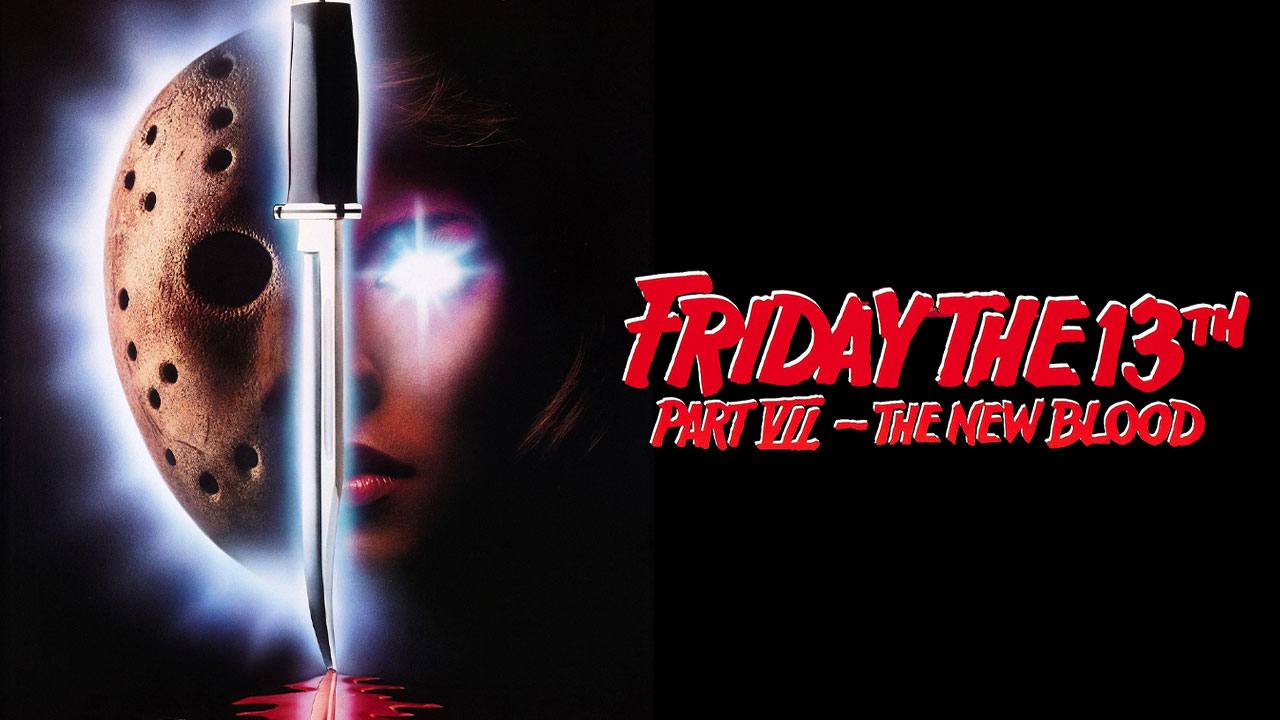
  • Friday the 13th Part VII: The New Blood (1988)

    Friday the 13th Part VII: The New Blood (1988)

    [et_pb_section fb_built=”1″ _builder_version=”4.16″ _module_preset=”default” global_colors_info=”{}”][et_pb_row column_structure=”2_3,1_3″ _builder_version=”4.16″ _module_preset=”default” global_colors_info=”{}”][et_pb_column type=”2_3″ _builder_version=”4.16″ _module_preset=”default” global_colors_info=”{}”][et_pb_text _builder_version=”4.27.4″ _module_preset=”default” global_colors_info=”{}”]While it received better-than-average reviews, Friday the 13th Part VI: Jason Lives was a financial disappointment compared to earlier entries. With a $3 million budget, the film grossed $19.5 million, making it profitable enough to continue the series. Initially, Paramount contacted New Line Cinema about pitting Jason against A Nightmare on Elm Street‘s Freddy, but that fell apart. Instead, writer Daryl Haney suggested having the final girl have psychic powers, pitting Jason against Carrie. For the director, the studio hired John Carl Buechler, famous for his effects work on Re-AnimatorFrom Beyond, and Troll. Buechler suggested Kane Hodder, who he worked with on 1987’s Prison, to play Jason despite the studio’s hesitation. With a $2.8 million budget, filming occurred in Alabama between October and November 1987, with pick-up shots in February 1988. After numerous MPAA-dictated edits, Friday the 13th Part VII: The New Blood opened in May 1988.

    [/et_pb_text][/et_pb_column][et_pb_column type=”1_3″ _builder_version=”4.16″ _module_preset=”default” global_colors_info=”{}”][et_pb_circle_counter title=”Rating” number=”70″ bar_bg_color=”#EDF000″ _builder_version=”4.27.4″ _module_preset=”default” global_colors_info=”{}”][/et_pb_circle_counter][/et_pb_column][/et_pb_row][et_pb_row _builder_version=”4.16″ _module_preset=”default” global_colors_info=”{}”][et_pb_column type=”4_4″ _builder_version=”4.16″ _module_preset=”default” global_colors_info=”{}”][et_pb_text _builder_version=”4.27.4″ _module_preset=”default” global_colors_info=”{}”]

    Synopsis

    After accidentally drowning her father as a child, young psychic Tina (Lar Park-Lincoln) returns to her childhood home. Her mother, Amanda (Susan Blu), and her psychiatrist, Dr. Crews (Terry Kiser), accompany her as part of the treatment. That night, Tina goes to the lake, hoping to bring her father back, but accidentally revives Jason Voorhees (Kane Hodder). Meanwhile, a group of teens are preparing a surprise birthday party, not knowing that their friend meets Jason. Soon, Jason shows up and starts picking off the teens one by one while Tina struggles with her psychic powers. While trying to survive, Tina discovers Dr. Crews intends to exploit her abilities and never meant to help her. After finding her mother dead, Tina decides to use her powers to confront Jason once and for all. Will Tina succeed in sending Jason back to the lake or end up on the chopping block?


    Review

    Friday the 13th Part VII: The New Blood is an entry I enjoy and dislike for various reasons. Admittedly, my reasons for disliking this installment are more what happened to the movie versus the movie itself. By that, I mean the numerous edits made to appease the MPAA and secure an R-rating, which neutered the film. While the filmmakers clashed with the ratings board in the past, this film suffered the most cuts. So many death scenes are cut down to where they lack the impact they should have. For instance, Terry Kiser’s death is over and done within a few seconds, with Jason’s blade barely touching him. Sadly, much of the cut footage no longer exists, so an uncut version will never be released. Unfortunately, a significant issue with the film isn’t the fault of the filmmakers but an oppressive ratings board.

    As for the positive aspects, the principal cast all do a fantastic job playing some of the series’ best characters. Lar Park-Lincoln is great as Tina, showing plenty of vulnerability and eventually stepping up to confront Jason. This film marked Kane Hodder’s first time donning the hockey mask, and he breathed new life into the character. On top of the incredibly rotted look, Hodder gives off an imposing presence not seen in previous Jason actors. Susan Blu is great as Tina’s supporting mother, and Terry Kiser is delightfully hateful as Tina’s manipulative psychiatrist. Kevin Spirtas is decent as Tina’s love interest Nick, while Susan Jennifer Sullivan is fun as the needlessly bitchy Melissa. Unfortunately, the rest of the supporting players aren’t as memorable and come off more as disposable cannon fodder. Although, Elizabeth Kaitain is in the cast, and she makes anything better.

    Despite how neutered the kills are, you can tell there were some brutal deaths, and some weren’t too tampered with. One noteworthy kill involves Jason picking up a girl in a sleeping bag and whacking her against a tree. Initially, Jason whacked her several times, but in the final edit, he hits her once, which is more effective. Also, the finale, with Tina using her psychic powers to battle Jason, is another highlight in terms of spectacle. Jason gets electrocuted, a roof dropped on him, hung, stabbed, and set ablaze, none of which can bring him down. It’s the closest anyone’s come to defeating Jason, and it’s easily one of the best moments in the franchise. Though this film has flaws, you can tell there are good elements despite being edited to appease the MPAA. Overall, Friday the 13th Part VII: The New Blood is neither great nor terrible.


    Buy Friday the 13th Part VII: The New Blood (1988) from Amazon: https://amzn.to/3DgWJZm.

    Disclosure: The above link is an affiliate link, which means that, at zero cost to you, I will earn a commission if you click through the link and finalize a purchase.

    [/et_pb_text][et_pb_code _builder_version=”4.27.4″ _module_preset=”default” hover_enabled=”0″ global_colors_info=”{}” sticky_enabled=”0″]

    Where to watch Friday the 13th: Part VII – The New Blood (1988)

    data-api-key=”LMVDLdLSH5ZJnQ4FMGMgyJCB8cmGbfCV” data-object-type=”Movie” data-title=”Friday the 13th: Part VII – The New Blood” data-year=”1988″ data-theme=”light”>

    [/et_pb_code][/et_pb_column][/et_pb_row][/et_pb_section]
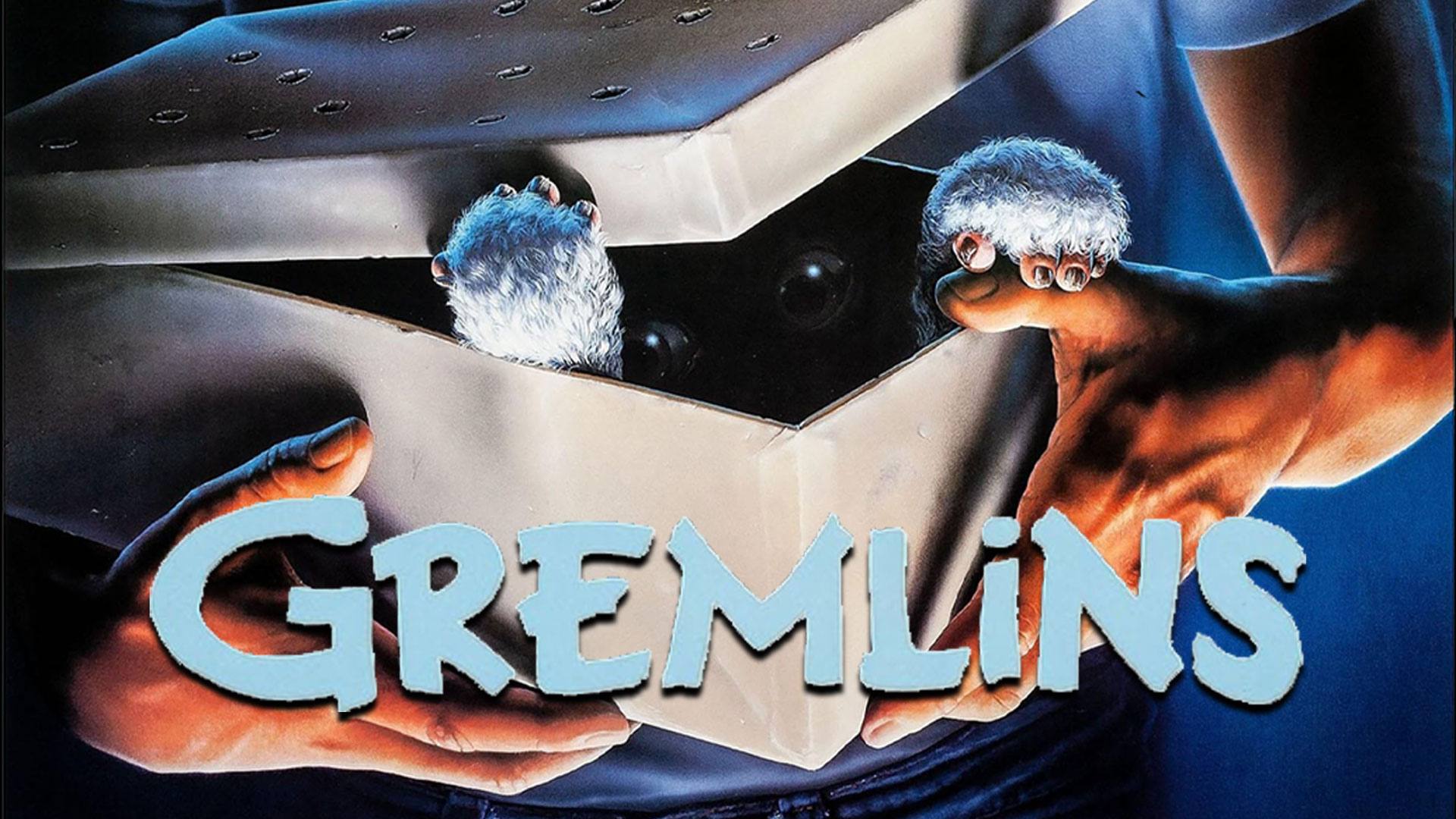
  • Gremlins (1984)

    Gremlins (1984)

    [et_pb_section fb_built=”1″ _builder_version=”4.16″ _module_preset=”default” global_colors_info=”{}”][et_pb_row column_structure=”2_3,1_3″ _builder_version=”4.16″ _module_preset=”default” global_colors_info=”{}”][et_pb_column type=”2_3″ _builder_version=”4.16″ _module_preset=”default” global_colors_info=”{}”][et_pb_text _builder_version=”4.27.4″ _module_preset=”default” global_colors_info=”{}”]In the early 1980s, a young Chris Columbus lived in an apartment loft constantly infested with mice crawling around him. This experience gave him an idea, so he penned a script in 1981 about little monsters running amuck. After shopping it around, the script caught the attention of Steven Spielberg, who agreed to produce it through Amblin Entertainment. Spielberg hired Joe Dante to direct, having previously worked with him on Twilight Zone: The Movie. They hired a relatively unknown Zach Galligan for the lead role due to his chemistry with actress Phoebe Cates. To bring the creatures to life, they hired Chris Walas, who started his career working with Roger Corman alongside Dante. With a modest $11 million budget, filming took place around Los Angeles between April and August 1983. Despite numerous issues with the puppets and an exhaustive shoot, Gremlins hit US theaters in June 1984.

    [/et_pb_text][/et_pb_column][et_pb_column type=”1_3″ _builder_version=”4.16″ _module_preset=”default” global_colors_info=”{}”][et_pb_circle_counter title=”Rating” number=”90″ bar_bg_color=”#7CDA24″ _builder_version=”4.27.4″ _module_preset=”default” global_colors_info=”{}”][/et_pb_circle_counter][/et_pb_column][/et_pb_row][et_pb_row _builder_version=”4.16″ _module_preset=”default” global_colors_info=”{}”][et_pb_column type=”4_4″ _builder_version=”4.16″ _module_preset=”default” global_colors_info=”{}”][et_pb_text _builder_version=”4.27.4″ _module_preset=”default” global_colors_info=”{}”]

    Synopsis

    Rand Peltzer (Hoyt Axton), a struggling inventor, visits a Chinatown antique shop looking for a Christmas gift for his son. Back in their hometown, Kingston Falls, his son Billy (Zach Galligan) is a bank teller looking for more in life. Upon returning home, Rand gives Zach his gift: a small, fuzzy creature called a Mogwai, which they nickname Gizmo. Rand explains three rules: keep Gizmo away from bright lights, don’t get him wet, and don’t feed him after midnight. Unfortunately, while Billy shows him to his friend Pete (Corey Feldman), Gizmo gets wet, creating multiple Mogwai. Led by the mohawked Spike, the Mogwai trick Billy into feeding them after midnight, which turns them into Gremlins. Soon, the Gremlins invade the town and wreak havoc, with Billy and his girlfriend Kate (Phoebe Cates) trying to survive. Will they save their town, or will the Gremlins continue their reign of terror?


    Review

    Gremlins is considered a classic that has endured over 40 years, and with good reason. The film has memorable characters, impressive effects, and a delightful mix of horror and comedy that helps it stand out. Given Joe Dante’s tendency to mix horrific imagery with a sense of humor, he was the perfect choice to direct. The mixture of wholesome, Norman Rockwell-inspired holiday cheer and B-movie monster mayhem is a perfect clash of contrasting elements. It’s as if Dante and Chris Columbus took It’s a Wonderful Life and blended it with a Roger Corman picture. Also, Dante’s direction shines through with colored lighting, harsh shadows, and dynamic angles to enhance the mood. The legendary composer Jerry Goldsmith’s iconic score adds to this mood, which has a playful yet mischievous rhythm. These elements combine to deliver an outstanding film that overcomes its meager budget.

    Zach Galligan does a great job as Billy, giving him a boyish charm that makes him instantly likable and endearing. He shares fantastic chemistry with Phoebe Cates, who delivers a surprisingly chilling monologue that’s so morbid that it’s almost funny. In addition to Hoyt Axton, the cast has some of the best character actors in the business. These include Dick Miller, Keye Luke, Scott Brady, Edward Andrews, Harry Carey Jr., Jackie Joseph, Kenneth Tobey, and William Schallert. Miller and Joseph stand out as the eccentric Futtermans, with Miller’s hard-assed attitude contrasting Joseph’s happy-go-lucky persona. Glyn Turman and Judge Reinhold have memorable moments, and Polly Holliday makes a great foil as the wicked Mrs. Deagle. No matter how minor, everyone in the cast has shining moments that help flesh out the movie’s world. There are even cameos from Chuck Jones, Steven Spielberg, and Robbie the Robot!

    Chris Walas and his team did fantastic work bringing the Gremlins to life through classic puppets and animatronics. Considering their meager budget, the puppets still look good today and easily outdo today’s cartoonish-looking CGI. A talented voice cast, including Howie Mandel, Frank Welker, Peter Cullen, and Michael Winslow, brought them to life. Admittedly, there are moments where you can see the strings and pulleys operating the puppets, but it’s very brief. Still, the team managed to pull off some ambitious shots, such as the bar and movie theater scenes. There’s even some stop-motion animation, which looks somewhat shaky but adds to the charm. At an hour and 46 minutes, the movie moves briskly and offers plenty of laughs and scares. Overall, Gremlins is an unconventional Christmas classic that starts cute and wholesome, turns dark and twisted, and wraps back around. Remember, if something seems off, there might be Gremlins nearby!


    Buy Gremlins from Amazon: https://amzn.to/4iieZBE.

    Disclosure: The above link is an affiliate link, which means that, at zero cost to you, I will earn a commission if you click through the link and finalize a purchase.

    [/et_pb_text][et_pb_code _builder_version=”4.27.4″ _module_preset=”default” hover_enabled=”0″ sticky_enabled=”0″]

    Where to watch Gremlins (1984)

    data-api-key=”LMVDLdLSH5ZJnQ4FMGMgyJCB8cmGbfCV” data-object-type=”Movie” data-title=”Gremlins” data-year=”1984″ data-theme=”light”>

    [/et_pb_code][/et_pb_column][/et_pb_row][/et_pb_section]