Facebook

FilmNerd

Category: Classics

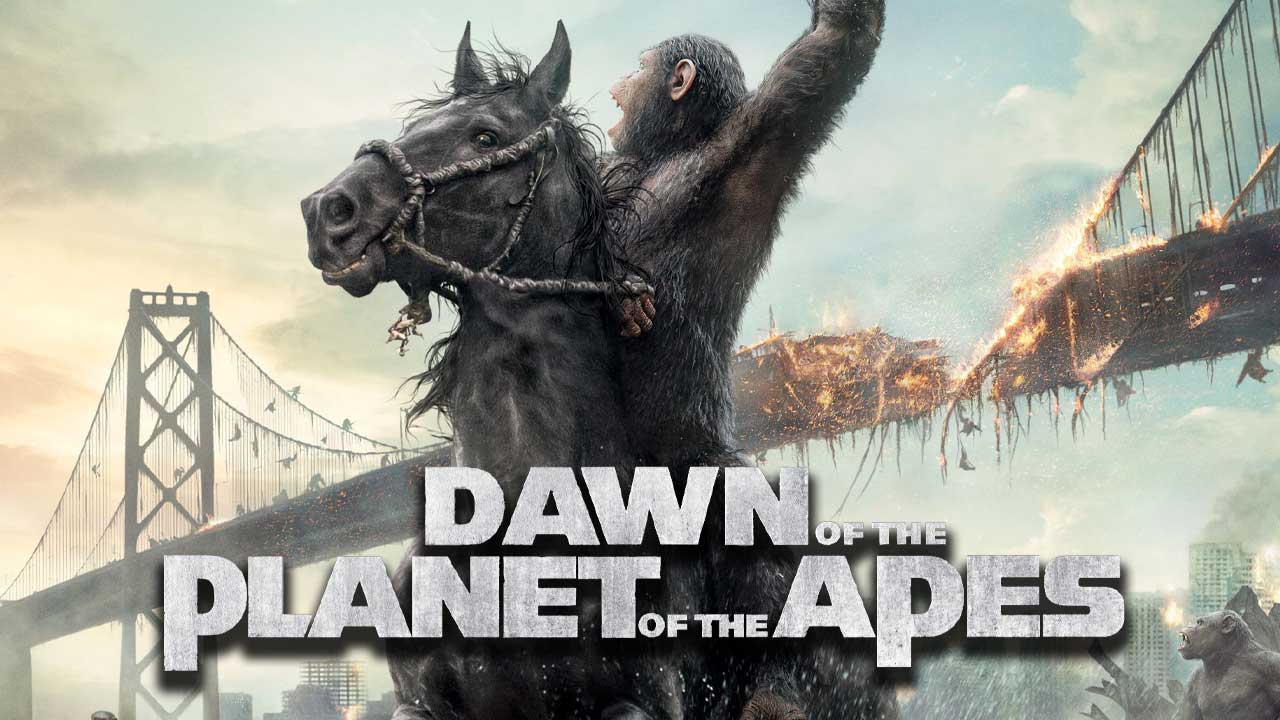
  • Dawn of the Planet of the Apes (2014)

    Dawn of the Planet of the Apes (2014)

    [et_pb_section fb_built=”1″ admin_label=”section” _builder_version=”4.16″ global_colors_info=”{}”][et_pb_row column_structure=”2_3,1_3″ admin_label=”row” _builder_version=”4.16″ background_size=”initial” background_position=”top_left” background_repeat=”repeat” global_colors_info=”{}”][et_pb_column type=”2_3″ _builder_version=”4.16″ custom_padding=”|||” global_colors_info=”{}” custom_padding__hover=”|||”][et_pb_text _builder_version=”4.25.1″ _module_preset=”default” global_colors_info=”{}”]

    On a $93 million budget, 2011’s Rise of the Planet of the Apes grossed over $480 million worldwide. Naturally, 20th Century Fox wanted to make a sequel, hopefully with some of the same people as before. While writers Rick Jaffa & Amanda Silver and actor Andy Serkis came back, director Rupert Wyatt ultimately left. Due to Wyatt’s departure, actors James Franco and Freida Pinto confirmed they wouldn’t return, their characters dying of Simian Flu. Cloverfield director Matt Reeves replaced Wyatt, and Live Free or Die Hard writer Mark Bomback rewrote Jaffa & Silver’s script. On a budget of around $170-235 million, principal photography started in April 2013 in British Columbia and finished in June. Weta Digital, who handled the effects for the last film, returned to refine the work that earned them Oscar nominations. After premiering in June 2014, Dawn of the Planet of the Apes hit theaters in July.

    [/et_pb_text][/et_pb_column][et_pb_column type=”1_3″ _builder_version=”4.16″ custom_padding=”|||” global_colors_info=”{}” custom_padding__hover=”|||”][et_pb_circle_counter title=”Rating” number=”85″ bar_bg_color=”#7CDA24″ _builder_version=”4.25.1″ _module_preset=”default” global_colors_info=”{}”][/et_pb_circle_counter][/et_pb_column][/et_pb_row][et_pb_row _builder_version=”4.16″ _module_preset=”default” global_colors_info=”{}”][et_pb_column type=”4_4″ _builder_version=”4.16″ _module_preset=”default” global_colors_info=”{}”][et_pb_text _builder_version=”4.25.1″ _module_preset=”default” global_colors_info=”{}”]

    Synopsis

    Ten years after the last film, the human population has reduced significantly due to the Simian Flu outbreak. Meanwhile, the hyper-intelligent apes led by Caesar (Andy Serkis) have established a colony in the San Francisco woods. Their peace is interrupted when a group of humans led by Malcolm (Jason Clarke) unknowingly crosses paths with them. They’re trying to restore a hydroelectric dam that’ll bring power to the settlement they’ve created in the city. After some tension between the two groups, the apes allow the humans to work on the dam in their territory. Koba (Toby Kebbell) opposes this alliance and hatches a scheme to eliminate Caesar, leading to an assault against the humans. As community leader Dreyfus (Gary Oldman) organizes their defenses, Malcolm and his group nurse Caesar back to health. It’s up to Caesar to stop Koba from starting a war that neither side will win.


    Review

    A sequel rarely improves upon the original, yet Dawn of the Planet of the Apes manages to do that. While the digital effects in the last film were impressive, the CGI here is a giant leap forward. From the opening close-up shot of Caesar’s eyes, it’s evident Weta made advancements to make the apes much more lifelike. It helps that they have some great actors doing the motion capture, including the always-dependable Andy Serkis. The performances of Serkis, Toby Kebbel, and Judy Greer, among others, make these apes feel like full-fledged characters. Even though most of their dialogue is through sign language, they’re still captivating enough that you don’t mind. Kebbel stands out as the traitorous Koba, who makes for a great villain with whom you somewhat sympathize. Seeing how he stages the human-ape war from behind the scenes is tense and suspenseful, and it never lets up.

    The human cast is serviceable, though similar to the last film, I was more interested in the apes. That isn’t to say all of them are bad, as Jason Clarke and Gary Oldman deliver solid performances. Keri Russell, Kodi Smit-McPhee, and the rest of the human cast are decent, but their characters aren’t particularly memorable. I would compare this to the Michael Bay Transformers movies, but none of the humans here are annoying or obnoxious. Plus, while watching the film, I wanted to see the apes and humans work together to find peace. It’s the age-old tale of two opposing forces trying to get along only to tear each other apart. Matt Reeves does an excellent job delivering a movie that’s exciting and entertaining while injecting some thought-provoking storytelling. It’s hard to believe this is the same guy who made the 1996 romantic comedy The Pallbearer with David Schwimmer.

    Of course, with this movie being a summer blockbuster, you’d expect many big action sequences, and this movie delivers. Thankfully, the action never feels like it comes at the expense of the storytelling but instead feels like a payoff. Whether it’s the ape’s assault on the human colony or the showdown between Caesar and Koba, it’s all exceptionally handled. The film also has fantastic production design, with the human stronghold and ape colony being particular highlights. It’s an exciting contrast to see the ruins of human civilization versus the rudimentary yet promising ape civilization. At just slightly over two hours long, the film never feels slow, and the pacing flows naturally. While surprised by how good Rise was, I’m astounded by what Reeves and company did with this sequel. Overall, Dawn of the Planet of the Apes is one of those rare sequels that’s better than its predecessor.


    And now, what should follow the Dawn but a War?


    Buy Dawn of the Planet of the Apes from Amazon: https://amzn.to/3wvJDEJ.

    Disclosure: The above link is an affiliate link, which means that, at zero cost to you, I will earn a commission if you click through the link and finalize a purchase.

    [/et_pb_text][et_pb_code _builder_version=”4.27.4″ _module_preset=”default” hover_enabled=”0″ sticky_enabled=”0″]

    Where to watch Dawn of the Planet of the Apes (2014)

    data-api-key=”LMVDLdLSH5ZJnQ4FMGMgyJCB8cmGbfCV” data-object-type=”Movie” data-title=”Dawn of the Planet of the Apes” data-year=”2014″ data-theme=”light”>

    [/et_pb_code][/et_pb_column][/et_pb_row][/et_pb_section]
  • The Return of Godzilla (1984)

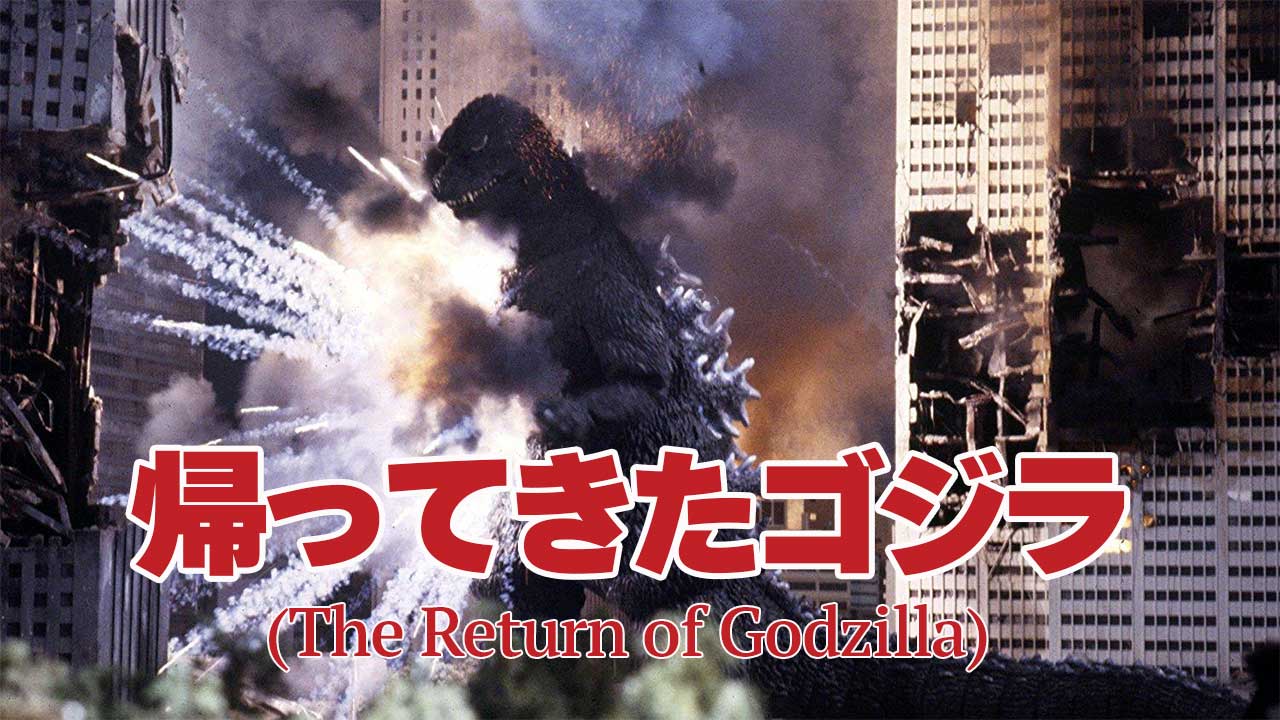
    The Return of Godzilla (1984)

    [et_pb_section fb_built=”1″ admin_label=”section” _builder_version=”4.16″ global_colors_info=”{}”][et_pb_row column_structure=”2_3,1_3″ admin_label=”row” _builder_version=”4.16″ background_size=”initial” background_position=”top_left” background_repeat=”repeat” global_colors_info=”{}”][et_pb_column type=”2_3″ _builder_version=”4.16″ custom_padding=”|||” global_colors_info=”{}” custom_padding__hover=”|||”][et_pb_text _builder_version=”4.24.0″ _module_preset=”default” global_colors_info=”{}”]Despite Toho’s best efforts, Terror of Mechagodzilla failed to make its budget at the box office despite receiving decent reviews. Towards the end of the 70s, producer Tomoyuki Tanaka started working on a franchise reboot that harkened to the original. Tanaka recognized that the decision to make Godzilla more kid-friendly and heroic was a mistake and wanted to correct that. Ishiro Honda was approached to direct, but he declined, so in his place, his assistant Koji Hashimoto was hired. Teruyoshi Nakano, who directed the special effects for several of the previous Godzilla movies, was brought back for this installment. New World Pictures acquired the North American distribution rights, redubbing the film and adding new scenes with Raymond Burr. The Japanese version was released as Godzilla in late 1984, though it was also known as The Return of Godzilla. The American edit came out the following year as Godzilla 1985.

    [/et_pb_text][/et_pb_column][et_pb_column type=”1_3″ _builder_version=”4.16″ custom_padding=”|||” global_colors_info=”{}” custom_padding__hover=”|||”][et_pb_circle_counter title=”Rating” number=”85″ bar_bg_color=”#7CDA24″ _builder_version=”4.24.0″ _module_preset=”default” global_colors_info=”{}”][/et_pb_circle_counter][/et_pb_column][/et_pb_row][et_pb_row _builder_version=”4.16″ _module_preset=”default” global_colors_info=”{}”][et_pb_column type=”4_4″ _builder_version=”4.16″ _module_preset=”default” global_colors_info=”{}”][et_pb_text _builder_version=”4.27.2″ _module_preset=”default” global_colors_info=”{}”]

    Synopsis

    Off the coast of Daikoku Island, a fishing boat struggles against the tides when some giant monster emerges to attack. Days later, the ship is found by reporter Goro Maki (Ken Tanaka), who finds all the occupants dead except one. The lone survivor, Naoko Okumura (Yasuko Sawaguchi), claims that Godzilla attacked the boat, but the government keeps the story secret. Meanwhile, Maki visits Professor Hayashida (Yosuke Natsuki) to learn more about Godzilla and meets Naoko’s sister Hiroshi (Shin Takuma). However, the situation escalates after a Soviet sub is destroyed near Japan, so the government reveals Godzilla’s return. Soon enough, Godzilla starts laying waste to Tokyo, so the military sends out their newest weapon, the Super X. While Hayashida tries using a homing signal to lure Godzilla into a volcano, the Soviets launch a nuke toward Japan. Will Godzilla be defeated, or will Tokyo be obliterated?


    Review

    The Return of Godzilla was an attempt by Toho to make Godzilla scary again, and it succeeded. Throughout the movie, every scene has this gloomy, almost apocalyptic feel, even during the daytime. Koji Hashimoto does a great job at capturing this look and staging the destruction sequences once Godzilla shows up. The Godzilla suit designed by Teruyoshi Nakano is a vast improvement over the ones used in past movies. Towards the end of the Showa era, the suits looked like they were falling apart and too big to wear. The suit seems slimmer, has well-defined features, and resembles a modern version of the 1954 monster. Also, the miniature and model work and some fantastic explosions are impressive, making for some fantastic scenes of destruction. For a 40-year-old movie, the effects hold up surprisingly well, even if a bit outdated. Still, you can’t beat the classics.

    Some longtime fans might be disappointed that this doesn’t have the goofy charm of the late Showa era. I prefer this film’s darker, more serious tone, though some humor is sprinkled in if you prefer that. During Godzilla’s rampage, a bum wanders the city streets and comments on the destruction, providing the film’s comic relief. Supposedly, New World wanted to make the movie more of a comedy during their edits, but Raymond Burr objected. Considering the film’s darker tone, I’m unsure how you could’ve made this a comedy unless you tried hard. The Japanese cast all do a solid job, and the movie succeeds at making you care about the human characters. Some references to the Cold War further date the film, but it works in context, considering Godzilla represents nuclear destruction. It also seems like a natural progression from the original’s post-WWII setting.

    If I had any complaints, they’d be minor, as I feel this is one of the best entries. For as good as the effects are, a few close-up shots of Godzilla look a bit goofy. Side views look menacing, wildly when he roars, but he looks like The Cookie Monster from the front. Also, the pacing sometimes drags, especially in the more human-focused scenes, though it’s not enough to ruin the experience. While it’s disappointing that Godzilla doesn’t fight another monster, focusing solely on Godzilla was the right call. While I haven’t watched the Godzilla 1985 version, I can say that this is an excellent reintroduction to the character. Though the 1954 original is better, this is still a great starting point if you want to get into Godzilla. Overall, The Return of Godzilla succeeds at reminding audiences why Godzilla is the King of the Monsters!


    Buy The Return of Godzilla from Amazon: https://amzn.to/4hwmmoM.

    Disclosure: The above link is an affiliate link, which means that, at zero cost to you, I will earn a commission if you click through the link and finalize a purchase.

    [/et_pb_text][et_pb_code _builder_version=”4.27.4″ _module_preset=”default” hover_enabled=”0″ global_colors_info=”{}” sticky_enabled=”0″]

    Where to watch The Return of Godzilla (1984)

    data-api-key=”LMVDLdLSH5ZJnQ4FMGMgyJCB8cmGbfCV” data-object-type=”Movie” data-title=”The Return of Godzilla” data-year=”1984″ data-theme=”light”>

    [/et_pb_code][/et_pb_column][/et_pb_row][/et_pb_section]

  • Lupin the Third: The Castle of Cagliostro (1979)

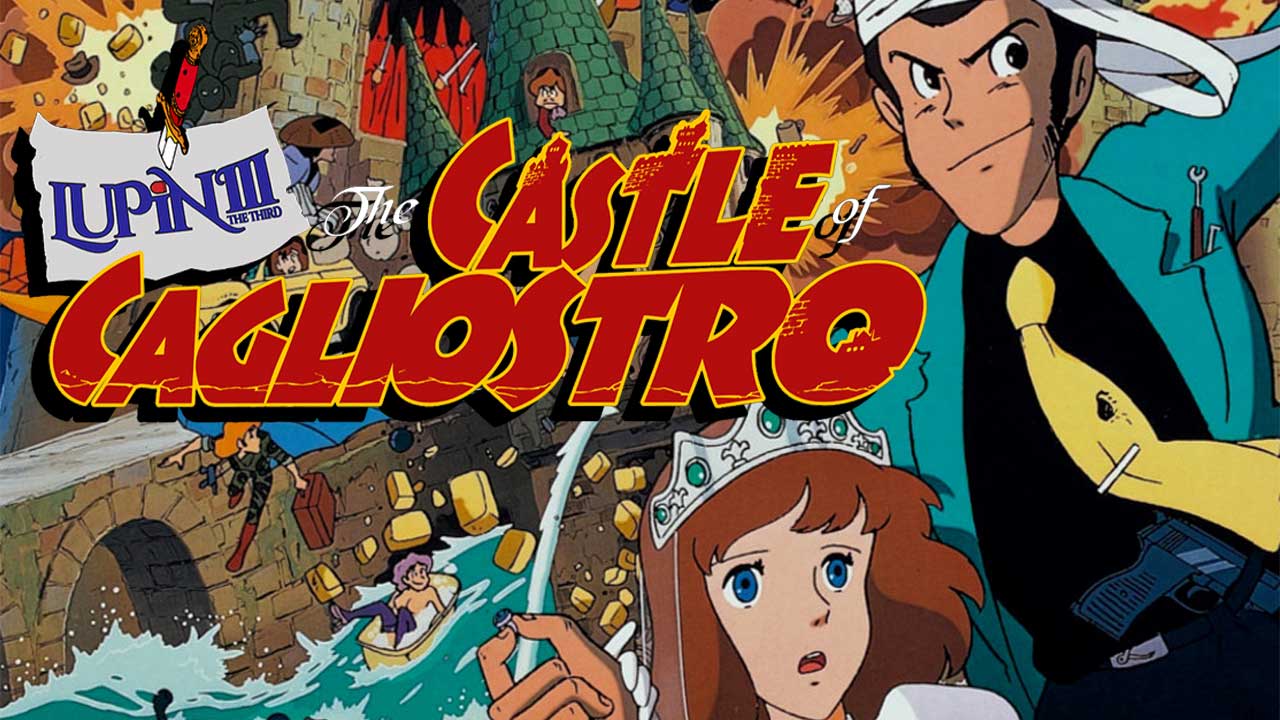
    Lupin the Third: The Castle of Cagliostro (1979)

    [et_pb_section fb_built=”1″ fullwidth=”on” _builder_version=”4.16″ _module_preset=”default” custom_margin=”||||false|false” global_colors_info=”{}” theme_builder_area=”post_content”][et_pb_fullwidth_header title=”Special Review” subhead=”This review is a special request from Patreon supporter BodaciousCNO. If you’d like to support me on Patreon, click the button below.” text_orientation=”center” button_one_text=”Visit Patreon” button_one_url=”https://www.patreon.com/filmnerd” background_overlay_color=”#f96854″ _builder_version=”4.23″ _module_preset=”default” title_level=”h2″ background_color=”#f96854″ custom_button_one=”on” button_one_bg_color=”#052d49″ custom_margin=”||||false|false” custom_padding=”25px||25px||false|false” hover_enabled=”0″ global_colors_info=”{}” theme_builder_area=”post_content” sticky_enabled=”0″][/et_pb_fullwidth_header][/et_pb_section][et_pb_section fb_built=”1″ _builder_version=”4.16″ _module_preset=”default” global_colors_info=”{}” theme_builder_area=”post_content”][et_pb_row column_structure=”2_3,1_3″ _builder_version=”4.16″ _module_preset=”default” global_colors_info=”{}” theme_builder_area=”post_content”][et_pb_column type=”2_3″ _builder_version=”4.16″ _module_preset=”default” global_colors_info=”{}” theme_builder_area=”post_content”][et_pb_text _builder_version=”4.23″ _module_preset=”default” hover_enabled=”0″ global_colors_info=”{}” theme_builder_area=”post_content” sticky_enabled=”0″]

    In 1967, Kazuhiko Katō, using the pseudonym Monkey Punch, created the manga series Lupin III for Weekly Manga Action magazine. The manga proved so popular that the famed studio Tokyo Movie created a two-part anime series in 1971 and 1977. During the second series’ run, Tokyo Movie produced the character’s first feature film, The Mystery of Mamo, in 1978. On a budget of ¥500 million, the movie grossed ¥915 million, making it the 9th highest-grossing Japanese film that year. After the film’s success, the studio wanted to move ahead with another installment to be released the following year. Hayao Miyazaki, who co-directed episodes of the series with Isao Takahata, would make his directorial debut with this film. With a shortened production schedule and the largest budget for an anime film, much was riding on its success. Lupin the Third: The Castle of Cagliostro hit Japanese cinemas in December 1979.

    [/et_pb_text][/et_pb_column][et_pb_column type=”1_3″ _builder_version=”4.16″ _module_preset=”default” global_colors_info=”{}” theme_builder_area=”post_content”][et_pb_circle_counter title=”Rating” number=”90″ bar_bg_color=”#7CDA24″ _builder_version=”4.23″ _module_preset=”default” hover_enabled=”0″ global_colors_info=”{}” theme_builder_area=”post_content” sticky_enabled=”0″][/et_pb_circle_counter][/et_pb_column][/et_pb_row][et_pb_row _builder_version=”4.16″ _module_preset=”default” global_colors_info=”{}” theme_builder_area=”post_content”][et_pb_column type=”4_4″ _builder_version=”4.16″ _module_preset=”default” global_colors_info=”{}” theme_builder_area=”post_content”][et_pb_text _builder_version=”4.23″ _module_preset=”default” hover_enabled=”0″ global_colors_info=”{}” theme_builder_area=”post_content” sticky_enabled=”0″]

    Synopsis

    Lupin III (Bob Bergen) and his cohort Daisuke Jigen (Steve Bulen) steal millions from the Monte Carlo Casino. Unfortunately, it turns out that the money they stole is counterfeit, so they decide to track down the source. Along the way, they run into a young bride-to-be named Clarisse (Joan-Carol O’Connell), who’s to marry Count Lazare (Michael McConnohie). They soon discover that The Count is only marrying Clarisse so he can uncover Cagliostro’s lost treasure. Lupin enlists his friend Goemon Ishikawa XIII (Steve Kramer) for help and tips off his nemesis, Inspector Zenigata (David Povall). In addition, Lupin’s former lover, Fujiko Mine (Edie Mirman), is posing as Clarisse’s assistant to uncover The Count’s counterfeiting operations. While Lupin and his friends try to save Clarisse from The Count, Fujiko and Zenigata search for evidence. It’s an adventure of a lifetime, and it all takes place in The Castle of Cagliostro!


    Review

    Of the many films in Miyazaki’s legendary career, Lupin the Third: The Castle of Cagliostro is among his least well-known. Everyone sings the praises of Princess Mononoke, Spirited Away, and My Neighbor Totoro, but not many acknowledge this one. While this may not be as groundbreaking as those movies, I think this one deserves more credit than it gets. If not for this film, Miyazaki may not have started one of the most iconic animation studios ever. You can see early traces of Miyazaki’s style, such as the character designs, beautiful landscapes, and fast-paced action. It’s a visual feast, from the opening chase scene between Clarisse and The Count’s henchmen to Lupin outrunning Zenigata’s goons. Also, with its slapstick humor, funny dialogue, and nonstop chaos, there’s never a dull moment. The fast-paced tone may put some off, but you’ll have a good time if you go along for the ride.

    Despite having previously reviewed Lupin III: The First, I’m not as familiar with the franchise as others. From what I gathered, this version of Lupin is very different from how the character is usually depicted. Usually, he’s portrayed as a cocky, smarmy, womanizing thief who only cares about the next big score. Here, he’s still a thief but more heroic and happy-go-lucky, wanting to do good but constantly getting into trouble. Purists might be disappointed by this version, but I think making him a thief with a heart of gold works. Making him and his colleagues more friendly and humorous allows the audience to sympathize and root for the characters. Thankfully, the movie maintains their core personalities – Lupin is affable, Jigen is sarcastic, and Goemon is stoic. This may not be the definitive version of what Lupin III is, but for this movie, it works.

    Considering all the dubs made over the years, it’s hard to judge the performances since none is the same. For this review, I’ll cover the Streamline dub produced in 1992 since it’s currently on Amazon Prime. That said, the dub actors do a great job bringing these characters to life and fit the personalities well. Bob Bergen gives Lupin a unique charm that makes him instantly likable, and David Povall brings much energy to Zenigata. Steve Bulen and Steve Kramer are great as Jigen and Goemon, and Edie Mirman brings plenty of sass to Fujiko. I’m not sure how this dub compares to the Manga Entertainment dub from 2000, but I’m sure it’s also good. Whichever dub you pick, this is still an incredible animated adventure worth checking out, especially for Miyazaki fans. Overall, Lupin the Third: The Castle of Cagliostro may not be 100% faithful, but it’s nonetheless enjoyable.


    Buy Lupin the Third: The Castle of Cagliostro from Amazon: https://amzn.to/3LK7hS9.

    Disclosure: The above link is an affiliate link, which means that, at zero cost to you, I will earn a commission if you click through the link and finalize a purchase.

    [/et_pb_text][/et_pb_column][/et_pb_row][/et_pb_section]
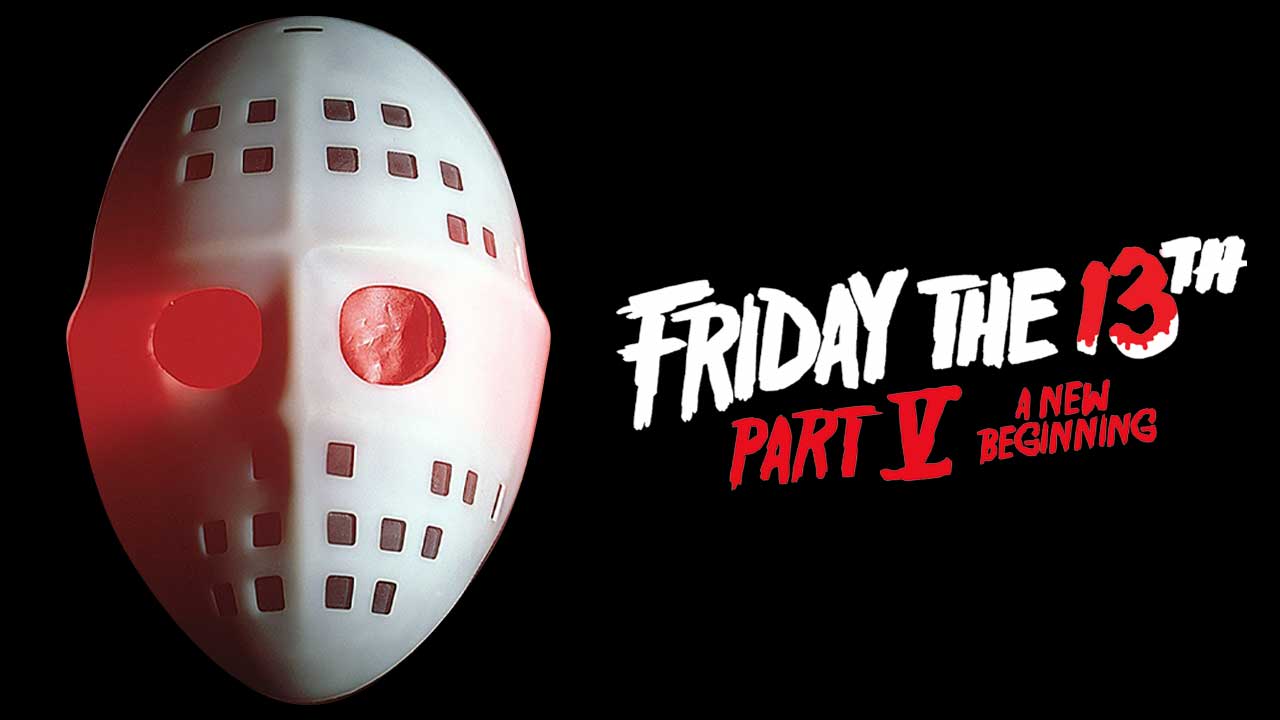
  • Friday the 13th: A New Beginning (1985)

    Friday the 13th: A New Beginning (1985)

    [et_pb_section fb_built=”1″ admin_label=”section” _builder_version=”4.16″ global_colors_info=”{}”][et_pb_row column_structure=”2_3,1_3″ admin_label=”row” _builder_version=”4.16″ background_size=”initial” background_position=”top_left” background_repeat=”repeat” global_colors_info=”{}”][et_pb_column type=”2_3″ _builder_version=”4.16″ custom_padding=”|||” global_colors_info=”{}” custom_padding__hover=”|||”][et_pb_text _builder_version=”4.23″ _module_preset=”default” global_colors_info=”{}”]As previously stated, producer Frank Mancuso, Jr. insisted that Friday the 13th: The Final Chapter would be the last installment. However, the film grossed $33 million against a $2.2 million budget, so Paramount decided to continue the series anyway. Phil Scuderi, one of the series’ longtime financiers, hired Danny Steinmann of The Unseen and Savage Streets fame to direct. Since Jason died in the last film, the producers decided to make the next installment a whodunit like the original. Under the working title Repetition, the movie was shot in and around Beverly Hills and Camarillo, California, in 1984. Unfortunately, there were production issues, namely clashes between Steinmann and Mancuso and edits mandated by the MPAA. Little did the filmmakers know that the final result would be one of the most divisive entries in the series. Ultimately, Friday the 13th: A New Beginning opened in March 1985.

    [/et_pb_text][/et_pb_column][et_pb_column type=”1_3″ _builder_version=”4.16″ custom_padding=”|||” global_colors_info=”{}” custom_padding__hover=”|||”][et_pb_circle_counter title=”Rating” number=”60″ bar_bg_color=”#EDF000″ _builder_version=”4.23″ _module_preset=”default” global_colors_info=”{}”][/et_pb_circle_counter][/et_pb_column][/et_pb_row][et_pb_row _builder_version=”4.16″ _module_preset=”default” global_colors_info=”{}”][et_pb_column type=”4_4″ _builder_version=”4.16″ _module_preset=”default” global_colors_info=”{}”][et_pb_text _builder_version=”4.27.2″ _module_preset=”default” global_colors_info=”{}”]

    Synopsis

    Years after surviving his encounter with Jason Voorhees, Tommy Jarvis (John Shepherd) is put in a halfway house. Due to the trauma he endured, Tommy is very quiet and reserved, which makes him an easy target for bullying. Terror strikes the community when mentally disturbed Vic (Mark Venturini) kills overweight Joey (Dominick Brascia) over a chocolate bar. Soon, more murders happen near the halfway house, and numerous suspects are named, including Tommy and possibly Jason. Among those killed are lovers Eddie (John Robert Dixon) and Tina (Debisue Voorhees) and the goth Violet (Tiffany Helm). Soon, the only ones left are Pam (Melanie Kinnaman) and Reggie “The Reckless” (Shavar Ross), with Tommy mysteriously absent. They soon meet the killer, wearing a hockey mask that’s very similar but different to Jason’s. But is this Jason back from the dead, is it a mentally deranged Tommy, or is it someone else?


    Review

    Like Halloween III: Season of the Witch, Friday the 13th: A New Beginning has been harshly criticized since its release. Most of the criticism is over the killer’s identity and how it pulled a fast one on the audience. While it’s not as strong as the earlier installments, this film doesn’t deserve nearly the hate it gets. For one, John Shepherd does a great job as a traumatized Tommy Jarvis, acting quiet and reserved. Even though he doesn’t have many lines, you can tell from his facial expressions that he’s been through a lot. Melanie Kinnaman is also good as the strong and nurturing Pam, who wants to help Tommy overcome his trauma. Shavar Ross is also fun as the fearless Reggie “The Reckless” and has excellent chemistry with Kinnaman and Shepherd. Carol Locatell and Ron Sloan are also memorable as a foul-mouthed redneck and her yokel son, respectively.

    The thing that makes any Friday the 13th movie work is the creativity and brutality of the kills. There are some decent kills, though they’re not as brutal as those from The Final Chapter or Part 3. Some more unique kills include a flare to the mouth, hedge trimmers to the eyes, and a head-crushing belt. Aside from that, most of the film’s deaths are the usual stabbings and slashings you’ve expected from this series. It seems director Danny Steinmann was more interested in showing busty women topless than creating elaborate kills. Nudity does add to the series’ charm, but it doesn’t mean the difference between a good and lousy installment. It doesn’t help that, aside from a few standouts, most of the characters aren’t all that memorable. While no one is insufferably annoying, it’s hard to feel sad about people dying when they don’t have much characterization.

    While it’s admirable that the filmmakers tried making this more of a whodunit, they somewhat give away the killer’s identity. I won’t spoil it here, but if you watch the film, it’s made pretty obvious who will be the killer. Whether intentional or not, it’s frustrating when you learn who the killer is, considering the direction they could’ve gone in. They tried to build off the ending of the last film and double down on it in this film’s ending. Unfortunately, the fans were so upset that the setup was abandoned, which is a shame but not a series-ender. This is a competently-made, decently-paced slasher with some decent kills and a few memorable characters. But as an entry in one of the longest-running horror franchises, this one misses the mark, but not without trying. Overall, Friday the 13th: A New Beginning isn’t great, but it’s at least underrated.


    Buy Friday the 13th: A New Beginning from Amazon: https://amzn.to/4hudv73.

    Disclosure: The above link is an affiliate link, which means that, at zero cost to you, I will earn a commission if you click through the link and finalize a purchase.

    [/et_pb_text][et_pb_code _builder_version=”4.27.4″ _module_preset=”default” hover_enabled=”0″ sticky_enabled=”0″]

    Where to watch Friday the 13th: A New Beginning (1985)

    data-api-key=”LMVDLdLSH5ZJnQ4FMGMgyJCB8cmGbfCV” data-object-type=”Movie” data-title=”Friday the 13th: A New Beginning” data-year=”1985″ data-theme=”light”>

    [/et_pb_code][/et_pb_column][/et_pb_row][/et_pb_section]
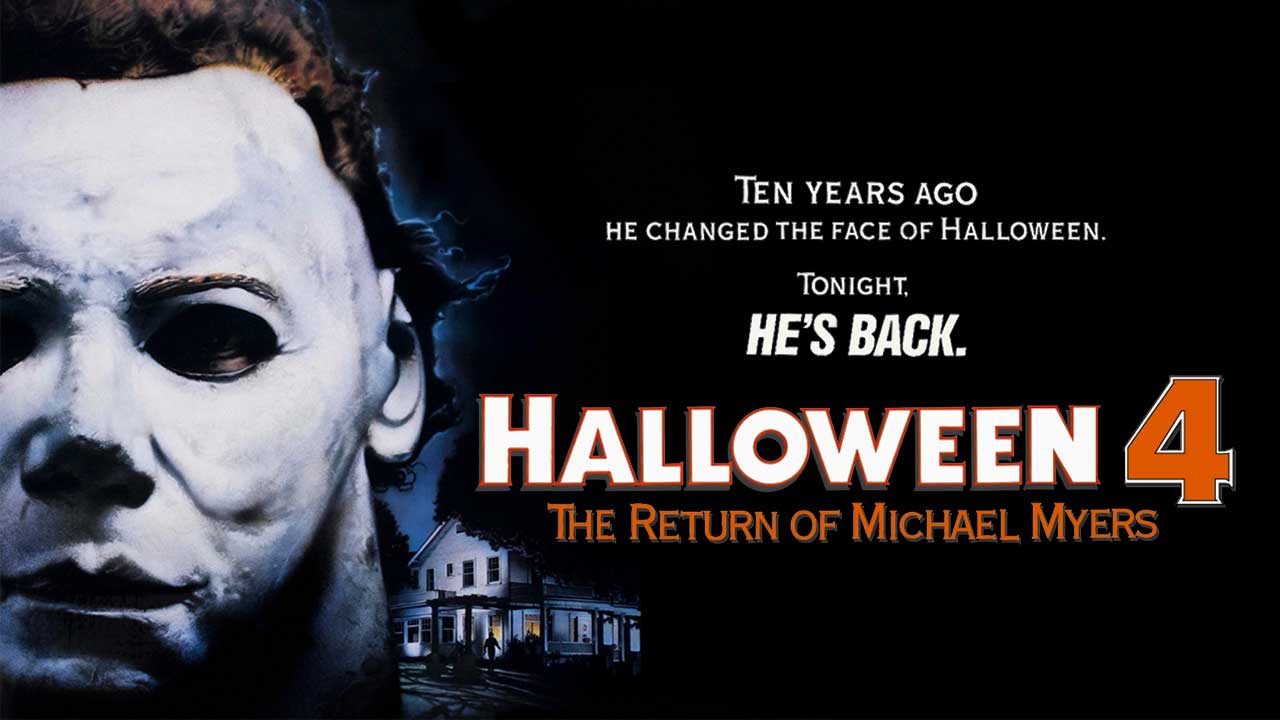
  • Halloween 4: The Return of Michael Myers (1988)

    Halloween 4: The Return of Michael Myers (1988)

    [et_pb_section fb_built=”1″ admin_label=”section” _builder_version=”4.16″ global_colors_info=”{}” theme_builder_area=”post_content”][et_pb_row column_structure=”2_3,1_3″ admin_label=”row” _builder_version=”4.16″ background_size=”initial” background_position=”top_left” background_repeat=”repeat” global_colors_info=”{}” theme_builder_area=”post_content”][et_pb_column type=”2_3″ _builder_version=”4.16″ custom_padding=”|||” global_colors_info=”{}” custom_padding__hover=”|||” theme_builder_area=”post_content”][et_pb_text _builder_version=”4.23″ _module_preset=”default” hover_enabled=”0″ global_colors_info=”{}” theme_builder_area=”post_content” sticky_enabled=”0″]

    While it grossed over $14 million against a $4.6 million budget, Halloween III: Season of the Witch was widely hated. Though it’s since been reappraied by critics and audiences, at the time, the movie upset people who expected Michael Myers. John Carpenter and Debra Hill hired Dennis Etchison to write for a fourth installment, with Joe Dante possibly directing. Unfortunately, executive producer Moustapha Akkad rejected the script, wanting more of a straightforward slasher with Michael Myers. Carpenter and Hill sold their rights to Akkad, who hired Dwight H. Little and Alan B. McElroy for the project. Donald Pleasance was the only returning cast member from the first two films as Jamie Lee Curtis’ career had exploded. Among the new cast was a young Danielle Harris, Ellie Cornell, and George P. Wilbur as the iconic killer. Finally, Halloween 4: The Return of Michael Myers was released in theaters in October 1988.

    [/et_pb_text][/et_pb_column][et_pb_column type=”1_3″ _builder_version=”4.16″ custom_padding=”|||” global_colors_info=”{}” custom_padding__hover=”|||” theme_builder_area=”post_content”][et_pb_circle_counter title=”Rating” number=”65″ bar_bg_color=”#EDF000″ _builder_version=”4.23″ _module_preset=”default” hover_enabled=”0″ global_colors_info=”{}” theme_builder_area=”post_content” sticky_enabled=”0″][/et_pb_circle_counter][/et_pb_column][/et_pb_row][et_pb_row _builder_version=”4.16″ _module_preset=”default” global_colors_info=”{}” theme_builder_area=”post_content”][et_pb_column type=”4_4″ _builder_version=”4.16″ _module_preset=”default” global_colors_info=”{}” theme_builder_area=”post_content”][et_pb_text _builder_version=”4.23″ _module_preset=”default” hover_enabled=”0″ global_colors_info=”{}” theme_builder_area=”post_content” sticky_enabled=”0″]

    Synopsis

    Ten years after his original rampage, Michael Myers (George P. Wilbur) is comatose and is transferred to Smith’s Grove. He awakens when he finds out he has a niece and escapes to Haddonfield, killing several people during his trek. His former psychiatrist, Dr. Sam Loomis (Donald Pleasance), learns about Michael’s escape and chases after him. Over in Haddonfield, Jamie Strode (Danielle Harris) lives with her foster parents, Richard (Jeff Olson) and Darlene Carruthers (Karen Alston). While the parents attend a Halloween party, their daughter Rachel (Ellie Cornell) has to babysit Jamie while she goes trick-or-treating. After arriving in Haddonfield, Loomis meets Sheriff Meeker (Beau Starr) to warn him about Michael’s intent to kill Jamie. A lynch mob hunts down Michael while Loomis and Meeker try to protect Jamie and Rachel from Michael’s wrath. Who will survive, and who will be the next victim of Michael Myers’ return?


    Review

    While I have my issues, Halloween 4: The Return of Michael Myers is a decent, if unremarkable, slasher. It doesn’t come close to the quality of John Carpenter’s original, but for what it is, it’s okay. For starters, the opening credits sequence is excellent, perfectly capturing the vibe of Halloween and the changing seasons. From there, the movie retains this spooky vibe with its use of fog and minimal lighting. Since this was still early in his career, Dwight Little did great as a director and showed potential. The acting is solid, with Donald Pleasance being the consummate professional and carrying the film. Relative newcomers Danielle Harris and Ellie Cornell are also great and have good chemistry as their relationship develops. George Wilbur makes for a good Michael Myers, giving off an imposing presence that sets him apart from his predecessors.

    Admittedly, most of my problems with this film are issues that stem from problematic elements from previous installments. In my review of Halloween II, I mentioned that I didn’t enjoy the twist with Laurie being Michael’s sister. This film builds on that twist with the inclusion of Jamie, Laurie’s daughter and Michael’s niece. While it helps that Danielle Harris does a great job, the fact they followed up on the twist is bothersome. Also, the fact that Michael and Loomis survived the explosion in the second installment undermines its ending. From what I’ve read, the film was initially meant to be more of a ghost story, which would’ve been interesting. I understand the producers wanted to bring Michael Myers back, but they had to jump through hoops to get there. That said, it’s still less insulting than what was done to Michael in Halloween Kills and Halloween Ends.

    The kills are relatively tame for a slasher film, which isn’t entirely wrong, but it makes the movie feel soft. A few stand out, but that’s thanks to the late addition of special effects artist John Carl Buechler. Still, don’t expect anything as visceral as Crispin Glover’s death in Friday the 13th: The Final Chapter. Another strong point of the film is the score by John Carpenter’s long-time associate, Alan Howarth. He mixes the original theme with some moody synth music that adds to the movie’s ominous tone. While it takes time to get going, the climax, where the movie turns into a siege film, is thrilling. At roughly 88 minutes, there is quite a bit of padding, but the film gets in and out fairly quickly. Overall, Halloween 4: The Return of Michael Myers is a step down in quality, but it has its moments.


    Buy Halloween 4: The Return of Michael Myers from Amazon: https://amzn.to/3ZJcYFP.

    Disclosure: The above link is an affiliate link, which means that, at zero cost to you, I will earn a commission if you click through the link and finalize a purchase.

    [/et_pb_text][/et_pb_column][/et_pb_row][/et_pb_section]
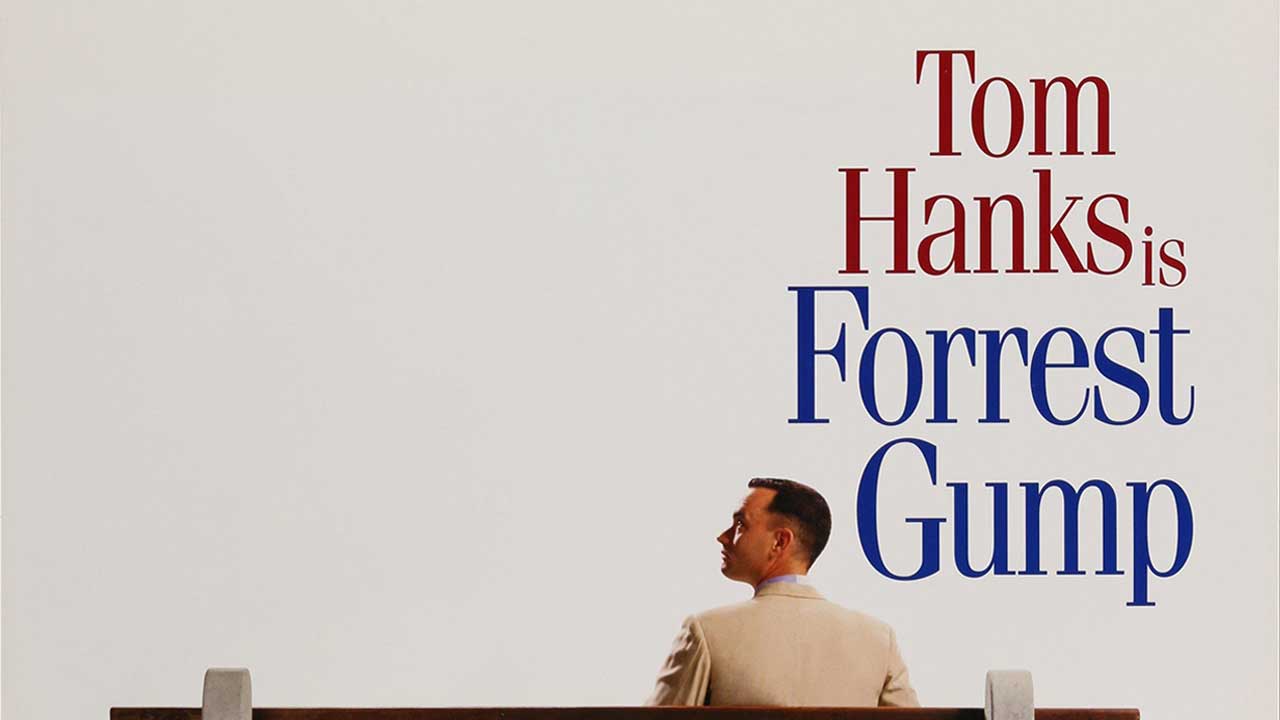
  • Forrest Gump (1994)

    Forrest Gump (1994)

    [et_pb_section fb_built=”1″ fullwidth=”on” _builder_version=”4.16″ _module_preset=”default” custom_margin=”||||false|false” global_colors_info=”{}”][et_pb_fullwidth_header title=”Special Review” subhead=”This review is a special request from Patreon supporter Kevin Glauber. If you’d like to support me on Patreon, click the button below.” text_orientation=”center” button_one_text=”Visit Patreon” button_one_url=”https://www.patreon.com/filmnerd” background_overlay_color=”#f96854″ _builder_version=”4.22.2″ _module_preset=”default” title_level=”h2″ background_color=”#f96854″ custom_button_one=”on” button_one_bg_color=”#052d49″ custom_margin=”||||false|false” custom_padding=”25px||25px||false|false” global_colors_info=”{}”][/et_pb_fullwidth_header][/et_pb_section][et_pb_section fb_built=”1″ _builder_version=”4.16″ _module_preset=”default” global_colors_info=”{}”][et_pb_row column_structure=”2_3,1_3″ _builder_version=”4.16″ _module_preset=”default” global_colors_info=”{}”][et_pb_column type=”2_3″ _builder_version=”4.16″ _module_preset=”default” global_colors_info=”{}”][et_pb_text _builder_version=”4.22.1″ _module_preset=”default” global_colors_info=”{}”]

    In 1986, novelist and non-fiction writer Winston Groom wrote the novel Forrest Gump about a savant’s life and upbringing. While not a huge hit, selling 30,000 copies, the book caught the attention of producers Wendy Finerman and Steve Tisch. After a bidding war, Warner Bros. acquired the rights and paid Groom $500,000 to write the script. Unfortunately, the release of 1989’s Rain Man made Warner Bros. reconsider and let the rights relapse while the producers scrambled. They contacted Columbia Pictures, who rejected it, but after a rewrite by Eric Roth, Paramount Pictures bought the rights instead. After numerous directors and actors were considered, Robert Zemeckis and Tom Hanks were chosen, and filming started in August 1993. Made on a budget of $55 million, filming lasted for four months before ILM handled the post-production. After years of development, Forrest Gump finally hit theaters in July 1994.

    [/et_pb_text][/et_pb_column][et_pb_column type=”1_3″ _builder_version=”4.16″ _module_preset=”default” global_colors_info=”{}”][et_pb_circle_counter title=”Rating” number=”85″ bar_bg_color=”#7CDA24″ _builder_version=”4.22.1″ _module_preset=”default” global_colors_info=”{}”][/et_pb_circle_counter][/et_pb_column][/et_pb_row][et_pb_row _builder_version=”4.16″ _module_preset=”default” global_colors_info=”{}”][et_pb_column type=”4_4″ _builder_version=”4.16″ _module_preset=”default” global_colors_info=”{}”][et_pb_text _builder_version=”4.22.1″ _module_preset=”default” global_colors_info=”{}”]

    Synopsis

    Forrest Gump (Tom Hanks), a dimwitted yet well-meaning person, tells his life story while waiting for a bus. He talks about growing up with his single mother (Sally Field), who wanted him to live an everyday life. While everyone else made fun of him, he took solace in his friendship with Jenny Curran (Robin Wright). Through a series of events, he gets a football scholarship and then enlists in the army after graduating. He befriends shrimping enthusiast Benjamin Buford “Bubba” Blue (Mykelti Williamson) and catches the ire of Lt. Dan Taylor (Gary Sinise). While Bubba dies, Dan survives, though he loses his legs, and Forrest acquires a knack for ping pong. He carries on Bubba’s legacy by becoming a shrimp boat captain, making millions through a stroke of luck. Despite the progression of time, only one thing keeps Forrest awake at night: his girl, Jenny.


    Review

    Almost thirty years after its release, Forrest Gump has been examined, deconstructed, and evaluated by critics and scholars several times. Honestly, there’s not much I can say about the film that everyone and their grandma haven’t already said. So, all I can offer is my honest opinion, discuss what works and doesn’t, and leave the rest to you. First, the cast is terrific, with everyone delivering, from Tom Hanks and Robin Wright to Gary Sinise and Sally Field. Hanks plays the part with a somewhat child-like innocence as he navigates the world during history’s most significant moments. Despite everything around him, he remains optimistic, hopeful, and determined even when everyone says no. Robin Wright also does a great job as Jenny, who looks innocent but has a tragic arc throughout the film. She has excellent chemistry with Hanks, and it’s genuinely heartwarming seeing her pick herself back up.

    Gary Sinise steals the show as Lt. Dan Taylor, who initially comes off mean but softens up. His is another interesting character arc, from needing to carry on a family legacy to accepting what he’s been given. While her screen time is limited, Sally Field also does an excellent job as Forrest’s well-meaning mother. Robert Zemeckis does a great job as director, filming some dynamic shots to make the action feel much more extensive. The effects used to place Tom Hanks in stock footage of John F. Kennedy and Richard Nixon are also impressive. Admittedly, the noticeable lip movements to match the dialogue and some weird composites break the illusion. On the flip side, the effects of removing Gary Sinise’s legs are so amazing that they look natural. Granted, it helps that Sinise put in the performance needed to make the effects look convincing.

    While I think this is a good movie and understand why it’s beloved, I have some issues with it. It can be hard to follow the story since a new plot starts every 15 minutes. For instance, writing the synopsis was hard since so much happens in the movie that it’s hard to condense. Also, at just under two and a half hours, the film feels long, not helped by some slower filler scenes. But my biggest issue with the movie is that it feels overly sentimental, like a sanitized version of American history. It doesn’t help that Forrest gets out of every bad situation relatively unscathed and with a smile on his face. Still, despite my complaints, I can’t discredit this movie’s impact, and I can appreciate it for what it is. Overall, Forrest Gump may be slightly overrated, but it’s still a powerful film worth watching.


    Buy Forrest Gump from Amazon: https://amzn.to/3Lp7qKA.

    Disclosure: The above link is an affiliate link, which means that, at zero cost to you, I will earn a commission if you click through the link and finalize a purchase.

    [/et_pb_text][et_pb_code _builder_version=”4.27.4″ _module_preset=”default” hover_enabled=”0″ sticky_enabled=”0″]

    Where to watch Forrest Gump (1994)

    data-api-key=”LMVDLdLSH5ZJnQ4FMGMgyJCB8cmGbfCV” data-object-type=”Movie” data-title=”Forrest Gump” data-year=”1994″ data-theme=”light”>

    [/et_pb_code][/et_pb_column][/et_pb_row][/et_pb_section]
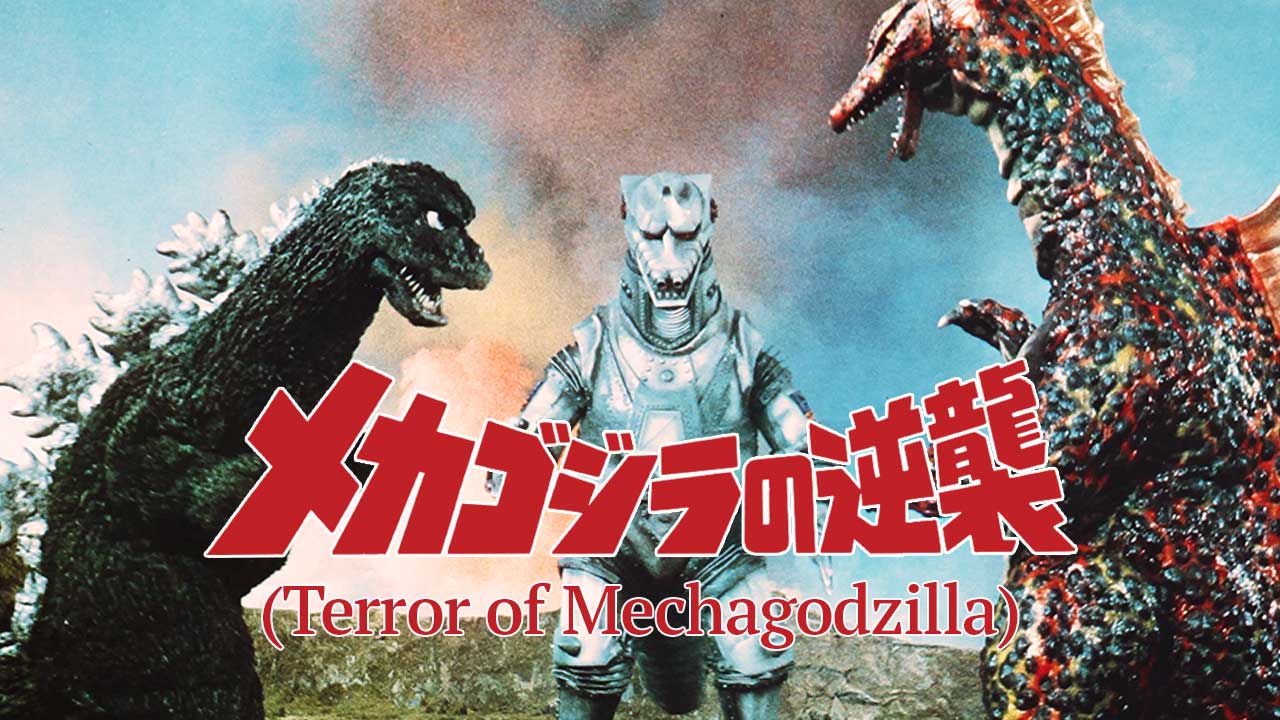
  • Terror of Mechagodzilla (1975)

    Terror of Mechagodzilla (1975)

    [et_pb_section fb_built=”1″ admin_label=”section” _builder_version=”4.16″ global_colors_info=”{}”][et_pb_row column_structure=”2_3,1_3″ admin_label=”row” _builder_version=”4.16″ background_size=”initial” background_position=”top_left” background_repeat=”repeat” global_colors_info=”{}”][et_pb_column type=”2_3″ _builder_version=”4.16″ custom_padding=”|||” global_colors_info=”{}” custom_padding__hover=”|||”][et_pb_text _builder_version=”4.21.2″ _module_preset=”default” global_colors_info=”{}”]

    Months after the release of Godzilla vs. Mechagodzilla, assistant producer Kenji Tokoro selected Yukiko Takayama to write the next film. Having won a writing contest held by Toho, Takayama had to submit three subsequent rewrites before getting final approval. Jun Fukuda was asked to return to direct, but he refused, saying he had enough of the series. There were rumors that Godzilla vs. Hedorah director Yoshimitsu Banno was considered, but series veteran Ishiro Honda was eventually hired. Having been absent from the series since 1969’s All Monsters Attack, this was Honda’s final film before retiring. This was meant to be darker than the previous entries in the series, which were more lighthearted and goofy. The film was released in March 1975 as Terror of Mechagodzilla in Japan, while the US got it years later. Independent distributor Bob Conn Enterprises released the movie as The Terror of Mechagodzilla in March 1978.

    [/et_pb_text][/et_pb_column][et_pb_column type=”1_3″ _builder_version=”4.16″ custom_padding=”|||” global_colors_info=”{}” custom_padding__hover=”|||”][et_pb_circle_counter title=”Rating” number=”70″ bar_bg_color=”#EDF000″ _builder_version=”4.21.2″ _module_preset=”default” global_colors_info=”{}”][/et_pb_circle_counter][/et_pb_column][/et_pb_row][et_pb_row _builder_version=”4.16″ _module_preset=”default” global_colors_info=”{}”][et_pb_column type=”4_4″ _builder_version=”4.16″ _module_preset=”default” global_colors_info=”{}”][et_pb_text _builder_version=”4.22.0″ _module_preset=”default” hover_enabled=”0″ global_colors_info=”{}” sticky_enabled=”0″]

    Synopsis

    After the last film, Interpol agents take a submarine to search the ocean depths for the remains of Mechagodzilla. Unfortunately, the sub is attacked by a giant sea monster named Titanosaurus, leading to Interpol starting an investigation. They enlist the aid of marine biologist Akira Ichinose (Katsuhiko Sasaki), who tracks down where Titanosaurus came from. It’s revealed that Titanosaurus is controlled by reclusive scientist Dr. Shinzo Mafune (Akihiko Hirata), who’s allied with The Simeons. Under the leadership of Mugal (Gorō Mutsumi), Mafune is helping the aliens rebuild Mechagodzilla so they can wipe out humanity. Also, Mafune has a daughter named Katsura (Tomoko Ai), who is revealed to be a cyborg with Mechagodzilla’s controller implanted. As Interpol and the army try taking down Titanosaurus and Mechagodzilla, Godzilla arrives to do battle once again. Like the last film, it’s a two-on-one fight, except Godzilla is alone this time.


    Review

    It’s a shame the Showa era of Godzilla movies had to end with Terror of Mechagozilla because it’s not bad. This was Toho’s attempt at something more serious after years of pandering to kids, and I think they did ok. While it does have the same alien invader plot we’ve seen in other installments, it’s not nearly as ridiculous here. Also, Dr. Mafune’s backstory of a disgraced scientist shunned by society is handled well and makes him sympathetic. Sure, Akihiko Hirata’s performance is somewhat over-the-top, and he’s given a bad wig to wear, but it doesn’t ruin anything. It’s also nice that this film is a direct sequel to the last one, whereas the others were loosely connected. Ishiro Honda’s direction is top-notch, and Akira Ifukube’s score fits the somewhat darker tone of the movie well. Plus, it has one of Godzilla’s most awesome introductions.

    As for the monsters, Mechagodzilla is just as cool as before, even if there’s nothing new to him. Titanosaurus is one of Godzilla’s most interesting-looking monsters, but his roar can sometimes be grating, if not laughable. Like many Godzilla movies from this period, it takes a while to get going, but the fight scenes are entertaining. Unfortunately, they’re a step down from how wild and crazy the fights in the last movie were. Godzilla vs. Mechagodzilla had that campy, Saturday matinee feel of other late Showa movies, but it worked there. I’m not saying the film should’ve been goofier, but the fights should’ve matched the last film’s energy. While it’s not great, it’s easily one of the better films from this era, despite being the last one. Overall, Terror of Mechagodzilla isn’t as fun as the last one, but it’s a decent effort.


    Buy Terror of Mechagodzilla from Amazon: https://amzn.to/3DUqEDG.

    Disclosure: The above link is an affiliate link, which means that, at zero cost to you, I will earn a commission if you click through the link and finalize a purchase.

    [/et_pb_text][/et_pb_column][/et_pb_row][/et_pb_section]
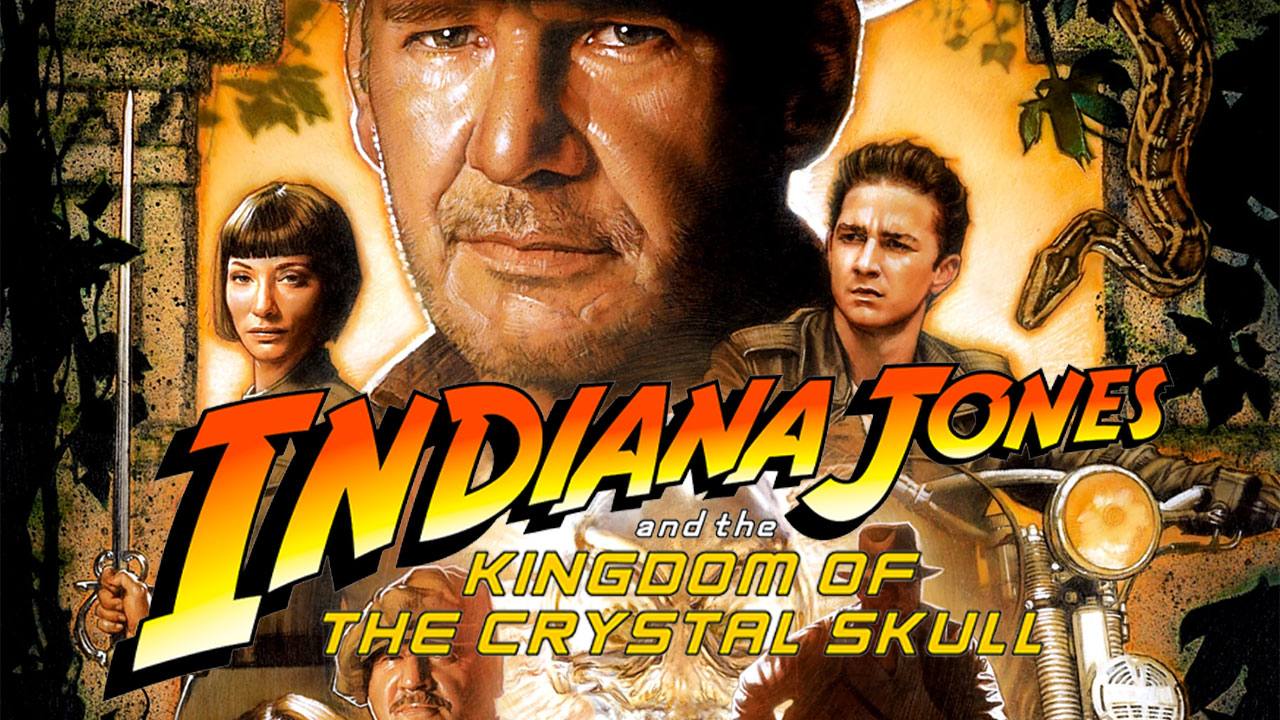
  • Indiana Jones and the Kingdom of the Crystal Skull (2008)

    Indiana Jones and the Kingdom of the Crystal Skull (2008)

    [et_pb_section fb_built=”1″ admin_label=”section” _builder_version=”4.16″ global_colors_info=”{}”][et_pb_row column_structure=”2_3,1_3″ admin_label=”row” _builder_version=”4.16″ background_size=”initial” background_position=”top_left” background_repeat=”repeat” global_colors_info=”{}”][et_pb_column type=”2_3″ _builder_version=”4.16″ custom_padding=”|||” global_colors_info=”{}” custom_padding__hover=”|||”][et_pb_text _builder_version=”4.21.0″ _module_preset=”default” global_colors_info=”{}”]

    Upon its initial release, Indiana Jones and the Last Crusade was a massive success, grossing over $470 million worldwide. The sequel became 1989’s highest-grossing film, narrowly beating BatmanBack to the Future Part II, and Ghostbusters 2. The film received critical praise and won the Best Sound Effects Editing Oscar and several Saturn and BAFTA Award nominations. While Paramount’s original deal was for five movies, Steven Spielberg and George Lucas wanted to end on a trilogy. Over the years, fans wondered if there would ever be a fourth film and what it would be about. Several screenwriters were attached at some point, including Jeb Stuart, Jeffrey Boam, M. Night Shyamalan, and Frank Darabont. Ultimately, writers Jeff Nathanson and David Koepp were brought on, with Spielberg directing and Harrison Ford donning the fedora. Nineteen years later, Indiana Jones and the Kingdom of the Crystal Skull landed in May 2008.

    [/et_pb_text][/et_pb_column][et_pb_column type=”1_3″ _builder_version=”4.16″ custom_padding=”|||” global_colors_info=”{}” custom_padding__hover=”|||”][et_pb_circle_counter title=”Rating” number=”50″ bar_bg_color=”#E09900″ _builder_version=”4.21.0″ _module_preset=”default” global_colors_info=”{}”][/et_pb_circle_counter][/et_pb_column][/et_pb_row][et_pb_row _builder_version=”4.16″ _module_preset=”default” global_colors_info=”{}”][et_pb_column type=”4_4″ _builder_version=”4.16″ _module_preset=”default” global_colors_info=”{}”][et_pb_text _builder_version=”4.21.0″ _module_preset=”default” hover_enabled=”0″ global_colors_info=”{}” sticky_enabled=”0″]

    Synopsis

    Set in 1957, Indiana Jones (Harrison Ford) is kidnapped by Russian soldiers led by Irina Spalko (Cate Blanchett). She’s brought him to Area 51 to find an alien corpse, but he escapes and survives a nuclear bomb blast. Upon returning home, Jones is put on indefinite leave when he’s visited by greaser Mutt Williams (Shia LaBeouf). Mutt wants Jones to help him find his mother, who was kidnapped along with an old colleague of Indy’s. Their travels take them to Peru, where they find a crystal skull hidden for hundreds of years. Unfortunately, the Russians capture and bring them to their camp, where they also have Indy’s colleague, Harold Oxley (John Hurt). Spalko believes the skull is alien and forces Indy to help by revealing she also kidnapped Marion Ravenwood (Karen Allen). With the Russians in pursuit, Indy, Marion, Mutt, and Oxley will discover the secrets of the crystal skull.


    Review

    To say Indiana Jones and the Kingdom of the Crystal Skull is divisive would be a vast understatement. Since its 2008 release, the movie has been mocked, ridiculed, battered, and torn to shreds by critics and fans alike. While I think it’s the weakest film in the series, I don’t believe it deserved all the flack it got. For starters, seeing Harrison Ford donning the iconic fedora, carrying the whip, and narrowly escaping death is always a treat. He loves playing the part and gives it his all, even if the material isn’t the greatest. Also, Cate Blanchett makes for a great villain as Irina Spalko, coming off as chill and commanding without going insane. Plus, it’s great to see Karen Allen return as Marion Ravenwood, especially since she’s given plenty to do. There are also some fun action sequences and a fantastic score from John Williams.

    While it’s easy to criticize Sha LaBeouf’s acting, it’s not that he’s terrible but rather that he’s just there. He’s not as annoying or unlikable as in the Michael Bay Transformers movies, but he’s pretty forgettable. As exciting as the action is, it’s hampered by an overreliance on CGI that’s distracting and makes everything seem artificial. It’s hard to enjoy some of the film’s chase scenes when you can tell it’s shot on a green screen. As for the movie’s most infamous scene – Indiana Jones withstanding a nuclear bomb by hiding in a fridge – it’s okay. Sure, it’s ridiculous and unrealistic, but no more so than surviving a drop from a plane in a life raft. While this isn’t a terrible film, it’s a huge disappointment considering how the series initially ended. Overall, Indiana Jones and the Kingdom of the Crystal Skull is more mediocre than awful.


    Buy Indiana Jones and the Kingdom of the Crystal Skull from Amazon: https://amzn.to/46u9DNZ.

    Disclosure: The above link is an affiliate link, which means that, at zero cost to you, I will earn a commission if you click through the link and finalize a purchase.

    [/et_pb_text][/et_pb_column][/et_pb_row][/et_pb_section]
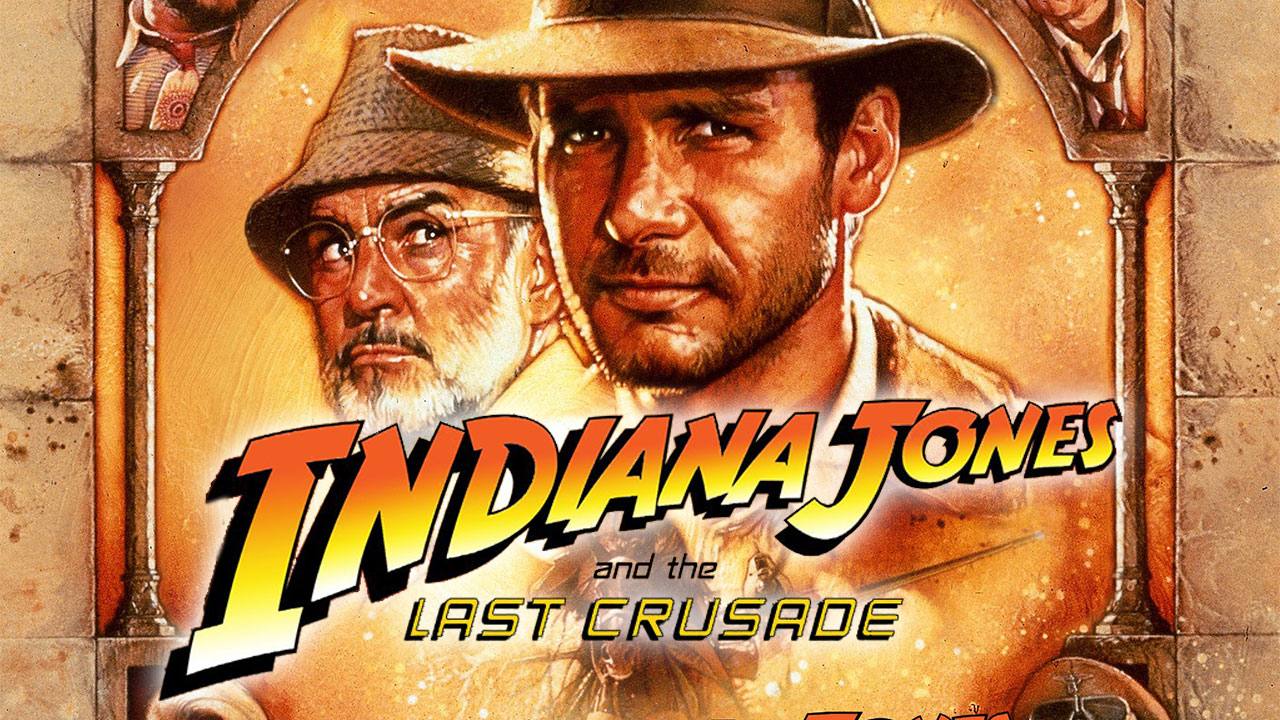
  • Indiana Jones and the Last Crusade (1989)

    Indiana Jones and the Last Crusade (1989)

    [et_pb_section fb_built=”1″ admin_label=”section” _builder_version=”4.16″ global_colors_info=”{}”][et_pb_row column_structure=”2_3,1_3″ admin_label=”row” _builder_version=”4.16″ background_size=”initial” background_position=”top_left” background_repeat=”repeat” global_colors_info=”{}”][et_pb_column type=”2_3″ _builder_version=”4.16″ custom_padding=”|||” global_colors_info=”{}” custom_padding__hover=”|||”][et_pb_text _builder_version=”4.21.0″ _module_preset=”default” global_colors_info=”{}”]

    Indiana Jones and the Temple of Doom was a financial hit, making over $330 million against a $28 million budget. Unfortunately, while the first was universally liked, the follow-up received mixed reviews, most criticizing the film’s darker tone. Over time, the film gained a newfound appreciation, but at the time, Steven Spielberg decided to go back to basics. He wanted something more lighthearted that harkened back to Raiders of the Lost Ark to end the planned trilogy. After reviewing numerous scripts, Spielberg and George Lucas hired Jeffrey Boam, who previously wrote The Lost Boys. In addition to Harrison Ford, Denholm Elliot, and John Rhys-Davies returning, Sean Connery joined the cast as Indy’s father. The movie was shot between May and September 1988 in Spain, West Germany, England, and the US for $48 million. Five years after the last installment, Indiana Jones and the Last Crusade hit theaters in May 1989.

    [/et_pb_text][/et_pb_column][et_pb_column type=”1_3″ _builder_version=”4.16″ custom_padding=”|||” global_colors_info=”{}” custom_padding__hover=”|||”][et_pb_circle_counter title=”Rating” number=”90″ bar_bg_color=”#7CDA24″ _builder_version=”4.21.0″ _module_preset=”default” global_colors_info=”{}”][/et_pb_circle_counter][/et_pb_column][/et_pb_row][et_pb_row _builder_version=”4.16″ _module_preset=”default” global_colors_info=”{}”][et_pb_column type=”4_4″ _builder_version=”4.16″ _module_preset=”default” global_colors_info=”{}”][et_pb_text _builder_version=”4.21.0″ _module_preset=”default” hover_enabled=”0″ global_colors_info=”{}” sticky_enabled=”0″]

    Synopsis

    After retrieving Coronado’s prized crucifix, Indiana Jones (Harrison Ford) learns that his father disappeared while trying to find The Holy Grail. American businessman Walter Donovan (Julian Glover), who financed the expedition, asks Indy to find his father and the grail. Indy and Marcus Brody (Denholm Elliot) meet art professor Elsa Schneider (Alison Doody), who worked with Indy’s father. Using his father’s diary, Indy finds a map of where the grail is hidden, which he gives Marcus for safekeeping. Meanwhile, Indy gets a tip that his father is being held captive in a castle in Austria by the Nazis. While he rescues his father, Henry Jones (Sean Connery), Indy learns that Elsa and Donovan are working with the Nazis. With some help from Sallah (John Rhys-Davies), Indy and his father must find the grail before the Nazis do. Along the journey, Indiana learns to forgive his father and discover his faith.


    Review

    Coming off of the last film, Indiana Jones and the Last Crusade is a return to form for the series. Sure, it doesn’t quite get as dark as the first film, but it still has the same sense of fun. What also makes this film stand out is how Indy’s character is further developed, and we learn more about him. The movie opens with a flashback to Indy as a young man, played by the late River Phoenix. On top of being entertaining, the sequence helps to set up the film’s central conflict: Indy reconnecting with his father. Like before, Harrison Ford is still great as the professor/archaeologist Indiana Jones, who’s given much more humanity. The late Sean Connery is phenomenal as Indy’s father, playing off Harrison Ford’s sly wit with a gruff charm. The film’s best scenes are any of the moments they share together.

    Denholm Elliot and John Rhys-Davies are welcome comebacks as their characters from Raiders, with both given more to do. Alison Doody has an excellent femme fatale quality, playing the first Indy girl who turns out to be a villain. Speaking of villains, Julian Glover is delightfully smug as the conniving businessman consumed by greed and desire for power. As with the other movies, the action sequences are spectacular, with the highlight being the scene with the WWI tank. This might be the funniest of the three films, punctuated by some great lines and physical comedy. Some audiences might be disappointed that this film plays things a bit too safe, but it works here. While lacking the edge of the first two films, it makes up for it with tons of heart. Overall, Indiana Jones and the Last Crusade would’ve been a fitting end to the iconic series.


    Buy Indiana Jones and the Last Crusade from Amazon: https://amzn.to/46sdU4f.

    Disclosure: The above link is an affiliate link, which means that, at zero cost to you, I will earn a commission if you click through the link and finalize a purchase.

    [/et_pb_text][/et_pb_column][/et_pb_row][/et_pb_section]
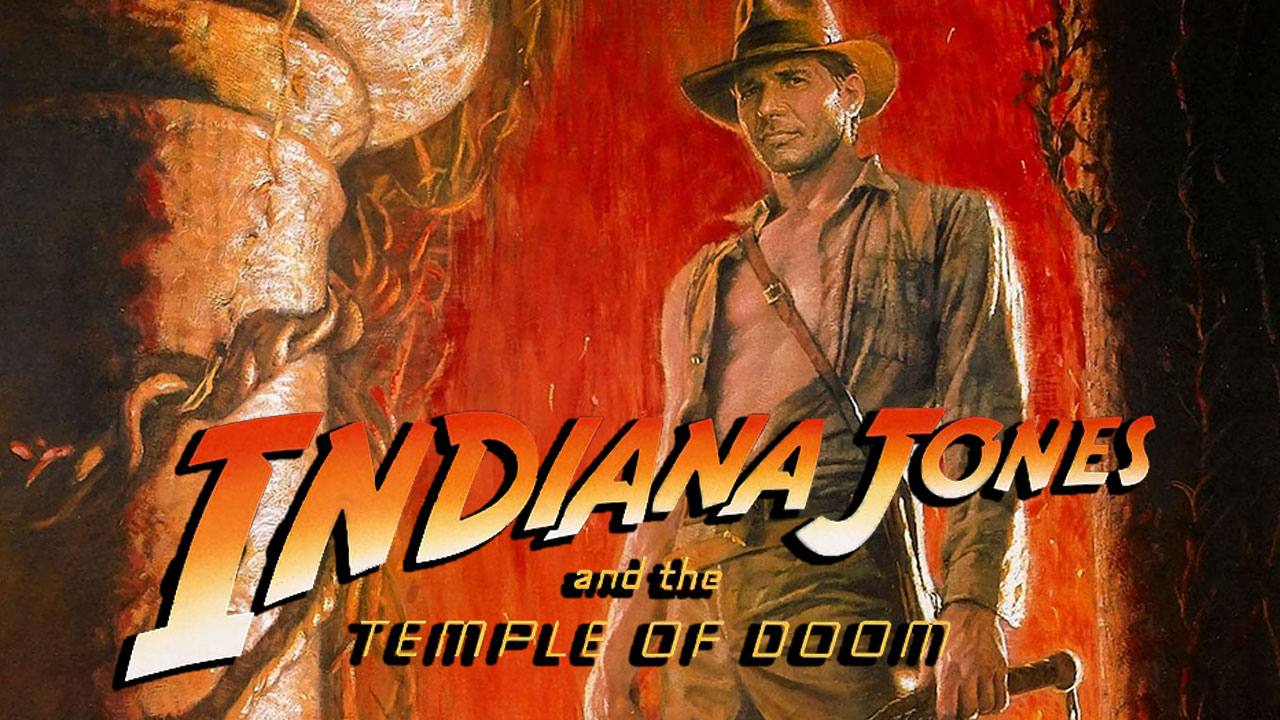
  • Indiana Jones and the Temple of Doom (1984)

    Indiana Jones and the Temple of Doom (1984)

    [et_pb_section fb_built=”1″ admin_label=”section” _builder_version=”4.16″ global_colors_info=”{}”][et_pb_row column_structure=”2_3,1_3″ admin_label=”row” _builder_version=”4.16″ background_size=”initial” background_position=”top_left” background_repeat=”repeat” global_colors_info=”{}”][et_pb_column type=”2_3″ _builder_version=”4.16″ custom_padding=”|||” global_colors_info=”{}” custom_padding__hover=”|||”][et_pb_text _builder_version=”4.21.0″ _module_preset=”default” global_colors_info=”{}”]

    On a $20 million budget, Raiders of the Lost Ark grossed over $380 million worldwide and was 1981’s highest-grossing film. The film also got universally positive reviews and won 5 Academy Awards, including Best Director and Best Picture nominations. Naturally, with all that success, Paramount wanted a sequel, so Steven Spielberg and George Lucas went to work. However, rather than using Nazis as the villains, Lucas decided to make the next film a prequel set in India. Lucas and Spielberg also made this entry darker, much like The Empire Strikes Back, the second Star Wars movie. In place of Lawrence Kasdan and Philip Kaufman, Lucas hired Willard Huyck and Gloria Katz to write the screenplay. Harrison Ford returned to the iconic role, accompanied by a relatively-unknown Kate Capshaw and a 12-year-old Ke Huy Quan. After a five-month shoot, Indiana Jones and the Temple of Doom hit theaters in May 1984.

    [/et_pb_text][/et_pb_column][et_pb_column type=”1_3″ _builder_version=”4.16″ custom_padding=”|||” global_colors_info=”{}” custom_padding__hover=”|||”][et_pb_circle_counter title=”Rating” number=”80″ bar_bg_color=”#7CDA24″ _builder_version=”4.21.0″ _module_preset=”default” global_colors_info=”{}”][/et_pb_circle_counter][/et_pb_column][/et_pb_row][et_pb_row _builder_version=”4.16″ _module_preset=”default” global_colors_info=”{}”][et_pb_column type=”4_4″ _builder_version=”4.16″ _module_preset=”default” global_colors_info=”{}”][et_pb_text _builder_version=”4.21.0″ _module_preset=”default” global_colors_info=”{}”]

    Synopsis

    Taking place in 1935, Indian Jones (Harrison Ford) narrowly escapes a group of thugs in Shanghai who nearly poisoned him. Accompanied by lounge singer Willie Scott (Kate Capshaw) and his sidekick Short Round (Ke Huy Quan), Indy lands in India. They arrive at the village of Mayapore, where the children are gone, and the people are dying. The villagers beg Indy to retrieve a stolen sacred stone and rescue their children, and he agrees. Indy believes the stone is one of the five Sankara stones, so he, Shorty, and Willie travel to Pankot Palace. They stumble across an ancient cult known as the Thuggee, led by the high priest Mola Ram (Amrish Puri). The cult has three Sankara stones, and they’ve enslaved the children to find the other two in the caves below. It’s up to Indiana Jones to stop the cult, save the kids, and bring back the stone.


    Review

    Since its release, Indiana Jones and the Temple of Doom has been the subject of much criticism and controversy. The film was so dark and macabre that the MPAA created the PG-13 rating at Spielberg’s request. On the one hand, it’s commendable that Spielberg and Lucas made this entry so dark and twisted. On the other hand, they might’ve lost sight of what they were doing in trying to make it so dark. Part of the issue is that the tone is wildly inconsistent, going from dark to light-hearted without a moment’s notice. It also doesn’t help that some of its darker material, especially in the second half, unintentionally depicted Indian people negatively. To the filmmakers’ credit, most of the criticized stuff was meant to be a joke that subverted expectations. Plus, the only Indians who do this are meant to be villains, so you’re not supposed to like them.

    Aside from that, this is still an entertaining adventure film, even if it lacks the original’s freshness. Harrison Ford is excellent as always as the fearless archaeologist, and we see him turn dark at one point. Future Oscar winner Ke Huy Quan is fun as Indy’s sidekick, and he has fantastic chemistry with Harrison Ford. Despite the criticisms she’s been unfairly given, Kate Capshaw is hilarious as Willie Scott, the polar opposite of Karen Allen. Her whining and complaining are so over-the-top that, while it can get annoying, it’s often more funny than bothersome. The action sequences are great, the villains are just as menacing, and John Williams’ score is phenomenal. Admittedly, some blue screen compositing shots stick out negatively, but it’s not enough to deter the movie. Overall, Indiana Jones and the Temple of Doom is an imperfect but entertaining thrill ride that might traumatize your kids.


    Buy Indiana Jones and the Temple of Doom from Amazon: https://amzn.to/3XvRMSO.

    Disclosure: The above link is an affiliate link, which means that, at zero cost to you, I will earn a commission if you click through the link and finalize a purchase.

    [/et_pb_text][et_pb_code _builder_version=”4.27.4″ _module_preset=”default” hover_enabled=”0″ sticky_enabled=”0″]

    Where to watch Indiana Jones and the Temple of Doom (1984)

    data-api-key=”LMVDLdLSH5ZJnQ4FMGMgyJCB8cmGbfCV” data-object-type=”Movie” data-title=”Indiana Jones and the Temple of Doom” data-year=”1984″ data-theme=”light”>

    [/et_pb_code][/et_pb_column][/et_pb_row][/et_pb_section]