Facebook

FilmNerd

Category: Classics

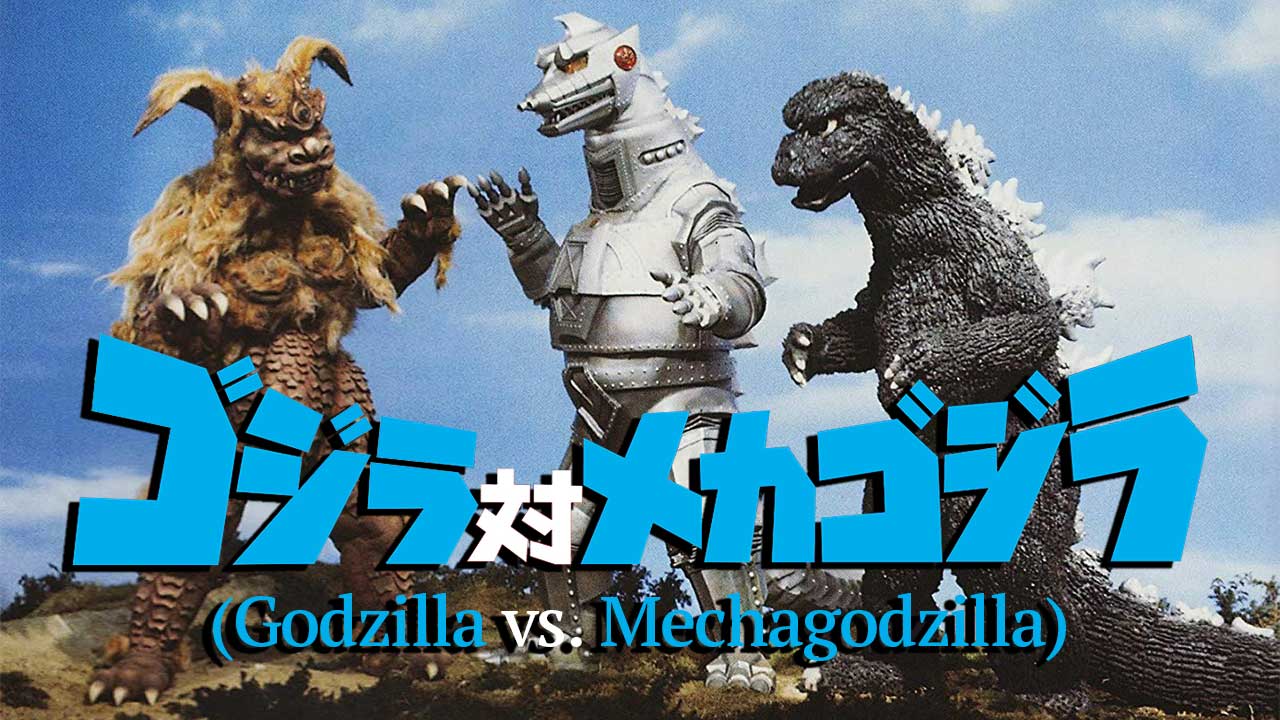
  • Godzilla vs. Mechagodzilla (1974)

    Godzilla vs. Mechagodzilla (1974)

    [et_pb_section fb_built=”1″ admin_label=”section” _builder_version=”4.16″ global_colors_info=”{}”][et_pb_row column_structure=”2_3,1_3″ admin_label=”row” _builder_version=”4.16″ background_size=”initial” background_position=”top_left” background_repeat=”repeat” global_colors_info=”{}”][et_pb_column type=”2_3″ _builder_version=”4.16″ custom_padding=”|||” global_colors_info=”{}” custom_padding__hover=”|||”][et_pb_text _builder_version=”4.21.0″ _module_preset=”default” global_colors_info=”{}”]1973’s Godzilla vs. Megalon was an all-time low for the series, selling less than one million tickets in Japan. Despite the declining popularity, producer Tomoyuki Tanaka still saw some potential in keeping the series going. While staying in Okinawa, Tanaka felt that the Pacific island would make for an excellent setting for a Godzilla movie. With the growing popularity of giant robots in Japanese media, Toho decided to pit Godzilla against a robotic enemy. Series regular Jun Fukuda returned to direct, and the cast featured returning actors Akihiko Hirata, Hiroshi Koizumi, and Kenji Sahara. While the previous films appealed more to kids, Toho made this entry with nostalgic audiences in mind. In March 1974, Godzilla vs. Mechagodzilla roared onto Japanese screens, followed by a US release in 1977. In America, the film was released as Godzilla vs. the Bionic Monster and Godzilla vs. the Cosmic Monster.

    [/et_pb_text][/et_pb_column][et_pb_column type=”1_3″ _builder_version=”4.16″ custom_padding=”|||” global_colors_info=”{}” custom_padding__hover=”|||”][et_pb_circle_counter title=”Rating” number=”80″ bar_bg_color=”#7CDA24″ _builder_version=”4.21.0″ _module_preset=”default” global_colors_info=”{}”][/et_pb_circle_counter][/et_pb_column][/et_pb_row][et_pb_row _builder_version=”4.16″ _module_preset=”default” global_colors_info=”{}”][et_pb_column type=”4_4″ _builder_version=”4.16″ _module_preset=”default” global_colors_info=”{}”][et_pb_text _builder_version=”4.27.2″ _module_preset=”default” hover_enabled=”0″ global_colors_info=”{}” sticky_enabled=”0″]

    Synopsis

    On Okinawa, Princess Nami (Beru-Bera Lin) has a prophecy that a giant monster will destroy the city. Meanwhile, Masahiko Shimizu (Kazuya Aoyama) discovers a new type of metal and has Professor Hideto Miyajima (Akihiko Hirata) examine it. Elsewhere, Godzilla emerges from Mt. Fuji, goes on a rampage, and fights Anguirus, who chips away Godzilla’s skin, revealing metal. Later, the real Godzilla shows up, revealing the imposter as Mechagodzilla, a giant robot duplicate with advanced weaponry. Miyajima determines that Mechagodzilla is made of the same strange metal, which turns out to be “space titanium.” Our heroes are confronted by a group of ape-like aliens led by Kuronuma (Gorō Mutsumi), who controls Mechagodzilla. To aid in the fight, Nami summons the guardian monster, King Caesar, to team up with Godzilla. As the monsters battle, our heroes must stop the aliens from using their advanced technology to rule the world!


    Review

    After several underwhelming entries in the Showa Era, Godzilla vs. Mechagodzilla is a godsend and a refreshing change of pace. Sure, the film has that campy Saturday matinee feel like the earlier ones, but it’s done much better here. This film doesn’t use any stock footage from previous movies to compensate for the lack of budget. Also, there’s no annoying child character added in an attempt to further appeal to kids, which is a big plus. Of Godzilla’s many adversaries, Mechagodzilla is one of the most memorable, with his array of missiles, rainbow lasers, and forcefield. Masaru Sato’s score perfectly complements Mechagodzilla, having a vibrant, jazzy feel that instantly sticks in your mind. His theme more than makes up for some of the other music cues, which sound ill-fittingly lighthearted and whimsical. Plus, there’s the song Nami sings to awaken King Caesar, which goes on for what feels like forever.

    Speaking of King Caesar, he’s one of Toho’s most unique kaiju, having been inspired by Chinese legends. It’s a shame he didn’t return until Godzilla: Final Wars because his tag-team match with Godzilla against Mechagodzilla is entertaining. It’s a visual onslaught of lasers, explosions, WWE-style smackdowns, and other crazy stuff that makes the film worth watching. Regarding the human plot, it’s an odd mix of a sci-fi movie and a spy thriller with some mysticism. Unlike the human stories in other Godzilla films, this one is more engaging and works with the monster fights well. It’s also lovely to see several actors from previous kaiju films return for this one, and they’re all great. Yes, this movie is goofy and reuses elements from other films, but it’s still an entertaining thrill ride. Overall, Godzilla vs. Mechagodzilla ranks as one of the best films of the Showa era.


    Buy Godzilla vs. Mechagodzilla from Amazon: https://amzn.to/4f7RrxC.

    Disclosure: The above link is an affiliate link, which means that, at zero cost to you, I will earn a commission if you click through the link and finalize a purchase.

    [/et_pb_text][/et_pb_column][/et_pb_row][/et_pb_section]
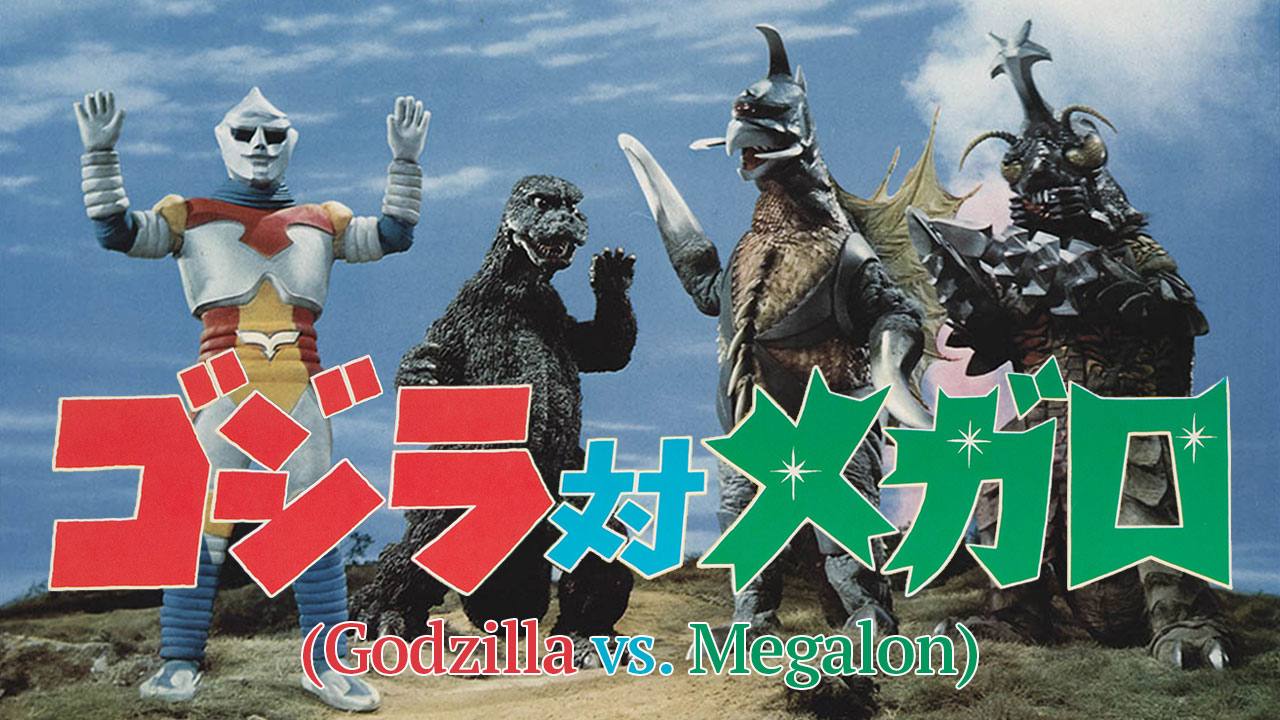
  • Godzilla vs. Megalon (1973)

    Godzilla vs. Megalon (1973)

    [et_pb_section fb_built=”1″ admin_label=”section” _builder_version=”4.16″ global_colors_info=”{}”][et_pb_row column_structure=”2_3,1_3″ admin_label=”row” _builder_version=”4.16″ background_size=”initial” background_position=”top_left” background_repeat=”repeat” global_colors_info=”{}”][et_pb_column type=”2_3″ _builder_version=”4.16″ custom_padding=”|||” global_colors_info=”{}” custom_padding__hover=”|||”][et_pb_text _builder_version=”4.19.5″ _module_preset=”default” hover_enabled=”0″ global_colors_info=”{}” sticky_enabled=”0″]

    While working on All Monsters Attack, the original idea for the antagonist monster was a giant bug called Gebara. Eventually, Gebara became a giant cockroach named Megalon for a treatment called Godzilla vs. the Space Monsters: Earth Defense Directive. The proposal would have Megalon pair with Gigan and King Ghidorah to fight against Godzilla, Anguirus, and newcomer Majin Tuol. While Gigan made the final cut, Ghidorah, Anguirus, and Majin Tuol were replaced by a robot superhero, Jet Jaguar. Jet Jaguar resulted from a contest that Toho held for kids to design superheroes for future projects. By this point, the series was on its last legs, so the studio had to cut costs and rush production. After a three-week shoot, Godzilla vs. Megalon premiered in Japan in 1973, followed by a US release in 1976. Over the years, this became one of the most well-known kaiju films in the US.

    [/et_pb_text][/et_pb_column][et_pb_column type=”1_3″ _builder_version=”4.16″ custom_padding=”|||” global_colors_info=”{}” custom_padding__hover=”|||”][et_pb_circle_counter title=”Rating” number=”50″ bar_bg_color=”#E09900″ _builder_version=”4.19.5″ _module_preset=”default” global_colors_info=”{}”][/et_pb_circle_counter][/et_pb_column][/et_pb_row][et_pb_row _builder_version=”4.16″ _module_preset=”default” global_colors_info=”{}”][et_pb_column type=”4_4″ _builder_version=”4.16″ _module_preset=”default” global_colors_info=”{}”][et_pb_text _builder_version=”4.19.5″ _module_preset=”default” hover_enabled=”0″ global_colors_info=”{}” sticky_enabled=”0″]

    Synopsis

    Due to several nuclear tests near the Aleutians, Monster Island is severely damaged, but Godzilla escapes before it collapses. In addition, the citizens of an underground civilization called Seatopia aren’t too happy about the above-ground tests. In retaliation, the Seatopians send out their guardian monster Megalon to wreak havoc on Japan. Meanwhile, inventor Goro (Katsuhiko Sasaki), his friend Hiroshi (Yutaka Hayashi), and his little brother Rokuro (Hiroyuki Kawase) are ambushed. Goro and Hiroshi have been working on Jet Jaguar, a humanoid robot that the Seatopians want to guide Megalon. The Seatopians capture the three main characters, but they manage to escape and regain control of Jet Jaguar. They send out Jet Jaguar to get Godzilla’s help to fight Megalon, who is now fighting alongside Gigan. A massive kaiju tag-team rumble follows as Godzilla and Jet Jaguar fight against Megalon and Gigan.


    Review

    Godzilla vs. Megalon is often cited as one of the worst entries in the franchise, which isn’t entirely true. I’d argue that All Monsters Attack is the worst, but there is an argument to be made for this one. As the series progressed, you could see all the cost-saving measures Toho took to keep it going. There’s the overuse of stock footage, the flimsy suits, and the final battle being staged in an open field. Like the other late 60s/early 70s Showa era movies, this one once again was catered more toward kids. It’s especially apparent with the use of Jet Jaguar, obviously influenced by the likes of Ultraman and Kamen Rider. What’s even worse is that, for a Godzilla movie, Godzilla disappears for most of the film. It’s mainly about the humans evading the Seatopians and trying to reclaim Jet Jaguar.

    To give some credit, Megalon is one of the more interesting monsters in the series, with unique abilities. He can shoot lightning from his horn and spit bombs, which makes him one of Godzilla’s oddest but unique opponents. While most of the film’s effects-heavy scenes are stock footage, the sequence where Megalon destroys a dam is impressive. Of course, the film’s most infamous moment is when Godzilla performs a dropkick while sliding on his tail. It’s right up there with Godzilla using his atomic breath to fly in Godzilla vs. Hedorah for its ridiculousness. Unfortunately, these scenes can’t save the film’s otherwise mediocre quality in terms of the effects and the story. What’s worse is that this film cemented the West’s perception of Godzilla in general, so thanks for that. Overall, Godzilla vs. Megalon isn’t the worst, but it’s still another low point for the series.


    Buy Godzilla vs. Megalon on Amazon: https://amzn.to/3RDWY47.

    Disclosure: The above link is an affiliate link, which means that, at zero cost to you, I will earn a commission if you click through the link and finalize a purchase.

    [/et_pb_text][/et_pb_column][/et_pb_row][/et_pb_section]
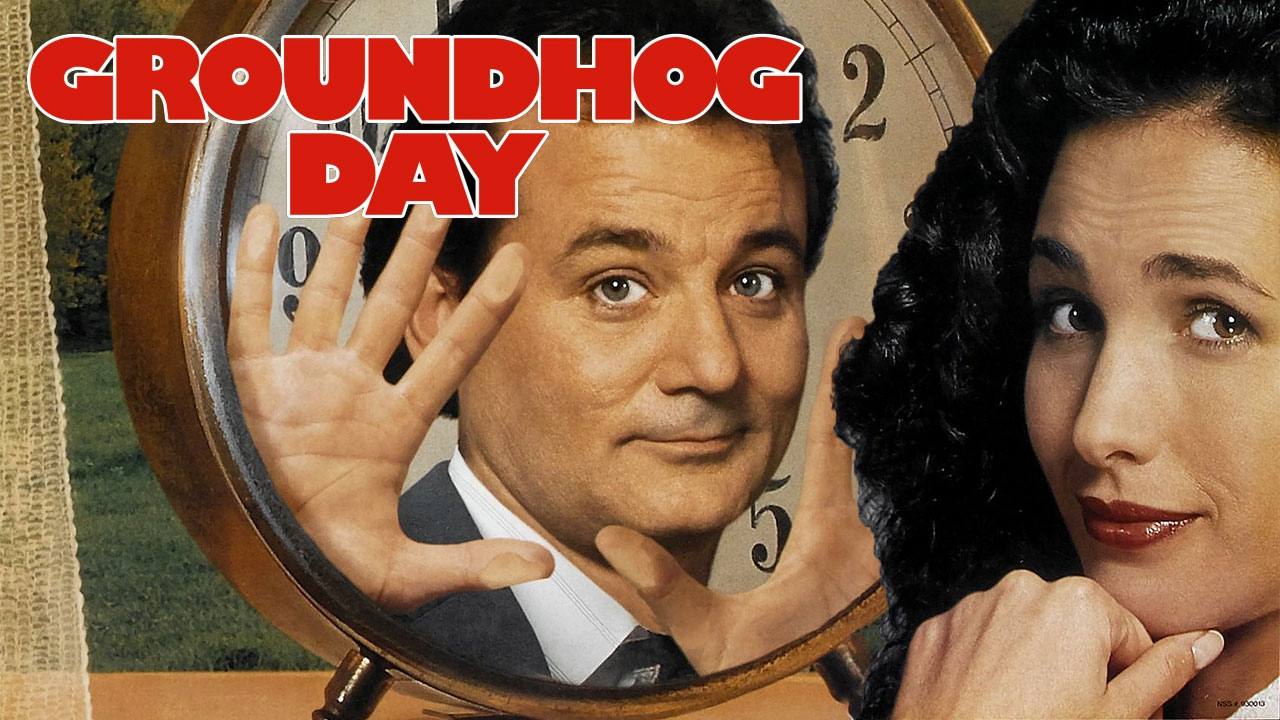
  • Groundhog Day (1993)

    Groundhog Day (1993)

    [et_pb_section fb_built=”1″ admin_label=”section” _builder_version=”4.16″ global_colors_info=”{}”][et_pb_row column_structure=”2_3,1_3″ admin_label=”row” _builder_version=”4.16″ background_size=”initial” background_position=”top_left” background_repeat=”repeat” global_colors_info=”{}”][et_pb_column type=”2_3″ _builder_version=”4.16″ custom_padding=”|||” global_colors_info=”{}” custom_padding__hover=”|||”][et_pb_text _builder_version=”4.19.5″ _module_preset=”default” global_colors_info=”{}”]

    In the early 1990s, writer Danny Rubin got an idea for a film after reading Anne Rice’s The Vampire Lestat. He wondered what someone would do if they had unlimited time and how boring that would get after a while. With the script finished, Rubin tried shopping it around until it caught the attention of talent agent Richard Lovett. Lovett passed the screenplay along to Harold Ramis, who immediately signed on to direct because it spoke to him spiritually. Ramis worked with Rubin to add more comedic elements to the script, which interested Bill Murray in starring. For the rest of the cast, they hired Andie MacDowell, Chris Elliot, Stephen Tobolowsky, and Brian Doyle-Murray, amongst others. With a $14.6 and $30 million budget, filming lasted from April to June 1992 despite tensions between Ramis and Murray. Groundhog Day finally hit theaters on February 12, 1993.

    [/et_pb_text][/et_pb_column][et_pb_column type=”1_3″ _builder_version=”4.16″ custom_padding=”|||” global_colors_info=”{}” custom_padding__hover=”|||”][et_pb_circle_counter title=”Rating” number=”90″ bar_bg_color=”#7CDA24″ _builder_version=”4.19.5″ _module_preset=”default” hover_enabled=”0″ global_colors_info=”{}” sticky_enabled=”0″][/et_pb_circle_counter][/et_pb_column][/et_pb_row][et_pb_row _builder_version=”4.16″ _module_preset=”default” global_colors_info=”{}”][et_pb_column type=”4_4″ _builder_version=”4.16″ _module_preset=”default” global_colors_info=”{}”][et_pb_text _builder_version=”4.19.5″ _module_preset=”default” hover_enabled=”0″ global_colors_info=”{}” sticky_enabled=”0″]

    Synopsis

    Phil Conners (Bill Murray), an egotistical, cynical TV weatherman, goes to Punxsutawney for his annual Groundhog Day coverage. He’s accompanied by producer Rita Hanson (Andie MacDowall) and cameraman Larry (Chris Elliott) and makes no qualms about hating it. After covering the festivities, Conners wants to leave but is stuck due to a blizzard that he predicted wouldn’t happen. The following day, he wakes up to find that yesterday’s events are happening again, but no one else notices. Realizing that he’s stuck in a time loop, Phil tries explaining his situation to Rita, but she doesn’t believe him. At first, Phil decides to use this to hook up with random women, commit robberies, and generally manipulate everyone. However, when he tries the same tactics on Rita and fails, Phil realizes he needs to change his ways. Will Phil become a better person or be stuck in Groundhog Day forever?


    Review

    It’s a shame this film ended Bill Murray and Harold Ramis’ decades-long relationship, but at least it was another classic. Groundhog Day is a goofy comedy and an emotional character drama about love and redemption. While he has the same trademark dry wit and sarcastic attitude, Murray shows his more dramatic side here. You see him go from arrogant and mean-spirited to depressed and suicidal before he redeems himself. It’s a typical “bad guy changes their ways” story we’ve seen several times before, but it’s done so well here. Andie MacDowell is excellent as the adorably cheerful and optimistic Rita, contrasting perfectly with Murray’s cynicism. Chris Elliot doesn’t have much to do as Larry, but he gets a few moments to shine. Stephen Tobolowsky is a scene stealer as Ned Ryerson, an obnoxious insurance salesman who Conners constantly runs into. Seeing how Conners responds to Ryerson is a riot.

    Since the film revolves around the same day, happening repeatedly, scenes can get repetitive quickly. Also, parts of the movie feel episodic, like a new subplot starts up, only to be resolved in five minutes. The tone can sometimes be inconsistent, going from funny to severe to comedic again without a rhyme or reason. Still, some of these flaws don’t seem like flaws; instead, they’re meant to make you feel how Murray’s character feels. The movie is a metaphor for living the same life day in and day out and feeling stuck. It also shows how the fact that we only have a limited amount of time makes our lives more memorable. While previous Ramis/Murray comedies like CaddyshackStripes, and Ghostbusters are classics, this stands in a league of its own. Overall, Groundhog Day is among the best 90s comedies that continue to stand the test of time.


    Buy Groundhog Day from Amazon: https://amzn.to/3RqigSD.

    Disclosure: The above link is an affiliate link, which means that, at zero cost to you, I will earn a commission if you click through the link and finalize a purchase.

    [/et_pb_text][/et_pb_column][/et_pb_row][/et_pb_section]
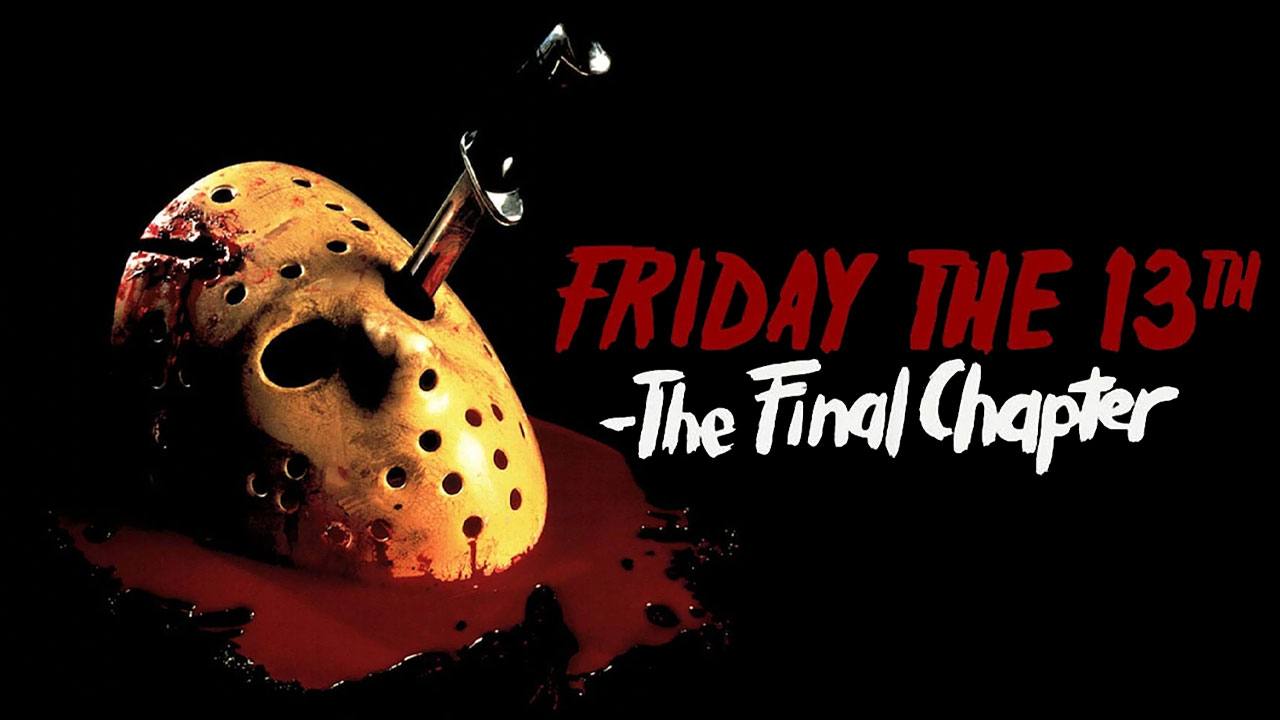
  • Friday the 13th: The Final Chapter (1984)

    Friday the 13th: The Final Chapter (1984)

    [et_pb_section fb_built=”1″ admin_label=”section” _builder_version=”4.16″ global_colors_info=”{}”][et_pb_row column_structure=”2_3,1_3″ admin_label=”row” _builder_version=”4.16″ background_size=”initial” background_position=”top_left” background_repeat=”repeat” global_colors_info=”{}”][et_pb_column type=”2_3″ _builder_version=”4.16″ custom_padding=”|||” global_colors_info=”{}” custom_padding__hover=”|||”][et_pb_text _builder_version=”4.19.4″ _module_preset=”default” global_colors_info=”{}”]

    Though it was to end the series, Friday the 13th Part 3 grossed $36.7 million on a $2.2 million budget. Paramount decided to make another sequel, but producer Frank Mancuso, Jr. was adamant that this would be the last film. Instead of Steve Miner returning, director Joseph Zito was brought in due to his work on 1981’s The Prowler. Tom Savini, who created the effects for the original Friday the 13th, was brought on after working with Zito. While most of the cast was relatively unknown, future superstars Corey Feldman and Crispin Glover were hired for the film. For the role of Jason, Zito hired Ted White, an accomplished stuntman who worked with John Wayne and Clark Gable. On a budget of $2.6 million, filming lasted between 1983-1984 in Topanga Canyon and Newhall, California. After a brief post-production, Friday the 13th: The Final Chapter hit theaters on April 13, 1984.

    [/et_pb_text][/et_pb_column][et_pb_column type=”1_3″ _builder_version=”4.16″ custom_padding=”|||” global_colors_info=”{}” custom_padding__hover=”|||”][et_pb_circle_counter title=”Rating” number=”85″ bar_bg_color=”#7CDA24″ _builder_version=”4.19.4″ _module_preset=”default” global_colors_info=”{}”][/et_pb_circle_counter][/et_pb_column][/et_pb_row][et_pb_row _builder_version=”4.16″ _module_preset=”default” global_colors_info=”{}”][et_pb_column type=”4_4″ _builder_version=”4.16″ _module_preset=”default” global_colors_info=”{}”][et_pb_text _builder_version=”4.19.4″ _module_preset=”default” global_colors_info=”{}”]

    Synopsis

    Picking up directly where the last film left off, Jason Voorhees (Ted White) has escaped from the morgue. He returns to Crystal Lake, where a group of teens stays for the weekend to smoke, drink, and have sex. There’s Paul (Alan Hayes), his girlfriend Sam (Judie Aronson), the virginal Sara (Barbara Howard), and her boyfriend Doug (Peter Barton). Also, there are Teddy (Lawrence Monoson) and Jimmy (Crispin Glover) vying for twins Tina and Terri (Camilla and Carey More). They’re staying near the Jarvis family – Trish (Kimberly Beck), her mother (Joan Freeman), and her younger brother Tommy (Corey Feldman). Soon enough, Jason makes his way to them and starts killing the teens off one by one. It’s up to Trish and her brother Tommy to fend off Jason and stay alive. Will they become Jason’s next victims, or will this be Jason’s final Friday?


    Review

    Even though this didn’t end the series, Friday the 13th: The Final Chapter is one of the best entries. Hiring Joseph Zito as director was the most intelligent decision the producers could’ve made since he did a great job. He creates a sense of dread and tension that makes this one of the scariest films in the franchise. Also, he brought Tom Savini back, who delivered some of his best effects work and created some wonderfully gruesome kills. We get a hacksaw to the throat, a corkscrew/cleaver kill, and a guy’s head getting smashed in the shower. Even the less graphic kills are memorable, either for being darkly comedic or having a psychological twist. Given his background as an old-school stuntman, Ted White was a great choice to don the hockey mask. He has an imposing figure that helps make Jason feel like a powerhouse of terror.

    The strengths of a Friday the 13th movie are the kills and the characters, and this has some great characters. Monoson and Glover have great chemistry and feel like two old friends who playfully trade insults back and forth. Admittedly, the rest of the teens come off as somewhat disposable, but none are annoying or unlikeable. On the flip side, the Jarvis family is easy to sympathize with, being a broken family trying to stay together. Beck and Feldman work well as brother and sister and manage to hold their own against White. As always, Harry Manfredini adds to the suspense with one of his best scores in the series’ history. Despite the subtitle no longer being relevant, this is still one of the best slasher films of the mid-1980s. Overall, Friday the 13th: The Final Chapter is an excellent entry and a high watermark for the series.


    Buy Friday the 13th: The Final Chapter from Amazon: https://amzn.to/3QzXGP6.

    Disclosure: The above link is an affiliate link, which means that, at zero cost to you, I will earn a commission if you click through the link and finalize a purchase.

    [/et_pb_text][et_pb_code _builder_version=”4.27.4″ _module_preset=”default” hover_enabled=”0″ sticky_enabled=”0″]

    Where to watch Friday the 13th: The Final Chapter (1984)

    data-api-key=”LMVDLdLSH5ZJnQ4FMGMgyJCB8cmGbfCV” data-object-type=”Movie” data-title=”Friday the 13th: The Final Chapter” data-year=”1984″ data-theme=”light”>

    [/et_pb_code][/et_pb_column][/et_pb_row][/et_pb_section]

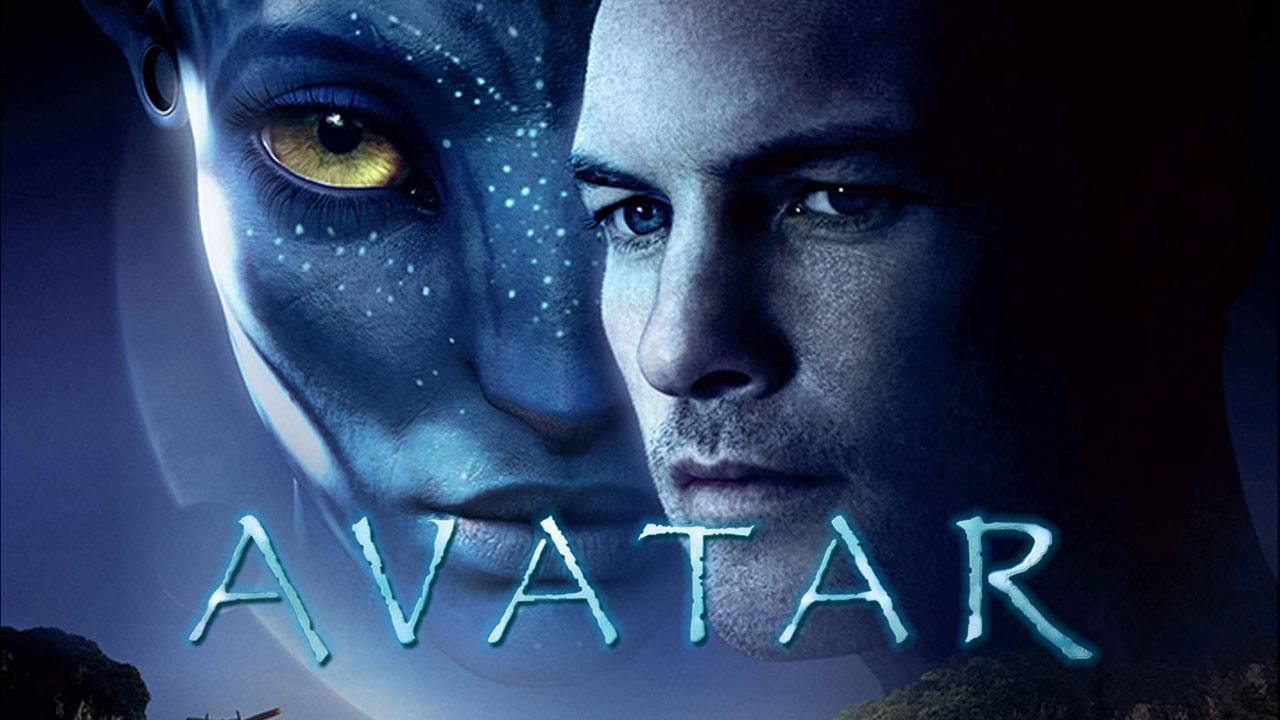
  • Avatar (2009)

    Avatar (2009)

    [et_pb_section fb_built=”1″ admin_label=”section” _builder_version=”4.16″ global_colors_info=”{}”][et_pb_row column_structure=”2_3,1_3″ admin_label=”row” _builder_version=”4.16″ background_size=”initial” background_position=”top_left” background_repeat=”repeat” global_colors_info=”{}”][et_pb_column type=”2_3″ _builder_version=”4.16″ custom_padding=”|||” global_colors_info=”{}” custom_padding__hover=”|||”][et_pb_text _builder_version=”4.19.4″ _module_preset=”default” hover_enabled=”0″ global_colors_info=”{}” sticky_enabled=”0″]

    In 1994, James Cameron wrote a treatment for a science-fiction film inspired by Edgar Rice Burroughs and H. Rider Haggard. Cameron initially announced filming would begin shortly after the massive blockbuster Titanic for a planned 1999 release. However, Cameron felt that the technology at the time couldn’t realize his vision, so he put the project on hold. He started preparing the project between 2005-2007, but Fox was weary due to Titanic going over budget and behind schedule. Fox told Cameron they were dropping the project in 2006, at which point Cameron took it to Disney. Not wanting Disney to take over, Fox agreed to take on the project with Ingenious Media providing funding. With a budget of $237 million, principal photography began in April 2007, followed by two years of post-production. After years of delays and development, James Cameron’s Avatar finally hit theaters in December 2009.

    [/et_pb_text][/et_pb_column][et_pb_column type=”1_3″ _builder_version=”4.16″ custom_padding=”|||” global_colors_info=”{}” custom_padding__hover=”|||”][et_pb_circle_counter title=”Rating” number=”80″ bar_bg_color=”#7CDA24″ _builder_version=”4.19.4″ _module_preset=”default” hover_enabled=”0″ global_colors_info=”{}” sticky_enabled=”0″][/et_pb_circle_counter][/et_pb_column][/et_pb_row][et_pb_row _builder_version=”4.16″ _module_preset=”default” global_colors_info=”{}”][et_pb_column type=”4_4″ _builder_version=”4.16″ _module_preset=”default” global_colors_info=”{}”][et_pb_text _builder_version=”4.19.4″ _module_preset=”default” hover_enabled=”0″ global_colors_info=”{}” sticky_enabled=”0″]

    Synopsis

    In 2154, all of Earth’s natural resources have run dry, so the Resources Development Administration (RDA) turn elsewhere. They’ve set up operations on the planet Pandora, home of the Na’vi, to mine a valuable mineral called Unobtainium. To try and make peace with the Na’vi, Dr. Grace Augustine (Sigourney Weaver) has developed the Avatar Project. Essentially, a person’s consciousness is placed in human/Na’vi hybrids, allowing them to explore Pandora without needing a breathing mask. Jake Sully (Sam Worthington), a paraplegic marine, is assigned his deceased brother’s Avatar, much to Dr. Augustine’s chagrin. Jake manages to make peace with the Na’vi, which prompts Colonel Miles Quaritch (Steven Lang) to make a deal. The government will restore Jake’s legs in exchange for any information about the Na’vi and their home. After meeting and falling in love with Neytiri (Zoe Saldana), Jake questions his allegiance to the RDA.


    Review

    From a technical perspective, Avatar is groundbreaking, especially regarding motion capture technology and being able to create realistic textures. Probably the film’s most significant innovation was being able to capture facial expressions to bring characters to life. These new techniques help make these giant blue humanoid creatures seem real, like you could interact with them. Visually, the movie looks impressive, with the world of Pandora fully realized with its lush greenery and unique creature designs. James Cameron does a great job making the world feel alive, and his direction is on point. There’s also the fantastic score by the late James Horner, which helps add to the film’s massive scope. This kind of movie is best enjoyed on a giant screen with the best sound system available. Unfortunately, for all its innovations and technological enhancements, the film’s story and characters suffer the most.

    As many reviewers before me have mentioned, this story has been done in films like Dances With Wolves or Pocahontas. Granted, there’s nothing wrong with telling a similar story if you do something different with it, but this one doesn’t. It doesn’t help that the acting ranges from decent to flat, though there are some stand-outs. Stephen Lang steals the show as the hardened marine, and Sigourney Weaver has some fun moments as the cynical doctor. Zoe Saldana, CCH Pounder, and Wes Studi all do fantastic jobs utilizing motion capture technology to give great performances. Sadly, the significant outlier is Sam Worthington, who weirdly became a prominent name despite having little to no charisma. Thankfully, Michelle Rodriguez, Joel David Moore, and Giovanni Ribisi provide enough charm to compensate. Overall, Avatar deserves credit for its advances in filmmaking technology, but it suffers from a derivative story and lackluster characters.


    Buy Avatar from Amazon: https://amzn.to/3BAfAuV.

    Disclosure: The above link is an affiliate link, which means that, at zero cost to you, I will earn a commission if you click through the link and finalize a purchase.

    [/et_pb_text][/et_pb_column][/et_pb_row][/et_pb_section]

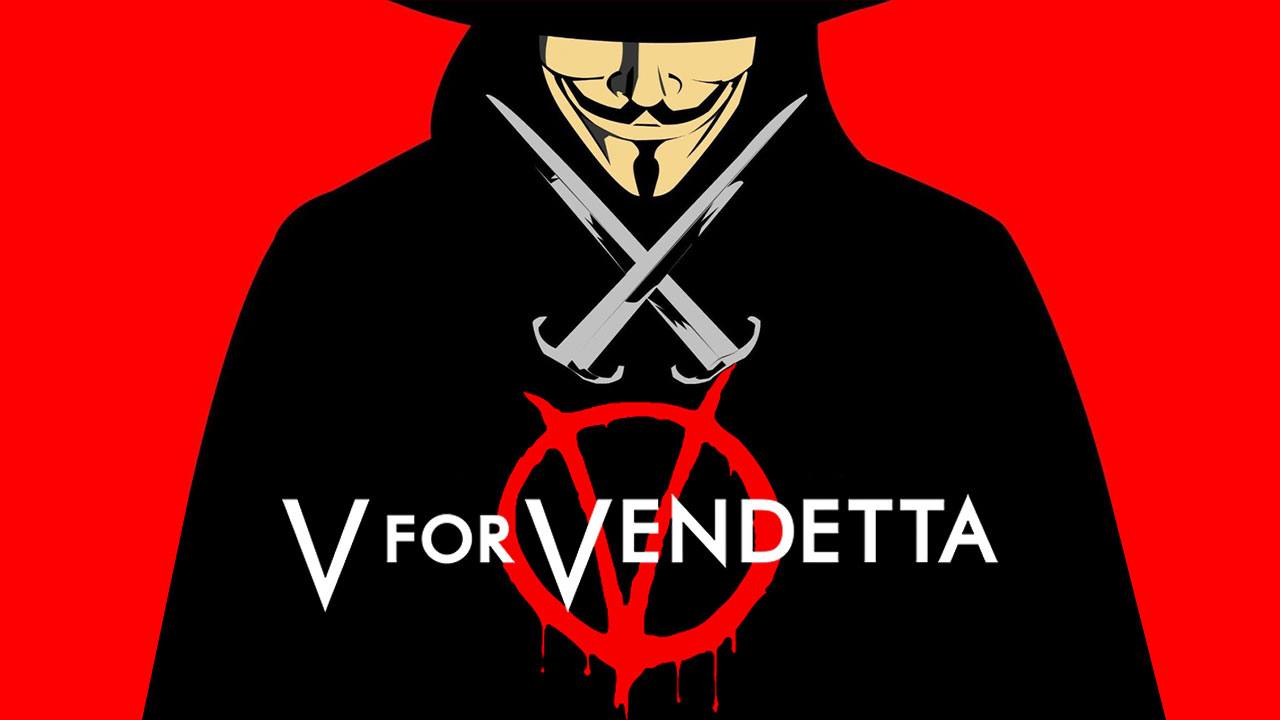
  • V for Vendetta (2006)

    V for Vendetta (2006)

    [et_pb_section fb_built=”1″ fullwidth=”on” _builder_version=”4.16″ _module_preset=”default” custom_margin=”||||false|false” global_colors_info=”{}”][et_pb_fullwidth_header title=”Special Review” subhead=”This review is a special request from Patreon supporter Patrick Glauber. If you’d like to support me on Patreon, click the button below.” text_orientation=”center” button_one_text=”Visit Patreon” button_one_url=”https://www.patreon.com/filmnerd” background_overlay_color=”#f96854″ _builder_version=”4.19.0″ _module_preset=”default” title_level=”h2″ background_color=”#f96854″ custom_button_one=”on” button_one_bg_color=”#052d49″ custom_margin=”||||false|false” custom_padding=”25px||25px||false|false” global_colors_info=”{}”][/et_pb_fullwidth_header][/et_pb_section][et_pb_section fb_built=”1″ _builder_version=”4.16″ _module_preset=”default” global_colors_info=”{}”][et_pb_row column_structure=”2_3,1_3″ _builder_version=”4.16″ _module_preset=”default” global_colors_info=”{}”][et_pb_column type=”2_3″ _builder_version=”4.16″ _module_preset=”default” global_colors_info=”{}”][et_pb_text _builder_version=”4.19.0″ _module_preset=”default” global_colors_info=”{}”]In 1988, producer Joel Silver bought the rights to two of Alan Moore’s works, V for Vendetta and Watchmen. After the Silver-produced Road House was a relative success, writer Hilary Henkin worked on an initial draft. In the mid-90s, The Wachowskis, fans of the comic, started working on a script before making The Matrix. After the production of the last two Matrix movies wrapped, The Wachowskis offered James McTeigue the director’s chair. For the role of V, James Purefoy was initially cast but was replaced by Hugo Weaving due to creative differences. McTeigue cast Natalie Portman after meeting her on the set of Star Wars: Episode II – Attack of the Clones. Principal photography took place in London and Potsdam from March to June 2005 and was cinematographer Adrian Biddle’s last film. After premiering at the Butt-Numb-A-Thon in December 2005, V for Vendetta opened in US theaters in March 2006.

    [/et_pb_text][/et_pb_column][et_pb_column type=”1_3″ _builder_version=”4.16″ _module_preset=”default” global_colors_info=”{}”][et_pb_circle_counter title=”Rating” number=”90″ bar_bg_color=”#7CDA24″ _builder_version=”4.19.0″ _module_preset=”default” global_colors_info=”{}”][/et_pb_circle_counter][/et_pb_column][/et_pb_row][et_pb_row _builder_version=”4.16″ _module_preset=”default” global_colors_info=”{}”][et_pb_column type=”4_4″ _builder_version=”4.16″ _module_preset=”default” global_colors_info=”{}”][et_pb_text _builder_version=”4.27.2″ _module_preset=”default” hover_enabled=”0″ global_colors_info=”{}” sticky_enabled=”0″]

    Synopsis

    In the year 2020, Britain has become the world’s superpower under the rule of Chancellor Adam Sutler (John Hurt). While the rest of the populace has become complacent, one man known only as “V” (Hugo Weaving) opposes them. After rescuing a young woman named Evey Hammond (Natalie Portman), he takes her as his apprentice. With Evey’s help, “V” assassinates a group that previously worked at the Larkhill Detention Facility, conducting experiments on prisoners. Under orders from Sutler, Chief Inspector Eric Finch (Stephen Rea) is assigned to investigate and try to apprehend “V.” During his investigation, Inspector Finch learns that the government he serves engineered a virus to help bring them to power. Meanwhile, Evey ends up betraying “V” only to be locked in prison for her association with “V.” Britain will never be the same as November 5th approaches, when “V” executes his final plan.


    Review

    While most mid-2000s comic book movies were mediocre to below average, V for Vendetta is among the best. Admittedly, there are numerous differences between the film and its source material, which will upset hardcore fans of the book. Despite its considerable differences, the movie captures the book’s spirit and recontextualizes it for modern audiences. The film manages to tackle government repression, totalitarianism, and other sociopolitical issues while also being an entertaining action movie. Speaking of action, James McTeigue creates stylishly fluid sequences that feel like ballet acts as “V” slices through his enemies. Admittedly, there aren’t very many action scenes, but the ones we get are exciting to help advance the story. This comic book movie is more concerned with delivering a compelling story than having many fights. Even if Alan Moore was disappointed with the final result, The Wachowskis did a great job adapting the book.

    Hugo Weaving does a phenomenal job as the titular hero, though it’s disappointing what happened with James Purefoy. Natalie Portman delivers one of her best performances as Evey Hammond, a young woman who goes through a dramatic change. We see her go from a reluctant accomplice to being beaten and tortured until emerging as a strong government oppressor. Stephen Rea also goes through a similar change, albeit more subtly, as he digs deeper into what his government did. The rest of the supporting cast, including John Hurt, Stephen Fry, Tim Pigott-Smith, Roger Allam, and Sinéad Cusack, are excellent. At slightly over two hours, parts of the film drag, but the story is compelling enough to keep audiences invested. Even if it’s not the most faithful adaptation, this is still an excellent comic book movie with a thought-provoking story. Overall, V for Vendetta is a modern-day classic of comic book action.


    Buy V for Vendetta from Amazon: https://amzn.to/3AFe6lH.

    Disclosure: The above link is an affiliate link, which means that, at zero cost to you, I will earn a commission if you click through the link and finalize a purchase.

    [/et_pb_text][/et_pb_column][/et_pb_row][/et_pb_section]
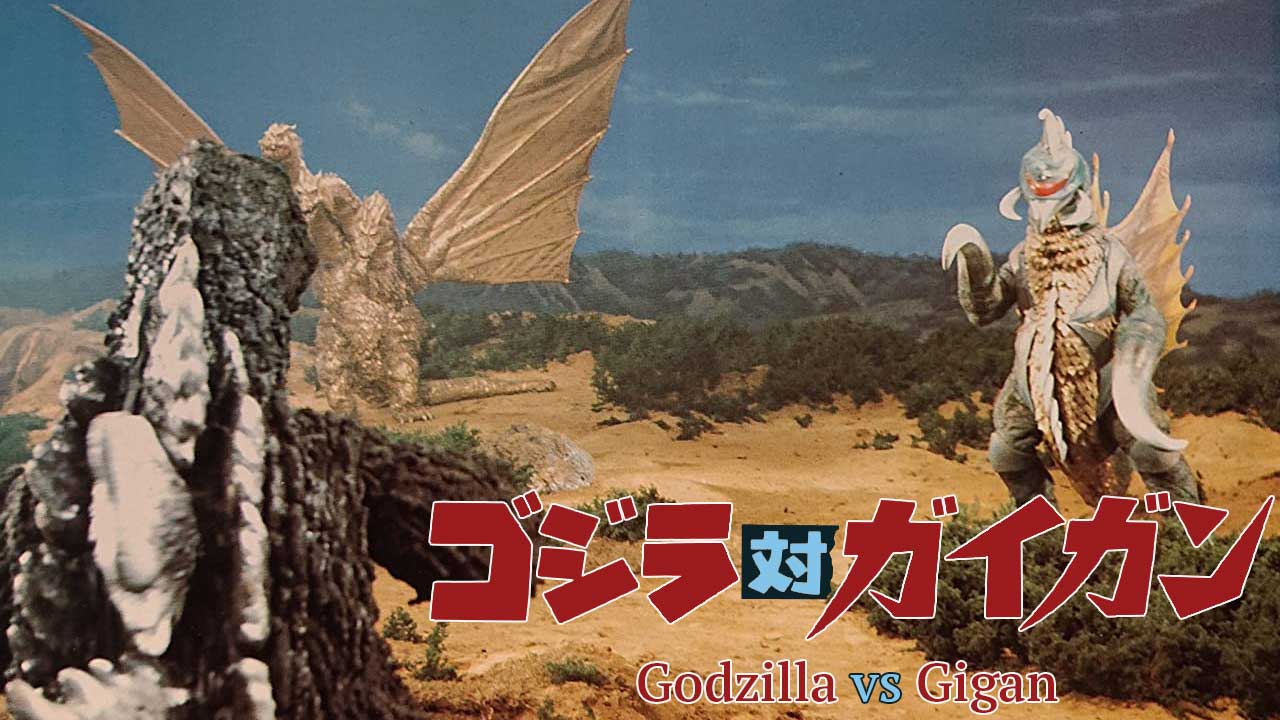
  • Godzilla vs. Gigan (1972)

    Godzilla vs. Gigan (1972)

    [et_pb_section fb_built=”1″ admin_label=”section” _builder_version=”4.16″ global_colors_info=”{}”][et_pb_row column_structure=”2_3,1_3″ admin_label=”row” _builder_version=”4.16″ background_size=”initial” background_position=”top_left” background_repeat=”repeat” global_colors_info=”{}”][et_pb_column type=”2_3″ _builder_version=”4.16″ custom_padding=”|||” global_colors_info=”{}” custom_padding__hover=”|||”][et_pb_text _builder_version=”4.19.0″ _module_preset=”default” global_colors_info=”{}”]

    After the disappointment of Godzilla vs. Hedorah, long-time producer Tomoyuki Tanaka wanted to take the series back to its roots. In the early 1970s, Ghidorah, the Three-Headed Monster and Invasion of Astro-Monster were rereleased and drew a large audience. From this, Tanaka decided the best thing was not to try new things but bring back fan-favorite King Ghidorah. Shinichi Sekizawa and Kaoru Mabuchi were hired to write two different drafts, stipulating that Ghidorah and a new monster, Gigan, were included. Jun Fukuda, who previously helmed Ebirah, Horror of the Deep and Son of Godzilla, was hired to direct. The filmmakers used tons of stock footage and music from previous entries and other Toho productions to keep costs down. This ended up being Haruo Nakajima’s last time donning the Godzilla suit, a role he had played since 1954. Godzilla vs. Gigan hit Japanese theaters in 1972 and American theaters in 1977.

    [/et_pb_text][/et_pb_column][et_pb_column type=”1_3″ _builder_version=”4.16″ custom_padding=”|||” global_colors_info=”{}” custom_padding__hover=”|||”][et_pb_circle_counter title=”Rating” number=”40″ bar_bg_color=”#E09900″ _builder_version=”4.19.0″ _module_preset=”default” global_colors_info=”{}”][/et_pb_circle_counter][/et_pb_column][/et_pb_row][et_pb_row _builder_version=”4.16″ _module_preset=”default” global_colors_info=”{}”][et_pb_column type=”4_4″ _builder_version=”4.16″ _module_preset=”default” global_colors_info=”{}”][et_pb_text _builder_version=”4.19.0″ _module_preset=”default” hover_enabled=”0″ global_colors_info=”{}” sticky_enabled=”0″]

    Synopsis

    Manga artist Gengo Kotaka (Hiroshi Ishikawa) has gotten a job as a concept artist for World Children’s Land. Unbeknownst to Gengo, the park is a front for a group of cockroach-like aliens from the M Space Hunter Nebula. Using the park’s centerpiece, a giant “Godzilla tower,” they take control of the monsters King Ghidorah and Gigan. When Gengo accidentally finds out about the plan, Godzilla and Anguirus hear the aliens’ signal and decide to investigate. Unfortunately, the Japanese Special Forces mistakenly attack Anguirus, but he reports back to Godzilla before it’s too late. Godzilla goes to fight King Ghidorah and Gigan while Gengo and his friends try to stop the aliens. Things go south for the King of the Monsters when the aliens use a laser in their tower against him. Will the cockroach-like aliens wipe out humanity, or will the monsters stop King Ghidorah and Gigan?


    Review

    Sadly, Godzilla vs. Gigan marks another low point for the franchise, though it’s at least better than All Monsters Attack. At least the monsters fight for real instead of being the dreams of a young boy getting bullied. Unfortunately, the monsters don’t even show up until the halfway mark, and even then, it’s incredibly underwhelming. You can tell the budgets got lower due to the overuse of stock footage and the monster suits falling apart. For instance, there’s a shot where King Ghidorah and Gigan fly around the Godzilla Tower, looking like parade floats. There are also moments where you can see the Godzilla suit falling apart, having been reused in three movies. Considering Tanaka decided to bring in King Ghidorah, it’s odd that Ghidorah ended up not even participating in the fight. This movie does a first in the series: it shows Godzilla bleeding.

    If there’s anything positive I can say about this movie, it’s the design of the titular monster: Gigan. Despite the overall quality, Gigan’s design is one of the more unique monster designs in the series. It’s a shame that Gigan’s first movie ended up being one of the worst in the series. The movie’s biggest flaw is that it’s dreadfully boring, even with cockroach aliens disguised as humans. The human actors do their best with the material they’re given, but they don’t have anything interesting to do. Usually, the human story is secondary in a Godzilla movie, but even then, this one is exceptionally forgettable. Even at 90 minutes, the film moves at a snail’s pace to get to anything exciting. Overall, Godzilla vs. Gigan is not the worst movie in the series, but it’s up there. Hopefully, things will improve from here.


    Buy Godzilla vs. Gigan on Amazon: https://amzn.to/3zKqwoG.

    Disclosure: The above link is an affiliate link, which means that, at zero cost to you, I will earn a commission if you click through the link and finalize a purchase.

    [/et_pb_text][/et_pb_column][/et_pb_row][/et_pb_section]
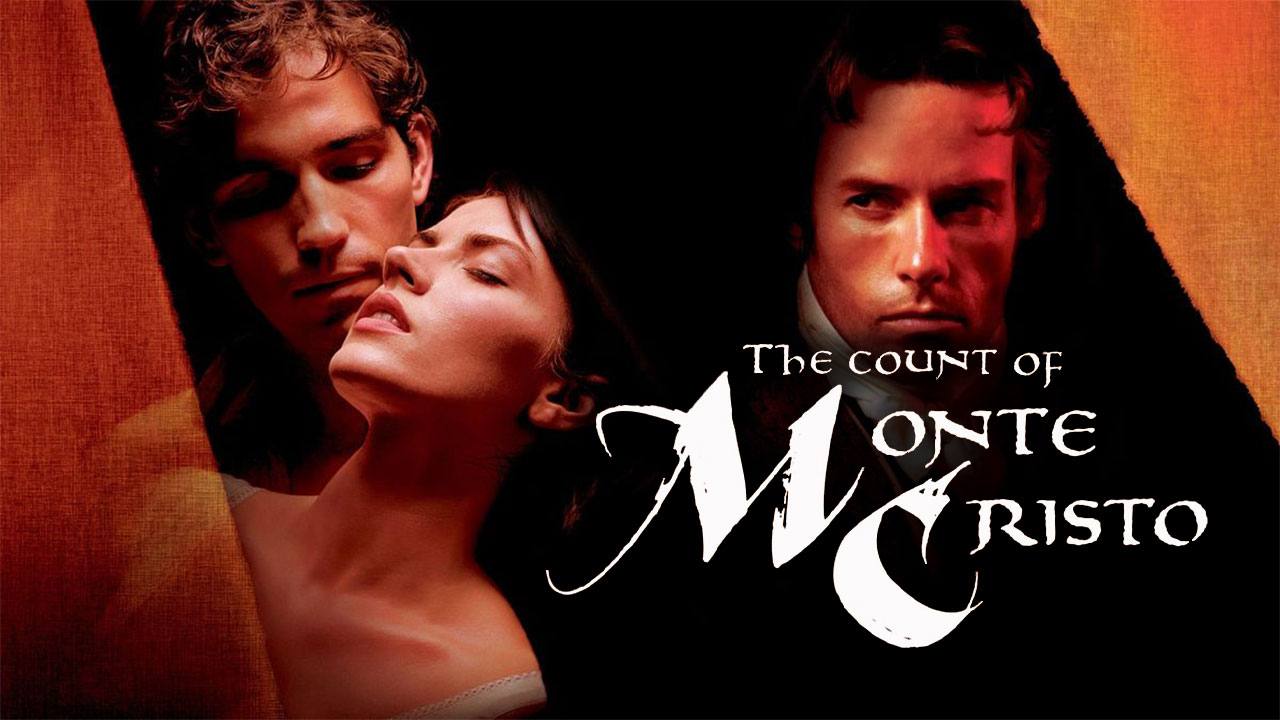
  • The Count of Monte Cristo (2002)

    The Count of Monte Cristo (2002)

    [et_pb_section fb_built=”1″ fullwidth=”on” _builder_version=”4.16″ _module_preset=”default” custom_margin=”||||false|false” global_colors_info=”{}”][et_pb_fullwidth_header title=”Special Review” subhead=”This review is a special request from Patreon supporter Patrick Glauber. If you’d like to support me on Patreon, click the button below.” text_orientation=”center” button_one_text=”Visit Patreon” button_one_url=”https://www.patreon.com/filmnerd” background_overlay_color=”#f96854″ _builder_version=”4.17.6″ _module_preset=”default” title_level=”h2″ background_color=”#f96854″ custom_button_one=”on” button_one_bg_color=”#052d49″ custom_margin=”||||false|false” custom_padding=”25px||25px||false|false” global_colors_info=”{}”][/et_pb_fullwidth_header][/et_pb_section][et_pb_section fb_built=”1″ _builder_version=”4.16″ _module_preset=”default” global_colors_info=”{}”][et_pb_row column_structure=”2_3,1_3″ _builder_version=”4.16″ _module_preset=”default” global_colors_info=”{}”][et_pb_column type=”2_3″ _builder_version=”4.16″ _module_preset=”default” global_colors_info=”{}”][et_pb_text _builder_version=”4.17.6″ _module_preset=”default” global_colors_info=”{}”]

    In 1844, Alexandre Dumas published the novel Le Comte de Monte-Cristo, which became an instant hit in Europe. Dumas and Auguste Maquet first adapted the book to the stage in four parts between 1848 and 1851. With the invention of film, it wouldn’t be long until Dumas’ novel got its first big screen adaptation. The earliest movie version was a silent film in 1908, a filmed version of the stage play. The first sound version, directed by Rowland V. Lee and starring Robert Donat, was released in 1934, spawning two sequels. Between 1942 and 1986, several movie adaptations from around the world were made, including Mexico, Egypt, Malaysia, and Hong Kong. In the early 2000s, Disney acquired the rights under their Touchstone Pictures label and hired Kevin Reynolds for an adaptation. His film version, titled simply The Count of Monte Cristo, hit theaters in January 2002.

    [/et_pb_text][/et_pb_column][et_pb_column type=”1_3″ _builder_version=”4.16″ _module_preset=”default” global_colors_info=”{}”][et_pb_circle_counter title=”Rating” number=”80″ bar_bg_color=”#7CDA24″ _builder_version=”4.17.6″ _module_preset=”default” global_colors_info=”{}”][/et_pb_circle_counter][/et_pb_column][/et_pb_row][et_pb_row _builder_version=”4.16″ _module_preset=”default” global_colors_info=”{}”][et_pb_column type=”4_4″ _builder_version=”4.16″ _module_preset=”default” global_colors_info=”{}”][et_pb_text _builder_version=”4.17.6″ _module_preset=”default” hover_enabled=”0″ global_colors_info=”{}” sticky_enabled=”0″]

    Synopsis

    In 1815 France, sailor Edmond Dantès (Jim Caviezel) becomes captain and plans on marrying his girlfriend Mercédès (Dagmara Domińczyk). However, his old friend Fernand Mondego (Guy Pearce), fueled by jealousy, frames Edmond for treason and has him imprisoned. Six years later, Edmond meets fellow prisoner Abbé Faria (Richard Harris), who has been imprisoned for eleven years. Faria has been digging an escape tunnel, and Edmond agrees to help if he teaches him how to read/write. Over the next seven years, Edmond becomes more intelligent and a gifted swordsman as he helps Faria escape. Unfortunately, Faria dies, so Edmond escapes on his own and joins a group of smugglers. Using a map Faria gave him, Edmond and fellow smuggler Jacopo (Luis Guzmán) find tons of treasure and become aristocrats. Having declared himself “The Count of Monte Cristo,” Edmond seeks revenge against Fernand and hopes to win Mercédès back.


    Review

    I’m not sure how accurate this movie is to the book, but The Count of Monte Cristo is still fantastic. This movie is the sort of old-fashioned, swashbuckling adventure film that we don’t see very often anymore. Considering this movie cost roughly $35 million to produce, this looks way more expensive than the budget would suggest. Most of the filming was in Malta, with some in Ireland, and the filmmakers took full advantage of these locations. After directing huge adventure films like Robin Hood: Prince of Thieves and Waterworld, Kevin Reynolds was a perfect choice. He keeps the plot moving at a crisp pace and never bogs the story down with pointless filler scenes. It helps that everyone in the cast does a great job, particularly Caviezel, Pearce, Harris, and Guzmán. In addition, a pre-Man of Steel Henry Cavill makes an appearance as the son of Mondego and Mercédès.

    Caviezel makes for a likable protagonist that grows from a humble sailor into a confident count on his revenge quest. Pearce does a great job as a hateable antagonist that you enjoy seeing get his comeuppance. Even though his screentime is short, Richard Harris brings a lot as the sage-like Faria that trains Edmond. Similarly, Luis Guzmán stands out as Edmond’s right-hand man, who sticks by his side no matter what. The sword-fighting sequences, particularly the final battle between Edmond and Fernand, are expertly choreographed and well-staged. Admittedly, the first act drags in quite a few spots as it’s mostly exposition leading up to Edmond’s framing. Aside from that, this is an enjoyable swashbuckling adventure that’s still entertaining, even if it doesn’t do anything revolutionary. Overall, The Count of Monte Cristo is an exciting adventure film with a great cast, thrilling action, and fantastic locations.


    Buy The Count of Monte Cristo from Amazon: https://amzn.to/3bjcpO9.

    Disclosure: The above link is an affiliate link, which means that, at zero cost to you, I will earn a commission if you click through the link and finalize a purchase.

    [/et_pb_text][/et_pb_column][/et_pb_row][/et_pb_section]
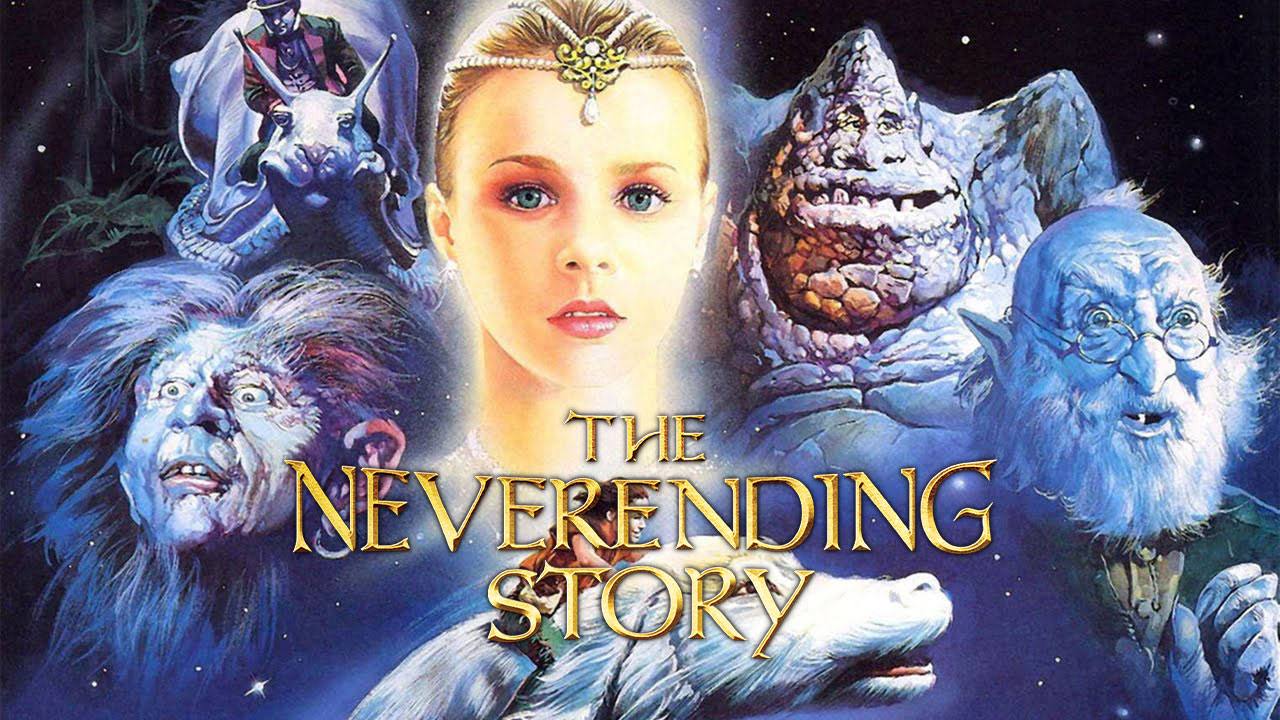
  • The NeverEnding Story (1984)

    The NeverEnding Story (1984)

    [et_pb_section fb_built=”1″ fullwidth=”on” _builder_version=”4.16″ _module_preset=”default” custom_margin=”||||false|false” global_colors_info=”{}”][et_pb_fullwidth_header title=”Special Review” subhead=”This review is a special request from Patreon supporter BodaciousCNO. If you’d like to support me on Patreon, click the button below.” text_orientation=”center” button_one_text=”Visit Patreon” button_one_url=”https://www.patreon.com/filmnerd” background_overlay_color=”#f96854″ _builder_version=”4.17.6″ _module_preset=”default” title_level=”h2″ background_color=”#f96854″ custom_button_one=”on” button_one_bg_color=”#052d49″ custom_margin=”||||false|false” custom_padding=”25px||25px||false|false” global_colors_info=”{}”][/et_pb_fullwidth_header][/et_pb_section][et_pb_section fb_built=”1″ _builder_version=”4.16″ _module_preset=”default” global_colors_info=”{}”][et_pb_row column_structure=”2_3,1_3″ _builder_version=”4.16″ _module_preset=”default” global_colors_info=”{}”][et_pb_column type=”2_3″ _builder_version=”4.16″ _module_preset=”default” global_colors_info=”{}”][et_pb_text _builder_version=”4.17.6″ _module_preset=”default” global_colors_info=”{}”]

    In 1979, West German publisher Thienemann Verlag published Die unendliche Geschichte by author Michael Ende, which became an instant bestseller. The book was translated to English by Ralph Manheim and hit English and American book stores in 1983. Like in its home country, the book was also a hit, and it wasn’t long before movie studios came calling. German producer Bernd Eichinger became interested when his daughter suggested he adapt the book into a movie. Eichinger hired Wolfgang Petersen, who recently earned two Oscar nominations for 1981’s Das Boot, to helm the project. Michael Ende initially worked with Petersen as a script advisor but left when Petersen majorly rewrote the script. Ende felt the film deviated so much from the book that he tried suing the producers but ultimately lost. Regardless, Warner Bros. picked up the distribution rights and released The NeverEnding Story in the US in July 1984.

    [/et_pb_text][/et_pb_column][et_pb_column type=”1_3″ _builder_version=”4.16″ _module_preset=”default” global_colors_info=”{}”][et_pb_circle_counter title=”Rating” number=”90″ bar_bg_color=”#7CDA24″ _builder_version=”4.17.6″ _module_preset=”default” global_colors_info=”{}”][/et_pb_circle_counter][/et_pb_column][/et_pb_row][et_pb_row _builder_version=”4.16″ _module_preset=”default” global_colors_info=”{}”][et_pb_column type=”4_4″ _builder_version=”4.16″ _module_preset=”default” global_colors_info=”{}”][et_pb_text _builder_version=”4.17.6″ _module_preset=”default” hover_enabled=”0″ global_colors_info=”{}” sticky_enabled=”0″]

    Synopsis

    Bastian (Barret Oliver) is a shy 10-year-old kid who’s shy, loves books, and lives with his widowed dad. On his way to school, Bastian runs from a couple of bullies, and he hides out in a local bookstore. There, Bastian meets the owner Mr. Coreander (Thomas Hill), who warns him about The NeverEnding Story, claiming it isn’t safe. With his curiosity piqued, Bastian grabs the book and runs off to school, where he hides in the attic. He starts reading the story about Fantasia, a fantasy land threatened by an evil force called “The Nothing.” A young warrior named Atreyu (Noah Hathaway) quests for a cure for the Childlike Empress (Tami Stronach). It turns out she’s the only one who can stop “The Nothing” before it devours all of Fantasia. Along the way, Atreyu meets several characters who will either help him or try to stop him.


    Review

    The NeverEnding Story is one of those movies where you could add darker elements and still get a PG rating. It’s from a bygone era of children’s movies where you could take risks and add dark subject matter. There’s the infamous scene where Atreyu’s horse lets himself sink into the Swamps of Sadness because of his depression. You also have characters who are apathetic over the situation, whether it’s the giant turtle Morla or the Rockbiter. It helps that there are characters like Falkor, the luck dragon, and a couple of gnomes to balance the dreariness. They help to show kids that, even when things seem dark, there’s always hope if you continue to persevere. Not every kid’s movie has to have darker moments, but it’s a shame that everyone plays it so safe nowadays. But that’s a discussion for another time.

    For an 80s family film, the child acting is surprisingly good, particularly from Noah Hathaway as Atreyu. He embodies all the traits we aspire to have: courage, determination, a willingness never to give up, and fierce devotion. Also, the puppets and animatronics are astounding, especially the Rockbiter, Morla the turtle, and Falkor, the luck dragon. Each of them feels like a fully realized character with weight, something sorely lacking in today’s CGI-riddled entertainment. Admittedly, some compositing shots stick out severely, but that’s par for the course for movies around this time. It’s also refreshing to have a fantasy film where the villain isn’t a wizard or monster but a nonphysical being. The Nothing could almost be a metaphor for kids losing their imagination, which this movie should hopefully reinvigorate. Overall, The NeverEnding Story is a beautiful, albeit bleak fantasy film that kids and adults of all ages can enjoy.


    Buy The NeverEnding Story from Amazon: https://amzn.to/3uV7U2S.

    Disclosure: The above link is an affiliate link, which means that, at zero cost to you, I will earn a commission if you click through the link and finalize a purchase.

    [/et_pb_text][/et_pb_column][/et_pb_row][/et_pb_section]
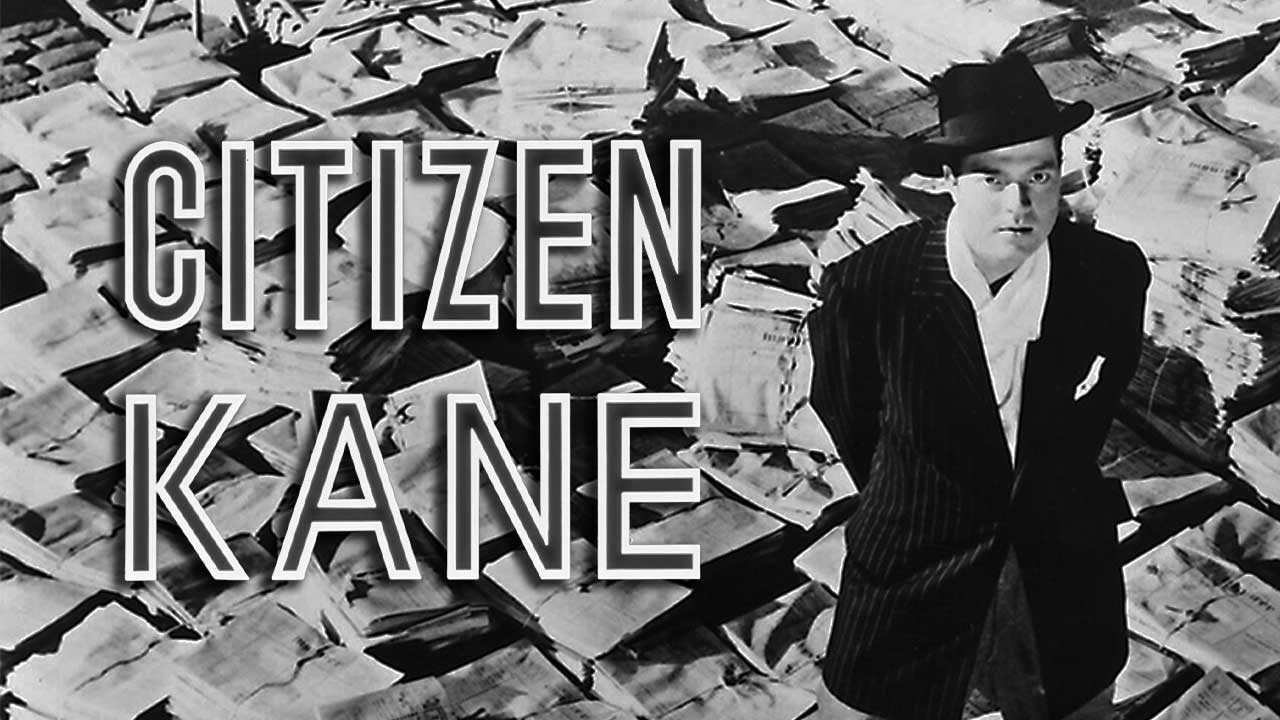
  • Citizen Kane (1941)

    Citizen Kane (1941)

    [et_pb_section fb_built=”1″ admin_label=”section” _builder_version=”4.16″ global_colors_info=”{}”][et_pb_row column_structure=”2_3,1_3″ admin_label=”row” _builder_version=”4.16″ background_size=”initial” background_position=”top_left” background_repeat=”repeat” global_colors_info=”{}”][et_pb_column type=”2_3″ _builder_version=”4.16″ custom_padding=”|||” global_colors_info=”{}” custom_padding__hover=”|||”][et_pb_text _builder_version=”4.17.4″ _module_preset=”default” global_colors_info=”{}”]

    After he found success on Broadway with his Mercury Theater, a young Orson Welles caught Hollywood’s attention in 1936. Following his controversial radio broadcast of “War of the Worlds” in 1938, Welles got a very lucrative offer. RKO Pictures, most well-known for producing King Kong, offered him a two-picture deal that guaranteed complete creative control. Welles wanted to adapt Joseph Conrad’s Heart of Darkness for his first project, but things stalled due to budgetary constraints. Around this time, Welles collaborated with screenwriter Herman J. Mankiewicz, who suggested an idea based on William Randolph Hearst. Hearst was a newspaper tycoon notorious for his yellow journalism, political ties and ambitions, and extravagant lifestyle. With a budget of around $800,000, Welles gathered his Mercury Theater players for one of Hollywood’s most ambitious films. After premiering at the Palace Theater in May 1941, Citizen Kane hit theater screens nationwide that September.

    [/et_pb_text][/et_pb_column][et_pb_column type=”1_3″ _builder_version=”4.16″ custom_padding=”|||” global_colors_info=”{}” custom_padding__hover=”|||”][et_pb_circle_counter title=”Rating” number=”100″ bar_bg_color=”#7CDA24″ _builder_version=”4.17.4″ _module_preset=”default” global_colors_info=”{}”][/et_pb_circle_counter][/et_pb_column][/et_pb_row][et_pb_row _builder_version=”4.16″ _module_preset=”default” global_colors_info=”{}”][et_pb_column type=”4_4″ _builder_version=”4.16″ _module_preset=”default” global_colors_info=”{}”][et_pb_text _builder_version=”4.17.4″ _module_preset=”default” global_colors_info=”{}”]

    Synopsis

    Newspaper tycoon Charles Foster Kane (Orson Welles) is on his deathbed alone in his massive mansion, Xanadu. His last words, “Rosebud,” lead to local reporter Jerry Thompson (William Alland) investigating what exactly Kane meant. Thompson interviews Kane’s manager Mr. Bernstein (Everett Sloane), old friend Jedediah Leland (Joseph Cotten), and ex-wife Susan Alexander (Dorothy Comingore). Through these interviews, Thompson learns about Kane’s rise to power through gold mining and acquiring the New York Inquirer. During his rise, Kane married Emily Norton (Ruth Warrick), the niece of the then US president. Unfortunately, he sold his newspaper after the stock market crash, and his marriage disintegrated following an affair with Susan Alexander. The experience hurt Kane’s chances of running for public office, and Susan eventually left him due to his controlling ways. But the question remains, “Who or what is Rosebud and what was its significance to Charles Foster Kane?”


    Review

    Over 80 years after its release, Citizen Kane has been discussed, dissected, and examined by every film scholar and critic. Considering how much has already been written about the film, I’m unsure what else I can offer. That said, it’s easy to see why Citizen Kane often ranks as one of the greatest films ever made. For a first-time filmmaker without prior experience, Orson Welles shows a lot of promise as a compelling visual storyteller. Admittedly, Welles borrowed many of the techniques used from other movies, which he fully admitted in numerous interviews. That said, how he uses these techniques, such as deep focus and low-angle shots, makes it unique. Welles and cinematographer Gregg Toland use them to create a heightened sense of reality that strips away any artificial qualities. This sense is further exemplified by the sound design, where dialogue between characters overlaps and sound effects transition between shots.

    Beyond the technical qualities, the story and how it’s told make this film stand out from its contemporaries. Long before Quentin Tarantino used nonlinear storytelling in Pulp Fiction, Welles told his story through flashbacks from multiple people. Additionally, while a rise to power story was typical back then, adding the character’s downfall was unheard of. Whereas most movies back then ended happily, this one didn’t have the protagonist living happily but dying broke and alone. It helps that, alongside writing and directing, Welles is a charismatic actor that comes off as sympathetic and villainous. It’s easy to see how power and wealth corrupted Kane, but you also feel sorry for what becomes of him. While Welles is at the forefront, the rest of the cast does an excellent job recounting his story. Overall, Citizen Kane is an entertainingly poignant examination of one man’s rise to fall that deserves its acclaim.


    Buy Citizen Kane from Amazon: https://amzn.to/3NJdewO.

    Disclosure: The above link is an affiliate link, which means that, at zero cost to you, I will earn a commission if you click through the link and finalize a purchase.

    [/et_pb_text][et_pb_code _builder_version=”4.27.4″ _module_preset=”default” hover_enabled=”0″ sticky_enabled=”0″]

    Where to watch Citizen Kane (1941)

    data-api-key=”LMVDLdLSH5ZJnQ4FMGMgyJCB8cmGbfCV” data-object-type=”Movie” data-title=”Citizen Kane” data-year=”1941″ data-theme=”light”>

    [/et_pb_code][/et_pb_column][/et_pb_row][/et_pb_section]