Facebook

FilmNerd

Category: Cult Films

  • Invasion U.S.A. (1985)

    Invasion U.S.A. (1985)

    [et_pb_section fb_built=”1″ _builder_version=”4.16″ _module_preset=”default” global_colors_info=”{}”][et_pb_row column_structure=”2_3,1_3″ _builder_version=”4.16″ _module_preset=”default” global_colors_info=”{}”][et_pb_column type=”2_3″ _builder_version=”4.16″ _module_preset=”default” global_colors_info=”{}”][et_pb_text _builder_version=”4.27.5″ _module_preset=”default” global_colors_info=”{}”]

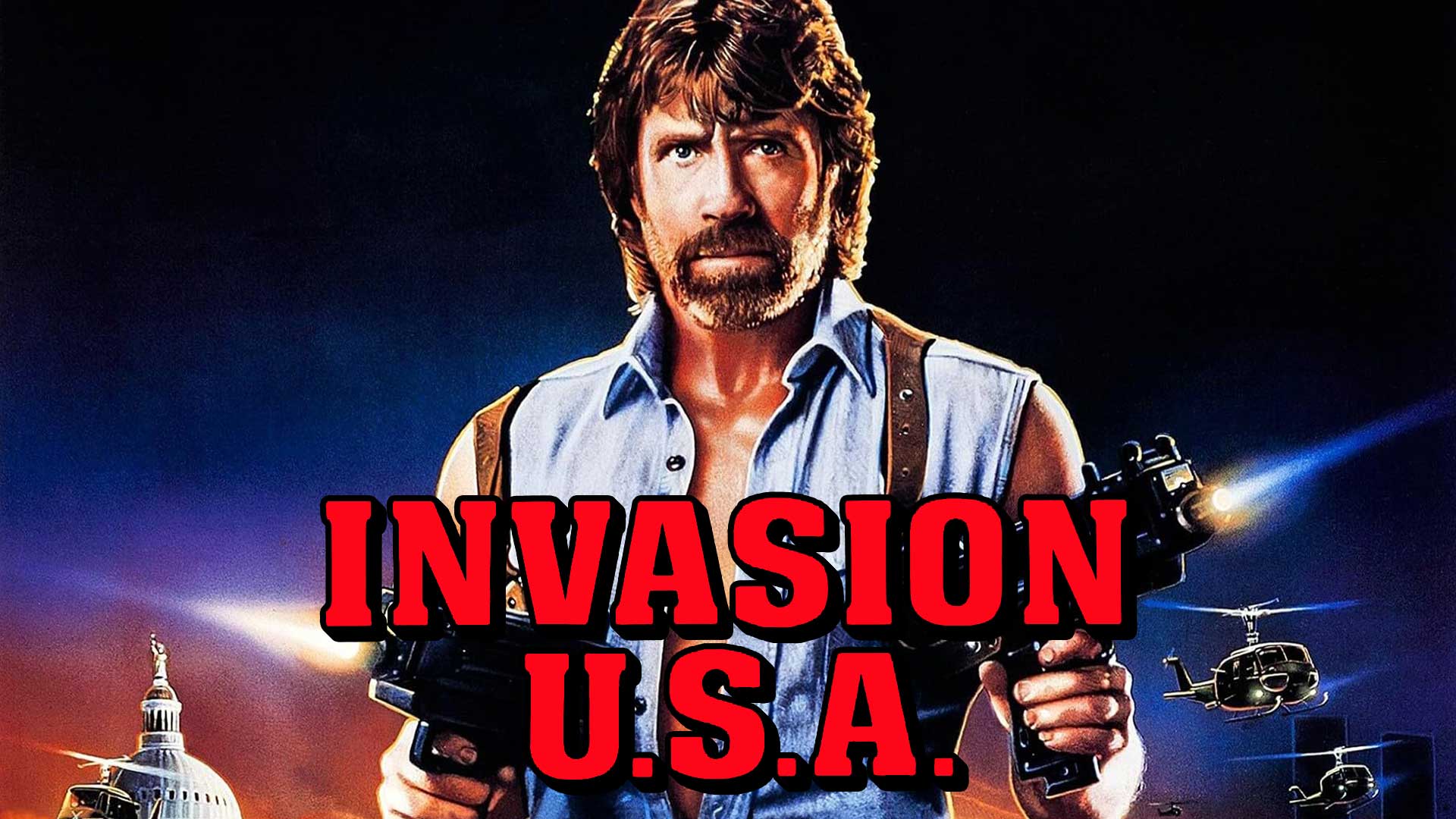
    After the box office success of 1984’s Mission in Action, Cannon Films offered Chuck Norris a six-picture deal. For the first film in this contract, Norris got inspiration from a Reader’s Digest article about terrorists hiding in America. Norris hired James Bruner, who previously wrote Missing in Action and An Eye for an Eye, to helm the screenplay. Since he directed Missing in Action for Cannon, Joseph Zito of Friday the 13th: The Final Chapter fame returned here. With a $12 million budget, filming took place across Florida and Georgia for 10 weeks. Zito, Bruner, and Norris agreed that the film should be big, so they aimed to stage some elaborate action sequences. For example, they got permission from Hartsfield–Jackson Atlanta International Airport to blow up real houses scheduled for demolition. After a grueling shoot and numerous reedits, Invasion U.S.A. exploded onto screens in September 1985.

    [/et_pb_text][/et_pb_column][et_pb_column type=”1_3″ _builder_version=”4.16″ _module_preset=”default” global_colors_info=”{}”][et_pb_circle_counter title=”Rating” number=”70″ bar_bg_color=”#EDF000″ _builder_version=”4.27.5″ _module_preset=”default” global_colors_info=”{}”][/et_pb_circle_counter][/et_pb_column][/et_pb_row][et_pb_row _builder_version=”4.16″ _module_preset=”default” global_colors_info=”{}”][et_pb_column type=”4_4″ _builder_version=”4.16″ _module_preset=”default” global_colors_info=”{}”][et_pb_text _builder_version=”4.27.5″ _module_preset=”default” hover_enabled=”0″ global_colors_info=”{}” sticky_enabled=”0″]

    Synopsis

    Retired CIA agent Matt Hunter (Chuck Norris) is enjoying a quiet life in Florida when he’s called back into duty. His old rival, Soviet operative Mikal Rostov (Richard Lynch), is launching a massive invasion of America to destabilize the country. Rostov and his goons destroy a suburban neighborhood, kill several Cuban immigrants, and plant a bomb at a crowded mall. The hope is that these acts of terrorism cause mass hysteria and destroy the country from within. After nearly surviving an attempted assassination, Hunter agrees to stop the invasion and settle his score with Rostov. Along the way, nosy reporter Dahlia McGuire (Melissa Prophet) follows Hunter to try to break the story wide open. As Hunter thwarts his attempts, Rostov becomes more infuriated to the point where his desire for vengeance derails everything. It all builds to an explosive climax as Hunter and Rostov confront each other one last time.


    Review

    Invasion U.S.A. is precisely what you’d expect from a Cannon action movie: explosive, chaotic, and over-the-top. Even with just a $12 million budget, Cannon spared no expense in delivering some massive action set pieces. From wreaking havoc in a working mall to getting access to military personnel and equipment, it’s absolutely wild. While a movie like this wouldn’t ever appear at the Oscars, let alone earn a nomination, that doesn’t matter. You expect to see explosions, gun battles, fight scenes, and one-liners delivered with a sly smirk. Chuck Norris, along with Charles Bronson, was Cannon’s go-to action star, and it’s easy to see why. His fighting prowess, together with his rugged looks and quiet charm, made him a force to be reckoned with. Even if his performance was one-note, he struck that one note with gusto.

    Every good action movie hero needs a strong villain, and Richard Lynch’s Rostov is a perfect foil. Lynch plays the part with a cold intensity that makes him chilling and easy to root for his downfall. Admittedly, it does come off as silly when Rostov gets so flustered over Hunter that it takes over his headspace. Still, his blowing up suburban homes and plotting to blow up a church make his demise even more satisfying. Speaking of memorable villains, character actor Billy Drago stands out in his brief part as a drug dealer. Melissa Prophet, on the other hand, feels wasted as an independent reporter who comes and goes throughout the movie. Granted, much of her role was trimmed for more Chuck Norris action, so it’s hard to criticize her performance. Still, you get the sense that there was more planned for her that we’ll never see.

    On that note, while this movie is all about significant action and massive stunts, that doesn’t mean it’s flawless. For one, the pacing feels more episodic, each scene going from one action sequence to another without much in between. Much of this pacing could be chalked up to Cannon Films demanding numerous reedits to focus more screentime on action. Still, Joe Zito is a competent director and does a great job staging massive set pieces while injecting some horror. Adding to the bombastic tone is the score by Jay Chattaway, which gets the blood pumping early on. At slightly under two hours, the film gets in and out without any unnecessary filler, though without meaningful characterization. If you want something insightful, this isn’t for you, but if you want action, you can’t go wrong with this. Overall, Invasion U.S.A. is peak Cannon: explosive, ridiculous, and fun.


    Buy Invasion U.S.A. from Amazon: https://amzn.to/4pmVHh6.

    Disclosure: The above link is an affiliate link, which means that, at no additional cost, I will earn a commission if you click through the link and make a purchase.

    [/et_pb_text][et_pb_code _builder_version=”4.27.5″ _module_preset=”default” hover_enabled=”0″ global_colors_info=”{}” sticky_enabled=”0″]

    Where to watch Invasion U.S.A. (1985)

    data-api-key=”LMVDLdLSH5ZJnQ4FMGMgyJCB8cmGbfCV” data-object-type=”Movie” data-title=”Invasion U.S.A.” data-year=”1985″ data-theme=”light”>

    [/et_pb_code][/et_pb_column][/et_pb_row][/et_pb_section]
  • A Nightmare on Elm Street Part 2: Freddy’s Revenge (1985)

    A Nightmare on Elm Street Part 2: Freddy’s Revenge (1985)

    [et_pb_section fb_built=”1″ _builder_version=”4.16″ _module_preset=”default” global_colors_info=”{}”][et_pb_row column_structure=”2_3,1_3″ _builder_version=”4.16″ _module_preset=”default” global_colors_info=”{}”][et_pb_column type=”2_3″ _builder_version=”4.16″ _module_preset=”default” global_colors_info=”{}”][et_pb_text _builder_version=”4.27.4″ _module_preset=”default” global_colors_info=”{}”]

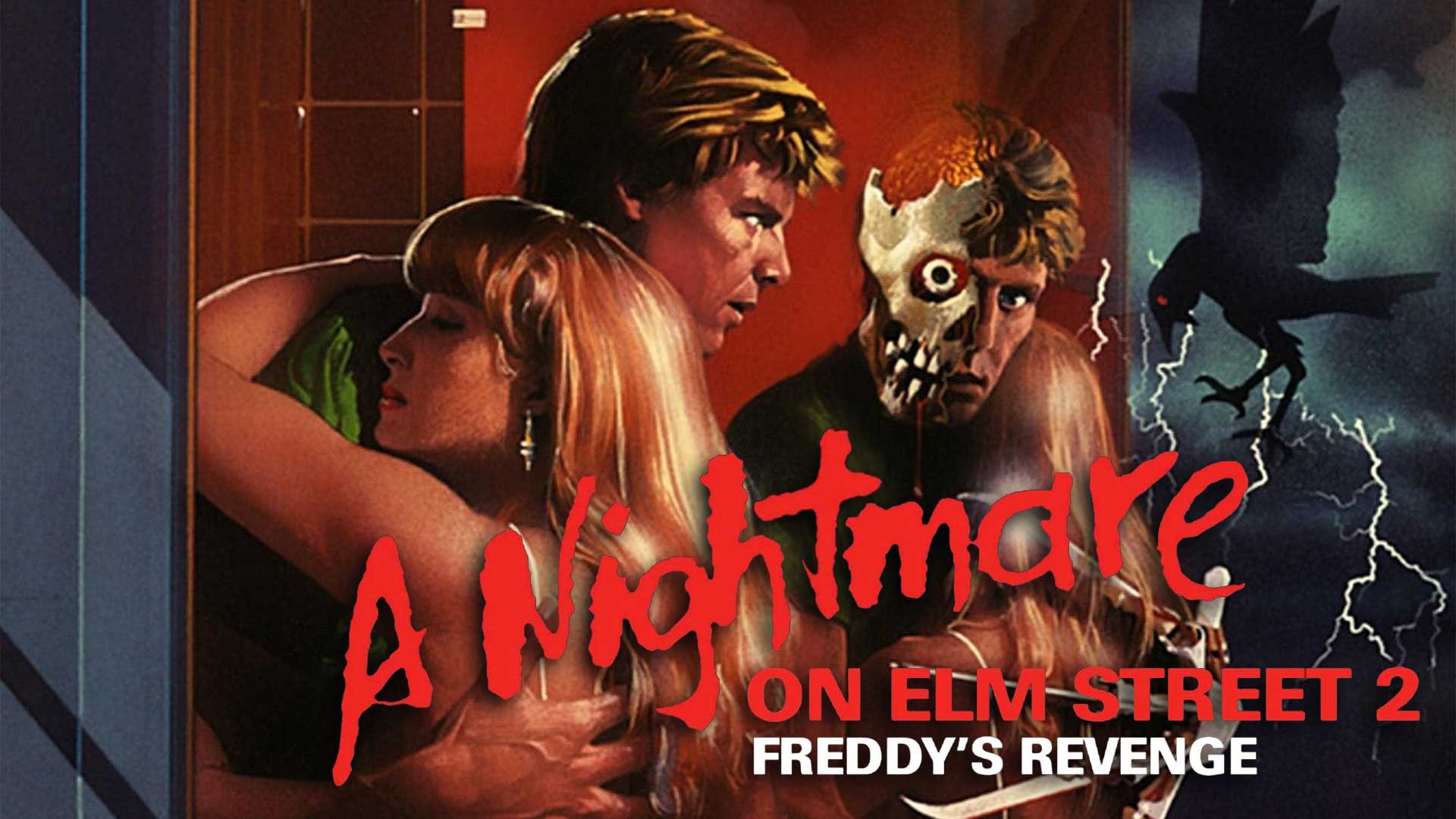
    With a $1.1 million budget, A Nightmare on Elm Street grossed over $57 million worldwide and earned critical acclaim. Given its success, New Line Cinema immediately wanted a sequel despite Wes Craven declining to return as director. Instead, New Line hired Jack Sholder, who previously helmed 1982’s Alone in the Dark, to direct. Like the first film, the cast comprised relatively unknown actors, including Mark Patton and Lisa Myers. The studio initially had a stuntman play Freddy to save money, but soon realized their mistake and rehired Robert Englund. Filming started in July 1985 around Los Angeles and Pasadena, though Sholder claims he didn’t have time to prepare. Since the original makeup artist, David Miller, was unavailable, a then-unknown Kevin Yahger came aboard to redesign Freddy’s makeup. Only a year after its predecessor, A Nightmare on Elm Street Part 2: Freddy’s Revenge slashed its way to theaters.

    [/et_pb_text][/et_pb_column][et_pb_column type=”1_3″ _builder_version=”4.16″ _module_preset=”default” global_colors_info=”{}”][et_pb_circle_counter title=”Rating” number=”60″ bar_bg_color=”#EDF000″ _builder_version=”4.27.4″ _module_preset=”default” hover_enabled=”0″ global_colors_info=”{}” sticky_enabled=”0″][/et_pb_circle_counter][/et_pb_column][/et_pb_row][et_pb_row _builder_version=”4.16″ _module_preset=”default” global_colors_info=”{}”][et_pb_column type=”4_4″ _builder_version=”4.16″ _module_preset=”default” global_colors_info=”{}”][et_pb_text _builder_version=”4.27.4″ _module_preset=”default” hover_enabled=”0″ global_colors_info=”{}” sticky_enabled=”0″]

    Synopsis

    High schooler Jesse Walsh (Mark Patton) has been having horrific nightmares ever since moving to his new house. Struggling with his parents, Ken (Clu Gulager) and Cheryl (Hope Lange), Jesse finds comfort in his friend, Lisa (Kim Myers). Soon, he’s visited in his dreams by Freddy Krueger (Robert Englund), who wants to possess Jesse’s body to kill. Through him, Freddy kills the gym coach, Schneider (Marshall Bell), and Jesse’s friend, Ron Grady (Robert Russler). As the bodies continue piling up, Jesse struggles to maintain a grip on reality as Freddy tries to take over. Lisa tries to help him break Freddy’s control, but Jesse’s fear keeps Freddy bound to him. Soon, Freddy makes his way back to the real world and starts going on a rampage at a pool party. Can Jesse be saved from this overwhelming evil, or will Freddy’s terror continue to reign down on Springwood?


    Review

    Out of every entry in the series, A Nightmare on Elm Street Part 2: Freddy’s Revenge is the most controversial. While many people praise the film for its daring approach to the formula, others groan at the homoerotic subtext. From Jesse talking about someone being inside him to wandering into a gay leather bar at night, it’s very conspicuous. Personally, I’m not bothered by the homosexual themes explored, especially compared to movies like Top Gun and Rocky III. For me, my biggest issue with the film is that you can tell this was a rushed production. Whereas the original had a clear and defined set of rules, this one throws all of that out the window. Plus, things happen with no rhyme or reason, such as birds bursting into flames or dogs with human-like faces. These feel like ideas that were never fully fleshed out.

    On a more positive note, performances across the board are fantastic, especially those of the lead actors. Mark Patton gives Jesse both likable charm and genuine vulnerability, making you root for him. You feel the torment and anguish he’s experiencing as this thing tries to come out to hurt those around him. Kim Myers is also fantastic as Lisa, who shares great chemistry with Patton, even if not romantic. Robert Rusler is also entertaining as Jesse’s arrogant jock friend, and Marshall Bell is memorably detestable as the stern coach. Robert Englund is as menacing here as in the original, even adding some subtle dark humor to his performance. This attitude, combined with Kevin Yagher’s redesign, makes Freddy feel more conniving and sinister. Plus, the late, great Clu Gulager and Hope Lange are memorable as Jesse’s oblivious yet sincere parents trying to help.

    Though not as skilled as the late Wes Craven, Jack Sholder still does a good job directing. He manages to make the nightmare sequences as trippy and otherworldly as Craven, though not quite to the same extent. To Sholder’s credit, he had less prep time since New Line wanted to get the sequel out right away. Also, while this film has more kills than the first, only two are memorable: Schneider’s and Grady’s. As much fun as seeing Freddy slicing up teens at a pool party is, it also diminishes his scariness slightly. Plus, even at 87 minutes long, parts of the movie drag on for way longer than they should. Still, despite these flaws, I believe there’s plenty that works, and people should give this film another chance. Overall, A Nightmare on Elm Street Part 2: Freddy’s Revenge is easily the most underrated in the series.


    Buy A Nightmare on Elm Street Part 2: Freddy’s Revenge from Amazon: https://amzn.to/4oOmK5e.

    Disclosure: The above link is an affiliate link, which means that, at no additional cost, I will earn a commission if you click through the link and make a purchase.

    [/et_pb_text][et_pb_code _builder_version=”4.27.4″ _module_preset=”default” hover_enabled=”0″ global_colors_info=”{}” sticky_enabled=”0″]

    Where to watch A Nightmare on Elm Street Part 2: Freddy’s Revenge (1985)

    data-api-key=”LMVDLdLSH5ZJnQ4FMGMgyJCB8cmGbfCV” data-object-type=”Movie” data-title=”A Nightmare on Elm Street Part 2: Freddy’s Revenge” data-year=”1985″ data-theme=”light”>

    [/et_pb_code][/et_pb_column][/et_pb_row][/et_pb_section]
  • Ebola Syndrome (1996)

    Ebola Syndrome (1996)

    [et_pb_section fb_built=”1″ _builder_version=”4.16″ _module_preset=”default” global_colors_info=”{}”][et_pb_row column_structure=”2_3,1_3″ _builder_version=”4.16″ _module_preset=”default” global_colors_info=”{}”][et_pb_column type=”2_3″ _builder_version=”4.16″ _module_preset=”default” global_colors_info=”{}”][et_pb_text _builder_version=”4.27.4″ _module_preset=”default” hover_enabled=”0″ global_colors_info=”{}” sticky_enabled=”0″]

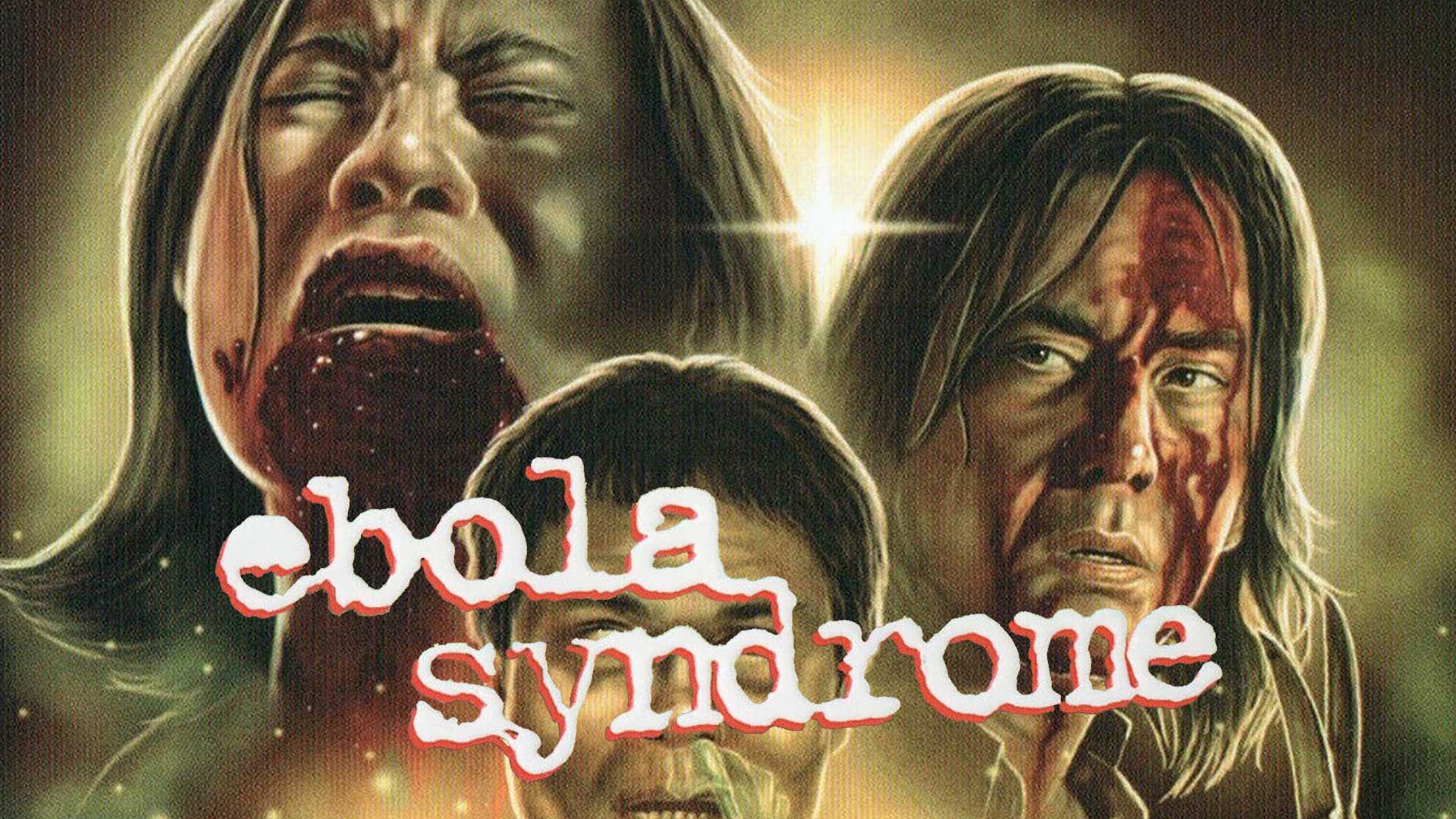
    In the late 1980s, the Hong Kong government introduced a new ratings system for movies due to public concerns. There were three categories: Category I for all ages, Category II for older audiences, and Category III for 18+. This new system saw dozens of exploitation films coming from Hong Kong, starting with 1988’s Men Behind the Sun. The 90s saw a surge of Category III films hit theaters, with some netting huge box office returns. 1993’s The Untold Story grossed over HK$15 million and won Best Actor at the Hong Kong Film Awards. Following its success, director Herman Yau got an offer from writer/producer Wong Jing to helm another grisly shocker. In 1995, an Ebola outbreak devastated the Democratic Republic of Congo, which Jing thought would make a compelling movie. After some rewrites from Yau, he and star Anthony Wong teamed up for 1996’s Ebola Syndrome.

    [/et_pb_text][/et_pb_column][et_pb_column type=”1_3″ _builder_version=”4.16″ _module_preset=”default” global_colors_info=”{}”][et_pb_circle_counter title=”Rating” number=”85″ bar_bg_color=”#7CDA24″ _builder_version=”4.27.4″ _module_preset=”default” global_colors_info=”{}”][/et_pb_circle_counter][/et_pb_column][/et_pb_row][et_pb_row _builder_version=”4.16″ _module_preset=”default” global_colors_info=”{}”][et_pb_column type=”4_4″ _builder_version=”4.16″ _module_preset=”default” global_colors_info=”{}”][et_pb_text _builder_version=”4.27.4″ _module_preset=”default” global_colors_info=”{}”]

    Synopsis

    When his boss catches him with his wife, Kai San (Anthony Wong) kills his boss, his henchmen, and his wife. He flees Hong Kong and takes up residence in South Africa, where he lives for a decade. Kai now works at a Chinese restaurant where the owner and his wife constantly hassle him. The boss takes Kai to a Zulu tribe to buy some cheap meat, which is dealing with an Ebola outbreak. While out, Kai rapes a dying tribeswoman and ends up contracting Ebola, but he has a rare immunity. The owner’s wife contemplates killing Kai, which leads to Kai raping her and killing the owner, her, and her cousin. In addition, he chops up their bodies, makes them into burgers, and serves them to customers, inadvertently spreading the virus. As the police scramble to figure out what’s happening, Kai travels back to Hong Kong, unknowingly spreading Ebola.


    Review

    Ebola Syndrome is a wild ride of depravity and disgust, not suitable for the faint of heart. This movie is a nasty little affair that pushes the boundaries of good taste to an outrageous degree. When you think the filmmakers wouldn’t go there, not only do they go there, but they practically jump over it. The opening scene alone has our protagonist getting urinated on by the woman he was having an affair with. Director Herman Yau almost delights in how far he can go to challenge the audience’s sensibilities, which is admirable. What’s more shocking is the dark humor sprinkled in, like how Kai constantly accuses people of “busting his balls.” Admittedly, there are moments of real animal deaths that are inexcusable, even if it’s meant to be shocking. You could argue that these scenes add a sense of realism, but this is a movie, not real life.

    On a more positive note, what makes this movie work so well is Anthony Wong’s performance as the sadistic Kai. While most everyone is a scumbag, he’s the biggest scumbag of them all, raping and killing without a second thought. Much like Christian Bale’s performance in American Psycho, Wong brings a certain charisma that makes him fun to watch. Sure, the movie doesn’t present anything he does positively, but there’s a reckless abandon that makes him fascinating. In a way, his performance overshadows everyone else, not because the rest are bad, but because he’s so good. That said, the other actors do a fine job, the highlight being Tsui-Ling Wong as Lily, one of Kai’s victims. She’s one of the few good characters in the movie, and you want to see her survive. Unfortunately, given the nature of this film, we know she’s not going to have a happy ending.

    Given his experience as a cinematographer, it makes sense that Herman Yau’s direction is so fluid and stylish. As ugly as the story is, the film has a striking beauty that separates it from other splatter fare. Yau takes full advantage of his locations, from the African outback to the Hong Kong city streets. Granted, the film suffers from some pacing issues, especially towards the middle, during the police investigation. Even Kai’s repugnant behavior feels tiresome after a while, but that could be Yau trying to desensitize the audience. Still, for a roughly 90-minute movie, it’s a wild ride that throws out imagery you won’t soon forget. Obviously, a film like this won’t appeal to the average moviegoer, so I only recommend this for the strong-willed. Overall, Ebola Syndrome is a sick, twisted tale with an excellent lead performance, solid direction, and unforgettably gross moments.


    Buy Ebola Syndrome from Amazon: https://amzn.to/4n2oXJf.

    Disclosure: The above link is an affiliate link, which means that, at no additional cost, I will earn a commission if you click through the link and make a purchase.

    [/et_pb_text][et_pb_code _builder_version=”4.27.4″ _module_preset=”default” hover_enabled=”0″ global_colors_info=”{}” sticky_enabled=”0″]

    Where to watch Ebola Syndrome

    data-api-key=”LMVDLdLSH5ZJnQ4FMGMgyJCB8cmGbfCV” data-object-type=”Movie” data-title=”Ebola Syndrome” data-year=”1996″ data-theme=”light”>

    [/et_pb_code][/et_pb_column][/et_pb_row][/et_pb_section]
  • The Fantastic Four (1994)

    The Fantastic Four (1994)

    [et_pb_section fb_built=”1″ _builder_version=”4.16″ _module_preset=”default” global_colors_info=”{}”][et_pb_row column_structure=”2_3,1_3″ _builder_version=”4.16″ _module_preset=”default” global_colors_info=”{}”][et_pb_column type=”2_3″ _builder_version=”4.16″ _module_preset=”default” global_colors_info=”{}”][et_pb_text _builder_version=”4.27.4″ _module_preset=”default” global_colors_info=”{}”]Created by writer Stan Lee and artist Jack Kirby, The Fantastic Four debuted in 1961 to almost immediate success. The series’ popularity ushered in the Marvel Age of Comics, introducing iconic characters such as Spider-Man, Thor, Daredevil, and more. In 1983, producer Bernd Eichinger negotiated with Stan Lee to acquire the film rights for The Fantastic Four. Columbia Pictures and Warner Bros. showed interest, but plans fell through due to budgetary concerns, so Eichinger looked elsewhere. With his option expiring, he turned to B-movie producer Roger Corman, who agreed to make the film for $1 million. Corman hired director Oley Sassone to helm the project, which featured a cast of relative unknowns, for a 21-day shoot. Despite the low budget and reason behind its making, the team put their all into this ambitious project. Sadly, The Fantastic Four never made its original 1994 release, but it survives thanks to bootlegs.

    [/et_pb_text][/et_pb_column][et_pb_column type=”1_3″ _builder_version=”4.16″ _module_preset=”default” global_colors_info=”{}”][et_pb_circle_counter title=”Rating” number=”60″ bar_bg_color=”#EDF000″ _builder_version=”4.27.4″ _module_preset=”default” global_colors_info=”{}”][/et_pb_circle_counter][/et_pb_column][/et_pb_row][et_pb_row _builder_version=”4.16″ _module_preset=”default” global_colors_info=”{}”][et_pb_column type=”4_4″ _builder_version=”4.16″ _module_preset=”default” global_colors_info=”{}”][et_pb_text _builder_version=”4.27.4″ _module_preset=”default” hover_enabled=”0″ global_colors_info=”{}” sticky_enabled=”0″]

    Synopsis

    College students Reed Richards (Alex Hyde-White) and Victor Von Doom (Joseph Culp) try to harness a passing comet named Colossus. Unfortunately, the experiment goes wrong, and Victor gets electrocuted and is presumed dead, leaving Reed guilt-ridden. Ten years later, Reed and his friend, Ben Grimm (Michael Bailey Smith), plan a space trip to find the comet. Along for the mission are siblings Sue Storm (Rebecca Staab) and Johnny Storm (Jay Underwood), but things go awry fast. They return with new abilities: Reed can stretch, Sue turns invisible, Johnny conjures fire, and Ben becomes a rock monster. A now-alive Victor, renamed Doctor Doom, captures the four and wants to absorb their powers for his gain. Thankfully, they escape but soon learn of Doom’s plan to destroy New York with a super laser. With their new powers, Reed, Sue, Johnny, and Ben must unite to save the world as The Fantastic Four!


    Review

    While I wouldn’t call this a good movie, there’s no reason why The Fantastic Four should never have been released. Sure, you can tell this had a fraction of the budget of typical superhero movies, but it has heart. The cast and crew made a genuine effort to create something special with very little, and they should be commended. The fact that garbage like It’s PatFreddy Got Fingered, and The Oogieloves got released but not this is unbelievable. I doubt this movie would’ve done well theatrically, but I could see this getting a direct-to-video release. Unfortunately, the only way to watch this is through bootleg VHS uploads online, which don’t do the film any justice. I’m not saying a cleaned-up, complete restoration would make this movie good, but it would be more watchable. If Manos: The Hands of Fate can get a Blu-ray, so can this.

    On top of looking spot-on, Alex Hyde-White makes for a likable Reed Richards, who’s both intelligent and sympathetic. Joseph Culp is fun as an over-the-top Doctor Doom, even though you can barely understand him through the mask. Jay Underwood’s wildly spastic performance can be slightly grating, but not enough to ruin the movie. Michael Bailey Smith and Rebecca Staab are decent, even if they’re not given much to do. Ian Trigger is kinda fun as a stand-in for The Mole Man, though he feels superfluous. Carl Ciarfalio makes for a good Thing, and the costume is decent considering the low budget. Oley Sassone’s direction is decent, making the most of the cheap sets and limited resources. Admittedly, the CG is dated, but it’s forgivable given the low budget and surprisingly better than some recent CG effects. All in all, they did their best.

    While you could attribute most of the film’s flaws to its low budget, some couldn’t be saved with more money. For one, the pacing is sluggish, moving at a glacial pace as they go from one subplot to another. Once the four characters receive their powers, the movie grinds to a halt as they’re locked up, waiting to escape. Additionally, some plot points are questionable, notably the pairing of Reed and Sue, given the significant age gap. When they first meet, she’s a kid fawning over him, but it’s only after ten years that they hook up. Plus, for a superhero movie, there’s minimal action until the climax, with the rest happening off-screen. Despite its flaws, the film works as a fun, kitschy comic book movie that’s earnest, lighthearted, and innocent. Overall, The Fantastic Four may not be perfect, but it deserves a second chance.

    [/et_pb_text][/et_pb_column][/et_pb_row][/et_pb_section]
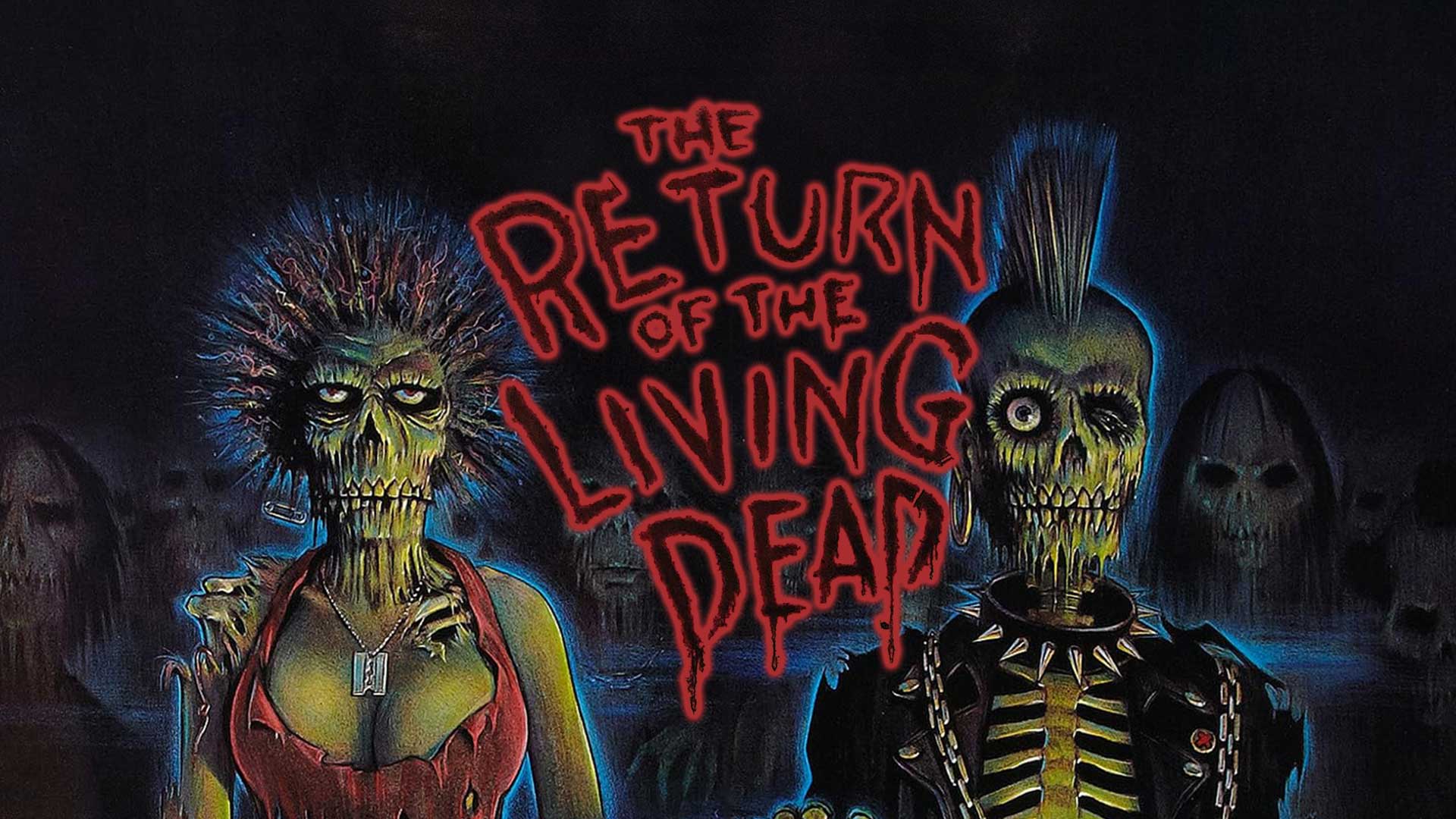
  • The Return of the Living Dead (1985)

    The Return of the Living Dead (1985)

    [et_pb_section fb_built=”1″ _builder_version=”4.16″ _module_preset=”default” global_colors_info=”{}”][et_pb_row column_structure=”2_3,1_3″ _builder_version=”4.16″ _module_preset=”default” global_colors_info=”{}”][et_pb_column type=”2_3″ _builder_version=”4.16″ _module_preset=”default” global_colors_info=”{}”][et_pb_text _builder_version=”4.27.4″ _module_preset=”default” global_colors_info=”{}”]Following 1968’s Night of the Living Dead, writer/director George A. Romero and co-writer John A. Russo parted ways. While Romero made his sequel, 1978’s Dawn of the Dead, Russo still had rights to the Living Dead title. Russo adapted his ideas into a novel, which aspiring producer Tom Fox purchased the rights to adapt to film. Initially, Tobe Hooper came on board to direct, but due to financial struggles, he left to work on Lifeforce. In his place was co-writer Dan O’Bannon of Alien fame, who agreed to direct if he could rewrite the script. O’Bannon significantly altered the screenplay to avoid comparisons with Romero’s work, incorporating more humor, punk aesthetics, and intelligent zombies. With a $3-4 million budget, filming faced challenges, including the firing of effects artist William Munns and arguments with actors. Despite these issues, The Return of the Living Dead landed in theaters in August 1985.

    [/et_pb_text][/et_pb_column][et_pb_column type=”1_3″ _builder_version=”4.16″ _module_preset=”default” global_colors_info=”{}”][et_pb_circle_counter title=”Rating” number=”90″ bar_bg_color=”#7CDA24″ _builder_version=”4.27.4″ _module_preset=”default” global_colors_info=”{}”][/et_pb_circle_counter][/et_pb_column][/et_pb_row][et_pb_row _builder_version=”4.16″ _module_preset=”default” global_colors_info=”{}”][et_pb_column type=”4_4″ _builder_version=”4.16″ _module_preset=”default” global_colors_info=”{}”][et_pb_text _builder_version=”4.27.4″ _module_preset=”default” hover_enabled=”0″ global_colors_info=”{}” sticky_enabled=”0″]

    Synopsis

    Freddy (Thom Mathews) recently got a new job at the Uneeda Medical Supply Warehouse working with Frank (James Karen). Wanting to impress him, Frank shows Freddy military drums with corpses infected by toxic gas stored in the basement. Unfortunately, Frank accidentally cracks the tank, releasing the gas into the warehouse, which resurrects everything inside, including a cadaver. Frank calls their boss, Burt (Clu Gulager), for help, but they discover that destroying the brain won’t kill the undead. Burt decides to dismember the cadaver and have his friend, Ernie (Don Calfa), cremate the remains, inadvertently releasing the gas. Meanwhile, Freddy’s girlfriend, Tina (Beverly Randolph), and his friends party at the local cemetery when all hell breaks loose. To make matters worse, Frank and Freddy are slowly dying due to being infected by the gas. Will our heroes survive against the undead, or will things continue to worsen?


    Review

    The Return of the Living Dead stands as one of the best zombie movies of the 80s and all time. Sure, Romero’s Night of the Living Dead is the gold standard, but Return is on the same level. What helps this movie stand out is the addition of dark comedy and punk aesthetics mixed with the horror. Return is one of those rare horror comedies that strikes a balance of humor and horror without compromising the tone. Everyone in the cast plays the material straight, which makes the absurdity even funnier as things continue to worsen. The movie features political satire, as the canisters’ arrival results from a military mistake they tried to hide. This sentiment echoes elements from O’Bannon’s work on Alien, whose faceless corporation prioritized retrieving the Xenomorph over the crew. Thankfully, the message is woven into the story rather than taking center stage over it.

    Thom Mathews and James Karen are fantastic as Freddy and Frank, respectively, our hapless heroes doomed from the start. They do a great job showing how they’re slowly dying as the toxic gas takes over without going overboard. Clu Gulager is wonderfully dry as Bert, the no-nonsense boss who’s trying to make sense of the ever-worsening situation. Don Calfa is also memorable as the off-kilter mortician, Ernie, whose sense of reality continually slips as the film progresses. The punk cast, which includes Linnea Quigley, Mark Venturini, Miguel A. Núñez Jr., Jewel Shepard, and John Philbin, is fun. Each stands out in their unique way, whether it’s Venturini’s overly aggressive attitude, Quigley’s death fetishization, or Núñez’s emotional outbursts. Beverly Randolph is both adorable and hilariously out of place as the straightlaced Tina, and she gives it her all. In general, the actors are fantastic at taking this otherwise silly movie seriously.

    Like many great 80s horror films, the practical effects are a scene-stealer, showcasing why they will always be superior. The highlight is the iconic Tarman, played by Allan Trautman, whose gangly proportions and eerie movements make him instantly memorable. Another standout is the half-corpse created by Tony Gardner, who later worked on Army of DarknessFreaked, and Hocus Pocus. For such a simple puppet, Gardner manages to bring it to life in a way that CGI cannot replicate. Also worth noting is William Stout’s excellent production design, from the cold industrial warehouse to the gothic cemetery scenery. The story’s bleak nature might deter some audiences, but that adds to the dark comedy. At roughly 90 minutes, the film maintains a brisk pace, never letting up, and remains enjoyable from start to finish. Overall, The Return of the Living Dead remains a hallmark of the zombie genre, even 40 years later.


    Buy The Return of the Living Dead from Amazon: https://amzn.to/44rJJvq.

    Disclosure: The above link is an affiliate link, which means that, at no additional cost, I will earn a commission if you click through the link and make a purchase.

    [/et_pb_text][/et_pb_column][/et_pb_row][/et_pb_section]
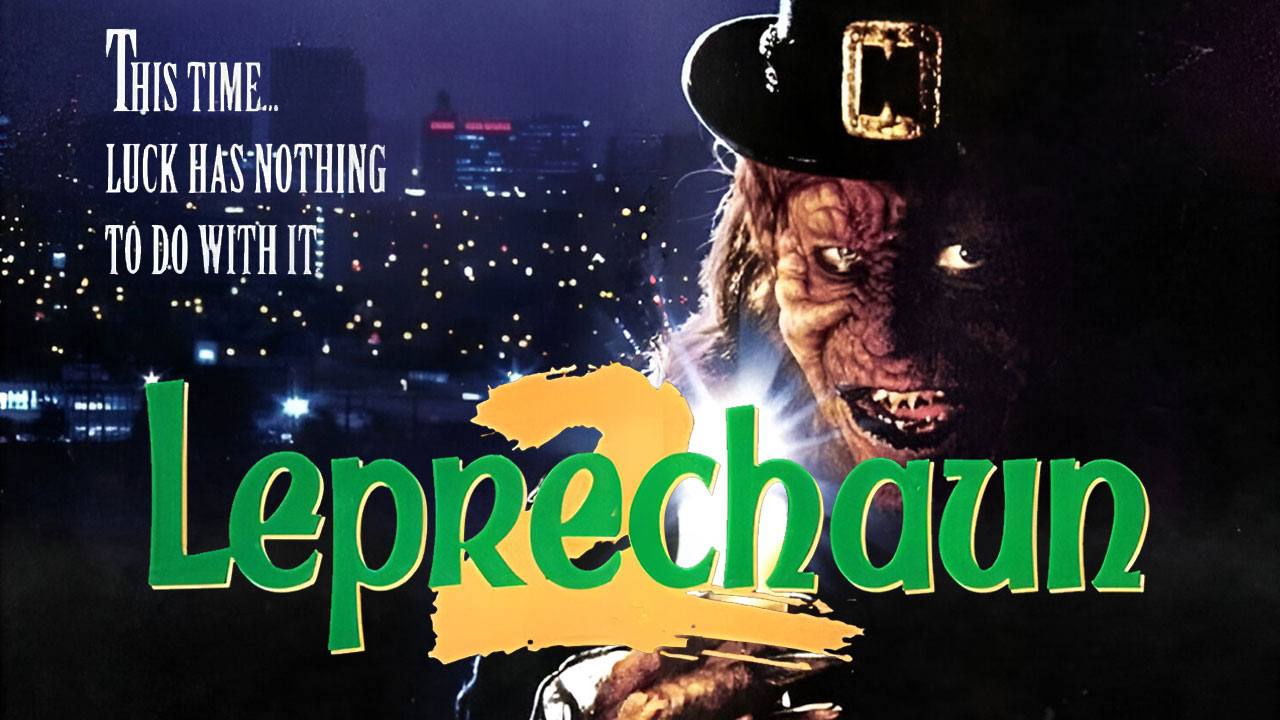
  • Leprechaun 2 (1994)

    Leprechaun 2 (1994)

    [et_pb_section fb_built=”1″ _builder_version=”4.16″ _module_preset=”default” global_colors_info=”{}”][et_pb_row column_structure=”2_3,1_3″ _builder_version=”4.16″ _module_preset=”default” global_colors_info=”{}”][et_pb_column type=”2_3″ _builder_version=”4.16″ _module_preset=”default” global_colors_info=”{}”][et_pb_text _builder_version=”4.27.4″ _module_preset=”default” global_colors_info=”{}”]Despite primarily negative reviews, 1993’s Leprechaun was a surprise hit, grossing $8.5 million on a $900,000 budget. Trimark Pictures wanted a sequel right away, but the original’s writer/director, Mark Jones, went off to make Rumplestilskin. For the sequel, Trimark hired relative newcomer Rodman Flender, who made his debut directing The Unborn for Roger Corman. Aside from Warwick Davis, none of the original cast returned, so this sequel became more of a reboot. With a slightly higher budget of $1.5 million, filming lasted 18-21 days in and around Los Angeles. Despite going overschedule and shooting late into the night, production went off relatively well, and everyone got along. After the original’s success, the studio hoped that they’d be able to strike gold again with a theatrical sequel. Roughly a year after the first one, Leprechaun 2 made its way onto screens in April 1994.

    [/et_pb_text][/et_pb_column][et_pb_column type=”1_3″ _builder_version=”4.16″ _module_preset=”default” global_colors_info=”{}”][et_pb_circle_counter title=”Rating” number=”55″ bar_bg_color=”#EDF000″ _builder_version=”4.27.4″ _module_preset=”default” global_colors_info=”{}”][/et_pb_circle_counter][/et_pb_column][/et_pb_row][et_pb_row _builder_version=”4.16″ _module_preset=”default” global_colors_info=”{}”][et_pb_column type=”4_4″ _builder_version=”4.16″ _module_preset=”default” global_colors_info=”{}”][et_pb_text _builder_version=”4.27.4″ _module_preset=”default” hover_enabled=”0″ global_colors_info=”{}” sticky_enabled=”0″]

    Synopsis

    In ancient Ireland, Lubdan the Leprechaun (Warwick Davis) seeks a bride to celebrate his 1,000th birthday. He promises to free his servant, William O’Day (James Lancaster), once married, except Lubdan’s intended bride is O’Day’s daughter. While O’Day manages to stop him, Lubdan vows to marry one of O’Day’s descendants on his 2,000th birthday. Cut to 1990s Los Angeles, where Lubdan sets his sights on O’Day’s descendant, Bridget Callum (Shevonne Durkin). She’s unhappy because her boyfriend, Cody Ingalls (Charlie Heath), is focused more on his work than her. Cody and his drunken boss Morty (Sandy Baron) run a haunted tour that’s scamming people hoping to see celebrity gravesites. Soon, Lubdan goes on a killing spree as he tries to abduct Bridget and make him his bride. Will Cody step up and save his girlfriend, or will Lubdan finally get his bride?


    Review

    Say what you will about the first Leprechaun, but at least it had an undeniable charm. The filmmakers put in more effort than you’d expect for a low-budget horror-comedy about a killer leprechaun. Sadly, Leprechaun 2 lacks the energy and fun that the original had, though it isn’t entirely awful. As with the first film, Warwick Davis is the highlight of the movie and the main reason to watch. You can tell he’s having a blast playing this character, and Gabe Bartalos’ makeup effects are still top-notch. There are also some fun gags here, including a guy hallucinating that a twin-bladed lawnmower is the lead actress’s breasts. Plus, seeing character actors like Clint Howard, Kimmy Robertson, Tony Cox, Billy Beck, and Michael McDonald is a treat. Also, The Leprechaun’s layer is a nifty bit of production design, even if there are some prominent styrofoam rocks.

    Sadly, the rest of the movie is dull and uninteresting, not helped by the lackluster leads. Shevonne Durkin, who coincidentally appeared in Tammy and the T-Rex that same year, can’t act to save her life. She might be pretty, but her delivery is so flat that it makes you appreciate Jennifer Aniston in the original. It doesn’t help that Charlie Heath is a wet blanket as her boyfriend, Cody, who’s uninteresting and bland. It’s the typical “guy who’s too focused on work neglects his love interest” storyline we’ve seen hundreds of times. Sandy Baron has funny moments as Cody’s drunken boss, Morty, like him exploiting the “30 minutes or free” pizza rule. There’s also a cool effect where he wishes for The Leprechaun’s gold, and the pot grows in his stomach. Unfortunately, little moments like that can’t save an otherwise dull movie.

    I know it seems like I’m expecting too much from a movie called Leprechaun 2, but I’m not. I only want a goofy, occasionally creepy, killer leprechaun movie, and I barely got that watching this. To the film’s credit, Rodman Flender’s direction isn’t too bad, and he does throw in some creative touches. There’s some foggy scenery, the aforementioned underground layer, and some colored lighting added to create an eerie mood. Plus, having The Leprechaun’s layer in Harry Houdini’s old house has tons of potential that sadly gets wasted. For as much fun as the cast and crew had, it’s a shame the audience won’t experience that same feeling. Even at slightly under 90 minutes, the pacing drags, and the movie feels longer than it is. Overall, Leprechaun 2 isn’t the worst sequel, but it’s a step down from the original, which wasn’t that good either.


    Buy Leprechaun 2 from Amazon: https://amzn.to/4bMWjaE.

    Disclosure: The above link is an affiliate link, which means that, at zero cost to you, I will earn a commission if you click through the link and finalize a purchase.

    [/et_pb_text][/et_pb_column][/et_pb_row][/et_pb_section]
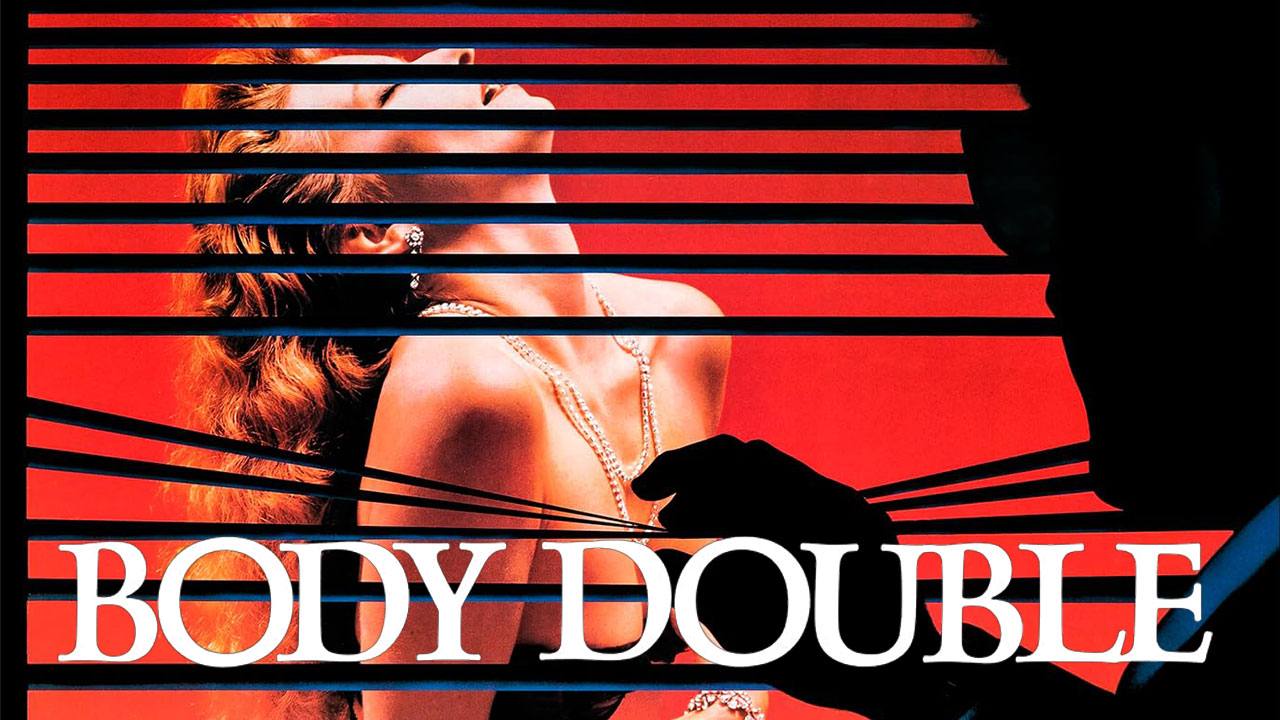
  • Body Double (1984)

    Body Double (1984)

    [et_pb_section fb_built=”1″ _builder_version=”4.16″ _module_preset=”default” global_colors_info=”{}”][et_pb_row column_structure=”2_3,1_3″ _builder_version=”4.16″ _module_preset=”default” global_colors_info=”{}”][et_pb_column type=”2_3″ _builder_version=”4.16″ _module_preset=”default” global_colors_info=”{}”][et_pb_text _builder_version=”4.27.4″ _module_preset=”default” global_colors_info=”{}”]Filmmaker Brian De Palma became a household name due to the success of CarrieDressed to Kill, and Scarface. In response, Columbia Pictures signed him to a three-picture deal, granting him complete creative freedom. Reflecting on his experience with Angie Dickinson’s body doubles in Dressed to Kill, he used that as a basis. De Palma hired Robert J. Avrech to cowrite the script after being impressed with his 1980 outing, Blood Bride. Initially, De Palma wanted to hire adult film actress Annette Haven, but the studio rejected her due to her work. After actresses like Linda Hamilton, Jamie Lee Curtis, and Carrie Fisher turned it down, Melanie Griffith took the part. Filming took place in early 1984 around Los Angeles with a $10 million budget, though Columbia had their doubts. After a lengthy battle with the MPAA and a less-than-stellar pre-screening, Body Double hit theaters in October 1984.

    [/et_pb_text][/et_pb_column][et_pb_column type=”1_3″ _builder_version=”4.16″ _module_preset=”default” global_colors_info=”{}”][et_pb_circle_counter title=”Rating” number=”85″ bar_bg_color=”#7CDA24″ _builder_version=”4.27.4″ _module_preset=”default” global_colors_info=”{}”][/et_pb_circle_counter][/et_pb_column][/et_pb_row][et_pb_row _builder_version=”4.16″ _module_preset=”default” global_colors_info=”{}”][et_pb_column type=”4_4″ _builder_version=”4.16″ _module_preset=”default” global_colors_info=”{}”][et_pb_text _builder_version=”4.27.4″ _module_preset=”default” hover_enabled=”0″ global_colors_info=”{}” sticky_enabled=”0″]

    Synopsis

    After losing a leading role and catching his girlfriend cheating, struggling actor Jake Scully (Craig Wasson) is down and out. Scully meets fellow actor Sam Bouchard (Gregg Henry) at a class, who offers him a unique opportunity. Sam asks Jake to housesit . Jake becomes fascinated with the neighbor, Gloria Revelle (Deborah Shelton), but soon discovers a stranger stalking and abusing her. Scully pursues her further, learning that a disfigured “Indian” has been threatening her life, and they fall in love. Unfortunately, the Indian breaks into Gloria’s home and kills her with a drill before Jake can save her. Feeling guilty, Jake watches a porno channel featuring Holly Body (Melanie Griffith) dancing similar to Gloria. He decides to enter the adult industry to meet Holly and figure out how she factors into Gloria’s death. What Jake discovers as he investigates further will change his life forever.


    Review

    Body Double is a solidly entertaining erotic thriller that could only come out in the 1980s. It’s common knowledge that Brian De Palma took inspiration from Alfred Hitchcock, and you can see that here. Plotwise, the film takes elements from Rear Window with the voyeurism and Vertigo with the lead’s crippling fear and obsession. Like Hitchcock, De Palma uses rear projection, split diopter, and continuous takes to establish mood and atmosphere. Thankfully, De Palma uses these techniques as more of an homage than a straight rip-off of Hitchcock. The movie explores illusion, voyeurism, artificiality, and the line between fantasy and reality while delivering an exhilarating thriller. Admittedly, the film takes a while to get going, but after the first act, things pick up quickly. There are so many twists, surprises, and reveals you won’t see coming, which can almost be overwhelming. Still, it’s a fun ride worth taking.

    Craig Wasson does a great job playing the handsome yet flawed lead who finds himself in over his head. Seeing him go deeper down the rabbit hole as he tries to solve the mystery is fascinating. Gregg Henry is also fun as Scully’s new friend Sam, coming off as lighthearted, sociable, and supportive. With her stunning looks and demure nature, Deborah Shelton works perfectly as the femme fatale, even if she’s dubbed. However, the stand-out performance is Melanie Griffth as the confident and self-assured Holly Boyd, who works perfectly off Wasson. Even though she doesn’t show up until halfway in, she dominates the screen with her sexuality and charisma. De Palma regular Dennis Franz is fun as the loud-mouthed director of the vampire movie Wasson stars in. Also, B-movie fans will get a kick from seeing Barbara Crampton in her debut feature film.

    As I alluded to earlier, there are some slow scenes towards the beginning as we get to know Jake Scully. The buildup to Jake going to the modern home goes for longer than it should and could’ve been shortened. Still, there are some fantastic set pieces, notably the music video segment featuring Frankie Goes to Hollywood’s “Relax.” It’s filmed in one continuous take with no cuts, and every action is perfectly choreographed to the song. The excellent camerawork is courtesy of Stephen Burum, who earned an Oscar nomination for Hoffa. Speaking of music, Pino Donaggio’s score is phenomenal, seamlessly going from soft and swelling to loud and bombastic. While the nods to Hitchcock might be derivative, and the first act is slow, this is still an entertaining thriller. Overall, Body Double is a sexually charged neo-noir thriller with great cinematography, solid performances, and memorable music.


    Buy Body Double from Amazon: https://amzn.to/3WN1zo3.

    Disclosure: The above link is an affiliate link, which means that, at zero cost to you, I will earn a commission if you click through the link and finalize a purchase.

    [/et_pb_text][/et_pb_column][/et_pb_row][/et_pb_section]
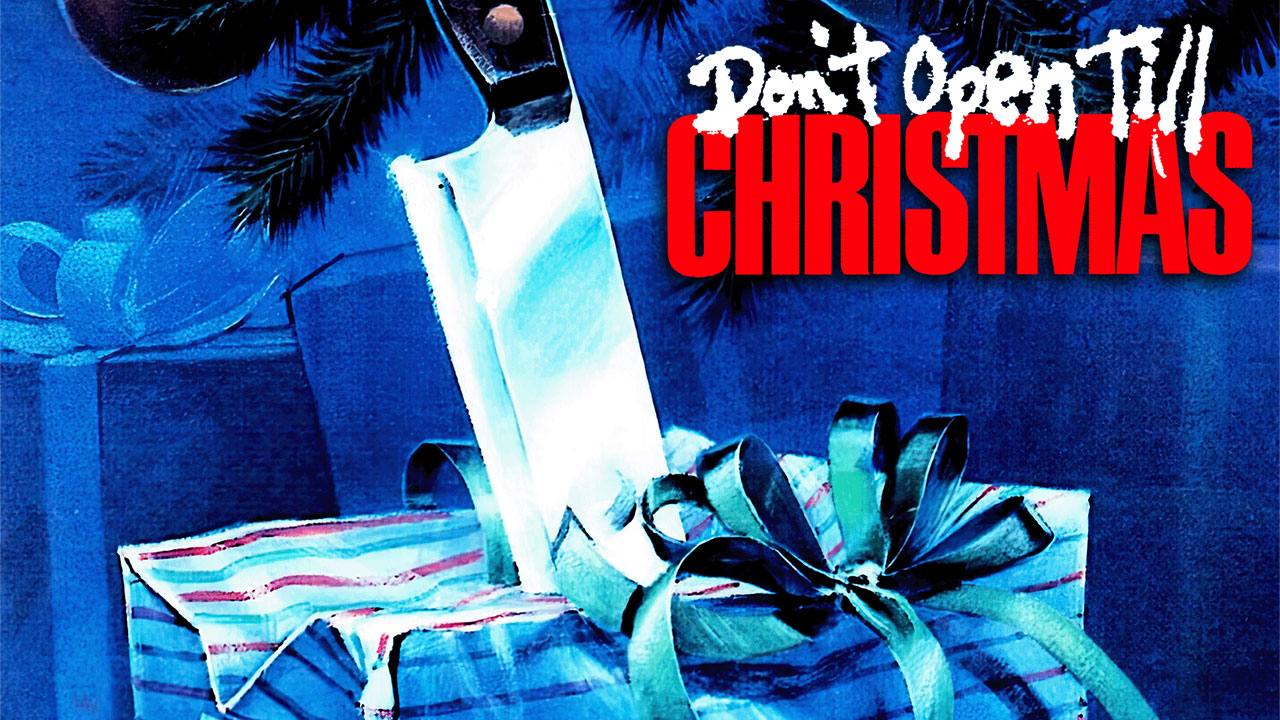
  • Don’t Open Till Christmas (1984)

    Don’t Open Till Christmas (1984)

    [et_pb_section fb_built=”1″ _builder_version=”4.16″ _module_preset=”default” global_colors_info=”{}”][et_pb_row column_structure=”2_3,1_3″ _builder_version=”4.16″ _module_preset=”default” global_colors_info=”{}”][et_pb_column type=”2_3″ _builder_version=”4.16″ _module_preset=”default” global_colors_info=”{}”][et_pb_text _builder_version=”4.27.4″ _module_preset=”default” global_colors_info=”{}”]After working on the American release of 1970’s Mark of the Devil, producer Stephen Minasian focused on horror. He helped Sean Cunningham and Wes Craven with The Last House on the Left and funded Friday the 13th. Minasian met producer Dick Randall soon after and co-produced 1982’s Pieces, which began an eventual partnership. Seeing how popular slashers were, Minasian wanted to make two based on holidays: April Fool’s Day and Christmas. Randall offered Edmund Purdom the lead in the Christmas slasher, which he accepted if he got to direct. Filming started in December 1982, but issues quickly arose due to disagreements between Purdom and Randall. Purdom quit the production, so writer Derek Ford took over, only to be replaced by editor Ray Selfie. After two years of reshoots, recastings, and re-editing, Don’t Open Till Christmas finally hit theaters in December 1984.

    [/et_pb_text][/et_pb_column][et_pb_column type=”1_3″ _builder_version=”4.16″ _module_preset=”default” global_colors_info=”{}”][et_pb_circle_counter title=”Rating” number=”70″ bar_bg_color=”#EDF000″ _builder_version=”4.27.4″ _module_preset=”default” global_colors_info=”{}”][/et_pb_circle_counter][/et_pb_column][/et_pb_row][et_pb_row _builder_version=”4.16″ _module_preset=”default” global_colors_info=”{}”][et_pb_column type=”4_4″ _builder_version=”4.16″ _module_preset=”default” global_colors_info=”{}”][et_pb_text _builder_version=”4.27.4″ _module_preset=”default” global_colors_info=”{}”]

    Synopsis

    On the dreary streets of London, someone in a green jacket and creepy mask is killing people dressed as Santa. Chief Inspector Ian Harris (Edmund Purdom) and Detective Sergeant Powell (Mark Jones) are hot on the case. They interview Kate Briosky (Belinda Mayne) and her boyfriend, Cliff Boyd (Gerry Sundquist), after witnessing her father’s murder days earlier. During all this, a stranger named Giles (Alan Wake), who claims to be a reporter, asks about the murders. Soon, a stripper named Sherry Graham (Kelly Baker) gets kidnapped by the killer after witnessing him murder another Santa. To make matters worse, Kate learns that Harris is no longer on the case, so she does some investigating. After checking a mental hospital that Harris visited, she discovers that the killer had been committed and is Harris’ brother. But who is the Santa slasher, and will his rampage be stopped?


    Review

    Due to numerous production problems, Don’t Open Till Christmas is a mess but enjoyable nonetheless. Interestingly, this film came out around the same time as Silent Night, Deadly Night but wasn’t nearly as controversial. If anything, it’s much more graphic and sleazy than Charles Sellier, Jr.’s slasher, with almost the opposite plot. For one, nearly every Santa shown is drunk or perverted, either peeping through windows or going to a peep show. Plus, most violent sequences occur in back alleys, public restrooms, or the London Dungeon, adding a layer of grime. A prime example is when Pat Astley wears a Santa coat and a thong while chased by the killer. Also, the kills are much more mean-spirited here, with Santas set ablaze, stabbed repeatedly, shot point blank, and even castrated. If parents complained about Billy impaling a woman on deer antlers, they’d have a field day with this.

    While the performances are decent overall, they’re nothing special besides a few standouts, namely Purdom and Lake. Though he disappears during the middle, Edmund Purdom brings a level of class to the film. Alan Lake also does a great job playing a menacing creep who perfectly plays his insanity in an understated way. He doesn’t constantly mug for the camera or go too over the top but instead plays it quietly and subdued. Belinda Mayne makes for a decent heroine, even if there isn’t much to her character. What’s strange is that you’d think she’d be the final girl, but it ends up being Kelly Baker’s experience girl. As for the rest of the cast, they do their jobs fine enough but don’t expect any Oscar-worthy performances. However, scream queen Caroline Munro does have a cameo as herself, which is always appreciated.

    Even without knowing the production history, you can tell that something went wrong with the movie’s structure. Characters are introduced as if they will play a significant role, only to vanish with a one-line explanation. Plus, given Purdom left the production, the other characters have to explain what the lead is doing off-screen. Between the scenes of Santa’s being murdered, most of the runtime consists of dialogue that goes on for too long. Even at 86 minutes, the movie feels padded with filler scenes that could’ve easily been excised. Despite how much of a mess this film is, it’s still enjoyable, mainly for the kills and the sleaze. Also, this movie has such an out-of-nowhere ending that you’ll never see coming, which makes it worth watching. Overall, Don’t Open Till Christmas is less of a long-lost classic and more of an interesting curiosity.


    Buy Don’t Open Till Christmas from Amazon: https://amzn.to/49PzhyR.

    Disclosure: The above link is an affiliate link, which means that, at zero cost to you, I will earn a commission if you click through the link and finalize a purchase.

    [/et_pb_text][et_pb_code _builder_version=”4.27.4″ _module_preset=”default” hover_enabled=”0″ sticky_enabled=”0″]

    Where to watch Don’t Open Till Christmas (1984)

    data-api-key=”LMVDLdLSH5ZJnQ4FMGMgyJCB8cmGbfCV” data-object-type=”Movie” data-title=”Don’t Open Till Christmas” data-year=”1984″ data-theme=”light”>

    [/et_pb_code][/et_pb_column][/et_pb_row][/et_pb_section]
  • Silent Night, Deadly Night (1984)

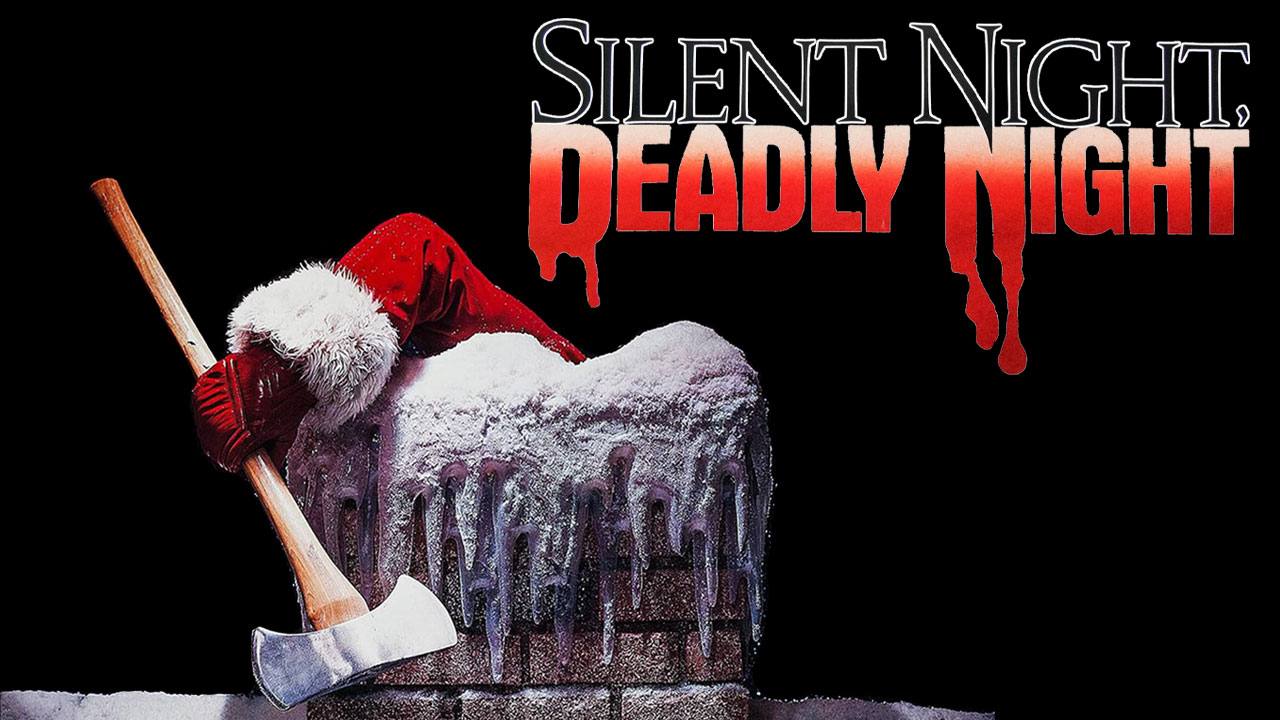
    Silent Night, Deadly Night (1984)

    [et_pb_section fb_built=”1″ _builder_version=”4.16″ _module_preset=”default” global_colors_info=”{}”][et_pb_row column_structure=”2_3,1_3″ _builder_version=”4.16″ _module_preset=”default” global_colors_info=”{}”][et_pb_column type=”2_3″ _builder_version=”4.16″ _module_preset=”default” global_colors_info=”{}”][et_pb_text _builder_version=”4.27.4″ _module_preset=”default” hover_enabled=”0″ global_colors_info=”{}” sticky_enabled=”0″]In the early 1980s, producer Scott Schneid received a screenplay by Harvard graduate Paul Caimi about a killer Santa. While he disliked the script, Schneid found the concept intriguing, so he hired Michael Hickey to write a new treatment. Schneid and fellow producer Dennis Whitehead sold the screenplay to Tri-Star Pictures, which recruited Ira Barmak as executive producer. The studio hired Charles E. Sellier Jr. to direct, although Schneid and Whitehead wanted someone fresh and new. With a $750,000 budget, filming lasted from March to April 1983 in Heber City and Midway, Utah. Initially titled Slayride, Tri-Star gave the film a limited release with the plan to go nationwide if it was successful. The producers didn’t expect any controversy since killer Santas had appeared in 1972’s Tales from the Crypt and 1980’s Christmas Evil. Before its release in November 1984, Tri-Star retitled the film Silent Night, Deadly Night.

    [/et_pb_text][/et_pb_column][et_pb_column type=”1_3″ _builder_version=”4.16″ _module_preset=”default” global_colors_info=”{}”][et_pb_circle_counter title=”Rating” number=”80″ bar_bg_color=”#7CDA24″ _builder_version=”4.27.4″ _module_preset=”default” hover_enabled=”0″ global_colors_info=”{}” sticky_enabled=”0″][/et_pb_circle_counter][/et_pb_column][/et_pb_row][et_pb_row _builder_version=”4.16″ _module_preset=”default” global_colors_info=”{}”][et_pb_column type=”4_4″ _builder_version=”4.16″ _module_preset=”default” global_colors_info=”{}”][et_pb_text _builder_version=”4.27.4″ _module_preset=”default” hover_enabled=”0″ global_colors_info=”{}” sticky_enabled=”0″]

    Synopsis

    When he was only 5, Billy Chapman (Jonathan Best) witnessed a crazed maniac dressed like Santa kill his parents. Three years later, Billy (Danny Wagner) and his younger brother Ricky (Max Broadhead) now live in an orphanage. Despite the pleas of Sister Margaret (Gilmer McCormick), Mother Superior (Lilyan Chauvin) beats Billy into believing that punishment is good. Ten years later, Billy (Robert Brian Wilson) gets a job as a stock boy in a local toy store. Things go smoothly until Christmas when memories of his parent’s murder and the Mother Superior’s abuse still haunt him. To make matters worse, the store owner, Mr. Sims (Britt Leach), has Billy fill in as the store Santa. This act leads to him finally snapping and going on a rampage, killing anyone he deems naughty. Will Sister Margaret be able to stop Billy, or will it be too late to stop his murderous wrath?


    Review

    It would be a vast understatement to say that Silent Night, Deadly Night upset some people upon its 1984 release. Groups protested in front of the theaters, and child advocacy groups worked to get the film pulled after two weeks. To top it off, critics Gene Siskel and Roger Ebert denounced the movie and tried shaming the filmmakers involved. It’s hard to say if a film like this would generate the same controversy 40 years later, but who knows? Regardless, TriStar is at fault for creating such a sensationalist marketing campaign that, while effective, ultimately was their undoing. I agree with Lilyan Chauvin, who said in a documentary that the distributor should’ve focused on the psychological aspects. Much like Happy Birthday to Me, while the ad campaign has become iconic, it doesn’t represent the film truthfully. Otherwise, parents should have talked with their kids instead of demanding the film’s expulsion.

    Controversy aside, this is one of the better slashers to come out of the slasher boom of the early 1980s. There’s much more depth and layers for a movie about a guy dressed as Santa killing people than expected. Like Christmas Evil, this works as a slasher and a character study of an otherwise typical person’s descent into madness. While most slashers briefly explain the killer’s motive, this one spends the first half developing the killer. While you disagree with him killing people, you understand why Billy does what he does and feel sorry for him. Adding to this is Robert Brian Wilson’s performance, where he perfectly goes from friendly and charming to sinister and chilling. Every performance is strong, particularly Lilyan Chauvin as the ruthless Mother Superior and Gilmer McCormick as the sympathetic Sister Margaret. Another highlight is Will Hare, who spectacularly milks his one scene.

    Like any good slasher, the kills are well done and brutal, utilizing Christmas iconography in twisted ways. Whether it’s hanging someone with Christmas lights or impaling a girl on deer antlers, the kill scenes are memorable. But for all that works, the film has its share of flaws, namely some flat direction and slow pacing. Several scenes involving people either driving, walking around, or staring go on way longer than needed. One particular scene involving a cop exploring an underground boiler room goes on for way too long. Also, you can tell that Sellier didn’t think too highly of the film since the direction is mostly flat. Even so, taking the controversy out of it, this is one of the best slasher films the ’80s offers. Overall, Silent Night, Deadly Night is a smartly written, well-acted horror film that deserves more credit than it gets.


    Buy Silent Night, Deadly Night from Amazon: https://amzn.to/4frkbki.

    Disclosure: The above link is an affiliate link, which means that, at zero cost to you, I will earn a commission if you click through the link and finalize a purchase.

    [/et_pb_text][/et_pb_column][/et_pb_row][/et_pb_section]
  • Black Christmas (1974)

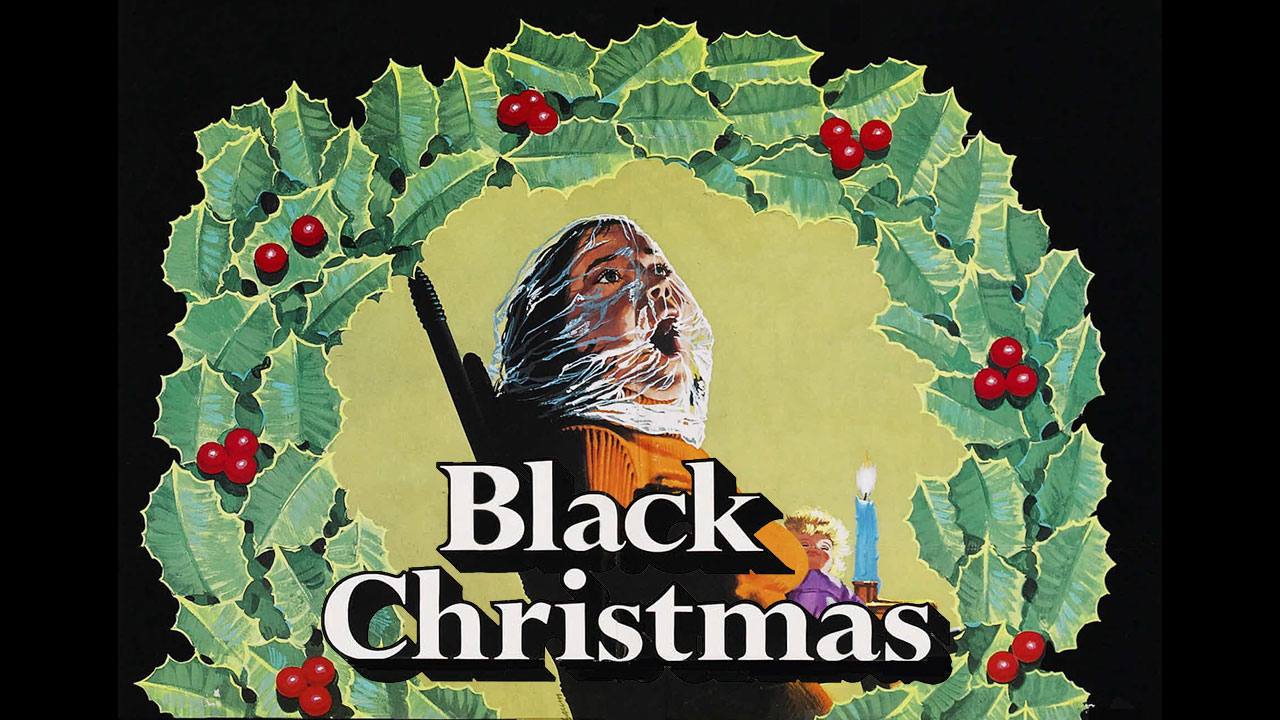
    Black Christmas (1974)

    [et_pb_section fb_built=”1″ _builder_version=”4.16″ _module_preset=”default” global_colors_info=”{}”][et_pb_row column_structure=”2_3,1_3″ _builder_version=”4.16″ _module_preset=”default” global_colors_info=”{}”][et_pb_column type=”2_3″ _builder_version=”4.16″ _module_preset=”default” global_colors_info=”{}”][et_pb_text _builder_version=”4.27.4″ _module_preset=”default” global_colors_info=”{}”]In the 1970s, a popular urban legend called “The Babysitter and the Man Upstairs” gained widespread attention. Inspired by this and a series of murders in Montreal in 1943, Roy Moore penned a screenplay called Stop Me. The script caught the attention of Vision IV, who attached director Bob Clark to helm the project. While Clark liked the script, he wanted to make some alterations, namely toning down the violence and adding humor. They cast Olivia Hussey from Romeo and Juliet, Keir Dullea from 2001: A Space Odyssey, and Margot Kidder from Sisters. Aside from John Saxon, the other actors were relatively unknown Canadian actors who only had a few small parts. Filming ran from March to May 1974 in Toronto and Ontario with a budget of $686,000. While released stateside as Silent Night, Evil Night in 1975, the film hit Canadian screens in 1974 as Black Christmas.

    [/et_pb_text][/et_pb_column][et_pb_column type=”1_3″ _builder_version=”4.16″ _module_preset=”default” global_colors_info=”{}”][et_pb_circle_counter title=”Rating” number=”90″ bar_bg_color=”#7CDA24″ _builder_version=”4.27.4″ _module_preset=”default” global_colors_info=”{}”][/et_pb_circle_counter][/et_pb_column][/et_pb_row][et_pb_row _builder_version=”4.16″ _module_preset=”default” global_colors_info=”{}”][et_pb_column type=”4_4″ _builder_version=”4.16″ _module_preset=”default” global_colors_info=”{}”][et_pb_text _builder_version=”4.27.4″ _module_preset=”default” hover_enabled=”0″ global_colors_info=”{}” sticky_enabled=”0″]

    Synopsis

    During a Christmas party at the Pi Kappa Sigma sorority house, a stranger sneaks in and hides in the attic. At the party, the girls get an obscene phone call from someone they call “The Moaner.” Upset by the call, Clare (Lynn Griffin) goes upstairs to pack, only to fall victim to the stranger. Clare’s father (James Edmond) asks the sorority sisters for help when she fails to meet him the next day. Jess (Olivia Hussey), Barb (Margot Kidder), and Phyl (Andrea Martin) try filing a police report but aren’t taken seriously. After some convincing, Lieutenant Fuller (John Saxon) starts investigating her disappearance, unaware that her body is in the attic. Fuller decides to tap the phone so he can find the source of the obscene calls and, potentially, the killer. As the body count rises, Jess discovers something horrific: the calls are coming from inside the house!


    Review

    While Halloween may have popularized the slasher film, Black Christmas arguably laid the groundwork that future slashers followed. There’s the isolated yet relatable location, the shots from the killer’s perspective, and the mysterious phone calls. Though the film might seem cliche to modern audiences, it’s important to remember this movie established the cliches. While later slashers prioritized high body counts and overly gory deaths, this one aimed for psychological scares and foreboding dread. The film also benefits from humorous moments that add levity without destroying the overall tone. From a foul-mouthed Santa to the housemother finding her hidden booze, these scenes help balance the scares. The film is also progressive in portraying college students as real young people instead of an adult’s idea of them. Instead of stereotypically bubbly bimbos, the sorority sisters feel like real people with real issues that audiences can relate to.

    Olivia Hussey does an excellent job as Jess Bradford, playing her as the voice of reason while also showing vulnerability. Margot Kidder steals the show as the alcoholic floozy Barbara, whose drunken antics and vulgar tone make her endearing. Though mainly known for comedy, Andrea Martin shows she can deliver a tremendous dramatic performance as Phyllis. As always, John Saxon is excellent as the police lieutenant, while Douglas McGrath is fun as the gullible Sergeant Nash. Despite being an obvious red herring, Keir Dullea is also quite good as Jess’ emotionally unstable boyfriend, Peter. Though unintentional, the film is weirdly progressive in its portrayal of women having agency and casual misogyny. For instance, there’s a subplot about Jess wanting an abortion despite Peter having reservations and suggesting they get married. Even by today’s standards, how the film tackles these issues is nothing short of groundbreaking.

    While many elements were repeated in future slashers, a unique component—the killer’s being a mystery — hasn’t been replicated. Slashers like HalloweenFriday the 13th, and A Nightmare on Elm Street made icons of their killers with detailed backstories. Aside from some vague clues, we never conclusively learn who the killer is or their motivation. Some may complain about the lack of closure, but this element of mystery makes the film much more terrifying. Adding to this feeling of terror is the cinematography by Reginald Morris and the haunting score by Carl Zittrer. The movie is a slow burn, but at slightly over 90 minutes, it doesn’t overstay its welcome. Even 50 years after its release, this film has an eerie presence that permeates throughout and leaves you feeling unnerved. Overall, Black Christmas is a true horror cult classic that holds up decades later.


    Buy Black Christmas from Amazon: https://amzn.to/3OUddcJ.

    Disclosure: The above link is an affiliate link, which means that, at zero cost to you, I will earn a commission if you click through the link and finalize a purchase.

    [/et_pb_text][/et_pb_column][/et_pb_row][/et_pb_section]