Facebook

FilmNerd

Category: Horror

  • The Last House on the Left (1972)

    The Last House on the Left (1972)

    [et_pb_section fb_built=”1″ _builder_version=”4.4.4″][et_pb_row column_structure=”2_3,1_3″ _builder_version=”4.4.4″][et_pb_column type=”2_3″ _builder_version=”4.4.4″][et_pb_text _builder_version=”4.4.4″]

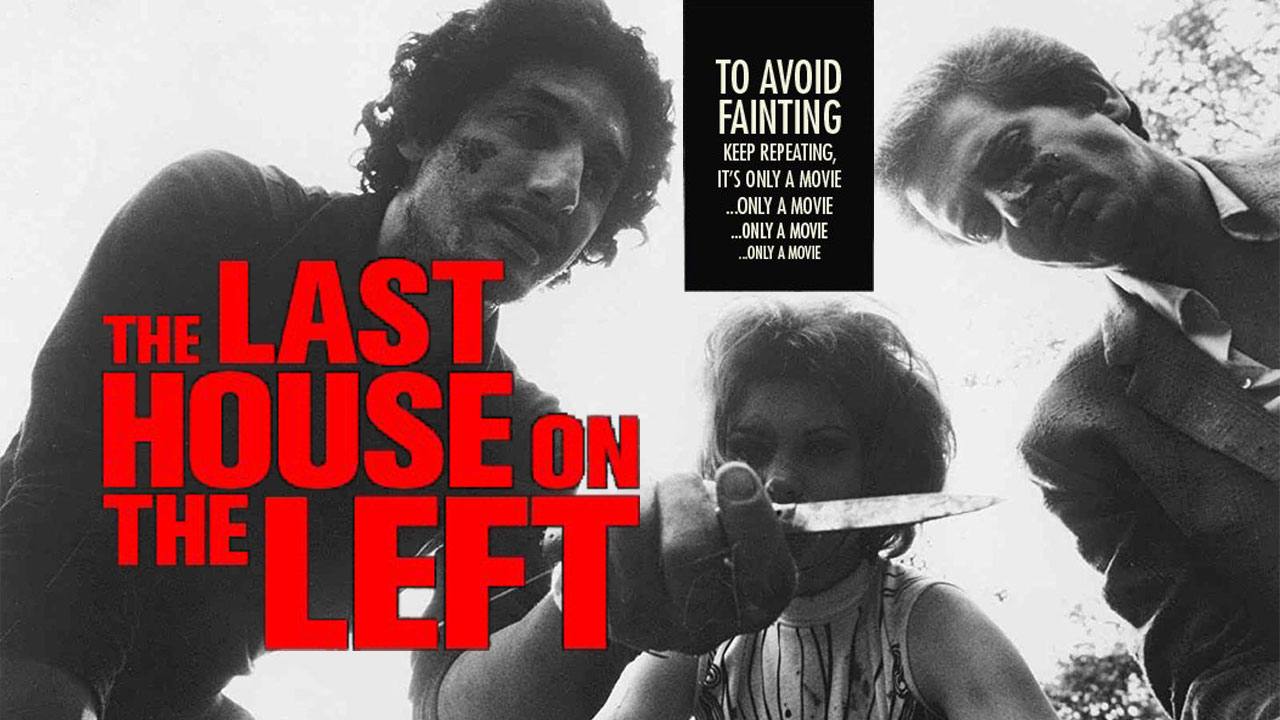
    Well before he turned New Line Cinema into “The House that Freddy Built”, Wes Craven was an English professor. After directing some short films, Craven became fascinated with filmmaking and decided to leave teaching for the film industry. Around this time, producer/director Sean Cunningham had just made his first film, 1970’s The Art of Marriage. He followed this up with 1971’s Together, where he hired Craven to synchronize dailies, eventually becoming the assistant editor. They became fast friends, and Together was a hit, so distributor Hallmark Releasing tasked them with making a horror film. Craven and Cunningham decided to make something that had never been seen before, which featured graphic violence that was in-your-face. With a budget of $90,000, and a fairly inexperienced cast and crew, Craven set off to shot his directorial debut. The result was the notorious and controversial 1972 shocker, The Last House on the Left.

    [/et_pb_text][/et_pb_column][et_pb_column type=”1_3″ _builder_version=”4.4.4″][et_pb_circle_counter title=”Rating” number=”85″ bar_bg_color=”#7CDA24″ _builder_version=”4.4.4″][/et_pb_circle_counter][/et_pb_column][/et_pb_row][et_pb_row _builder_version=”4.4.4″][et_pb_column type=”4_4″ _builder_version=”4.4.4″][et_pb_text _builder_version=”4.4.4″ hover_enabled=”0″]

    Synopsis

    Mari Collingwood (Sandra Cassel) is turning 17, and she plans on spending it with her friend Phyllis (Lucy Grantham). They’re planning on attending a Bloodlust concert, but they make a stop in the city to score some grass. They run into Junior (Marc Sheffler), who promises them Columbian weed and takes them up to his place. There, the girls meet Krug (David Hess), Weasel (Fred Lincoln), and Sadie (Jeramie Rain), who’ve recently escaped from prison. Under Krug’s leadership, they kidnap the girls and take them to the woods to torture and eventually kill them. Meanwhile, John (Richard Towers) and Estelle Collingwood (Eleanor Shaw) get worried after Mari doesn’t return home. The local sheriff (Marshall Anker) and deputy (Martin Kove) set off to find the girls but to no avail. Soon, the Collingwoods learn what’s happened after the gang arrives at their home and plan their revenge.


    Review

    The Last House on the Left is an effectively shocking film that certainly earns its reputation and controversy. The extremely low budget and lack of recognizable names help make the film feel more authentic and raw. Given his lack of experience at the time, Craven’s direction is still top-notch and you can see the potential. Also, for a cast of relative unknowns, everyone delivers a solid performance, the standouts being Hess, Lincoln, Cassel, and Grantham. Despite having no prior acting experience, David Hess is a force to be reckoned with, exuding charisma and intensity. Fred Lincoln is effectively sleazy as Weasel, and Cassel and Grantham are likable and deserve credit for what they endure. The score, also by Hess, helps set a somber mood, and the oddly upbeat songs offset the more gruesome sequences. Plus, many of the songs are insanely catchy and will stick with you for a while.

    Of course, the filmmakers have admitted to taking the plot from 1960’s The Virgin Spring, but I won’t fault them. Plenty of movies have used similar plots from other films, and it can work if it’s done well. Thankfully, Last House stands on its own very well, though the film isn’t perfect, particularly when it comes to tone. For every disturbing and graphic sequence, there’s an out-of-place comedic scene involving either the parents or the bumbling cops. I get that they wanted to offset the violence with more lighthearted material, but it felt jarring and was distracting. That being said, the violent scenes are presented in such a gruesome and realistic fashion that they stand out more. The film has a message about how we’re desensitized to violence and how good people can be driven to it. Overall, The Last House on the Left is effective if somewhat flawed.


    Buy The Last House on the Left from Amazon: https://amzn.to/3aHnYIB

    [/et_pb_text][/et_pb_column][/et_pb_row][/et_pb_section]
  • Bloodstone: Subspecies II (1993)

    Bloodstone: Subspecies II (1993)

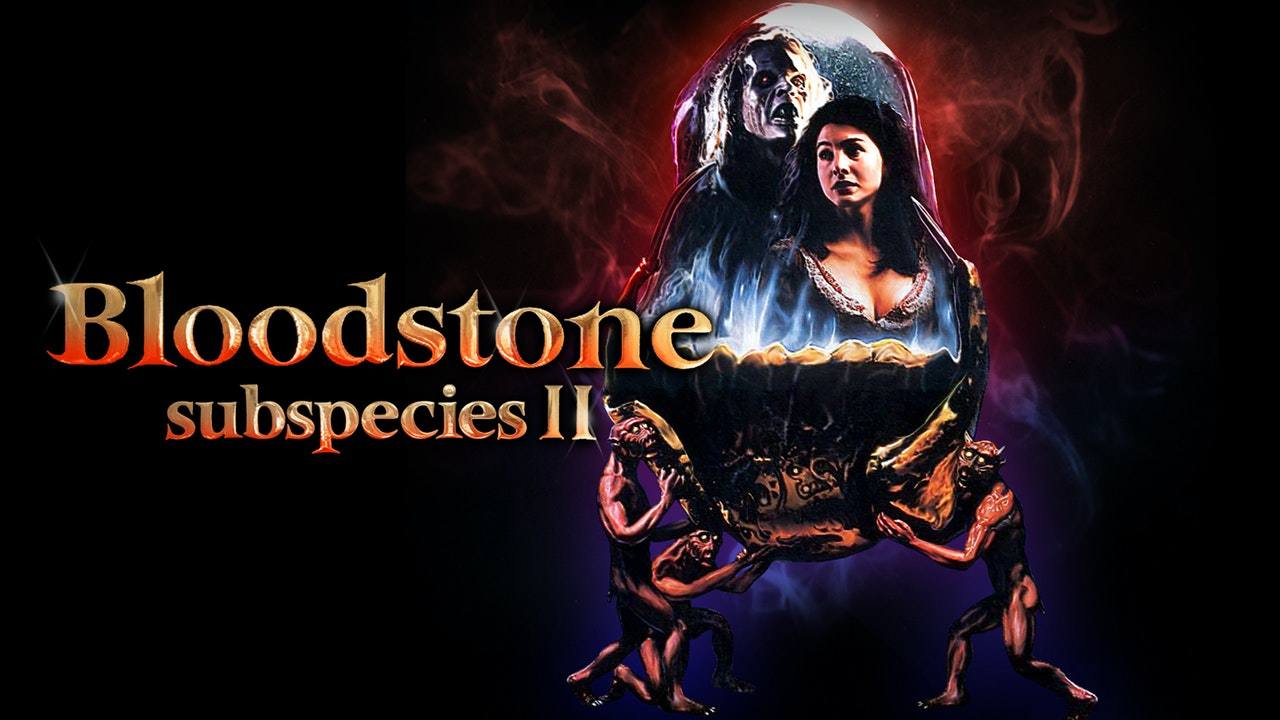
    [et_pb_section fb_built=”1″ _builder_version=”4.16″ collapsed=”off” global_colors_info=”{}”][et_pb_row column_structure=”2_3,1_3″ _builder_version=”4.16″ global_colors_info=”{}”][et_pb_column type=”2_3″ _builder_version=”4.16″ global_colors_info=”{}”][et_pb_text _builder_version=”4.16″ global_colors_info=”{}”]Despite some difficulties behind the scenes, the first Subspecies was another bonafide for the still relatively young Full Moon Entertainment. Much like Puppet Master and Trancers before it, this would be the start to one of their most popular franchises. The next two entries would be shot back-to-back with director Ted Nicolaou returning to helm these and every other entry. Much of the original cast and crew returned except for a few replacements, namely the female lead and effects crew. Makeup effects artist Greg Cannom moved on to bigger projects, including Bram Stoker’s DraculaMrs. Doubtfire, The Mask, and Titanic. Lead actress Laura Tate refused to return due to how rough the shoot for the first film was. In her place, they cast relative newcomer Denice Duff, whose prior credits include episodes of Northern Exposure and Matlock. Two years after the first film, Bloodstone: Subspecies II was finally released.

    [/et_pb_text][/et_pb_column][et_pb_column type=”1_3″ _builder_version=”4.16″ global_colors_info=”{}”][et_pb_circle_counter title=”Rating” number=”80″ bar_bg_color=”#7CDA24″ _builder_version=”4.16″ global_colors_info=”{}”][/et_pb_circle_counter][/et_pb_column][/et_pb_row][et_pb_row _builder_version=”4.16″ global_colors_info=”{}”][et_pb_column type=”4_4″ _builder_version=”4.16″ global_colors_info=”{}”][et_pb_text _builder_version=”4.27.4″ global_colors_info=”{}”]

    Synopsis

    Picking up directly after the first film, the villainous vampire Radu (Anders Hove) is restored thanks to his diminutive minions. Now alive again, Radu kills his brother Stefan while he sleeps, only to retreat when the sun rises. At sunset, Michelle (Denice Duff) wakes up to find her lover Stefan dead, and she takes off with the Bloodstone. Once in Bucharest, she calls her sister Becky (Melanie Shatner), who soon arrives in Romania to help her. Meanwhile, Radu seeks out his “Mummy” (Pamela Gordon) for help, and she tells him to retrieve the Bloodstone from Michelle. Once she arrives, Becky gets help from police lieutenant Marin (Ion Haiduc) and US embassy agent Mel (Kevin Blair). Eventually, Becky learns the truth about Michelle: she has become a vampire and is now Radu’s fledgling. Accompanied by Mel and Professor Popescu (Michael Denish), Becky seeks to hunt Radu and save her sister.


    Review

    Bloodstone: Subspecies II is the rare sequel that not only continues what worked previously but also expands upon it further. Like the last film, this takes full advantage of the Romanian locations, from the ancient castles to the nearby towns. Plus, Anders Hove once again delivers a great performance as Radu, channeling his inner Nosferatu and giving him some pathos. Also, whereas Laura Tate was somewhat flat in the last film, Denice Duff is a welcome change as Michelle. She adds a real human quality to the role, making the character more sympathetic and conflicted with her vampirism. Melanie Shatner also shines as Becky, the sister who’s determined to rescue her sister no matter what happens. Supporting players Haiduc, Blair, and Denish also have their moments, Denish in particular as the eccentric professor turned vampire hunter. All in all, the cast here is a step up from the previous entry.

    As always, Nicolaou is a great director, incorporating dynamic lighting and harsh shadows to establish a foreboding mood. While Cannom’s effects work is sorely missed, the effects done by Wayne Toth and Norman Cabrera are still impressive. Speaking of effects, those expecting the return of the titular subspecies will be disappointed that they’re only onscreen very briefly. Starting with Bloodstone: Subspecies II, the title characters gradually get less and less screentime, which is good in this instance. Aside from bringing Radu back to life, they don’t factor into the plot, so nothing is lost with their absence. I’d say my main critique is that the pacing drags in parts, not much happening for long stretches. Even still, this is not only a fantastic sequel but yet another fantastic vampiric tale with more depth than expected. Overall, Bloodstone: Subspecies II is another highpoint in the Full Moon catalog.


    Buy Bloodstone: Subspecies II from:

    Disclosure: The above link is an affiliate link, which means that, at zero cost to you, I will earn a commission if you click through the link and finalize a purchase.

    [/et_pb_text][et_pb_code _builder_version=”4.27.4″ _module_preset=”default” hover_enabled=”0″ global_colors_info=”{}” sticky_enabled=”0″]

    Where to watch Bloodstone: Subspecies II (1993)

    data-api-key=”LMVDLdLSH5ZJnQ4FMGMgyJCB8cmGbfCV” data-object-type=”Movie” data-title=”Bloodstone: Subspecies II” data-year=”1993″ data-theme=”light”>

    [/et_pb_code][/et_pb_column][/et_pb_row][/et_pb_section]

  • Dolls (1987)

    Dolls (1987)

    [et_pb_section fb_built=”1″ _builder_version=”4.4.1″][et_pb_row column_structure=”2_3,1_3″ _builder_version=”4.4.1″][et_pb_column type=”2_3″ _builder_version=”4.4.1″][et_pb_text _builder_version=”4.4.1″]

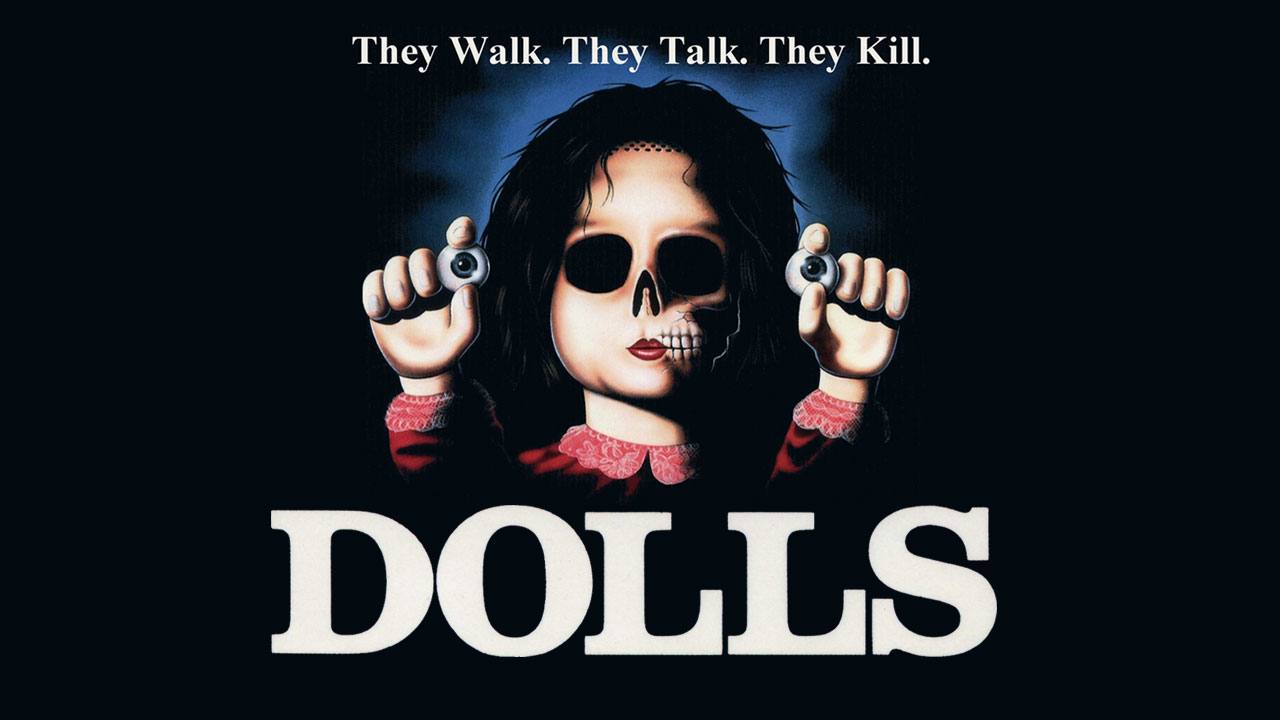
    After the critical and commercial success of Re-Animator, director Stuart Gordon was offered a three-picture deal at Empire Pictures. His next film was From Beyond, which was released in 1986, but it wasn’t exactly his direct follow-up. Before filming his second H.P. Lovecraft adaptation, Gordon went off to shoot a different film based on some real-life experiences. While in college, Gordon found himself locked up in a room full of Victorian-era porcelain dolls, which freaked him out. Also, like most of his productions, Charles Band had presented a concept and a poster for a killer doll movie. Screenwriter Ed Naha turned that concept into a story involving a family trapped in an old house with killer dolls. Much of the cast and crew Gordon had worked with previously returned, though the film wouldn’t be released until 1987. That film would become the underrated gem, Dolls.

    [/et_pb_text][/et_pb_column][et_pb_column type=”1_3″ _builder_version=”4.4.1″][et_pb_circle_counter title=”Rating” number=”85″ bar_bg_color=”#7CDA24″ _builder_version=”4.4.1″][/et_pb_circle_counter][/et_pb_column][/et_pb_row][et_pb_row _builder_version=”4.4.1″][et_pb_column type=”4_4″ _builder_version=”4.4.1″][et_pb_text _builder_version=”4.4.2″ hover_enabled=”0″]

    Synopsis

    On a vacation in England, David (Ian Patrick Williams), Rosemary (Carolyn Purdy-Gordon), and Judy Bower (Carrie Lorraine) get lost. With their car stuck in the mud and a raging storm, they decide to take shelter in a nearby house. They soon meet the residents, eccentric dollmaker Gabriel Hartwicke (Guy Rolfe) and his equally eccentric wife Hilary (Hilary Mason). Before long, hitchhikers Isabel (Bunty Bailey) and Enid (Cassie Stuart), and their driver Ralph (Stephen Lee) show up. The Hartwickes agree to let them all stay for the night, but before long, strange things start happening. Isabel ends up getting killed and dragged off, which Judy witnesses, so she gets Ralph to help her investigate. They discover the secret behind the Hartwickes: they are witches who have brought their dolls to life to kill. Unfortunately, no one else believes them, so it’s up to Judy and Ralph to stop them.


    Review

    While lacking the over-the-top gore and dark humor of his previous films, Dolls is still another great Stuart Gordon chiller. For this movie, Gordon went for more of a fairy tale/haunted house vibe, focused on a small child. Like many fairy tales, Dolls is a morality tale, where the bad get punished and the good get spared. In terms of bad, there’s the girl’s hateful father and stepmother, and the two hitchhikers looking to rob the Hartwickes. Each of them gets their comeuppance, and it’s satisfying to see each of them get their just desserts. Ian Patrick Williams and, especially, Carolyn Purdy-Gordon do a great job playing characters that you just love to hate. The two hitchhikers, Bunty Bailey & Cassie Stuart, are fun riffs on 80s punk girls, though they don’t do much. Stephen Lee and Carrie Lorraine make a good and likable pair as well.

    Guy Rolfe and Hilary Mason are the real standouts, acting both warm and friendly, as well as dark and sinister. However, the true stars of the show are the dolls themselves, brought to life thanks to stop-motion animator David Allen. Though they don’t have much screentime, it’s impressive to see them move about and go on their killing spree. It’s pretty easy to see how this film led to Charles Band coming up with the concept for Puppet Master. Also, the makeup effects from the always talented John Carl Buechler are quite good, yet some don’t hold up well. Fans of Re-Animator and From Beyond might be disappointed that this lacks the weirdness and crazies of those two films. Even still, this is worth a watch thanks to its chilling atmosphere, solid performances, and ability to make dolls creepy. Overall, Dolls is an underrated gem from a talented cult filmmaker.


    Buy Dolls from Amazon: https://amzn.to/2WKS4aR

    [/et_pb_text][et_pb_divider _builder_version=”4.4.2″ hover_enabled=”0″][/et_pb_divider][et_pb_blurb _builder_version=”4.4.2″ title=”Stuart Gordon, 1947 – 2020″ image=”https://staging.film-nerd.com/wp-content/uploads/2020/03/stuart-gordon.jpg” hover_enabled=”0″ text_orientation=”center” header_text_align=”center” animation=”off”]

    This review is dedicated to the memory of cult filmmaker Stuart Gordon, who passed away on March 24, 2020, at the age of 72.

    [/et_pb_blurb][/et_pb_column][/et_pb_row][/et_pb_section]
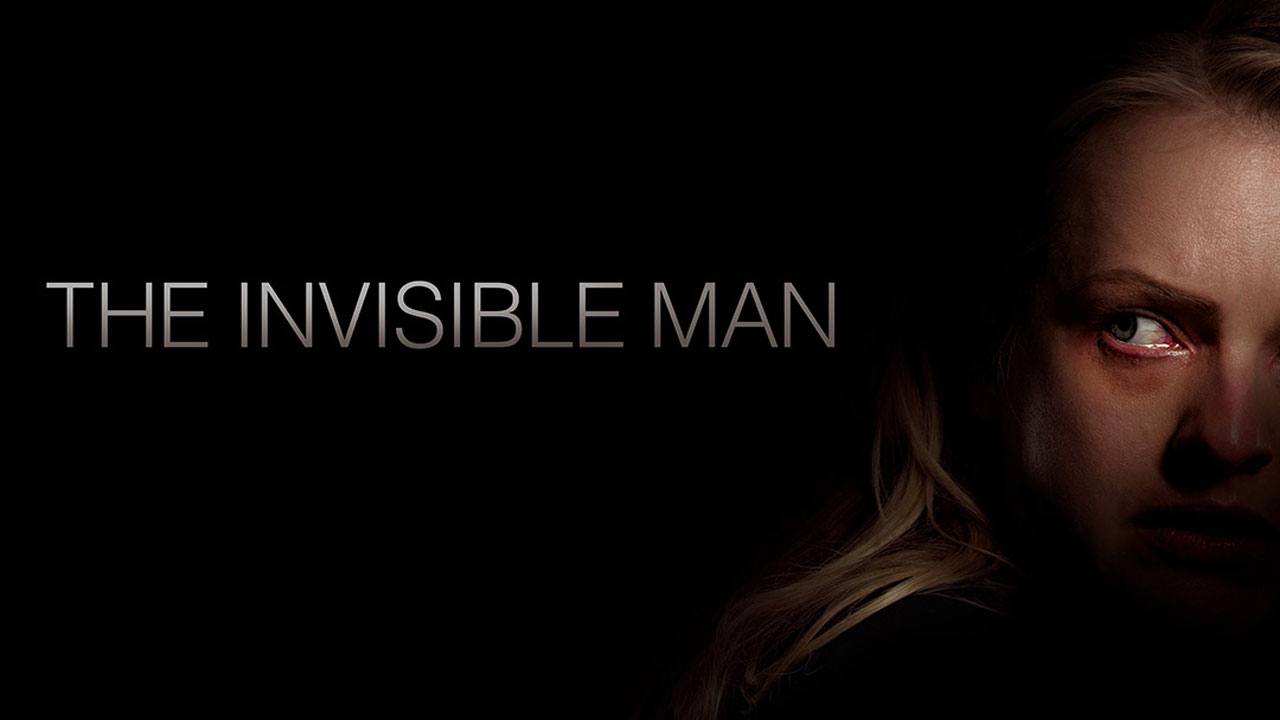
  • The Invisible Man (2020)

    The Invisible Man (2020)

    [et_pb_section fb_built=”1″ _builder_version=”4.4.1″][et_pb_row column_structure=”2_3,1_3″ _builder_version=”4.4.1″][et_pb_column type=”2_3″ _builder_version=”4.4.1″][et_pb_text _builder_version=”4.4.1″ hover_enabled=”0″]

    In 1897, famed science-fiction author H.G. Wells wrote the novel, The Invisible Man, about a scientist who turns himself invisible. Years later, Universal Studios saw great success with their series of monster movies in the 1930s, including Dracula and Frankenstein. As part of this series, the book was adapted in 1933 directed by James Whale and starring Claude Rains. Following its success, many sequels were made during the 1940s, featuring actors like Vincent Price and John Barrymore among others. The character proved so popular that various other film and TV adaptations have been made over the years. Fast-forward to 2017’s The Mummy, which was to be the start of Universal’s Dark Universe, a cinematic universe about monsters. However, the series was built on hold following its critical and financial failure, and focus was shifted to individual films. The first of these is Leigh Whannell’s 2020 film, The Invisible Man.

    [/et_pb_text][/et_pb_column][et_pb_column type=”1_3″ _builder_version=”4.4.1″][et_pb_circle_counter title=”Rating” number=”90″ bar_bg_color=”#7CDA24″ _builder_version=”4.4.1″ hover_enabled=”0″][/et_pb_circle_counter][/et_pb_column][/et_pb_row][et_pb_row _builder_version=”4.4.1″][et_pb_column type=”4_4″ _builder_version=”4.4.1″][et_pb_text _builder_version=”4.4.1″ hover_enabled=”0″]

    Synopsis

    Cecilia Kass (Elisabeth Moss) has just escaped from an abusive relationship from her ex-boyfriend, Adrian Griffin (Oliver Jackson-Cohen). Now living with her childhood friend James Lanier (Aldis Hodge) and his daughter Sydney (Storm Reid), Cecilia seems safe. However, she’s still paranoid given what she was put through, but things change when it’s reported that Adrian killed himself. Strange things start happening, including Cecilia being drugged, her sister leaving over email, and her being blamed for hitting Sydney. Cecilia tries convincing people that Adrian faked his death and has become invisible, but no one believers her. She starts investigating his house for proof that he’s found a way to make himself invisible and she’s not crazy. Soon enough, Adrian turns up and reveals he’s been using his invisibility to ruin her life after she left him. Will Adrian be stopped, and what will become of Cecilia?


    Review

    The Invisible Man is proof that you don’t need a large budget to make an effectively tense horror film. Leigh Whannell, coming off the underrated Upgrade, once again shows his potential as a filmmaker and a name to watch. While his previous outing was more fast-paced and action-packed, this one is much more of a slow burner. Some people might be put off by the much slower pace, but it’s those quieter moments that make it work. Elisabeth Moss gives an amazing performance, perfectly blending fear with raw intensity, and helps keep the film grounded. You instantly sympathize with her and want to see her fend off Adrian despite what’s happening to her. The supporting cast, including Hodge, Reid, Jackson-Cohen, Harriet Dyer, and Michael Dorman have their moments and perfectly complement Moss’s performance. It’s also a clever modernization of the story originally created by H.G. Wells.

    What’s interesting about this version of The Invisible Man is its themes of manipulation, abuse, and psychological effects. It plays on the fear of someone coming after you long after distancing yourself as far away as possible. In an age where abuse victims are more vocal and wanting justice against their abusers, this film is extremely relevant. Thankfully, this film doesn’t focus solely on its message or themes but rather weaves it into the plot. Admittedly, some plot elements don’t make sense or create plot holes, but those don’t ruin the overall experience. This is a very well-written and intelligent psychological horror film that plays on real-world fears that audiences can identify with. Whether or not this starts a new series of Universal monster movies, it’s still successful as its own self-contained story. Overall, The Invisible Man is a fantastic modernization of a classic tale.

    [/et_pb_text][/et_pb_column][/et_pb_row][/et_pb_section]
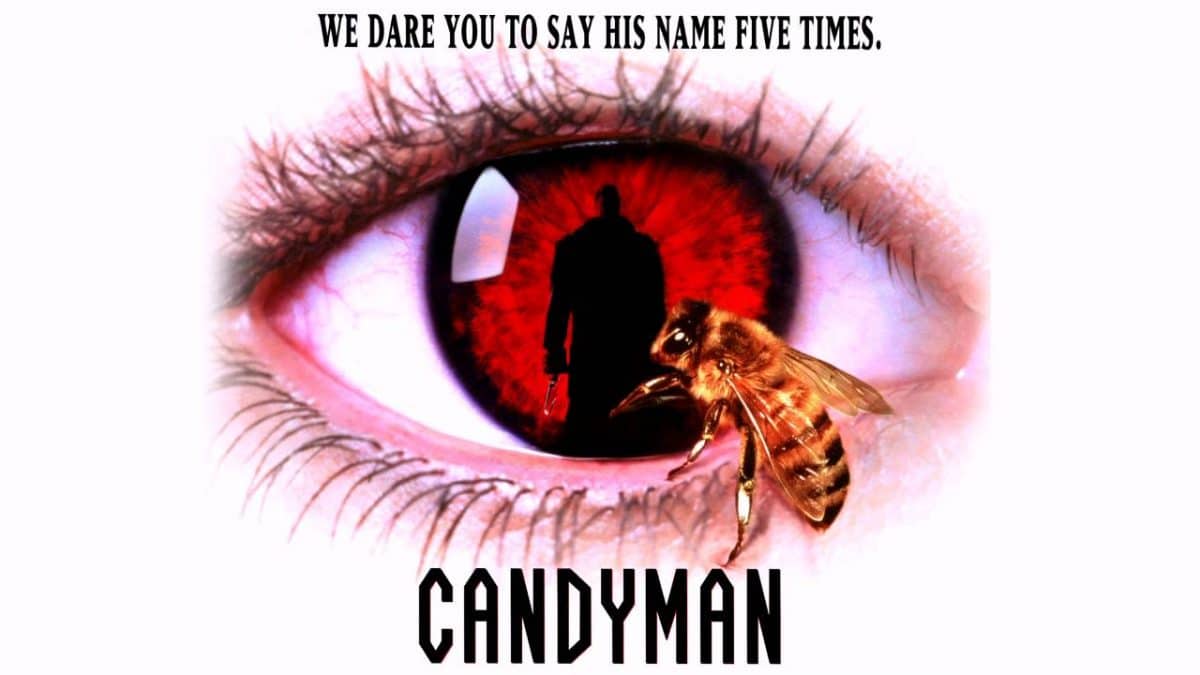
  • Candyman (1992)

    Candyman (1992)

    [et_pb_section fb_built=”1″ _builder_version=”4.4.1″][et_pb_row _builder_version=”4.4.1″ column_structure=”2_3,1_3″][et_pb_column _builder_version=”4.4.1″ type=”2_3″][et_pb_text _builder_version=”4.4.1″ hover_enabled=”0″]

    “I have seen the future of horror, and his name is Clive Barker.” That was Stephen King’s reaction when Barker’s Books of Blood, a collection of short stories, was released in the US. Barker started as a playwright during the 1960s and 1970s, opening his own theatre company, The Dog Company, in 1978. Eventually, he shifted his focus to writing horror and fantasy stories, which became popular and attracted the attention of Hollywood. He wrote the screenplays for Underworld, aka Transmutations, and Rawhead Rex but was displeased with how they were handled. Because of this, he decided to adapt his novella The Hellbound Heart into 1987’s Hellraiser, which spawned several sequels. While working on Nightbreed, he met fellow filmmaker Bernard Rose, who was interested in adapting Barker’s short story, The Forbidden. Barker agreed to license the rights, and Rose went off to adapt the story into 1992’s Candyman.

    [/et_pb_text][/et_pb_column][et_pb_column _builder_version=”4.4.1″ type=”1_3″][et_pb_circle_counter _builder_version=”4.4.1″ title=”Rating” number=”90″ bar_bg_color=”#7CDA24″ hover_enabled=”0″][/et_pb_circle_counter][/et_pb_column][/et_pb_row][et_pb_row _builder_version=”4.4.1″][et_pb_column _builder_version=”4.4.1″ type=”4_4″][et_pb_text _builder_version=”4.4.1″ hover_enabled=”0″]

    Synopsis

    Helen Lyle (Virginia Madsen) and her friend Bernadette Walsh (Kasi Lemmons) are conducting research focused on urban legends. During their research, they learn of one such legend, “Candyman”, an ominous figure with a hook for a hand. According to legend, if you say his name five times while looking at a mirror, he will appear. Helen learns about Candyman’s origin, that he was a well-educated black man who was killed after starting an interracial relationship. She eventually proves that the Candyman is merely a story linked to the hardships the residents of Cabrini-Green go through. That all changes when she’s confronted by Candyman (Tony Todd), who uses her to restore belief in him. This leads to Helen being blamed for several murders committed by Candyman, and her trying to regain her sanity. Will she survive, or will she be seduced by the allure of the Candyman?


    Review

    Candyman is by far one of the best and most memorable contemporary horror films to come out of the 1990s. The first notable thing is the acting, especially from leads Virginia Madsen and Tony Todd, both of whom are phenomenal. Madsen gives a very grounded and human performance, and Todd is both imposing and captivating as the titular villain. The supporting cast, including Lemmons, Xander Berkeley, Vanessa Williams, and DeJuan Guy, have their shining moments and give good performances. Bernard Rose, mostly known at the time for directing music videos, manages to mix urban grit with a dreamlike quality. What also adds to the horror is Philip Glass’ haunting score, which helps set the mood right from the start. The makeup effects from Bob Keen are exceptional, and the use of real locations help give the film real authenticity. Plus, there’s a Ted Raimi cameo early on, so that’s cool.

    At its core, Candyman is a film that explores social issues dealing with race, identity, and the effects of fear. Candyman only has power when people fear him, hence why he uses Helen to incite fear by killing innocent people. It also explores how society tends to push to the side things viewed as a problem, such as Helen’s hysteria. While Candyman has plenty of blood and guts to satisfy horror fans, it never feels exploitative or overly grotesque. The film also never relies on cheap jump scares but rather focuses on atmosphere and building tension and suspense. Admittedly, the film does start to lose its meaning in the second half once the blood and guts start happening. Thankfully, it’s never enough to where the film devolves into schlock, and it still retains its good qualities. Overall, Candyman is a fantastic horror film with themes that are still relevant today.


    Buy Candyman from Shout! Factory: https://bit.ly/2TSNLIY

    [/et_pb_text][/et_pb_column][/et_pb_row][/et_pb_section]
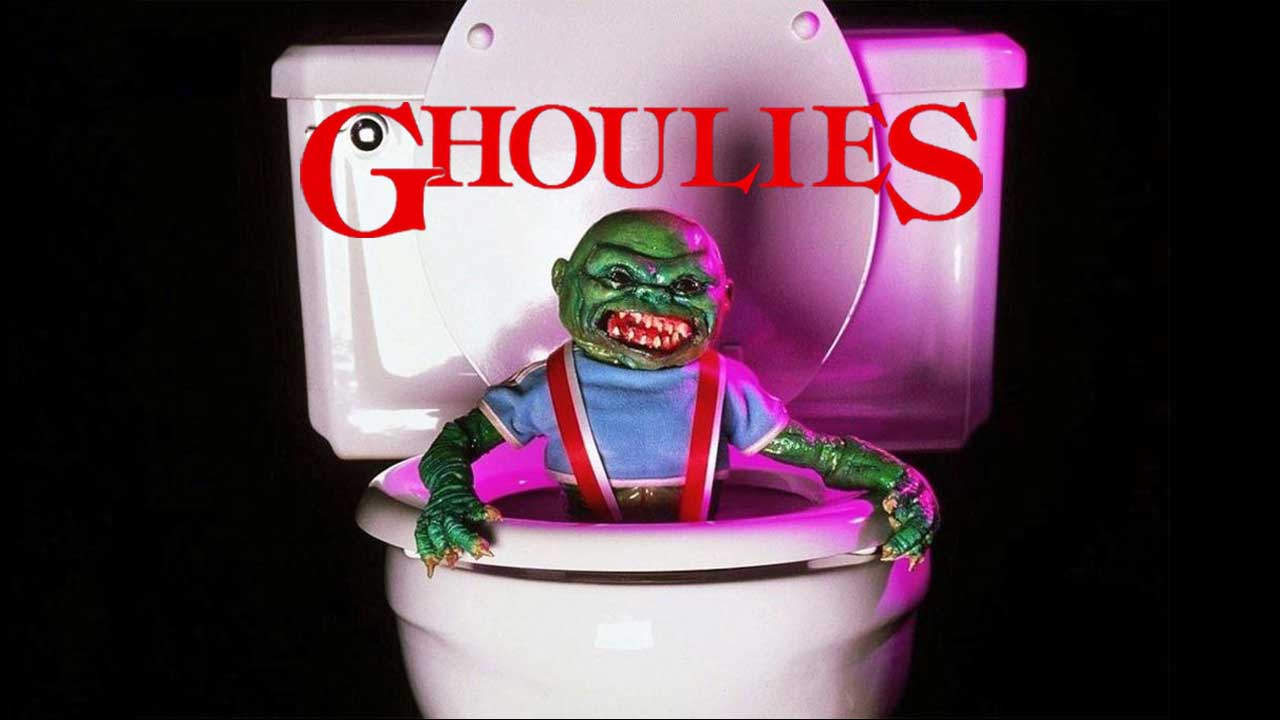
  • Ghoulies (1985)

    Ghoulies (1985)

    [et_pb_section fb_built=”1″ _builder_version=”4.3.3″][et_pb_row column_structure=”2_3,1_3″ _builder_version=”4.3.3″][et_pb_column type=”2_3″ _builder_version=”4.3.3″][et_pb_text _builder_version=”4.3.4″]

    Back in the Charles Band Productions era, future Oscar-winning effects artist Stan Winston worked on 1976’s Mansion of the Doomed. He also worked on makeup effects for 1977’s Dracula’s Dog, which was directed by Albert Band, Charles Band’s father. This started a friendship between Band and Winston that lasted for many years, even after Winston went onto bigger projects. Most notably, Winston worked on the creature effects for Band’s 1982 film Parasite, which starred a then-unknown Demi Moore. Around this time, Winston and Band were discussing ideas for a potential film called Beasties, centering around tiny creatures. Nothing came of the project, but Band revisited it after Joe Dante’s Gremlins was released in 1984 to massive success. He hired Parasite co-star Luca Bercovici to co-write and direct, as well as John Carl Buechler to do the effects. The result was the 1985 creature feature Ghoulies.

    [/et_pb_text][/et_pb_column][et_pb_column type=”1_3″ _builder_version=”4.3.3″][et_pb_circle_counter title=”Rating” number=”75″ bar_bg_color=”#EDF000″ _builder_version=”4.3.4″][/et_pb_circle_counter][/et_pb_column][/et_pb_row][et_pb_row _builder_version=”4.3.3″][et_pb_column type=”4_4″ _builder_version=”4.3.3″][et_pb_text _builder_version=”4.3.4″ hover_enabled=”0″]

    Synopsis

    Jonathan Graves (Peter Liapis) and his girlfriend Rebecca (Lisa Pelikan) have recently moved into the estate of Jonathan’s late father. They invite several friends over for a party to celebrate, and Jonathan decides to perform a ritual with them downstairs. Though nothing seems to happen initially, the ritual ends up summoning several tiny creatures called Ghoulies, who become Jonathan’s servants. Soon, Jonathan becomes more and more obsessed with the occult and the estate much to the dismay of Rebecca. Eventually, Jonathan ends up performing a ritual that resurrects his late father Malcolm (Michael Des Barres), a satanic cult leader. Turns out Jonathan was supposed to be sacrificed as a baby but was protected by his late mother. Now with Malcolm restored, he takes control of the Ghoulies and plans to steal Jonathan’s youth to remain young forever. Will Jonathan and friends escape, or will Malcolm and his Ghoulies succeed?


    Review

    While the film may have been made to capitalize on the success of GremlinsGhoulies is still an entertaining watch. One thing that makes this stand out is the gothic scenery and atmosphere, giving off a very eerie presence. For a first-time director, Bercovici shows some promise behind the camera, and the late Mac Ahlberg’s cinematography compliments this. The Ghoulie puppets themselves, though not as intricate as the Gremlins or Critters, are still impressive and uniquely designed. The late great John Carl Buechler was always Band’s go-to guy for makeup and creature effects, and with good reason. No matter how small the budget or how limited the resources, Buechler always delivered some quality work. He’d go on to do effects for other Band films including Re-AnimatorTrancersFrom Beyond, TerrorVision, and Demonic Toys. Sadly, he passed away in 2019 due to prostate cancer, and he’ll be missed.

    Acting-wise, the cast ranges from decent to not very memorable, aside from a few exceptions, namely Liapis and Des Barres. As the villainous Malcolm, Des Barres is clearly reveling in playing such an over-the-top villain, but still makes it believable. Liapis does a good job going from likable protagonist to obsessed creep then back to hero struggling against evil. Character actor Jack Nance (Eraserhead) pops in as the groundskeeper, but he doesn’t have much to do until the end. However, Ghoulies is also noteworthy for featuring a then-unknown Mariska Hargitay years before becoming famous for Law and Order: SVU. The rest of the cast is mostly there as cannon fodder, but none of them are particularly annoying or hateful. Despite these and other issues, this was still successful enough for Empire Pictures to continue making movies throughout the 80s. Overall, Ghoulies is a fun creature feature with memorable monsters.


    Buy Ghoulies from Amazon: https://amzn.to/2PudSD6

    [/et_pb_text][/et_pb_column][/et_pb_row][/et_pb_section]
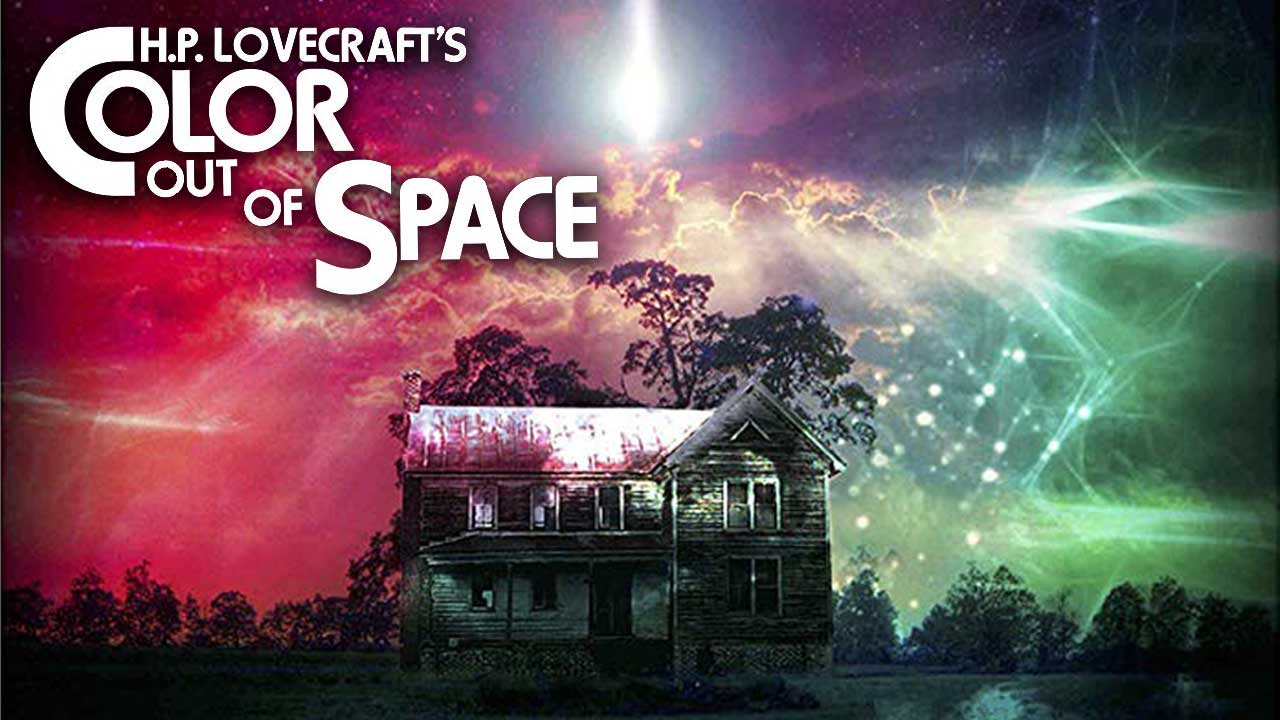
  • Color Out of Space (2019)

    Color Out of Space (2019)

    [et_pb_section fb_built=”1″ _builder_version=”4.2.2″][et_pb_row column_structure=”2_3,1_3″ _builder_version=”4.2.2″][et_pb_column type=”2_3″ _builder_version=”4.2.2″][et_pb_text _builder_version=”4.2.2″ hover_enabled=”0″]

    South African filmmaker Richard Stanley has had one of the most promising yet chaotic and fractured careers in film history. Having started off making short films, he got his first professional job directing music videos for various UK-based bands. Stanley debuted onto the scene with the 1990 post-apocalyptic film Hardware, which has become a cult classic despite mixed reviews. He followed this up with the 1992 horror film Dust Devil, which suffered from producers majorly reediting the film. Unfortunately, things only got worse with what was supposed to be his next film, 1996’s The Island of Dr. Moreau. The film was a notorious behind-the-scenes nightmare, such that a documentary, Lost Soul, detailing the production was made in 2014. Following a twenty-plus year hiatus, it was announced that he would be returning to features with an H.P. Lovecraft adaptation. 2019 saw the release of his comeback film, Color Out of Space.

    [/et_pb_text][/et_pb_column][et_pb_column type=”1_3″ _builder_version=”4.2.2″][et_pb_circle_counter _builder_version=”4.2.2″ title=”Rating” number=”90″ bar_bg_color=”#7CDA24″ hover_enabled=”0″][/et_pb_circle_counter][/et_pb_column][/et_pb_row][et_pb_row _builder_version=”4.2.2″][et_pb_column _builder_version=”4.2.2″ type=”4_4″][et_pb_text _builder_version=”4.2.2″ hover_enabled=”0″]

    Synopsis

    Near the town of Arkham, the Gardener family has been living in a rural home with a farm. There are Nathan (Nicolas Cage), Theresa (Joely Richardson), and kids Lavinia (Madeleine Arthur), Benny (Brendan Meyer), and Jack (Julian Hilliard). One night, a meteorite crashes near their home, and it starts emitting a strange color that is impossible to describe. Ward Phillips (Elliot Knight), a local hydrologist, tries warning the Gardeners after discovering that their water is contaminated. Soon, strange things start occurring, such as space and time blurring, and animals and people mutating into horrifying creatures. While Lavinia and Benny want to leave the farm, Nathan is adamant about staying, slowly becoming more and more insane. As the cosmic force continues spreading around the area, the Gardeners are pulled together only to be torn apart. Can this force be stopped, and who will escape the Color Out of Space?


    Review

    Given that this was from the producers behind Mandy, and starred Nicolas Cage, I was naturally excited about this film. Plus, the fact that this was Richard Stanley’s long-awaited return and an H.P Lovecraft adaptation, this has some real potential. Thankfully, I’m happy to say that Color Out of Space doesn’t disappoint and is as good as critics have said. While it may seem derivative of other films, Stanley works these tropes in a way that twists them around. The first act seems bland and flatly shot, but that’s only to lure us into a false sense of security. Once the meteorite hits, Stanley makes great use of colors, mixing magentas, blues, and greens similar to Dario Argento’s style. However, the way Stanley’s style works, it perfectly offsets the seemingly normal look the film starts with. This is one of the most visually striking films I’ve seen in some time.

    The cast is also terrific, with Nicolas Cage, in particular, delivering that crazy manic energy he’s known for. Thankfully, given that this film deals with cosmic madness, his typical on-screen insanity is well warranted and fits perfectly. Joely Richardson also does a good job as the concerned wife, and Tommy Chong is fun in his small part. Also, the younger cast members give outstanding performances, particularly Madeleine Arthur and Elliot Knight, perfectly balancing off Cage’s insanity. There are also some cool practical creature effects and gore that are reminiscent of John Carpenter’s The Thing. Admittedly, while many of the CGI effects are pretty good, there are some that stick out in a bad way. That being said, this is still a fantastic film that shows the power and drive of independent filmmaking. Overall, Color Out of Space is one hell of a trip and a welcome return for Richard Stanley.

    [/et_pb_text][/et_pb_column][/et_pb_row][/et_pb_section]
  • The Lighthouse (2019)

    The Lighthouse (2019)

    [et_pb_section fb_built=”1″ _builder_version=”4.16″ global_colors_info=”{}”][et_pb_row column_structure=”2_3,1_3″ _builder_version=”4.16″ global_colors_info=”{}”][et_pb_column type=”2_3″ _builder_version=”4.16″ global_colors_info=”{}”][et_pb_text _builder_version=”4.16″ global_colors_info=”{}”]

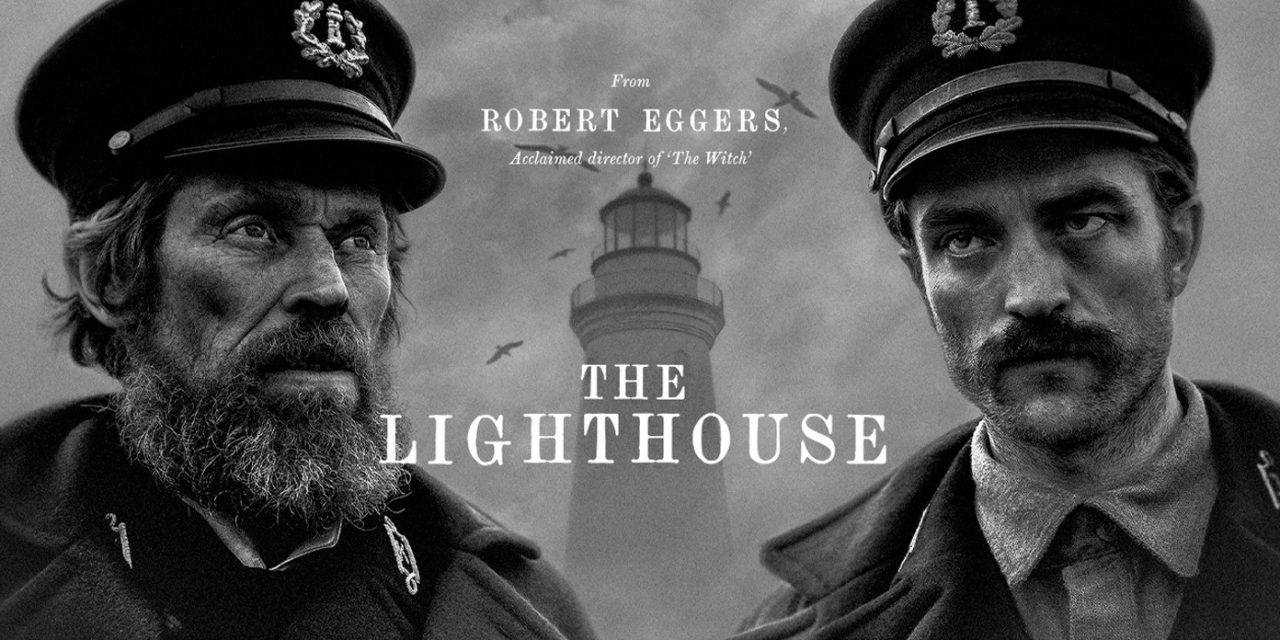
    Robert Eggers got his start working as a theater director and designer before transitioning to filmmaking in the late 2000s. He mostly worked as a production designer on numerous short films and documentaries, though he did direct a few shorts. Then, in 2015, Eggers burst onto the scene with the period horror film, The Witch, which became an instant hit. Not only did the film gross over ten times its budget, but it received unanimous praise from critics and audiences. Stephen King even liked the film, calling it “a real movie, tense and thought-provoking as well as visceral”. Around this time, his brother Max was working on adapting Edgar Allen Poe’s “The Light-House”, but it eventually stalled. Robert decided to work on the project with his brother, making it his follow-up feature to his earlier success. Four years later, Eggers’ The Lighthouse, written by him and Max, was released.

    [/et_pb_text][/et_pb_column][et_pb_column type=”1_3″ _builder_version=”4.16″ global_colors_info=”{}”][et_pb_circle_counter title=”Rating” number=”95″ bar_bg_color=”#7CDA24″ _builder_version=”4.16″ global_colors_info=”{}”][/et_pb_circle_counter][/et_pb_column][/et_pb_row][et_pb_row _builder_version=”4.16″ global_colors_info=”{}”][et_pb_column type=”4_4″ _builder_version=”4.16″ global_colors_info=”{}”][et_pb_text _builder_version=”4.27.4″ hover_enabled=”0″ global_colors_info=”{}” sticky_enabled=”0″]

    Synopsis

    In the late 1800s, young Ephraim Winslow (Robert Pattinson) gets a contract job as a lighthouse keeper or “wickie”. His boss is the curmudgeonly old salt Thomas Wake (Willem Dafoe), who takes his job as a wickie very seriously. Winslow is scheduled to work the lighthouse for four weeks, and Wake puts him through the wringer in that time. Every night, Winslow sees Wake going to the top of the lighthouse, which he is never allowed to enter. As time progresses, Winslow begins losing his sanity, seeing strange visions of tentacles, tree stumps, and a mermaid (Valeriia Karamän). He’s also constantly tormented by a one-eyed seagull, but Wake warns him not to attack, saying that it’s bad luck. Unfortunately, things get worse when a raging storm prevents them from leaving the island, so they decide to drink. As time flies, it’s a race to see who will survive The Lighthouse.


    Review

    When I wrote my Best and Worst Films of 2019 List, I mentioned some stipulations about what made the list. I talked about how there were some movies I didn’t see last year, so those wouldn’t make the list. That being said, if I had seen The Lighthouse last year, it would’ve for sure made my Best Of list. Back when I saw The Witch, I thought it was one of the best films I’d seen that year. So, when I heard the same director was working on a new film, I was more than ecstatic. Sadly, I didn’t get a chance to see it in theaters, but I’ve finally seen it, and it didn’t disappoint. The first thing I have to comment on is the performances from Robert Pattinson and Willem Dafoe, both phenomenal. This is easily Pattinson’s best performance, and Dafoe is just as good as ever.

    From a filmmaking standpoint, this is one of the most uniquely made and inventive films made in recent years. With its 1.19:1 aspect ratio and black and white photography, it has the look of an early silent film. The black and white look also makes the more intense sequences ever more unsettling, especially with the use of shadows. What also makes this film special is how it mixes its dread and suspense with moments of comedy. There’s even a running joke about how bad Wake’s farts are, showing that the filmmakers aren’t above lowbrow humor. When the characters start getting drunk, you can’t help but laugh at just how outrageous and insane they’re acting. Some people might be put off by the slow pacing, but for fans of slow-burn films, this shouldn’t be missed. Overall, The Lighthouse is easily one of the best films of 2019.


    Buy The Lighthouse on Amazon: https://amzn.to/4g1PROw.

    Disclosure: The above link is an affiliate link, which means that, at zero cost to you, I will earn a commission if you click through the link and finalize a purchase.

    [/et_pb_text][et_pb_code _builder_version=”4.27.4″ _module_preset=”default” hover_enabled=”0″ sticky_enabled=”0″]

    Where to watch The Lighthouse (2019)

    data-api-key=”LMVDLdLSH5ZJnQ4FMGMgyJCB8cmGbfCV” data-object-type=”Movie” data-title=”The Lighthouse” data-year=”2019″ data-theme=”light”>

    [/et_pb_code][/et_pb_column][/et_pb_row][/et_pb_section]
  • Puppet Master II (1990)

    Puppet Master II (1990)

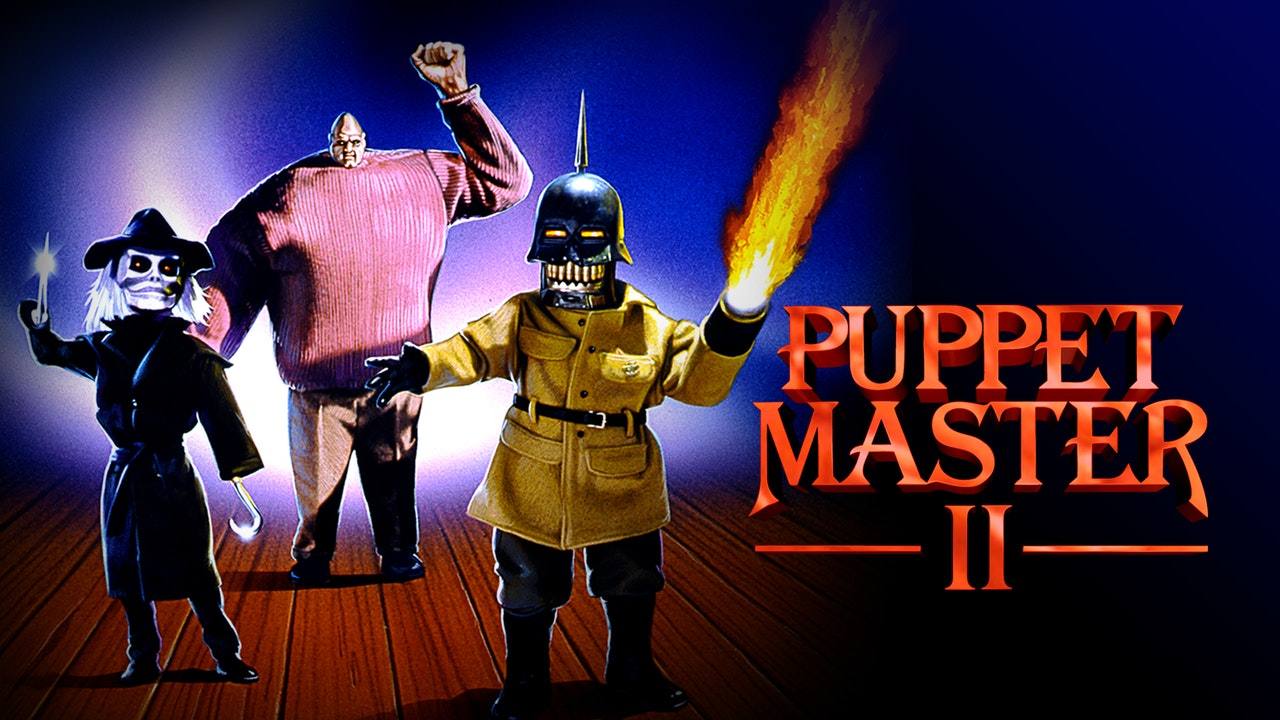
    [et_pb_section fb_built=”1″ _builder_version=”4.16″ global_colors_info=”{}”][et_pb_row column_structure=”2_3,1_3″ _builder_version=”4.16″ global_colors_info=”{}”][et_pb_column type=”2_3″ _builder_version=”4.16″ global_colors_info=”{}”][et_pb_text _builder_version=”4.16″ global_colors_info=”{}”]After releasing Puppet Master in 1989, things were starting to look up for Charles Band’s brand new production company. They had struck a deal with Paramount to release their films, and they wanted a sequel as soon as possible. Around the same time, Full Moon had three more films lined up: ShadowzoneMeridian, and Crash and Burn. For the next Puppet Master, original director David Schmoeller didn’t return, so stop-motion animator David Allen stepped in. David Allen had been working for Band since the 70s on films like LaserblastThe Dungeonmaster, TrancersEliminators, and Dolls. He was even nominated for an Oscar for his work on Young Sherlock Holmes for Best Visual Effects in 1985. For this, not only would he be handling the stop-motion effects, but he’d also be directing, something he rarely did. So, in 1990, one year after the previous film, Puppet Master II was released.

    [/et_pb_text][/et_pb_column][et_pb_column type=”1_3″ _builder_version=”4.16″ global_colors_info=”{}”][et_pb_circle_counter title=”Rating” number=”75″ bar_bg_color=”#EDF000″ _builder_version=”4.16″ global_colors_info=”{}”][/et_pb_circle_counter][/et_pb_column][/et_pb_row][et_pb_row _builder_version=”4.16″ global_colors_info=”{}”][et_pb_column type=”4_4″ _builder_version=”4.16″ global_colors_info=”{}”][et_pb_text _builder_version=”4.27.4″ hover_enabled=”0″ global_colors_info=”{}” sticky_enabled=”0″]

    Synopsis

    Following the events of the previous film, a team of paranormal investigators goes to the Bodega Bay Inn. Alex Whitaker has gone crazy and Megan Gallagher was killed, so the team is there to investigate what happened. Among them are Carolyn Bramwell (Elizabeth Maclellan), her brother Patrick (Greg Webb), Mike Kenney (Collin Bernsen), and Wanda (Charlie Spradling). Mike’s psychic mother Camille (Nita Talbot) is supposed to join them, but she gets kidnapped by the puppets. Soon, the puppet Tunneler kills Patrick, leading to the sudden arrival of one Eriquee Chaneé (Steve Welles). Turns out Eriquee is Andre Toulon, who has been resurrected by his puppets to continue making his life-giving serum. His serum requires fresh brain matter, so he creates a new puppet, Torch, to assist the other puppets. Who will survive against these tiny terrors, and will Eriquee/Andre’s dastardly plot be foiled?


    Review

    While I enjoyed the first film, I thought it was lacking in the puppets, having very little screen time. Luckily, Puppet Master II remedies this by incorporating more of the puppets, even giving us an idea of their personalities. While Pinhead, Blade, Leech Woman, Jester, and Tunneler return, there’s the addition of Torch, easily one of the coolest puppets. Many of the kill scenes are pretty fun, the highlight being Blade running towards someone to slice their face up. With the late great David Allen at the helm, the stop-motion sequences are as delightful and as unsettling as ever. Having Toulon come back as a villain was a nice touch, especially his look, inspired by The Invisible Man. Plus, we get to know more of Toulon’s backstory, such as his introduction to giving life to puppets. Also, like so many other great B-movies, George “Buck” Flower is here, too.

    On that note, the acting isn’t terrible here and they do a fine job, but none are particularly memorable. Elizabeth Maclellan makes for a decent lead, and she does have good chemistry with her love interest Lance (Jeff Weston). Steve Welles makes for a good Toulon, both when he’s normal and when he’s dressed up in robes and bandages. Charlie Spradling is also fairly memorable, mixing a bit of a snarky attitude with her obvious sex appeal. Still, the true stars of this film are the puppets, and they’re easily the best part of the film. They proved to be so popular, Full Moon started producing a line of action figures and a comic book series. Even though Full Moon had only been around for about two years, things were starting to look up. As for Puppet Master II, it’s a great addition to a long-running franchise.


    Buy Puppet Master II from:

    Disclosure: The above link is an affiliate link, which means that, at zero cost to you, I will earn a commission if you click through the link and finalize a purchase.


    [/et_pb_text][/et_pb_column][/et_pb_row][/et_pb_section]
  • Underwater (2020)

    Underwater (2020)

    [et_pb_section fb_built=”1″ _builder_version=”4.0.11″][et_pb_row column_structure=”2_3,1_3″ _builder_version=”4.0.11″][et_pb_column type=”2_3″ _builder_version=”4.0.11″][et_pb_text _builder_version=”4.1″ hover_enabled=”0″]

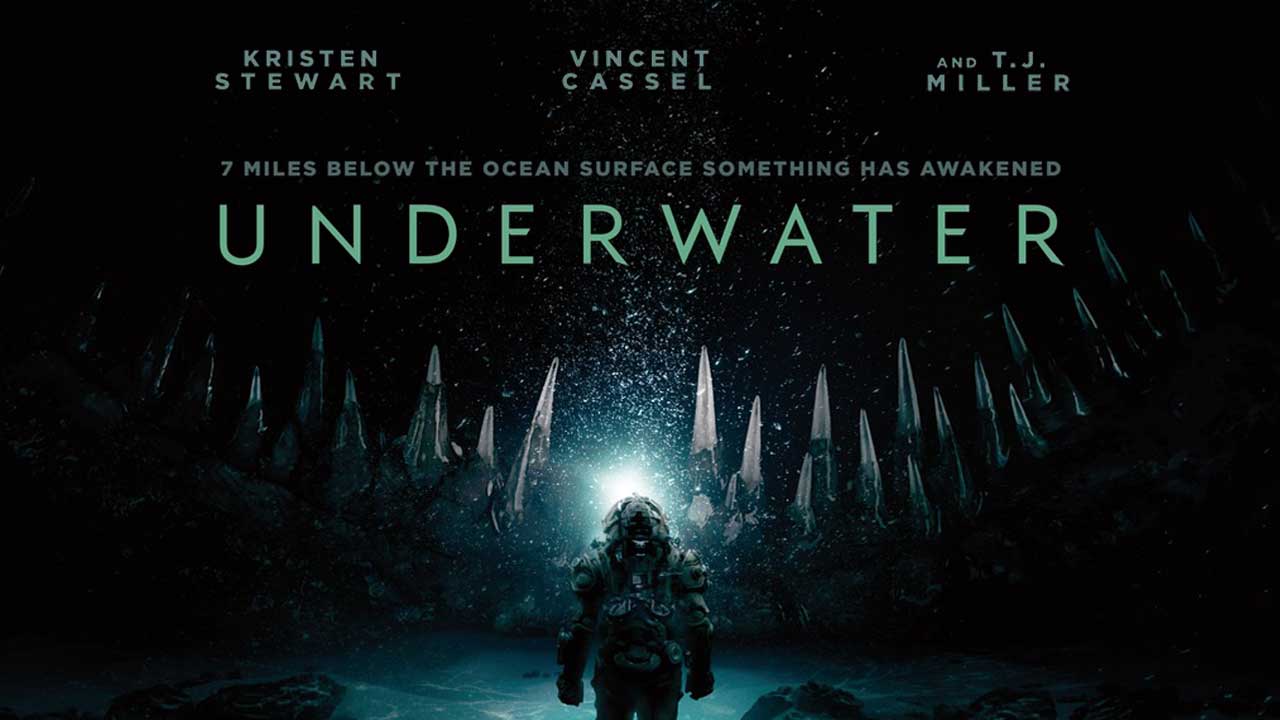
    January is typically considered a dump month for movies, where studios release films they don’t know what to do with. There are several reasons for this, usually because people are less likely to go to the movies post-holiday season. Every so often, there are some exceptions, such as TakenThe GreyFrom Dusk Till DawnPaddington, and even Split. Many times, movies are dumped onto January when it’s been delayed over and over again after being filmed years ago. Such is the case with the new sci-fi horror film Underwater, the latest offering from filmmaker William Eubank. Having started as a Panavision technician, Eubank made his directing debut with 2011’s Love, followed by 2014’s The Signal. Though it was filmed back in 2017, Eubank’s new film wouldn’t be released until 2020 following Disney’s merger with Fox. With all that out of the way, let’s take a look at Underwater.

    [/et_pb_text][/et_pb_column][et_pb_column type=”1_3″ _builder_version=”4.0.11″][et_pb_circle_counter title=”Rating” number=”75″ bar_bg_color=”#EDF000″ _builder_version=”4.1″ hover_enabled=”0″][/et_pb_circle_counter][/et_pb_column][/et_pb_row][et_pb_row _builder_version=”4.1″][et_pb_column _builder_version=”4.1″ type=”4_4″][et_pb_text _builder_version=”4.1″ hover_enabled=”0″]

    Synopsis

    Deep in the Mariana Trench, an underwater facility is drilling until an earthquake starts tearing the facility apart. Mechanical engineer Norah Price (Kristen Stewart) finds Rodrigo Nagenda (Mamoudou Athie) and Paul Abel (TJ Miller) while trying to escape. When they meet up with Captain Lucien (Vincent Cassel), they discover that the escape pods have been deployed. After finding biologist Emily Haversham (Jessica Henwick) and engineer Liam Smith (John Gallagher Jr), Lucien comes up with a plan. His plan is for the crew to trek along the ocean floor to get to a nearby base for help. Unfortunately, it turns out that in drilling through the ocean floor, mysterious creatures have emerged to kill off the crew. Along the way, many of the crew end up getting killed either by the creatures or the immense pressure. Who will survive, and will they be able to stop these creatures?


    Review

    If my plot description for Underwater sounds familiar at all, that might be because it takes many elements from Alien. Both films involve a crew trapped in some sort of scientific facility being pursued by an unknown creature. Also, both films mention some sort of evil corporation that tries to deny any involvement in the situation. While the Ridley Scott film takes time to develop the characters before things happen, this gets right into the action. Within the first five minutes, the facility is falling apart and the characters are running for their lives. This quick pace, combined with the film’s 95-minute runtime, makes Underwater a breeze to get through that goes by fast. Unfortunately, that’s also a detriment to the film, since we’re not given time to know any of these characters. None of the characters are terrible, but there’s also not much to them.

    Speaking of similarities, Underwater also reminded me of the 1989 film Leviathan, especially in some of the creature designs. Acting-wise, the performances are better than expected for a January movie, Kristen Stewart and Vincent Cassel being among the strongest. The rest of the cast does a good job, though TJ Miller, who’s normally pretty funny, feels out of place. While there are some jump scares here and there, much of the terror is built around suspense and atmosphere. Admittedly, much of that is ruined when you see the CGI ocean creatures that look taken from a PS4 game. Eubank’s direction is fairly solid, clearly showing that he has some talent and a good eye for visuals. While this doesn’t break the January movie curse, it’s still better than the typical fare and worth a rental. Overall, Underwater doesn’t reinvent the wheel, but it’s good if you have no other options.

    [/et_pb_text][/et_pb_column][/et_pb_row][/et_pb_section]