Facebook

FilmNerd

Category: Reviews

  • Little Women (2019)

    Little Women (2019)

    [et_pb_section fb_built=”1″ _builder_version=”4.3.2″][et_pb_row column_structure=”2_3,1_3″ _builder_version=”4.3.2″][et_pb_column type=”2_3″ _builder_version=”4.3.2″][et_pb_text _builder_version=”4.3.2″]

    In 1868, Louisa May Alcott’s semi-autobiographical novel Little Women was published and was considered a critical and commercial hit. Since its publication, the book has been adapted for the stage and screen, having seven film adaptations as of currently. The first was a silent film released in 1917, which has been lost as with most films of the time. After a 1918 silent version, the first sound adaptation was made in 1933 starring Katherine Hepburn and Joan Bennett. This was followed by the first color adaptation in 1949, which featured then relatively unknown Elizabeth Taylor and Janet Leigh. 45 years later, another adaptation was made, this one starring Winona Ryder, Samantha Mathis, Kirsten Dunst, and Claire Danes. There was also a 2018 adaptation that mostly flew under the radar before actress/director Greta Gerwig stepped in. So, her adaptation of Little Women was finally released in 2019.

    [/et_pb_text][/et_pb_column][et_pb_column type=”1_3″ _builder_version=”4.3.2″][et_pb_circle_counter title=”Rating” number=”85″ bar_bg_color=”#7CDA24″ _builder_version=”4.3.2″][/et_pb_circle_counter][/et_pb_column][/et_pb_row][et_pb_row _builder_version=”4.3.2″][et_pb_column type=”4_4″ _builder_version=”4.3.2″][et_pb_text _builder_version=”4.3.2″ hover_enabled=”0″]

    Synopsis

    Taking place between 1861 and 1868, the film follows four women from their childhoods to their adult years. There’s Josephine aka Jo (Saoirse Ronan), Margaret aka Meg (Emma Watson), Amy (Florence Pugh), and Elizabeth aka Beth (Eliza Scanlen). Each has their talents: Jo writes, Amy paints and draws, Beth plays piano, and Meg cares for the family. They live with their mother Marmee (Laura Dern) who does her best while their father (Bob Odenkirk) is at war. The film goes back and forth between their childhoods and the present, where Jo is working on a novel. They have their disputes, they find love, they develop their talents further, and they get into mischief during their upbringing. Eventually, things change for them, including getting married, one of them falling ill, wanting to abandon their dreams, etc. Despite all the obstacles, these sisters remain close to each other and stay strong.


    Review

    At the time of writing this, I have not read the book or seen any of the previous adaptations. That said, while it’s not my go-to type of film, Little Women is still enjoyable enough for its target audience. The performances are solid, the four main actresses feeling like a close-knit group that has grown up together. Saoirse Ronan, Emma Watson, and Florence Pugh (Midsommar) are at the heart of the film and deliver the strongest performances. The supporting cast, including Scanlen, Dern, Timothée Chalamet, Chris Cooper, and Meryl Streep also stand out even with limited screentime. Directing-wise, Greta Gerwig manages to capture the look and feel of the mid 19th century while adding some contemporary references. The gorgeous set design, elaborate costumes, and Alexandre Desplat’s score further help to cement the film’s historical setting. From a visual and acting standpoint, Little Women mostly succeeds at that.

    However, my biggest issue with the film is that there isn’t much of a central plot to speak of. Little Women feels more like a collection of scenes that are strung together rather than having a cohesive narrative. The film jumps back and forth between the present and seven years prior, but it often feels jumbled and disjointed. Because of this, it can be difficult to follow along with and discern when everything is supposed to be happening. Also, the film has a strong feminist message, which I’m all for, but it felt somewhat on the nose here. Much of the dialogue is either trying to hammer in its feminist angle or criticize anyone who criticizes someone’s work. Some of it may be from the book or invented by Gerwig, but it still hindered my enjoyment slightly. Overall, Little Women, though disjointed and preachy, is still an enjoyably heartwarming film.

    [/et_pb_text][/et_pb_column][/et_pb_row][/et_pb_section]

  • Marriage Story (2019)

    Marriage Story (2019)

    [et_pb_section fb_built=”1″ _builder_version=”4.16″ global_colors_info=”{}”][et_pb_row column_structure=”2_3,1_3″ _builder_version=”4.16″ global_colors_info=”{}”][et_pb_column type=”2_3″ _builder_version=”4.16″ global_colors_info=”{}”][et_pb_text _builder_version=”4.16″ global_colors_info=”{}”]

    New York-based filmmaker Noah Baumbach has been working since the mid-1990s, debuting with 1995’s Kicking and Screaming. In 1997, he wrote and directed Mr. Jealousy followed by Highball, which he later disowned due to some production issues. Additionally, Baumbach worked alongside filmmaker Wes Anderson as a co-writer on Life Aquatic of Steve Zissou and Fantastic Mr. Fox. His 2005 film The Squid and the Whale earned Baumbach his first Academy Award nomination for Best Original Screenplay. Interestingly enough, Baumbach also co-wrote 2012’s Madagascar 3: Europe’s Most Wanted, the same year he directed Frances Ha. During post-production on 2017’s The Meyerowitz Stories, Baumbach decided that his next project would focus on divorce and its effects. After doing much research, including interviewing divorce lawyers, judges, and mediators, his next film was released to Netflix in 2019. That film was the family drama, Marriage Story.

    [/et_pb_text][/et_pb_column][et_pb_column type=”1_3″ _builder_version=”4.16″ global_colors_info=”{}”][et_pb_circle_counter title=”Rating” number=”90″ bar_bg_color=”#7CDA24″ _builder_version=”4.16″ global_colors_info=”{}”][/et_pb_circle_counter][/et_pb_column][/et_pb_row][et_pb_row _builder_version=”4.16″ global_colors_info=”{}”][et_pb_column type=”4_4″ _builder_version=”4.16″ global_colors_info=”{}”][et_pb_text _builder_version=”4.27.4″ hover_enabled=”0″ global_colors_info=”{}” sticky_enabled=”0″]

    Synopsis

    Charlie Barber (Adam Driver) is a successful theater director in New York married to former teen actress Nicole (Scarlett Johansson). Unfortunately, the two of them are going through a divorce, and it’s taking a toll on their lives. Nicole gets a job on a TV series in LA, so she takes their son Henry (Azhy Robertson) with her. Despite them agreeing to not hire lawyers, Nicole hires family lawyer Nora Fanshaw (Laura Dern) to represent her. Charlie flies to LA to visit but is served divorce papers, so he consults with lawyer Jay Marotta (Ray Liotta). He decides not to hire Jay because of his brash nature, but he still needs a lawyer according to Nora. He eventually hires the more empathetic Bert Spitz (Alan Alda), but things soon spiral out of control when arguing custody. No matter what, these events will change their lives forever.


    Review

    Going into this, I knew almost nothing about the filmmaker, though after seeing this, I want to see more. Given who’s making it, Marriage Story is an honest and real depiction of what it’s like going through a divorce. The performances, especially from Driver and Johansson, are some of the best I’ve seen in quite some time. When Driver and Johansson are screaming and arguing with each other over their marriage, it feels so real and authentic. Plus, the film never fully sides with one over the other, showing them at their best and worst moments equally. Also, Azhy Robertson gives a great child performance as a kid who’s unfortunately caught in the middle. Dern, Liotta, and Alda all contribute great performances, as well as Julie Hagerty, Merritt Wever, and Wallace Shawn. This is definitely one of the best-acted films in 2019.

    Directing-wise, Baumbach’s direction is somewhat simplistic, but it adds to the realism and authenticity of the subject matter. While the film shifts in tone throughout, bouncing between dry humor and hard-hitting drama, it never feels disjointed. Rather, it flows naturally and feels like the tonal shifts are more consistent versus the tonal whiplash in Jojo Rabbit. Going back to the simplistic filmmaking, Randy Newman’s score goes well with the film, feeling somber but not overwhelming. While I believe most people have enjoyed this film, it seems like much of the praise is on the performances. I feel that most people are probably put off by the subject matter, which is a fair assessment. However, I welcome films that challenge audiences and tackle the more difficult subject matter since life can be difficult. Overall, Marriage Story is a well-acted and well-written take on something all too real.


    Buy Marriage Story from Amazon: https://amzn.to/4i14anP.

    Disclosure: The above link is an affiliate link, which means that, at no additional cost, I will earn a commission if you click through the link and make a purchase.

    [/et_pb_text][et_pb_code _builder_version=”4.27.4″ _module_preset=”default” hover_enabled=”0″ sticky_enabled=”0″]

    Where to watch Marriage Story (2019)

    data-api-key=”LMVDLdLSH5ZJnQ4FMGMgyJCB8cmGbfCV” data-object-type=”Movie” data-title=”Marriage Story” data-year=”2019″ data-theme=”light”>

    [/et_pb_code][/et_pb_column][/et_pb_row][/et_pb_section]

  • Laserblast (1978)

    Laserblast (1978)

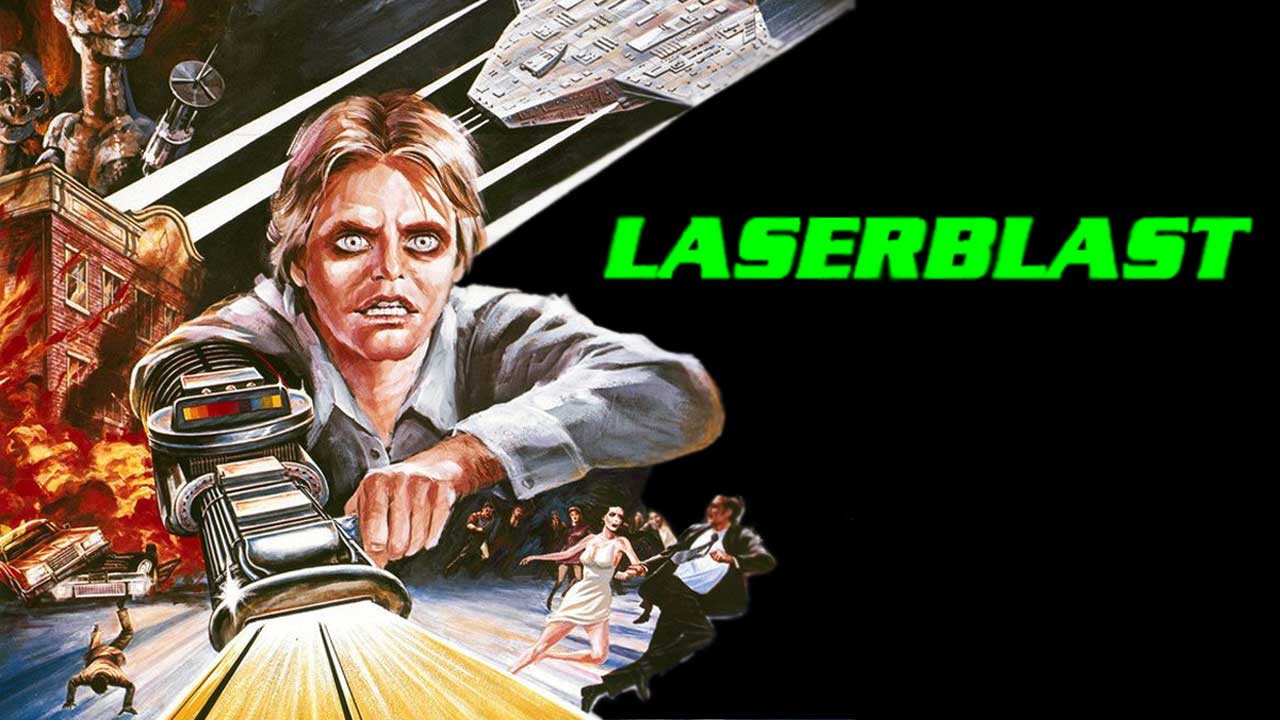
    [et_pb_section fb_built=”1″ _builder_version=”4.16″ global_colors_info=”{}”][et_pb_row column_structure=”2_3,1_3″ _builder_version=”4.16″ global_colors_info=”{}”][et_pb_column type=”2_3″ _builder_version=”4.16″ global_colors_info=”{}”][et_pb_text _builder_version=”4.16″ global_colors_info=”{}”]Well before Full Moon Features and Empire Pictures, Charles Band was cutting his teeth during the 1970s as a producer. His first film was 1973’s Last Foxtrot in Burbank, which was a spoof of the controversial Last Tango in Paris. He produced 1975’s Mansion of the Doomed, which is most notable for featuring an early role for Lance Henriksen. Charles Band even dabbled in adult cinema with 1977’s Cinderella and 1978’s Fairy Tales, both erotic versions of classic stories. He directed 1977’s Crash!, starring José Ferrer and John Carradine, and also produced End of the World the same year. In 1978, Band founded MEDA Home Entertainment, one of the first home video distributors, which later became Media Home Entertainment. The same year, he produced a sci-fi film that would later go on to develop a small cult following. That film was 1978’s Laserblast, the sole directing credit of Michael Rae.

    [/et_pb_text][/et_pb_column][et_pb_column type=”1_3″ _builder_version=”4.16″ global_colors_info=”{}”][et_pb_circle_counter title=”Rating” number=”70″ bar_bg_color=”#EDF000″ _builder_version=”4.16″ global_colors_info=”{}”][/et_pb_circle_counter][/et_pb_column][/et_pb_row][et_pb_row _builder_version=”4.16″ global_colors_info=”{}”][et_pb_column type=”4_4″ _builder_version=”4.16″ global_colors_info=”{}”][et_pb_text _builder_version=”4.27.4″ hover_enabled=”0″ global_colors_info=”{}” sticky_enabled=”0″]

    Synopsis

    Teenager Billy Duncan (Kim Milford) hates the small town he lives in, feels abandoned by his mother, and gets bullied. Even though he has a loving girlfriend Kathy (Cheryl Smith) that cares, Billy feels dejected by everyone around him. Things change when Billy finds a strange laser gun while wandering in the desert that requires a special pendant. After he starts firing the laser gun, two aliens are assigned to go to Earth and retrieve the laser gun. Meanwhile, Billy starts using the gun against those who bullied him, such as Chuck (Mike Bobenko) and Froggy (Eddie Deezen). As Billy continues his rampage, government agent Tony Craig (Gianni Russo) leads the investigation with help from the local sheriff. As he continues using the laser gun, Billy finds himself being corrupted further, getting green skin and white eyes. Will Billy be stopped, and will the aliens get their laser gun back?


    Review

    Laserblast is one of those movies where, after reading the synopsis, you’ll know whether or not this is for you. Most mainstream audiences will be put off by the weak story, mediocre acting, slow pacing, and general ridiculousness. However, if you’re the sort of B-movie connoisseur who enjoys watching these films on late-night channels, here you go. Like I said before, the story, though simple, is fairly weak, not helped by the incredibly dull pacing. With a few exceptions, the acting ranges between mediocre and terrible, with Kim Milford being arguably the weakest. Laserblast does feature classic actors Keenan Wynn, Roddy McDowall, and Ron Masak, all of whom do what they can. Also, the pacing is incredibly slow, with several scenes going on for what too long and not much exciting happening. Despite this, Laserblast is noteworthy for several reasons that make it worth a watch.

    For one, the film marks the first collaboration between Charles Band and stop-motion animator David Allen, which became a partnership. The sequences with the stop-motion aliens looking for the gun are among the film’s highlights, despite not understanding their dialogue. Also, this marked the first time Richard Band worked as a film composer, and he’d continue working with his brother. For being his only directing credit, Michael Rae’s direction isn’t terrible, and he could’ve even gone on to better things. Laserblast has a look that could only have come from the 70s, right down to the drab color scheme. Some audiences might be put off by this, but I look at it as a time capsule of the 1970s. This is often considered one of the worst movies ever made, but it’s nowhere near as bad as that. Overall, Laserblast is a good slice of 70s B-movie entertainment.


    Buy Laserblast from:

    Disclosure: The above link is an affiliate link, which means that, at zero cost to you, I will earn a commission if you click through the link and finalize a purchase.


    [/et_pb_text][/et_pb_column][/et_pb_row][/et_pb_section]
  • Parasite (2019)

    Parasite (2019)

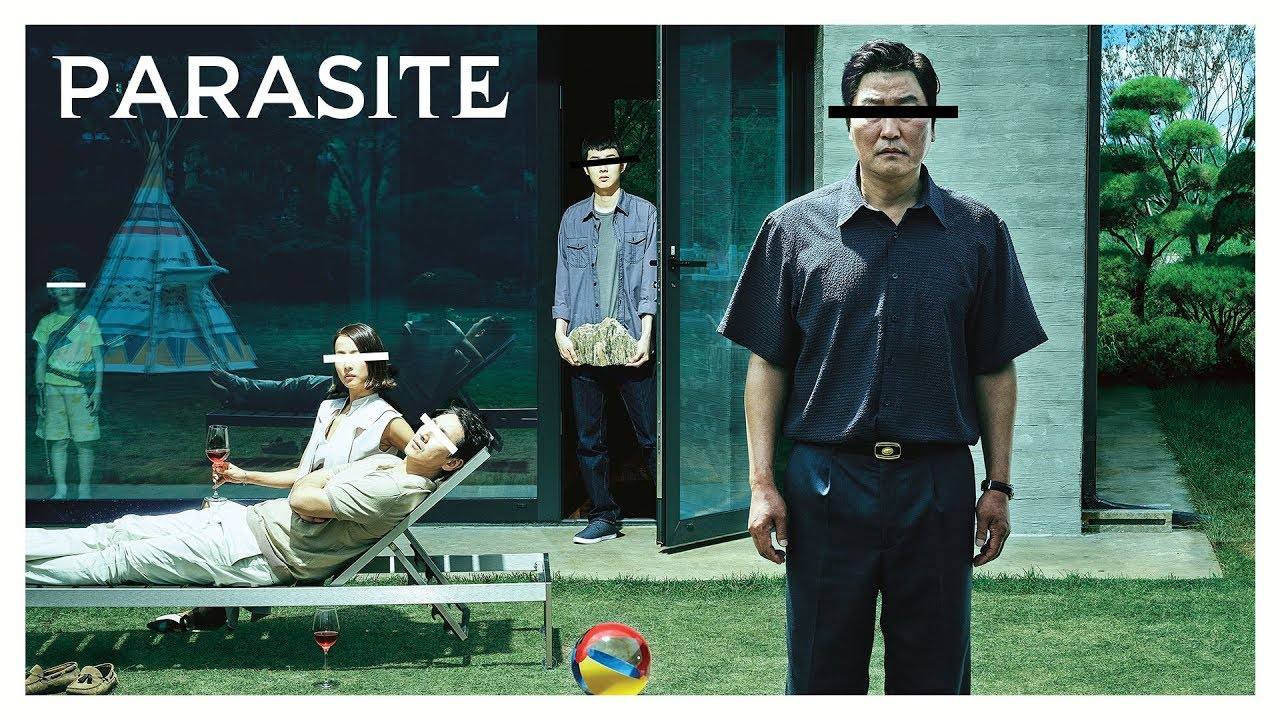
    [et_pb_section fb_built=”1″ _builder_version=”4.2.2″][et_pb_row column_structure=”2_3,1_3″ _builder_version=”4.2.2″][et_pb_column type=”2_3″ _builder_version=”4.2.2″][et_pb_text _builder_version=”4.2.2″]

    Bong Joon-ho is a South Korean filmmaker that has garnered much critical and commercial acclaim in the last few decades. He’s perhaps most famous for The Host in 2006 and Snowpiercer in 2013, both among South Korea’s highest-grossing films. While working on Snowpiercer, Bong had been talking with a theater actor friend and his experiences as a tutor. In his 20s, he tutored the son of a wealthy Seoul family and considered adapting the experience for the stage. After finishing Snowpiercer, Bong started working on a film treatment based on these experiences and finished it after 2017’s Okja. The film was shot during 2018 and was released in 2019 at the Cannes Film Festival to overwhelmingly positive reviews. It took home the Palme d’Or at Cannes and, as of this writing, received six Oscar nominations, including Best Picture. So, let’s take a look at Bong Joon-ho’s Oscar-nominated film, Parasite.

    [/et_pb_text][/et_pb_column][et_pb_column type=”1_3″ _builder_version=”4.2.2″][et_pb_circle_counter title=”Rating” number=”95″ bar_bg_color=”#7CDA24″ _builder_version=”4.2.2″][/et_pb_circle_counter][/et_pb_column][/et_pb_row][et_pb_row _builder_version=”4.2.2″][et_pb_column type=”4_4″ _builder_version=”4.2.2″][et_pb_text _builder_version=”4.2.2″ hover_enabled=”0″]

    Synopsis

    The Kim’s are going through tough times, living in a run-down basement apartment and working lower-wage jobs, struggling to survive. One day, they’re visited by Min-hyuk (Park Seo-joon), a friend of son Ki-woo (Choi Woo-shik), who offers Ki-woo an opportunity. Min had been tutoring the daughter of a rich family, the Park’s, in English but is leaving to study abroad. He suggests that Ki-woo pose as a university student and take the job, which he does thanks to his family. Once Ki-woo sees how well off they are, he and his family plan to trick them into giving them jobs. Daughter Ki-jeong (Park So-dam) starts teaching art, and parents Ki-taek (Song Kang-ho) and Chung-sook (Chang Hyae-jin) are driver and housekeeper. With their jobs seemingly secure, the Kim’s bask in the wealth they’ve accumulated thanks to them tricking the Park’s. But soon, their deception will come back to bite them.


    Review

    Going into Parasite, I knew very little about what to expect, other than the basic premise and its critical acclaim. All things considered, that’s probably the best way to see this film: know as little as possible when seeing it. Parasite is one of those rare films that can appeal to both mainstream audiences and more niche audiences. It has a straightforward-enough plot and relatable characters while mixing in enough weirdness and deeper meaning for the arthouse crowd. Bong Joon-ho’s direction is remarkable, using visual cues to help tell the story and show what the characters are experiencing. Everyone in the cast does a fantastic job, each offering something to make them stand out from one another. The score by Jung Jae-il perfectly compliments the film and adds the final touch that makes this film a masterpiece. This is honestly one of those rare films that are virtually flawless.

    At its core, Parasite is a social satire about the haves and the have-nots, showing two perspectives on similar things. For instance, when it’s storming, the Parks think it’s beautiful, the Kims consider it a matter of life and death. The film makes points about the rich never have to worry, whereas the less fortunate have to scrounge and scheme. Neither family does anything to make them awful people, and you understand where each of them is coming from. Without spoiling anything, while the film starts as a dark comedy, there’s a point where the film becomes a thriller. Thankfully, it’s not one of those reveals that feel out of the left-field, but it seems plausible given the context. Every so often, films like Parasite or The Lighthouse come around that remind us of how powerful cinema can be. Overall, Parasite deserves a spot as one of 2019’s best films.


    Buy Parasite on Amazon: https://amzn.to/2U3Dbzk

    [/et_pb_text][/et_pb_column][/et_pb_row][/et_pb_section]
  • Color Out of Space (2019)

    Color Out of Space (2019)

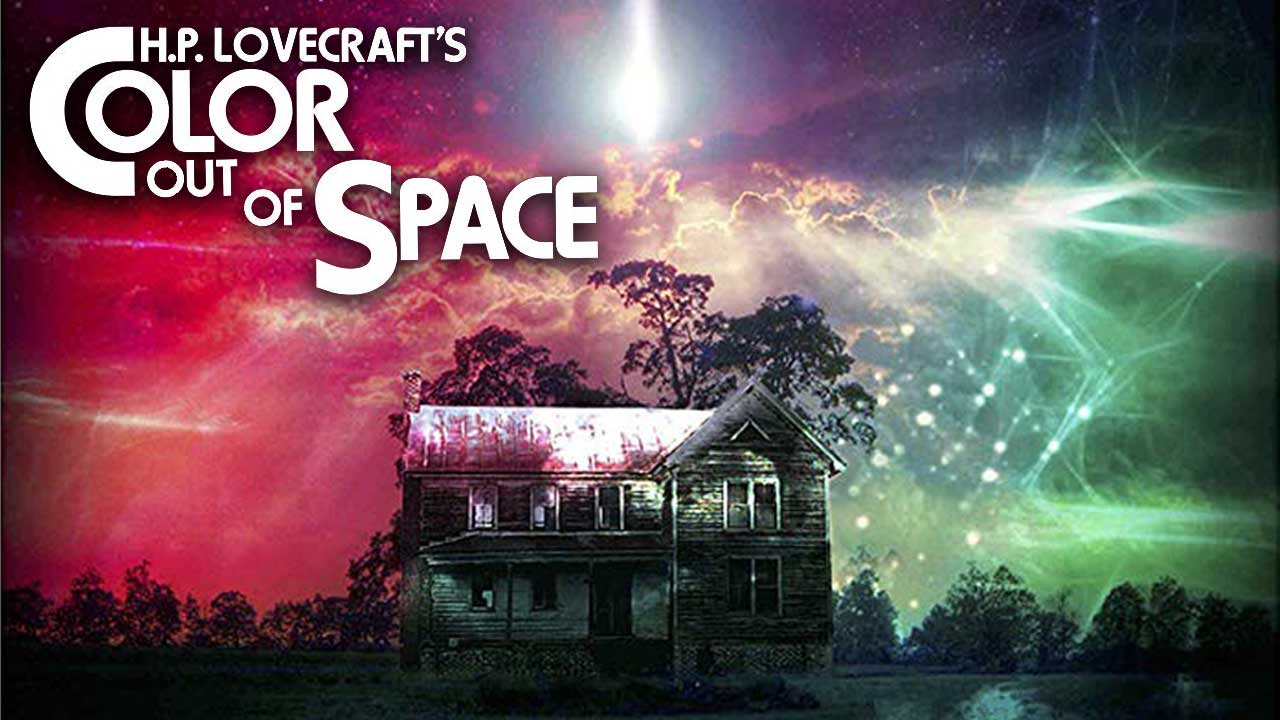
    [et_pb_section fb_built=”1″ _builder_version=”4.2.2″][et_pb_row column_structure=”2_3,1_3″ _builder_version=”4.2.2″][et_pb_column type=”2_3″ _builder_version=”4.2.2″][et_pb_text _builder_version=”4.2.2″ hover_enabled=”0″]

    South African filmmaker Richard Stanley has had one of the most promising yet chaotic and fractured careers in film history. Having started off making short films, he got his first professional job directing music videos for various UK-based bands. Stanley debuted onto the scene with the 1990 post-apocalyptic film Hardware, which has become a cult classic despite mixed reviews. He followed this up with the 1992 horror film Dust Devil, which suffered from producers majorly reediting the film. Unfortunately, things only got worse with what was supposed to be his next film, 1996’s The Island of Dr. Moreau. The film was a notorious behind-the-scenes nightmare, such that a documentary, Lost Soul, detailing the production was made in 2014. Following a twenty-plus year hiatus, it was announced that he would be returning to features with an H.P. Lovecraft adaptation. 2019 saw the release of his comeback film, Color Out of Space.

    [/et_pb_text][/et_pb_column][et_pb_column type=”1_3″ _builder_version=”4.2.2″][et_pb_circle_counter _builder_version=”4.2.2″ title=”Rating” number=”90″ bar_bg_color=”#7CDA24″ hover_enabled=”0″][/et_pb_circle_counter][/et_pb_column][/et_pb_row][et_pb_row _builder_version=”4.2.2″][et_pb_column _builder_version=”4.2.2″ type=”4_4″][et_pb_text _builder_version=”4.2.2″ hover_enabled=”0″]

    Synopsis

    Near the town of Arkham, the Gardener family has been living in a rural home with a farm. There are Nathan (Nicolas Cage), Theresa (Joely Richardson), and kids Lavinia (Madeleine Arthur), Benny (Brendan Meyer), and Jack (Julian Hilliard). One night, a meteorite crashes near their home, and it starts emitting a strange color that is impossible to describe. Ward Phillips (Elliot Knight), a local hydrologist, tries warning the Gardeners after discovering that their water is contaminated. Soon, strange things start occurring, such as space and time blurring, and animals and people mutating into horrifying creatures. While Lavinia and Benny want to leave the farm, Nathan is adamant about staying, slowly becoming more and more insane. As the cosmic force continues spreading around the area, the Gardeners are pulled together only to be torn apart. Can this force be stopped, and who will escape the Color Out of Space?


    Review

    Given that this was from the producers behind Mandy, and starred Nicolas Cage, I was naturally excited about this film. Plus, the fact that this was Richard Stanley’s long-awaited return and an H.P Lovecraft adaptation, this has some real potential. Thankfully, I’m happy to say that Color Out of Space doesn’t disappoint and is as good as critics have said. While it may seem derivative of other films, Stanley works these tropes in a way that twists them around. The first act seems bland and flatly shot, but that’s only to lure us into a false sense of security. Once the meteorite hits, Stanley makes great use of colors, mixing magentas, blues, and greens similar to Dario Argento’s style. However, the way Stanley’s style works, it perfectly offsets the seemingly normal look the film starts with. This is one of the most visually striking films I’ve seen in some time.

    The cast is also terrific, with Nicolas Cage, in particular, delivering that crazy manic energy he’s known for. Thankfully, given that this film deals with cosmic madness, his typical on-screen insanity is well warranted and fits perfectly. Joely Richardson also does a good job as the concerned wife, and Tommy Chong is fun in his small part. Also, the younger cast members give outstanding performances, particularly Madeleine Arthur and Elliot Knight, perfectly balancing off Cage’s insanity. There are also some cool practical creature effects and gore that are reminiscent of John Carpenter’s The Thing. Admittedly, while many of the CGI effects are pretty good, there are some that stick out in a bad way. That being said, this is still a fantastic film that shows the power and drive of independent filmmaking. Overall, Color Out of Space is one hell of a trip and a welcome return for Richard Stanley.

    [/et_pb_text][/et_pb_column][/et_pb_row][/et_pb_section]
  • The Lighthouse (2019)

    The Lighthouse (2019)

    [et_pb_section fb_built=”1″ _builder_version=”4.16″ global_colors_info=”{}”][et_pb_row column_structure=”2_3,1_3″ _builder_version=”4.16″ global_colors_info=”{}”][et_pb_column type=”2_3″ _builder_version=”4.16″ global_colors_info=”{}”][et_pb_text _builder_version=”4.16″ global_colors_info=”{}”]

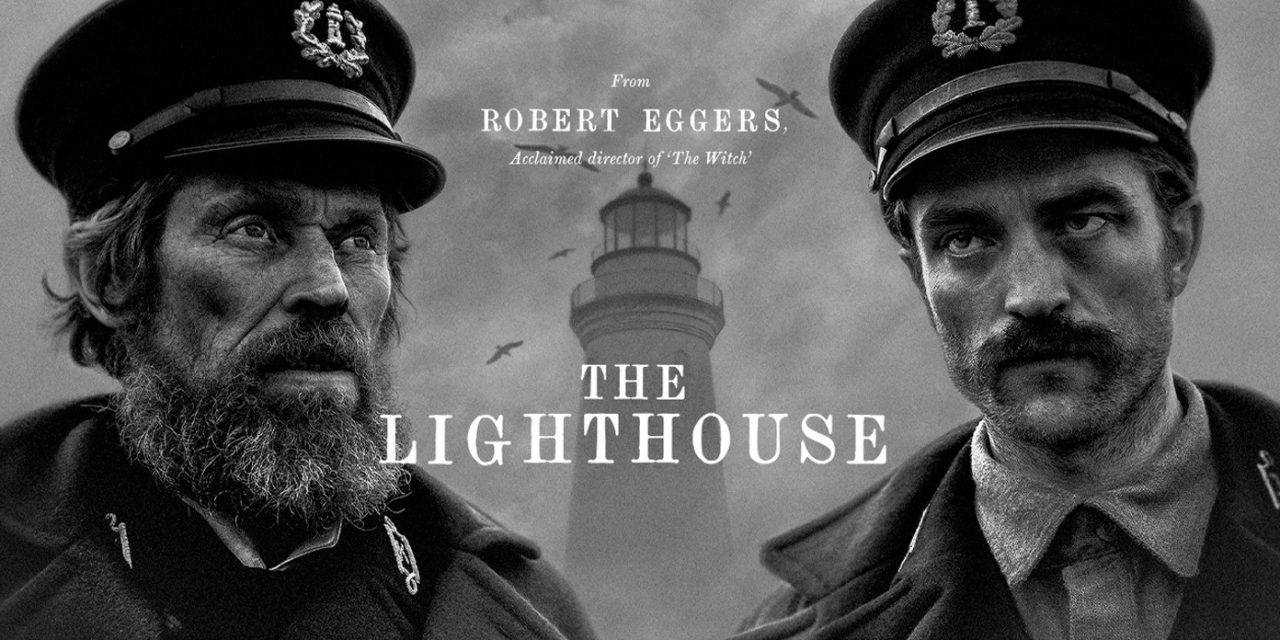
    Robert Eggers got his start working as a theater director and designer before transitioning to filmmaking in the late 2000s. He mostly worked as a production designer on numerous short films and documentaries, though he did direct a few shorts. Then, in 2015, Eggers burst onto the scene with the period horror film, The Witch, which became an instant hit. Not only did the film gross over ten times its budget, but it received unanimous praise from critics and audiences. Stephen King even liked the film, calling it “a real movie, tense and thought-provoking as well as visceral”. Around this time, his brother Max was working on adapting Edgar Allen Poe’s “The Light-House”, but it eventually stalled. Robert decided to work on the project with his brother, making it his follow-up feature to his earlier success. Four years later, Eggers’ The Lighthouse, written by him and Max, was released.

    [/et_pb_text][/et_pb_column][et_pb_column type=”1_3″ _builder_version=”4.16″ global_colors_info=”{}”][et_pb_circle_counter title=”Rating” number=”95″ bar_bg_color=”#7CDA24″ _builder_version=”4.16″ global_colors_info=”{}”][/et_pb_circle_counter][/et_pb_column][/et_pb_row][et_pb_row _builder_version=”4.16″ global_colors_info=”{}”][et_pb_column type=”4_4″ _builder_version=”4.16″ global_colors_info=”{}”][et_pb_text _builder_version=”4.27.4″ hover_enabled=”0″ global_colors_info=”{}” sticky_enabled=”0″]

    Synopsis

    In the late 1800s, young Ephraim Winslow (Robert Pattinson) gets a contract job as a lighthouse keeper or “wickie”. His boss is the curmudgeonly old salt Thomas Wake (Willem Dafoe), who takes his job as a wickie very seriously. Winslow is scheduled to work the lighthouse for four weeks, and Wake puts him through the wringer in that time. Every night, Winslow sees Wake going to the top of the lighthouse, which he is never allowed to enter. As time progresses, Winslow begins losing his sanity, seeing strange visions of tentacles, tree stumps, and a mermaid (Valeriia Karamän). He’s also constantly tormented by a one-eyed seagull, but Wake warns him not to attack, saying that it’s bad luck. Unfortunately, things get worse when a raging storm prevents them from leaving the island, so they decide to drink. As time flies, it’s a race to see who will survive The Lighthouse.


    Review

    When I wrote my Best and Worst Films of 2019 List, I mentioned some stipulations about what made the list. I talked about how there were some movies I didn’t see last year, so those wouldn’t make the list. That being said, if I had seen The Lighthouse last year, it would’ve for sure made my Best Of list. Back when I saw The Witch, I thought it was one of the best films I’d seen that year. So, when I heard the same director was working on a new film, I was more than ecstatic. Sadly, I didn’t get a chance to see it in theaters, but I’ve finally seen it, and it didn’t disappoint. The first thing I have to comment on is the performances from Robert Pattinson and Willem Dafoe, both phenomenal. This is easily Pattinson’s best performance, and Dafoe is just as good as ever.

    From a filmmaking standpoint, this is one of the most uniquely made and inventive films made in recent years. With its 1.19:1 aspect ratio and black and white photography, it has the look of an early silent film. The black and white look also makes the more intense sequences ever more unsettling, especially with the use of shadows. What also makes this film special is how it mixes its dread and suspense with moments of comedy. There’s even a running joke about how bad Wake’s farts are, showing that the filmmakers aren’t above lowbrow humor. When the characters start getting drunk, you can’t help but laugh at just how outrageous and insane they’re acting. Some people might be put off by the slow pacing, but for fans of slow-burn films, this shouldn’t be missed. Overall, The Lighthouse is easily one of the best films of 2019.


    Buy The Lighthouse on Amazon: https://amzn.to/4g1PROw.

    Disclosure: The above link is an affiliate link, which means that, at zero cost to you, I will earn a commission if you click through the link and finalize a purchase.

    [/et_pb_text][et_pb_code _builder_version=”4.27.4″ _module_preset=”default” hover_enabled=”0″ sticky_enabled=”0″]

    Where to watch The Lighthouse (2019)

    data-api-key=”LMVDLdLSH5ZJnQ4FMGMgyJCB8cmGbfCV” data-object-type=”Movie” data-title=”The Lighthouse” data-year=”2019″ data-theme=”light”>

    [/et_pb_code][/et_pb_column][/et_pb_row][/et_pb_section]
  • Puppet Master II (1990)

    Puppet Master II (1990)

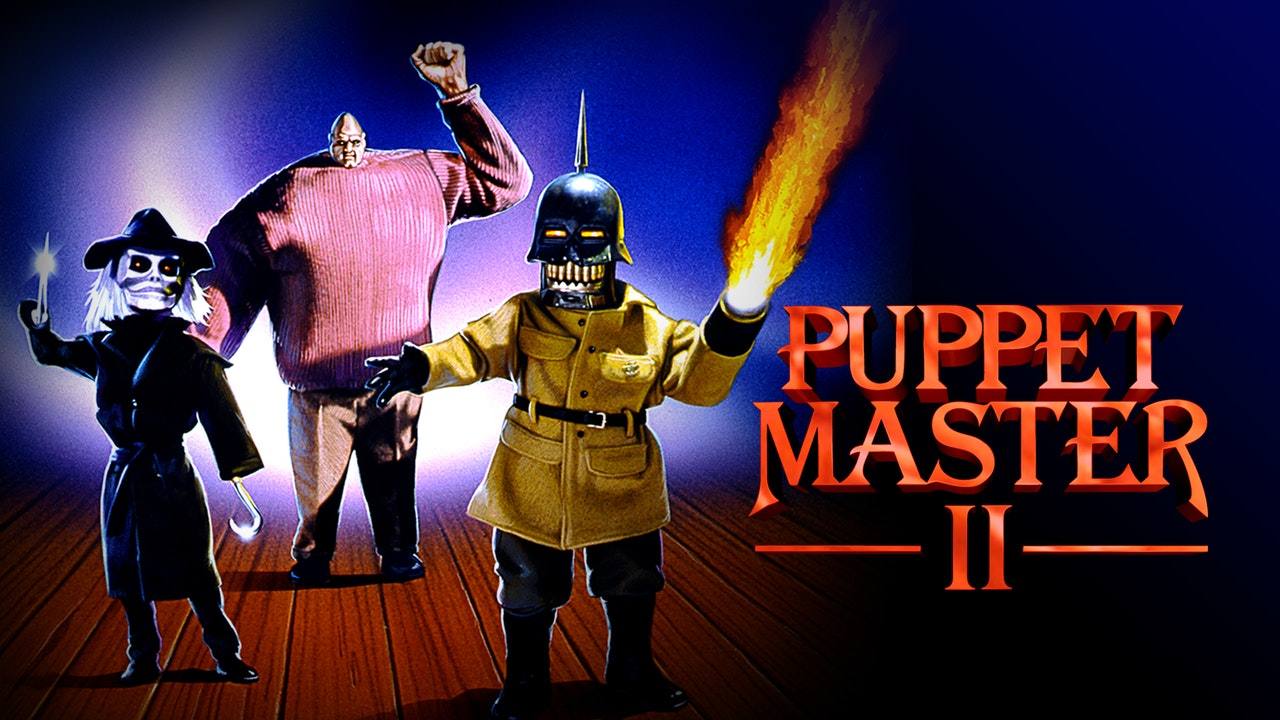
    [et_pb_section fb_built=”1″ _builder_version=”4.16″ global_colors_info=”{}”][et_pb_row column_structure=”2_3,1_3″ _builder_version=”4.16″ global_colors_info=”{}”][et_pb_column type=”2_3″ _builder_version=”4.16″ global_colors_info=”{}”][et_pb_text _builder_version=”4.16″ global_colors_info=”{}”]After releasing Puppet Master in 1989, things were starting to look up for Charles Band’s brand new production company. They had struck a deal with Paramount to release their films, and they wanted a sequel as soon as possible. Around the same time, Full Moon had three more films lined up: ShadowzoneMeridian, and Crash and Burn. For the next Puppet Master, original director David Schmoeller didn’t return, so stop-motion animator David Allen stepped in. David Allen had been working for Band since the 70s on films like LaserblastThe Dungeonmaster, TrancersEliminators, and Dolls. He was even nominated for an Oscar for his work on Young Sherlock Holmes for Best Visual Effects in 1985. For this, not only would he be handling the stop-motion effects, but he’d also be directing, something he rarely did. So, in 1990, one year after the previous film, Puppet Master II was released.

    [/et_pb_text][/et_pb_column][et_pb_column type=”1_3″ _builder_version=”4.16″ global_colors_info=”{}”][et_pb_circle_counter title=”Rating” number=”75″ bar_bg_color=”#EDF000″ _builder_version=”4.16″ global_colors_info=”{}”][/et_pb_circle_counter][/et_pb_column][/et_pb_row][et_pb_row _builder_version=”4.16″ global_colors_info=”{}”][et_pb_column type=”4_4″ _builder_version=”4.16″ global_colors_info=”{}”][et_pb_text _builder_version=”4.27.4″ hover_enabled=”0″ global_colors_info=”{}” sticky_enabled=”0″]

    Synopsis

    Following the events of the previous film, a team of paranormal investigators goes to the Bodega Bay Inn. Alex Whitaker has gone crazy and Megan Gallagher was killed, so the team is there to investigate what happened. Among them are Carolyn Bramwell (Elizabeth Maclellan), her brother Patrick (Greg Webb), Mike Kenney (Collin Bernsen), and Wanda (Charlie Spradling). Mike’s psychic mother Camille (Nita Talbot) is supposed to join them, but she gets kidnapped by the puppets. Soon, the puppet Tunneler kills Patrick, leading to the sudden arrival of one Eriquee Chaneé (Steve Welles). Turns out Eriquee is Andre Toulon, who has been resurrected by his puppets to continue making his life-giving serum. His serum requires fresh brain matter, so he creates a new puppet, Torch, to assist the other puppets. Who will survive against these tiny terrors, and will Eriquee/Andre’s dastardly plot be foiled?


    Review

    While I enjoyed the first film, I thought it was lacking in the puppets, having very little screen time. Luckily, Puppet Master II remedies this by incorporating more of the puppets, even giving us an idea of their personalities. While Pinhead, Blade, Leech Woman, Jester, and Tunneler return, there’s the addition of Torch, easily one of the coolest puppets. Many of the kill scenes are pretty fun, the highlight being Blade running towards someone to slice their face up. With the late great David Allen at the helm, the stop-motion sequences are as delightful and as unsettling as ever. Having Toulon come back as a villain was a nice touch, especially his look, inspired by The Invisible Man. Plus, we get to know more of Toulon’s backstory, such as his introduction to giving life to puppets. Also, like so many other great B-movies, George “Buck” Flower is here, too.

    On that note, the acting isn’t terrible here and they do a fine job, but none are particularly memorable. Elizabeth Maclellan makes for a decent lead, and she does have good chemistry with her love interest Lance (Jeff Weston). Steve Welles makes for a good Toulon, both when he’s normal and when he’s dressed up in robes and bandages. Charlie Spradling is also fairly memorable, mixing a bit of a snarky attitude with her obvious sex appeal. Still, the true stars of this film are the puppets, and they’re easily the best part of the film. They proved to be so popular, Full Moon started producing a line of action figures and a comic book series. Even though Full Moon had only been around for about two years, things were starting to look up. As for Puppet Master II, it’s a great addition to a long-running franchise.


    Buy Puppet Master II from:

    Disclosure: The above link is an affiliate link, which means that, at zero cost to you, I will earn a commission if you click through the link and finalize a purchase.


    [/et_pb_text][/et_pb_column][/et_pb_row][/et_pb_section]
  • 1917 (2019)

    1917 (2019)

    [et_pb_section fb_built=”1″ _builder_version=”4.1″][et_pb_row column_structure=”2_3,1_3″ _builder_version=”4.1″][et_pb_column type=”2_3″ _builder_version=”4.1″][et_pb_text _builder_version=”4.1″]

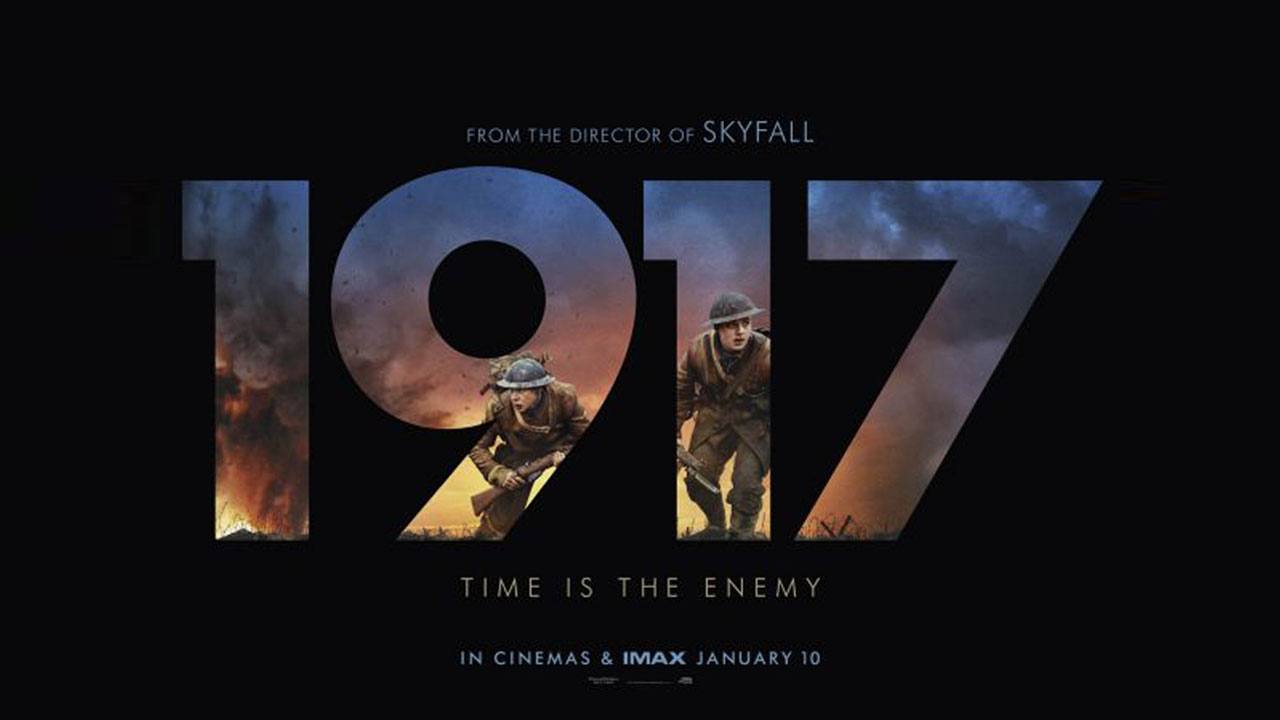
    For roughly the past twenty years, Sam Mendes has remained one of the most successful filmmakers still working today. Mendes made his cinematic debut with 1999’s American Beauty, which took home five Oscars, including Best Director and Best Picture. His follow-up, 2002’s Road to Perdition, received similar commercial and critical success and was Paul Newman’s last live-action performance. After establishing Neal Street Productions in 2003, Mendes’ 2005 film Jarhead released to mixed reviews and a disappointing box office. His 2008 film Revolutionary Road, which reunited Leonardo DiCaprio, Kate Winslet, and Kathy Bates, received universal acclaim from critics. 2009’s Away We Go gained similar acclaim but did poorly financially, though he eventually worked on the James Bond franchise. First, he made 2012’s Skyfall, coinciding with Bond’s 50th anniversary, then he made 2015’s Spectre, leading to his next film. Four years later, 2019 saw the release of his WWI film, 1917.

    [/et_pb_text][/et_pb_column][et_pb_column type=”1_3″ _builder_version=”4.1″][et_pb_circle_counter title=”Rating” number=”95″ bar_bg_color=”#7CDA24″ _builder_version=”4.1″][/et_pb_circle_counter][/et_pb_column][/et_pb_row][/et_pb_section][et_pb_section fb_built=”1″ _builder_version=”4.2″][et_pb_row _builder_version=”4.1″][et_pb_column type=”4_4″ _builder_version=”4.1″][et_pb_text _builder_version=”4.2″ hover_enabled=”0″]

    Synopsis

    In April 1917, during WWI, British soldiers Blake (Dean-Charles Chapman) and Schofield (George MacKay) are given a special assignment. General Erinmore (Colin Firth) informs them of a plan by the Germans to lure the 2nd Battalion into a trap. The two must travel behind enemy lines to deliver a message to the 2nd Battalion to call off their attack. Schofield has his reservations about the mission, but Blake is motivated because one of the 2nd Battalion is his brother. As they trek through no man’s land, they get to know each other while keeping a watchful eye for danger. Along the way, they encounter a downed German pilot, a bombed-out village, and a convoy of fellow soldiers. Unfortunately, one of the soldiers is killed, leaving the other to continue the mission with time running out. Will the soldier get the message on time, or will the 2nd Battalion fall?


    Review

    1917 is not only an achievement in filmmaking, but it also works as an engaging and intense war film. This was made to seem like it was shot in one take, which, for a war film, is not easy. There are moments where you can tell where a cut was probably added, but it’s still nothing short of impressive. This style of filmmaking makes it feel as if you’re right there with the two soldiers along their journey. With cinematographer Roger Deakins at the helm, there are some amazing wide shots and fluid camera movements utilized throughout. Even when things are getting chaotic and action-packed, the camera is pulled back enough to show the full scope. Thomas Newman’s sweeping score goes right along with the cinematography, and the sound design, in general, is fantastic. From a technical perspective, 1917 is one of the best in recent years.

    Acting-wise, Dean-Charles Chapman and George MacKay do a great job, giving great performances even when there’s no dialogue. Given that they’re the ones we follow for most of the film, they need to have solid chemistry. Thankfully, they’re able to work off each other well and make for a great duo, even when they’re separated. There are also brief appearances from Colin Firth, Mark Strong, and Benedict Cumberbatch, all of whom shine in their scenes. The story is fairly simplistic, essentially an odyssey film, but sometimes a film doesn’t need a complex story to work. Also, even with its two-hour runtime, the film can be quite slow at times, so don’t expect any non-stop action. This film deserves its place amongst other great war films like PlatoonSaving Private Ryan, Glory, and Apocalypse Now. Overall, 1917 is a technical achievement punctuated with great performances and a solid story.

    [/et_pb_text][/et_pb_column][/et_pb_row][/et_pb_section]
  • Underwater (2020)

    Underwater (2020)

    [et_pb_section fb_built=”1″ _builder_version=”4.0.11″][et_pb_row column_structure=”2_3,1_3″ _builder_version=”4.0.11″][et_pb_column type=”2_3″ _builder_version=”4.0.11″][et_pb_text _builder_version=”4.1″ hover_enabled=”0″]

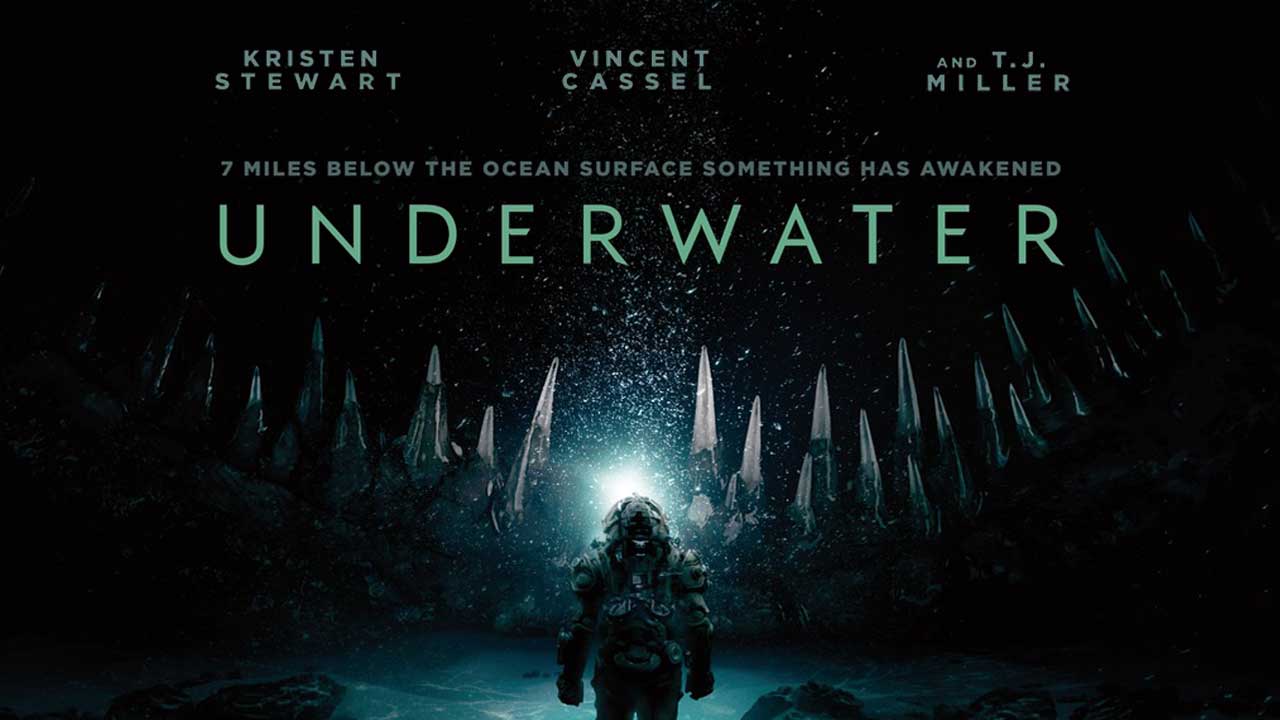
    January is typically considered a dump month for movies, where studios release films they don’t know what to do with. There are several reasons for this, usually because people are less likely to go to the movies post-holiday season. Every so often, there are some exceptions, such as TakenThe GreyFrom Dusk Till DawnPaddington, and even Split. Many times, movies are dumped onto January when it’s been delayed over and over again after being filmed years ago. Such is the case with the new sci-fi horror film Underwater, the latest offering from filmmaker William Eubank. Having started as a Panavision technician, Eubank made his directing debut with 2011’s Love, followed by 2014’s The Signal. Though it was filmed back in 2017, Eubank’s new film wouldn’t be released until 2020 following Disney’s merger with Fox. With all that out of the way, let’s take a look at Underwater.

    [/et_pb_text][/et_pb_column][et_pb_column type=”1_3″ _builder_version=”4.0.11″][et_pb_circle_counter title=”Rating” number=”75″ bar_bg_color=”#EDF000″ _builder_version=”4.1″ hover_enabled=”0″][/et_pb_circle_counter][/et_pb_column][/et_pb_row][et_pb_row _builder_version=”4.1″][et_pb_column _builder_version=”4.1″ type=”4_4″][et_pb_text _builder_version=”4.1″ hover_enabled=”0″]

    Synopsis

    Deep in the Mariana Trench, an underwater facility is drilling until an earthquake starts tearing the facility apart. Mechanical engineer Norah Price (Kristen Stewart) finds Rodrigo Nagenda (Mamoudou Athie) and Paul Abel (TJ Miller) while trying to escape. When they meet up with Captain Lucien (Vincent Cassel), they discover that the escape pods have been deployed. After finding biologist Emily Haversham (Jessica Henwick) and engineer Liam Smith (John Gallagher Jr), Lucien comes up with a plan. His plan is for the crew to trek along the ocean floor to get to a nearby base for help. Unfortunately, it turns out that in drilling through the ocean floor, mysterious creatures have emerged to kill off the crew. Along the way, many of the crew end up getting killed either by the creatures or the immense pressure. Who will survive, and will they be able to stop these creatures?


    Review

    If my plot description for Underwater sounds familiar at all, that might be because it takes many elements from Alien. Both films involve a crew trapped in some sort of scientific facility being pursued by an unknown creature. Also, both films mention some sort of evil corporation that tries to deny any involvement in the situation. While the Ridley Scott film takes time to develop the characters before things happen, this gets right into the action. Within the first five minutes, the facility is falling apart and the characters are running for their lives. This quick pace, combined with the film’s 95-minute runtime, makes Underwater a breeze to get through that goes by fast. Unfortunately, that’s also a detriment to the film, since we’re not given time to know any of these characters. None of the characters are terrible, but there’s also not much to them.

    Speaking of similarities, Underwater also reminded me of the 1989 film Leviathan, especially in some of the creature designs. Acting-wise, the performances are better than expected for a January movie, Kristen Stewart and Vincent Cassel being among the strongest. The rest of the cast does a good job, though TJ Miller, who’s normally pretty funny, feels out of place. While there are some jump scares here and there, much of the terror is built around suspense and atmosphere. Admittedly, much of that is ruined when you see the CGI ocean creatures that look taken from a PS4 game. Eubank’s direction is fairly solid, clearly showing that he has some talent and a good eye for visuals. While this doesn’t break the January movie curse, it’s still better than the typical fare and worth a rental. Overall, Underwater doesn’t reinvent the wheel, but it’s good if you have no other options.

    [/et_pb_text][/et_pb_column][/et_pb_row][/et_pb_section]
  • From Beyond (1986)

    From Beyond (1986)

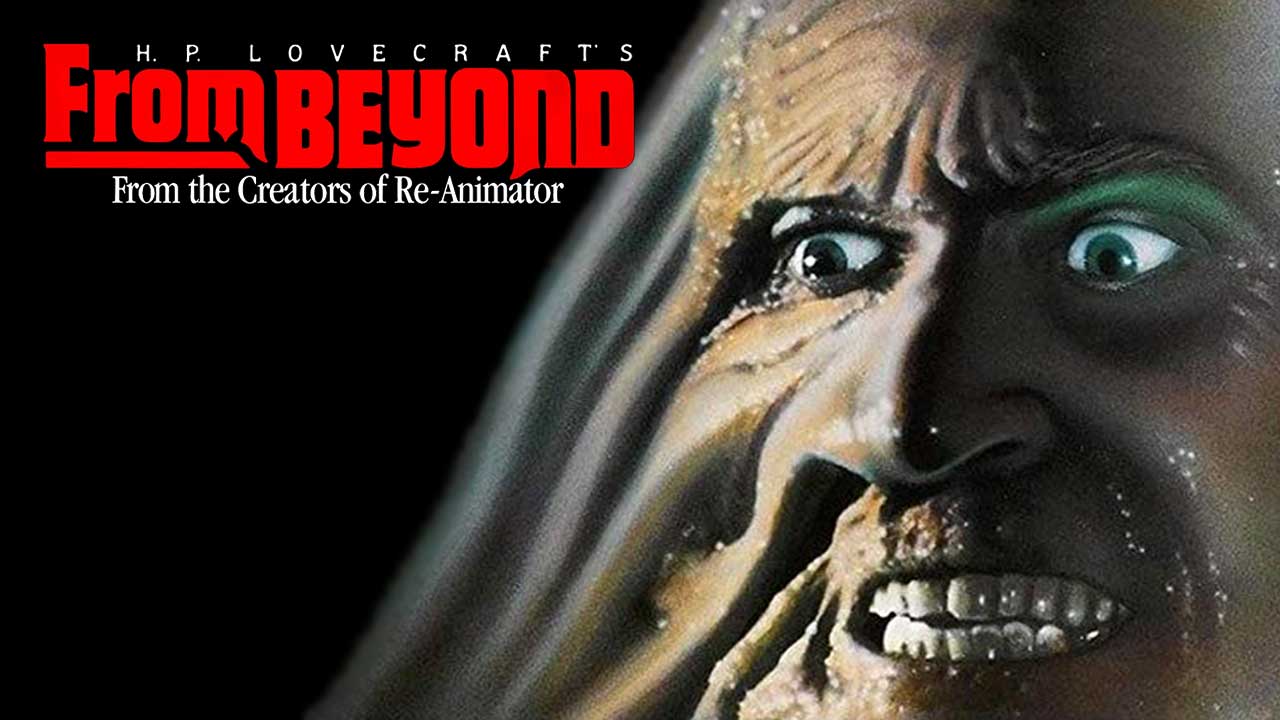
    [et_pb_section fb_built=”1″ _builder_version=”4.16″ global_colors_info=”{}”][et_pb_row column_structure=”2_3,1_3″ _builder_version=”4.16″ global_colors_info=”{}”][et_pb_column type=”2_3″ _builder_version=”4.16″ global_colors_info=”{}”][et_pb_text _builder_version=”4.16″ global_colors_info=”{}”]While not a massive hit, Re-Animator was one of Empire’s more successful films, grossing $2 million against a $900,000 budget. Also, the film received positive reviews from critics, including Roger Ebert, who awarded it three out of four stars. Following the success, Stuart Gordon was given a three-picture deal, the first of which would be another Lovecraft adaptation. A sequel to Re-Animator was tossed around, but executive producer Charles Band was unsure about the idea at the time. Instead, it was decided by Gordon, co-writer Dennis Paoli, and co-writer/producer Brian Yuzna decided to adapt another Lovecraft work. Much of the cast/crew from Re-Animator would be brought back, including actors Barbara Crampton and Jeffrey Combs. Whereas the last film was filmed in Los Angeles, this would be filmed in Rome at the recently-acquired Dinocitta studios. So, in 1986, Stuart Gordon’s sophomoric effort, From Beyond, was released.

    [/et_pb_text][/et_pb_column][et_pb_column type=”1_3″ _builder_version=”4.16″ global_colors_info=”{}”][et_pb_circle_counter title=”Rating” number=”90″ bar_bg_color=”#7CDA24″ _builder_version=”4.16″ global_colors_info=”{}”][/et_pb_circle_counter][/et_pb_column][/et_pb_row][et_pb_row _builder_version=”4.16″ global_colors_info=”{}”][et_pb_column type=”4_4″ _builder_version=”4.16″ global_colors_info=”{}”][et_pb_text _builder_version=”4.27.4″ global_colors_info=”{}”]

    Synopsis

    Physicist Crawford Tillinghast (Jeffrey Combs) has been assisting Dr. Edward Pretorius (Ted Sorel) in building a machine called The Resonator. The machine is designed to stimulate the pineal gland, which will allow those near the machine to see beyond reality. Something goes wrong and strange interdimensional creatures kill Pretorius, though Crawford escapes, only to end up in a mental institution. Psychiatrist Katherine McMichaels (Barbara Crampton) takes him into her care and intends to recreate the experiments that got Pretorius killed. Accompanied by football player turned detective Bubba Brownlee (Ken Foree), they return to Pretorius’ mansion and reactivate The Resonator. In addition to the strange creatures from before, they also see Pretorius, but he’s now become one with the creatures. While Crawford and Bubba want to either destroy the machine or leave, Katherine is determined, believing this may cure schizophrenia. Will our heroes survive, or will Katherine’s obsession be their downfall?


    Review

    Compared to the previous film, From Beyond isn’t quite as good, but it’s an impressive film in its own right. While they’ve essentially swapped roles, Barbara Crampton and Jeffrey Combs give terrific performances, able to deliver some ridiculous lines convincingly. Much like in Dawn of the Dead, Ken Foree is very entertaining as the comedic heart of the film. Thankfully, his humor never ruins some of the more serious scenes, and he knows when it’s appropriate for the moment. Similar to David Gale’s Dr. Hill in Re-Animator, Ted Sorel completely steals the show as the evil mad scientist. Even when he has to work with layers upon layers of makeup, he gives a very commanding performance. Also noteworthy is Carolyn Purdy-Gordon as the frigid Dr. Bloch, who has a pretty grisly and memorable death scene. It’s even funnier considering she was, and is still, married to the film’s director.

    In addition to the great cast, the special effects are something to behold, clearly showing the larger budget they had. Designed by the late great John Carl Buechler, the makeup and creature effects perfectly capture the cosmic horror of Lovecraft. Admittedly, some of the opticals stick out, but the rest of the effects still hold up over 30 years later. Though From Beyond lacks the over-the-top dark humor and gore of Re-Animator, the more serious tone works well here. Since the original short story is only seven pages long, everything after the pre-credits sequence acts as a sequel. In lesser hands, this would’ve failed, but given the talent behind the film, they manage to retain a Lovecraftian tone. This clearly shows how Stuart Gordon improved as a director following his impressive debut, given some of the filming conditions. Overall, From Beyond works as a Re-Animator follow-up and a standalone film.


    Buy From Beyond on Amazon: https://amzn.to/3CkGkCI.

    Disclosure: The above link is an affiliate link, which means that, at zero cost to you, I will earn a commission if you click through the link and finalize a purchase. 

    [/et_pb_text][et_pb_code _builder_version=”4.27.4″ _module_preset=”default” hover_enabled=”0″ global_colors_info=”{}” sticky_enabled=”0″]

    Where to watch From Beyond (1986)

    data-api-key=”LMVDLdLSH5ZJnQ4FMGMgyJCB8cmGbfCV” data-object-type=”Movie” data-title=”From Beyond” data-year=”1986″ data-theme=”light”>

    [/et_pb_code][/et_pb_column][/et_pb_row][/et_pb_section]