
Facebook

FilmNerd

Category: Classics

  • Aliens (1986)

    Aliens (1986)

    [et_pb_section fb_built=”1″ _builder_version=”4.9.4″ _module_preset=”default”][et_pb_row column_structure=”2_3,1_3″ _builder_version=”4.9.4″ _module_preset=”default”][et_pb_column type=”2_3″ _builder_version=”4.9.4″ _module_preset=”default”][et_pb_text _builder_version=”4.9.4″ _module_preset=”default”]

    On a budget of roughly $11 million, Alien grossed between $150-$200 million at the box office despite receiving mixed reviews. Overtime, the film has since been reevaluated and is now considered one of the greatest sci-fi films of all time. With its success, Brandywine was eager to produce a sequel, but 20th Century Fox claimed that the film actually lost money. This led to Brandywine suing Fox over not receiving profits for the film, which was eventually resolved in 1983. In searching for a screenwriter to pen the screenplay, Brandywine found a then up-and-coming James Cameron, who loved the original. Cameron wanted his film to be a true follow-up, not a remake, and incorporate his work on Galaxy of Terror. After The Terminator became a huge hit in 1984, Fox was convinced to allow Cameron the chance to direct. Following a long delayed production, Aliens was released in July 1986.

    [/et_pb_text][/et_pb_column][et_pb_column type=”1_3″ _builder_version=”4.9.4″ _module_preset=”default”][et_pb_circle_counter title=”Rating” number=”95″ bar_bg_color=”#7CDA24″ _builder_version=”4.9.4″ _module_preset=”default”][/et_pb_circle_counter][/et_pb_column][/et_pb_row][et_pb_row _builder_version=”4.9.4″ _module_preset=”default”][et_pb_column type=”4_4″ _builder_version=”4.9.4″ _module_preset=”default”][et_pb_text _builder_version=”4.9.4″ _module_preset=”default”]

    Synopsis

    57 years after the first film, Ellen Ripley (Sigourney Weaver) is awoken from her hyper-sleep by her employers, Weyland-Yutani. She learns that LV-426, the planet where her crew found the derelict spacecraft, has been terraformed and colonized. When the company loses contact with the colony, representative Carter Burke (Paul Reiser) and Lieutenant Gorman (William Hope) see Ripley. They ask her to accompany them along with a team of colonial marines to investigate the colony as an advisor. She agrees on the condition that they destroy the Xenomorphs, which Burke agrees to, so they set off for LV-426. Upon arrival, they find the colony largely deserted, but soon, the marines are picked off one by one. Ripley, Burke, Gorman, Hicks (Michael Biehn), Hudson (Bill Paxton), Vasquez (Jenette Goldstein), and Bishop (Lance Henriksen) are the only survivors. With very limited resources, who will survive against the threat of the aliens?


    Review

    Aliens is one of those rare examples of a sequel being just as good as the original film. While having a different tone from the original, it still feels like it takes place within the same universe. Given the scope of the production, it’s crazy to think that the film was made on an $18.5 million budget. This can be attributed to Cameron and his crew working with Roger Corman and learning how to stretch a budget. In fact, you can see many similarities between what he did on Galaxy of Terror and what he did here. From the planet’s landscape to the design of the marines’ equipment, it’s clear Cameron perfected what he learned under Corman. While this is more action than horror, Cameron manages to add some tense and suspenseful moments akin to the original. At the same time, he stages some amazingly exciting action sequences.

    Acting-wise, everyone is delivering 100%, starting with Sigourney Weaver, who further expands her Ellen Ripley role and is much stronger. Michael Biehn, Bill Paxton, Jenette Goldstein, and Lance Henriksen are all exceptional in their roles and have some memorable lines. Paul Reiser is also memorable as the corporate slimeball Burke, who initially seems trustworthy, but soon reveals his true intentions. Lastly, Carrie Henn does a good job as Newt, a young girl traumatized by witnessing her family’s deaths. The creature design from Stan Winston is a solid update of what H.R. Giger started back in 1979. The film also expands on the lore of the first film, including the introduction of the Alien Queen. Whether you watch the theatrical or director’s cut, this is an impressive sci-fi/action film and one of Cameron’s best. Overall, Aliens builds off what the original film started and stands as an excellent sequel.


    Buy Aliens from Amazon: https://amzn.to/32MT402

    [/et_pb_text][/et_pb_column][/et_pb_row][/et_pb_section]

  • Elite Squad (2007)

    Elite Squad (2007)

    [et_pb_section fb_built=”1″ _builder_version=”4.16″ _module_preset=”default” global_colors_info=”{}”][et_pb_row column_structure=”2_3,1_3″ _builder_version=”4.16″ _module_preset=”default” global_colors_info=”{}”][et_pb_column type=”2_3″ _builder_version=”4.16″ _module_preset=”default” global_colors_info=”{}”][et_pb_text _builder_version=”4.16″ _module_preset=”default” global_colors_info=”{}”]

    After attending Oxford University, up-and-coming filmmaker José Padilha started his production company, Zazen Produções, in 1997 with classmate Marcos Prado. Padilha’s first film was the 2002 documentary Bus 174, about a bus hijacking in his hometown of Rio de Janeiro. The film was a critical and commercial success, winning numerous awards and ending up on several best film lists. However, the film was not without controversy, some feeling that Padilha was sympathizing with the criminals and demonizing the police. For his next film, Padilha turned to Elite da Tropa, a book about the Batalhão de Operações Policiais Especiais (BOPE). The BOPE are essentially the Brazilian equivalent of the American SWAT, only they’re considered more aggressive and brutal. Rodrigo Pimentel, who co-wrote the original book, penned the script with Padilha and City of God writer Bráulio Mantovani. Despite being leaked online before release, Elite Squad was released in October 2007.

    [/et_pb_text][/et_pb_column][et_pb_column type=”1_3″ _builder_version=”4.16″ _module_preset=”default” global_colors_info=”{}”][et_pb_circle_counter title=”Rating” number=”85″ bar_bg_color=”#7CDA24″ _builder_version=”4.16″ _module_preset=”default” global_colors_info=”{}”][/et_pb_circle_counter][/et_pb_column][/et_pb_row][et_pb_row _builder_version=”4.16″ _module_preset=”default” global_colors_info=”{}”][et_pb_column type=”4_4″ _builder_version=”4.16″ _module_preset=”default” global_colors_info=”{}”][et_pb_text _builder_version=”4.27.4″ _module_preset=”default” hover_enabled=”0″ global_colors_info=”{}” sticky_enabled=”0″]

    Synopsis

    In 1997 Rio de Janeiro, Captain Nascimento (Wagner Moura) is an elite BOPE officer who’s looking for a replacement. Not only is the stress getting to him, but his wife Rosane (Maria Ribeiro) is pregnant with their first child. Coincidentally, BOPE is putting together an operation to secure the slums at Morro do Turano in preparation for the Pope. Meanwhile, longtime friends André Matias (André Ramiro) and Neto Gouveia (Caio Junqueira) join the police force, unaware of the corruption. Turns out the majority of the police force is paying off the local gangs, extorting protection money, and even stealing. Seeing the corruption firsthand, Matias and Neto decide to join BOPE alongside Captain Fabio (Milhem Cortaz), who’s a corrupt cop. Despite a gruesome training course, Matias and Neto pass, making Nascimento confident in finding a suitable replacement. However, all that training can’t prepare our heroes for what’s coming.


    Review

    Elite Squad has divided audiences since its release, and it’s easy to see why it earned such controversy. Every criminal is treated as the lowest form of scum and the BOPE are seen as good and virtuous. Additionally, the police aren’t shown in the brightest light, either screwing over each other or turning a blind eye. However, the point the film is trying to get across is how life in Rio de Janeiro can be unforgiving. It shows how a broken system can lead to violence and corruption, and how extreme measures must be taken. While we’re shown the BOPE taking out drug dealers, there’s also a grey moral area to what they do. We see them torturing suspects, verbally and physically assaulting people, and kill criminals and cops without a second thought. It makes you question just who the real good guys are.

    In terms of filmmaking, some might be put off by the shakiness of the handheld camera and quick-cut editing. Still, this helps add a sense of intensity and uneasiness throughout, putting you right in the middle of the action. You start to feel just how on-edge and stressed-out the characters are with how up-close and personal the film gets. In a way, it’s somewhat similar to RoboCop, but here it’s presented in a more realistic and less fantastical setting. It’s easy to see how this launched Padilha into superstardom as a director and how he moved onto bigger projects. Acting-wise, everyone delivers an excellent performance, with Wagner Moura, André Ramiro, and Caio Junqueira easily giving the best performances. As stated before, you’ll either love or hate this film depending on your ideologies, but regardless, it’s still powerful. Overall, Elite Squad is an engaging and haunting depiction of life in Brazil.


    Buy Elite Squad from Amazon: https://amzn.to/3mruz1o.

    Disclosure: The above link is an affiliate link, which means that, at no additional cost, I will earn a commission if you click through the link and make a purchase.

    [/et_pb_text][et_pb_code _builder_version=”4.27.4″ _module_preset=”default” hover_enabled=”0″ sticky_enabled=”0″]

    Where to watch Elite Squad (2007)

    data-api-key=”LMVDLdLSH5ZJnQ4FMGMgyJCB8cmGbfCV” data-object-type=”Movie” data-title=”Elite Squad” data-year=”2007″ data-theme=”light”>

    [/et_pb_code][/et_pb_column][/et_pb_row][/et_pb_section]

  • The Karate Kid (1984)

    The Karate Kid (1984)

    [et_pb_section fb_built=”1″ fullwidth=”on” _builder_version=”4.5.6″ _module_preset=”default” custom_margin=”||||false|false”][et_pb_fullwidth_header title=”Special Review” subhead=”This review was requested by Discord user BodaciousCNO. If you’d like to join the server, click the button below.” text_orientation=”center” button_one_text=”Visit Discord” button_one_url=”https://discord.gg/sKBSX7u” background_overlay_color=”#8300E9″ _builder_version=”4.9.2″ _module_preset=”default” custom_margin=”||||false|false” custom_padding=”25px||25px||false|false” hover_enabled=”0″ title_level=”h2″ sticky_enabled=”0″][/et_pb_fullwidth_header][/et_pb_section][et_pb_section fb_built=”1″ _builder_version=”4.6.5″ _module_preset=”default”][et_pb_row column_structure=”2_3,1_3″ _builder_version=”4.6.5″ _module_preset=”default”][et_pb_column type=”2_3″ _builder_version=”4.6.5″ _module_preset=”default”][et_pb_text _builder_version=”4.9.2″ _module_preset=”default” hover_enabled=”0″ sticky_enabled=”0″]

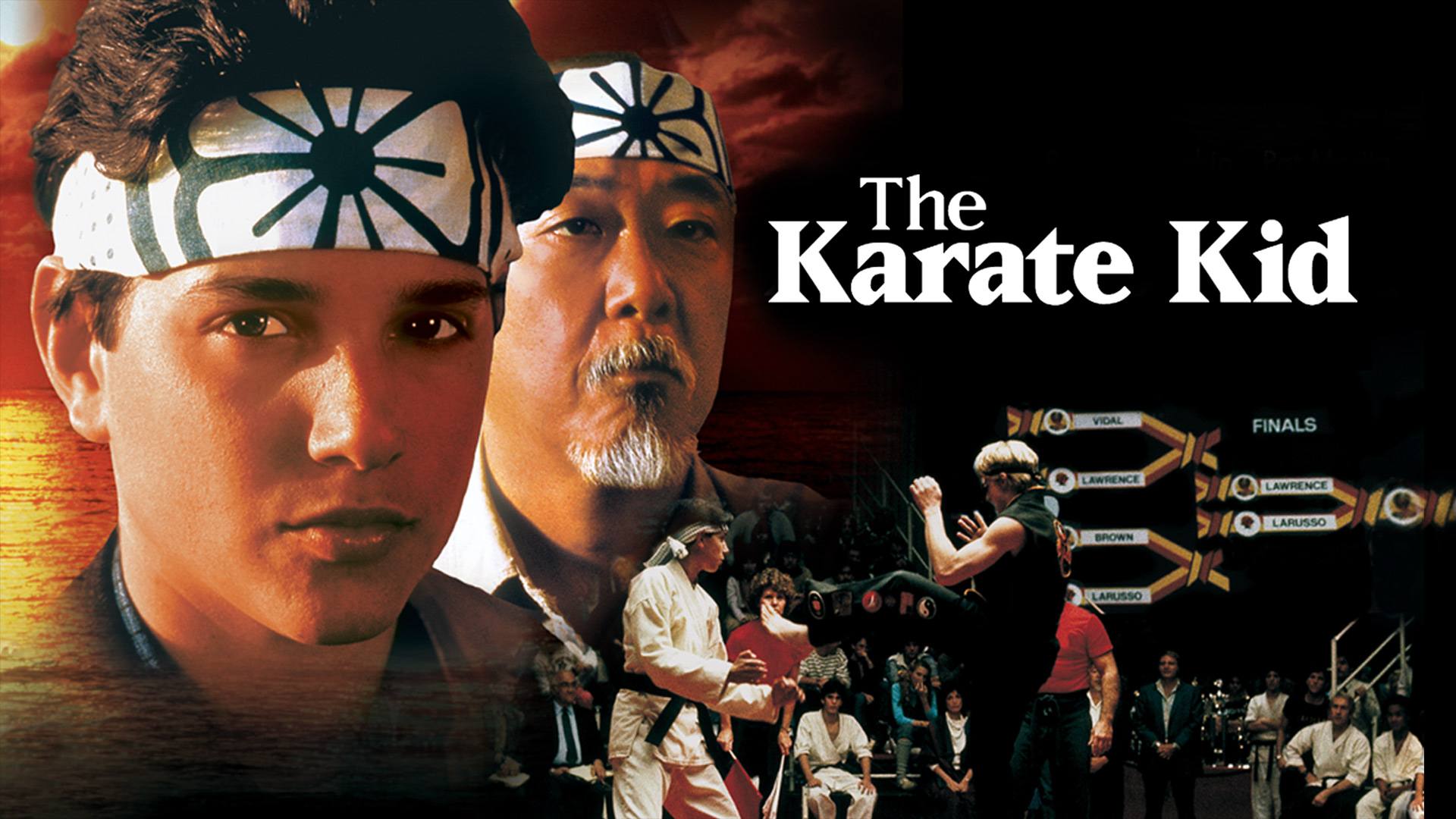
    At age seventeen, screenwriter Robert Mark Kamen was assaulted by bullies, so he started studying martial arts to defend himself. His first teacher tried training him to use martial arts for violence and revenge, so Kamen switched teachers. His second teacher was a Japanese man who didn’t speak English but was a practitioner of Chōjun Miyagi. Years later, his mentor Frank Price introduced him to producer Jerry Weintraub, whose credits included NashvilleOh, God! and Diner. Weintraub had optioned an article about a single mother’s kid who earned a black belt to defend himself against bullies. Kamen decided to combine elements of his own life and the article into a screenplay that Weintraub would produce. They hired John G. Avildsen, who had earned an Oscar for Best Director for the 1976 classic Rocky. After a roughly three-month shoot, The Karate Kid was released in June of 1984.

    [/et_pb_text][/et_pb_column][et_pb_column type=”1_3″ _builder_version=”4.6.5″ _module_preset=”default”][et_pb_circle_counter title=”Rating” number=”90″ bar_bg_color=”#7CDA24″ _builder_version=”4.9.2″ _module_preset=”default”][/et_pb_circle_counter][/et_pb_column][/et_pb_row][et_pb_row _builder_version=”4.6.5″ _module_preset=”default”][et_pb_column type=”4_4″ _builder_version=”4.6.5″ _module_preset=”default”][et_pb_text _builder_version=”4.9.2″ _module_preset=”default” hover_enabled=”0″ sticky_enabled=”0″]

    Synopsis

    Daniel LaRusso (Ralph Macchio) and his mother Lucille (Randee Heller) have just moved from Newark to Los Angeles. He befriends high school cheerleader Ali Mills (Elisabeth Shue), much to the ire of her ex-boyfriend Johnny Lawrence (William Zapka). Over time, Johnny and his gang, the Cobra Kais, continue to bully Daniel, so he decides to practice karate. During one beating, Daniel is saved by Mr. Miyagi (Noriyuki “Pat” Morita), who works as a handyman at his apartment. Daniel asks Miyagi to train him, but he instead takes him to the Cobra Kai dojo to resolve the conflict. The sensei, John Kreese (Martin Kove), turns them down but agrees to a deal so Daniel will be left alone. Miyagi will train Daniel for an upcoming karate tournament so he can fight the Cobra Kai on equal terms. With so little time, Miyagi’s gonna have to whip Daniel into shape.


    Review

    From how I summarized the plot, The Karate Kid comes off as somewhat cliche and something we’ve all heard before. Of course, there’s the fact that it’s from the director of Rocky, which shares a very similar plot. However, its predictability is more so a product of how there have been so many similar films made since then. What helps is that this film works not only as an underdog story but also as a coming-of-age story. Daniel goes through the sort of issues many teens do: bullying, rejection, feeling isolated and alone, and acting out. Ralph Macchio plays the part like an actual teenager, not so much that he’s annoying but enough that’s he likable. However, Pat Morita steals the show as the wise yet eccentric Mr. Miyagi, who has great chemistry with Macchio. Despite not having many lines, he has some of the most quotable lines.

    Martin Kove does a great job as the villainous John Kreese, relishing every moment he gets to intimidate people. William Zapka works as the prototypical bully, but even he cowers beneath Martin Kove and has moments of fear. Though she isn’t given much to do, Elisabeth Shue is a fine love interest and has good chemistry with Macchio. Additionally, there are some great appearances from notable character actors like Larry Drake, Frances Bay, and Larry B. Scott. The soundtrack has some memorable tunes, including “Cruel Summer”, “Moment of the Truth”, and the iconic “You’re The Best.” Speaking of, Bill Conti’s score helps accentuate the mood, whether it’s the calmer training scenes or the intense championship. For over 30 years, this film has remained a classic of 80s cinema, and it more than deserves that status. Overall, The Karate Kid is one of the ultimate feel-good movies


    Buy The Karate Kid from Amazon: https://amzn.to/3vNla8C

    [/et_pb_text][/et_pb_column][/et_pb_row][/et_pb_section]
  • 12 Angry Men (1957)

    12 Angry Men (1957)

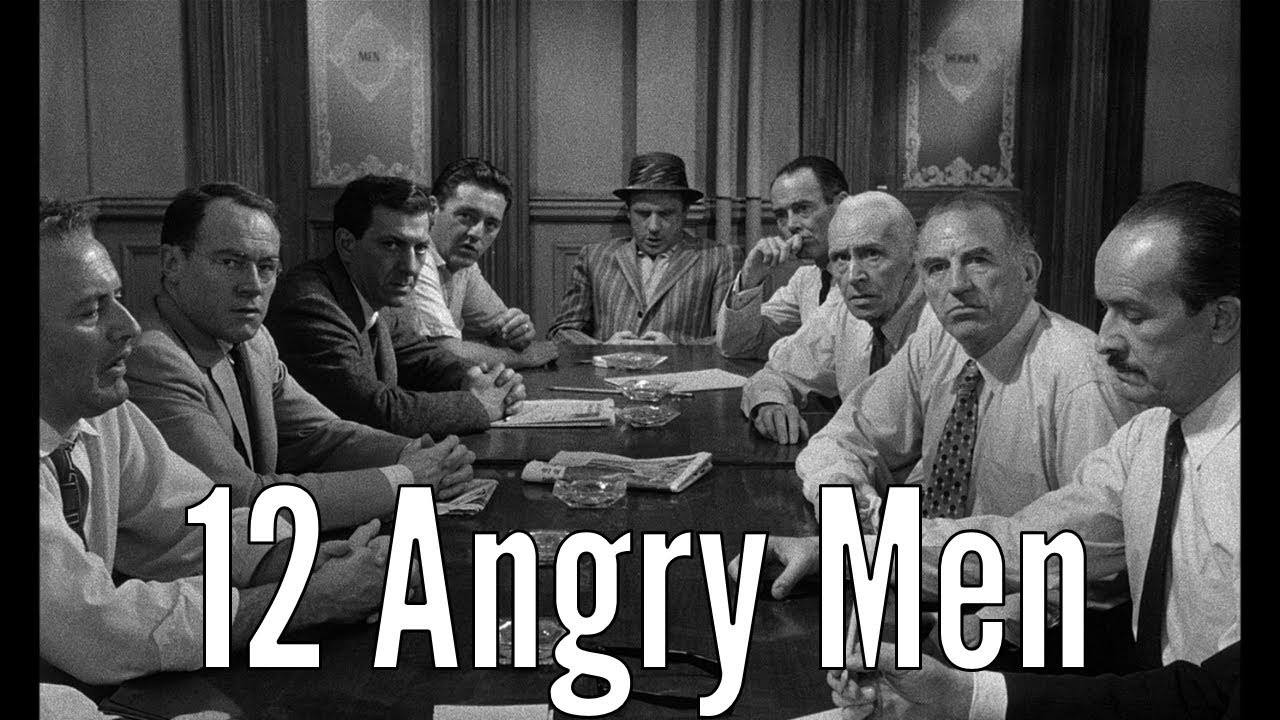
    [et_pb_section fb_built=”1″ _builder_version=”4.16″ _module_preset=”default” global_colors_info=”{}”][et_pb_row column_structure=”2_3,1_3″ _builder_version=”4.16″ _module_preset=”default” global_colors_info=”{}”][et_pb_column type=”2_3″ _builder_version=”4.16″ _module_preset=”default” global_colors_info=”{}”][et_pb_text _builder_version=”4.16″ _module_preset=”default” global_colors_info=”{}”]Writer Reginald Rose wrote a screenplay based on his experiences serving jury duty that explored the drama that ensued. Rose was writing for the dramatic anthology series Studio One when his screenplay was sold to them for adaptation. In 1954, the screenplay was adapted for the show’s seventh season directed by Franklin J. Schaffner and starring Robert Cummings. The teleplay was a success, earning three Emmy awards for Best Writer (Rose), Best Director (Schaffner), and Best Actor (Cummings). Following its success, the screenplay was adapted to film, with Rose writing the script and co-producing with star Henry Fonda. They hired Sidney Lumet to direct what became his first feature film due to his work on television. With a low budget of roughly $337,000 and a relatively small cast, Lumet set out to direct this film adaptation. In 1957, Lumet’s adaptation of 12 Angry Men was released to theaters.

    [/et_pb_text][/et_pb_column][et_pb_column type=”1_3″ _builder_version=”4.16″ _module_preset=”default” global_colors_info=”{}”][et_pb_circle_counter title=”Rating” number=”100″ bar_bg_color=”#7CDA24″ _builder_version=”4.16″ _module_preset=”default” global_colors_info=”{}”][/et_pb_circle_counter][/et_pb_column][/et_pb_row][et_pb_row _builder_version=”4.16″ _module_preset=”default” global_colors_info=”{}”][et_pb_column type=”4_4″ _builder_version=”4.16″ _module_preset=”default” global_colors_info=”{}”][et_pb_text _builder_version=”4.27.2″ _module_preset=”default” hover_enabled=”0″ global_colors_info=”{}” sticky_enabled=”0″]

    Synopsis

    An 18-year-old Hispanic man (John Savoca) is on trial for first-degree murder, having supposedly stabbed his father to death. After being read the details and shown the evidence, the jury is sent off to determine a verdict. The verdict must be unanimous, meaning all twelve members must decide on whether the defendant is guilty or not guilty. Initially, all the jurors vote ‘guilty’ except for Juror #8 (Henry Fonda), who’s unsure if the defendant committed the murder. Over the course of the next few hours, the jurors go back and forth questioning the evidence and their votes. Tensions rise as the men argue with each other, compounded by the sweltering heat while confined in a single space. As time goes by, the vote sways towards ‘not guilty, much to the chagrin of some of the other jurors. Soon, the men will examine not only the case but on themselves.


    Review

    Although not a financial success at the time, 12 Angry Men has gone done in history as classic American cinema. This film absolutely deserves its status given how powerful the material is and the themes that are explored. First off, every member of the principal cast, namely the twelve jurors, each give an amazing and career-defining performance. Henry Fonda gives a very grounded and sympathetic performance as the outlier and the one who sets everything in motion. Lee J. Cobb also shines as the polar opposite of Fonda, determined to see the defendant get the chair. Watching him getting more and more frustrated while Fonda remains calm and collected is worth the price of admission alone. The rest of the cast, featuring Jack Warden, E. G. Marshall, Martin Balsam, and Jack Klugman amongst others also shine. There isn’t a single cast member who gives a subpar performance.

    What also makes the film stand out is the direction from Sidney Lumet, who became a celebrated filmmaker later on. He keeps the action moving given it’s set primarily in one location with plenty of tracking shots and wide angles. Its single setting also helps make you feel like you’re right there with them as the heat gets to them. With a roughly 90-minute runtime, the film moves at a solid pace and never feels bogged down by unnecessary padding. The film explores plenty of issues that are still relevant, such as prejudice, bias, and coming together despite different backgrounds. The fact that none of the characters are given names also adds to the realism, like they could be anyone. It’s one of the most well-made, well-acted, and well-written American dramas of all-time that everyone should see at least once. Overall, 12 Angry Men is a classic of American cinema.


    Buy 12 Angry Men from Amazon: https://amzn.to/40uRleY.

    Disclosure: The above link is an affiliate link, which means that, at zero cost to you, I will earn a commission if you click through the link and finalize a purchase.

    [/et_pb_text][/et_pb_column][/et_pb_row][/et_pb_section]
  • Ebirah, Horror of the Deep (1966)

    Ebirah, Horror of the Deep (1966)

    [et_pb_section fb_built=”1″ _builder_version=”4.16″ _module_preset=”default” global_colors_info=”{}”][et_pb_row column_structure=”2_3,1_3″ _builder_version=”4.16″ _module_preset=”default” global_colors_info=”{}”][et_pb_column type=”2_3″ _builder_version=”4.16″ _module_preset=”default” global_colors_info=”{}”][et_pb_text _builder_version=”4.16″ _module_preset=”default” global_colors_info=”{}”]

    Following the release of Invasion of Astro-Monster, Toho decided to start working on a new King Kong movie. Originally titled Operation Robinson Crusoe: King Kong vs. Ebirah, Rankin/Bass Productions rejected it and Godzilla was added instead. After directing the previous four entries, Ishiro Honda stepped down and Jun Fukuda stepped in the director’s chair. This entry was given a much lower budget than the previous films, as Toho wanted to cut back on expenses. For instance, instead of being set in Tokyo, the setting was changed to an island in the Pacific. Also, many actors from previous Godzilla films, including Akira Takarada and Kumi Mizuno, returned to play completely different characters. Sadamasa Arikawa, who directed the special effects, noted how frustrating the experience was given the limited budget. Finally, 1966 saw the release of Ebirah, Horror of The Deep, aka Godzilla vs. the Sea Monster.

    [/et_pb_text][/et_pb_column][et_pb_column type=”1_3″ _builder_version=”4.16″ _module_preset=”default” global_colors_info=”{}”][et_pb_circle_counter title=”Rating” number=”75″ bar_bg_color=”#EDF000″ _builder_version=”4.16″ _module_preset=”default” global_colors_info=”{}”][/et_pb_circle_counter][/et_pb_column][/et_pb_row][et_pb_row _builder_version=”4.16″ _module_preset=”default” global_colors_info=”{}”][et_pb_column type=”4_4″ _builder_version=”4.16″ _module_preset=”default” global_colors_info=”{}”][et_pb_text _builder_version=”4.27.4″ _module_preset=”default” hover_enabled=”0″ global_colors_info=”{}” sticky_enabled=”0″]

    Synopsis

    Ryota (Tôru Watanabe) is searching for his brother after he’s lost at sea following a boating accident. He steals a yacht with his friends Ichino (Chotaro Togin) and Nita (Hideo Sunazuka) alongside bank robber Yoshimura (Akira Takarada). They end up stranded on a remote island being run by the Red Bamboo, led by Captain Yamoto (Akihiko Hirata). Turns out the Red Bamboo has enslaved the locals and has a monster known as Ebirah under their control. With help from a local girl named Daiyo (Kumi Mizuno), they find Godzilla trapped in a cave. Using a makeshift lightning rod, they awaken Godzilla to fight off the Red Bamboo and take on Ebirah. Soon enough, Ryota is reunited with his brother Yata (Toru Ibuki) and they try to escape the island. Mothra also arrives to save the locals and our heroes, as well as fight off Godzilla before the island explodes.


    Review

    Often considered one of the lesser entries in the series, Ebirah, Horror of the Deep is more a middle-of-the-road entry. Compared to King Ghidorah, Mothra, and Rodan, Ebirah is a fairly uninteresting monster, basically just a jumbo shrimp. On top of that, Godzilla doesn’t do anything until the 50-minute mark, and even then, the fight isn’t that exciting. Still, there are some amusing moments, such as one where Godzilla and Ebirah play catch with a boulder. Also, while it’s great seeing Mothra make a return, her role in this is more or less a cameo. You can tell this was originally a King Kong movie given how differently Godzilla acts in this film. Like Kong, he’s found in a cave, awoken by lightning, and has an odd attraction to the female lead. It makes me wonder what this movie would’ve been like had the main monster been King Kong instead.

    As far as the human plot goes, it’s definitely one of the more unique storylines in a Godzilla film. The addition of a corrupt paramilitary group enslaving an island’s natives is a nice touch that makes this stand out. It’s interesting how Akihiko Hirata, who portrayed Dr. Daisuke Serizawa in the original Godzilla, once again dons an eyepatch. Here, he plays a villain and gives a solid performance, and Kumi Mizuno from Invasion of Astro-Monster does solid work. The other cast members do their jobs well, but none of them really stand out aside from those mentioned earlier. While the effects are noticeably cheaper given the reduced budget, it’s still fun watching Godzilla trample over military vehicles. At an hour and 23 minutes, the film moves at a decent pace and provides decent kaiju entertainment. Overall, Ebirah, Horror of the Deep is a flawed but enjoyable entry in the series.


    Buy Ebirah, Horror of the Deep on Amazon: https://amzn.to/3efrqjg.

    Disclosure: The above link is an affiliate link, which means that, at no additional cost, I will earn a commission if you click through the link and make a purchase.

    [/et_pb_text][et_pb_code _builder_version=”4.27.4″ _module_preset=”default” hover_enabled=”0″ sticky_enabled=”0″]

    Where to watch Ebirah, Horror of the Deep (1966)

    data-api-key=”LMVDLdLSH5ZJnQ4FMGMgyJCB8cmGbfCV” data-object-type=”Movie” data-title=”Ebirah, Horror of the Deep” data-year=”1966″ data-theme=”light”>

    [/et_pb_code][/et_pb_column][/et_pb_row][/et_pb_section]

  • Happy Gilmore (1996)

    Happy Gilmore (1996)

    [et_pb_section fb_built=”1″ _builder_version=”4.9.0″ _module_preset=”default”][et_pb_row column_structure=”2_3,1_3″ _builder_version=”4.9.0″ _module_preset=”default”][et_pb_column type=”2_3″ _builder_version=”4.9.0″ _module_preset=”default”][et_pb_text _builder_version=”4.9.0″ _module_preset=”default”]

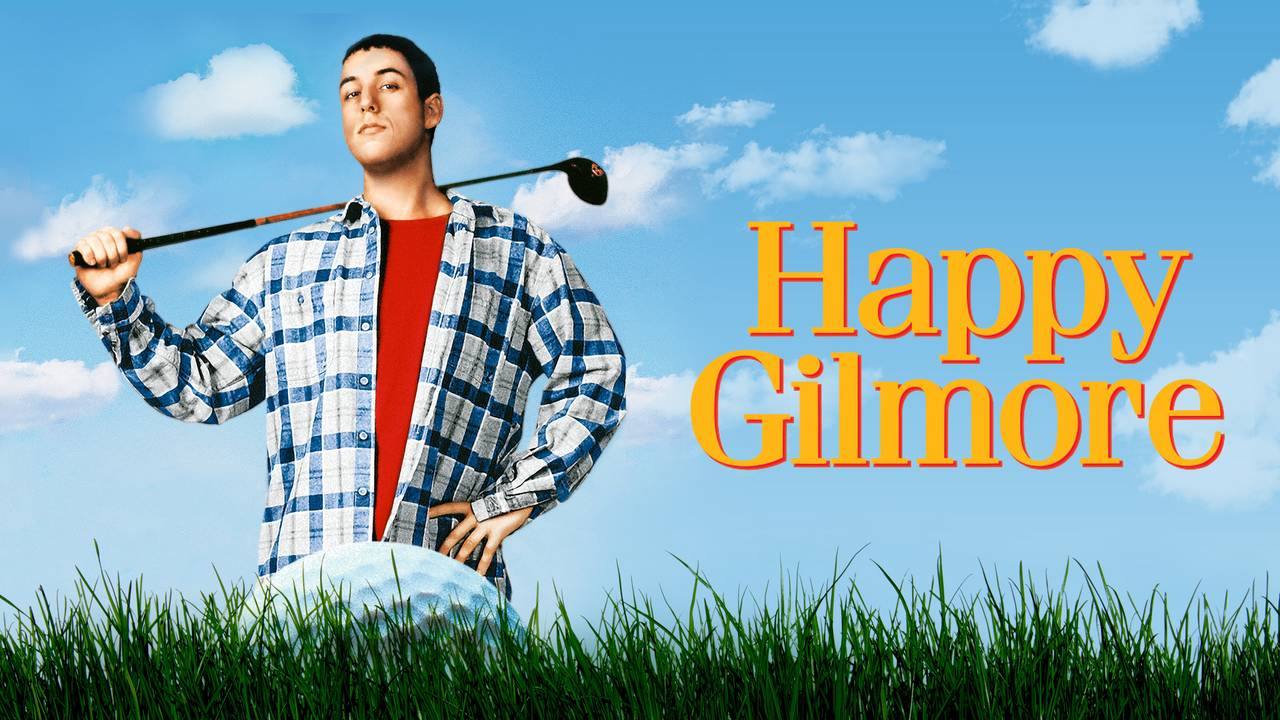
    At age 17, a young Adam Sandler first took at comedy clubs after his brother urged him to do so. This led to a small role on The Cosby Show and the lead in the mostly-forgotten comedy Going Overboard. However, his career took off when comedian Dennis Miller discovered him and introduced him to SNL producer Lorne Michaels. Sandler was hired as a writer in 1990, became a featured player the following year, and was a massive hit. After being fired in 1995, Sandler decided to pursue films, having previously appeared in supporting roles in Coneheads and Airheads. He scored a hit with Billy Madison, which he co-wrote with his college roommate and SNL writer Tim Herlihy. Following its success, Herlihy and Sandler started working on their next project, hiring actor-turned-director Dennis Dugan to helm the project. After a three-month shoot, February 1996 saw the release of Happy Gilmore.

    [/et_pb_text][/et_pb_column][et_pb_column type=”1_3″ _builder_version=”4.9.0″ _module_preset=”default”][et_pb_circle_counter title=”Rating” number=”80″ bar_bg_color=”#7CDA24″ _builder_version=”4.9.0″ _module_preset=”default”][/et_pb_circle_counter][/et_pb_column][/et_pb_row][et_pb_row _builder_version=”4.9.0″ _module_preset=”default”][et_pb_column type=”4_4″ _builder_version=”4.9.0″ _module_preset=”default”][et_pb_text _builder_version=”4.9.0″ _module_preset=”default”]

    Synopsis

    Happy Gilmore (Adam Sandler) is an aspiring hockey player whose life isn’t going anywhere and has serious anger issues. While visiting his grandmother (Frances Bay), he learns that the IRS is foreclosing on her house because of back taxes. He chats with the movers, who challenge him to a long-drive contest, and he hits the ball 400 yards away. Happy decides to hustle people at a golf range, where he runs into former pro golfer Chubbs Peterson (Carl Weathers). At Chubbs’ persistence, Happy enters into a local golf tournament, which he wins, getting a spot on the pro tour. Happy’s unorthodox skills and crass antics make him a fan favorite, which upsets pro golfer Shooter McGavin (Christopher McDonald). Meanwhile, Happy falls for Virginia Venit (Julie Bowen), who helps him take down Shooter and get his grandmother’s house back. Will Happy get the house back, or will Shooter shoot him down?


    Review

    Happy Gilmore is vulgar, crass, foul, and utterly stupid, but it’s also weirdly endearing and better than you’d expect. It’s got the tropes you’d see in future Sandler films: crude humor, rampant product placement, celebrity cameos, and SNL alumni. However, it’s not as bad here, probably because there’s a sort of innocence lacking in Sandler’s more recent comedies. It helps that the central motivation for Happy’s actions is trying to help someone close to him instead of himself. In terms of his direction, Dennis Dugan does a decent job, though it’s nothing too special or extraordinary. There are some cool POV shots of the goofball and some good use of filters for the dream sequences. Otherwise, it looks no different than your standard 90s comedy, though it’s not going for any artistic merit. It’s going for dumb, fun entertainment, and it mostly succeeds where it counts.

    As the hero, Adam Sandler does a good job, only mugging for the camera when appropriate, but is otherwise likable. Julie Bowen works as the love interest, and Frances Bay is incredibly sweet and lovable as the grandmother. However, it’s Christopher McDonald who absolutely steals the show as Shooter McGavin, chewing up as much scenery as he can. Carl Weathers also seems to be having fun as the old golf coach who acts as a wise sage. Richard Kiel and Bob Barker have some fun cameos, Barker especially since he gets to beat up Adam Sandler. Also, Ben Stiller has a brief but funny appearance as the orderly at the nursing home Happy’s grandmother stays at. At an hour and 33 minutes, the film goes by quickly and has a decent pace to keep you entertained. Overall, Happy Gilmore won’t appeal to everyone, but it’s a decent sports comedy.


    Buy Happy Gilmore from Amazon: https://amzn.to/3pOAJbY

    [/et_pb_text][/et_pb_column][/et_pb_row][/et_pb_section]
  • Invasion of Astro-Monster (1965)

    Invasion of Astro-Monster (1965)

    [et_pb_section fb_built=”1″ _builder_version=”4.16″ _module_preset=”default” global_colors_info=”{}”][et_pb_row column_structure=”2_3,1_3″ _builder_version=”4.16″ _module_preset=”default” global_colors_info=”{}”][et_pb_column type=”2_3″ _builder_version=”4.16″ _module_preset=”default” global_colors_info=”{}”][et_pb_text _builder_version=”4.16″ _module_preset=”default” global_colors_info=”{}”]

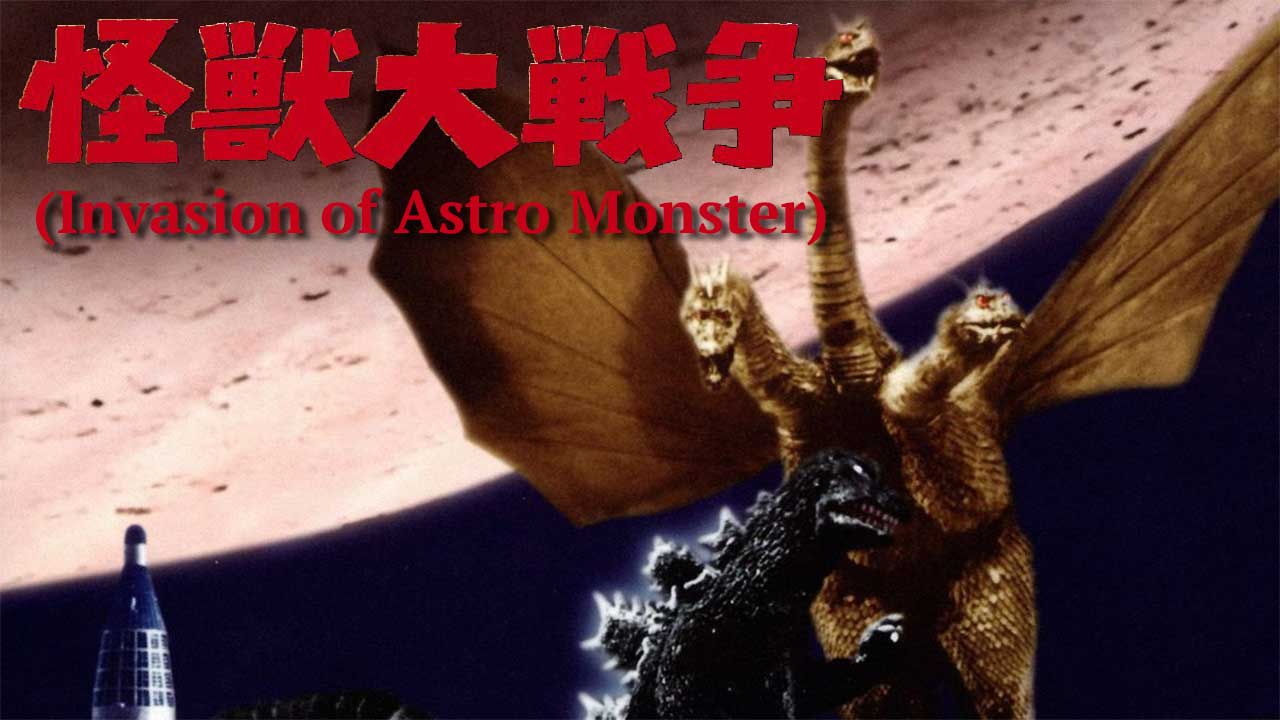
    United Productions of America, aka UPA, were famous for their Mr. Magoo and Dick Tracy animated shorts in the 1960s. However, the company wanted to move in a different direction, so producer Henry G. Saperstein was sent to Toho Studios. Given the popularity of the Godzilla films, UPA was hoping to acquire distribution rights to them in the USA. Saperstein ended up having tons of input in the production, from screenplay changes to casting American actor Nick Adams. Due to the lower budget, stock footage from previous films like RodanMothra, and Ghidorah, the Three-Headed Monster was incorporated. While the suits for Rodan and King Ghidorah were reused, the Godzilla suit used was newly built for the film. Series regular Ishiro Honda once again directed though he would step away from the franchise for some time. In late 1965, Invasion of Astro-Monster was released to Japanese theaters.

    [/et_pb_text][/et_pb_column][et_pb_column type=”1_3″ _builder_version=”4.16″ _module_preset=”default” global_colors_info=”{}”][et_pb_circle_counter title=”Rating” number=”80″ bar_bg_color=”#7CDA24″ _builder_version=”4.16″ _module_preset=”default” global_colors_info=”{}”][/et_pb_circle_counter][/et_pb_column][/et_pb_row][et_pb_row _builder_version=”4.16″ _module_preset=”default” global_colors_info=”{}”][et_pb_column type=”4_4″ _builder_version=”4.16″ _module_preset=”default” global_colors_info=”{}”][et_pb_text _builder_version=”4.27.4″ _module_preset=”default” hover_enabled=”0″ global_colors_info=”{}” sticky_enabled=”0″]

    Synopsis

    In the year 196X, astronauts Glenn (Nick Adams) and Fuji (Akira Takarada) are investigating the mysterious Planet X. There, they meet the Xiliens, a race of highly-intelligent humanoid aliens led by The Controller (Yoshio Tsuchiya). The Xiliens have been routinely attacked by what they call “Monster Zero”, which is actually King Ghidorah, and need help. They give the astronauts a message: if Earth allows them to borrow Godzilla and Rodan, they’ll offer a universal cure. Earth’s leaders agree to their teams, and the Xiliens take Godzilla and Rodan to Planet X to fight King Ghidorah. Unfortunately, the whole thing was a trick by the Xiliens to take control of Godzilla and Rodan to conquer Earth. As Earth is being attacked, our heroes must find a way to break the Xiliens’ control over the other monsters. Will our heroes succeed, or will the Xiliens rule over the Earth?


    Review

    Invasion of Astro-Monster, though again a major departure from what the series started as, is still a fun monster movie. Much like Ghidorah, the Three-Headed Monster, this offers an ensemble of Toho’s finest monsters pitted against one another. The fight scenes on Planet X and Earth are a spectacle, the Planet X fight memorable for Godzilla’s victory dance. As silly as it is, it’s odd going from the seriousness of the original Godzilla to such a sight. While it’s clear the Ghidorah and Rodan suits are reused, the new Godzilla suit looks good and streamlined. Though they’re working with a smaller budget, the effects still look solid, with plenty of miniatures and pyrotechnics. The destruction scenes, along with the fight scenes, are fun as always, and the design of Planet X is unique. Plus, the ridiculous outfits of the Xiliens add to the film’s goofy, campy charm.

    As far as the human characters go, the acting is solid all around, including American actor Nick Adams. Though he was added for American appeal, he does a good job and has great chemistry with his Japanese co-stars. Like the previous entries that he directed, Ishiro Honda manages to sneak some subtext in, namely being controlled by machines. Still, you can’t help but feel like he’s somewhat embarrassed to see his original symbol of destruction being more lighthearted. There’s also a subplot involving a Xilien woman sent as a spy who falls in love with Glenn added in. It further adds to the theme of people being controlled by machines and being able to break free. At roughly 90 minutes, the film goes by quickly, doesn’t overstay its welcome, and is enjoyable throughout. Overall, Invasion of Astro-Monster is goofy and silly, but still fun to watch.


    Buy Invasion of Astro-Monster from Amazon: https://amzn.to/3punQnf.

    Disclosure: The above link is an affiliate link, which means that, at no additional cost, I will earn a commission if you click through the link and make a purchase.

    [/et_pb_text][et_pb_code _builder_version=”4.27.4″ _module_preset=”default” hover_enabled=”0″ sticky_enabled=”0″]

    Where to watch Invasion of Astro-Monster (1965)

    data-api-key=”LMVDLdLSH5ZJnQ4FMGMgyJCB8cmGbfCV” data-object-type=”Movie” data-title=”Invasion of Astro-Monster” data-year=”1965″ data-theme=”light”>

    [/et_pb_code][/et_pb_column][/et_pb_row][/et_pb_section]
  • Dirty Dancing (1987)

    Dirty Dancing (1987)

    [et_pb_section fb_built=”1″ _builder_version=”4.8.1″ _module_preset=”default”][et_pb_row _builder_version=”4.8.1″ _module_preset=”default” column_structure=”2_3,1_3″][et_pb_column _builder_version=”4.8.1″ _module_preset=”default” type=”2_3″][et_pb_text _builder_version=”4.8.1″ _module_preset=”default” hover_enabled=”0″ sticky_enabled=”0″]

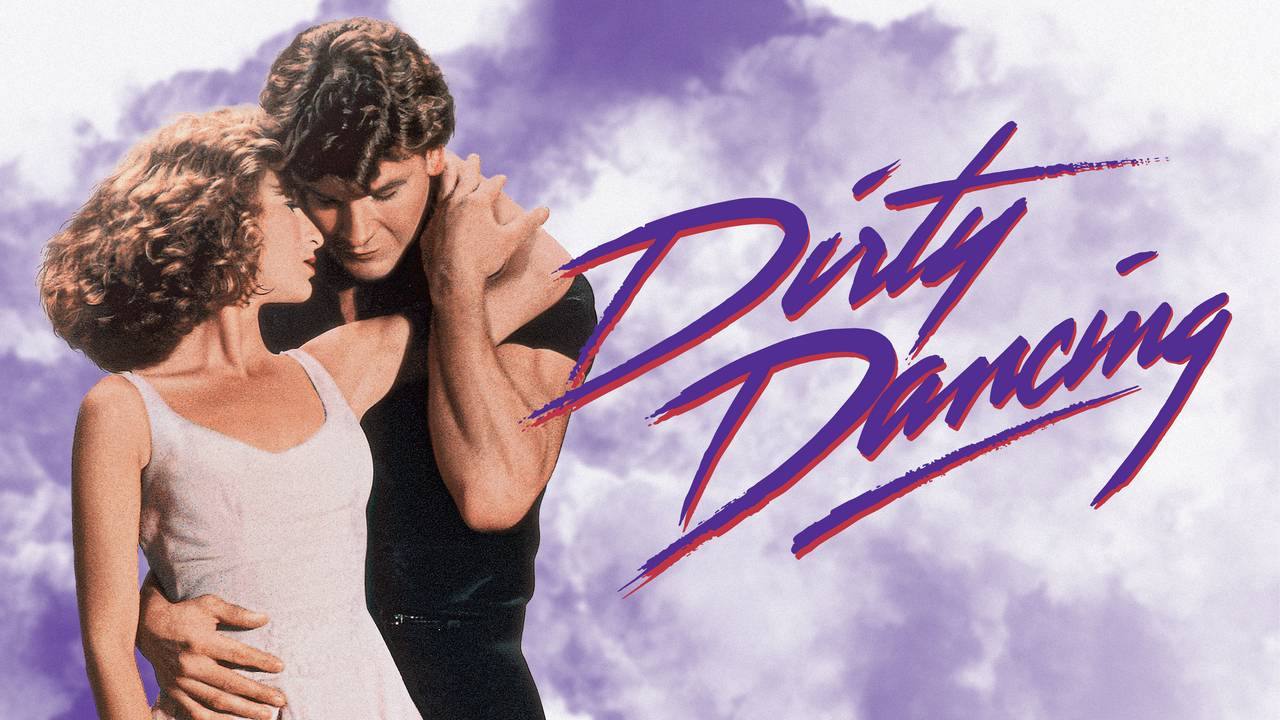
    In 1980, screenwriter Eleanor Bergstein was working on the script for It’s My Turn starring Michael Douglas and Jill Clayburgh. When the producers had an erotic dancing sequence cut, this prompted Bergstein to write a new story off of that. She decided to draw on her childhood memories of participating in dance competitions and traveling to the Catskills with family. Initially pitching it to MGM, the project was in limbo when Vestron Pictures picked it up for a reduced budget. Emile Ardolino, who won an Oscar for 1983’s He Makes Me Feel Like Dancin’, was chosen to direct. Kenny Ortega, who was trained by Gene Kelly, was hired to choreograph the film’s many elaborate dance scenes. For the leads, they hired Patrick Swayze and Jennifer Grey, who previously worked together on 1984’s Red Dawn. After an exhaustive 43 day shoot, Dirty Dancing was released to theaters in 1987.

    [/et_pb_text][/et_pb_column][et_pb_column _builder_version=”4.8.1″ _module_preset=”default” type=”1_3″][et_pb_circle_counter _builder_version=”4.8.1″ _module_preset=”default” title=”Rating” number=”85″ bar_bg_color=”#7CDA24″ hover_enabled=”0″ sticky_enabled=”0″][/et_pb_circle_counter][/et_pb_column][/et_pb_row][et_pb_row _builder_version=”4.8.1″ _module_preset=”default”][et_pb_column _builder_version=”4.8.1″ _module_preset=”default” type=”4_4″][et_pb_text _builder_version=”4.8.1″ _module_preset=”default” hover_enabled=”0″ sticky_enabled=”0″]

    Synopsis

    In 1963, Frances “Baby” Houseman (Jennifer Grey) is spending the summer on vacation with her family at Kellerman’s. While there, she sees the owner Max (Jack Weston) talking down to the staff, saying they romance the guests’ daughters. She soon makes her way to the staff quarters and meets Johnny Castle (Patrick Swayze), the head dance instructor. Despite not being welcome, she decides to help when she learns that Johnny’s dance partner Penny (Cynthia Rhodes) is pregnant. Because of this, however, Penny and Johnny can’t perform at a nearby resort, so Baby volunteers to help. While Johnny is initially reluctant and frustrated trying to teach her, he starts warming up to her despite her background. Unfortunately, their blossoming romance is interrupted by Baby’s father Jake (Jerry Orbach), and Johnny being threatened by his boss. But soon, their love endures and they have the time of their lives.


    Review

    Admittedly, Dirty Dancing is not my kind of movie, but I can see why it captivated so many people. It has a love story we’ve seen plenty of times before involving class warfare and two opposites coming together. It’s a format that’s timeless and has been used for centuries, dating back to Shakespeare’s Romeo and Juliet. Then again, much of the film was based on the real-life experiences of its writer, so it has that going. This gives the film a more personal quality given that some of the material stems from real life. Not only that, but it tackles issues that were considered taboo back in 1963 and even in 1987, namely abortion. Not many films in the 1980s covered this topic, so it’s certainly interesting seeing it tackled here. Then again, it is more a subplot to get the main plot going that’s quickly glossed over.

    Of course, what makes the film work as well as it does is its stars, Patrick Swayze and Jennifer Grey. They both give very strong performances and have phenomenal chemistry with each other, even if they had problems early on. It helps that they did much of the dancing themselves and had to go through weeks of training. That’s not to say the rest of the acting is bad, but everyone else gets overshadowed by Swayze and Grey. There are a few standouts, such as Cynthia Rhodes, Jerry Orbach, Jack Weston, and a pre-Jurassic Park Wayne Knight. The late Emile Ardolino does a great job filming the dance numbers, and Kenny Ortega’s choreography is on-point. Like I said before, I don’t normally cover this genre, but I can still tell this is a good one. Overall, Dirty Dancing deserves its status as a classic and timeless romance film.


    Buy Dirty Dancing from Amazon: https://amzn.to/3cbVY4x

    [/et_pb_text][/et_pb_column][/et_pb_row][/et_pb_section]
  • Ghidorah, the Three-Headed Monster (1964)

    Ghidorah, the Three-Headed Monster (1964)

    [et_pb_section fb_built=”1″ _builder_version=”4.16″ _module_preset=”default” global_colors_info=”{}”][et_pb_row column_structure=”2_3,1_3″ _builder_version=”4.16″ _module_preset=”default” global_colors_info=”{}”][et_pb_column type=”2_3″ _builder_version=”4.16″ _module_preset=”default” global_colors_info=”{}”][et_pb_text _builder_version=”4.16″ _module_preset=”default” global_colors_info=”{}”]

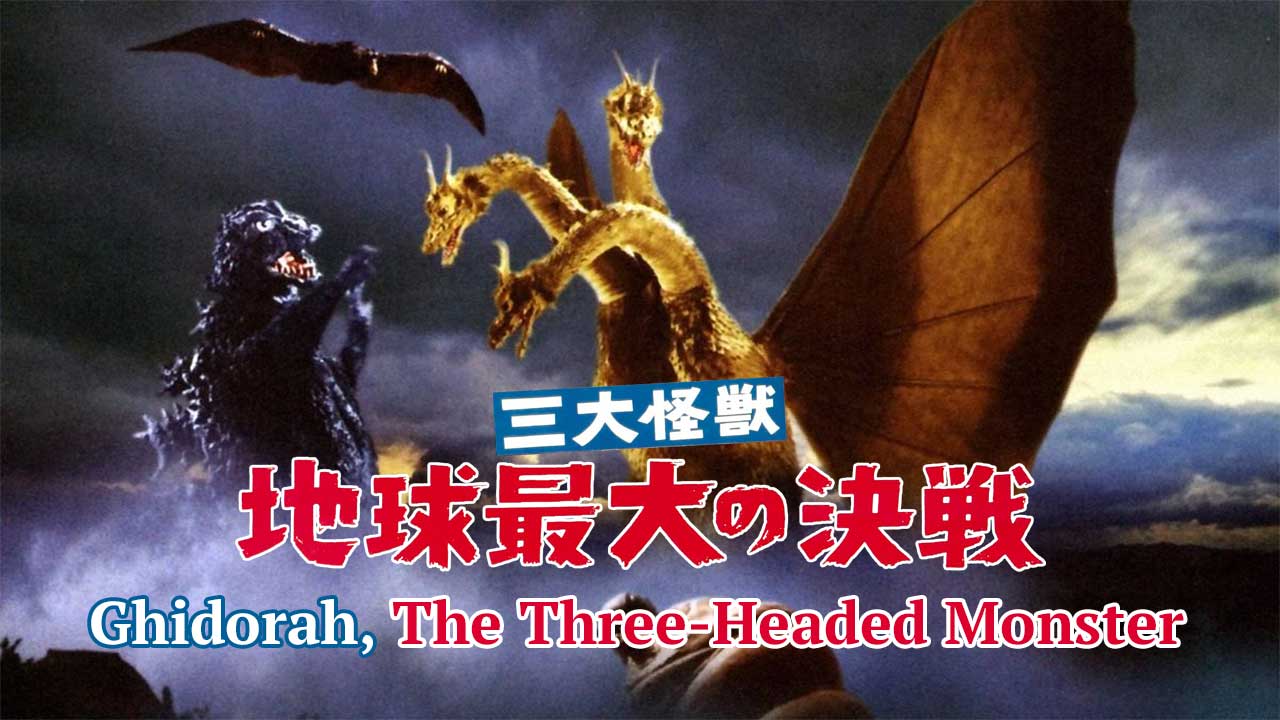
    Following the success of King Kong vs. Godzilla and Mothra vs. Godzilla, producer Tomoyuki Tanaka wanted to include more monsters. Due to production on Kurosawa’s Red Beard running behind, Toho decided to push forward with a new Godzilla film. For the next film, they reunited Godzilla and Mothra, as well as bringing in Rodan, who first appeared in 1956. To push things further, a new monster was introduced called King Ghidorah, based on the legendary Yamata no Orochi. Director Ishiro Honda returned once again, though he didn’t agree with the direction the series was going towards. He was uncomfortable giving the monsters personalities when he felt they worked better as metaphors for the atrocities of war. Once again, Eiji Tsuburaya directed the special effects sequences alongside assistant Teruyoshi Nakano, though Ghidorah was designed by Akira Watanabe. Eight months after the last film, Ghidorah, The Three-Headed Monster was released in 1964.

    [/et_pb_text][/et_pb_column][et_pb_column type=”1_3″ _builder_version=”4.16″ _module_preset=”default” global_colors_info=”{}”][et_pb_circle_counter title=”Rating” number=”85″ bar_bg_color=”#7CDA24″ _builder_version=”4.16″ _module_preset=”default” global_colors_info=”{}”][/et_pb_circle_counter][/et_pb_column][/et_pb_row][et_pb_row _builder_version=”4.16″ _module_preset=”default” global_colors_info=”{}”][et_pb_column type=”4_4″ _builder_version=”4.16″ _module_preset=”default” global_colors_info=”{}”][et_pb_text _builder_version=”4.27.4″ _module_preset=”default” hover_enabled=”0″ global_colors_info=”{}” sticky_enabled=”0″]

    Synopsis

    Meteor showers start appearing around Japan, the largest meteor landing in Mount Kurodake where Professor Miura (Hiroshi Koizumi) investigates. Meanwhile, Detective Shindo (Yosuke Natsuki) is assigned to be the bodyguard for Princess Salno of Selgina (Akiko Wakabayashi). An assassin named Malmess (Hisaya Ito) has been hired to kill her and attempts to by blowing up her plane. Fortunately, an alien entity from Venus saves her before the plane explodes, though it takes over her body. The entity uses her to try and warn humanity of an impending threat, but no one believes her. Soon enough, Godzilla and Rodan show up and start causing havoc across Japan, Mothra trying to take control of things. At the same time, the meteor near Mount Kurodake explodes to reveal King Ghidorah, a monster who destroyed Venus. It’s up to Godzilla, Rodan, and Mothra to try and stop Ghidorah from destroying the world.


    Review

    Ghidorah, The Three-Headed Monster is one of the most important entries in the Godzilla series for several reasons. For one, King Ghidorah would go on to be one of Godzilla’s most popular foes, arguably his biggest foe. Also, this would be the first time Godzilla was a good guy, though he still causes tons of damage. Unfortunately, as Honda predicted, this would start the trend of making the monsters characters and giving them human personalities. While it does lead to some comedic moments, it definitely is a far cry from the original’s dark tone. That said, while it does take a while to get going, the climactic battle towards the end is pretty fun. This film helped to introduce the monster rumble, with Godzilla, Rodan, and Mothra going toe-to-toe with King Ghidorah. It’s one of the best fights in the Godzilla series so far.

    As for the human plot, it’s surprisingly captivating with plenty of subplots going on to keep things moving. The whole political assassination plot ties in well with the monster plot and features plenty of twists and turns. Akiko Wakabayashi does a solid job as the princess turned prophet as she tries to warn people about Ghidorah’s arrival. Yosuke Natsuki is also good as the sympathetic hero trying to do his job and has some fun banter throughout. At roughly 94 minutes, the film moves at a decent pace, though it does tend to slow down at points. Thankfully, there’s plenty of monster mayhem and political action to keep audiences invested without having to shoehorn anything superfluous. For kaiju fans, this is an essential entry as it introduced elements that would carry into later entries. Overall, Ghidorah, The Three-Headed Monster is an entertaining monster movie that’s worth a watch.


    Buy Ghidorah, The Three-Headed Monster from Amazon: https://amzn.to/2Lqrh0k.

    Disclosure: The above link is an affiliate link, which means that, at no additional cost, I will earn a commission if you click through the link and make a purchase.

    [/et_pb_text][et_pb_code _builder_version=”4.27.4″ _module_preset=”default” hover_enabled=”0″ sticky_enabled=”0″]

    Where to watch Ghidorah, the Three-Headed Monster (1964)

    data-api-key=”LMVDLdLSH5ZJnQ4FMGMgyJCB8cmGbfCV” data-object-type=”Movie” data-title=”Ghidorah, the Three-Headed Monster” data-year=”1964″ data-theme=”light”>

    [/et_pb_code][/et_pb_column][/et_pb_row][/et_pb_section]
  • Mothra vs. Godzilla (1964)

    Mothra vs. Godzilla (1964)

    [et_pb_section fb_built=”1″ admin_label=”section” _builder_version=”4.16″ global_colors_info=”{}”][et_pb_row column_structure=”2_3,1_3″ admin_label=”row” _builder_version=”4.16″ background_size=”initial” background_position=”top_left” background_repeat=”repeat” global_colors_info=”{}”][et_pb_column type=”2_3″ _builder_version=”4.16″ custom_padding=”|||” global_colors_info=”{}” custom_padding__hover=”|||”][et_pb_text _builder_version=”4.16″ _module_preset=”default” global_colors_info=”{}”]

    Following the success of King Kong vs. Godzilla, Toho wanted to immediately fast-track another film right away. For the next installment, they had Godzilla go up against Mothra, who debuted in her own film back in 1961. Ishiro Honda was once again hired to direct with the intent of making the film accessible for children and adults. Television was becoming popular in Japan at the time, so Honda wanted to compete and draw in a bigger audience. Eiji Tsuburaya would be returning to handle the effects, including building a lighter Godzilla suit and creating mechanical props. Like the previous films he directed, Honda wanted to tackle some issues as well as making a fun kaiju film. For its American release, it was distributed through AIP (American International Pictures) as Godzilla vs. The Thing to provoke curiosity. In April of 1964, Mothra vs. Godzilla made its Japanese premiere.

    [/et_pb_text][/et_pb_column][et_pb_column type=”1_3″ _builder_version=”4.16″ custom_padding=”|||” global_colors_info=”{}” custom_padding__hover=”|||”][et_pb_circle_counter title=”Rating” number=”85″ bar_bg_color=”#7CDA24″ _builder_version=”4.16″ _module_preset=”default” global_colors_info=”{}”][/et_pb_circle_counter][/et_pb_column][/et_pb_row][et_pb_row _builder_version=”4.16″ _module_preset=”default” global_colors_info=”{}”][et_pb_column type=”4_4″ _builder_version=”4.16″ _module_preset=”default” global_colors_info=”{}”][et_pb_text _builder_version=”4.27.4″ _module_preset=”default” hover_enabled=”0″ global_colors_info=”{}” sticky_enabled=”0″]

    Synopsis

    While investigating some wreckage following a typhoon, reporter Ichiro Sakai (Akira Takarada) and photographer Junko Nakanishi (Yuriko Hoshi) find something. They find some bluish-gray object in the debris before a giant egg is found on the shore by the natives. While Professor Shunsuke Miura (Hiroshi Koizumi) wants to study the egg, businessman Kumayama (Yoshifumi Tajima) wants to exploit the egg. He meets with business partner Jiro Torahata (Kenji Sahara), only for two twin fairies to plead for the egg’s return. After escaping, the fairies convince Sakai, Junko, and Miura to help them return the egg to its mother, Mothra. Meanwhile, Godzilla emerges from the ground and goes on a rampage, so our heroes ask for Mothra’s help. Though the natives and the fairies are skeptical, they agree to let Mothra fight Godzilla despite her age and health. Unfortunately, Mothra loses, but maybe something more powerful will hatch from the egg.


    Review

    Mothra vs. Godzilla is considered to be one of the best in the franchise, and it’s easy to see why. Not only do we get the monster action we’ve come to expect, but the human plotline is also worthwhile. Yoshifumi Tajima does a good job as a corporate villain, playing him in a way that he’s fun to hate. The whole subplot of him making profits off the egg is a great commentary on how corporations exploit natural resources. The rest of the cast, namely Takarada, Hoshi, and Koizumi, come off as likable and are solid leads. With an 89-minute runtime, the film moves at a decent pace, and it never really drags at any point. There’s also plenty of build-up to the monsters first making their appearance, and that build-up is more than paid off. This leads to the big monster brawl in the last act.

    The actual fight between Godzilla and Mothra is the film’s biggest highlight, both monsters putting up a good fight. Before then, there are tons of great scenes of Godzilla rampaging through Japan as the military tries taking him down. This film truly establishes just how powerful Godzilla is, just trampling over the military like it’s nobody’s business. While they’re clearly using miniatures and costumes for these sequences, they’re filmed well-enough and it adds to the film’s charm. Credit has to go to the actor in the Godzilla suit considering all the pyrotechnics going off around him. At one point, the head of the costume catches fire, though thankfully the actor inside wasn’t seriously injured. The addition of Mothra’s larvae helps add some variety to the fight, capping off a great installment in the series. Overall, Mothra vs. Godzilla is another high point in the long-running series.


    Buy Mothra Vs. Godzilla on Amazon: https://amzn.to/3lq3xFm.

    Disclosure: The above link is an affiliate link, which means that, at no additional cost, I will earn a commission if you click through the link and make a purchase.

    [/et_pb_text][et_pb_code _builder_version=”4.27.4″ _module_preset=”default” hover_enabled=”0″ sticky_enabled=”0″]

    Where to watch Mothra vs. Godzilla (1964)

    data-api-key=”LMVDLdLSH5ZJnQ4FMGMgyJCB8cmGbfCV” data-object-type=”Movie” data-title=”Mothra vs. Godzilla” data-year=”1964″ data-theme=”light”>

    [/et_pb_code][/et_pb_column][/et_pb_row][/et_pb_section]