Facebook

FilmNerd

Category: Classics

  • House of Frankenstein (1944)

    House of Frankenstein (1944)

    [et_pb_section fb_built=”1″ _builder_version=”4.16″ _module_preset=”default” global_colors_info=”{}”][et_pb_row column_structure=”2_3,1_3″ _builder_version=”4.16″ _module_preset=”default” global_colors_info=”{}”][et_pb_column type=”2_3″ _builder_version=”4.16″ _module_preset=”default” global_colors_info=”{}”][et_pb_text _builder_version=”4.16″ _module_preset=”default” global_colors_info=”{}”]

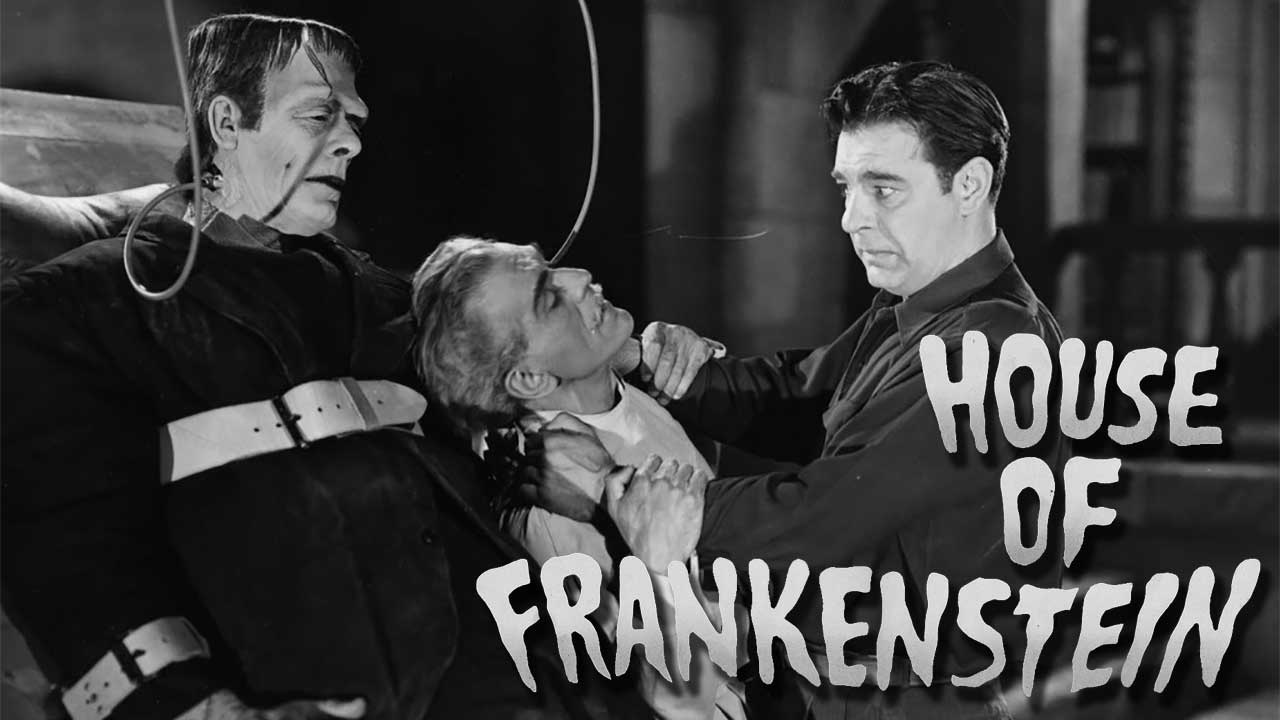
    After the release of Frankenstein Meets the Wolf Man, Universal saw the potential in having many of their monsters crossover. While that film had two monsters, Universal decided the next one would have several monsters coming together. In addition to the Frankenstein monster and the Wolf Man, Dracula would also be added, but some others were considered. Originally, the Mummy, the Ape Woman, the Mad Ghoul, and the Invisible Man would appear, but these were ultimately dropped. Erle C. Kenton, who previously directed The Ghost of Frankenstein, would be taking the helms for this ambitious crossover. Lon Chaney Jr. returned to play the Wolf Man, alongside Boris Karloff in what became his last Universal monster movie. However, the Frankenstein monster would be played by Western actor Glenn Strange and Dracula would be played by John Carradine. Following a 1944 LA/NY premiere, House of Frankenstein was released in 1945.

    [/et_pb_text][/et_pb_column][et_pb_column type=”1_3″ _builder_version=”4.16″ _module_preset=”default” global_colors_info=”{}”][et_pb_circle_counter title=”Rating” number=”80″ bar_bg_color=”#7CDA24″ _builder_version=”4.16″ _module_preset=”default” global_colors_info=”{}”][/et_pb_circle_counter][/et_pb_column][/et_pb_row][et_pb_row _builder_version=”4.16″ _module_preset=”default” global_colors_info=”{}”][et_pb_column type=”4_4″ _builder_version=”4.16″ _module_preset=”default” global_colors_info=”{}”][et_pb_text _builder_version=”4.27.4″ _module_preset=”default” hover_enabled=”0″ global_colors_info=”{}” sticky_enabled=”0″]

    Synopsis

    Dr. Gustav Niemann (Boris Karloff) and his hunchback assistant Daniel (J. Carrol Naish) break out of prison during a thunderstorm. They kill traveling showman Professor Lampini (George Zucco) and take over his horror show as part of their revenge scheme. Niemann plans on getting revenge on Bürgermeister Hussman (Sig Ruman), who put him in prison for his horrible experiments. In the process, Niemann revives Dracula (John Carradine), who agrees to help him get his revenge on the Bürgermeister. Though he succeeds in killing the Bürgermeister, Dracula ends up dying by sunlight as Niemann and Daniel make their escape. They travel to Visaria and uncover Frankenstein’s monster (Glenn Strange) and Larry Talbot/The Wolf Man (Lon Chaney Jr.) frozen. After they’re thawed out, Niemann promises Talbot a cure but is really only interested in reviving the monster. What sort of terrors await within the House of Frankenstein?


    Review

    House of Frankenstein has a somewhat disjointed story, but it also has a lot to offer for horror fans. First off, the fact that there are so many monsters together in one film is pretty impressive. Admittedly, it’s disappointing that only Lon Chaney Jr. plays the monster he’s most well-known for, that being the Wolf Man. John Carradine makes for a solid Dracula, but he lacks the menace and charm of Bela Lugosi. Glenn Strange does a fairly good job as Frankenstein’s monster, though he mostly comes off as shambling, clumsy, and inarticulate. It’s also somewhat surreal to see a movie with Boris Karloff acting opposite Frankenstein’s monster instead of playing him. Speaking of, for this being his last performance in a Universal monster movie, Karloff does a great job. J. Carrol Naish also gives a good performance as the hunchbacked Daniel, who comes off sympathetic despite being a villain.

    Like in his previous appearances as the Wolf Man, Chaney delivers a great performance as the tragic monster. This time, he’s given a love interest in the gypsy girl Ilonka (Elena Verdugo), who is both beautiful and likable. She and Chaney have great chemistry together, which makes their relationship all the more tragic, even if it’s somewhat brief. Speaking of brief, almost as soon as Carradine is introduced as Dracula, he’s killed off halfway into the film. Also, Frankenstein’s monster doesn’t get up until the last ten minutes of the film, meaning the monsters aren’t on-screen together. At roughly 70 minutes long, the film goes by quickly, but you almost wish it was longer. This is a film where its highlights outweigh the rest of the film, which comes off as a jumbled mess. Overall, House of Frankenstein doesn’t entirely succeed, but it has some moments that stand out.


    Buy House of Frankenstein on Amazon: https://amzn.to/31zlgmM.

    Disclosure: The above link is an affiliate link, which means that, at no additional cost, I will earn a commission if you click through the link and make a purchase.

    [/et_pb_text][et_pb_code _builder_version=”4.27.4″ _module_preset=”default” hover_enabled=”0″ sticky_enabled=”0″]

    Where to watch House of Frankenstein (1944)

    data-api-key=”LMVDLdLSH5ZJnQ4FMGMgyJCB8cmGbfCV” data-object-type=”Movie” data-title=”House of Frankenstein” data-year=”1944″ data-theme=”light”>

    [/et_pb_code][/et_pb_column][/et_pb_row][/et_pb_section]
  • The Mummy’s Ghost (1944)

    The Mummy’s Ghost (1944)

    [et_pb_section fb_built=”1″ _builder_version=”4.6.6″ _module_preset=”default”][et_pb_row _builder_version=”4.6.6″ _module_preset=”default” column_structure=”2_3,1_3″][et_pb_column _builder_version=”4.6.6″ _module_preset=”default” type=”2_3″][et_pb_text _builder_version=”4.6.6″ _module_preset=”default” hover_enabled=”0″ sticky_enabled=”0″]

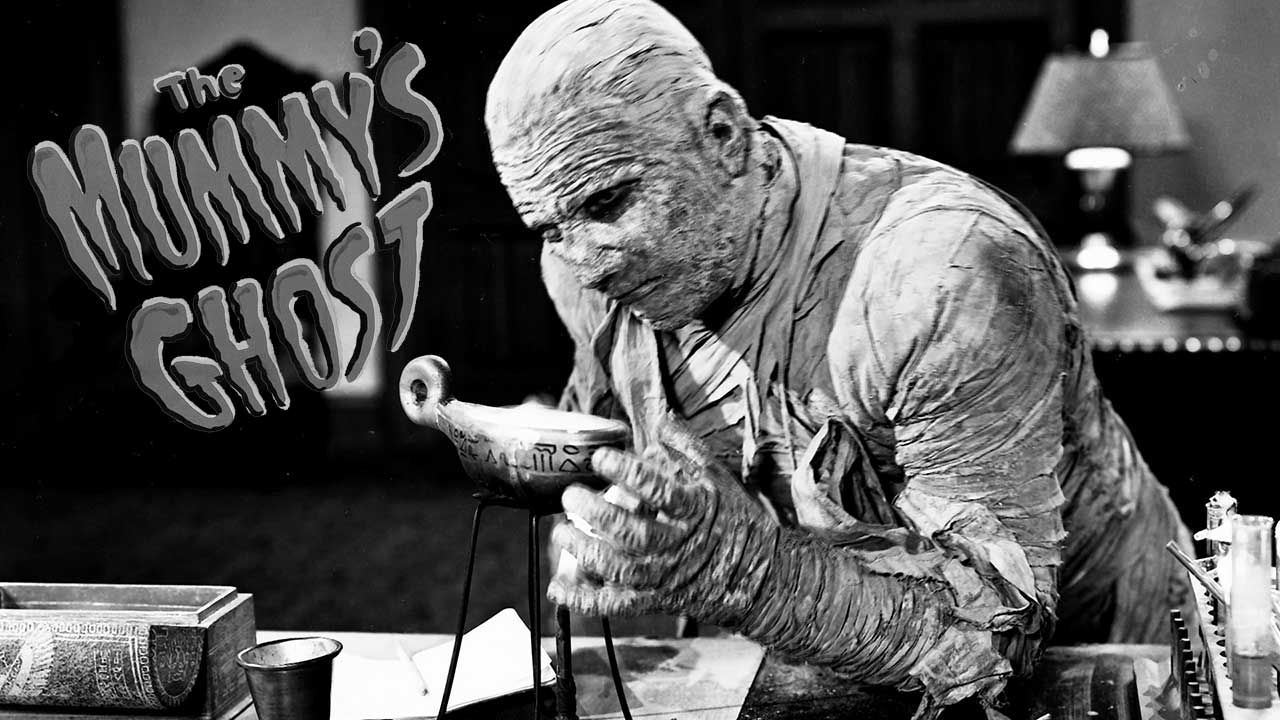
    Following the release of The Mummy’s Tomb, Universal wanted to get another sequel out as soon as possible. Like the previous film, Lon Chaney Jr. would be donning the mummy garb, which he had come to despise. George Zucco would be returning as well, and Universal regular John Carradine was cast to be his successor. Originally, B-movie actress Mildred Davenport, aka Acquanetta, was cast as the female lead but left after sustaining a concussion. In her place, actress and pin-up model Ramsay Ames was cast as the reincarnation of Princess Ananka. Hungarian filmmaker Reginald Le Borg, whose credits include Calling Dr. Death and Weird Woman was given the director’s chair. Conveniently, Chaney Jr. had actually starred in both previously mentioned films, so he was used to working with Le Borg. After a very brief shooting schedule, The Mummy’s Ghost was released in July of 1944.

    [/et_pb_text][/et_pb_column][et_pb_column _builder_version=”4.6.6″ _module_preset=”default” type=”1_3″][et_pb_circle_counter _builder_version=”4.6.6″ _module_preset=”default” title=”Rating” number=”70″ bar_bg_color=”#EDF000″ hover_enabled=”0″ sticky_enabled=”0″][/et_pb_circle_counter][/et_pb_column][/et_pb_row][et_pb_row _builder_version=”4.6.6″ _module_preset=”default”][et_pb_column _builder_version=”4.6.6″ _module_preset=”default” type=”4_4″][et_pb_text _builder_version=”4.6.6″ _module_preset=”default” hover_enabled=”0″ sticky_enabled=”0″]

    Synopsis

    High Priest Andoheb (George Zucco) summons Yousef Bey (John Carradine) to be his successor and assume his responsibilities. With the expedition crew from before killed off, Bey’s mission is to reunite Kharis (Lon Chaney Jr.) with Princess Anaka. Meanwhile, in Mapleton, Massachusetts, Kharis is accidentally summoned by Professor Matthew Norman (Frank Reicher) when he brews nine tana leaves. The professor’s strangled to death, and his body is found by Sheriff Elwood (Harry Shannon) and the Coroner (Emmett Vogan). Elsewhere, Bey brews tana leaves to summon Kharis and they break into a museum where Ananka’s body is being kept. Unfortunately, Ananka’s body crumbles to dust as soon as Kharis touches her, but Bey realizes her soul has been reincarnated. Said reincarnation is Amina Mansori (Ramsay Ames), who is to be married to her boyfriend Tom Hervey (Robert Lowery). Soon, Kharis kidnaps her as she’s to be prepared for a sacred ritual.


    Review

    As with the previous film, The Mummy’s Ghost is once again hard for me to talk about. Like before, this feels like another run-of-the-mill, standard mummy movie filled with all the tropes and cliches you’d expect. Lon Chaney Jr. still lumbers and limps about, mostly just stumbling around and slowly approaching his victims. Of course, it doesn’t help that he hated the role, enough to keep a flash of vodka in his costume. Admittedly, the thought of a drunken Lon Chaney Jr. stumbling around in a mummy costume is quite funny. Much like the mummy, the movie stumbles about for the first half as it tries to figure out the plot. It’s not until Kharis accidentally destroys his love’s mummified corpse that the plot finally gets going. On the positive side, there are some effectively chilling scenes of Kharis stalking about with only his shadow visible.

    Also, without giving too much away, the film ends in a way that you would never expect it to end. Ordinarily, a movie like this would have the hero defeat the monster and save the damsel in distress. This, however, goes in a completely different direction that almost makes the rest of the film worth it. Thankfully, the film is only about an hour-long, so it won’t eat up much of your time. Acting-wise, everyone is fine, though John Carradine and Ramsay Ames are noteworthy, Carradine for his voice, Ramsay for her beauty. Sadly, neither of them are given much to do other than monologuing in Carradine’s case, though he delivers them well. At the most, this will probably satiate any hardcore old school horror fan, but it’s otherwise yet another disappointment. Overall, The Mummy’s Ghost has its moments but doesn’t offer much aside from some B-movie thrills.


    Buy The Mummy’s Ghost on Amazon: https://amzn.to/3oswvHI

    [/et_pb_text][/et_pb_column][/et_pb_row][/et_pb_section]
  • The Invisible Man’s Revenge (1944)

    The Invisible Man’s Revenge (1944)

    [et_pb_section fb_built=”1″ _builder_version=”4.6.6″ _module_preset=”default”][et_pb_row column_structure=”2_3,1_3″ _builder_version=”4.6.6″ _module_preset=”default”][et_pb_column type=”2_3″ _builder_version=”4.6.6″ _module_preset=”default”][et_pb_text _builder_version=”4.6.6″ _module_preset=”default” hover_enabled=”0″ sticky_enabled=”0″]

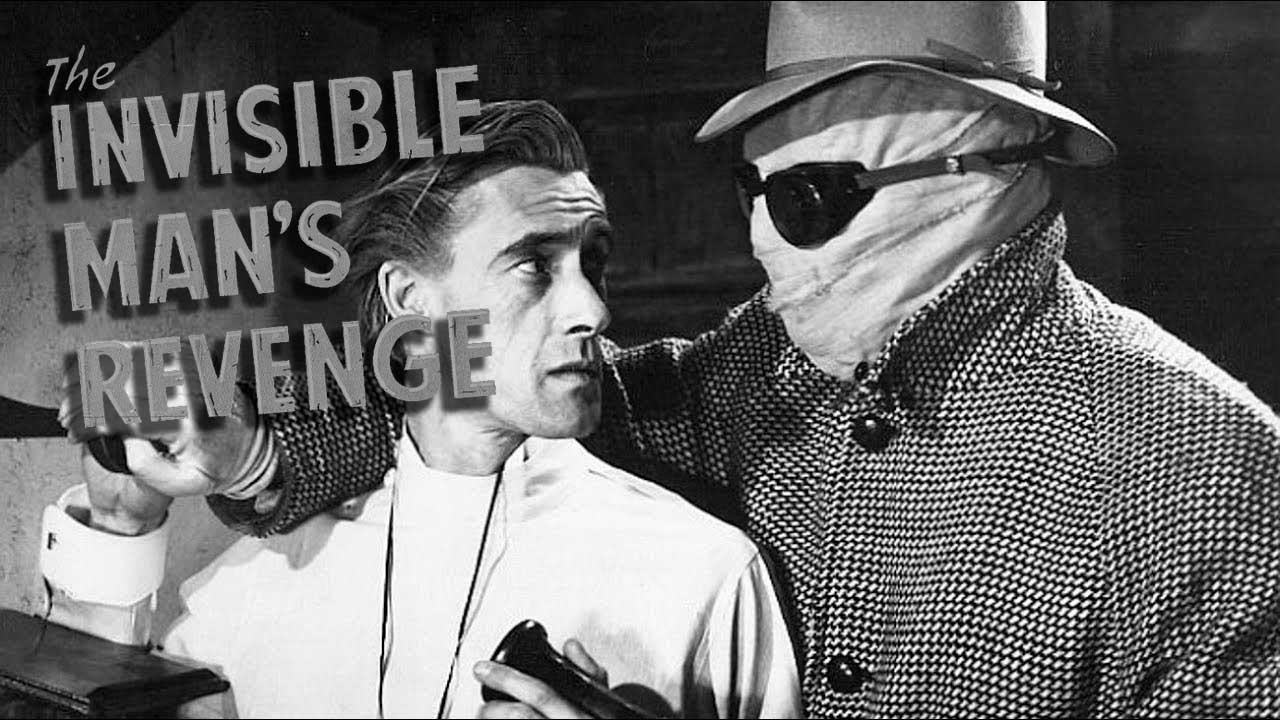
    Following the release of Invisible Agent in 1942, Universal announced a new entry the following year. For the next installment, they were hoping to bring back Claude Rains, but those plans fell through. Edgar Barrier, who previously played Raoul in Phantom of the Opera, was approached but turned it down. For the cast, they recast Jon Hall from Invisible Agent, only he’d be the villain instead of the hero. The cast also included Universal regulars John Carradine, Evelyn Ankers, and Gale Sondergaard. The director’s chair was filled by Ford Beebe, who previously worked on the Buck Rogers and Flash Gordon serials. Once again, John P. Fulton would be doing the visual effects work, having been nominated twice for an Oscar. Filming took place between January and February of 1944 for a budget of slightly over $300,000. Finally, in June of 1944, The Invisible Man’s Revenge was released to theaters.

    [/et_pb_text][/et_pb_column][et_pb_column type=”1_3″ _builder_version=”4.6.6″ _module_preset=”default”][et_pb_circle_counter _builder_version=”4.6.6″ _module_preset=”default” title=”Rating” number=”80″ bar_bg_color=”#7CDA24″ hover_enabled=”0″ sticky_enabled=”0″][/et_pb_circle_counter][/et_pb_column][/et_pb_row][et_pb_row _builder_version=”4.6.6″ _module_preset=”default”][et_pb_column type=”4_4″ _builder_version=”4.6.6″ _module_preset=”default”][et_pb_text _builder_version=”4.6.6″ _module_preset=”default” hover_enabled=”0″ sticky_enabled=”0″]

    Synopsis

    Robert Griffin (Jon Hall) has escaped from a mental institution after killing two orderlies and is seeking revenge. He goes to confront Jasper (Lester Matthews) and Irene Herrick (Gale Sondergaard) for leaving him to die in Africa. They try explaining themselves, but Robert doesn’t believe them and threatens to sue, so Jasper and Irene drug him. After stealing a written partnership agreement they made with him, Jasper and Irene have Robert thrown out. Robert nearly drowns but is rescued by local cobbler Herbert Higgins (Leon Errol), and he decides to leave for London. On the way, he meets eager scientist Dr. Peter Drury (John Carradine), who’s supposedly developed a way to turn invisible. Robert agrees to be a test subject for Drury, only he uses his newfound invisibility to get his revenge. Will Robert be successful in his quest for revenge, or will he meet a grisly fate?


    Review

    Even with it being the fifth film in the series, The Invisible Man’s Revenge is actually a pretty solid entry. Admittedly, by this point, you can tell that the series has more or less run its course. While the effects by John Fulton are still impressive given the time, they’ve lost their luster by this film. Jon Hall makes for a solid villain/anti-hero, and it’s nice to see since The Invisible Man. He’s very conniving and even somewhat sympathetic, clearly a victim of madness brought on by being left for dead. John Carradine is good as the eager scientist who gets mixed up in some shady business as an innocent bystander. The rest of the cast all do a fine job, but none of them give particularly interesting or noteworthy performances. All in all, the acting is par for the course for a movie of this caliber.

    In terms of this being a sequel, there’s little to no connection to any of the other films. The closest connection would be that the main character’s last name is “Griffin”, but that’s about it. There’s no mention of characters from the previous films nor any events from those films, making more a standalone film. This film definitely gives off the impression that this was made just for the sake of having another installment. While better than The Invisible Woman, it still doesn’t hold a candle to the original or the previous sequels. Returning to the effects, you can tell they’ve dropped in quality, some scenes showing a visible outline of the actor. Some of the performances and the slightly above-average effects save this from being an otherwise forgettable entry. Overall, The Invisible Man’s Revenge doesn’t reinvent the wheel, but it’s still a fairly entertaining feature.


    Buy The Invisible Man’s Revenge on Amazon: https://amzn.to/3odYYks

    [/et_pb_text][/et_pb_column][/et_pb_row][/et_pb_section]
  • Son of Dracula (1943)

    Son of Dracula (1943)

    [et_pb_section fb_built=”1″ _builder_version=”4.6.6″ _module_preset=”default”][et_pb_row _builder_version=”4.6.6″ _module_preset=”default” column_structure=”2_3,1_3″][et_pb_column _builder_version=”4.6.6″ _module_preset=”default” type=”2_3″][et_pb_text _builder_version=”4.6.6″ _module_preset=”default” hover_enabled=”0″ sticky_enabled=”0″]

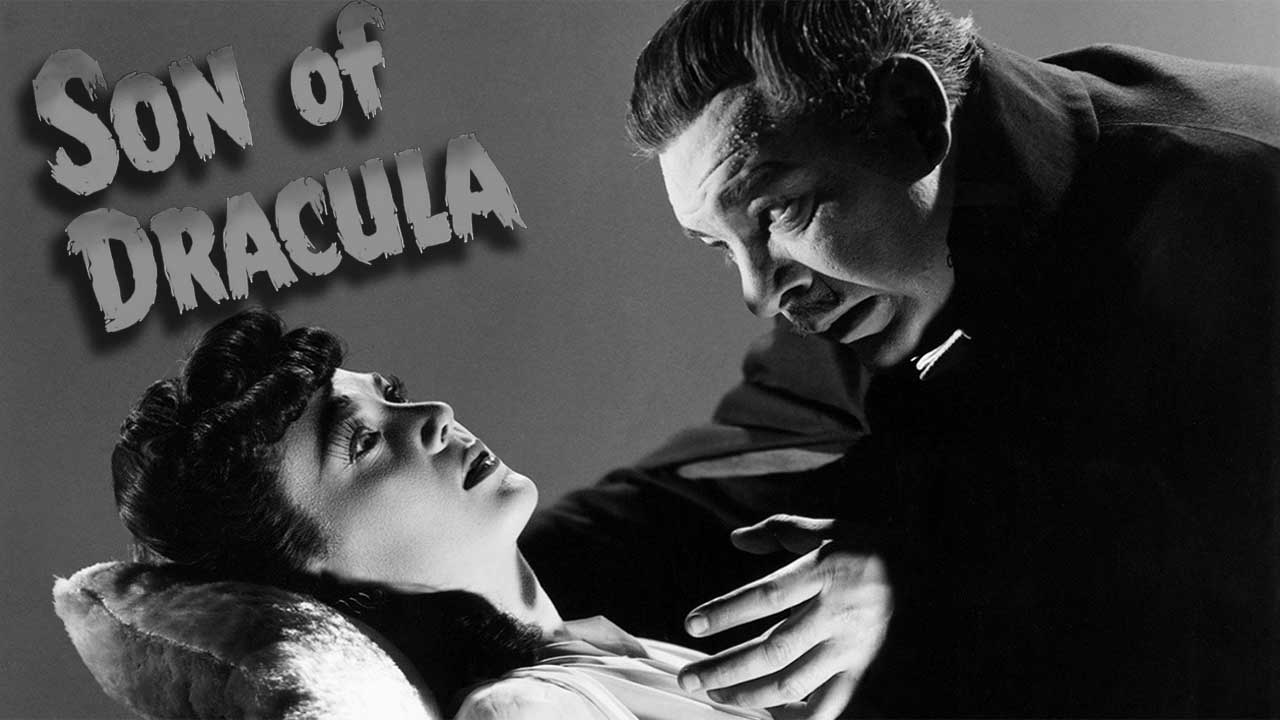
    As mentioned previously, when Universal was transitioning to sound with 1931’s Dracula, Lon Chaney Sr. was approached for the lead. However, Chaney turned the role down and ironically died of a throat hemorrhage, leading to Bela Lugosi being cast. Years later, the 1940s saw the rise of Lon Chaney Jr. thanks to his lead role in The Wolf Man. Following that film’s success, Chaney became one of Universal’s go-to guys, also playing the Frankenstein monster and the Mummy. Around 1943, screenwriter Curt Siodmak had written a story for a new Dracula film, which was adapted by Eric Taylor. Robert Siodmak, Curt’s brother, reluctantly took the directing job, hoping that he could impress the studio heads at Universal. This panned out well for him since he was offered a seven-year contract after working on some rewrites. Finally, in November of 1943, Son of Dracula was released to theaters.

    [/et_pb_text][/et_pb_column][et_pb_column _builder_version=”4.6.6″ _module_preset=”default” type=”1_3″][et_pb_circle_counter _builder_version=”4.6.6″ _module_preset=”default” title=”Rating” number=”80″ bar_bg_color=”#7CDA24″ hover_enabled=”0″ sticky_enabled=”0″][/et_pb_circle_counter][/et_pb_column][/et_pb_row][et_pb_row _builder_version=”4.6.6″ _module_preset=”default”][et_pb_column _builder_version=”4.6.6″ _module_preset=”default” type=”4_4″][et_pb_text _builder_version=”4.6.6″ _module_preset=”default” hover_enabled=”0″ sticky_enabled=”0″]

    Synopsis

    Katherine Caldwell (Louise Allbritton), daughter of New Orleans plantation owner Colonel Caldwell (George Irving) is awaiting someone’s arrival. Soon, her father dies of a heart attack, leaving his fortune to her and her sister Claire (Evelyn Ankers). Turns out Katherine has been seeing Count Alucard (Lon Chaney Jr) in secret against her boyfriend Frank Stanley (Robert Paige). She ends up marrying Alucard, and Frank goes to confront them, only to end up accidentally shooting Katherine. Thinking he killed Katherine, Frank goes to see Dr. Brewster (Frank Craven), who confronts Alucard and a still-living Katherine. Frank turns himself over to the police, but Brewster tries convincing them he’s insane until they find Katherine’s body. Brewster soon meets Professor Lazlo (J. Edward Bromberg), who convinces him that Alucard is a vampire controlling Katherine. Will they be able to stop Alucard’s reign of terror, or will Katherine forever remain his bride?


    Review

    Much like Dracula’s DaughterSon of Dracula doesn’t quite stack up to the Lugosi original but is still somewhat underrated. Even with its more contemporary setting, the film still has an eerie, almost gothic feel to its atmosphere. Chaney Jr. makes for a good Dracula/Alucard, exhibiting a very quiet charm, though he lacks the creepiness of Lugosi. There are plenty of moments where he has more of a confused look on his face, coming off unintentionally funny. Female lead Louise Allbritton works well off of Chaney, having an icy cold feel similar to Gloria Holden’s Marya Zaleska. Robert Paige, playing the straight man, makes for a somewhat tragic figure, devoted to his girlfriend despite her leaving him. Universal regulars J. Edward Bromberg and Evelyn Ankers both do a good job, even if given not much to do. All in all, the cast does solid work, especially the three leads.

    Robert Siodmak does a good job behind the camera, staging some pretty effective sequences and creating a foreboding mood. Interestingly, this was the first film to show a vampire transforming into a bat and mist on camera. Admittedly, the effects are dated and stick out in a bad way, but it’s still impressive for the time. The plot does come off as a bit of a love triangle between Alucard, Katherine, and Frank, but it works. It works as something of a tragic love story, while also remembering that this is a horror film. Admittedly, the film does drag in a few spots, namely towards the middle after Frank shoots Katherine and commits himself. With that said, this is still one of the better Universal horror films to come out of the 1940s. Overall, Son of Dracula is an underrated gem that’s worth giving a watch.


    Buy Son of Dracula on Amazon: https://amzn.to/2Hk68mc

    [/et_pb_text][/et_pb_column][/et_pb_row][/et_pb_section]
  • Phantom of the Opera (1943)

    Phantom of the Opera (1943)

    [et_pb_section fb_built=”1″ _builder_version=”4.6.6″ _module_preset=”default”][et_pb_row column_structure=”2_3,1_3″ _builder_version=”4.6.6″ _module_preset=”default”][et_pb_column type=”2_3″ _builder_version=”4.6.6″ _module_preset=”default”][et_pb_text _builder_version=”4.6.6″ _module_preset=”default”]

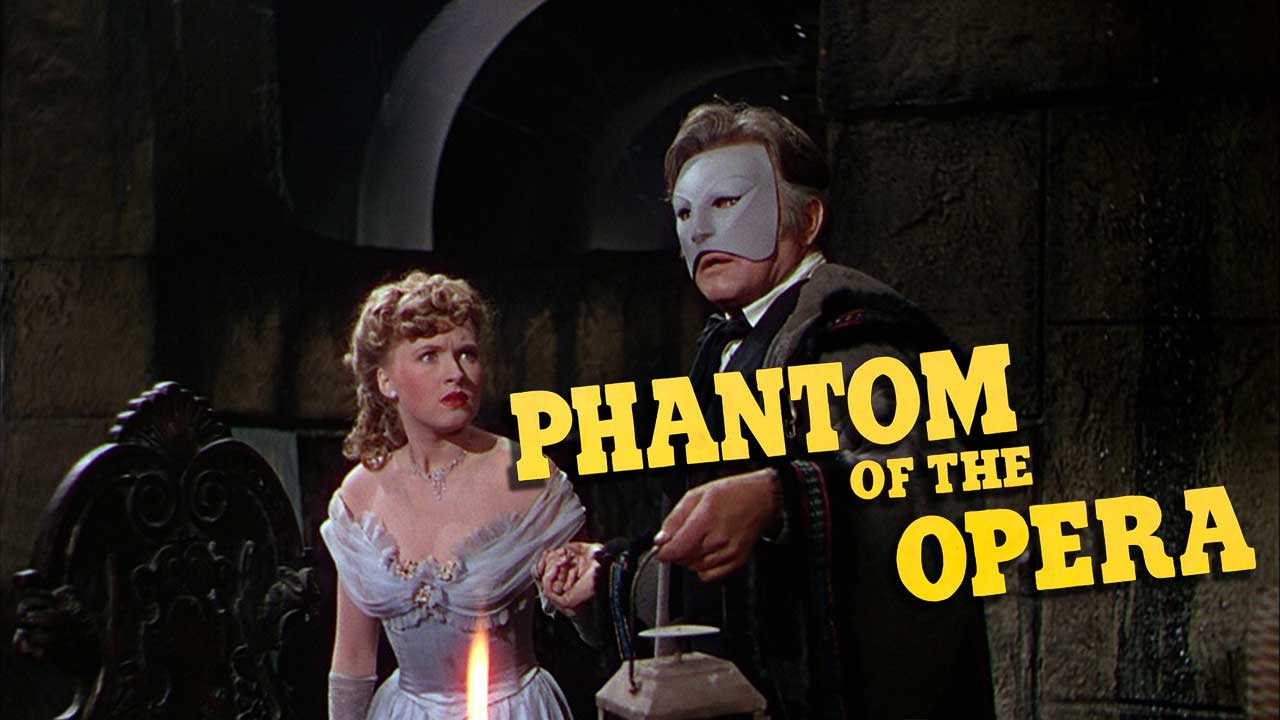
    In 1910, French novelist Gaston Leroux published Le Fantôme de l’Opéra inspired by historical events at the Paris Opera House. The book proved to be such a hit that Universal bought the rights to adapt it to film in 1922. 1925’s The Phantom of the Opera starring Lon Chaney Sr. proved to be a massive hit for the studio. With the advent of sound, Universal released a sound version in 1930, though Chaney’s phantom wasn’t given a voice. After establishing a successful series of horror films with 1931’s Dracula, Universal announced a remake in 1935 but was canceled. Following the Laemmle’s being bought out, plans resurfaced in 1941, with Arthur Lebin directing after Henry Koster was fired. Initially, Boris Karloff was considered for The Phantom before Lubin decided on Claude Rains, claiming he was his “only choice”. In 1943, Universal’s Technicolor remake of Phantom of the Opera was released.

    [/et_pb_text][/et_pb_column][et_pb_column type=”1_3″ _builder_version=”4.6.6″ _module_preset=”default”][et_pb_circle_counter title=”Rating” number=”85″ bar_bg_color=”#7CDA24″ _builder_version=”4.6.6″ _module_preset=”default”][/et_pb_circle_counter][/et_pb_column][/et_pb_row][et_pb_row _builder_version=”4.6.6″ _module_preset=”default”][et_pb_column type=”4_4″ _builder_version=”4.6.6″ _module_preset=”default”][et_pb_text _builder_version=”4.6.6″ _module_preset=”default” hover_enabled=”0″ sticky_enabled=”0″]

    Synopsis

    Erique Claudin (Claude Rains) is a violinist at the Paris Opera House who’s recently been let go due to arthritis. Unfortunately, he has no retirement money, having spent it on singing lessons for young opera singer Christine Dubois (Susanna Foster). Claudin decides to sell his concerto with no response and believes it was stolen when he hears someone playing it. After killing publisher Maurice Pleyel (Miles Mander), Claudin gets acid splashed on his face and he escapes into the sewer. Sometime later, a mysterious figure drugs Mme. Biancarolli (Jane Farrar) so that Christine will perform in her stead, dazzling everyone. Soon, Biancarolli and her maid are killed by the mysterious figure, who leaves a note that Christine becomes her replacement. Meanwhile, Officer Raoul Dubert (Edgar Barrier) stages a plan to capture this mysterious figure, known as The Phantom. Who is The Phantom, and what will become of the opera?


    Review

    Phantom of the Opera boasts a large production, being the only Universal Monster movie shot in color instead of black-and-white. The film reuses the sets from 1925’s The Phantom of the Opera, but it takes great advantage of it. There are tons of wide, sweeping shots of the opera house set, showing the full scope and size. It’s easy to see how this film won two Oscars, one for Best Art Direction and Best Cinematography. Storywise, this film seems more focused on the musical aspect than necessarily the horror angle, which is good and bad. On the one hand, the emphasis on music over horror makes it somewhat disappointing as a Universal Monster movie. On the other hand, the musical sequences are handled very well, and the singers and dancers are very talented. The whole thing comes across as a bit of a mixed bag.

    Casting-wise, everyone does a good job, especially Claude Rains as Erique Claudin/The Phantom, exuberating both charisma and intimidation. Given the changes to his backstory, he’s a much more sympathetic character, though he lacks the menace of Lon Chaney. Susanna Foster, on top of being a great singer, makes for a good leading lady, though her role’s somewhat underutilized. There’s also a love triangle between her, Nelson Eddy’s Anatole Garron, and Edgar Barrier’s Raoul Dubert that doesn’t go anywhere. At 90 minutes, it’s one of the longer Universal Monster movies, and it, unfortunately, drags quite a bit midway through. Granted, some moments stand out, including Claudin getting acidic face burns or the big scene of the chandelier crashing down. Fans of the musical will probably enjoy this more, but conventional horror fans might be disappointed with this watered-down version. Overall, Phantom of the Opera is a flawed but beautiful film.


    Buy Phantom of the Opera on Amazon: https://amzn.to/348fVoc

    [/et_pb_text][/et_pb_column][/et_pb_row][/et_pb_section]
  • Frankenstein Meets the Wolf Man (1943)

    Frankenstein Meets the Wolf Man (1943)

    [et_pb_section fb_built=”1″ _builder_version=”4.16″ _module_preset=”default” global_colors_info=”{}”][et_pb_row column_structure=”2_3,1_3″ _builder_version=”4.16″ _module_preset=”default” global_colors_info=”{}”][et_pb_column type=”2_3″ _builder_version=”4.16″ _module_preset=”default” global_colors_info=”{}”][et_pb_text _builder_version=”4.16″ _module_preset=”default” global_colors_info=”{}”]

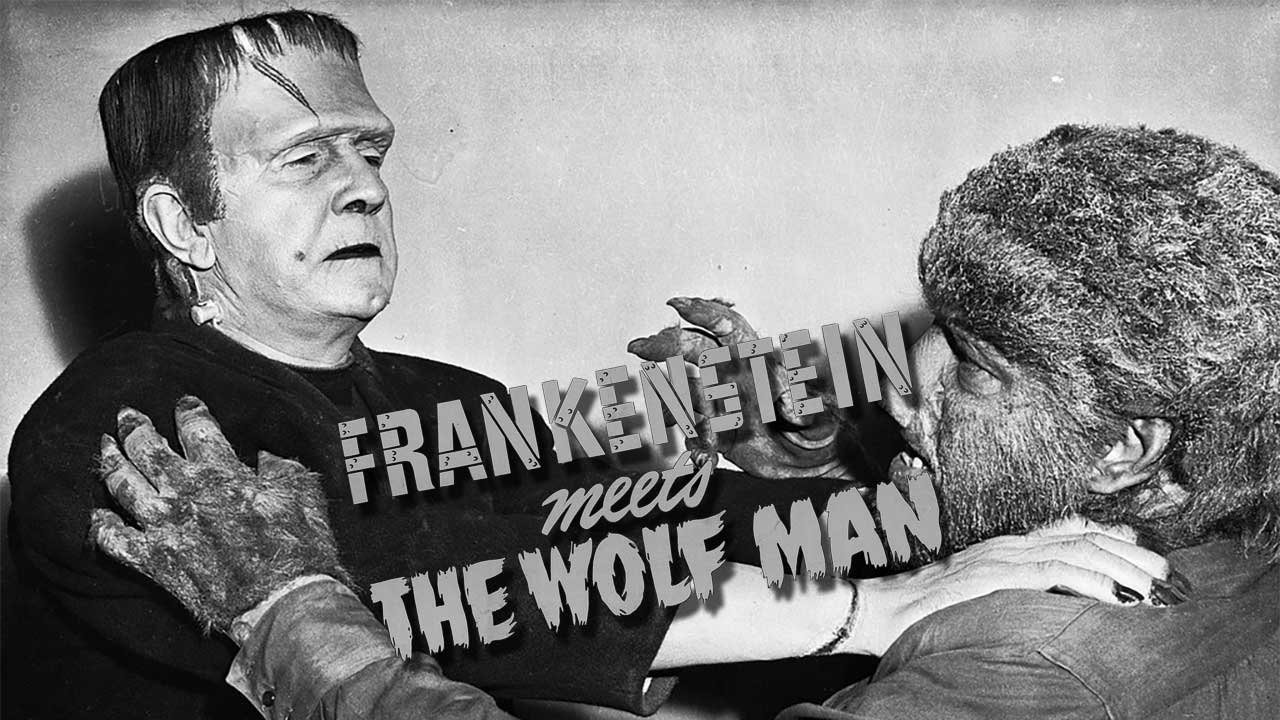
    While having lunch at the studio commissary, screenwriter Curt Siodmak was meeting with producer George Waggner about a new idea. Jokingly, Siodmak proposed the title “Frankenstein Meets the Wolf Man“, only to be given the go-ahead by Waggner. Following the success of Dracula, Bela Lugosi was offered the role of the monster in Frankenstein but turned it down. Years later, he played the villainous hunchback Ygor in Son of Frankenstein and The Ghost of Frankenstein. Since Lon Chaney Jr. would be returning as Larry Talbot/The Wolf Man, Lugosi found himself donning the monster makeup. Though originally given dialogue, that was scrapped when test audiences mocked the monster speaking with a Hungarian accent. Roy William Neill, best known for his Basil Rathbone/Nigel Bruce Sherlock Holmes movies, was given the director’s chair. After some production issues mostly related to 60-year-old Lugosi, Frankenstein Meets the Wolf Man was released in 1943.

    [/et_pb_text][/et_pb_column][et_pb_column type=”1_3″ _builder_version=”4.16″ _module_preset=”default” global_colors_info=”{}”][et_pb_circle_counter title=”Rating” number=”80″ bar_bg_color=”#7CDA24″ _builder_version=”4.16″ _module_preset=”default” global_colors_info=”{}”][/et_pb_circle_counter][/et_pb_column][/et_pb_row][et_pb_row _builder_version=”4.16″ _module_preset=”default” global_colors_info=”{}”][et_pb_column type=”4_4″ _builder_version=”4.16″ _module_preset=”default” global_colors_info=”{}”][et_pb_text _builder_version=”4.27.4″ _module_preset=”default” hover_enabled=”0″ global_colors_info=”{}” sticky_enabled=”0″]

    Synopsis

    Graverobbers Franzec (Don Barclay) and Vazec (Rex Evans) unknowingly uncover the tomb of Larry Talbot (Lon Chaney Jr.). He’s brought back to life thanks to the moon and ends up hospitalized and overseen by Dr. Mannering (Patric Knowles). Larry tries convincing him and Inspector Owen (Dennis Hoey) that he’s a werewolf, but they don’t believe him. While the two investigate Talbot’s story, he makes his escape and tracks down the gypsy Maleva (Maria Ouspenskaya) for help. She tells him that only Dr. Frankenstein can help, so they travel to Vasaria only to find that he passed away. Talbot turns into the wolfman, kills a young woman, and is chased out of town by an angry mob. He finds the ruins of Frankenstein castle, uncovers the monster (Bela Lugosi), and asks Elsa Frankenstein (Ilona Massey) for help. Dr. Mannering gets involved, and a fight between the monster and the wolfman erupts.


    Review

    Frankenstein Meets the Wolf Man is a film that promises a lot but doesn’t fully deliver on its promises. Admittedly, there are some positive qualities here, the highlights being the beginning and ending sequences of the film. Unlike the last few monster movies he appeared in, Chaney gives a great performance, clearly taking the role very seriously. You sympathize with his plight and how he wants to die, clearly seeing no hope in ridding the curse. Once he transforms, he’s giving his all, displaying tons of physicality, and is pretty terrifying as a bloodthirsty wolfman. As ironic as Bela Lugosi playing the Frankenstein monster is, he’s not as bad as you’d think given his age. He gives plenty of facial expressions, but he walks very stereotypically, lumbering about with his arms stretched out. Oddly enough, it’s this interpretation that everyone seems to emulate when they try playing the monster.

    Universal regulars Illona Massey and Patric Knowles do a good job, as do Lionel Atwill and Maria Ouspenskaya. The opening sequence of the graverobbers uncovering Talbot’s tomb is creepy and foreboding with just the right amount of atmosphere. The final fight between the Frankenstein monster and the wolfman is pretty entertaining, though it’s over and done with fast. However, once Talbot uncovers the monster, that’s when the movie starts to drag as he tries to find Frankenstein’s journal. With its $1.20 million budget, the filmmakers were able to expand the production more than before, and it definitely shows. There are plenty of wide-open sequences with tons of extras, tons of large sets, and elaborately-staged action sequences. Admittedly, there are plenty of plot contrivances that contradict what happened in previous films, but continuity clearly wasn’t their priority. Overall, Frankenstein Meets the Wolf Man is a mess, but an enjoyable mess nonetheless.


    Buy Frankenstein Meets the Wolf Man on Amazon: https://amzn.to/3Xmd6f4.

    Disclosure: The above link is an affiliate link, which means that, at zero cost to you, I will earn a commission if you click through the link and finalize a purchase.


    [/et_pb_text][et_pb_code _builder_version=”4.27.4″ _module_preset=”default” hover_enabled=”0″ sticky_enabled=”0″]

    Where to watch Frankenstein Meets the Wolf Man (1943)

    data-api-key=”LMVDLdLSH5ZJnQ4FMGMgyJCB8cmGbfCV” data-object-type=”Movie” data-title=”Frankenstein Meets the Wolf Man” data-year=”1943″ data-theme=”light”>

    [/et_pb_code][/et_pb_column][/et_pb_row][/et_pb_section]
  • The Mummy’s Tomb (1942)

    The Mummy’s Tomb (1942)

    [et_pb_section fb_built=”1″ _builder_version=”4.6.6″ _module_preset=”default”][et_pb_row column_structure=”2_3,1_3″ _builder_version=”4.6.6″ _module_preset=”default”][et_pb_column type=”2_3″ _builder_version=”4.6.6″ _module_preset=”default”][et_pb_text _builder_version=”4.6.6″ _module_preset=”default”]

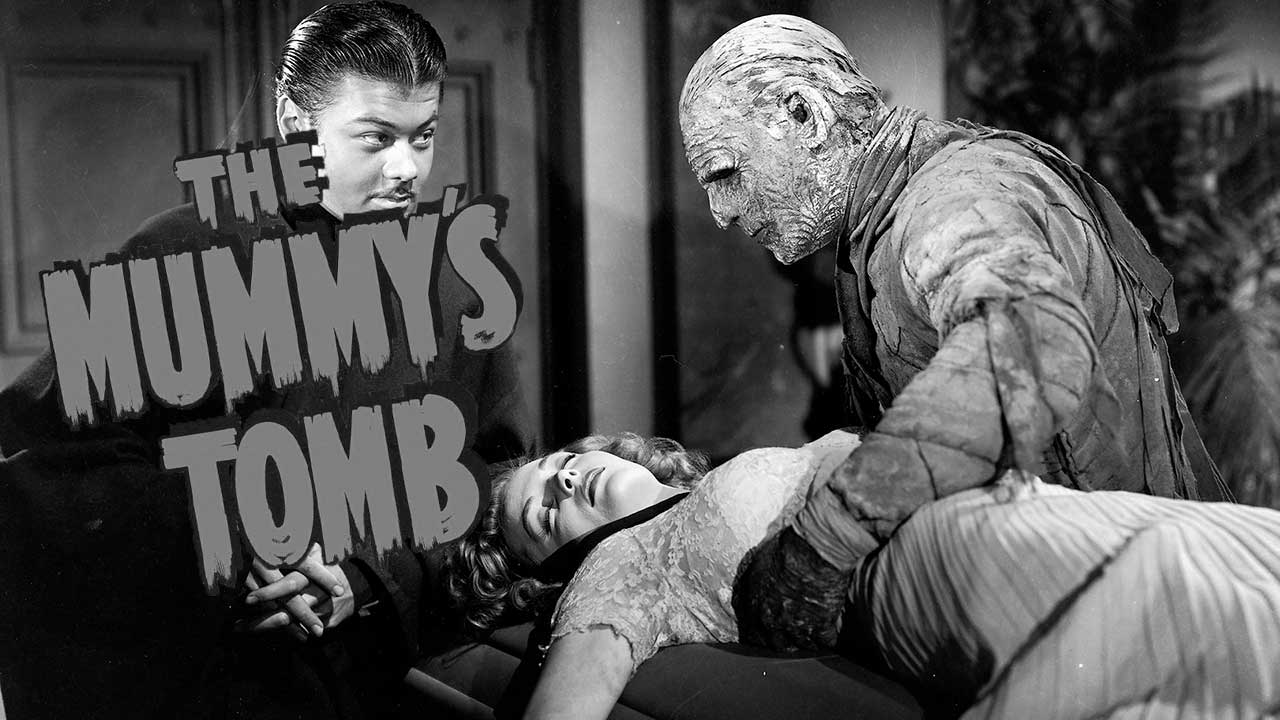
    By this point in the 1940s, Universal was churning out these monster movies like a factory assembly line. With a few exceptions, many of them were shot with low budgets and short schedules to get them out quickly. After filming The Mummy’s Hand, actor Tom Tyler had signed a two-year contract with another studio and couldn’t return. For the next installment, Universal decided to have Lon Chaney Jr. don the makeup and wrappings to play Kharis. After The Wolf Man and The Ghost of Frankenstein, Chaney was not happy with makeup artist Jack Pierce’s archaic techniques. The director’s chair this time was occupied by Harold Young, who previously directed The Storm and Newsboys’ Home in 1938. While the previous film had very few connections to the original, this one would be a direct sequel. In October of 1942, The Mummy’s Tomb was released only four months after Invisible Agent.

    [/et_pb_text][/et_pb_column][et_pb_column type=”1_3″ _builder_version=”4.6.6″ _module_preset=”default”][et_pb_circle_counter title=”Rating” number=”70″ bar_bg_color=”#EDF000″ _builder_version=”4.6.6″ _module_preset=”default”][/et_pb_circle_counter][/et_pb_column][/et_pb_row][et_pb_row _builder_version=”4.6.6″ _module_preset=”default”][et_pb_column type=”4_4″ _builder_version=”4.6.6″ _module_preset=”default”][et_pb_text _builder_version=”4.6.6″ _module_preset=”default” hover_enabled=”0″ sticky_enabled=”0″]

    Synopsis

    Thirty years after the last film, Steve Banning (Dick Foran) is recapping the events to his family and guests. In Egypt, Andoheb (George Zucco) tells the story of Kharis (Lon Chaney Jr.) to his successor Mehemet Bey (Turhan Bey). Bey is instructed to go with Kharis to America to kill Banning and his archaeological team for defiling Ananka’s tomb. Kharis first kills Steve followed by his sister Jane (Mary Gordon), prompting Babe Hanson (Wallace Ford) to return. He tries convincing the sheriff (Cliff Clark) and coroner (Emmett Vogan) that Kharis is responsible, but they don’t believe him. After Babe is killed, Steve’s son John (John Hubbard) enlists Professor Norman (Frank Reicher) to identify who the killer is. Meanwhile, Bey sets his sights on John’s fiancee Isobel Evans (Elyse Knox), and has Kharis kidnap her for his own. Will John rescue her, or will she become Bey’s wife?


    Review

    Honestly, reviewing The Mummy’s Tomb is going to be difficult since there isn’t much to talk about here. This a pretty run-of-the-mill mummy movie with all the tropes and cliches you would expect for better or for worse. Much like The Ghost of Frankenstein, Lon Chaney Jr. isn’t given much to do, basically just limping around slowly. The makeup looks decent at least, even if it is just a rubber mask that only has one expression. By today’s standards, using flashback footage for the first ten minutes would be a waste, but it’s understandable here. Keep in mind, home video wasn’t a thing in 1942, so if you missed a movie in theaters, that’s it. However, that doesn’t excuse the overall cheapness of the film, especially the recycled music from previous Universal horror films. In particular, there’s a lot of music that’s lifted from The Wolf Man.

    Admittedly, the fact that this is a direct sequel to the previous film adds a nice amount of continuity. However, it’s odd that this takes place 30 years later, and there isn’t much done to make it seem futuristic. The only thing that this is in the future is that Foran, Zucco, and Ford have old man makeup. Personally, I like to think part of the reason was so they could get around a different actor playing Kharis. This is a pretty uninspired sequel that doesn’t do much of anything different and just goes through the motions. Classic horror fans might enjoy the spooky cemetery, the angry townspeople with torches, and the slow shambling mummy tropes. Even still, this is sadly another step down in the overall Universal Monsters series, a once-promising series of exceptional quality. Overall, The Mummy’s Tomb is only worth it if you’re marathoning all the movies.


    Buy The Mummy’s Tomb on Amazon: https://amzn.to/3dDmOB1

    [/et_pb_text][/et_pb_column][/et_pb_row][/et_pb_section]
  • Invisible Agent (1942)

    Invisible Agent (1942)

    [et_pb_section fb_built=”1″ _builder_version=”4.6.5″ _module_preset=”default”][et_pb_row column_structure=”2_3,1_3″ _builder_version=”4.6.5″ _module_preset=”default”][et_pb_column type=”2_3″ _builder_version=”4.6.5″ _module_preset=”default”][et_pb_text _builder_version=”4.6.5″ _module_preset=”default” hover_enabled=”0″ sticky_enabled=”0″]

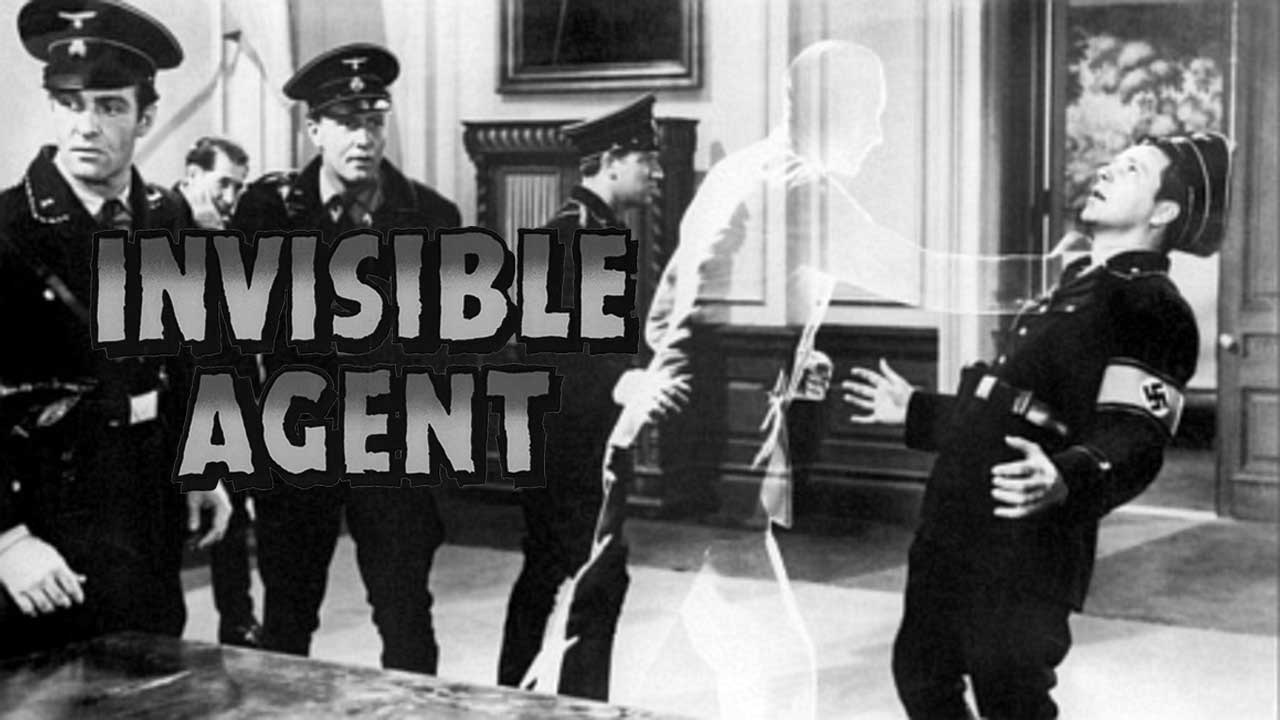
    By 1942, the United States had entered World War II following the bombing of Pearl Harbor in 1941. Hollywood decided to capitalize on this by producing pro-America propaganda films depicting American heroes taking on the Axis of Evil. Some of the most famous ones included John Ford’s Battle of Midway and John Huston’s Report from the Aleutians. There were even propaganda cartoons from Disney and Warner Bros., including Der Fuhrer’s Face and Bugs Bunny Nips the Nips. Soon, propaganda horror films were being made, typically B-movies like Black Dragons with Bela Lugosi and Revenge of the Zombies. Universal decided to produce their own wartime film using the Invisible Man, but this time for an action/spy thriller. Actor Jon Hall, who starred in the big-budget adventure film The Hurricane, was cast in the title role. In late June of 1942, Universal’s WWII feature, Invisible Agent, was released.

    [/et_pb_text][/et_pb_column][et_pb_column type=”1_3″ _builder_version=”4.6.5″ _module_preset=”default”][et_pb_circle_counter _builder_version=”4.6.5″ _module_preset=”default” title=”Rating” number=”80″ bar_bg_color=”#7CDA24″ hover_enabled=”0″ sticky_enabled=”0″][/et_pb_circle_counter][/et_pb_column][/et_pb_row][et_pb_row _builder_version=”4.6.5″ _module_preset=”default”][et_pb_column type=”4_4″ _builder_version=”4.6.5″ _module_preset=”default”][et_pb_text _builder_version=”4.6.5″ _module_preset=”default” hover_enabled=”0″ sticky_enabled=”0″]

    Synopsis

    Frank Griffin Jr (Jon Hall), the grandson of the original’s Frank Griffin, has been living under the pseudonym, Frank Raymond. One night, his shop is broken into by a group of Nazis who want his grandfather’s invisibility formula. He refuses and manages to escape, but is visited by US agent John Gardiner (John Litel) for the same thing. Griffin initially refuses, but after the bombing of Pearl Harbor, he agrees to volunteer his services and use the formula. While invisible, Griffin is to infiltrate enemy lines and locate a book containing the names of German/Japanese agents. He meets with Maria Sorenson (Ilona Massey), a German spy working with the Allies who agrees to help him. Meanwhile S.S. General Stauffer (Cedric Hardwicke) and Japanese Baron Ikito (Peter Lorre) are tracking down Griffin for his formula. Will Frank accomplish his mission, or will the Axis capture him for their nefarious plans?


    Review

    Though massively dated because of its nature as WWII propaganda, Invisible Agent is nonetheless entertaining and better than expected. As the dashing hero, Jon Hall does a good job, having plenty of charisma and snarkiness to spare. Ilona Massey is good as the love interest who shows that she can handle herself without always needing Griffin’s help. However, Cedric Hardwicke and Peter Lorre are the real highlights of the film as the villainous Stauffer and Ikito. Hardwicke brings class to his part, and Lorre is delightfully creepy, even if he’s a Hungarian playing a Japanese man. Thankfully, his portrayal of a Japanese man isn’t nearly as offensive or stereotypical as it probably could’ve been. It also helps that the villains are portrayed as being just as competent as, perhaps more so than, the heroes. While it’s clear whose side the filmmakers are on, they do treat the opposition as people.

    As with before, the visual effects of John P. Fulton are impressive given the time, though nothing special. Honestly, four Invisible Man movies in, the effects are starting to run their course and have lost their luster. Also, much like The Invisible Woman, much of the humor does fall flat, though it’s not nearly as insipid. What saves this movie is the action sequences which, combined with the invisibility, make for some entertaining sequences. Also, it’s interesting to see what started as a monstrous character being turned into a full-fledged action hero. One noteworthy actor is Keye Luke as a surgeon, who some might remember as the elderly Mr. Wing in Gremlins. As for the movie itself, it provides plenty of wartime thrills for 80 minutes, but don’t expect anything remarkable. Overall, Invisible Agent is an imperfect though entertaining feature that’s worth watching.


    Buy Invisible Agent on Amazon: https://amzn.to/31bx52k

    [/et_pb_text][/et_pb_column][/et_pb_row][/et_pb_section]
  • The Ghost of Frankenstein (1942)

    The Ghost of Frankenstein (1942)

    [et_pb_section fb_built=”1″ _builder_version=”4.6.5″ _module_preset=”default”][et_pb_row _builder_version=”4.6.5″ _module_preset=”default” column_structure=”2_3,1_3″][et_pb_column _builder_version=”4.6.5″ _module_preset=”default” type=”2_3″][et_pb_text _builder_version=”4.6.5″ _module_preset=”default” hover_enabled=”0″ sticky_enabled=”0″]

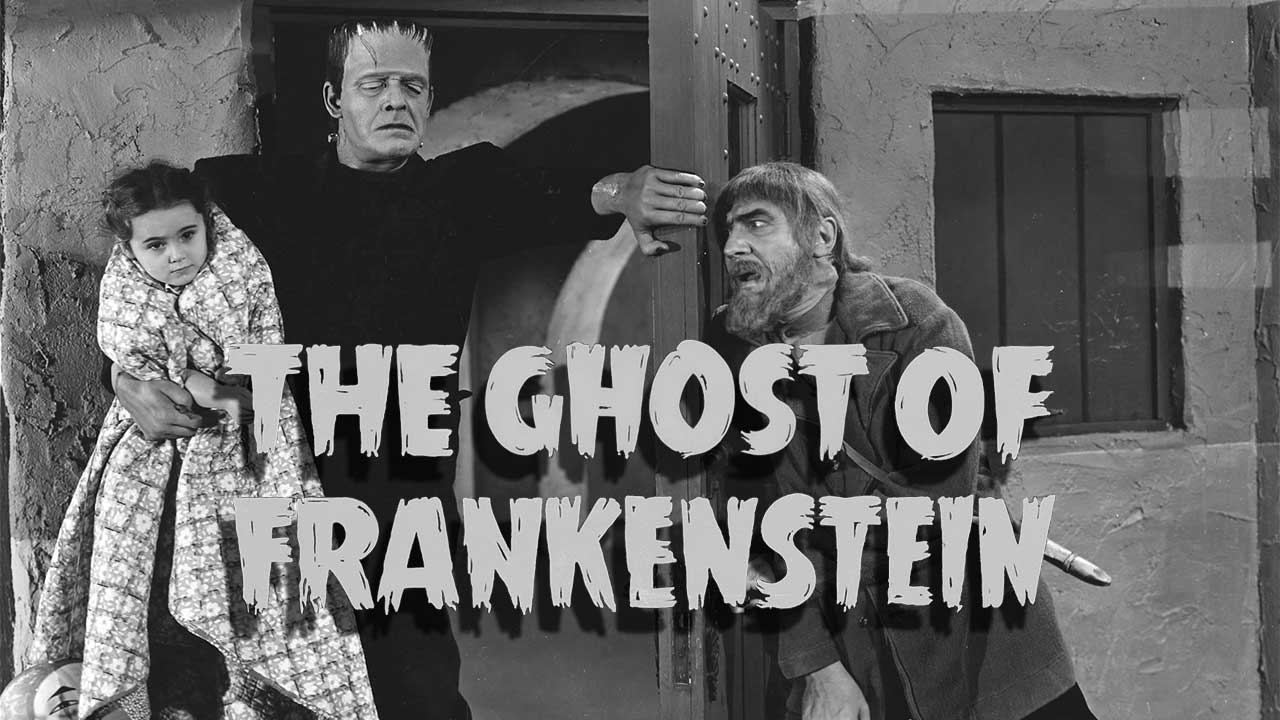
    Following the success of Son of Frankenstein, Universal wanted to get out another sequel as soon as possible. Since Boris Karloff refused to come back to play the monster, they had to find a new actor. After The Wolf Man was a hit, it was decided that Lon Chaney Jr. would be donning the makeup. For the sequel, elements from the previous film were originally going to be used, but those were scrapped. Erle C. Kenton, who had previously helmed The Island of Lost Souls, was chosen to direct the film. Jack Pierce was brought back in to recreate the monster makeup he used for Boris Karloff on Lon Chaney Jr. Other actors from previous monster movies like Cedric Hardwicke, Ralph Bellamy, Lionel Atwill, and Evelyn Ankers returned for this film. After only two months of filming, The Ghost of Frankenstein was released in March 1942.

    [/et_pb_text][/et_pb_column][et_pb_column _builder_version=”4.6.5″ _module_preset=”default” type=”1_3″][et_pb_circle_counter _builder_version=”4.6.5″ _module_preset=”default” title=”Rating” number=”80″ bar_bg_color=”#7CDA24″ hover_enabled=”0″ sticky_enabled=”0″][/et_pb_circle_counter][/et_pb_column][/et_pb_row][et_pb_row _builder_version=”4.6.5″ _module_preset=”default”][et_pb_column _builder_version=”4.6.5″ _module_preset=”default” type=”4_4″][et_pb_text _builder_version=”4.6.5″ _module_preset=”default” hover_enabled=”0″ sticky_enabled=”0″]

    Synopsis

    After the last film, Ygor (Bela Lugosi) has been holed up in Frankenstein’s castle when the locals blow it up. In the explosions, the monster (Lon Chaney Jr.) is accidentally released from his sulfuric tomb and escapes with Ygor. After revitalizing the monster, Ygor takes him to Visaria to visit Dr. Ludwig Frankenstein (Cedric Hardwicke) and ask for help. Ygor asks Ludwig to heal the monster’s body and mind, but Ludwig refuses and Ygor threatens to reveal his ancestry. While studying his late father’s notes, Henry Frankenstein’s ghost visits and convinces Ludwig to give the monster a good brain. With the help of Dr. Theodore Bohmer (Lionel Atwill), Ludwig plans on giving the monster the brain of Dr. Kettering. However, Ygor manages to convince Bohmer to substitute Kettering’s brain with his own with the promise of ruling the world. As the villagers storm the manor, Ygor declares himself immortal.


    Review

    While Son of Frankenstein wasn’t as good as the first two, it was still a solid and well-made follow-up. It also gave Boris Karloff a decent send-off as the monster, even if he had a smaller role to play. The Ghost of Frankenstein, however, feels like it was made simply so they’d have another monster movie just because. Lon Chaney Jr., who was phenomenal as The Wolf Man, doesn’t work as the monster, but it’s not his fault. He mostly just lumbers about with a blank expression and doesn’t have the physicality that Karloff brought to the monster. Bela Lugosi, returning as Ygor, still does a good job, but nowhere near as creepy as in the last film. Admittedly, the scene where the monster speaks with Ygor’s voice near the end is definitely one of the film’s highlights. What it lacks in quality, it makes up for in small highlights.

    The opening scene of the villagers destroying Frankenstein’s castle while Ygor tries fending them off is a good start. Also, the idea of performing a brain transplant on the monster was an interesting idea considering what happened before. Many of the other returning actors like Hardwicke, Atwill, Ankers, and Bellamy do a fine enough job in their roles. In terms of continuity, this one follows the events of Son of Frankenstein pretty well, though there are some inconsistencies. One other interesting moment is where the monster befriends a young girl, obviously playing off a similar scene from Frankenstein. Erle C. Kenton, who did a great job on Island of Lost Souls, does the best he can here. While this is certainly a drop-off from the previous films, there is still some fun to be had. Overall, The Ghost of Frankenstein is a fun B-picture but not a great Frankenstein film.


    Buy The Ghost of Frankenstein from Amazon: https://amzn.to/3dEmpP3

    [/et_pb_text][/et_pb_column][/et_pb_row][/et_pb_section]
  • The Wolf Man (1941)

    The Wolf Man (1941)

    [et_pb_section fb_built=”1″ _builder_version=”4.6.5″ _module_preset=”default”][et_pb_row _builder_version=”4.6.5″ _module_preset=”default” column_structure=”2_3,1_3″][et_pb_column _builder_version=”4.6.5″ _module_preset=”default” type=”2_3″][et_pb_text _builder_version=”4.6.5″ _module_preset=”default” hover_enabled=”0″ sticky_enabled=”0″]

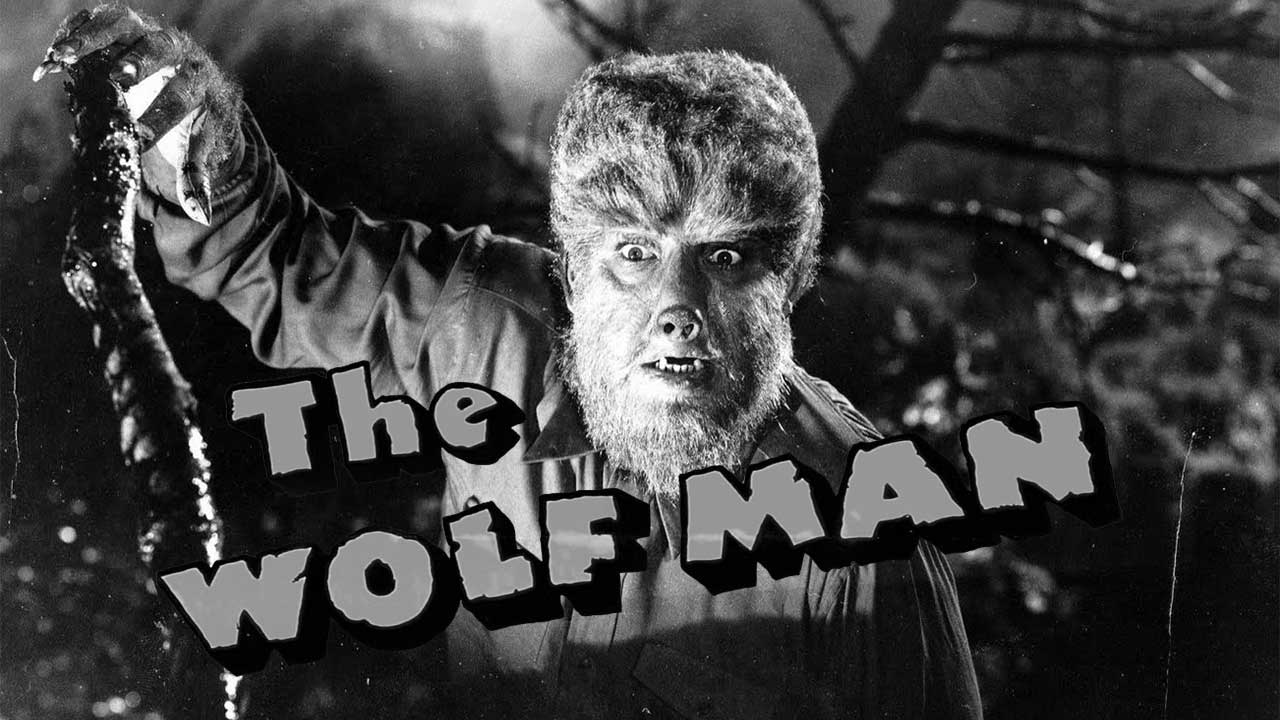
    Lon Chaney, also known as the “Man of a Thousand Faces”, is considered one of the greatest silent film actors. Chaney became a horror icon thanks to his roles in The Hunchback of Notre Dame and Phantom of the Opera. He was originally slated to play the title role in Dracula, but he passed away due to a throat hemorrhage. During Universal’s second wave of horror films, Chaney’s son Creighton, aka Lon Chaney Jr., was struggling as an actor. After years of minor roles, he was cast as Lennie Small in 1939’s Of Mice and Men, catching Universal’s attention. They cast him as the title character in 1941’s Man Made Monster as a testing ground for his abilities. Following the middling reception of Werewolf of London, Universal decided to make another werewolf movie, this time with Chaney Jr. In December of 1941, Universal’s The Wolf Man was released.

    [/et_pb_text][/et_pb_column][et_pb_column _builder_version=”4.6.5″ _module_preset=”default” type=”1_3″][et_pb_circle_counter _builder_version=”4.6.5″ _module_preset=”default” title=”Rating” number=”90″ bar_bg_color=”#7CDA24″ hover_enabled=”0″ sticky_enabled=”0″][/et_pb_circle_counter][/et_pb_column][/et_pb_row][et_pb_row _builder_version=”4.6.5″ _module_preset=”default”][et_pb_column _builder_version=”4.6.5″ _module_preset=”default” type=”4_4″][et_pb_text _builder_version=”4.6.5″ _module_preset=”default” hover_enabled=”0″ sticky_enabled=”0″]

    Synopsis

    Following the death of his brother, Lawrence Talbot (Lon Chaney Jr.) returns to his family home in Wales. He reconciles with his father John (Claude Rains) and meets a young woman named Gwen Conliffe (Evelyn Ankers). One night, Lawrence, Gwen, and her friend Jenny (Fay Helm) happen upon gypsies Maleva (Maria Ouspenskaya) and Bela (Bela Lugosi). Jenny gets attacked by a wolf that Lawrence manages to fight off, only to get bitten before killing the wolf. The police investigate, finding the body of Bela and a cane with a silver wolf’s head belonging to Lawrence. He’s suspected of murder, but Maleva warns him that Bela was a werewolf, and he’ll turn into a werewolf soon. As the full moon rises, Lawrence indeed turns into a werewolf and starts killing people throughout the village. Can Lawrence be saved from the curse, and who will The Wolf Man kill next?


    Review

    After a few years of B-tier horror films with some exceptions, The Wolf Man is a real return to form. While Werewolf of London preceded it, this took that film’s ideas, expanded upon them, and improved on them. Screenwriter Curt Siodmak, a German immigrant, managed to take real-world experiences with the Nazis to create the definitive werewolf lore. Things like the werewolf’s victims marked by a pentagram or five-pointed star and the lead being cursed by outside forces. It’s one thing for a writer to pen a good screenplay, but another to become the definitive lore for werewolves. Producer/director George Waggner, who previously directed Lon Chaney Jr. in Man Made Monster, does a phenomenal job. He takes full advantage of the spooky and foggy forest, plus the village set, to create an almost dreamlike atmosphere. It has a hypnotic quality similar to what Tod Browning did with Dracula.

    Acting-wise, the cast does a phenomenal job, from Claude Rains as the father to Evelyn Ankers as the empathetic companion. Maria Ouspenskaya practically defines the prototypical gypsy in her role, and Bela Lugosi has a small but memorable role. However, it’s Lon Chaney Jr. as Lawrence Talbot/The Wolf Man that makes the film work so well. When he’s The Wolf Man, he’s terrifying and intense, but as Talbot, he’s likable, charming, and sympathetic, playing an everyman. What makes him compelling is that he commits horrific acts, knows what he did, and can’t do anything about it. This, combined with the fantastic make-up from the great Jack Pierce, make for one of cinema’s most iconic monsters. Admittedly, some of the transformation effects are nothing special, and at 69 minutes, it goes by maybe too fast. But overall, The Wolf Man deserves its status as a Universal horror classic.


    Buy The Wolf Man from Amazon: https://amzn.to/3dnFnct

    [/et_pb_text][/et_pb_column][/et_pb_row][/et_pb_section]