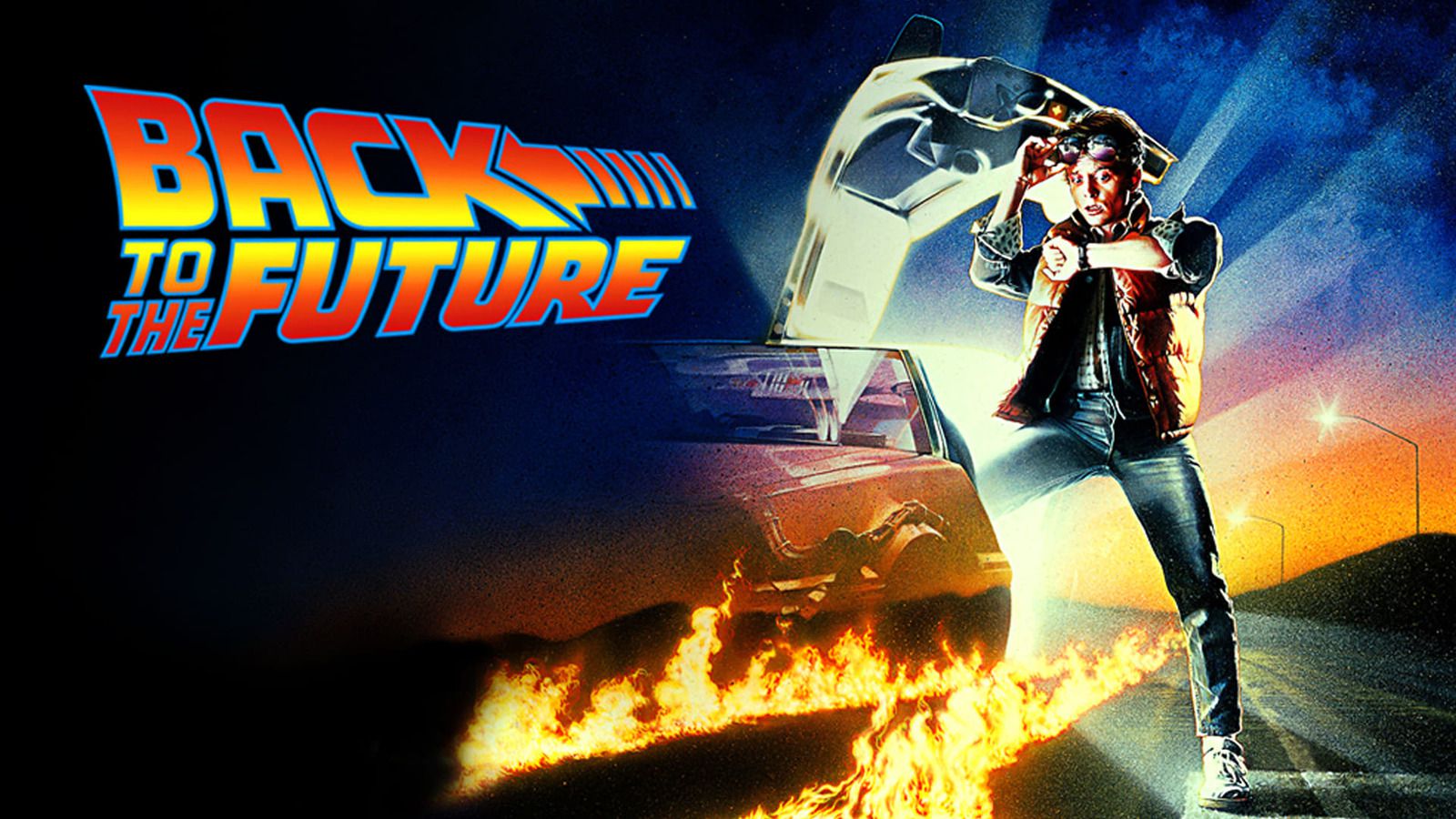
Facebook

FilmNerd

Category: Classics

  • Dracula (1931)

    Dracula (1931)

    [et_pb_section fb_built=”1″ _builder_version=”4.16″ _module_preset=”default” global_colors_info=”{}”][et_pb_row column_structure=”2_3,1_3″ _builder_version=”4.16″ _module_preset=”default” global_colors_info=”{}”][et_pb_column type=”2_3″ _builder_version=”4.16″ _module_preset=”default” global_colors_info=”{}”][et_pb_text _builder_version=”4.16″ _module_preset=”default” global_colors_info=”{}”]

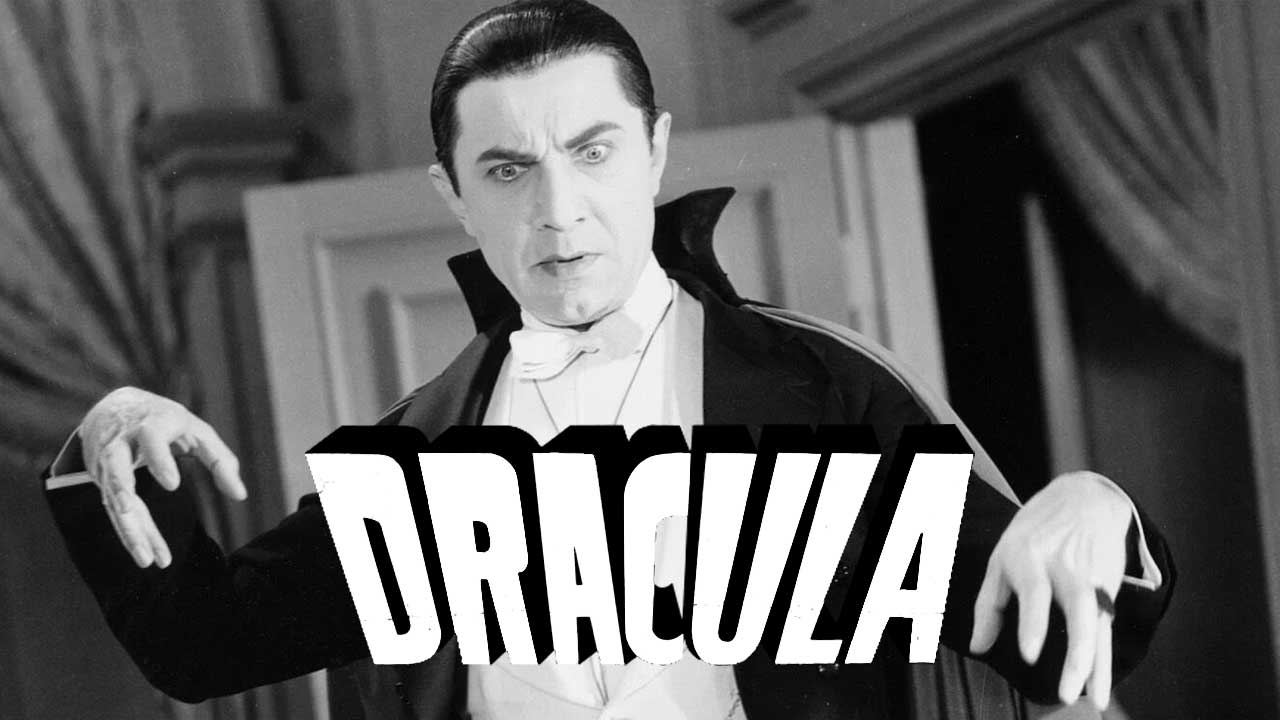
    In 1897, Irishman Bram Stoker published Dracula, a novel that, while not a hit upon release, has become a classic. Since its publication, Stoker had always wanted the book to be readapted, having tried adapting it to stage that year. With the birth of cinema came the first film adaptation of the novel called Dracula’s Death in 1921 from Hungary. Sadly, the film has since been lost, but probably the most famous early adaptation was F. W. Murnau’s Nosferatu. Released in 1922, the filmmakers were sued by Bram Stoker’s widow for copyright infringement and had it pulled from circulation. Flash forward to 1928 when Carl Laemmle, Jr. inherited Universal Studios from his father, founder Carl Laemmle, Sr. Seeing the box office potential and being a horror fan, Laemmle, Jr. decided to film a big-budget and ambitious adaptation. So, in February of 1931, Dracula was released to an unsuspecting public.

    [/et_pb_text][/et_pb_column][et_pb_column type=”1_3″ _builder_version=”4.16″ _module_preset=”default” global_colors_info=”{}”][et_pb_circle_counter title=”Rating” number=”90″ bar_bg_color=”#7CDA24″ _builder_version=”4.16″ _module_preset=”default” global_colors_info=”{}”][/et_pb_circle_counter][/et_pb_column][/et_pb_row][et_pb_row _builder_version=”4.16″ _module_preset=”default” global_colors_info=”{}”][et_pb_column type=”4_4″ _builder_version=”4.16″ _module_preset=”default” global_colors_info=”{}”][et_pb_text _builder_version=”4.27.4″ _module_preset=”default” hover_enabled=”0″ global_colors_info=”{}” sticky_enabled=”0″]

    Synopsis

    Renfield (Dwight Frye) is traveling to Transylvania on a business matter but is warned by the locals not to go. They believe the occupant of the castle he’s traveling to is a vampire, but Renfield ignores them and continues forward. At the castle, he meets Count Dracula (Bela Lugosi), who recently acquired some property in London where he’s moving to. Dracula turns Renfield into his lunatic slave, having him hide him in a coffin aboard a schooner headed for England. Upon arrival, Renfield is sent to a mental institution and is watched over by Dr. Seward (Herbert Bunston). Meanwhile, Dracula meets Seward, his daughter Mina (Helen Chandler), Mina’s fiance Johnathan Harker (David Manners), and friend Lucy (Frances Dade). Dracula takes an interest in both ladies, but soon Professor Van Helsing (Edward Van Sloan) becomes suspicious after seeing Renfield. Will Van Helsing stop him, and who will be Dracula’s next victim?


    Review

    While tame by today’s standards, it’s easy to see how Dracula started such a long and celebrated film series. For one, Tod Browning’s direction is impeccable, using slow zooms and static shots that give the film an eerie feeling. This is largely thanks to cinematographer Karl Freund, who previously worked with F. W. Murnau and Fritz Lang. The production design is likewise impressive, the sets and locations looking realistic while also having an almost theatrical look. Though there isn’t a score, the use of Swan Lake is a nice touch, adding to the sense of dread. At the same time, the fact that there isn’t any music for much of it adds a certain dreamlike quality. However, things like the lack of music can also make the film feel longer than it actually is. Thankfully, the film is a brisk 85 minutes long, so it doesn’t overstay its welcome.

    Of course, the most memorable thing about the film and why it’s still so iconic is Bela Lugosi’s performance. Given that he had to learn his lines phonetically since he didn’t speak much English, he does a great job. He has a very suave and charismatic presence, while also being sinister and seeming a bit off at times. He also has a very hypnotic stare, which the filmmakers make sure to emphasize, that can leave you mesmerized. Dwight Frye also delivers a solid performance as the manic Renfield, and Edward Van Sloan is solid as Van Helsing. The rest of the acting, while not bad, is pretty typical for the 1930s, so take that as you will. Obviously, most modern audiences will probably get bored by this, but it’s still a must-watch for anyone interested in horror. Overall, Dracula is a phenomenal start to a long-standing franchise.


    Buy Dracula from Amazon: https://amzn.to/2F11nx6.

    Disclosure: The above link is an affiliate link, which means that, at no additional cost, I will earn a commission if you click through the link and make a purchase.

    [/et_pb_text][et_pb_code _builder_version=”4.27.4″ _module_preset=”default” hover_enabled=”0″ sticky_enabled=”0″]

    Where to watch Dracula (1931)

    data-api-key=”LMVDLdLSH5ZJnQ4FMGMgyJCB8cmGbfCV” data-object-type=”Movie” data-title=”Dracula” data-year=”1931″ data-theme=”light”>

    [/et_pb_code][/et_pb_column][/et_pb_row][/et_pb_section]
  • 2001: A Space Odyssey (1968)

    2001: A Space Odyssey (1968)

    [et_pb_section fb_built=”1″ _builder_version=”4.6.1″ _module_preset=”default”][et_pb_row column_structure=”2_3,1_3″ _builder_version=”4.6.1″ _module_preset=”default”][et_pb_column type=”2_3″ _builder_version=”4.6.1″ _module_preset=”default”][et_pb_text _builder_version=”4.6.1″ _module_preset=”default” hover_enabled=”0″ sticky_enabled=”0″]

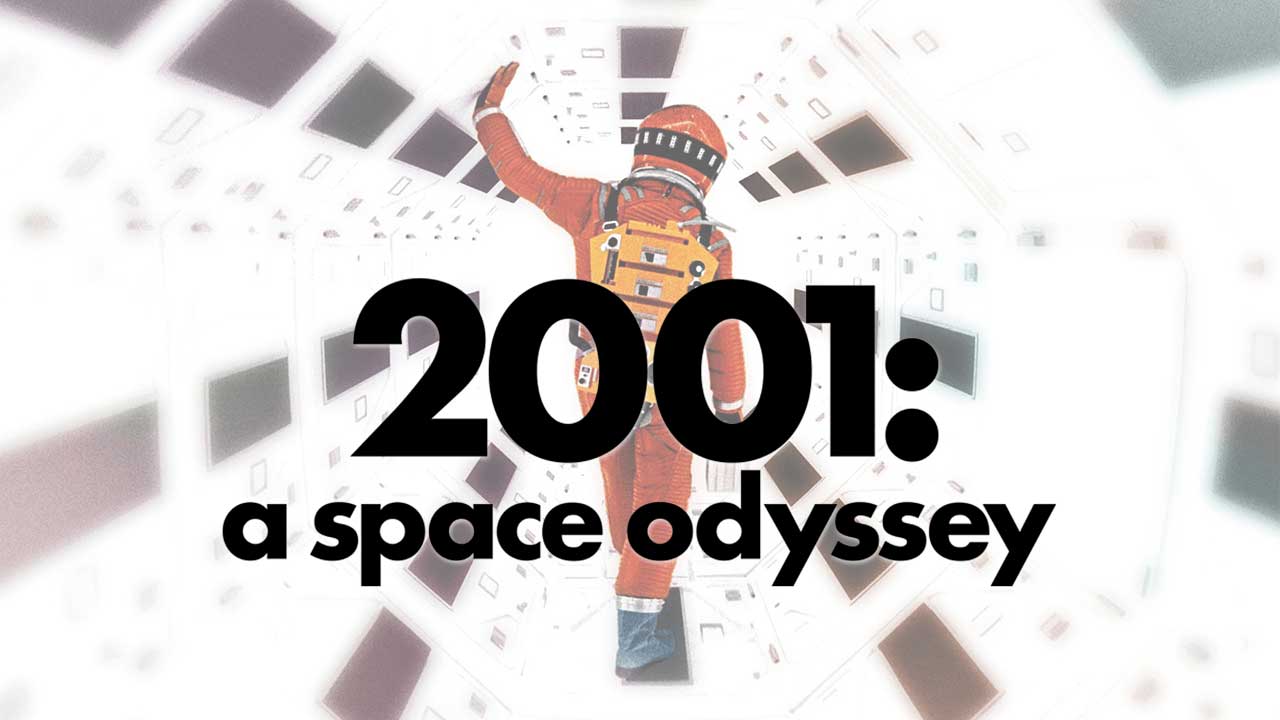
    Following the release of Dr. Strangelove, Stanley Kubrick decided to make what he called “the proverbial good science fiction movie”. With some exception, most sci-fi films of the previous decades were schlocky B-movies known for goofy effects and nonsensical stories. Kubrick teamed with acclaimed sci-fi writer Arthur C. Clarke to create something that offered a more realistic depiction of space. To help realize his vision, Kubrick hired the crew of the 1960 animated short film Universe due to its realism. Various people at NASA were hired as consultants, and even astronomer Carl Sagan was involved in helping Kubrick and Clarke. While Clarke wanted more explanations added, Kubrick made the conscious effort for the film to be as nonverbal as possible. Kubrick worked tirelessly on what would become the biggest and most ambitious film of his career at the time. Finally, in 1968, 2001: A Space Odyssey was released.

    [/et_pb_text][/et_pb_column][et_pb_column type=”1_3″ _builder_version=”4.6.1″ _module_preset=”default”][et_pb_circle_counter title=”Rating” number=”100″ bar_bg_color=”#7CDA24″ _builder_version=”4.6.1″ _module_preset=”default” hover_enabled=”0″ sticky_enabled=”0″][/et_pb_circle_counter][/et_pb_column][/et_pb_row][et_pb_row _builder_version=”4.6.1″ _module_preset=”default”][et_pb_column type=”4_4″ _builder_version=”4.6.1″ _module_preset=”default”][et_pb_text _builder_version=”4.6.1″ _module_preset=”default” hover_enabled=”0″ sticky_enabled=”0″]

    Synopsis

    At the Dawn of Man, a group of neanderthals discovers a strange monolith, granting them intelligence to create and destroy. Millions of years later, Dr. Heywood Floyd (William Sylvester) leads a group of astronauts to investigate a monolith near Tycho. 18 months later, the group of astronauts has gone silent, and the crew of Discovery One is bound for Jupiter. Aboard the Discovery One are mission pilots and scientists Dr. David Bowman (Keir Dullea) and Dr. Frank Poole (Gary Lockwood). The ship is monitored and controlled by the onboard computer HAL 9000 (Douglas Rain), who has advanced intelligence and emotions. However, Bowman and Poole doubt HAL’s efficiency and contemplate shutting HAL down, prompting the computer to turn on the crew. After HAL disconnects Poole’s oxygen and leaves him floating in space, Bowman struggles to shut down HAL for his survival. But soon, Bowman learns more than he ever anticipated.


    Review

    2001: A Space Odyssey is a film that has been analyzed and dissected so many times since its 1968 release. So much has been said of Kubrick’s ambitious sci-fi epic that I don’t know what new insight I could offer. All I can offer is my own perspective on the film, and it deserves its place as a cinematic masterpiece. Given when the film was made, its visual effects are nothing short of impressive and groundbreaking compared to earlier films. The various ship models are all intricately detailed and look like something that could possibly exist in real life. Not only that but the optical effects used towards the last act of the film are spectacular and otherworldly. The production design has that “retro-future” aesthetic that you would later see in movies like Star Wars and Alien. Thankfully, this helps the film feel more timeless than necessarily dated.

    Performance-wise, everyone does a good job, particularly Keir Dullea as the lead pilot/scientist we follow through much of it. Of course, the real star of the film is HAL 9000, brought to life beautifully thanks to Douglas Rain. He’s at times cold and calculating, but also strangely empathetic and endearing, almost feeling more human than the actual humans. In my review of Tenet, I complained that the film never really explains much of anything and gets quite confusing. While this film also doesn’t offer many explanations, it adds to its mysterious nature and is handled much better. 2001 offers a type of visual storytelling not seen at the time or even nowadays, which can frustrate certain audiences. If you’re willing to go for the ride and let it just flow, you’ll come away with a unique experience. Overall, 2001: A Space Odyssey is a masterclass in filmmaking.


    Buy 2001: A Space Odyssey from Amazon: https://amzn.to/35Q05Ql

    [/et_pb_text][/et_pb_column][/et_pb_row][/et_pb_section]
  • King Kong vs. Godzilla (1962)

    King Kong vs. Godzilla (1962)

    [et_pb_section fb_built=”1″ _builder_version=”4.16″ _module_preset=”default” global_colors_info=”{}”][et_pb_row column_structure=”2_3,1_3″ _builder_version=”4.16″ _module_preset=”default” global_colors_info=”{}”][et_pb_column type=”2_3″ _builder_version=”4.16″ _module_preset=”default” global_colors_info=”{}”][et_pb_text _builder_version=”4.16″ _module_preset=”default” global_colors_info=”{}”]

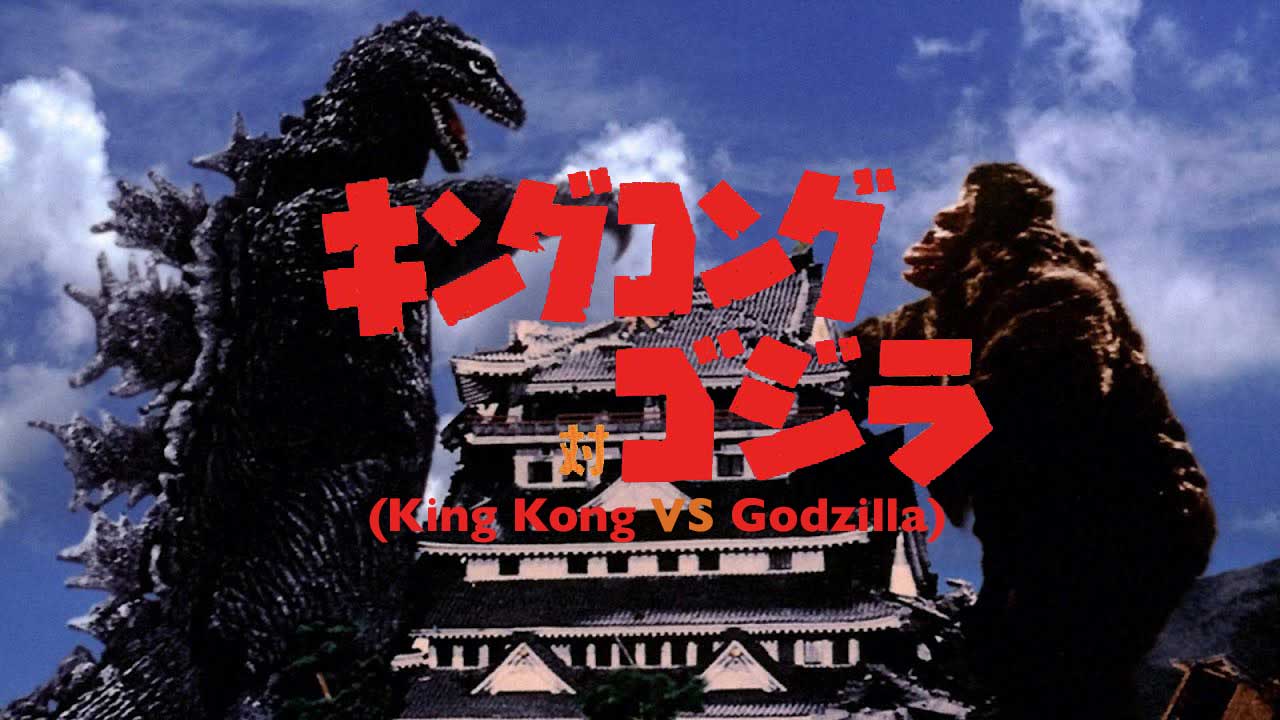
    Following the release of Godzilla Raids Again, the series was put on hiatus while Toho decided to expand their horizons. In 1956, Toho produced Rodan, which happened to also be their first color film and reached an audience outside Japan. Toho also produced 1957’s The Mysterians, which introduced Moguera, a robot that would later appear during the Heisei era. Both films were directed by the original’s director Ishiro Honda, who also helmed 1958’s Varan and 1961’s Mothra. In the meantime, stop-motion animator Willis O’Brien pitched a concept for King Kong Meets Frankenstein, which went through various studios. Eventually, the script ended up at Toho, who decided to replace Frankenstein’s Monster with Godzilla to celebrate their 30th anniversary. Ishiro Honda returned to direct and effects director Eiji Tsuburaya was brought on to help bring Godzilla after seven years. In 1962, Toho released the first color Godzilla film, King Kong vs. Godzilla.

    [/et_pb_text][/et_pb_column][et_pb_column type=”1_3″ _builder_version=”4.16″ _module_preset=”default” global_colors_info=”{}”][et_pb_circle_counter title=”Rating” number=”85″ bar_bg_color=”#7CDA24″ _builder_version=”4.16″ _module_preset=”default” global_colors_info=”{}”][/et_pb_circle_counter][/et_pb_column][/et_pb_row][et_pb_row _builder_version=”4.16″ _module_preset=”default” global_colors_info=”{}”][et_pb_column type=”4_4″ _builder_version=”4.16″ _module_preset=”default” global_colors_info=”{}”][et_pb_text _builder_version=”4.27.4″ _module_preset=”default” hover_enabled=”0″ global_colors_info=”{}” sticky_enabled=”0″]

    Synopsis

    The head of Pacific Pharmaceuticals, Mr. Tako (Ichirō Arishima), is frustrated that the company’s TV channels are losing ratings. He sends two employees, Osamu Sakurai (Tadao Takashima) and Kinsaburo Furue (Yū Fujiki), to Faro Island to investigate monster sightings. Meanwhile, an American submarine, the Sea Hawk, crashes into an iceberg, releasing Godzilla from his slumber from the last film. Back on Faro Island, Osamu and Kinsaburo discover that the monster is King Kong and transport him back to Japan. As Godzilla rampages through the Japanese countryside, Kong wakes up, breaks free from his transport raft, and fights Godzilla. While the military struggles to fight off Godzilla, Mr. Tako is wanting to see King Kong win to boost his ratings. The army tries using explosives, poison gas, and electricity, but nothing is able to stop Godzilla as he fights Kong. It’s East vs. West as both kings fight to the end!


    Review

    Coming seven years after the somewhat lackluster Godzilla Raids AgainKing Kong vs. Godzilla is a welcome change of pace. Pairing two iconic cinematic monsters was a stroke of genius, even if they had to change some things. Namely, King Kong, who’s normally about 50 feet tall, was enlargened to 150 feet so he’d stack up to Godzilla. Given that this is a Japanese monster movie, such details aren’t important or impact the film negatively at all. In terms of Honda’s direction, while this lacks the gritty feel of the original, it’s still pretty spot on here. This one has a more comedic aspect to it, especially in how Honda works in a satire of Japanese television. Mr. Tako’s obsession with boosting his ratings is similar to Carl Denham’s obsession with filmmaking in the 1933 King Kong. Whether coincidental or not, it’s an interesting aspect to mention.

    While it’s disappointing this one lacks the dark and dreary realism of 1954’s Godzilla, it’s good they did something different. It’s great to see both Godzilla and Kong in color, even if the suits look somewhat goofy and raggedy. Even still, the fight scenes are a definite highlight, especially with all the miniatures, pyrotechnics, and forced perspective used. Speaking of suits, some will see that as a downgrade from the stop-motion effects of the 1933 original. However, given the circumstances behind this film, it’s easy to see why they went with the men-in-suit route. It also helps that Godzilla and Kong fight throughout the majority of the film as opposed to the last film. This film marks a major turning point in the franchise since Toho decided to prioritize their new money-making franchise. Overall, King Kong vs. Godzilla is an entertaining early 60s monster movie that’ll please any kaiju fan.


    Buy King Kong vs. Godzilla from Amazon: https://amzn.to/33cQTma.

    Disclosure: The above link is an affiliate link, which means that, at no additional cost, I will earn a commission if you click through the link and make a purchase.

    [/et_pb_text][et_pb_code _builder_version=”4.27.4″ _module_preset=”default” hover_enabled=”0″ sticky_enabled=”0″]

    Where to watch King Kong vs. Godzilla (1962)

    data-api-key=”LMVDLdLSH5ZJnQ4FMGMgyJCB8cmGbfCV” data-object-type=”Movie” data-title=”King Kong vs. Godzilla” data-year=”1962″ data-theme=”light”>

    [/et_pb_code][/et_pb_column][/et_pb_row][/et_pb_section]

  • Midnight Cowboy (1969)

    Midnight Cowboy (1969)

    [et_pb_section fb_built=”1″ _builder_version=”4.5.8″ _module_preset=”default”][et_pb_row column_structure=”2_3,1_3″ _builder_version=”4.5.8″ _module_preset=”default”][et_pb_column type=”2_3″ _builder_version=”4.5.8″ _module_preset=”default”][et_pb_text _builder_version=”4.5.8″ _module_preset=”default”]

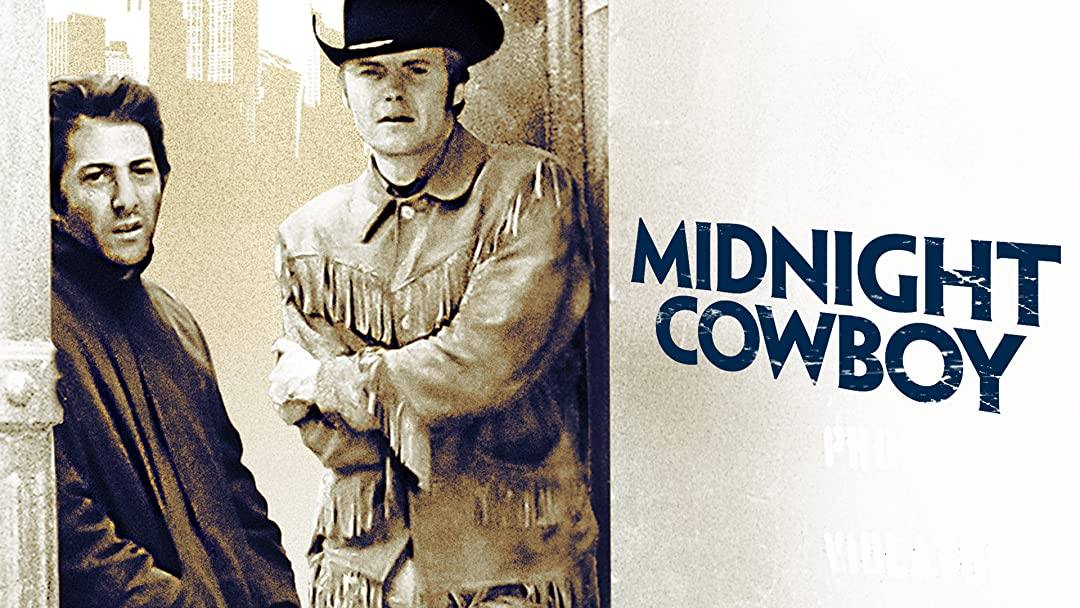
    With the advent of television and the decline in theater patronage in the 1950s, studios desperately tried to succeed. In addition to introducing new gimmicks like CinemaScope, stereo sound, and 3-D, there was a flood of giant spectacle films. While they had some success with movies like The Sound of Music and West Side Story, things quickly died out. This gave way to smaller, riskier films like Bonnie & ClydeThe Wild Bunch, and The Graduate becoming surprise hits. These successes led to a period commonly known as the New Hollywood Movement, where fresh young directors had creative freedom. Many films of this period focused on more taboo subjects that challenged what was considered acceptable in society. One filmmaker who emerged during this time was John Schlesinger, who was looking for something risky to tackle. So in 1969, Schlesinger brought us Midnight Cowboy based on the James Leo Herlihy novel.

    [/et_pb_text][/et_pb_column][et_pb_column type=”1_3″ _builder_version=”4.5.8″ _module_preset=”default”][et_pb_circle_counter title=”Rating” number=”95″ bar_bg_color=”#7CDA24″ _builder_version=”4.5.8″ _module_preset=”default”][/et_pb_circle_counter][/et_pb_column][/et_pb_row][et_pb_row _builder_version=”4.5.8″ _module_preset=”default”][et_pb_column type=”4_4″ _builder_version=”4.5.8″ _module_preset=”default”][et_pb_text _builder_version=”4.5.8″ _module_preset=”default” hover_enabled=”0″]

    Synopsis

    Texan boy Joe Buck (Jon Voight) decides to leave his dishwashing job to become a hustler in New York City. Upon arriving, however, he doesn’t find much luck, though he does manage to hook up with middle-aged Cass (Sylvia Miles). Things change for Buck when he meets Enrico Salvatore “Ratso” Rizzo (Dustin Hoffman), a con artist with a limp. Unfortunately, Joe’s luck gets worse when Rizzo cons him out of $20, tricking him into meeting a gay religious fanatic. On top of that, Joe gets locked out of his hotel room and loses his things, leaving him with nothing. He eventually runs into Rizzo, who offers to let him stay at his apartment and act as his manager. As the two develop their friendship, Joe’s luck starts getting better, though Rizzo’s health starts declining, eventually ending up bedridden. It’s a story of two unlikely friends struggling in an unforgiving world.


    Review

    Since its initial release, Midnight Cowboy has been heralded as a cinematic masterpiece, and it deserves that status. First off, Schlesinger’s direction is phenomenal, taking full advantage of the grime and grit of late 1960s New York City. Also, Voight and Hoffman give some of the best performances of their careers, playing off each other really well. It’s also interesting seeing the character dynamic change from Rizzo providing for Buck to Buck providing for Rizzo. Further adding to his character growth, we get flashbacks to Joe Buck’s past, which help give insight to his character. They give you just enough information so you can understand it without taking away from the overall experience. There are some secondary cast members who stand out, including Miles, Brenda Vaccaro, Bob Balaban, and Jennifer Salt from Sisters. It’s a wonderfully acted film, highlighted by two fantastic lead performances from Jon Voight and Dustin Hoffman.

    It’s interesting that the film was originally given an “X” rating, but was reduced to an “R” after the fact. While nothing in the film is necessarily shocking by today’s standards, it’s easy to see why it was considered controversial. The fact that it was pushing boundaries goes to show how it helped usher in the New Hollywood movement. Admittedly, there are a few moments that are somewhat disturbing, namely during the flashbacks and when Rizzo’s slowly dying. If there are any complaints to be had, I’d say that the film moves at a somewhat slow pace. There are moments where the film meanders a bit, but you’re still engaged thanks to the great performances. It’s definitely a film that’s worth watching for its historical significance, but some modern audiences will most likely get bored. Overall, Midnight Cowboy is a fantastically bleak film spearheaded by two amazing lead performances.


    Buy Midnight Cowboy from The Criterion Collection: https://bit.ly/3hv6zXY

    [/et_pb_text][/et_pb_column][/et_pb_row][/et_pb_section]
  • Godzilla Raids Again (1955)

    Godzilla Raids Again (1955)

    [et_pb_section fb_built=”1″ _builder_version=”4.16″ _module_preset=”default” global_colors_info=”{}”][et_pb_row column_structure=”2_3,1_3″ _builder_version=”4.16″ _module_preset=”default” global_colors_info=”{}”][et_pb_column type=”2_3″ _builder_version=”4.16″ _module_preset=”default” global_colors_info=”{}”][et_pb_text _builder_version=”4.16″ _module_preset=”default” global_colors_info=”{}”]

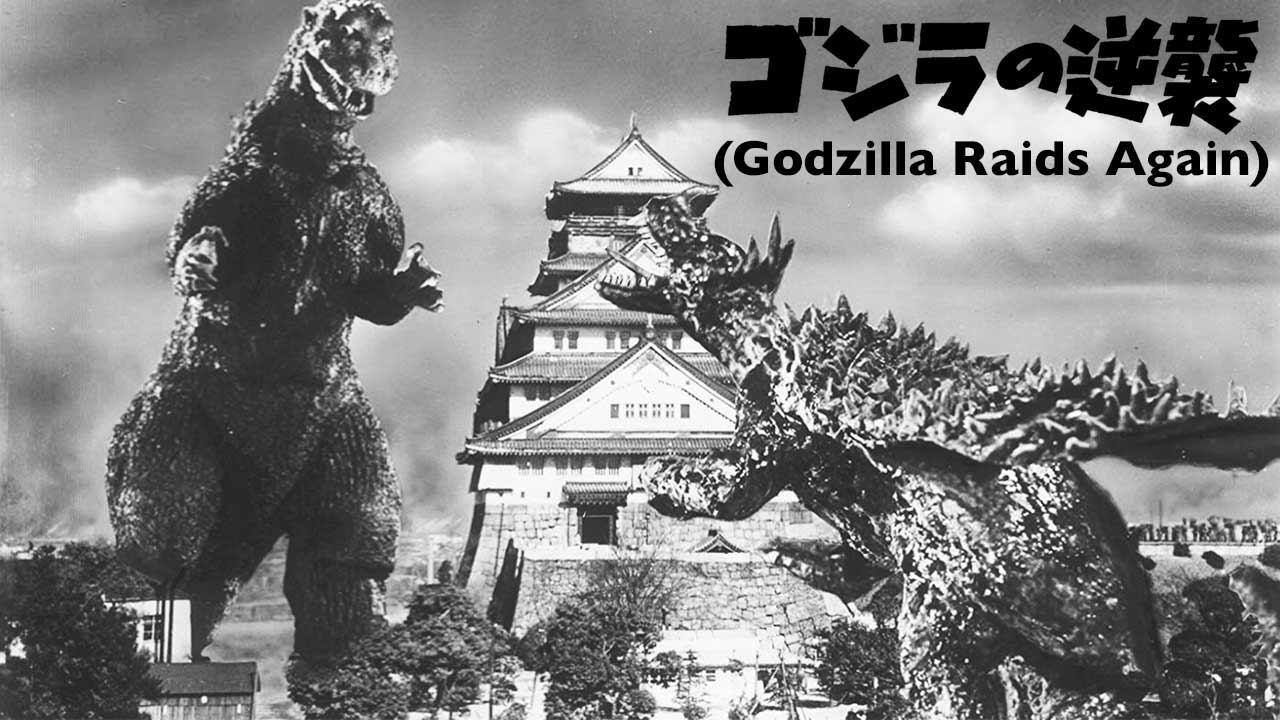
    Against a budget of ¥100 million, Godzilla grossed ¥183 million, or $2.1 million, at the Japanese box office. In 1956, the film was re-edited and released in the US as Godzilla, King of the Monsters featuring Raymond Burr. Though lacking much of the original’s political themes, it was successful enough to further establish Godzilla’s popularity worldwide. Following its success, producer Tomoyuki Tanaka was asked by executive producer Iwao Mori to start producing a sequel. However, original director Ishiro Honda couldn’t return as he was working on 1955’s Love Makeup, so Oda Motoyoshi was hired. For the sequel, they decided to include a new monster, which established the trope of having a monster fight Godzilla. Not wanting to lose the momentum of the original film’s success, the sequel was released one year later. On April 24, 1955, Godzilla Raids Again was released in Japan and Japanse American cinemas.

    [/et_pb_text][/et_pb_column][et_pb_column type=”1_3″ _builder_version=”4.16″ _module_preset=”default” global_colors_info=”{}”][et_pb_circle_counter title=”Rating” number=”80″ bar_bg_color=”#7CDA24″ _builder_version=”4.16″ _module_preset=”default” global_colors_info=”{}”][/et_pb_circle_counter][/et_pb_column][/et_pb_row][et_pb_row _builder_version=”4.16″ _module_preset=”default” global_colors_info=”{}”][et_pb_column type=”4_4″ _builder_version=”4.16″ _module_preset=”default” global_colors_info=”{}”][et_pb_text _builder_version=”4.27.4″ _module_preset=”default” global_colors_info=”{}”]

    Synopsis

    Two Japanese pilots, Shoichi Tsukioka (Hiroshi Koizumi) and Koji Kobayashi (Minoru Chiaki) are hunting fish for a cannery company. When Kobayashi starts losing control of his plane, he lands on Iwato Island, where he sees Godzilla fighting another monster. After Kobayashi’s rescued by Tsukioka, they report what they saw to the authorities, who dub the new monster Anguirus. Dr. Kyohei Yamane (Takashi Shimura), who witnessed Godzilla’s rampage beforehand, confirms that this Godzilla is another member of its species. While the monsters continue their rampage, the Japanese military tries to keep Godzilla away from shore and wreaking further havoc. Eventually, Godzilla wins the fight by killing Anguirus and returns to the sea, leading the military to search for him. After Godzilla takes out some fishing boats, the military tries everything they can to bring the monster down. Will they succeed, or will Godzilla continue his rampage throughout Japan?


    Review

    While the original film may have had its flaws, it was still a landmark in Japanese cinema and indeed worldwide. The film commented on the dangers of nuclear war and was a metaphor for the then-recent nuclear devastation Japan was going through. This film, however, ditches the somber tone and symbolism for a more or less fairly conventional 50s monster movie. You have regular civilians running into the monsters, the military failing to stop the monsters, and a big monster brawl. Granted, this one introduced many concepts we’d see in future Godzilla movies, and they were still figuring things out. Also, the fact that this film was rushed to a release one year later hinders the film’s quality. Though the first film’s effects were somewhat crude, the filmmakers were able to work with what they had. Here, you can tell the crew wasn’t given much time to prepare.

    That being said, there are some decent effects on display, and the monster fights are the highlight of the film. You can also tell the filmmakers learned some lessons from the last film, such as slimming down the Godzilla suit. Once again, the black and white cinematography does complement the monster scenes, even if it lacks the original’s gritty quality. Still, there are some parallels similar to the original, namely scenes of Osaka in flames symbolizing the Nagasaki bombing. Unfortunately, there are tons of filler scenes that drag the movie down and add to its more conventional nature. That’s not to say any of the performances are terrible, but the primary human scenes can get dull. This is still a fairly important entry in the series, establishing future tropes and being the last black-and-white Godzilla film. Overall, Godzilla Raids Again is a slightly disjointed yet enjoyable kaiju film worth watching.


    Buy Godzilla Raids Again from Amazon: https://amzn.to/49yvlUT.

    Disclosure: The above link is an affiliate link, which means that, at no additional cost, I will earn a commission if you click through the link and make a purchase.

    [/et_pb_text][et_pb_code _builder_version=”4.27.4″ _module_preset=”default” hover_enabled=”0″ global_colors_info=”{}” sticky_enabled=”0″]

    Where to watch Godzilla Raids Again (1955)

    data-api-key=”LMVDLdLSH5ZJnQ4FMGMgyJCB8cmGbfCV” data-object-type=”Movie” data-title=”Godzilla Raids Again” data-year=”1955″ data-theme=”light”>

    [/et_pb_code][/et_pb_column][/et_pb_row][/et_pb_section]
  • Godzilla (1954)

    Godzilla (1954)

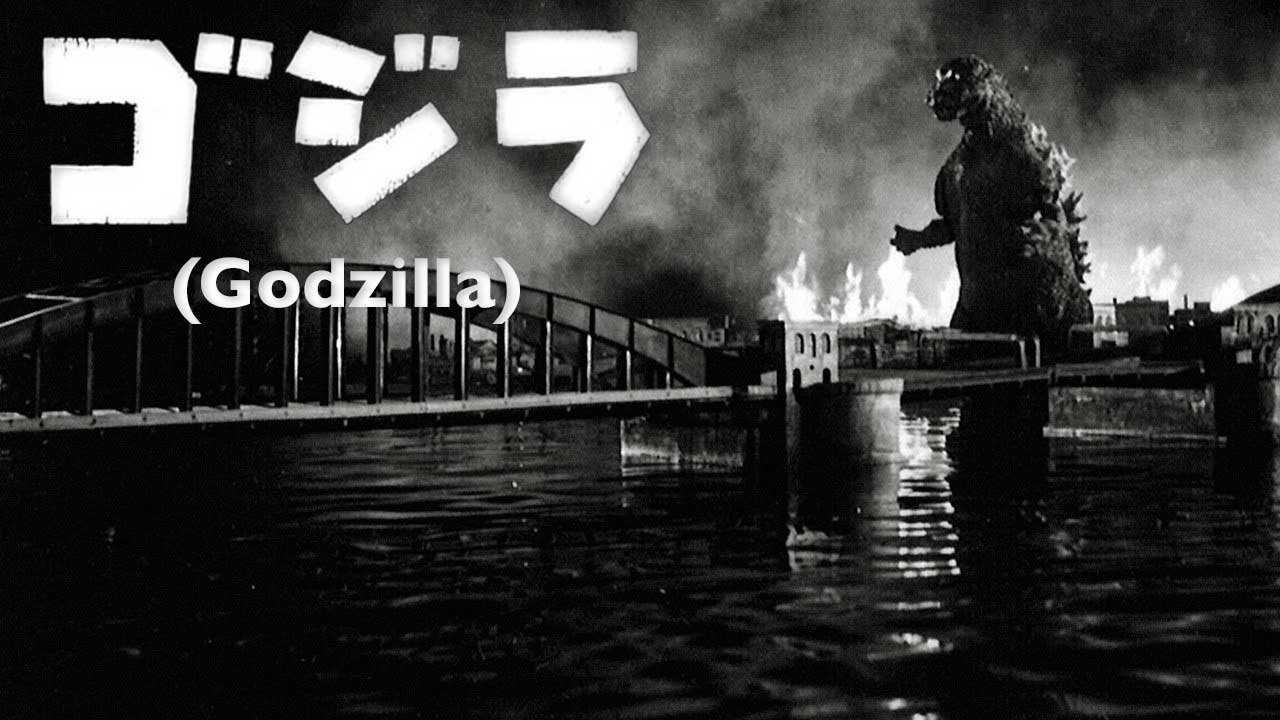
    [et_pb_section fb_built=”1″ admin_label=”section” _builder_version=”4.16″ global_colors_info=”{}”][et_pb_row column_structure=”2_3,1_3″ admin_label=”row” _builder_version=”4.16″ background_size=”initial” background_position=”top_left” background_repeat=”repeat” global_colors_info=”{}”][et_pb_column type=”2_3″ _builder_version=”4.16″ custom_padding=”|||” global_colors_info=”{}” custom_padding__hover=”|||”][et_pb_text _builder_version=”4.16″ _module_preset=”default” global_colors_info=”{}”]On August 6, 1945, the United States dropped an atomic bomb on the Japanese city of Hiroshima, claiming 135,000 lives. Three days later, the US dropped another atomic bomb, this time on Nagasaki, which claimed an additional 64,000 casualties. Following this, Japan officially surrendered to the US, and the effects of both bombs are still being felt today. As part of the American occupation of Japan, the film industry was drastically changed to portray more Western ideals. Around this time, Japan entered a golden age of cinema thanks to filmmaker Akira Kurosawa of Rashomon and Yojimbo fame. Meanwhile, producer Tomoyuki Tanaka of Toho Studios was inspired by these nuclear attacks to work on a giant monster movie. Tanaka hired filmmaker Ishiro Honda to direct given his war-time experience, who decided to make this monster movie completely serious. So in 1954, Gojira aka Godzilla roared its way into Japanese cinemas.
    [/et_pb_text][/et_pb_column][et_pb_column type=”1_3″ _builder_version=”4.16″ custom_padding=”|||” global_colors_info=”{}” custom_padding__hover=”|||”][et_pb_circle_counter title=”Rating” number=”95″ bar_bg_color=”#7CDA24″ _builder_version=”4.16″ _module_preset=”default” global_colors_info=”{}”][/et_pb_circle_counter][/et_pb_column][/et_pb_row][et_pb_row _builder_version=”4.16″ _module_preset=”default” global_colors_info=”{}”][et_pb_column type=”4_4″ _builder_version=”4.16″ _module_preset=”default” global_colors_info=”{}”][et_pb_text _builder_version=”4.27.4″ _module_preset=”default” global_colors_info=”{}”]

    Synopsis

    Several freighters off the coast of Japan are being destroyed, one survivor claiming that a giant monster was responsible. Dubbed “Godzilla”, the monster destroys an entire village and the villagers demand answers and assistance from the government. Paleontologist Kyohei Yamane (Takashi Shimura) is hired to investigate and findings massive amounts of radiation before the monster reappears. While Yamane wants to study the creature, the military wants to destroy it, but nothing seems to kill it. Meanwhile, Yamane’s daughter Emiko (Momoko Kōchi) tells her fiance Hideto Ogata (Akira Takarada) about a possible way to destroy Godzilla. Her former lover, Daisuke Serizawa (Akihiko Hirata) has developed a weapon called the “Oxygen Destroyer”, which kills via asphyxiation. Serizawa is conflicted about using it fearing the superpowers will exploit it, but he’s convinced otherwise after seeing Godzilla’s rampage. Will the monster be stopped, or will Tokyo be crushed and destroyed by Godzilla?


    Review

    Godzilla is not only one of the most important films in Japanese cinema, but also in worldwide cinema. While not the first (Godzilla was inspired by The Beast from 20,000 Fathoms), the film started the kaiju genre. For the next several decades, movies with guys in rubber monster suits destroying miniatures became a mainstay of Japanese cinema. However, while the later films got more ridiculous, this one stands out for how gloomy and foreboding it is. Given that Japan had fairly recently experienced nuclear war firsthand, the film perfectly shows the horrors of atomic fallout. We see tons of ruined cityscapes and people injured or dying in hospitals, and the black-and-white cinematography enhances the mood. Even when the monster’s off-screen, the overall film has a very foreboding feel that gives a feeling of dread. The film somehow manages to make a scene of schoolgirls singing off-setting and slightly creepy.

    Though somewhat crude by American standards, the effects used here are impressive given the circumstances at the time. The film makes effective use of miniatures and camera angles to show Godzilla’s size and make the monster a threat. Today’s audiences will probably criticize the effects, but keep in mind, the filmmakers had a fraction of an American budget. If there are any complaints I have, I will say that though the performances are solid, there’s isn’t much characterization. Granted, the film is more so focused on symbolizing years of atomic destruction than on giving us fully developed characters. In that sense, Godzilla more than succeeds, and it’s easy to see how this started a whole new subgenre. While the film can be slow at times, the scenes of Godzilla’s rampage are the highlight and make it watch-worthy. Overall, Godzilla more than earns its place in history as a Japanese classic.


    Buy Godzilla from Amazon: https://amzn.to/4qFU5AM.

    Disclosure: The above link is an affiliate link, which means that, at no additional cost, I will earn a commission if you click through the link and make a purchase.

    [/et_pb_text][et_pb_code _builder_version=”4.27.4″ _module_preset=”default” hover_enabled=”0″ global_colors_info=”{}” sticky_enabled=”0″]

    Where to watch Godzilla (1954)

    data-api-key=”LMVDLdLSH5ZJnQ4FMGMgyJCB8cmGbfCV” data-object-type=”Movie” data-title=”Godzilla” data-year=”1954″ data-theme=”light”>

    [/et_pb_code][/et_pb_column][/et_pb_row][/et_pb_section]
  • Heaven’s Gate (1980)

    Heaven’s Gate (1980)

    [et_pb_section fb_built=”1″ _builder_version=”4.5.1″ _module_preset=”default”][et_pb_row column_structure=”2_3,1_3″ _builder_version=”4.5.1″ _module_preset=”default”][et_pb_column type=”2_3″ _builder_version=”4.5.1″ _module_preset=”default”][et_pb_text _builder_version=”4.5.1″ _module_preset=”default”]

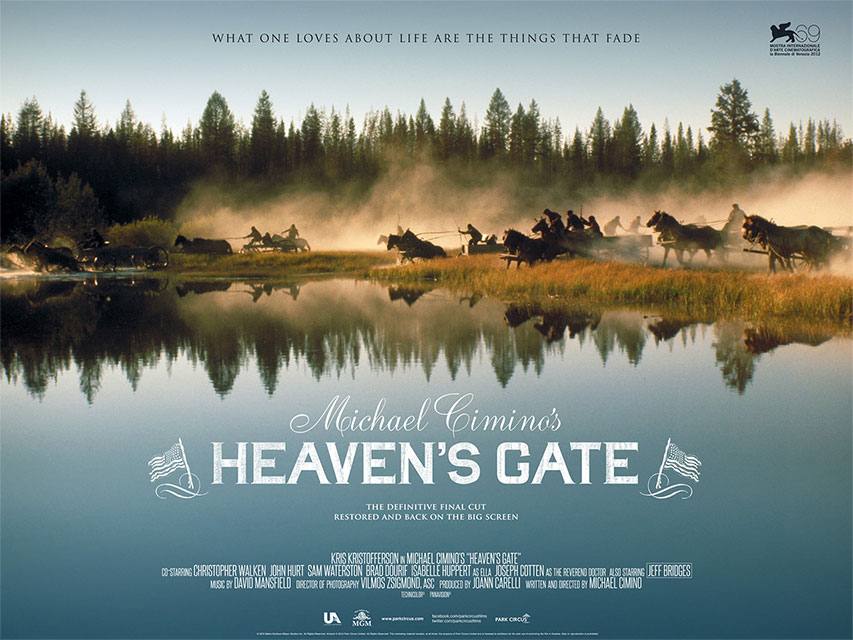
    Filmmaking can have its own set of challenges, and sometimes a film’s production history can even transcend the film itself. Films like CleopatraWaterworldApocalypse Now, Alien 3World War Z, and even Jaws are prime examples of troubled productions. While a film can overcome its troubled production and earn classic status, it more often than not ends in disaster. Enter Michael Cimino, a TV commercial director who made his cinematic debut with Thunderbolt and Lightfoot in 1974. While that did well, his next film, 1978’s The Deer Hunter, sent him into superstardom and made him a name. On a $15-million budget, the film grossed $49-million and earned five Academy Awards, including Best Director and Best Picture. With that success, United Artists gave Cimino free rein for his next film, so he set out to make his epic. That film wound up being the notorious box office flop, Heaven’s Gate.

    [/et_pb_text][/et_pb_column][et_pb_column type=”1_3″ _builder_version=”4.5.1″ _module_preset=”default”][et_pb_circle_counter title=”Rating” number=”80″ bar_bg_color=”#7CDA24″ _builder_version=”4.5.1″ _module_preset=”default”][/et_pb_circle_counter][/et_pb_column][/et_pb_row][et_pb_row _builder_version=”4.5.1″ _module_preset=”default”][et_pb_column type=”4_4″ _builder_version=”4.5.1″ _module_preset=”default”][et_pb_text _builder_version=”4.5.1″ _module_preset=”default” hover_enabled=”0″]

    Synopsis

    In 1890, James Averill (Kris Kristofferson) has been made marshall of Johnson County, Wyoming when he stops in Casper. He gets word from his college friend Billy Irvine (John Hurt) that the Stock Growers Association is planning something big. Turns out Frank Canton (Sam Waterston), head of the association, is putting together a “death list” of 125 immigrants. Canton is putting together a group of outlaws led by enforcer Nate Champion (Christopher Walken) to hunt down these immigrants. Meanwhile, Averill reunites with old flame Ella Watson (Isabelle Huppert), a bordello madam who is also infatuated with Nate. As tensions rise between the immigrants and the association, it’s soon revealed that Ella is on the death list. Soon, it falls on Averill to lead the immigrants to fight against the association while Champion questions his loyalty. Will the immigrants survive, will the association succeed, and who will Ella end up with?


    Review

    Heaven’s Gate is a film so notorious for its production history and lasting impact that there’s nothing I can add. With a final budget of $44 million, you can see the money on the screen, given the epic production design. The sets feel like real, lived-in Western towns that are straight out of the late 1800s, every detail spot on. For everything that’s been said about him, it’s undeniable that Cimino was a talented director who could frame a scene. Working with Oscar-winning cinematographer Vilmos Zsigmond, Cimino fills the screen with wide vistas that take advantage of the filming locations. The cast does an admirable job, Kristofferson making for a strong lead, though Walken completely steals the show. Though oddly cast given her nationality, Huppert does a good job and has good chemistry between Kristofferson and Walken. Waterston and Hurt, though having limited screentime, make the most of it.

    The rest of the cast is rounded out by Brad Dourif, Joseph Cotton, Jeff Bridges, Geoffrey Lewis, and Richard Masur. There are even some early appearances from Terry O’Quinn, Mickey Rourke, Tom Noonan, and Willem Dafoe, though he was fired. As much as I admire his attention to detail, it’s easy to see why Cimino was so problematic. With its three-hour-thirty-six-minute runtime, the film feels bloated, unfocused in its plot, and like it’s dragging its feet along. For instance, Ella isn’t introduced until an hour in, and only at the one-hour-forty-five-minute mark does anything plot-related happen. However, the way it’s structured, it almost feels we’re being transported into this other time following these characters. Despite its bloated nature and troubled production, this is still a fascinating piece of cinematic history given its notoriety. Overall, Heaven’s Gate is probably more suited for hardcore cinematic connoisseurs than general audiences.


    Buy Heaven’s Gate from The Criterion Collection: https://bit.ly/3jy35VR

    [/et_pb_text][/et_pb_column][/et_pb_row][/et_pb_section]
  • Back to the Future Part III (1990)

    Back to the Future Part III (1990)

    [et_pb_section fb_built=”1″ _builder_version=”4.4.8″][et_pb_row _builder_version=”4.4.8″ column_structure=”2_3,1_3″][et_pb_column _builder_version=”4.4.8″ type=”2_3″][et_pb_text _builder_version=”4.4.8″ hover_enabled=”0″]

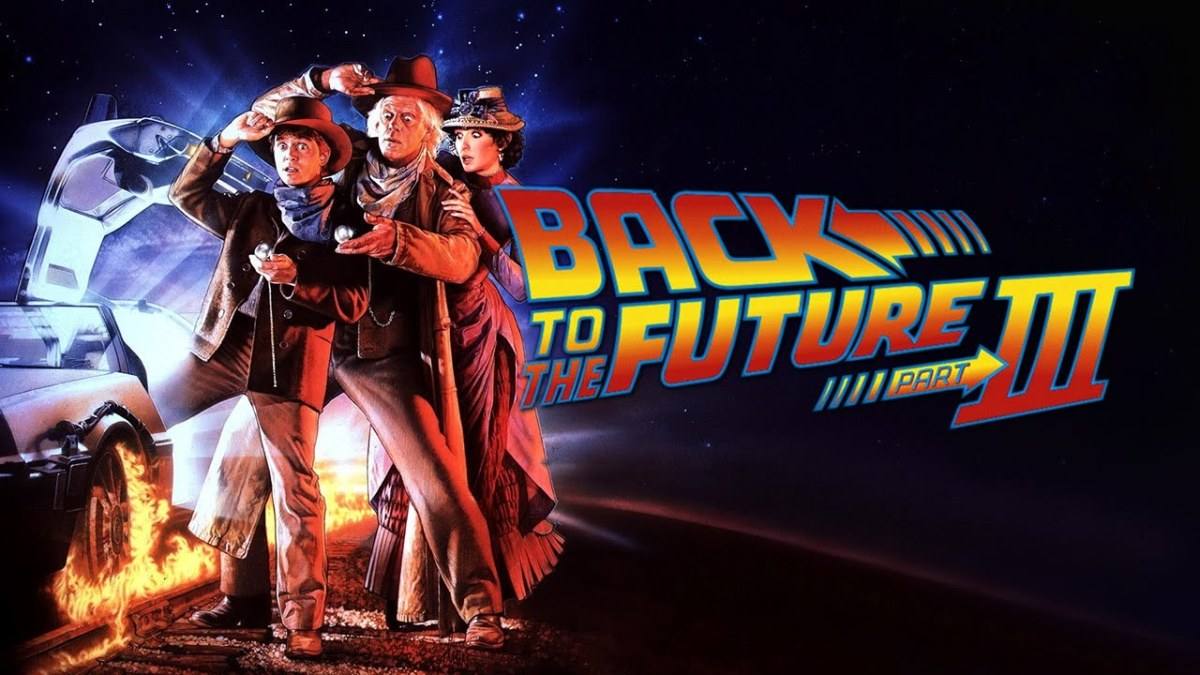
    The original script for Back to the Future Part II was considered too long, so it was split into two. Universal Studios, alongside co-writer/producer Bob Gale and co-writer/director Robert Zemeckis, decided that Parts II and III would be filmed back-to-back. Once Part II was finished filming, Part III would start immediately afterward, amounting to roughly 11 months’ worth of shooting. There was even a short teaser trailer for Part III added to the end of Part II. While working on the first film, one idea that started circulating was moving the action to the Old West. To realize this, they built a whole Western town in Monument Valley, California, and everyone in the crew was excited. For this third installment, Zemeckis felt there wasn’t much left for the McFly’s, so the focus shifted to Doc Brown. After a lengthy production, Back to the Future Part III was released in 1990.

    [/et_pb_text][/et_pb_column][et_pb_column _builder_version=”4.4.8″ type=”1_3″][et_pb_circle_counter _builder_version=”4.4.8″ title=”Rating” number=”80″ bar_bg_color=”#7CDA24″ hover_enabled=”0″][/et_pb_circle_counter][/et_pb_column][/et_pb_row][et_pb_row _builder_version=”4.4.8″][et_pb_column _builder_version=”4.4.8″ type=”4_4″][et_pb_text _builder_version=”4.4.8″ hover_enabled=”0″]

    Synopsis

    Following Part II’s ending, Marty McFly (Michael J. Fox) gives 1955 Doc Brown (Christopher Lloyd) instructions left by 1885 Doc. They show how to repair the DeLorean so Marty can return to 1985 and to not go to 1885. However, Marty discovers that Doc will be shot in 1885, so he uses the DeLorean to try and save him. Unfortunately, the DeLorean’s fuel line gets cut, so it can’t go 88 miles per hour to make time travel possible. Marty manages to find Doc after running into local outlaw Buford “Mad Dog” Tannen (Thomas F. Wilson), who’s after Doc. After Marty warns him, Doc devises a plan to get the DeLorean moving: have a locomotive push it. Along the way, Doc meets local schoolteacher Clara Clayton (Mary Steenburgen) and they fall in love. It’s a race against time to stop Mad Dog and get Marty back to the future!


    Review

    While Part II expanded on the original and asked thought-provoking questions, Back to the Future Part III plays it safe. As a whole, it’s largely a retread of the first film, the only main difference being the setting. Marty goes back in time, arrives at an older Hill Valley, confronts a bully, and must get back to 1985. Admittedly, this film does have several major differences besides the setting, namely that this is largely Doc Brown’s story. Not only is Marty’s motivation to prevent Doc’s death, but he’s given more character development and a bigger arc. It’s an interesting angle to take, essentially role reversing Marty and Doc, even giving Doc a love interest. It doesn’t hurt that Lloyd and Steenburgen have great chemistry together, and they feel like a fully fleshed out couple. There’s a mixture of old tropes and new ideas thrown into the mix.

    Acting-wise, everyone does a good job, Fox and Lloyd still working as a comedic duo and being the franchise’s heart. Since he’s given more of an arc, this entry allows Lloyd to further show his acting abilities aside from eccentricity. Like before, Wilson steals the show, this time as the gun-totting and ill-tempered outlaw Mad Dog Tannen. While George “Buck” Flower doesn’t return, there are plenty of Western character actors thrown in, some even from Blazing Saddles. Production-wise, the Western town built for the film is impressive, feeling like something that would’ve existed at the time. The climactic train sequence is just as thrilling as anything else from the series, and the ending perfectly wraps everything up. Though arguably the weakest film in the trilogy, it still works as a satisfying conclusion without any loose ends. Overall, Back to the Future Part III is a solid final chapter.


    Buy the Back to the Future trilogy on Amazon: https://amzn.to/3ipaAxQ

    [/et_pb_text][/et_pb_column][/et_pb_row][/et_pb_section]
  • Back to the Future Part II (1989)

    Back to the Future Part II (1989)

    [et_pb_section fb_built=”1″ _builder_version=”4.16″ global_colors_info=”{}”][et_pb_row column_structure=”2_3,1_3″ _builder_version=”4.16″ global_colors_info=”{}”][et_pb_column type=”2_3″ _builder_version=”4.16″ global_colors_info=”{}”][et_pb_text _builder_version=”4.27.0″ global_colors_info=”{}”]

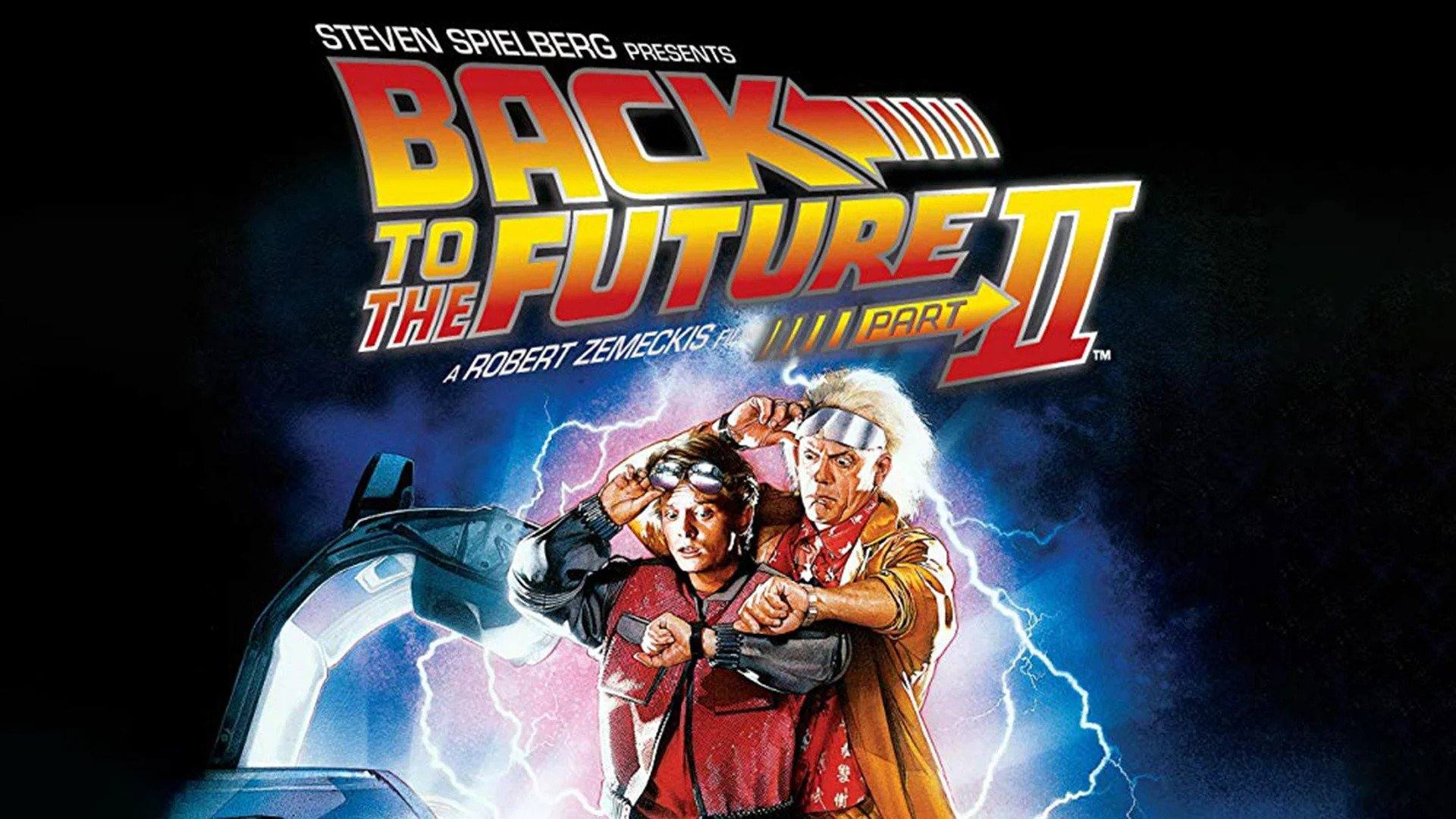
    Though having a cliffhanger ending, director Robert Zemeckis never thought a sequel to Back to the Future would happen. However, upon its July 3rd, 1985 release, the film grossed over $381 million worldwide and was the year’s highest-grossing film. Combined with the overwhelming praise from critics, Universal immediately wanted a sequel, so Zemeckis agreed, but only on one condition. He’d only do it if Michael J. Fox and Christopher Lloyd would return, which thankfully they both agreed to return. However, making the sequel had its own problems, namely when it came to getting the rest of the original cast. While they got both Lea Thompson and Thomas F. Wilson came back, Crispin Glover and Claudia Wells wouldn’t return. After finishing 1988’s Who Framed Roger Rabbit, Zemeckis and company set off to make a sequel worthy of the original. So, in 1989, Back to the Future Part II was finally released.

    [/et_pb_text][/et_pb_column][et_pb_column type=”1_3″ _builder_version=”4.16″ global_colors_info=”{}”][et_pb_circle_counter title=”Rating” number=”85″ bar_bg_color=”#7CDA24″ _builder_version=”4.16″ global_colors_info=”{}”][/et_pb_circle_counter][/et_pb_column][/et_pb_row][et_pb_row _builder_version=”4.16″ global_colors_info=”{}”][et_pb_column type=”4_4″ _builder_version=”4.16″ global_colors_info=”{}”][et_pb_text _builder_version=”4.27.4″ global_colors_info=”{}”]

    Synopsis

    Continuing from before, Marty McFly (Michael J. Fox), Doc Brown (Christopher Lloyd), and Jennifer Parker (Elisabeth Shue) travel to 2015. They arrive to straighten things out with Marty’s son when they unwittingly meet old man Biff Tannen (Thomas F. Wilson). Unfortunately, Biff ends up stealing the Delorean and uses it to travel back in time to change his fate. Marty, Doc, and Jennifer return to 1985 only to find it in a chaotic state where Biff is in charge. Turns out old Biff gave young Biff a Sports Almanac Marty bought in 2015 so he could get rich. After leaving Jennifer back in 1985, Marty and Doc travel back to 1955 to retrieve and destroy the almanac. At the same time, they must make sure that what they did in the first film isn’t undone. It’s a race against time to make sure the timelines are restored.


    Review

    Making a worthwhile sequel to such a monumental film as Back to the Future was never going to be easy. Thankfully, while it’s not quite as good, Back to the Future Part II still succeeds at building on the original. Once again, Fox and Lloyd work well as a duo, trading back-and-forths and matching each other’s energy fairly well. Lea Thompson is given much more to do since we get both 1955 Lorraine and an alternate 1985 Lorraine. The latter is shown to be a sad wreck with plastic surgery who’s an alcoholic that’s been beaten into submission. However, Thomas F. Wilson steals the show playing 2015 Biff, alternate 1985 Biff, 1955 Biff, and even Biff’s grandson Griff. This film does an amazing job taking a stock bully character and making him a force to be reckoned with. Even George “Buck” Flower makes another appearance.

    Unfortunately, the recasting is pretty obvious right from the beginning when you see Elisabeth Shue instead of Claudia Wells. Shue isn’t terrible, but it’s distracting, though not as much as the lengths they went to barely show Crispin Glover. In addition to having actor Jeffrey Weissman standing in, they also use strategically-placed close-ups that show Thompson but not Glover. Also, there are story elements added that make no sense, namely how Marty is triggered when someone calls him “chicken”. This was never established or alluded to in the first film, so it feels forced and out-of-place here. On a more positive note, the technology they created to show multiple versions of one actor at once is impressive. Plus, the film asks questions about how time travel should be used and how one tiny thing can change everything. Overall, Back to the Future Part II is an enjoyable if flawed follow-up.


    Buy Back to the Future Part II on Amazon: https://amzn.to/3AIVNMl.

    Disclosure: The above link is an affiliate link, which means that, at zero cost to you, I will earn a commission if you click through the link and finalize a purchase.


    [/et_pb_text][et_pb_code _builder_version=”4.27.4″ _module_preset=”default” hover_enabled=”0″ global_colors_info=”{}” sticky_enabled=”0″]

    Where to watch Back to the Future Part II (1989)

    data-api-key=”LMVDLdLSH5ZJnQ4FMGMgyJCB8cmGbfCV” data-object-type=”Movie” data-title=”Back to the Future Part II” data-year=”1989″ data-theme=”light”>

    [/et_pb_code][/et_pb_column][/et_pb_row][/et_pb_section]
  • Back to the Future (1985)

    Back to the Future (1985)

    [et_pb_section fb_built=”1″ _builder_version=”4.16″ global_colors_info=”{}”][et_pb_row _builder_version=”4.27.4″ _module_preset=”default” global_colors_info=”{}”][et_pb_column type=”4_4″ _builder_version=”4.27.4″ _module_preset=”default” global_colors_info=”{}”][et_pb_video src=”https://youtu.be/go8xI5LH9_I” _builder_version=”4.27.4″ _module_preset=”default” global_colors_info=”{}”][/et_pb_video][/et_pb_column][/et_pb_row][et_pb_row column_structure=”2_3,1_3″ _builder_version=”4.16″ global_colors_info=”{}”][et_pb_column type=”2_3″ _builder_version=”4.16″ global_colors_info=”{}”][et_pb_text _builder_version=”4.27.0″ global_colors_info=”{}”]Following the release of Used Cars in 1980, writer Bob Gale thought of an idea for a time-travel movie. While visiting family in St. Louis, Gale thought if he would’ve been friends with his dad in high school. With that, he brought his idea to director Robert Zemeckis, who immediately loved it, and they took it to Columbia. Unfortunately, Columbia and various other studios turned the script down for being too light-hearted compared to other teen comedies. Around this time, Zemeckis went off to shoot Romancing the Stone, which ended up being a huge hit in 1984. Following its success, Zemeckis and Gale presented their concept to Steven Spielberg, who agreed to produce it through Amblin Entertainment. In the end, the film got picked up Universal and was given a $19 million budget despite its risky nature. Finally, on July 3rd, 1985, Back to the Future was released to theaters.

    [/et_pb_text][/et_pb_column][et_pb_column type=”1_3″ _builder_version=”4.16″ global_colors_info=”{}”][et_pb_circle_counter title=”Rating” number=”95″ bar_bg_color=”#7CDA24″ _builder_version=”4.16″ global_colors_info=”{}”][/et_pb_circle_counter][/et_pb_column][/et_pb_row][et_pb_row _builder_version=”4.16″ global_colors_info=”{}”][et_pb_column type=”4_4″ _builder_version=”4.16″ global_colors_info=”{}”][et_pb_text _builder_version=”4.27.0″ global_colors_info=”{}”]

    Synopsis

    Marty McFly (Michael J. Fox) is an average high schooler with a beautiful girlfriend in Jennifer Parker (Claudia Wells). However, Marty also likes to hang out with the eccentric Doctor Emmett “Doc” Brown (Christopher Lloyd) as his assistant. One night, Doc asks Marty to meet him at the mall to show him his latest invention: a time-traveling Delorean. Unfortunately, Doc gets shot by Libyan terrorists, and Marty escapes in the Delorean, unexpectedly traveling to the past. Marty arrives in 1955 and almost immediately meets his younger parents George (Crispin Glover) and Lorraine (Lea Thompson). He also runs into local bully Biff Tannen (Thomas F. Wilson), who constantly picks on George and soon threatens Marty. Once he meets young Doc, Marty convinces him to help get back to his own time, but there’s a catch. Lorraine’s fallen in love with Marty, so he has to make sure his parents get together.


    Review

    Back to the Future is a film that defined the 1980s despite how much of a gamble it was. First off, the cast is wonderful, especially because they all play their roles completely straight, which adds to the comedy. Fox is instantly likable as Marty McFly, having great comedic timing and perfectly reacting to everything around him. Lloyd is wonderfully eccentric as Doc Brown, able to play it straight while managing to act over-the-top without being annoying. Glover is both off-putting and loveable, Thompson is overtly sweet and beautiful, and Wilson steals the show as the bully. There are also some fun appearances from character actors George “Buck” Flower, Will Hare, Courtney Gaines, and even Huey Lewis. Speaking of, his songs “Power of Love” and “Back in Time” are instantly catchy and will stick with you. Also, Alan Silvestri’s score adds to the scope and gives the film added weight.

    What also makes Back to the Future so special are the themes it touches on, specifically on family and time. The film reminds us that, while we may have disagreements with our parents, they’re still responsible for us being here. It also makes you realize how fleeting time can be and how we should be willing to take chances. Even though some have criticized the ending’s implications, it does show how one little change can make a huge difference. As phenomenal as the film is, there are a few shortcomings, namely that some of the humor is slightly on-the-nose. There are tons of jokes about how something old in 1985 is new in 1955, and they start running thin. Even then, this is still one of those films I would classify as being perfect, if not a masterpiece. Overall, Back to the Future is a classic that’s worth revisiting.


    Buy Back to the Future on Amazon: https://amzn.to/4cIza86.

    Disclosure: The above link is an affiliate link, which means that, at zero cost to you, I will earn a commission if you click through the link and finalize a purchase.


    [/et_pb_text][et_pb_code _builder_version=”4.27.4″ _module_preset=”default” hover_enabled=”0″ global_colors_info=”{}” sticky_enabled=”0″]

    Where to watch Back to the Future (1985)

    data-api-key=”LMVDLdLSH5ZJnQ4FMGMgyJCB8cmGbfCV” data-object-type=”Movie” data-title=”Back to the Future” data-year=”1985″ data-theme=”light”>

    [/et_pb_code][/et_pb_column][/et_pb_row][/et_pb_section]