Facebook

FilmNerd

Category: Classics

  • Ghostbusters II (1989)

    Ghostbusters II (1989)

    [et_pb_section fb_built=”1″ _builder_version=”4.16″ global_colors_info=”{}”][et_pb_row column_structure=”2_3,1_3″ _builder_version=”4.16″ global_colors_info=”{}”][et_pb_column type=”2_3″ _builder_version=”4.16″ global_colors_info=”{}”][et_pb_text _builder_version=”4.16″ global_colors_info=”{}”]

    Released in 1984, Ghostbusters was an instant hit, making almost $300 million worldwide on a $30 million budget. With its success, the studio immediately wanted a sequel, but there was some hesitation from the cast and crew. Following the film’s success, the studio teamed up with animation studio DIC Enterprises to produce The Real Ghostbusters in 1986. Despite some confusion with a preexisting cartoon, the series was also a hit, prompting the team to reconsider a sequel. Reitman returned to direct, while Aykroyd and Ramis returned to write and star alongside Murray, Weaver, Hudson, Moranis, and Potts. Since the cartoon was popular with kids, they decided to make the sequel more child-friendly as opposed to the original. Columbia was pushing for the sequel since their last few releases flopped, giving this a $37 million budget. Finally, five years after the original, Ghostbusters II was released in the summer of 1989.

    [/et_pb_text][/et_pb_column][et_pb_column type=”1_3″ _builder_version=”4.16″ global_colors_info=”{}”][et_pb_circle_counter title=”Rating” number=”80″ bar_bg_color=”#7CDA24″ _builder_version=”4.16″ global_colors_info=”{}”][/et_pb_circle_counter][/et_pb_column][/et_pb_row][et_pb_row _builder_version=”4.16″ global_colors_info=”{}”][et_pb_column type=”4_4″ _builder_version=”4.16″ global_colors_info=”{}”][et_pb_text _builder_version=”4.27.4″ hover_enabled=”0″ global_colors_info=”{}” sticky_enabled=”0″]

    Synopsis

    Following the events of the first film, the Ghostbusters have disbanded after being sued for property damage by the city. However, when her baby’s carriage rolls by itself onto an intersection, Dana Barrett (Sigourney Weaver) turns to them for help. Peter Venkman (Bill Murray), Ray Stantz (Dan Aykroyd), and Egon Spengler (Harold Ramis) investigate, discovering an underground river of slime. Unfortunately, they’re arrested and tried for illegal supernatural investigation, but they’re released after capturing some death row ghosts. Meanwhile, Janosz Poha (Peter MacNicol), Dana’s boss at the museum, is enslaved by the spirit of Vigo the Carpathian. Turns out Vigo is getting power from the slime, which is feeding off all the negative emotions in New York. His ultimate plan is to be reborn, so he orders Janosz to kidnap Dana’s baby so he can possess him. With the city in danger, it’s up to the Ghostbusters once again.


    Review

    Following up a landmark film like Ghostbusters was no small task, so Ghostbusters II had plenty to live up to. While it isn’t quite on par with the original, the sequel still manages to retain its charm and humor. Everyone in the main cast, from the Ghostbusters to Dana, Louis, and Janine, all do a fantastic job. Newcomer MacNicol as fun as the eccentric Janosz and Kurt Fuller does well filling in for William Atherton. Murray, Aykroyd, and Ramis still have their signature comedic timing, and Hudson gets more to do and say here. The mood slime is a great concept and helps share a message to be nicer and friendlier to one another. There are some fun highlights to be had, including the courtroom scene and the Statue of Liberty scene. Plus, Vigo makes for a good villain, especially with Max Von Sydow providing the voice.

    I think the film’s biggest problems are two-fold: they waited too long and they tried making it too kid-friendly. Though it was popular thanks to the merchandising and cartoon, audiences seemed to lose interest and wanted something different. It doesn’t help that this sequel repeats some of the same plot points from the original almost verbatim. Also, in trying to capitalize on the same audience as the cartoon, they lose much of the first one’s edge. Aside from Vigo and the Scoleri Brothers, all the other ghosts are too goofy and silly to be taken seriously. That said, much like the first film, the effects here are fantastic, especially with ILM handling a majority of them. On the whole, the movie certainly has its flaws, but it’s nowhere near as bad as some critics have said. Overall, Ghostbusters II is an underrated sequel that deserves more credit than it gets.


    Buy Ghostbusters II from Amazon: https://amzn.to/3fEhAEP.

    Disclosure: The above link is an affiliate link, which means that, at no additional cost, I will earn a commission if you click through the link and make a purchase.

    [/et_pb_text][et_pb_code _builder_version=”4.27.4″ _module_preset=”default” hover_enabled=”0″ sticky_enabled=”0″]

    Where to watch Ghostbusters II (1989)

    data-api-key=”LMVDLdLSH5ZJnQ4FMGMgyJCB8cmGbfCV” data-object-type=”Movie” data-title=”Ghostbusters II” data-year=”1989″ data-theme=”light”>

    [/et_pb_code][/et_pb_column][/et_pb_row][/et_pb_section]
  • Ghostbusters (1984)

    Ghostbusters (1984)

    [et_pb_section fb_built=”1″ _builder_version=”4.16″ global_colors_info=”{}”][et_pb_row column_structure=”2_3,1_3″ _builder_version=”4.16″ global_colors_info=”{}”][et_pb_column type=”2_3″ _builder_version=”4.16″ global_colors_info=”{}”][et_pb_text _builder_version=”4.16″ global_colors_info=”{}”]

    In the early 1980s, Dan Aykroyd worked on a script based on his fascination with the paranormal and quantum physics. He originally wrote it intending to star alongside Eddie Murphy and John Belushi, but sadly Belushi died in 1982. Aykroyd then turned to his friend and fellow SNL cast member Bill Murray, who agreed to star and replace Belushi. Thanks to his previous success with Animal HouseMeatballs, and Stripes, Ivan Reitman was chosen to direct personally by Aykroyd. Aykroyd’s script was considered too large to film, so Harold Ramis (Animal House, CaddyshackStripes) was added for further rewrites. Sigourney Weaver, Ernie Hudson, Rick Moranis, Annie Potts, and William Atherton joined the cast for a 6-week New York shoot. Richard Edlund supervised the visual effects, Elmer Bernstein composed the music, and Ray Parker Jr made a tie-in song. Finally, on June 8, 1984, Ghostbusters was released to the general public.

    [/et_pb_text][/et_pb_column][et_pb_column type=”1_3″ _builder_version=”4.16″ global_colors_info=”{}”][et_pb_circle_counter title=”Rating” number=”95″ bar_bg_color=”#7CDA24″ _builder_version=”4.16″ global_colors_info=”{}”][/et_pb_circle_counter][/et_pb_column][/et_pb_row][et_pb_row _builder_version=”4.16″ global_colors_info=”{}”][et_pb_column type=”4_4″ _builder_version=”4.16″ global_colors_info=”{}”][et_pb_text _builder_version=”4.27.4″ hover_enabled=”0″ global_colors_info=”{}” sticky_enabled=”0″]

    Synopsis

    Paranormal scientists Peter Venkman (Bill Murray), Ray Stantz (Dan Aykroyd), and Egon Spengler (Harold Ramis) are fired from Columbia University. In response, they decide to open their own business, Ghostbusters, where they hunt and capture ghosts for clients. Meanwhile, Dana Barrett (Sigourney Weaver) visits them after something strange happens at her apartment, namely a strange creature growling “Zuul”. Business starts blowing up after they successfully capture a ghost, and hire Winston Zeddemore (Ernie Hudson) as the fourth Ghostbuster. Trouble starts brewing when EPA inspector Walter Peck (William Atherton) visits to see the containment unit, threatening a court order. Soon enough, Dana and neighbor Louis Tully (Rick Moranis) get possessed by spirits awaiting the arrival of Gozer the Gozerian. To make matters worse, Peck shuts off the containment unit, releasing all previously captured ghosts and signaling Gozer’s return. With the world’s fate at stake, will the Ghostbusters save the day?


    Review

    Ghostbusters is often considered to be one of the best comedies of the 1980s and for good reason. First off, the cast is near perfect, with Murray, Aykroyd, Ramis, and Hudson playing off each other well. As per usual, Murray’s dry wit and smart-alec attitude steal the show, delivering some of the film’s best lines. Aykroyd is fun as the optimist of the group, while Ramis has some great moments with his deadpan delivery. Unfortunately, Hudson doesn’t have much in terms of characterization, but he does work as a straight man to the others. Much like he would later do in Die Hard, Atherton is great as the bad guy you love to hate. Weaver has some solid chemistry with Murray, and Moranis is fun as the affable but goofy neighbor. Also, Annie Potts’ Jeanine has some great banter with the main Ghostbusters, especially with Murray and Ramis.

    The special effects are spectacularly vivid and hold up surprisingly well for a film that’s over 30 years old. There are some cool optical effects, as well as some impressive puppets and animatronics that help make these creatures believable. Reitman directs the film in a way to where it feels more like a horror film than a comedy. Combined with Elmer Bernstein’s score, it helps make the film stand out from other comedies of the time. Oscar-winner John DeCuir’s production design is phenomenal, adding to the film’s scope and giving a sense of scale. With all of the on-site shooting, New York City becomes a character itself, given all the recognizable landmarks and locations. From the NY Public Library to the 8 Hook and Ladder building, these are just as iconic as everything else. Overall, Ghostbusters succeeds thanks to its great cast, fantastic effects, solid direction, and quotable dialogue.


    Buy Ghostbusters from Amazon: https://amzn.to/3cS0gdQ.

    Disclosure: The above link is an affiliate link, which means that, at no additional cost, I will earn a commission if you click through the link and make a purchase.

    [/et_pb_text][et_pb_code _builder_version=”4.27.4″ _module_preset=”default” hover_enabled=”0″ sticky_enabled=”0″]

    Where to watch Ghostbusters (1984)

    data-api-key=”LMVDLdLSH5ZJnQ4FMGMgyJCB8cmGbfCV” data-object-type=”Movie” data-title=”Ghostbusters” data-year=”1984″ data-theme=”light”>

    [/et_pb_code][/et_pb_column][/et_pb_row][/et_pb_section]
  • Sweet Sweetback’s Baadasssss Song (1971)

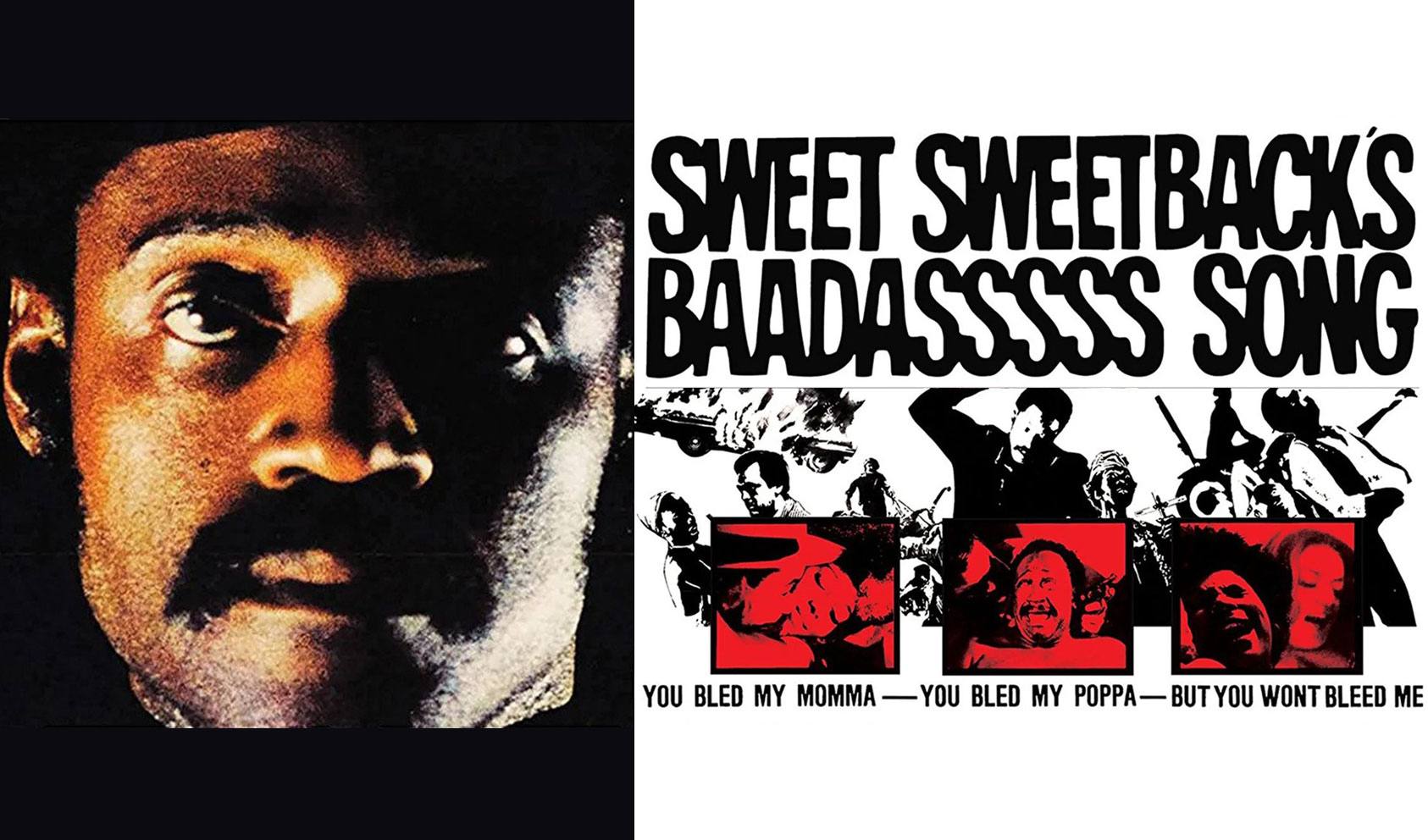
    Sweet Sweetback’s Baadasssss Song (1971)

    [et_pb_section fb_built=”1″ _builder_version=”4.4.7″][et_pb_row column_structure=”2_3,1_3″ _builder_version=”4.4.7″][et_pb_column type=”2_3″ _builder_version=”4.4.7″][et_pb_text _builder_version=”4.4.8″]

    Originally a cable car grip, Melvin Van Peebles was told to become a filmmaker off the suggestion of a passenger. He filmed some short films around 1957 and tried taking them to Hollywood, but no one would offer him work. Following this, he decided to move with his family to the Netherlands, only for his marriage to fall apart. However, his shorts caught the attention of the Cinémathèque Française, so he filmed another short before moving on to writing. In 1968, Ven Peebles directed his feature film debut, The Story of a Three-Day Pass, which caught Hollywood’s attention. After winning an award at the San Francisco International Film Festival, he directed his first Hollywood feature, 1970’s Watermelon Man. While it was a hit and he was offered a three-picture deal at Columbia, Van Peebles decided against it. Instead, he decided to produce his passion project, 1971’s Sweet Sweetback’s Baadasssss Song.

    [/et_pb_text][/et_pb_column][et_pb_column type=”1_3″ _builder_version=”4.4.7″][et_pb_circle_counter title=”Rating” number=”90″ bar_bg_color=”#7CDA24″ _builder_version=”4.4.7″][/et_pb_circle_counter][/et_pb_column][/et_pb_row][et_pb_row _builder_version=”4.4.8″][et_pb_column type=”4_4″ _builder_version=”4.4.8″][et_pb_text _builder_version=”4.4.8″ hover_enabled=”0″]

    Synopsis

    An orphan raised in a brothel, Sweetback (Melvin Van Peebles) performs for their sex show due to his sexual prowess. During one of these shows, two white cops ask his boss Beetle (Simon Chuckster) to use Sweetback as a patsy. The cops arrest Sweetback as well as a Black Panther member named Mu-Mu (Hubert Scales) along the way. Later, the cops pull over to beat up Mu-Mu, so Sweetback uses his handcuffs to beat the cops to death. Now on the run, Sweetback tries looking for help only to be turned away for one reason or another. He tries Beetle with no luck, he asks an ex to no avail, and he’s turned down by a priest. Meanwhile, the Commissioner (John Dullaghan) is hunting down Sweetback while also trying to find where Mu-Mu has hidden. Will Sweetback manage to survive, or will The Man take him down for good?


    Review

    There’s no doubt that Sweet Sweetback’s Baadasssss Song has a powerful energy to it, particularly with its filmmaking and editing. There are so many jump cuts, slow-motion sequences, superimposition shots, and quick-cut edits that make the film feel chaotic. On one hand, this can leave many viewers bewildered and disoriented, but on the other, it fits the narrative. As Sweetback’s situation gets progressively worse, the editing gets more and more frenetic, giving it a very nightmarish quality. Some might see this style of filmmaking to be sloppy and haphazard, but this helps the film stand out. Cast-wise, aside from Melvin Van Peebles in the title role, no one, in particular, is very memorable or noteworthy. Also, as impressive as the frenetic filmmaking and editing are, it can make the film hard to follow. Still, his goal was to make a Black power film, and Van Peebles certainly succeeded.

    Sweet Sweetback’s Baadasssss Song is not only an important part of cinematic history but also of black history. While not the first film made by a black director, it was the first film independently produced by African Americans. It was also one of the first to have African Americans in the lead roles as opposed to supporting parts. This film’s success started a new genre in the 70s, blaxploitation, including Shaft, Super FlyBlacula, Dolemite, and Foxy Brown. Also, this film helped inspire a new generation of black filmmakers, most notably Spike Lee and Robert Townsend. Aside from its significance in black and cinematic history, it also shows how impactful independent filmmaking can be. This should be shown in film schools, not just for its historical impact, but also to inspire aspiring filmmakers. Overall, Sweet Sweetback’s Baadasssss Song is a powerful film that tackles issues of corruption and racial bigotry.


    Buy Sweet Sweetback’s Baadasssss Song from DiabolikDVD: https://bit.ly/30johb5

    [/et_pb_text][/et_pb_column][/et_pb_row][/et_pb_section]
  • The Last House on the Left (1972)

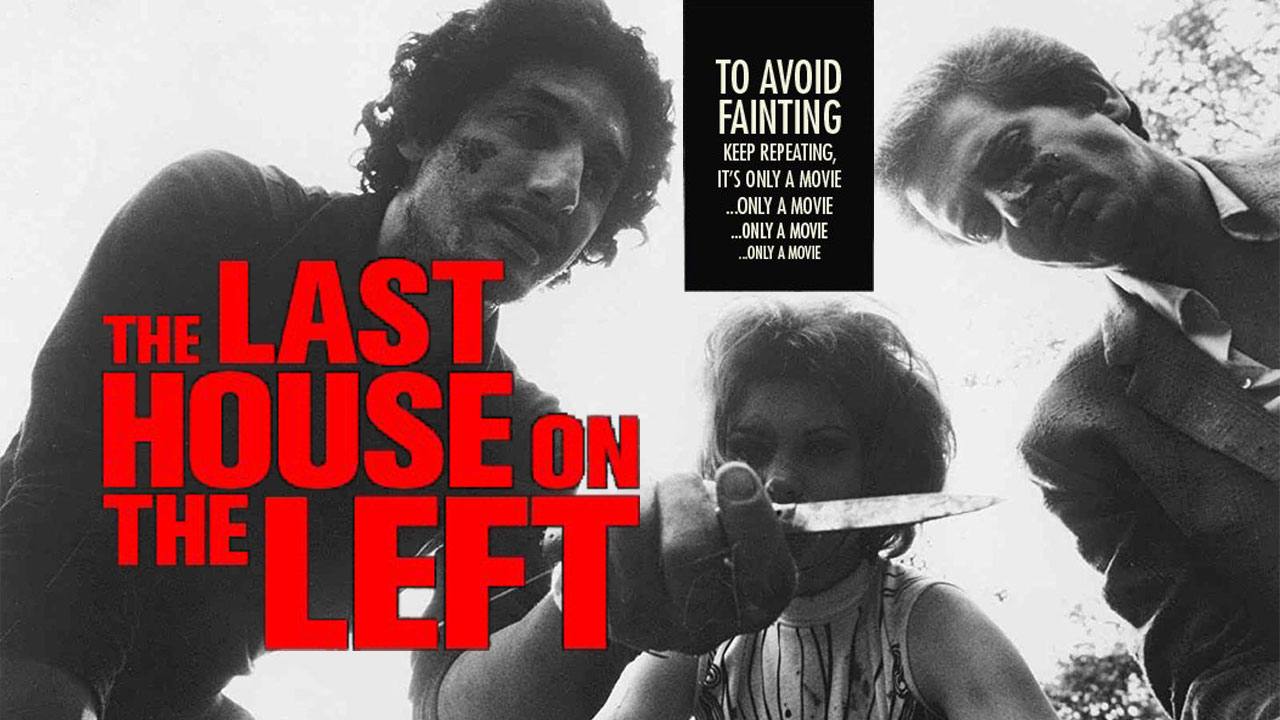
    The Last House on the Left (1972)

    [et_pb_section fb_built=”1″ _builder_version=”4.4.4″][et_pb_row column_structure=”2_3,1_3″ _builder_version=”4.4.4″][et_pb_column type=”2_3″ _builder_version=”4.4.4″][et_pb_text _builder_version=”4.4.4″]

    Well before he turned New Line Cinema into “The House that Freddy Built”, Wes Craven was an English professor. After directing some short films, Craven became fascinated with filmmaking and decided to leave teaching for the film industry. Around this time, producer/director Sean Cunningham had just made his first film, 1970’s The Art of Marriage. He followed this up with 1971’s Together, where he hired Craven to synchronize dailies, eventually becoming the assistant editor. They became fast friends, and Together was a hit, so distributor Hallmark Releasing tasked them with making a horror film. Craven and Cunningham decided to make something that had never been seen before, which featured graphic violence that was in-your-face. With a budget of $90,000, and a fairly inexperienced cast and crew, Craven set off to shot his directorial debut. The result was the notorious and controversial 1972 shocker, The Last House on the Left.

    [/et_pb_text][/et_pb_column][et_pb_column type=”1_3″ _builder_version=”4.4.4″][et_pb_circle_counter title=”Rating” number=”85″ bar_bg_color=”#7CDA24″ _builder_version=”4.4.4″][/et_pb_circle_counter][/et_pb_column][/et_pb_row][et_pb_row _builder_version=”4.4.4″][et_pb_column type=”4_4″ _builder_version=”4.4.4″][et_pb_text _builder_version=”4.4.4″ hover_enabled=”0″]

    Synopsis

    Mari Collingwood (Sandra Cassel) is turning 17, and she plans on spending it with her friend Phyllis (Lucy Grantham). They’re planning on attending a Bloodlust concert, but they make a stop in the city to score some grass. They run into Junior (Marc Sheffler), who promises them Columbian weed and takes them up to his place. There, the girls meet Krug (David Hess), Weasel (Fred Lincoln), and Sadie (Jeramie Rain), who’ve recently escaped from prison. Under Krug’s leadership, they kidnap the girls and take them to the woods to torture and eventually kill them. Meanwhile, John (Richard Towers) and Estelle Collingwood (Eleanor Shaw) get worried after Mari doesn’t return home. The local sheriff (Marshall Anker) and deputy (Martin Kove) set off to find the girls but to no avail. Soon, the Collingwoods learn what’s happened after the gang arrives at their home and plan their revenge.


    Review

    The Last House on the Left is an effectively shocking film that certainly earns its reputation and controversy. The extremely low budget and lack of recognizable names help make the film feel more authentic and raw. Given his lack of experience at the time, Craven’s direction is still top-notch and you can see the potential. Also, for a cast of relative unknowns, everyone delivers a solid performance, the standouts being Hess, Lincoln, Cassel, and Grantham. Despite having no prior acting experience, David Hess is a force to be reckoned with, exuding charisma and intensity. Fred Lincoln is effectively sleazy as Weasel, and Cassel and Grantham are likable and deserve credit for what they endure. The score, also by Hess, helps set a somber mood, and the oddly upbeat songs offset the more gruesome sequences. Plus, many of the songs are insanely catchy and will stick with you for a while.

    Of course, the filmmakers have admitted to taking the plot from 1960’s The Virgin Spring, but I won’t fault them. Plenty of movies have used similar plots from other films, and it can work if it’s done well. Thankfully, Last House stands on its own very well, though the film isn’t perfect, particularly when it comes to tone. For every disturbing and graphic sequence, there’s an out-of-place comedic scene involving either the parents or the bumbling cops. I get that they wanted to offset the violence with more lighthearted material, but it felt jarring and was distracting. That being said, the violent scenes are presented in such a gruesome and realistic fashion that they stand out more. The film has a message about how we’re desensitized to violence and how good people can be driven to it. Overall, The Last House on the Left is effective if somewhat flawed.


    Buy The Last House on the Left from Amazon: https://amzn.to/3aHnYIB

    [/et_pb_text][/et_pb_column][/et_pb_row][/et_pb_section]
  • One Hour Photo (2002)

    One Hour Photo (2002)

    [et_pb_section fb_built=”1″ _builder_version=”4.4.2″][et_pb_row column_structure=”2_3,1_3″ _builder_version=”4.4.2″][et_pb_column type=”2_3″ _builder_version=”4.4.2″][et_pb_text _builder_version=”4.4.3″ hover_enabled=”0″]

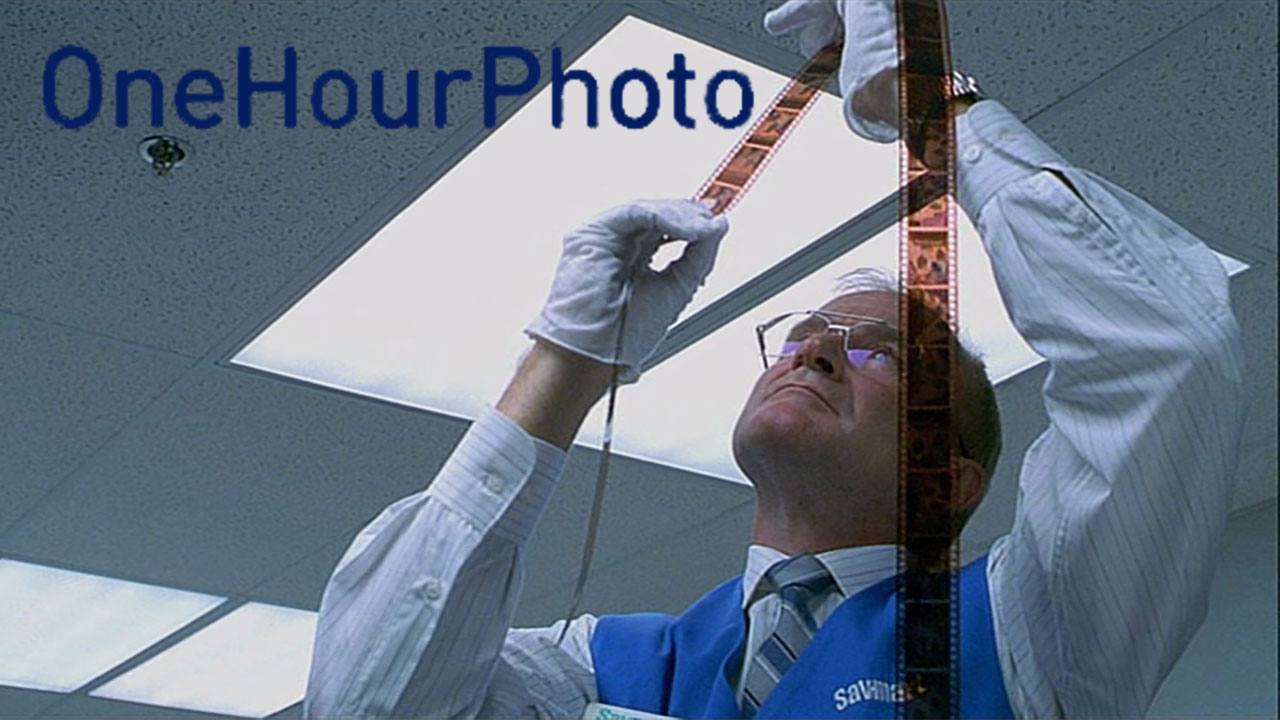
    After studying cinema and cinematography at Ithaca College, Mark Romanek got his first job working with filmmaker Brian De Palma. He worked as second assistant director on De Palma’s 1980 film, Home Movies, where he met actor Keith Gordon. The two worked together on what would be Romanek’s first film, 1985’s Static, leading to a music video directing career. Some notable artists he worked with included Red Hot Chili Peppers, Nine Inch Nails, Madonna, and Taylor Swift. His most critically acclaimed music video was for Johnny Cash’s cover of “Hurt”, described as his most personal and moving. Around the same time in 2002, Romanek decided to return to feature films nearly two decades after his debut. Inspired by ‘lonely man’ films like 1976’s Taxi Driver, he decided to create a stalker thriller involving photography. The result was 2002’s One Hour Photo starring the late Robin Williams at his most atypical.

    [/et_pb_text][/et_pb_column][et_pb_column type=”1_3″ _builder_version=”4.4.2″][et_pb_circle_counter title=”Rating” number=”85″ bar_bg_color=”#7CDA24″ _builder_version=”4.4.3″ hover_enabled=”0″][/et_pb_circle_counter][/et_pb_column][/et_pb_row][et_pb_row _builder_version=”4.4.2″][et_pb_column type=”4_4″ _builder_version=”4.4.2″][et_pb_text _builder_version=”4.4.3″ hover_enabled=”0″]

    Synopsis

    Sy Parrish (Williams) is a loner and perfectionist who’s been working at a one-hour photo kiosk for twenty years. He takes a particular interest in the Yorkin family, going so far as to plaster their pictures on his wall. He manages to develop a friendship between Nina (Connie Nielsen) and her son Jake (Dylan Smith) through subtle manipulation. However, things start going wrong for Sy when his boss Bill (Gary Cole) fires him for several offenses. Also, his idyllic view of the Yorkins is crushed upon learning that husband Will (Michael Vartan) is having an affair. As retaliation, he sends the pictures of Will and his mistress Maya (Erin Daniels) to Nina and photographing Bill’s daughter. Eventually, Sy goes so far as to confront Will and Maya in their hotel room and threatens physical violence. The police are on his trail, but will they be able to stop Sy?


    Review

    One Hour Photo mostly succeeds as a psychological thriller largely thanks to Robin Williams’ haunting performance as Sy Parrish. Perfectly treading the line between sympathetic and creepy, you can’t help but feel sorry for him despite what he does. At the same time, the film acknowledges that what he’s doing is wrong, but also makes you understand his reasoning. His performance alone makes the film worth watching, but that’s not to say the rest of the cast is lacking. Nielsen, Vartan, and Smith have great chemistry with each other and come off as a genuinely loving family. Cole also stands out as the manager who’s stern and slightly cold but is just being practical as an employer. Romanek’s writing and directing are solid, the music video style editing and cinematography help give off an unsettling feel. For not directing a feature in so long, Romanek’s work is impressive.

    However, for all of its strengths, One Hour Photo also has plenty of faults that do hamper its overall quality. For one, as unsettling as the film comes off, it also doesn’t quite go far enough with its premise. I’m not saying this film should’ve gone into Saw or Hostel territory, but it feels like a soft R-rated film. Also, we never learn why Sy specifically targets this family and are only given the slimmest of backstories. Granted, such details aren’t entirely necessary, especially when most obsessive behaviors have no rhyme or reason behind them. With all that said, this is still a fantastic psychological thriller with themes of wanting to belong and find happiness. If nothing else, the film shows how dynamic Robin Williams was as an actor, able to tackle more than comedy. Overall, One Hour Photo is a mostly effective thriller about a sympathetic stalker.


    Buy One Hour Photo from Amazon: https://amzn.to/3a3xhlY

    [/et_pb_text][/et_pb_column][/et_pb_row][/et_pb_section]
  • King Kong (1933)

    King Kong (1933)

    [et_pb_section fb_built=”1″ _builder_version=”4.4.1″][et_pb_row column_structure=”2_3,1_3″ _builder_version=”4.4.1″][et_pb_column type=”2_3″ _builder_version=”4.4.1″][et_pb_text _builder_version=”4.4.1″]

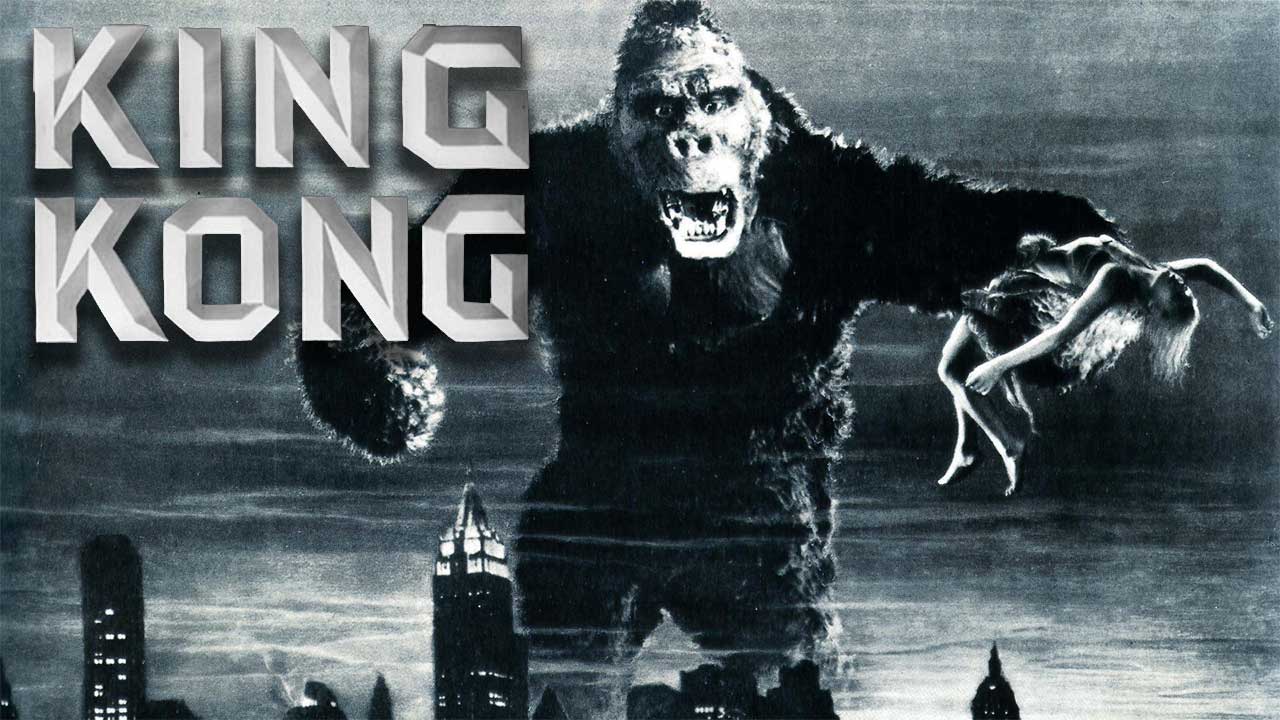
    In the 1920s, filmmaker Merian C. Cooper, alongside fellow filmmaker Ernest Schoedsack, produced several nature documentaries such as 1925’s Grass. While working on 1929’s The Four Feathers for Paramount, Cooper’s childhood fascination with gorillas was reinvigorated and an idea struck. His concept was to film a movie about a giant gorilla fighting lizards and dinosaurs with a female lead attached. He presented his pitch to Paramount in the early years of the Great Depression but was turned down. Luckily, through a connection with David O. Selznick, Head of Production at RKO, he got to make his dream project. Cooper hired Edgar Wallace to pen the script and hired stop motion animator Willis O’Brien for the special effects. Many of the cast and crew Cooper worked with before would return for what would become his magnum opus. Finally, 1933 saw the release of the eighth wonder of the world, King Kong.

    [/et_pb_text][/et_pb_column][et_pb_column type=”1_3″ _builder_version=”4.4.1″][et_pb_circle_counter title=”Rating” number=”95″ bar_bg_color=”#7CDA24″ _builder_version=”4.4.1″][/et_pb_circle_counter][/et_pb_column][/et_pb_row][et_pb_row _builder_version=”4.4.1″][et_pb_column type=”4_4″ _builder_version=”4.4.1″][et_pb_text _builder_version=”4.4.1″ hover_enabled=”0″]

    Synopsis

    Ambitious filmmaker Carl Denham (Robert Armstrong) is about to set sail on a new project he’s been keeping under wraps. He’s been having trouble finding a female lead until he runs into the beautiful Ann Darrow (Fay Wray). Denham offers her the role and she accepts, despite not being told much about the project or where it’s filming. They finally set sail, Denham finally revealing that they’re headed for Skull Island, an uncharted island near Sumatra. Once there, they meet the natives, the chief offering to trade six women for Ann, but they decline and leave. That night, the natives sneak aboard the ship, kidnap Ann, and offer her up to the monstrous giant gorilla Kong. Kong takes off with Ann, so first mate John Driscoll (Bruce Cabot) leads a team to rescue her. Will they be able to rescue her, and what does Denham ultimately have planned for Kong?


    Review

    King Kong is one of the most important films ever made and it deserves all the credit it’s received. The film was revolutionary with its visual effects, using a mixture of stop-motion animation, rear projection, and miniatures. While effects technology has advanced in the decades since its release, the effects here are still impressive given the times. Even if the stop motion models look crude by today’s standards, there’s a charm to them that CGI can’t match. Some of the biggest set pieces are Kong’s fight with the T-Rex, as well as his rampage in New York. Acting-wise, it’s about on par with standard acting seen during the 1930s, with plenty of fast-talking and exaggerated movements. Fay Wray does make for a decent damsel-in-distress, and it’s hard not to get behind Robert Armstrong’s character. Just keep in mind that this was before subtlety in acting was a common thing.

    At its core, King Kong is a very simple adventure story: exotic location, girl to be rescued, fantastical creatures, etc. However, its simplicity is what makes it enjoyable, having the spectacle at the forefront at the sacrifice of narrative complexity. It’s also important to remember that this film inspired some of the greatest filmmakers of the 20th century and beyond. People like Peter Jackson, Rick Baker, John Landis, Joe Dante, Frank Darabont, and Ray Harryhausen were just some of them. Following its success, RKO rushed out a sequel, Son of Kong, followed by its spiritual successor, 1949’s Mighty Joe Young. There have been two remakes, one in 1976 and one in 2005, cartoons, books, comics, and various other adaptations. With a legacy like that, it’s no wonder why King Kong is still remembered fondly several generations later. Overall, King Kong is a historically-significant, though somewhat dated, film everyone should watch.


    Buy King Kong from Amazon: https://amzn.to/38Uuxqr

    [/et_pb_text][/et_pb_column][/et_pb_row][/et_pb_section]
  • Batman (1989)

    Batman (1989)

    [et_pb_section fb_built=”1″ _builder_version=”4.3.4″][et_pb_row column_structure=”2_3,1_3″ _builder_version=”4.3.4″][et_pb_column type=”2_3″ _builder_version=”4.3.4″][et_pb_text _builder_version=”4.4.0″ hover_enabled=”0″]

    Following the end of the 60s TV series in 1968, Batman’s popularity started to decline and continued into the 1970s. In 1979, producer Michael E. Ulsan purchased the film rights with the intent to create the definitive Batman film. Unfortunately, because of how the character was represented in the 60s series, several major studios turned him down. Eventually, Warner Bros. agreed to produce following the success of 1978’s Superman, with producers Jon Peters and Peter Guber joining. Many directors were attached to the project before Tim Burton was brought following the success of Pee-Wee’s Big Adventure. Sam Hamm was hired to write, and the film was finally greenlit after Beetlejuice was a critical and commercial hit. After extensive casting, Michael Keaton, Jack Nicholson, and Kim Basinger were chosen for the leads despite some controversy over Keaton. Following a decade of development, Batman was finally released in the summer of 1989.

    [/et_pb_text][/et_pb_column][et_pb_column type=”1_3″ _builder_version=”4.3.4″][et_pb_circle_counter _builder_version=”4.4.0″ title=”Rating” number=”90″ bar_bg_color=”#7CDA24″ hover_enabled=”0″][/et_pb_circle_counter][/et_pb_column][/et_pb_row][et_pb_row _builder_version=”4.4.0″][et_pb_column _builder_version=”4.4.0″ type=”4_4″][et_pb_text _builder_version=”4.4.0″ hover_enabled=”0″]

    Synopsis

    Gotham City has become a den of crime and corruption, the citizens terrorized to walk the streets at night. Despite efforts from district attorney Harvey Dent (Billy Dee Williams) and Commissioner Gordon (Pat Hingle), crime continues to surge. However, rumors have begun spreading of a mysterious creature of the night taking out these criminals known as the “Batman”. Photographer Vicki Vale (Kim Basinger) teams up with reporter Alexander Knox (Robert Wuhl) to investigate the validity of these rumors. Soon, Vale becomes romantically involved with billionaire playboy Bruce Wayne (Michael Keaton), who became Batman following his parents’ murder. Meanwhile, local mob boss Carl Grissom (Jack Palance) sends his right-hand man Jack Napier (Jack Nicholson) to raid Axis Chemicals. During a scuffle with Batman, Napier falls in a vat of acid, becomes the Joker, and takes out Grissom. Will Batman be able to defeat the Joker and save Gotham City?


    Review

    Batman is not only one of the most important comic book movies ever, but it’s also one of the best. First off, Michael Keaton is both an excellent Bruce Wayne and Batman, despite controversies about his casting. As Bruce Wayne, he’s very unassuming and weary, but when he’s Batman, he is quiet, stoic, and naturally intimidating. Jack Nicholson steals the show as the Joker, reveling in his insane antics and having a blast doing so. Kim Basinger is good and has good chemistry with Keaton, but she somewhat devolves into a typical damsel in distress. Despite limited screentime, Williams, Hingle, Palance, Wuhl, Michael Gough, Tracey Walter, and William Hootkins have their standout moments. Tim Burton’s direction is on point, the production design is exquisite, and Danny Elfman’s score compliments the film so well. Above all else, this is the purest and most faithful Batman film of its time.

    However, Batman isn’t without its shortcomings, namely in terms of the story and some rather outdated music choices made. Story-wise, they make it so that Jack Napier killed Bruce Wayne’s parents to create a link between Batman and Joker. Not only does this feel contrived, but the point was to inspire Bruce from stopping crimes, which are usually random. Some have complained about Alfred letting Vicki into the Batcave, but I wasn’t nearly as bothered by it. Also, as much as I love Prince’s music, the inclusion of his songs makes the film feel outdated. Granted, those songs are somewhat catchy and their outdatedness adds to its charm, and the Danny Elfman score overrides them. Even with all that said, this is still an impressive comic book movie that showed these could be taken seriously. Overall, Batman is a somewhat flawed but still enjoyable film deserving of its classic status.


    Buy Batman from Amazon: https://amzn.to/2uWchyX

    [/et_pb_text][/et_pb_column][/et_pb_row][/et_pb_section]
  • Star Wars: Episode III – Revenge of the Sith (2005)

    Star Wars: Episode III – Revenge of the Sith (2005)

    [et_pb_section fb_built=”1″ _builder_version=”4.0.8″][et_pb_row column_structure=”2_3,1_3″ _builder_version=”4.0.8″][et_pb_column type=”2_3″ _builder_version=”4.0.8″][et_pb_text _builder_version=”4.0.9″]

    Upon its 2002 release, Attack of the Clones received better reviews than The Phantom Menace but wasn’t as financially successful. While it did pull in almost $650 million worldwide, it was vastly overshadowed by the previous film’s financial success. Domestically, the film was outgrossed by Spider-Man and Lord of the Rings: The Two Towers, which were more well-received. Internationally, it was outgrossed by Harry Potter and the Chamber of Secrets and ranks as the lowest-grossing Star Wars film. Before its release, however, Lucas already began writing the final installment in the prequel trilogy before filming in 2003. In between the two films, an animated miniseries, Star Wars: Clone Wars, was released to fill in the story gaps. Interestingly, this next installment was the first one to receive a PG-13 rating, whereas the others were rated PG. Finally, 2005 saw the release of Star Wars: Episode III – Revenge of the Sith.

    [/et_pb_text][/et_pb_column][et_pb_column type=”1_3″ _builder_version=”4.0.8″][et_pb_circle_counter title=”Rating” number=”75″ bar_bg_color=”#EDF000″ _builder_version=”4.0.9″][/et_pb_circle_counter][/et_pb_column][/et_pb_row][et_pb_row _builder_version=”4.0.8″][et_pb_column type=”4_4″ _builder_version=”4.0.8″][et_pb_text _builder_version=”4.0.9″ hover_enabled=”0″]

    Synopsis

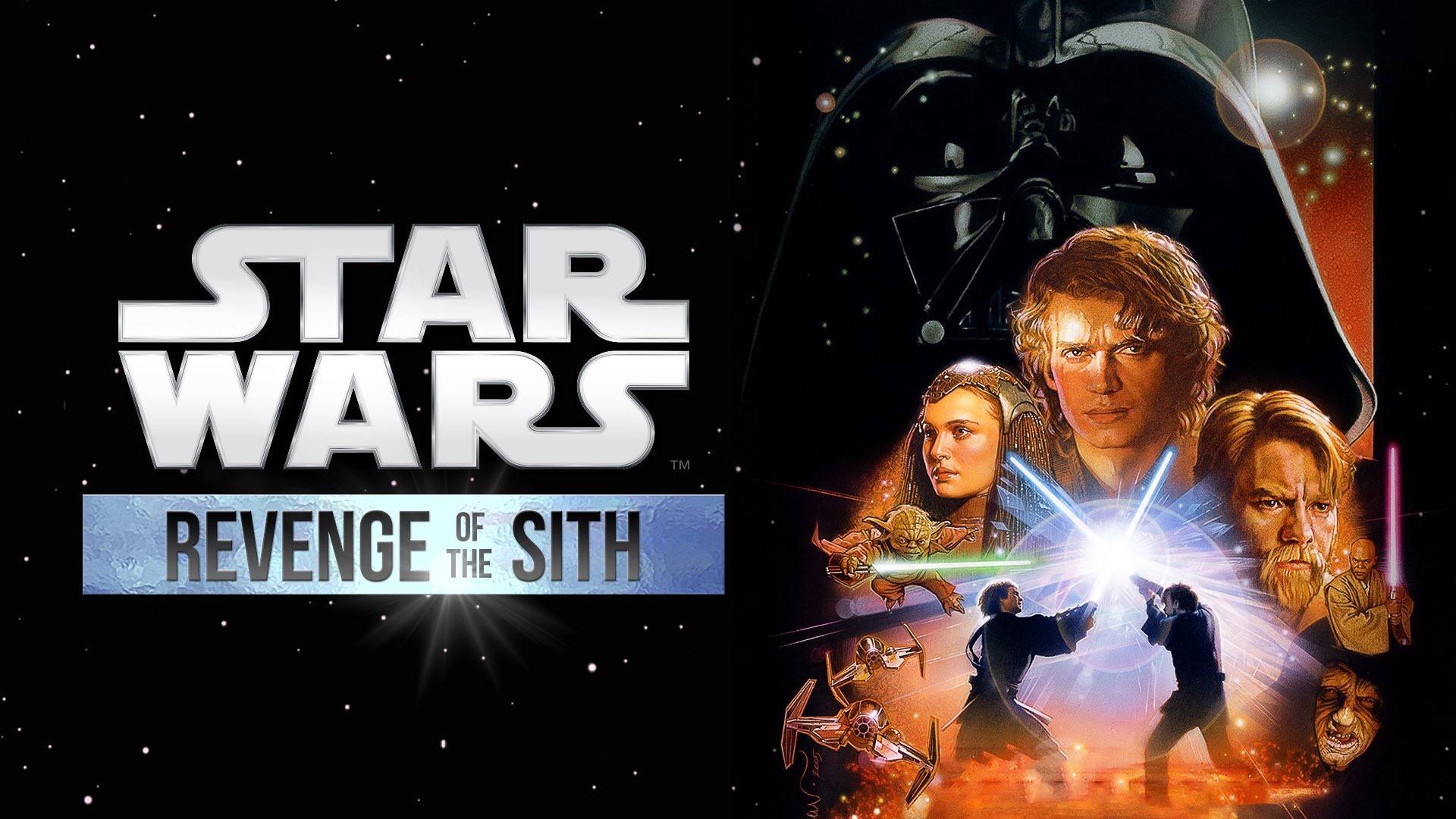
    Jedi Knights Obi-Wan Kenobi (Ewan McGregor) and Anakin Skywalker (Hayden Christensen) attempt to rescue Chancellor Palpatine (Ian McDiarmid). They manage to rescue him, but unfortunately General Grievous (Matthew Wood), commander of the droid army, escapes their capture. Anakin learns that Padmé (Natalie Portman) is pregnant and gets worried when he has visions of her dying in labor. Palpatine appoints Anakin to be his representative on the Jedi Council, much to the dismay of the other Jedi. Meanwhile, Obi-Wan travels to the planet Utapau to confront Grievous while Yoda (Frank Oz) assists the Wookies on Kashyyk. As Anakin starts to get closer to the Chancellor, he learns that Palpatine is secretly a Sith Lord. Palpatine manages to convert Anakin to the Dark Side and makes him his new apprentice, christening him Darth Vader. It all culminates in the extermination of the Jedi and the formation of the Galactic Empire.


    Review

    Though the prequels overall aren’t great, Star Wars: Episode III – Revenge of the Sith is easily the strongest one. Right from the opening scene, this gets right into the action and keeps things engaging for the first 30 minutes. Once the Chancellor is rescued, things start to slow down for a bit, but this time, it’s not boring. Granted, there’s still some stilted acting and bad writing on display, but it’s nowhere near as bad as before. As with the other films, Ewan McGregor, Ian McDiarmid, Samuel L. Jackson, and Frank Oz are giving solid performances. Natalie Portman also does a good job, but even she can’t save some of the terrible writing here. While his acting still isn’t great, this is easily the best performance Hayden Christensen’s given in these movies. His best moments are when he has no lines and acts specifically with his facial expressions.

    Admittedly, the way that Christopher Lee and General Grievous are killed off so suddenly is a bit anticlimactic. However, that ties in with a larger problem the prequels as a whole have: there are no real surprises. If you’ve seen the original trilogy, you already know where the story is ultimately going to lead, making it pointless. That said, seeing how the Empire formed, how Darth Vader came about, and what happened to the Jedi is interesting. It helps that this film has easily some of the best action sequences of the prequels, especially towards the end. Plus, John Williams’ score is by far some of his best work, particularly “Battle of the Heroes”. Even if it’s not saying much, this is still a pretty good film compared to the other prequels. Overall, Star Wars: Episode III – Revenge of the Sith is the strongest in a less-than-stellar trilogy.


    Buy Star Wars: Episode III – Revenge of the Sith on Amazon: https://amzn.to/2RTay6z

    [/et_pb_text][/et_pb_column][/et_pb_row][/et_pb_section]

  • Star Wars: Episode II – Attack of the Clones (2002)

    Star Wars: Episode II – Attack of the Clones (2002)

    [et_pb_section fb_built=”1″ _builder_version=”4.0.8″][et_pb_row column_structure=”2_3,1_3″ _builder_version=”4.0.8″][et_pb_column type=”2_3″ _builder_version=”4.0.8″][et_pb_text _builder_version=”4.0.9″]

    Even before it was released, The Phantom Menace was arguably the most talked-about and hyped film of 1999. Once released, it broke several box office records, including the largest single-day gross held by The Lost World: Jurassic Park. The film went on to gross over $900 million worldwide, becoming the highest-grossing film of the year. However, despite its commercial success, the film received mixed to negative reviews, with many fans lambasting it over the years. Because of the backlash, Lucas was reluctant to keep writing but soon completed a rough draft three months before shooting. He brought Jonathan Hales on board to co-write the screenplay due to his experience on The Young Indiana Jones Chronicles. With the final script written, most of the original cast returned, along with a few new additions. Finally, three years later, 2002 saw the release of Star Wars: Episode II – Attack of the Clones.

    [/et_pb_text][/et_pb_column][et_pb_column type=”1_3″ _builder_version=”4.0.8″][et_pb_circle_counter title=”Rating” number=”65″ bar_bg_color=”#EDF000″ _builder_version=”4.0.9″][/et_pb_circle_counter][/et_pb_column][/et_pb_row][et_pb_row _builder_version=”4.0.8″][et_pb_column type=”4_4″ _builder_version=”4.0.8″][et_pb_text _builder_version=”4.0.9″ hover_enabled=”0″]

    Synopsis

    After an assassination attempt on Senator Padmé Amidala (Natalie Portman), the Republic decides to vote on creating a new army. Obi-Wan Kenobi (Ewan McGregor) goes off to investigate who was responsible for the attempted hit on her. Meanwhile, his now-grown apprentice Anakin Skywalker (Hayden Christensen) agrees to protect her and escort her back to Naboo. Obi-Wan’s investigation leads him to the planet Kamino, where a Clone army has been secretly created for the Republic. He also finds Jango Fett (Temuera Morrison), the bounty hunter hired for Padmé’s assassination and chases him down. The chase leads him to the planet Geonosis, where he encounters Count Dooku (Christopher Lee), who’s organizing a Separatist movement. Obi-Wan reports his findings to the Jedi Council before being captured, prompting Anakin and Padmé to rescue him. Unfortunately, they also get captured and are about to be executed before the Jedi arrive with the Clone army.


    Review

    Compared to the previous film, Star Wars: Episode II – Attack of the Clones is an improvement, but it’s still flawed. One positive I can give is that the storyline isn’t as jumbled or as slow as the last film. That felt like there were at least four simultaneous and seemingly irrelevant plots going on, and none were particularly interesting. Here, there are only two simultaneous plot threads that fit together well and are somewhat engaging, some more than others. Obi-Wan’s plotline about finding the assassin, learning about the Clone army, and confronting said assassin and Count Dooku is interesting. However, except for a sequence on Tatooine, the romance between Anakin and Padmé is sappy, cliché, and very unengaging. It doesn’t help that while the writing isn’t great, these scenes, in particular, have some of the worst writing ever. Perhaps most infamous is Anakin’s monologue about how he hates sand.

    Acting-wise, like the storyline, it’s much improved here, though, for every good or decent performance, there are more weak performances. Like before, Ewan McGregor and Ian McDiarmid give good performances, and Natalie Portman and Samuel L. Jackson try their best. Newcomers Christopher Lee and Temuera Morrison also stand out, but Hayden Christensen is probably the weakest link in the cast. That said, I think Christensen’s poor performance is more so due to the lack of strong material he’s given. He does have his moments, particularly when he finds hid dying mother, snaps, and slaughters several Tusken Raiders in rage. Like the last film, this goes overboard with the CGI, most noticeably in many of the blue screen compositing shots. Ultimately, while this is an improvement over the last film, this film is still largely forgettable. Overall, Star Wars: Episode II – Attack of the Clones is mediocre at best.


    Buy Star Wars: Episode II – Attack of the Clones on Amazon: https://amzn.to/2si0tWi

    [/et_pb_text][/et_pb_column][/et_pb_row][/et_pb_section]
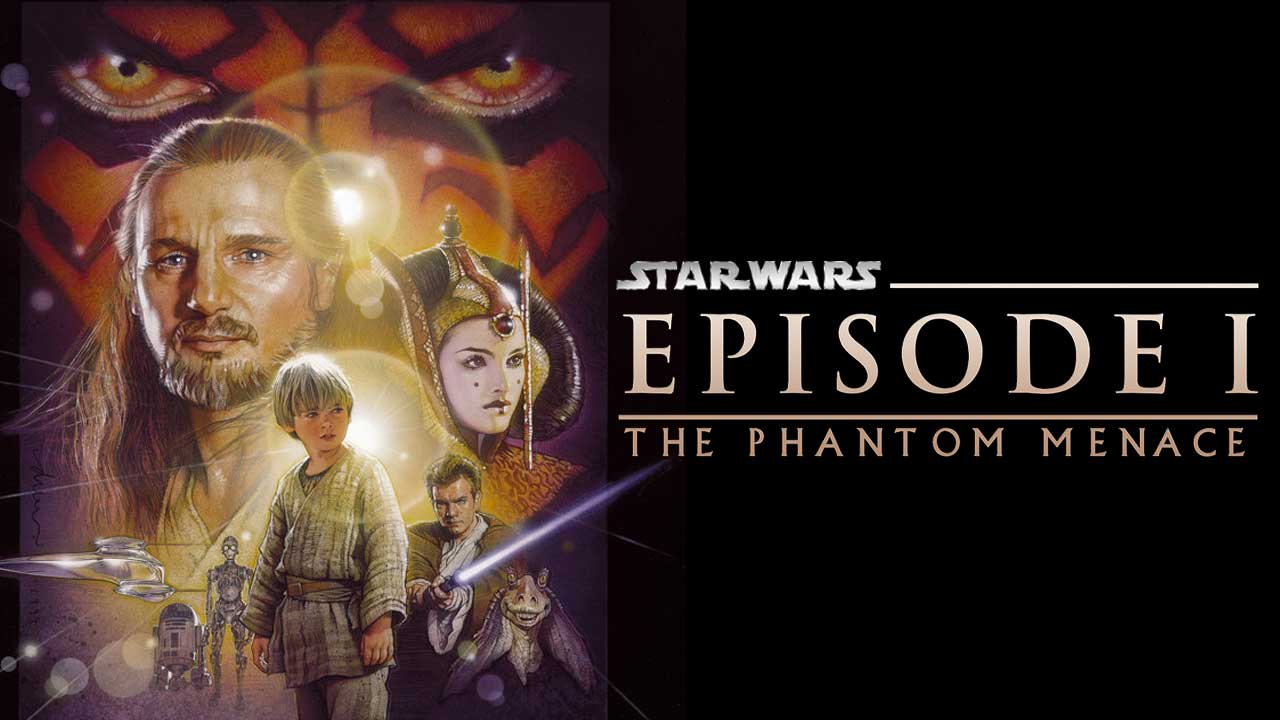
  • Star Wars: Episode I – The Phantom Menace (1999)

    Star Wars: Episode I – The Phantom Menace (1999)

    [et_pb_section fb_built=”1″ _builder_version=”4.0.8″][et_pb_row column_structure=”2_3,1_3″ _builder_version=”4.0.8″][et_pb_column type=”2_3″ _builder_version=”4.0.8″][et_pb_text _builder_version=”4.0.8″]

    After the release of Return of the Jedi, Lucas decided to put the series on hold, having felt “burned out”. While he wasn’t interested in future sequels, he became interested in a prequel trilogy after developing the original trilogy’s backstory. With Star Wars‘ resurgence in popularity in the 1990s, Lucas started developing the prequels, focusing on Darth Vader’s origin story. Lucas also became fascinated with digital effects technology at the time, feeling that this would him help realize his vision. Lucas’ effects studio, Industrial Light & Magic, made strides with digital effects in The AbyssTerminator 2, and Jurassic Park. Originally, Ron Howard, Robert Zemeckis, and Steven Spielberg were offered the director’s chair, but they all felt he should direct. To build up hype, the original trilogy was re-released to theaters in 1997, billed as “special editions”. Finally, 16 years later, Star Wars: Episode I – The Phantom Menace was released.

    [/et_pb_text][/et_pb_column][et_pb_column type=”1_3″ _builder_version=”4.0.8″][et_pb_circle_counter title=”Rating” number=”60″ bar_bg_color=”#EDF000″ _builder_version=”4.0.8″][/et_pb_circle_counter][/et_pb_column][/et_pb_row][et_pb_row _builder_version=”4.0.8″][et_pb_column type=”4_4″ _builder_version=”4.0.8″][et_pb_text _builder_version=”4.0.8″ hover_enabled=”0″]

    Synopsis

    A dispute is brewing between the Trade Federation and the Galactic Republic that could potentially lead to war. Jedi Master Qui-Gon Jinn (Liam Neeson) and his apprentice Obi-Wan Kenobi (Ewan McGregor) are sent as ambassadors to negotiate. Unfortunately, things go south and they end up on the planet Naboo, where they meet Jar-Jar Binks (Ahmed Best). With his help, they make it to the capital, rescue Queen Amidala (Natalie Portman), and escape from the planet. Their ship ends up needing repairs, so they land on Tatooine, where they meet young Anakin Skywalker (Jake Lloyd). Qui-Gon notices the Force is strong with the boy, so he offers to train him to become a Jedi. Meanwhile, a mysterious warrior named Darth Maul (Ray Park) has been sent to eliminate the Jedi and capture the Queen. With the galaxy’s fate at stake, will our heroes succeed and what will become of Anakin?


    Review

    Since this is an internet review of Star Wars: Episode I – The Phantom Menace, it’d be easy to trash this. While I do have some legitimate complaints I’m sure to have been talked about endlessly, I’ll try to be positive. Firstly, many of the big set pieces work as a fun spectacle, particularly in the last third of the film. Easily the highlight of the film is the three-way lightsaber fight with Quin-Gon and Obi-Wan taking on Darth Maul. In terms of world-building, there are some interesting concepts and it’s cool to see this universe before the original trilogy. While many of the digital effects have not aged well, they’re still impressive for the time and even revolutionary. Plus, John Williams’ score for this is among some of his best work, especially the “Duel of the Fates” piece. Sadly, these few positives can’t save this otherwise dull movie.

    Before I get into some of my other issues, my biggest issue with this is that it’s just boring. There are so many dialogue-heavy scenes that go on and on for what seems like forever that are very uninteresting. Acting-wise, except for Liam Neeson, Ewan McGregor, Ray Park, and a few others, most of it isn’t very good. Yes, Jake Lloyd and Ahmed Best are terrible, but they’re not the only ones delivering subpar performances. Actors like Natalie Portman and Samuel L. Jackson, who are normally good in other films, are pretty wooden here. Granted, much of that could be blamed on the weak material and the film is geared more towards children. However, I think even children would find this movie uninteresting given the slow pacing and especially the more political scenes. Overall, Star Wars: Episode I – The Phantom Menace isn’t awful, but it’s not that great either.


    Buy Star Wars: Episode I – The Phantom Menace on Amazon: https://amzn.to/2sbMHED

    [/et_pb_text][/et_pb_column][/et_pb_row][/et_pb_section]