Facebook

FilmNerd

Category: Classics

  • The Invisible Woman (1940)

    The Invisible Woman (1940)

    [et_pb_section fb_built=”1″ _builder_version=”4.6.5″ _module_preset=”default”][et_pb_row _builder_version=”4.6.5″ _module_preset=”default” column_structure=”2_3,1_3″][et_pb_column _builder_version=”4.6.5″ _module_preset=”default” type=”2_3″][et_pb_text _builder_version=”4.6.5″ _module_preset=”default” hover_enabled=”0″ sticky_enabled=”0″]

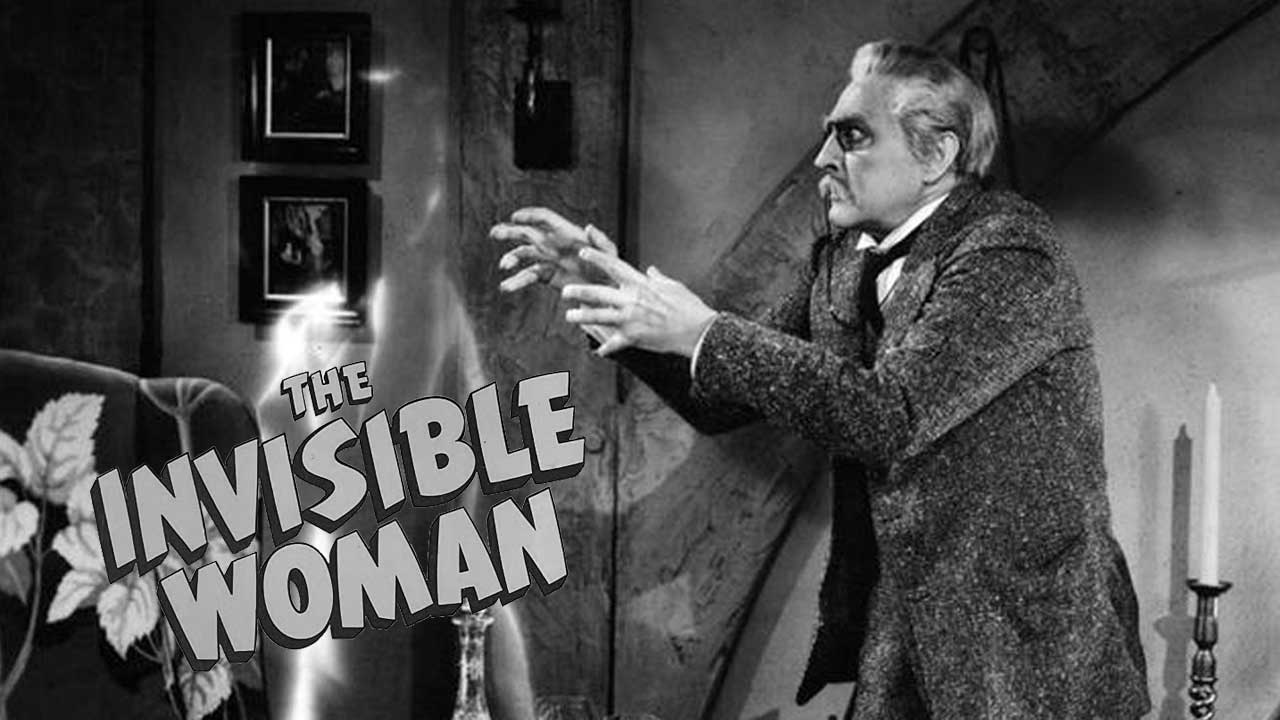
    Following the success of The Invisible Man Returns, Universal wanted to get a sequel out as soon as possible. However, while the past few films had elements of horror, this film would be more of a straight-up comedy. Albert Edward Sutherland, who was originally hired to direct Dracula’s Daughter, was brought in to direct with a $300,000 budget. Originally, actress Margaret Sullivan was cast in the lead role since she owed Universal one more film per her contract. She had been offered a role in So Ends Our Night and accepted, resulting in Universal filing a restraining order. Everything was thankfully settled so she could finish filming, and actress Virginia Bruce was cast instead in the lead role. Classic actor John Barrymore was hired but proved to be difficult due to not memorizing his lines and scattering them. Despite these setbacks, The Invisible Woman was released in December of 1940.

    [/et_pb_text][/et_pb_column][et_pb_column _builder_version=”4.6.5″ _module_preset=”default” type=”1_3″][et_pb_circle_counter _builder_version=”4.6.5″ _module_preset=”default” title=”Rating” number=”70″ bar_bg_color=”#EDF000″ hover_enabled=”0″ sticky_enabled=”0″][/et_pb_circle_counter][/et_pb_column][/et_pb_row][et_pb_row _builder_version=”4.6.5″ _module_preset=”default”][et_pb_column _builder_version=”4.6.5″ _module_preset=”default” type=”4_4″][et_pb_text _builder_version=”4.6.5″ _module_preset=”default” hover_enabled=”0″ sticky_enabled=”0″]

    Synopsis

    Eccentric elderly inventor Dr. Gibbs (John Barrymore) has been getting funding from playboy millionaire Dick Russell (John Howard). However, Russell has to cut funding due to going broke, but Dr. Gibbs’ luck soon changes for the better. Fashion model Kitty Carroll (Virginia Bruce) answers his newspaper ad calling for a test subject to become invisible. The experiment is a success, but before the doctor can show his results, Carroll escapes to tell off her boss. Meanwhile, mobster Blackie Cole (Oscar Homolka) sends his goons to Dr. Gibbs’ lab to steal his invisibility machine. Unfortunately, they can’t get the machine to work, so they kidnap Gibbs and a now visible Kitty. Cole wants to turn invisible so he can escape Mexico, but Gibbs doesn’t want his machine used for evil. Hijinks ensue as Kitty, Gibbs, and Russell try to outsmart the gangsters and make their escape.


    Review

    The Invisible Woman sticks out from the other films in the Universal Monsters series, but not in a good way. Many of the other films played around with genres, but they all had some element of horror to them. Sadly, this one is a 1940s screwball comedy, which would be fine if it weren’t linked to a horror series. It doesn’t help either that much of the humor falls flat and is incredibly dated, though thankfully not offensively dated. It’s a lot of slapstick and quick dialogue, but much of it feels dull and doesn’t work in the slightest. The acting likewise fits, such as Virginia Bruce as the typical lady who’s way smarter than the men around her. The men are either eccentric, self-centered, ridiculously hyper, or incompetent, though some could see it as an early feminist film. Then again, that might be giving the film too much credit.

    One nice thing I can say about the film is that, like the previous films, the effects are impressive. That being said, there are times where you can see the strings and a very visible outline around the actress. It’s surprising considering the film had a much higher budget than the last film, though it’s less than the original. Obviously, this film isn’t meant to be taken seriously or considered high art, but it’s a noticeable step-down. Going back to the acting, I will say the Virginia Bruce, on top of being gorgeous, does a solid job. John Barrymore, considering the difficulties he went through, is memorable as the eccentric inventor trying to find success. Also, there are some notable appearances from Margaret Hamilton (The Wizard of Oz) and Shemp Howard of the Three Stooges. Overall, The Invisible Woman is pretty unremarkable considering what came before and is best ignored.


    Buy The Invisible Woman on Amazon: https://amzn.to/33PIBST

    [/et_pb_text][/et_pb_column][/et_pb_row][/et_pb_section]
  • The Mummy’s Hand (1940)

    The Mummy’s Hand (1940)

    [et_pb_section fb_built=”1″ _builder_version=”4.6.5″ _module_preset=”default”][et_pb_row column_structure=”2_3,1_3″ _builder_version=”4.6.5″ _module_preset=”default”][et_pb_column type=”2_3″ _builder_version=”4.6.5″ _module_preset=”default”][et_pb_text _builder_version=”4.6.5″ _module_preset=”default” hover_enabled=”0″ sticky_enabled=”0″]

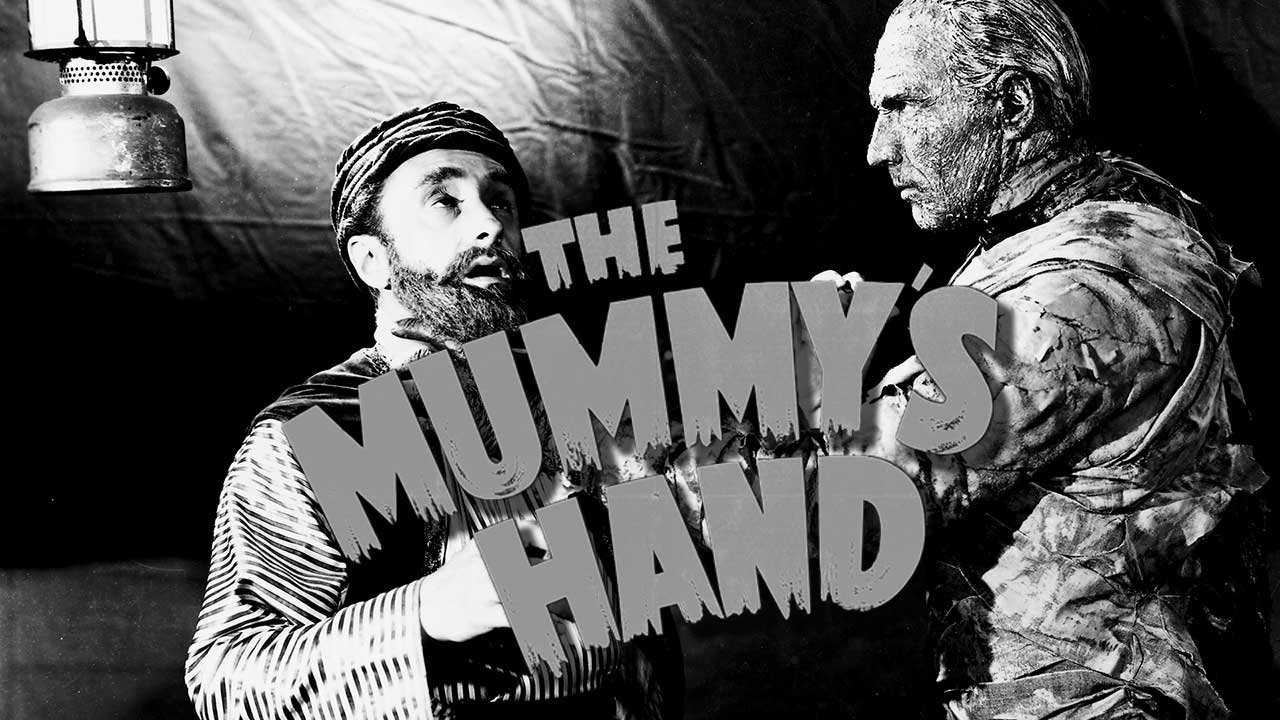
    Following the success of Son of Frankenstein and The Invisible Man Returns, Universal decided to revive another classic monster. This time, they decided to make a follow-up to The Mummy with a modest $80,000 budget and short shooting schedule. To cut costs, plenty of stock footage from The Mummy was used, as well as reusing sets and entire scores. Saint Louis native Christy Cabanne was hired to direct, having worked with major and minor studios in the 30s – 40s. Because of the short shooting schedule, much of the cast and crew were overworked, often working until the early morning. Tom Tyler, mostly known for starring in various low-budget westerns and superhero serials, was hired to play the titular mummy. By the end, the film went over-schedule and over-budget by an additional $4,000, and finished editing by late-June. In September of 1940, The Mummy’s Hand was released.

    [/et_pb_text][/et_pb_column][et_pb_column type=”1_3″ _builder_version=”4.6.5″ _module_preset=”default”][et_pb_circle_counter _builder_version=”4.6.5″ _module_preset=”default” hover_enabled=”0″ title=”Rating” number=”75″ bar_bg_color=”#EDF000″ sticky_enabled=”0″][/et_pb_circle_counter][/et_pb_column][/et_pb_row][et_pb_row _builder_version=”4.6.5″ _module_preset=”default”][et_pb_column type=”4_4″ _builder_version=”4.6.5″ _module_preset=”default”][et_pb_text _builder_version=”4.6.5″ _module_preset=”default” hover_enabled=”0″ sticky_enabled=”0″]

    Synopsis

    At the Egyptian Hill of the Seven Jackals, the High Priest (Eduardo Ciannelli) must pass on his duties before dying. He passes his responsibilities onto Andoheb (George Zucco) and tells the story of Kharis (Tom Tyler), an accursed mummy. Kharis tried resurrecting his sister, Princess Anunka, using sacred tana leaves but was punished by being buried alive. Years later, archaeologist Steve Banning (Dick Foran) and his sidekick, Babe Jenson (Wallace Ford) find a broken vase in Cairo. Banning believes that the vase is an authentic artifact, its hieroglyphs pointing toward the tomb of Princess Ananka. They get their funding thanks to eccentric magician Solvani (Cecil Kellaway), but his concerned daughter Marta (Peggy Moran) joins them. During their expedition, they unknowingly find Kharis’ tomb, who’s revived by Andoheb using tana leaves to attack the group. It’s up to Steve and Babe to rescue Marta from the mummy’s hand!


    Review

    Compared to the original, The Mummy’s Hand is definitely a step-down, feeling more like a cash grab than genuine effort. While I had some issues with The Mummy, it was still a solid monster movie with style, suspense, and class. You can tell that this was made for not as much money given all the stock footage and reused sets. That, combined with its barely over an hour runtime, makes it feel more like a serial than a full feature. Granted, this was the second of three monster movies Universal made in 1940, so they had to make due. For the most part, the cast does a fine job, though many of them play fairly stock characters. Foran is clearly the dashing hero, Ford the comedic relief, and Moran the plucky woman who needs rescuing. For this type of film, it works, but don’t expect much.

    Compared to Boris Karloff’s Imhotep, Tom Tyler is just average, playing a stock mummy that doesn’t do or say much. He mostly just lumbers about with a limp, attacks people, carries off a passed-out Moran, and follows Andoheb’s orders. They use stock footage of Imhotep’s origin for Kairis’ origin, which interestingly has the scene of servants being stabbed cut. It’s somewhat odd how that was ok for 1932 but not for 1940, but that might’ve been for censorship reasons. As I mentioned before, this feels more like an action-adventure serial from the 40s than a full-length horror film. These types of serials were very popular at the time, and they’d be used as inspiration for Indiana Jones. In that respect, it’s interesting to see for historical significance, but it’s otherwise just an average mummy movie. Overall, The Mummy’s Hand is entertaining enough but nothing too special.


    Buy The Mummy’s Hand on Amazon: https://amzn.to/3jOsV84

    [/et_pb_text][/et_pb_column][/et_pb_row][/et_pb_section]
  • The Invisible Man Returns (1940)

    The Invisible Man Returns (1940)

    [et_pb_section fb_built=”1″ _builder_version=”4.6.5″ _module_preset=”default”][et_pb_row _builder_version=”4.6.5″ _module_preset=”default” column_structure=”2_3,1_3″][et_pb_column _builder_version=”4.6.5″ _module_preset=”default” type=”2_3″][et_pb_text _builder_version=”4.6.5″ _module_preset=”default” hover_enabled=”0″ sticky_enabled=”0″]

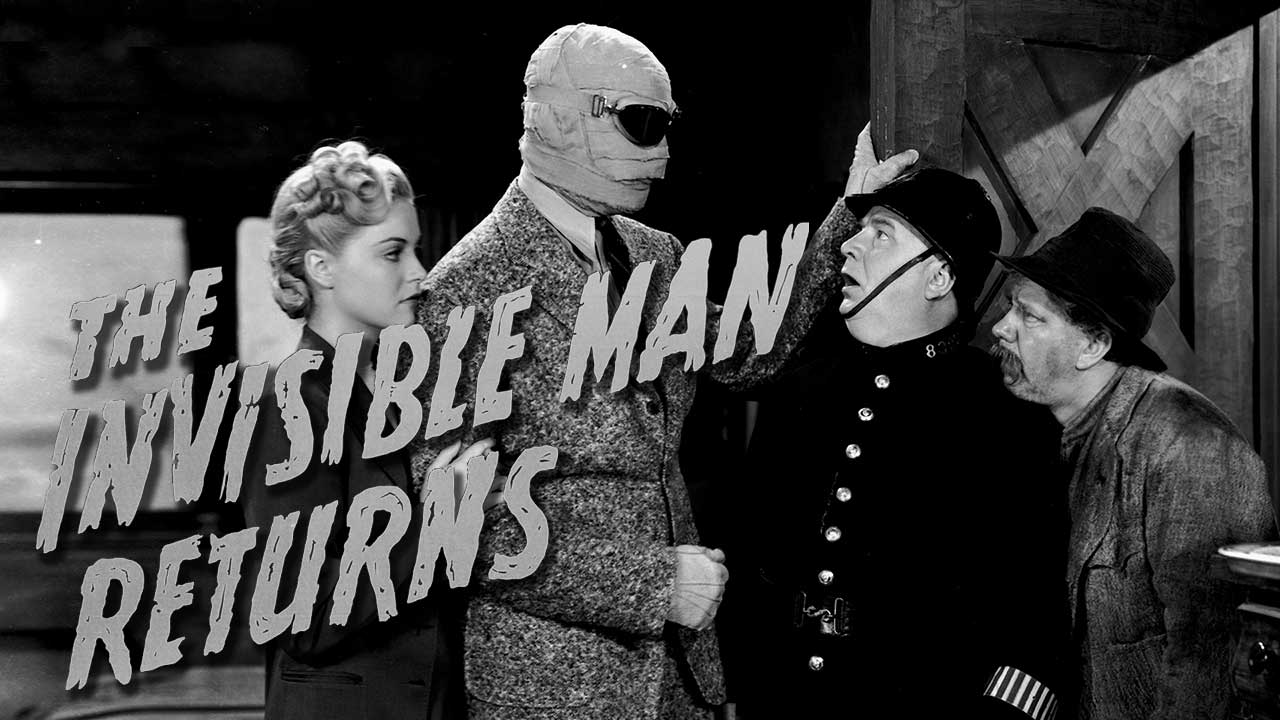
    Following the release of Son of Frankenstein, Universal announced a new Invisible Man film was in the works. Thanks to the film’s critical and financial success, the studio was confident in moving forward with their monster movies. Austrian filmmaker Joe May was hired to direct, and a then-unknown Vincent Price was cast as the title character. Unfortunately, the film was plagued with production problems, such as going over-budget and behind schedule, as well as language problems. Being Austrian, May didn’t speak much English, so Price, being fluent in German, had to act as translator. Many of the crew members were working so late that they thought the film wouldn’t be finished on time. Like the original, the visual effects were handled by John P. Fulton, using similar techniques to turn a man invisible. After a chaotic production, The Invisible Man Returns was released in January of 1940.

    [/et_pb_text][/et_pb_column][et_pb_column _builder_version=”4.6.5″ _module_preset=”default” type=”1_3″][et_pb_circle_counter _builder_version=”4.6.5″ _module_preset=”default” title=”Rating” number=”85″ bar_bg_color=”#7CDA24″ hover_enabled=”0″ sticky_enabled=”0″][/et_pb_circle_counter][/et_pb_column][/et_pb_row][et_pb_row _builder_version=”4.6.5″ _module_preset=”default”][et_pb_column _builder_version=”4.6.5″ _module_preset=”default” type=”4_4″][et_pb_text _builder_version=”4.6.5″ _module_preset=”default” hover_enabled=”0″ sticky_enabled=”0″]

    Synopsis

    Sir Geoffrey Radcliffe (Vincent Price) has been wrongfully accused of murdering his brother and is sentenced to death. Luckily, his friend Dr. Frank Griffin (John Sutton), brother of Jack Griffin, has perfected a drug to turn oneself invisible. While visiting Geoffrey in prison, Frank injects him with the drug, allowing him to escape and clear his name. After escaping prison, Geoffrey reunites with his fiancee Helen Manson (Nan Grey) before tracking down the ones behind the murder. He interrogates Willie Spears (Alan Napier), an employee at his family’s mining operation who was suddenly promoted, raising Geoffrey’s suspicions. Through Spears, Geoffrey finds out who the real murderer is, but gets sidetracked by delusions of grandeur from his invisibility. Frank and Helen try getting Geoffrey back on the right path, but his grip on his sanity is gradually slipping. Will Geoffrey exact his revenge, or will his invisibility consume him?


    Review

    Though not as strong as James Whale’s The Invisible Man, The Invisible Man Returns is still a strong sequel. The film’s biggest strength is Vincent Price, who delivers a solid performance that’s as good as Claude Rains. He channels much of the over-the-top theatrics of Rains’ performance while also adding tons of pathos to the character. Sadly, the rest of the cast, though not bad, just go through the motions and aren’t as compelling as Price. However, like the original, the visual effects are impressive and, in some ways, an improvement over the original film’s effects. In fact, at the 1941 Academy Awards, The Invisible Man Returns was nominated for an Oscar for Best Special Effects. It’s certainly a rarity that a horror film gets any sort of attention from the Oscars, but it does happen. Too bad the Academy still ignores horror for the most part.

    One thing that detracts from this film is the lack of dark humor that made the original so memorable. There are a few comedic moments here and there, but the lack of it makes it come off somewhat average. Granted, it’s better handled than in Dracula’s Daughter, where the few darkly comedic moments were ruined by the dumber gags. Also, the story feels like a copy of Son of Frankenstein, where the lead struggles between redemption and slipping sanity. Also, this film has a similarly happy ending, though there is at least some suspense about what’ll happen. It’s easy to see how this film had production problems given the huge sets and some of the uninspired acting. Despite that, this is still a solid film and a solid entry in the second wave of Universal Horror. Overall, The Invisible Man Returns is a film that’s not worth having vanish.


    Buy The Invisible Man Returns on Amazon: https://amzn.to/34FBWKc

    [/et_pb_text][/et_pb_column][/et_pb_row][/et_pb_section]
  • Son of Frankenstein (1939)

    Son of Frankenstein (1939)

    [et_pb_section fb_built=”1″ _builder_version=”4.16″ _module_preset=”default” global_colors_info=”{}”][et_pb_row column_structure=”2_3,1_3″ _builder_version=”4.16″ _module_preset=”default” global_colors_info=”{}”][et_pb_column type=”2_3″ _builder_version=”4.16″ _module_preset=”default” global_colors_info=”{}”][et_pb_text _builder_version=”4.16″ _module_preset=”default” global_colors_info=”{}”]

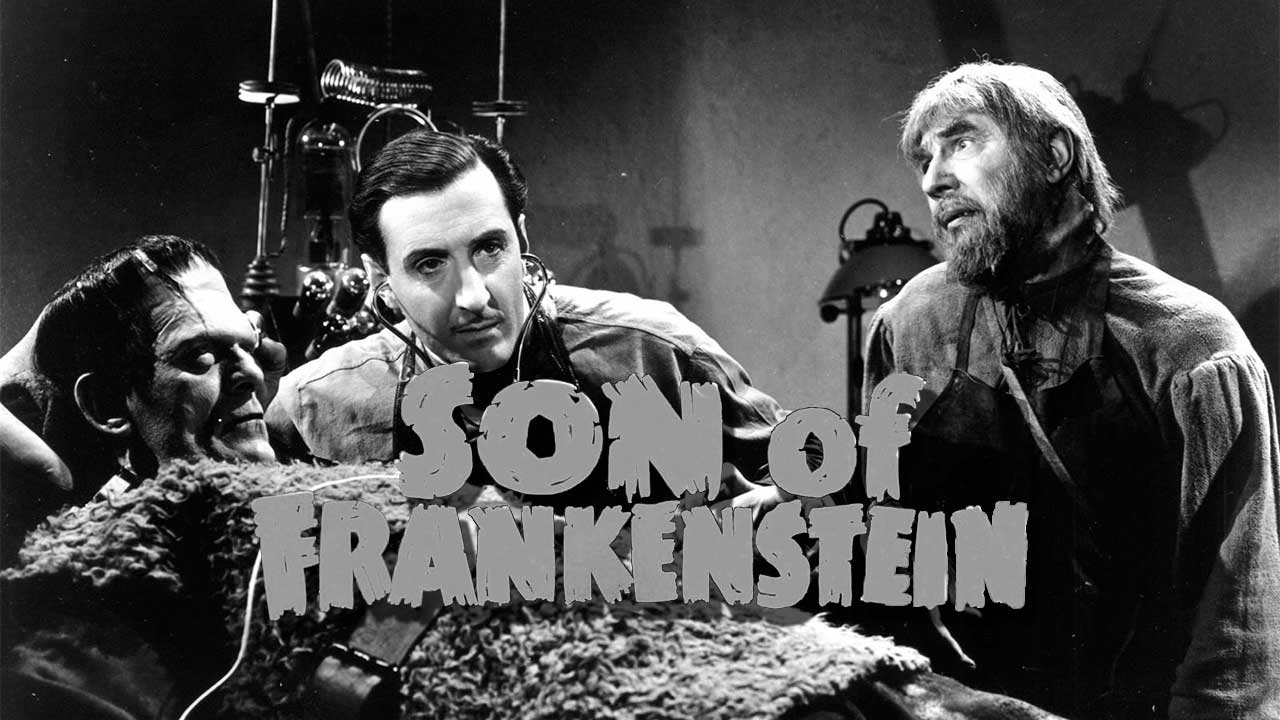
    Despite starting strong with their string of horror films, the Laemmle’s were bought out of Universal due to overspending. After the release of Dracula’s Daughter in 1936, the new studio heads put an end to the Universal Monsters. In 1938, a near-bankrupt LA theater rereleased Dracula, Frankenstein, and King Kong as a triple feature to great financial success. Seeing the potential in this, Universal decided to revive their monster movies starting with a big-budget Frankenstein movie. Unfortunately, James Whale’s career was on a downward slope, and Colin Clive passed away in 1937 due to tuberculosis. Due to Whale’s disinterest in making horror films, prolific filmmaker Rowland V. Lee was hired to direct the sequel. Boris Karloff returned for what became his last on-screen appearance as the monster, feeling the character had run its course. In 1939, four years after the last installment, Son of Frankenstein was released that January.

    [/et_pb_text][/et_pb_column][et_pb_column type=”1_3″ _builder_version=”4.16″ _module_preset=”default” global_colors_info=”{}”][et_pb_circle_counter title=”Rating” number=”85″ bar_bg_color=”#7CDA24″ _builder_version=”4.16″ _module_preset=”default” global_colors_info=”{}”][/et_pb_circle_counter][/et_pb_column][/et_pb_row][et_pb_row _builder_version=”4.16″ _module_preset=”default” global_colors_info=”{}”][et_pb_column type=”4_4″ _builder_version=”4.16″ _module_preset=”default” global_colors_info=”{}”][et_pb_text _builder_version=”4.27.4″ _module_preset=”default” hover_enabled=”0″ global_colors_info=”{}” sticky_enabled=”0″]

    Synopsis

    Years after the events of The Bride of Frankenstein, Baron Wolf von Frankenstein (Basil Rathbone) returns to the family castle. He brings along his wife Elsa (Josephine Hutchinson) and son Peter (Donnie Dunagan), but they aren’t welcome by the villagers. The local police Inspector Krogh (Lionel Atwill) promises them his protection, but Wolf is determined to redeem his family’s name. While investigating the ruins of his father’s laboratory, Wolf meets Ygor (Bela Lugosi), a demented blacksmith claiming to know Frankenstein. Ygor takes Wolf to the monster (Boris Karloff), who’s been comatose for years, and Wolf decides to revive him. He successfully revives the monster, but the monster only responds to Ygor, who uses him for his own means. Turns out Ygor was lynched years ago for graverobbing but survived, and he has the monster kill the jurors responsible. It’s a battle of wits between Wolf and Ygor over the monster.


    Review

    Son of Frankenstein is one of those films that shouldn’t work for various reasons, but it somehow does despite itself. There’s no Dr. Frankenstein, no James Whale, very loose continuity, and certain contrivances to move the plot along. Despite all of that, this is a surprisingly great entry thanks to some phenomenal performances and impressive filmmaking on display. Given that it’s his last appearance as the monster, Karloff gives a solid performance, once again silent like in Frankenstein. While it’s strange he doesn’t speak anymore, he still gives the character some depth and uses body language effectively. Though a stretch to believe him as Colin Clive’s son, Basil Rathbone does a great job, being sympathetic and determined. Lionel Atwill also brings a lot of dignity as the inspector, his scenes with Rathbone being a highlight. The scene where he explains to Wolf his wooden arm is absolutely bone-chilling.

    However, Bela Lugosi’s Ygor absolutely steals the show, giving perhaps his best performance since Dracula, maybe even better than that. Right when you first see him, you can tell he’s up to no good, always scheming and plotting. He delivers some chilling monologues, like when he talks about how he survived his hanging, saying he’s among the dead. You can definitely see the money on the screen with its elaborate sets, booming score, and longer runtime. Ironically, this had a higher budget than any other Frankenstein film, yet overspending is why the Laemmle’s were bought out. While Rowland V. Lee does a solid job behind the camera, it makes you wish Whale had returned. Even with its issues, this is still a great film and launchpad for the second wave of Universal Horror. Overall, Son of Frankenstein is a solid entry that, much like Wolf, redeems the name, Frankenstein.


    Buy Son of Frankenstein on Amazon: https://amzn.to/3iO1yK3.

    Disclosure: The above link is an affiliate link, which means that, at no additional cost, I will earn a commission if you click through the link and make a purchase.

    [/et_pb_text][et_pb_code _builder_version=”4.27.4″ _module_preset=”default” hover_enabled=”0″ sticky_enabled=”0″]

    Where to watch Son of Frankenstein (1939)

    data-api-key=”LMVDLdLSH5ZJnQ4FMGMgyJCB8cmGbfCV” data-object-type=”Movie” data-title=”Son of Frankenstein” data-year=”1939″ data-theme=”light”>

    [/et_pb_code][/et_pb_column][/et_pb_row][/et_pb_section]

  • Dracula’s Daughter (1936)

    Dracula’s Daughter (1936)

    [et_pb_section fb_built=”1″ _builder_version=”4.6.5″ _module_preset=”default”][et_pb_row _builder_version=”4.6.5″ _module_preset=”default” column_structure=”2_3,1_3″][et_pb_column _builder_version=”4.6.5″ _module_preset=”default” type=”2_3″][et_pb_text _builder_version=”4.6.5″ _module_preset=”default” hover_enabled=”0″ sticky_enabled=”0″]

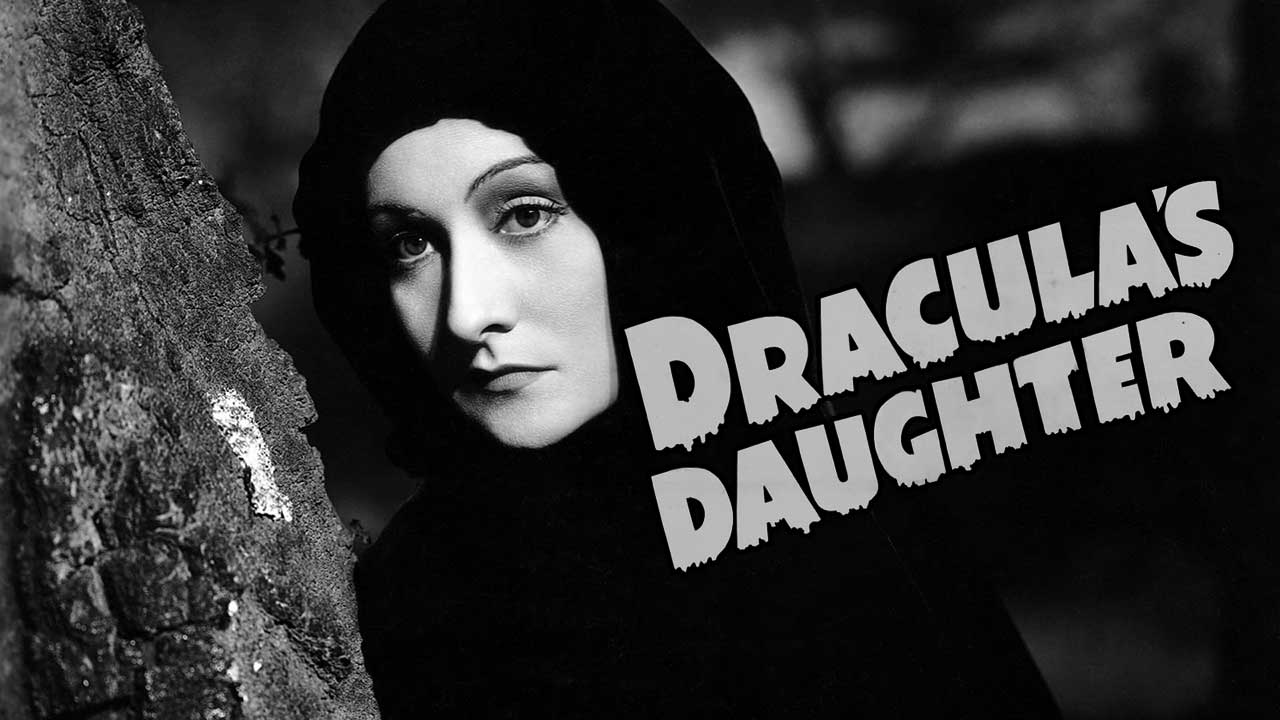
    Two years after Bram Stoker’s death, Dracula’s Guest and Other Weird Stories, a collection of short stories, was released. One of these stories, Dracula’s Guest, was originally a chapter of Dracula that was excised due to length. In 1933, MGM executive David O. Selznick negotiated a deal with Stoker’s widow for the rights to Dracula’s Guest. A year later, Universal managed to buy the rights from MGM, but the rights would revert if production wasn’t started. In response, Universal rushed production in October 1935, hiring director James Whale following the success of The Bride of Frankenstein. However, Whale was wary of directing two horror films back-to-back and instead went on to make Show Boat in 1936. Filmmaker Albert Edward Sutherland was brought on as a replacement, but he also declined before Lambert Hillyer was hired. After a short shoot, Dracula’s Daughter was released in May 1936.

    [/et_pb_text][/et_pb_column][et_pb_column _builder_version=”4.6.5″ _module_preset=”default” type=”1_3″][et_pb_circle_counter _builder_version=”4.6.5″ _module_preset=”default” title=”Rating” number=”80″ bar_bg_color=”#7CDA24″ hover_enabled=”0″ sticky_enabled=”0″][/et_pb_circle_counter][/et_pb_column][/et_pb_row][et_pb_row _builder_version=”4.6.5″ _module_preset=”default”][et_pb_column _builder_version=”4.6.5″ _module_preset=”default” type=”4_4″][et_pb_text _builder_version=”4.6.5″ _module_preset=”default” hover_enabled=”0″ sticky_enabled=”0″]

    Synopsis

    Following the events of Dracula, Professor Von Helsing (Edward Van Sloan) is arrested for killing Count Dracula and questioned. He’s brought to Scotland Yard to meet with Sir Basil Humphrey (Gilbert Emery), but he doesn’t believe Von Helsing’s story. In place of a lawyer, Von Helsing hires psychiatrist Dr. Jeffrey Garth (Otto Kruger) since he was a top student. Meanwhile, Countess Marya Zaleska (Gloria Holden) visits Scotland Yard to retrieve Dracula’s body with her manservant Sandor (Irving Pichel). Turns out she is Dracula’s daughter, and she tries burning the body hoping to be rid of the vampire curse. Unfortunately, it doesn’t work, and she soon gives in to her temptations, but soon finds help after meeting Dr. Garth. Later, Sandor brings back a young woman, Lili (Nan Grey), who Zaleska attacks and brought to the police. With Lili’s help, Garth, Von Helsing, and the police go confront Dracula’s daughter.


    Review

    Dracula’s Daughter doesn’t quite live up to the Tod Browning original, but it’s definitely an underrated film in itself. Considering that James Whale was originally hired to direct, it feels like this film was trying to emulate his tropes. He was usually skillful when it came to mixing horror and comedy, which this film tries but doesn’t always succeed. There are some effectively funny moments of dark humor here and there, but there’s also plenty of comedy that fails. Most of the best humor comes from Irving Pichel’s dry and sardonic delivery of some otherwise morbid lines. Gloria Holden as the title character does a good job, exhibiting the same charming yet dark qualities of Bela Lugosi. What makes her compelling is how, despite being a vampire with urges of bloodlust, she actually wants to be mortal. It makes you sympathize with her, and her scenes with Pichel are great.

    In comparison to his performances in Dracula and Frankenstein, Edward Van Sloan’s acting is improved here and feels more realistic. While before he was the stern moral voice of reason, here he acts more human while still showing some wisdom. Given that director Lambert Hillyer mostly directed Westerns before this, he does a surprisingly decent directing job here. There is plenty of fog, spooky scenery, and moody atmosphere to satiate any hardcore fan of old-school horror films. Admittedly, the film lacks the creepy vibes of Tod Browning’s original, and the loss of Bela Lugosi is a detriment. Interestingly, there are some underlying lesbian tones, namely Zaleska’s relationship with her female victims, having been interpreted in various ways. While it’s only a few isolated scenes, it’s interesting to see a 1930s film that has this sort of content. Overall, while not a classic, Dracula’s Daughter is nonetheless an interesting watch.


    Buy Dracula’s Daughter on Amazon: https://amzn.to/2SBnblY

    [/et_pb_text][/et_pb_column][/et_pb_row][/et_pb_section]
  • Werewolf of London (1935)

    Werewolf of London (1935)

    [et_pb_section fb_built=”1″ _builder_version=”4.6.5″ _module_preset=”default”][et_pb_row _builder_version=”4.6.5″ _module_preset=”default” column_structure=”2_3,1_3″][et_pb_column _builder_version=”4.6.5″ _module_preset=”default” type=”2_3″][et_pb_text _builder_version=”4.6.5″ _module_preset=”default” hover_enabled=”0″ sticky_enabled=”0″]

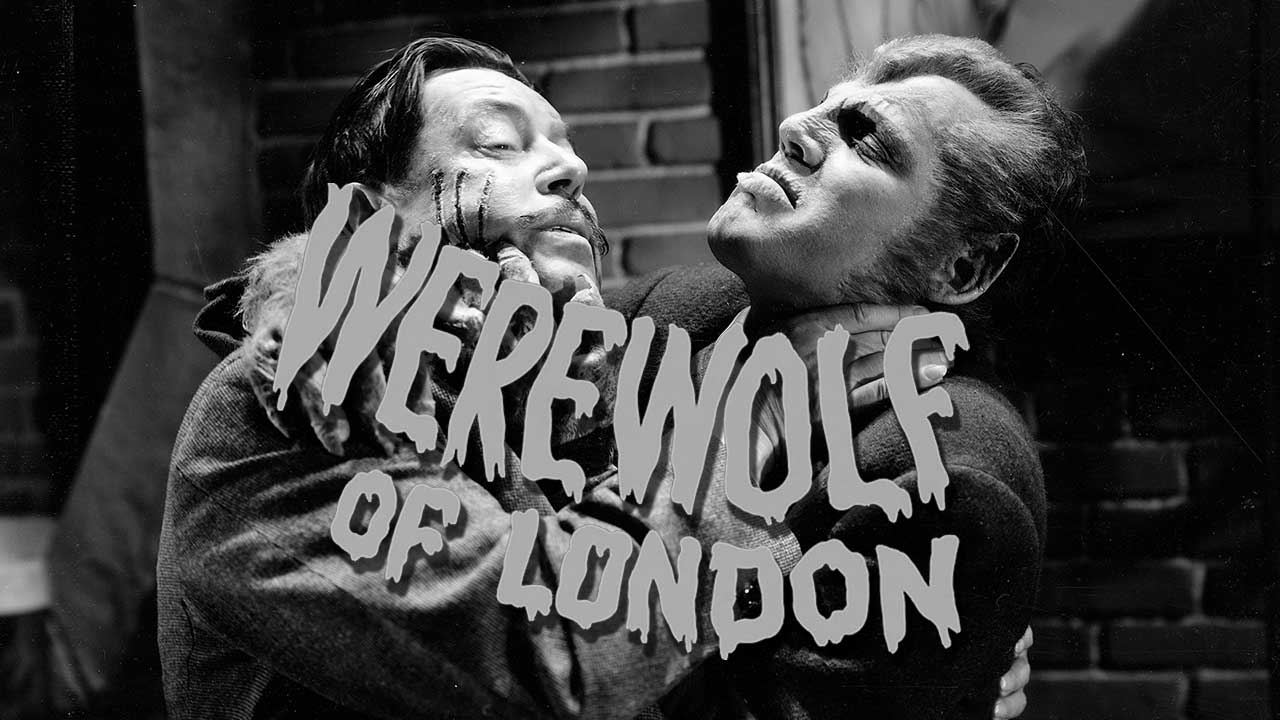
    Throughout early recorded history, there have been tons of tales and folklore revolving around men transforming into wolves. These people are referred to as lycanthropes, referencing the Greek King Lycaon, whom Zeus turned into a wolf as punishment. Of course, it wouldn’t be long until werewolves made their way onto the big screen starting with the silent era. The first was a silent short film in 1913 called The Werewolf, which was lost in a fire in 1924. 1925 saw another silent werewolf film called Wolf Blood released, but a full-length film wouldn’t come until a decade later. By 1935, Universal was going through their golden age of horror, releasing The Bride of Frankenstein earlier that year. For their next film, Universal decided to make what would become the first feature-length werewolf film to date. In May of 1935, Werewolf of London was released to theaters.

    [/et_pb_text][/et_pb_column][et_pb_column _builder_version=”4.6.5″ _module_preset=”default” type=”1_3″][et_pb_circle_counter _builder_version=”4.6.5″ _module_preset=”default” title=”Rating” number=”75″ bar_bg_color=”#EDF000″ hover_enabled=”0″ sticky_enabled=”0″][/et_pb_circle_counter][/et_pb_column][/et_pb_row][et_pb_row _builder_version=”4.6.5″ _module_preset=”default”][et_pb_column _builder_version=”4.6.5″ _module_preset=”default” type=”4_4″][et_pb_text _builder_version=”4.6.5″ _module_preset=”default” hover_enabled=”0″ sticky_enabled=”0″]

    Synopsis

    Botanist Wilfred Glendon (Henry Hull) is traveling to Tibet in search of a rare plant that supposedly blooms in moonlight. That night, he gets attacked by a strange animal before he manages to get a sample of the plant. After returning home, he’s visited by Dr. Yogami (Warner Oland), who tries warning Glendon about him turning into a werewolf. Glendon initially doesn’t believe his warning, but that night as he’s experimenting with the plant, he starts to transform. He soon finds that the plant acts as a temporary antidote, only to have the flower stolen by Dr. Yogami. After committing several murders as a werewolf, Glendon decides to neglect his wife Lisa (Valerie Hobson) for her safety. As the police continue their search for the murderer, Glendon soon realizes Yogami was the original werewolf who turned him. Will Glendon be cured, or will he meet a grisly demise?


    Review

    As noteworthy as it is for being the first full-length werewolf film, Werewolf of London sadly falls short of expectations. To get into the positives, Jack Pierce’s makeup effects are top-notch as always, the werewolf design decent at best. Acting-wise, though not as charismatic as Bela Lugosi or Boris Karloff, Henry Hull still delivers a solid performance. He seems to be copying Colin Clive’s performance from Frankenstein, though it’s not quite as compelling, it’s still admirable. Warner Oland certainly stands out as the villainous Dr. Yogami, though he seems to be channeling Charles Laughton’s, Dr. Moreau. Valerie Hobson, while not as good as she was in The Bride of Frankenstein, gives a decent performance here. Aside from that though, most of the acting comes off bland, though it doesn’t help the dialogue isn’t memorable. That’s probably the film’s biggest weakness: bland acting and bland writing.

    At seventy-five minutes, the movie’s short, but many scenes tend to drag on and grind the film to a halt. Many of the scenes contain tons of expository dialogue that is flatly delivered and doesn’t amount to much. While a few scenes do feature Hull as the werewolf attacking people, these are very few and far between. It’s a shame because, as stated, the makeup is fairly decent, but we don’t get to see it very often. Admittedly, it’s interesting that this film somewhat laid the groundwork for what became the definitive werewolf lore to this day. Granted, this would be further expanded upon in The Wolf Man years later, but we’ll get to that. While there are some solid aspects to be sure, this is a weak spot in an otherwise perfect run. Overall, Werewolf of London is worth a one-time viewing, but not much else.


    Buy Werewolf of London on Amazon: https://amzn.to/2GQxQXd

    [/et_pb_text][/et_pb_column][/et_pb_row][/et_pb_section]
  • The Bride of Frankenstein (1935)

    The Bride of Frankenstein (1935)

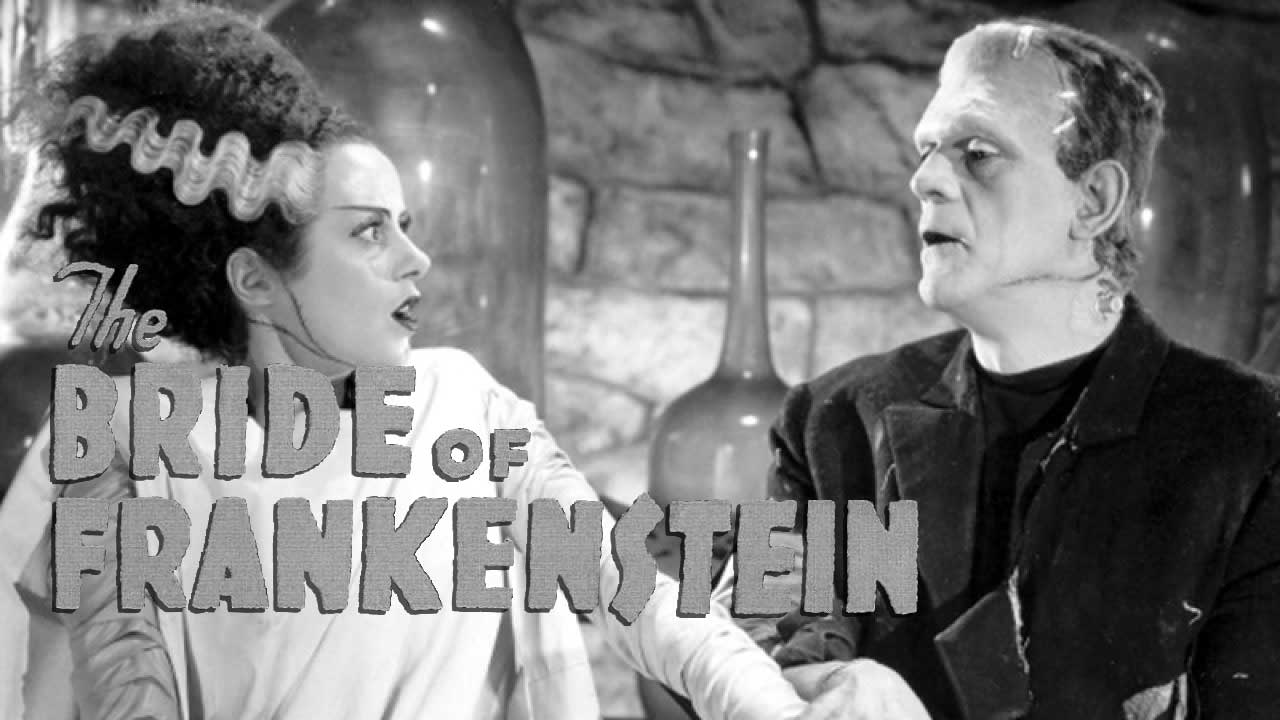
    [et_pb_section fb_built=”1″ _builder_version=”4.16″ _module_preset=”default” global_colors_info=”{}”][et_pb_row column_structure=”2_3,1_3″ _builder_version=”4.16″ _module_preset=”default” global_colors_info=”{}”][et_pb_column type=”2_3″ _builder_version=”4.16″ _module_preset=”default” global_colors_info=”{}”][et_pb_text _builder_version=”4.16″ _module_preset=”default” global_colors_info=”{}”]After the success of Frankenstein in 1931, Universal Studios immediately wanted a sequel, but director James Whale wasn’t interested. Instead, he made 1932’s The Old Dark House and 1933’s The Invisible Man both for Universal and both financial successes. Realizing nobody could make a sequel as good as Whale, studio head Carl Laemmle, Jr. allowed Whale total creative control. Whale took advantage of this and took over many aspects of the production, including the script, production design, etc. Much of the original cast returned, including Boris Karloff and Colin Clive, as well as other actors Whale worked previously. Unfortunately, Mae Clark, who played Elizabeth in the original, was replaced by Valerie Hobson due to poor health. Thanks to his previous successes, Whale was given free rein for the sequel, though he went over budget and schedule. Finally, in April 1935, The Bride of Frankenstein was released to theaters.

    [/et_pb_text][/et_pb_column][et_pb_column type=”1_3″ _builder_version=”4.16″ _module_preset=”default” global_colors_info=”{}”][et_pb_circle_counter title=”Rating” number=”95″ bar_bg_color=”#7CDA24″ _builder_version=”4.16″ _module_preset=”default” global_colors_info=”{}”][/et_pb_circle_counter][/et_pb_column][/et_pb_row][et_pb_row _builder_version=”4.16″ _module_preset=”default” global_colors_info=”{}”][et_pb_column type=”4_4″ _builder_version=”4.16″ _module_preset=”default” global_colors_info=”{}”][et_pb_text _builder_version=”4.27.2″ _module_preset=”default” hover_enabled=”0″ global_colors_info=”{}” sticky_enabled=”0″]

    Synopsis

    Continuing from the last film’s ending, the villagers triumph over the monster’s supposed death from the burning windmill. Henry Frankenstein (Colin Clive), thought to be dead, is taken back home to be with his fiancee Elizabeth (Valerie Hobson). Unbeknownst to the villagers, the monster (Boris Karloff) has survived the fire and is on the run from the mob. Henry makes a recovery and is visited by Dr. Septimus Pretorius (Ernest Thesiger), who wants Henry to continue his work. Though reluctant, Henry is tempted and threatened by Pretorius to create a companion for his monster, a bride per see. Meanwhile, the monster gets captured by the villagers, escapes into the woods, befriends a blind hermit (O. P. Heggie). Through his experiences, the monster grows intelligent and learns to speak, and starts working with Pretorius to construct the bride. Soon, Henry and Pretorius successfully create the Bride of Frankenstein (Elsa Lanchester)!


    Review

    The Bride of Frankenstein is one of those rare instances where a sequel surpasses the original and then some. As good as the original was, this feels like James Whale was able to make what he wanted to make. Production-wise, it’s impressive to behold, from the grand manor and underground crypt to the laboratory and cemetery sets. There is plenty of fog, shadow, candlelight, fake backgrounds, and fake trees to give it that theatrical gothic look. Performance-wise, everyone does a phenomenal job, particularly Karloff, Klive, Thesiger, and Lanchester as both the bride and Mary Shelley. Speaking of, the opening prologue featuring her, Lord Byron, and Percy Shelley perfectly set up the film’s story and tone. Not only does it recap the first film, but it also sets up a more darkly comedic tone as well. Plus, Elsa Lanchester is absolutely gorgeous, clever, and witty as Mary Shelley.

    Though not as over-the-top as before, Colin Clive still gives a solid performance, adding some humanity to the role. Originally mute in the previous film, Karloff gets to speak, giving solid deliveries while retaining his monstrous qualities. As Pretorius, Thesiger absolutely steals the show, playing an eccentric yet duplicitous doctor trying to tempt Henry along the way. Considering who James Whale was as a person, it’s safe to assume there may have been some slightly homoerotic tones. Regardless, it’s a wonderful performance that perfectly contrasts with Clive, who’s struggling between his past work and his current life. One major downside is that as iconic as the bride is, she doesn’t appear until the last 10-15 minutes. There are some other slight flaws, such as the monster disappearing through much of it, but that can be excused. Overall, The Bride of Frankenstein is the crown jewel of the Universal Monsters.


    Buy The Bride of Frankenstein on Amazon: https://amzn.to/3C4mNGz.

    Disclosure: The above link is an affiliate link, which means that, at zero cost to you, I will earn a commission if you click through the link and finalize a purchase.

    [/et_pb_text][/et_pb_column][/et_pb_row][/et_pb_section]
  • The Invisible Man (1933)

    The Invisible Man (1933)

    [et_pb_section fb_built=”1″ _builder_version=”4.16″ _module_preset=”default” global_colors_info=”{}”][et_pb_row column_structure=”2_3,1_3″ _builder_version=”4.16″ _module_preset=”default” global_colors_info=”{}”][et_pb_column type=”2_3″ _builder_version=”4.16″ _module_preset=”default” global_colors_info=”{}”][et_pb_text _builder_version=”4.27.4″ _module_preset=”default” hover_enabled=”0″ global_colors_info=”{}” sticky_enabled=”0″]

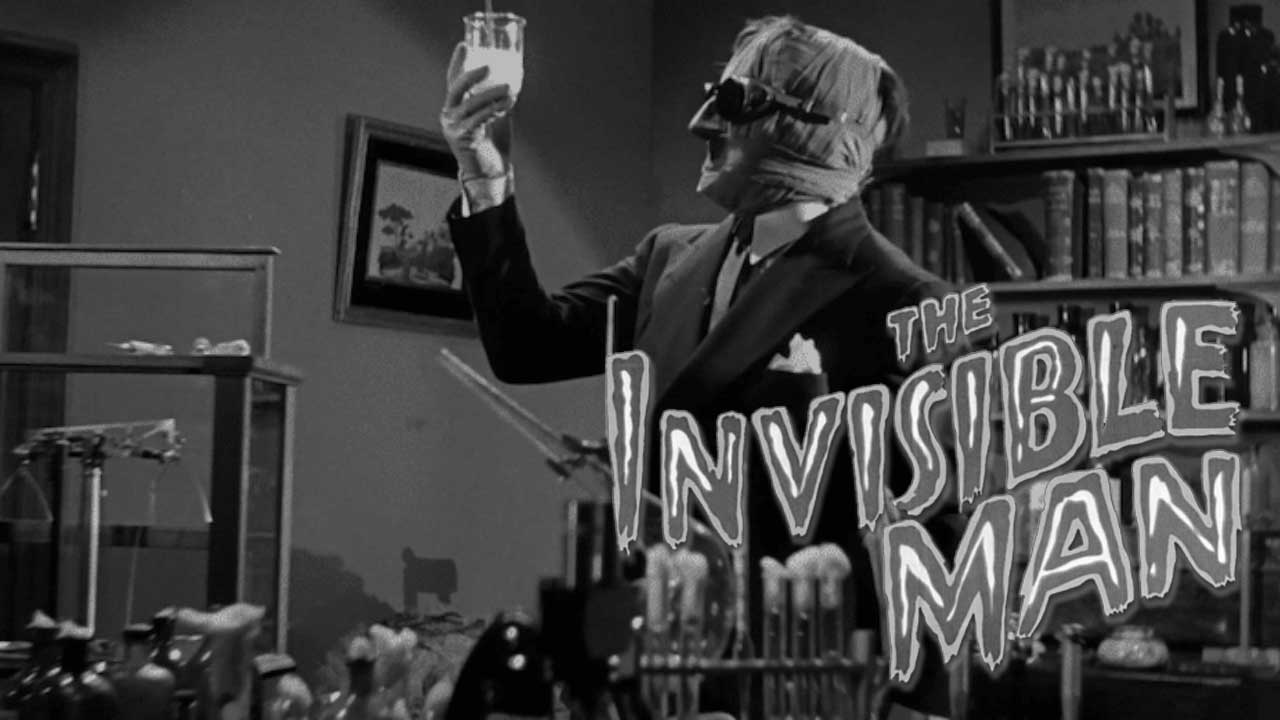
    After the success of 1931’s Frankenstein, director James Whale was given free rein from Universal on his next project. Whale decided to make 1932’s The Old Dark House, a haunted house horror film with touches of dark comedy. Because of his success, studio head Carl Laemmle, Jr. gave Whale total creative freedom, hiring him as a contract director. Following The Old Dark House, Whale decided on adapting the H. G. Wells novel The Invisible Man published in 1896. Whale cast Gloria Stuart as the female lead, who we worked with previously on The Old Dark House. For the title role, Whale cast unknown stage actor Claude Rains in what would be his big-screen debut. Special effects supervisor John P. Fulton, who previously worked on The Mummy, was tasked with making a man turn invisible. After a shoot lasting three months, The Invisible Man was released in November 1933.

    [/et_pb_text][/et_pb_column][et_pb_column type=”1_3″ _builder_version=”4.16″ _module_preset=”default” global_colors_info=”{}”][et_pb_circle_counter title=”Rating” number=”90″ bar_bg_color=”#7CDA24″ _builder_version=”4.16″ _module_preset=”default” global_colors_info=”{}”][/et_pb_circle_counter][/et_pb_column][/et_pb_row][et_pb_row _builder_version=”4.16″ _module_preset=”default” global_colors_info=”{}”][et_pb_column type=”4_4″ _builder_version=”4.16″ _module_preset=”default” global_colors_info=”{}”][et_pb_text _builder_version=”4.27.4″ _module_preset=”default” global_colors_info=”{}”]

    Synopsis

    Dr. Jack Griffin (Claude Rains) has found a way to turn himself invisible through chemistry but can’t turn himself visible. Wrapped in bandages and wearing goggles, he goes to The Lion’s Head Inn for shelter and to continue his research. Jenny Hall (Una O’Connor), the innkeeper’s wife, gets suspicious and demands her husband Herbert (Forrester Harvey) to evict him. The police are called in, so Griffin removes his bandages and clothes to reveal he’s invisible before escaping. Meanwhile, Griffin’s fiancee Flora Cranley (Gloria Stuart) becomes concerned over his disappearance while her father Dr. Cranley (Henry Travers) investigates. That night, Griffin returns to their home and forces his colleague Dr. Kemp (William Harrigan) to be his visible partner. As the police continue their search with Cranley and Kemp working alongside them, Flora tries convincing Griffin to come back. Will Griffin’s plans come to fruition, or will the police stop him?


    Review

    Along with FrankensteinThe Invisible Man continues to show how talented and revered a director James Whale was. While his previous monster movie was relatively serious, this one has more of a sense of humor to it. Granted, it’s still played straight, but Whale manages to sneak in plenty of darkly comedic moments throughout the film. One of the film’s biggest strengths is Claude Rains who, while mostly faceless, delivers a perfectly over-the-top and theatrical performance. He delivers his lines with such conviction and bravado that perfectly balances seriousness with a slight amount of camp. Gloria Stuart does a good job as the love interest, and Henry Travers and William Harrigan work well together. While Una O’Connor can come off as annoying with her constant screaming, it starts to become funny after a while. Also, special mention goes out to E. E. Clive as the sardonic Constable Jaffers.

    Perhaps the most amazing thing about the film is the visual effects and how they made Claude Rains appear invisible. Through some camera trickery and black velvet, the effect is convincingly impressive given the time and the technology available. Considering this was made the same year as King Kong, 1933 was a monumental year in visual effects. Granted, some of the effects don’t hold up and haven’t aged well, but it’s nonetheless impressive and awe-inspiring. In fact, some of the film’s best gags revolve around invisibility, namely the Invisible Man messing around with the villagers. One particularly memorable moment is when he’s strolling down the street only wearing pants and singing a jaunty tune. Admittedly, the emphasis on humor might disappoint fans looking for pure horror, but it’s a welcome change of pace. Overall, The Invisible Man is a classic comedic chiller that’s worth seeing.


    Buy The Invisible Man on Amazon: https://amzn.to/2Syzwao.

    Disclosure: The above link is an affiliate link, which means that, at no additional cost, I will earn a commission if you click through the link and make a purchase.

    [/et_pb_text][et_pb_code _builder_version=”4.27.4″ _module_preset=”default” global_colors_info=”{}”]

    Where to watch The Invisible Man (1933)

    data-api-key=”LMVDLdLSH5ZJnQ4FMGMgyJCB8cmGbfCV” data-object-type=”Movie” data-title=”The Invisible Man” data-year=”1933″ data-theme=”light”>

    [/et_pb_code][/et_pb_column][/et_pb_row][/et_pb_section]
  • The Mummy (1932)

    The Mummy (1932)

    [et_pb_section fb_built=”1″ _builder_version=”4.6.5″ _module_preset=”default”][et_pb_row _builder_version=”4.6.5″ _module_preset=”default” column_structure=”2_3,1_3″][et_pb_column _builder_version=”4.6.5″ _module_preset=”default” type=”2_3″][et_pb_text _builder_version=”4.6.5″ _module_preset=”default” hover_enabled=”0″ sticky_enabled=”0″]

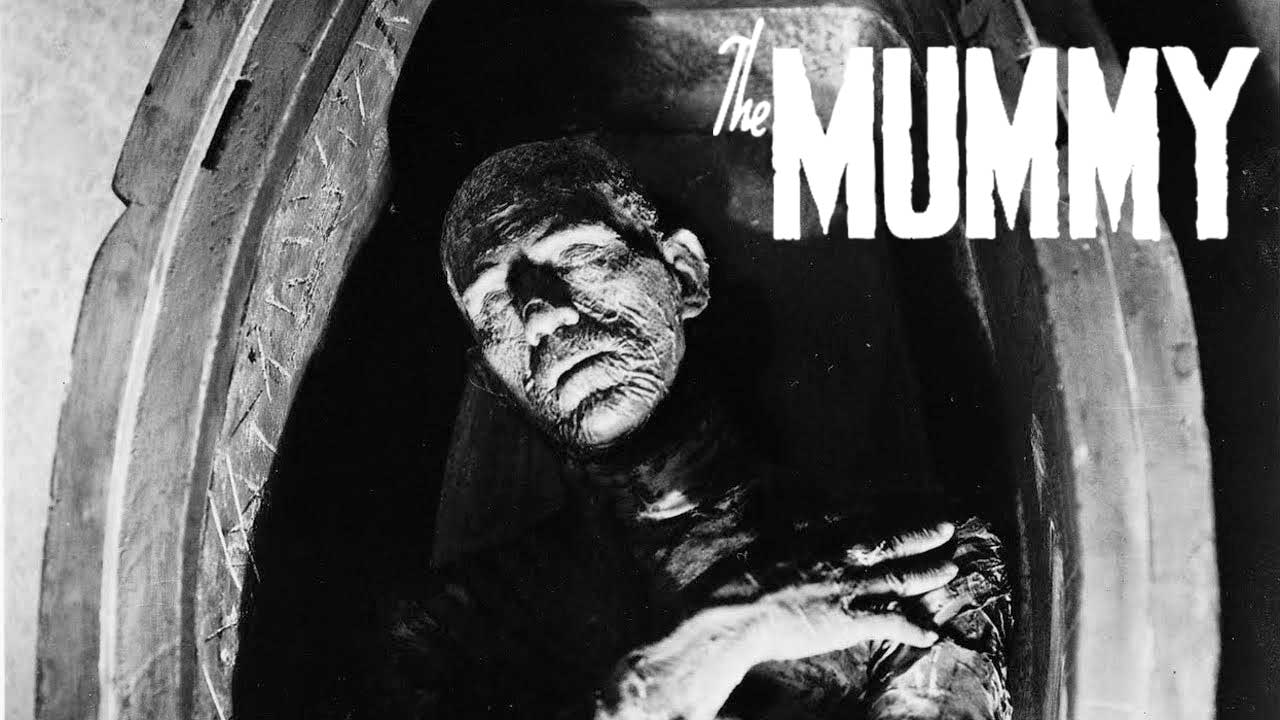
    After the back-to-back success of Dracula and Frankenstein in 1931, Universal Studios was becoming a household name in Hollywood. For their next project, rather than a literary source, the studio turned to the public’s interest in Ancient Egypt. In 1922, British archaeologist Howard Carter uncovered the tomb of Egyptian Pharoah Tutankhamun, supposedly unleashing the “Curse of the Pharaohs”. Writers Richard Schayer and Nina Wilcox Putnam wrote a treatment entitled Cagliostro, which was further developed by John L. Balderston. Given his familiarity with the uncovering of Tutankhamun’s tomb, Balderston drastically rewrote the treatment to incorporate more elements from that. Dracula cinematographer Karl Freud was hired to direct, and Boris Karloff was cast as the lead given his recent stardom. Jack Pierce, who did the Frankenstein makeup, did similar work here, and relative newcomer Zita Johann became the female lead. Finally, in December 1932, Universal’s The Mummy was unearthed and released.

    [/et_pb_text][/et_pb_column][et_pb_column _builder_version=”4.6.5″ _module_preset=”default” type=”1_3″][et_pb_circle_counter _builder_version=”4.6.5″ _module_preset=”default” title=”Rating” number=”85″ bar_bg_color=”#7CDA24″ hover_enabled=”0″ sticky_enabled=”0″][/et_pb_circle_counter][/et_pb_column][/et_pb_row][et_pb_row _builder_version=”4.6.5″ _module_preset=”default”][et_pb_column _builder_version=”4.6.5″ _module_preset=”default” type=”4_4″][et_pb_text _builder_version=”4.6.5″ _module_preset=”default” hover_enabled=”0″ sticky_enabled=”0″]

    Synopsis

    In 1921, Sir Joseph Whemple (Arthur Byron) uncovers an Egyptian mummy known as Imhotep (Boris Karloff) during an expedition. That night, Joseph’s assistant Ralph Norton (Bramwell Fletcher) finds the “Scroll of Thoth” in the sarcophagus and starts reading it. Through reading this, he unwittingly resurrects Imhotep, who walks off with the scroll, leaving Ralph a raving lunatic. Years later, now renamed Ardeth Bay, Imhotep asks Joseph’s son Frank (David Manners) and Professor Pearson (Leonard Mudie) for help. He has them uncover the tomb Anck-Su-Naum, an Egyptian princess Imhotep was in love with, though it was forbidden. The findings are displayed at the Cairo Museum, where Bay soon meets Helen Grosvenor (Zita Johann), who’s supposedly Anck-Su-Naum’s reincarnation. Bay plans to kill Helen and have her resurrected as an immortal mummy much like him, thereby reuniting them. Will Helen be saved in time, or will Imhotep’s plans come to fruition?


    Review

    The Mummy isn’t quite as strong as its predecessors, but it’s still as much of a horror classic as those. Given his experience as a cinematographer, Freund does a great job staging sequences and picking the best camera angles. Much like in Dracula, he uses plenty of sweeping camera movements, slows zooms and pans, and plenty of close-up shots. Zita Johann gives a solid performance as the female lead, exhibiting a strange yet intriguing aura around her. Given her real-life interest in the occult and spiritualism, it’s easy to see why she was cast for the role. Universal Monster regulars Edward Van Sloan and David Manners fit their roles, even if they’re not given much to do. However, Karloff is the true star of the movie, and as a bonus, he gets plenty of speaking lines. This gives him further opportunity to demonstrate his acting abilities.

    To put it simply, Karloff is the best part of the film, giving a very understated yet powerful performance. Not only does he deliver his lines with eloquence and charm, but he also has an intense glare. Much like Lugosi, Karloff’s stare is intimidating yet alluring, scary yet enticing, thanks partially to how his close-ups are lit. Like in Frankenstein, Jack Pierce’s makeup effects are nothing short of impressive, especially given the resources available at the time. As amazing as the mummy make-up looks, it’s a shame that it’s only on screen for a few minutes. This is made up for when, as Ardeth Bay, Karloff is made to look old and decrepit and yet alive. Admittedly, this does borrow much from the previous films, Dracula especially, in terms of story and even music. Overall, despite that, The Mummy is a solid classic that emphasizes suspense over cheap scares.


    Buy The Mummy from Amazon: https://amzn.to/2SpCazc

    [/et_pb_text][/et_pb_column][/et_pb_row][/et_pb_section]
  • Frankenstein (1931)

    Frankenstein (1931)

    [et_pb_section fb_built=”1″ _builder_version=”4.16″ _module_preset=”default” global_colors_info=”{}”][et_pb_row column_structure=”2_3,1_3″ _builder_version=”4.16″ _module_preset=”default” global_colors_info=”{}”][et_pb_column type=”2_3″ _builder_version=”4.16″ _module_preset=”default” global_colors_info=”{}”][et_pb_text _builder_version=”4.16″ _module_preset=”default” global_colors_info=”{}”]

    In 1818, English author Mary Shelley published Frankenstein; or, The Modern Prometheus, a cautionary tale of a man playing God. The book came about due to a friendly writing contest between Mary, her husband Percy, and English poet Lord Byron. Upon its publication, the novel received critical praise as well as derision and was first adapted to stage in 1823. Almost 100 years later, Edison Studios released a silent film version of Frankenstein in 1910 directed by James Searle Dawley. After finding success with Dracula in 1931, Universal Studios head Carl Laemmle, Jr. announced plans for future horror films. Since their last film was an adaptation, they based this off the 1927 stage play based on the original novel. English filmmaker James Whale was hired after original director Robert Forley was removed, though Forley received some credit. Some months after the release of DraculaFrankenstein emerged onto the big screen.

    [/et_pb_text][/et_pb_column][et_pb_column type=”1_3″ _builder_version=”4.16″ _module_preset=”default” global_colors_info=”{}”][et_pb_circle_counter title=”Rating” number=”90″ bar_bg_color=”#7CDA24″ _builder_version=”4.16″ _module_preset=”default” global_colors_info=”{}”][/et_pb_circle_counter][/et_pb_column][/et_pb_row][et_pb_row _builder_version=”4.16″ _module_preset=”default” global_colors_info=”{}”][et_pb_column type=”4_4″ _builder_version=”4.16″ _module_preset=”default” global_colors_info=”{}”][et_pb_text _builder_version=”4.27.4″ _module_preset=”default” hover_enabled=”0″ global_colors_info=”{}” sticky_enabled=”0″]

    Synopsis

    Dr. Henry Frankenstein (Colin Clive) and his hunchback assistant Fritz (Dwight Frye) have been digging up graves for an experiment. They gather up body parts of the recently buried, as well as bodies of recently hanged criminals for their work. Frankenstein plans to build a human body and transplant a human brain in an attempt to create life. Fritz is sent out to collect a fresh brain, but he accidentally destroys it and grabs an abnormal brain instead. Meanwhile, Henry’s fiancee Elizabeth (Mae Clarke) confides in their friend Victor (John Boles) about her concerns for Henry. One night, Elizabeth, Victor, and Henry’s teacher Dr. Waldman (Edward Van Sloan) go to confront Henry about his work. They bare witness to Frankenstein’s monster (Boris Karloff) coming to life, who soon escapes after being attacked by Fritz. The monster tries to make friends, only to be hunted by the local villagers.


    Review

    Like its predecessor, Frankenstein is yet another classic from the Golden Age of horror cinema courtesy of Universal Studios. James Whale’s direction is superb, taking full advantage of the sets and staging some fantastic sequences around them. Speaking of, the laboratory and village sets are impressive, having a very gothic style that mixes elements of German Expressionism. The cast does a wonderful job, most notably Colin Clive as the crazed yet determined Dr. Henry Frankenstein. While his methods are questionable, you almost sympathize with him and want him to succeed in his work. Similar to his Renfield in Dracula, Dwight Frye delivers another eccentrically crazy performance as the hunchback assistant Fritz. Likewise, Van Sloan once again works as the authoritative figure, as well as having a fun part in the prologue. The rest of the cast, including Clark and Boles, deliver solid performances in their supporting roles.

    However, the real star of the show is William Henry Pratt, aka Boris Karloff as the intimidating yet sympathetic monster. Brought to life thanks to the make-up wizardry of Jack Pierce, Karloff delivers a wonderfully nuanced performance as the monster. Though he doesn’t have any dialogue and speaks mostly in grunts, he’s very expressive and gives off tons of emotions. It’s very reminiscent of the overly expressive performances of silent film actors like Charlie Chaplin and Lon Chaney. The way he plays the monster, he adds a childlike innocence to the character who doesn’t know any better. My only gripes with the film are some plot contrivances during the third act, though these can be excused. That said, this is still a masterclass in horror cinema that, like Dracula, is required viewing for budding aficionados. Overall, Frankenstein is a monster movie classic that, like the creature, will never die.


    Buy Frankenstein from Amazon: https://amzn.to/3jtalSH.

    Disclosure: The above link is an affiliate link, which means that, at no additional cost, I will earn a commission if you click through the link and make a purchase.

    [/et_pb_text][et_pb_code _builder_version=”4.27.4″ _module_preset=”default” hover_enabled=”0″ sticky_enabled=”0″]

    Where to watch Frankenstein (1931)

    data-api-key=”LMVDLdLSH5ZJnQ4FMGMgyJCB8cmGbfCV” data-object-type=”Movie” data-title=”Frankenstein” data-year=”1931″ data-theme=”light”>

    [/et_pb_code][/et_pb_column][/et_pb_row][/et_pb_section]