Facebook

FilmNerd

Category: Horror

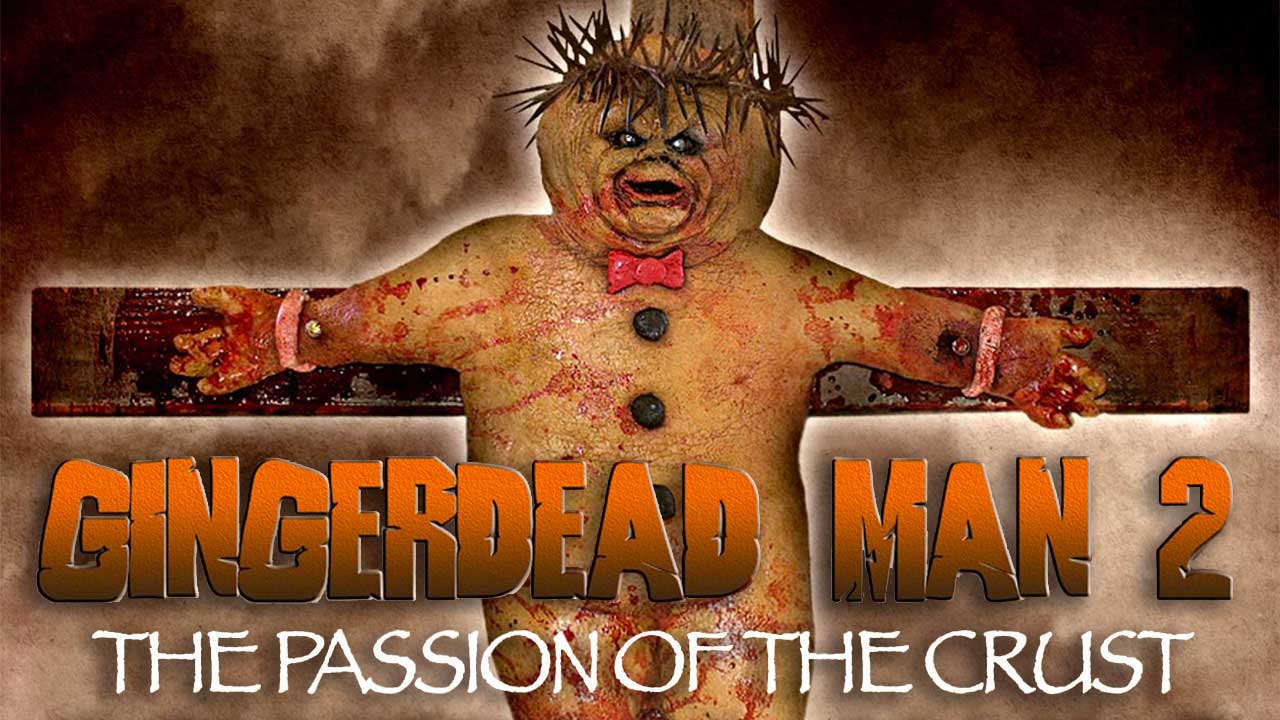
  • Gingerdead Man 2: Passion of the Crust (2008)

    Gingerdead Man 2: Passion of the Crust (2008)

    [et_pb_section fb_built=”1″ _builder_version=”4.16″ _module_preset=”default” global_colors_info=”{}”][et_pb_row column_structure=”2_3,1_3″ _builder_version=”4.16″ _module_preset=”default” global_colors_info=”{}”][et_pb_column type=”2_3″ _builder_version=”4.16″ _module_preset=”default” global_colors_info=”{}”][et_pb_text _builder_version=”4.18.0″ _module_preset=”default” global_colors_info=”{}”]Released in 2005, The Gingerdead Man was a surprise hit for the struggling Full Moon Features. Charles Band was so impressed that he gave William Butler, who wrote the original, the chance to direct the sequel. Previously, Butler made 2004’s Madhouse and 2007’s Furnace, both low-budget movies that ended up being very successful. Seeing an opportunity, Butler agreed to do the sequel but only if given complete creative control. After telling Charles that he wanted to crucify the Gingerdead Man, Charles was entirely on board. Butler brought on Muffy Bolding and Aaron Strongoni, who he worked with on his previous features, to help write the script. Unfortunately, they couldn’t get Gary Busey to return, so they hired the late John Vulich to voice the titular character. On the 4th of July, 2008, Gingerdead Man 2: Passion of the Crust made its way onto video store shelves.

    [/et_pb_text][/et_pb_column][et_pb_column type=”1_3″ _builder_version=”4.16″ _module_preset=”default” global_colors_info=”{}”][et_pb_circle_counter title=”Rating” number=”40″ bar_bg_color=”#E09900″ _builder_version=”4.18.0″ _module_preset=”default” global_colors_info=”{}”][/et_pb_circle_counter][/et_pb_column][/et_pb_row][et_pb_row _builder_version=”4.16″ _module_preset=”default” global_colors_info=”{}”][et_pb_column type=”4_4″ _builder_version=”4.16″ _module_preset=”default” global_colors_info=”{}”][et_pb_text _builder_version=”4.27.4″ _module_preset=”default” hover_enabled=”0″ global_colors_info=”{}” sticky_enabled=”0″]

    Synopsis

    Times are tough at Cheatum Studios, a once prolific moviehouse known for making low-budget genre films. Kevin Cheatum (K-von Moezzi) has taken to try to keep the studio alive to honor his late father. The studio is currently in production of the 9th entry in their Tiny Terrors series, but things are going downhill. Meanwhile, Heather Crocker (Kelsey Sanders) brings the terminally-ill Tommy Hines (Joseph Porter) to visit the studio as his last wish. During the tour, former scream queen Polly Bonderhoof (Michelle Bauer) bring a box of baked good to the studio. Inside the box is the Gingerdead Man (John Vulich), who wanders the studio searching for victims for a transmigration spell. As the body count rises, Kevin orders everyone to evacuate the studio as he and Heather try to find Tommy. While fending off the Gingerdead Man, Tommy reveals himself as Kevin’s worst fear: an online movie critic!


    Review

    While it was no cinematic masterpiece, I thought The Gingerdead Man had its moments and made for decent entertainment. The sequel, on the other hand, was a chore to get through between the lousy acting and dated stereotypes. As much as the absence of Gary Busey hurts, John Vulich does a decent job doing a Busey-like voice. Also, genre fans will enjoy the cameos from people like John Carl Buechler, David DeCoteau, and Greg Nicotero. Speaking of genre veterans, Michelle Bauer has fun delivering corny sexual innuendos and acting like a sexpot. K-von Moezzi is fine as the bright-eyed and bushy-tailed producer trying to maintain his father’s legacy. Though pretty, Kelsey Sanders is bland as the obvious love interest, and Joseph Porter comes off a bit annoying. The cast seems to be having fun in an otherwise ridiculous movie, but it’s too bad the audience isn’t.

    In many ways, the film is similar to Troma’s Terror Firmer, about a movie shoot interrupted by a deranged killer. Both movies take potshots at the studios who made them, but Lloyd Kaufman’s film was much more intelligent and subtle. It also helps that Troma’s movie had more interesting characters, memorable kills, and a rebellious spirit only they could deliver. Here, the filmmakers try taking jabs at Full Moon Features, but it comes off as juvenile and a little mean-spirited. They even take jabs at people who criticize them, but they go for all the stereotypes you can think of. Also, for a movie called Gingerdead Man 2, the actual Gingerdead Man doesn’t factor much into the plot. At 82 minutes, the film feels padded as it struggles to reach feature length with its half-baked ideas. Overall, Gingerdead Man 2: Passion of the Crust isn’t very good. Go figure!


    Buy Gingerdead Man 2: Passion of the Crust from:

    Disclosure: The above link is an affiliate link, which means that, at zero cost to you, I will earn a commission if you click through the link and finalize a purchase.

    [/et_pb_text][/et_pb_column][/et_pb_row][/et_pb_section]
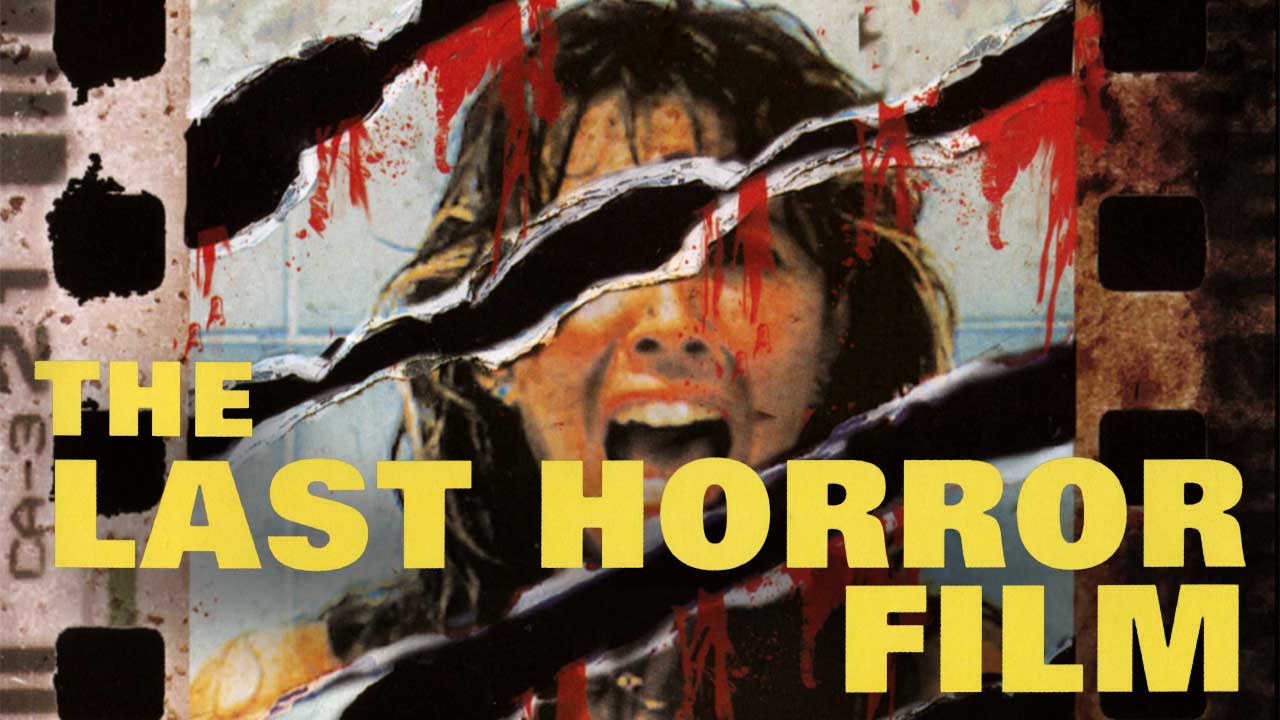
  • The Last Horror Film (1982)

    The Last Horror Film (1982)

    [et_pb_section fb_built=”1″ admin_label=”section” _builder_version=”4.16″ global_colors_info=”{}”][et_pb_row column_structure=”2_3,1_3″ admin_label=”row” _builder_version=”4.16″ background_size=”initial” background_position=”top_left” background_repeat=”repeat” global_colors_info=”{}”][et_pb_column type=”2_3″ _builder_version=”4.16″ custom_padding=”|||” global_colors_info=”{}” custom_padding__hover=”|||”][et_pb_text _builder_version=”4.18.0″ _module_preset=”default” global_colors_info=”{}”]

    In 1978, New World Pictures released Starcrash, an Italian Star Wars knock-off featuring Caroline Munro and Joe Spinell. Two years later, they starred in the controversial 1980 horror film Maniac, a surprise box office hit. Around this time, Munro’s husband Judd Hamilton was making deals with Cannon Films to produce a sequel to Starcrash. While trying to find interest at the Cannes Film Festival in 1981, Hamilton and actor-turned-filmmaker David Winters had an idea. Using Cannes as the backdrop, they decided to make a film meant to bring Munro and Spinell back together. However, much of the filming was done guerilla style since the festival was going on and they couldn’t secure permits. After a limited theatrical run in 1982, the film faded into obscurity until Troma acquired the rights. In 2009, Troma released a restored director’s cut of the film, The Last Horror Film, on DVD.

    [/et_pb_text][/et_pb_column][et_pb_column type=”1_3″ _builder_version=”4.16″ custom_padding=”|||” global_colors_info=”{}” custom_padding__hover=”|||”][et_pb_circle_counter title=”Rating” number=”75″ bar_bg_color=”#EDF000″ _builder_version=”4.18.0″ _module_preset=”default” global_colors_info=”{}”][/et_pb_circle_counter][/et_pb_column][/et_pb_row][et_pb_row _builder_version=”4.16″ _module_preset=”default” global_colors_info=”{}”][et_pb_column type=”4_4″ _builder_version=”4.16″ _module_preset=”default” global_colors_info=”{}”][et_pb_text _builder_version=”4.18.0″ _module_preset=”default” hover_enabled=”0″ global_colors_info=”{}” sticky_enabled=”0″]

    Synopsis

    Vinny Durand (Joe Spinell) is a New York taxi driver who dreams of becoming a filmmaker despite his mother’s objections. Durand aspires to make the ultimate horror film starring the B-movie “queen of horror films” Jana Bates (Caroline Munro). To accomplish this, he buys a plane ticket to France, where Bates is attending the Cannes Film Festival. Unfortunately, every time he tries to reach out to Jana, Vinny is turned away by security and her producers. While this happens, people close to Jana, including her manager/ex-husband Bret (Glenn Jacobson), are murdered. Not only that, but the killer also films all the murders, like how Vinny films Jana wherever she goes. Unfortunately, the attendees think the murders are part of a publicity stunt despite Jana’s pleas for help. Will the killer’s identity be revealed, or will this end up being the last horror film for Jana Bates?


    Review

    While the final product is somewhat disjointed, The Last Horror Film is a fascinating mesh of horror and satire. First and foremost, Joe Spinell gives another captivating performance, showing he had the potential to be a leading man. He nails the part of a creepy stalker, but there’s a part of you that makes you sympathize with him. Even though he acts weird and comes off as delusional, his character has the drive to make his film. Caroline Munro is stunningly beautiful, and her scenes with Spinell are great moments of tension and suspense. Also, the filmmakers took full advantage of the location, showcasing the Cannes Film Festival on a grand scale. It’s a fascinating time capsule of what movies were being sold back in 1981 and the French locales. Given the lengths they had to go through to shoot in these locations, it’s impressive what they pulled off.

    However, as ambitious as the film is, this results in an inconsistent tone that makes the film feel disjointed. While there technically is a straightforward narrative, it feels like director David Winters just filmed whatever he wanted. The story of a crazed stalker chasing after his favorite actress would’ve been fine enough, but they try adding commentary. The movie references the attempted assassination of Ronald Reagan by John Hinckley Jr, which inspired the central plot. They also criticize then-modern horror films for being too gory, despite Spinell previously starring in Maniac, a notorious grisly movie. Admittedly, this satire does lead to an ending that comes out of nowhere that adds a clever twist. Gorehounds will probably be disappointed, but those who appreciate movies like Scream might find this interesting. Overall, The Last Horror Film is a slight mess, but it’s got two great leads and plenty of ambition.


    Buy The Last Horror Film from Amazon: https://amzn.to/3Tmbtdc.

    Disclosure: The above link is an affiliate link, which means that, at zero cost to you, I will earn a commission if you click through the link and finalize a purchase.

    [/et_pb_text][/et_pb_column][/et_pb_row][/et_pb_section]
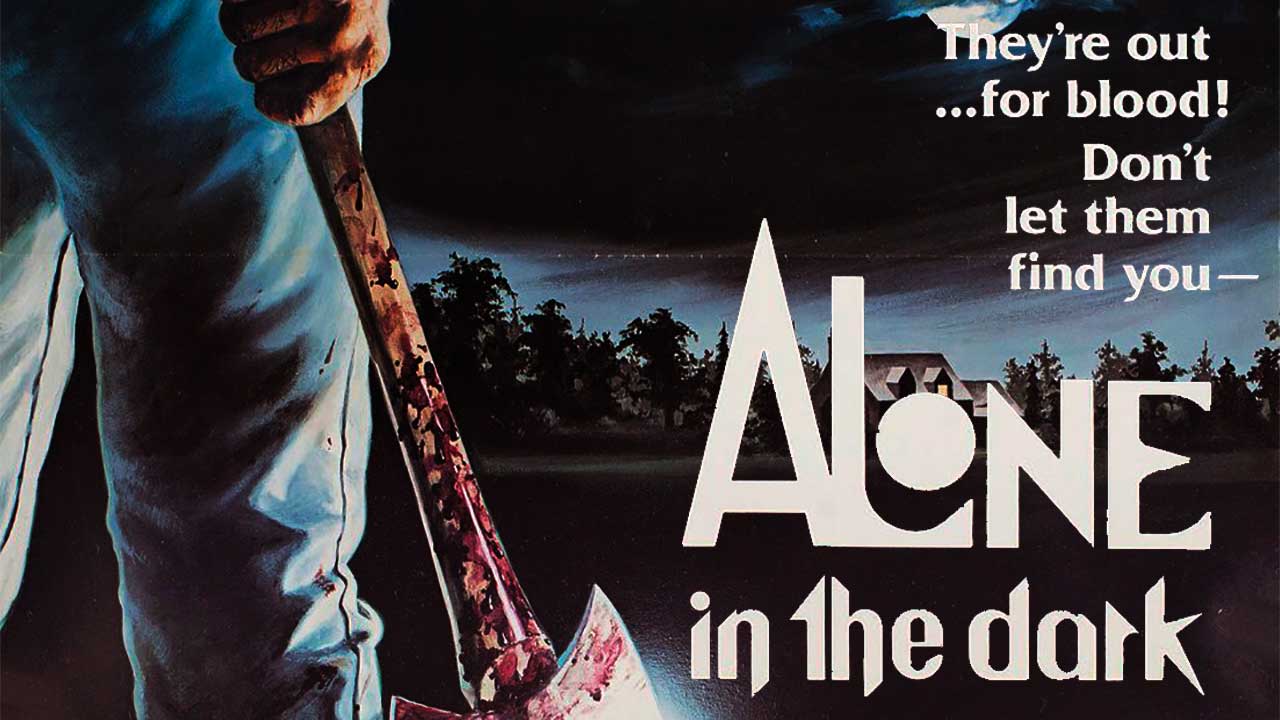
  • Alone in the Dark (1982)

    Alone in the Dark (1982)

    [et_pb_section fb_built=”1″ admin_label=”section” _builder_version=”4.16″ global_colors_info=”{}”][et_pb_row column_structure=”2_3,1_3″ admin_label=”row” _builder_version=”4.16″ background_size=”initial” background_position=”top_left” background_repeat=”repeat” global_colors_info=”{}”][et_pb_column type=”2_3″ _builder_version=”4.16″ custom_padding=”|||” global_colors_info=”{}” custom_padding__hover=”|||”][et_pb_text _builder_version=”4.18.0″ _module_preset=”default” global_colors_info=”{}”]

    Though he initially wanted to be a musician, Jack Sholder decided to switch career paths and become a writer. While attending the University of Edinburgh, Sholder took an interest in film and chose to pursue that further. Unfortunately, his college didn’t have a film department, so he had to train himself to operate various filmmaking equipment. Through some connections, Sholder got a job as an editor for New Line Cinema, a film distributor at the time. He became friends with founder Bob Shaye, who was impressed with how successful Friday the 13th was. After editing The Burning, Sholder came to Shaye with an idea for a slasher about escaped mental patients run amok. New Line Cinema wanted to start producing films rather than distributing them, so this would be their first. Despite some troubles during production, Sholder’s Alone in the Dark hit theaters in November 1982.

    [/et_pb_text][/et_pb_column][et_pb_column type=”1_3″ _builder_version=”4.16″ custom_padding=”|||” global_colors_info=”{}” custom_padding__hover=”|||”][et_pb_circle_counter title=”Rating” number=”80″ bar_bg_color=”#7CDA24″ _builder_version=”4.18.0″ _module_preset=”default” global_colors_info=”{}”][/et_pb_circle_counter][/et_pb_column][/et_pb_row][et_pb_row _builder_version=”4.16″ _module_preset=”default” global_colors_info=”{}”][et_pb_column type=”4_4″ _builder_version=”4.16″ _module_preset=”default” global_colors_info=”{}”][et_pb_text _builder_version=”4.18.0″ _module_preset=”default” global_colors_info=”{}”]

    Synopsis

    Dr. Daniel Potter (Dwight Schultz) has accepted a job at an experimental psychiatric hospital under Dr. Leo Bain (Donald Pleasence). While most patients are free to wander the facility, the third-floor patients are contained behind an electric security door. One of these patients, war veteran Frank Hawkes (Jack Palance), believes that Potter killed the doctor before him. He recruits fellow patients Byron “Preacher” Sutcliff (Martin Landau) and Ronald “Fatty” Elster (Erland Van Lidth) to kill Potter. A freak power outage shuts off the hospital’s security system, allowing Hawkes, Preacher, and Fatty to escape into the night. They find their way to Potter’s house and stalk his wife Nell (Deborah Hedwall) and daughter Lyla (Elizabeth Ward). Soon enough, the patients start attacking, forcing the family to barricade themselves as they try to survive the night. They’ll quickly learn what happens when you’re alone in the dark.


    Review

    While it may not be as well-known as Halloween or Friday the 13thAlone in the Dark is a gem. Jack Sholder shows a lot of promise for a first-time director, and it’s no surprise he had a successful career. He manages to create a real sense of dread and tension through the use of darkness and shadows. What helps to sell the fear is the cast, which includes some of the greatest character actors ever to live. Jack Palance dominates every scene he’s in as a hardened war veteran who will get his hands dirty if necessary. Martin Landau gives a wonderfully manic performance as a deranged former preacher who believes he’s doing God’s work. While he doesn’t say much, Erland Van Lidth also stands out as a lumbering creeper who seems to play dumb. These three make for some very effective slasher villains, especially Palance.

    As always, Donald Pleasance delivers an excellent performance as a psychologist with some odd treatment methods for mental illness. Dwight Schultz makes for a likable lead as he tries to use rationality and logic to stop the psychopaths. Like any good slasher, there’s some gore and nudity, but not as much as your typical slasher film. The minimal gore usage makes the more gruesome scenes even more shocking, and nudity doesn’t equal a good slasher film. The movie also has some dark comedy, including a scene where the psychopaths kill a guy just for his hat. Without giving too much away, the ending is a brilliant twist that goes in a direction you’d never expect. Sure, the concept of escaped mental patients killing people was cliche by then, but Sholder manages to make something unique. Overall, Alone in the Dark may not be a classic, but it’s worth a watch.


    Buy Alone in the Dark from Amazon: https://amzn.to/3QSUayG.

    Disclosure: The above link is an affiliate link, which means that, at zero cost to you, I will earn a commission if you click through the link and finalize a purchase.

    [/et_pb_text][et_pb_code _builder_version=”4.27.5″ _module_preset=”default” hover_enabled=”0″ sticky_enabled=”0″]

    Where to watch Alone in the Dark (1982)

    data-api-key=”LMVDLdLSH5ZJnQ4FMGMgyJCB8cmGbfCV” data-object-type=”Movie” data-title=”Alone in the Dark” data-year=”1982″ data-theme=”light”>

    [/et_pb_code][/et_pb_column][/et_pb_row][/et_pb_section]

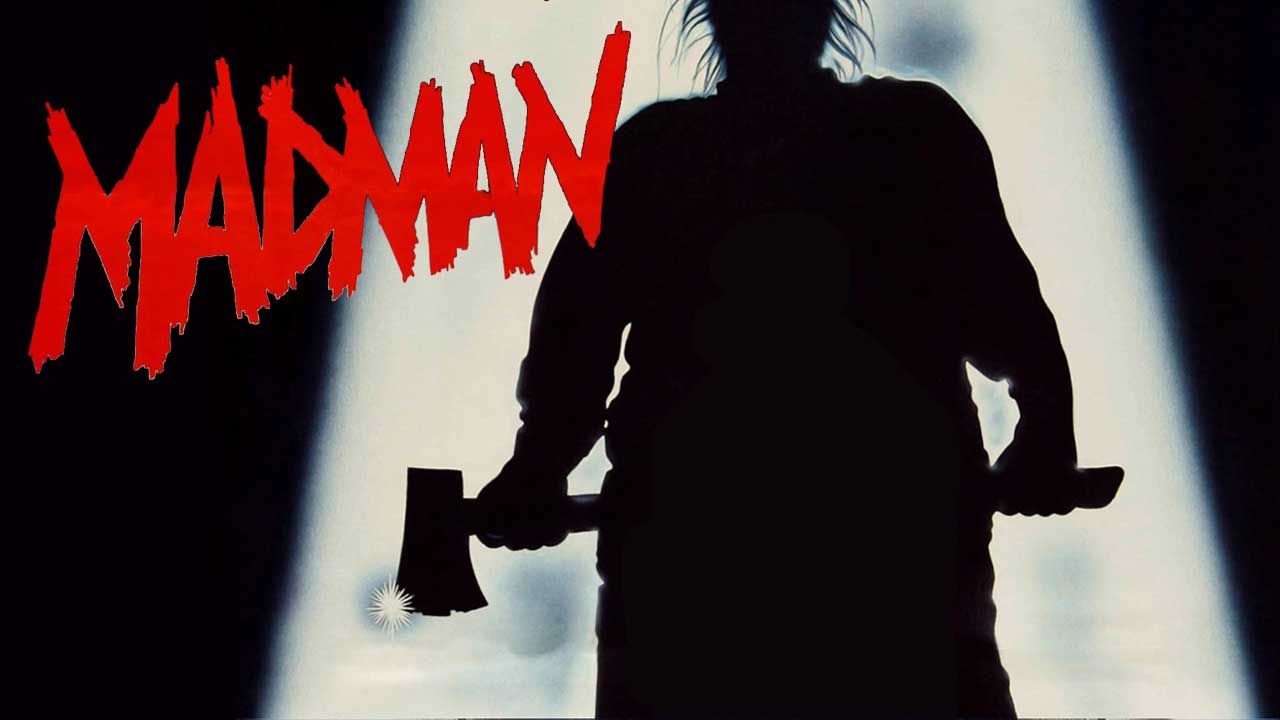
  • Madman (1982)

    Madman (1982)

    [et_pb_section fb_built=”1″ admin_label=”section” _builder_version=”4.16″ global_colors_info=”{}”][et_pb_row column_structure=”2_3,1_3″ admin_label=”row” _builder_version=”4.16″ background_size=”initial” background_position=”top_left” background_repeat=”repeat” global_colors_info=”{}”][et_pb_column type=”2_3″ _builder_version=”4.16″ custom_padding=”|||” global_colors_info=”{}” custom_padding__hover=”|||”][et_pb_text _builder_version=”4.18.0″ _module_preset=”default” global_colors_info=”{}”]

    After graduating from Richmond College, Gary Sales and Joe Giannone entered the film business in the late 1970s. With the rise in low-budget horror films like Halloween and Friday the 13th, Sales and Giannone decided to pursue that. While developing the screenplay with Giannone, Sales recalled hearing the legend of Cropsey and chose that as their basis. However, they learned of a similar movie in production around the same time with a similar story, The Burning. Sales decided to rewrite the script to avoid similarities and create a new slasher villain with a unique backstory. Principal photography began in November 1980 on a budget of $350,000 at Fish Cove Inn in Southhampton, Long Island. While most of the cast were unknown, Gaylen Ross from Dawn of the Dead played the lead as “Alexis Dubin.” Despite premiering in October 1981, Madman didn’t get a wide release until early 1982.

    [/et_pb_text][/et_pb_column][et_pb_column type=”1_3″ _builder_version=”4.16″ custom_padding=”|||” global_colors_info=”{}” custom_padding__hover=”|||”][et_pb_circle_counter title=”Rating” number=”70″ bar_bg_color=”#EDF000″ _builder_version=”4.18.0″ _module_preset=”default” global_colors_info=”{}”][/et_pb_circle_counter][/et_pb_column][/et_pb_row][et_pb_row _builder_version=”4.16″ _module_preset=”default” global_colors_info=”{}”][et_pb_column type=”4_4″ _builder_version=”4.16″ _module_preset=”default” global_colors_info=”{}”][et_pb_text _builder_version=”4.18.0″ _module_preset=”default” hover_enabled=”0″ global_colors_info=”{}” sticky_enabled=”0″]

    Synopsis

    At a summer camp for gifted children, head counselor Max (Carl Fredericks) tells an urban legend by a campfire. He tells the kids and other counselors about Madman Marz (Paul Ehlers), a crazed farmer who killed his family. Marz was hanged for his crime but escaped from the noose and now stalks the nearby woods looking for victims. One of the counselors, Richie (Jimmy Steele), doesn’t believe Max and jokingly calls out for Marz, unknowingly getting his attention. While the rest of the counselors and campers leave for the night, Richie wanders off and finds Marz’s farmhouse. After Max leaves, the other counselors in charge, T.P. (Tony Fish) and Dave (Seth Jones), search for Richie. Unfortunately, neither of them returns, so the other counselors search for them, leaving Betsy (Gaylen Ross) to watch the kids. Who will survive, and who will fall victim to Madman Marz?


    Review

    Madman is pretty standard compared to many slashers released around this time, though it has some stand-out qualities. For one, the late Joe Giannone manages to capture the look and feel of an old campfire tale. With all the fog, shadows, and minimal lighting, the movie has a very eerie atmosphere that adds to the tension. Even though the film is supposed to take place during the summer, it has an autumn vibe. This vibe adds to the campfire tale feeling of being alone in the woods with a crisp, cool breeze. Admittedly, there are a few out-of-focus shots, but considering the low-budget nature and short schedule, it adds to the charm. Story-wise, there isn’t much more than just a series of kill scenes loosely strung together. Granted, a movie like this doesn’t necessarily need a complex story with many subplots to excel.

    Casting-wise, everyone does a decent job, but many of the lesser-known actors don’t stand out in a particular way. Gaylen Ross, arguably the biggest name in the cast, is probably the biggest stand-out, though she doesn’t do much. Conversely, Paul Ehlers makes for a good slasher villain with his imposing figure, massive size, and menacing walk. On top of that, he’s even got a catchy theme song that adds to his mystique as an urban legend. While the kills aren’t as memorable as those made by Tom Savini or his contemporaries, there is some gruesome slashing. Probably the most creative death is when a character gets decapitated with a car hood, which is undoubtedly unique. At slightly under 90 minutes, this film flies by pretty quickly and provides enough scares to keep you invested. Overall, Madman has its issues, but it’s an underrated gem among a sea of slasher imitators.


    Buy Madman from Amazon: https://amzn.to/3AyV4KW.

    Disclosure: The above link is an affiliate link, which means that, at zero cost to you, I will earn a commission if you click through the link and finalize a purchase.

    [/et_pb_text][/et_pb_column][/et_pb_row][/et_pb_section]

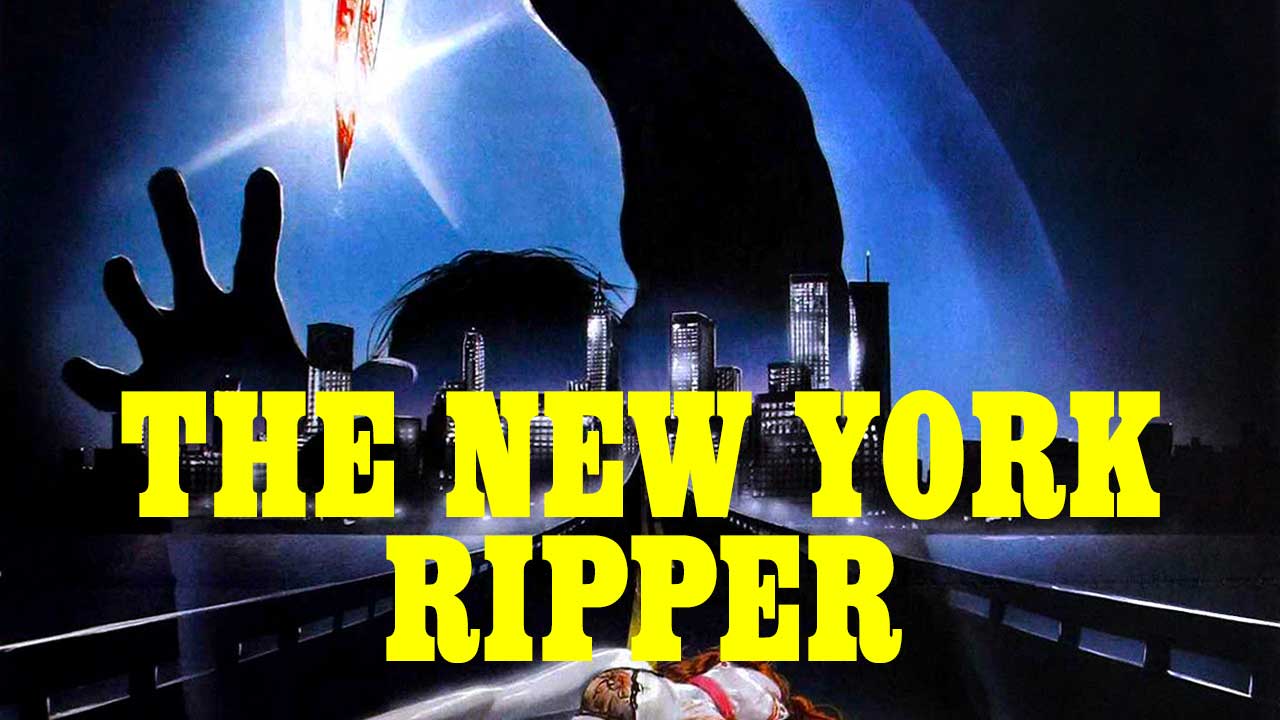
  • The New York Ripper (1982)

    The New York Ripper (1982)

    [et_pb_section fb_built=”1″ admin_label=”section” _builder_version=”4.16″ global_colors_info=”{}”][et_pb_row column_structure=”2_3,1_3″ admin_label=”row” _builder_version=”4.16″ background_size=”initial” background_position=”top_left” background_repeat=”repeat” global_colors_info=”{}”][et_pb_column type=”2_3″ _builder_version=”4.16″ custom_padding=”|||” global_colors_info=”{}” custom_padding__hover=”|||”][et_pb_text _builder_version=”4.18.0″ _module_preset=”default” global_colors_info=”{}”]Italian filmmaker Lucio Fulci started his career in the 1950s, mostly directing comedies, musicals, and Spaghetti Westerns. However, in 1969, he switched to horror, beginning with the Giallo film One on Top of the Other. In 1979, Fulci directed Zombi 2, aka Zombie, which forever cemented him as a name in the horror genre. He later made his “Gates of Hell” trilogy: City of the Living DeadThe Beyond, and House by the Cemetery. Around this time, writers Gianfranco Clerici and Vincenzo Mannino wrote a script about a killer with Progeria. While initially written for Ruggero Deodato to direct, Lucio Fulci took over and rewrote the script with Dardano Sacchetti. Though many of Fulci’s previous works were controversial, this one would become the most controversial even to this day. In March 1982, The New York Ripper premiered in Italy before getting a limited US release in 1984.
    [/et_pb_text][/et_pb_column][et_pb_column type=”1_3″ _builder_version=”4.16″ custom_padding=”|||” global_colors_info=”{}” custom_padding__hover=”|||”][et_pb_circle_counter title=”Rating” number=”80″ bar_bg_color=”#7CDA24″ _builder_version=”4.18.0″ _module_preset=”default” global_colors_info=”{}”][/et_pb_circle_counter][/et_pb_column][/et_pb_row][et_pb_row _builder_version=”4.16″ _module_preset=”default” global_colors_info=”{}”][et_pb_column type=”4_4″ _builder_version=”4.16″ _module_preset=”default” global_colors_info=”{}”][et_pb_text _builder_version=”4.18.0″ _module_preset=”default” hover_enabled=”0″ global_colors_info=”{}” sticky_enabled=”0″]

    Synopsis

    After a severed hand is found by a local, NYC Lieutenant Fred Williams (Jack Hedley) starts investigating the murder. He interviews the victim’s landlady, Mrs. Weissburger (Babette New), who regularly spies on her tenants, including the victim. According to Mrs. Weissburger, the victim got a call from a mysterious stranger who talked with a Donald Duck voice. Soon enough, more women, including a young cyclist and a sex show performer, wind up dead. As the murders continue, Williams keeps getting phone calls from the duck-voiced killer, taunting him about the deaths. One would-be victim, Fay (Almanta Suska), tells Williams that the killer was a scruffy-looking man with two missing fingers. This information pins the murder on Mickey Scellenda (Howard Ross), a Greek immigrant with a history of sexual assault. However, Williams gets another call from the ripper, letting him know the killings will continue until they stop him.


    Review

    Lucio Fulci is known for his excessive use of blood and gore, and The New York Ripper is no exception. The kills are even more brutal because of their sexual nature, including stabbing a broken bottle into a woman’s crotch. According to co-writer Dardano Sacchetti, much of the sexual content was added in by Fulci. Also, Sacchetti claimed that Fulci “nurtures a profound sadism towards women,” which has led to much of the film’s controversy. Many critics have labeled this film as being misogynist and shameful due to how the primary victims are women. On the one hand, I can see where they’re coming from, especially with some of the dialogue sprinkled in. On the other hand, the killer isn’t meant to be sympathetic, nor is the audience supposed to root for him. Considering past serial killers have primarily targeted women, it’s more a reflection of real-world events.

    This movie is a prime example of what I call the “New York sleaze era” between the 70s and 80s. This was a period filled with low-budget exploitation films that showed off the sleaze of 42nd Street before its gentrification. It’s a sort of dirty, gritty, and raw feeling that we don’t see anymore with today’s sanitized, safe movies. Francesco De Masi’s score adds to the sleazy feeling with its upbeat tones and fast tempo. As with many Giallos, all the main characters have significant flaws, such as the lieutenant hooking up with prostitutes. Admittedly, the final reveal is pretty apparent, and the explanation they give is thrown haphazardly at the end. This movie isn’t for everyone, but if you enjoy your horror films with some sleaze, this is for you. Overall, The New York Ripper is a viciously sleazy Giallo that succeeds at what it sets out to do.


    Buy The New York Ripper from Amazon: https://amzn.to/3JLh9sD.

    Disclosure: The above link is an affiliate link, which means that, at zero cost to you, I will earn a commission if you click through the link and finalize a purchase.

    [/et_pb_text][/et_pb_column][/et_pb_row][/et_pb_section]
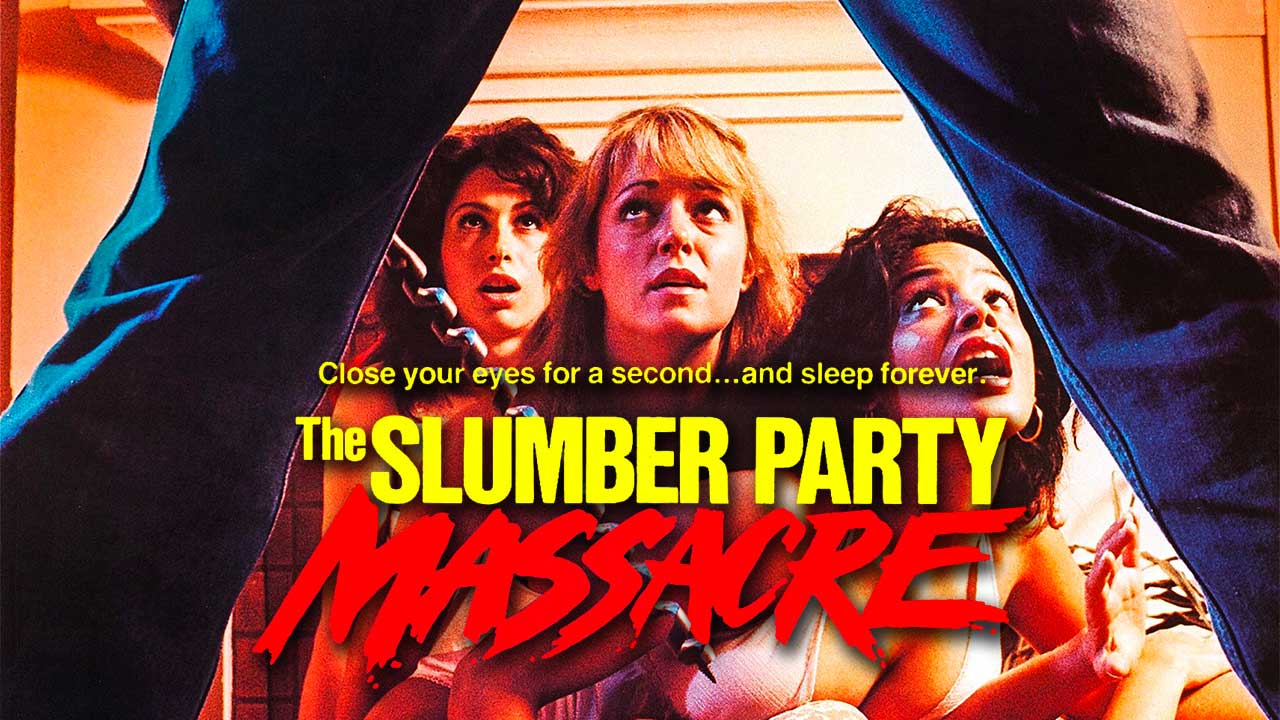
  • The Slumber Party Massacre (1982)

    The Slumber Party Massacre (1982)

    [et_pb_section fb_built=”1″ admin_label=”section” _builder_version=”4.16″ global_colors_info=”{}”][et_pb_row column_structure=”2_3,1_3″ admin_label=”row” _builder_version=”4.16″ background_size=”initial” background_position=”top_left” background_repeat=”repeat” global_colors_info=”{}”][et_pb_column type=”2_3″ _builder_version=”4.16″ custom_padding=”|||” global_colors_info=”{}” custom_padding__hover=”|||”][et_pb_text _builder_version=”4.17.6″ _module_preset=”default” global_colors_info=”{}”]

    With the rise in popularity of slasher films, feminist writer Rita Mae Brown wrote a screenplay called Sleepless Nights. Brown originally wrote the script as a parody of slashers, but New World Pictures chose to make it serious. Around this time, Amy Holden Jones worked as an editor for Roger Corman on movies like Hollywood Boulevard. While she found success as an editor and even got a job editing E.T., she wanted to go into directing. Jones turned to Roger Corman for a chance to be a director, who gave her a copy of Brown’s script. Under the title Don’t Open the Door, Jones rewrote the script and and shot the first eight pages. Corman was so impressed that he gave Jones a $200,000 budget to film the entire screenplay, which took 38 days. Now titled The Slumber Party Massacre, the movie premiered in Los Angeles in September 1982.

    [/et_pb_text][/et_pb_column][et_pb_column type=”1_3″ _builder_version=”4.16″ custom_padding=”|||” global_colors_info=”{}” custom_padding__hover=”|||”][et_pb_circle_counter title=”Rating” number=”80″ bar_bg_color=”#7CDA24″ _builder_version=”4.17.6″ _module_preset=”default” global_colors_info=”{}”][/et_pb_circle_counter][/et_pb_column][/et_pb_row][et_pb_row _builder_version=”4.16″ _module_preset=”default” global_colors_info=”{}”][et_pb_column type=”4_4″ _builder_version=”4.16″ _module_preset=”default” global_colors_info=”{}”][et_pb_text _builder_version=”4.17.6″ _module_preset=”default” hover_enabled=”0″ global_colors_info=”{}” sticky_enabled=”0″]

    Synopsis

    When her parents leave for a trip, high school senior Trish Deveraux (Michelle Michaels) decides to throw a slumber party. She invites her friends Kim Clarke (Debra Deliso), Jackie Cassidy (Andree Honore), and Diane (Gina Mari) to the party. Little do they know that mental patient Russ Thorn (Michael Villella) has escaped and is going on a killing spree. Armed with a portable power drill, he kills a telephone worker and a high school student named Linda (Brinke Stevens). That night, the girls go to Trish’s house for the party while new girl Valerie (Robin Stille) babysits her sister. Unfortunately, the party goes wrong when the pizza delivery guy arrives with his eyes drilled out by Russ. The girls arm themselves while local guys Jeff (David Millbern) and Neil (Joseph Alan Johnson) go for help. Unfortunately, they die by Russ’ drill, so it’s up to the girls to stop him.


    Review

    Admittedly, The Slumber Party Massacre is a reasonably standard slasher film on the surface, but there’s more to it. While the producers stripped away much of the satire, there are still remnants left that are effective. There are some clever sight gags and moments where the filmmakers reverse the typical roles in slasher films. It shows that women can direct an effective slasher like their male counterparts, such as John Carpenter and Sean Cunningham. Sure, there’s plenty of nudity and blood for the typical audience, but it shows women can make this movie, too. Director Amy Holden Jones creates compelling suspense and tension with subtle camera moments, harsh shadows, and blurry perspectives. Michelle Michaels makes for a likable final girl, though the late Robin Stille stands out as the timid new girl. Her scenes with Jennifer Meyers as her younger sister are highlights of the film.

    While much of the film is comedic, Michael Villella plays the part of the killer with the utmost seriousness. He’s a man of few words, primarily relying on facial expressions and body movements to make himself compelling. When he does talk in the third act, he delivers his line with such intensity and mad glee. Even though there’s not much to his backstory, Thorn is an effective slasher with his signature power drill. Speaking of the power drill, it works as the film’s central symbolism, that of the fear of sex. Given the shots of Thorn with the power drill between his legs, the symbolism is pretty on the nose. At 76 minutes in length, the movie is tightly paced and gets in and out without much padding. Overall, The Slumber Party Massacre is entertaining as a straight slasher and a satire of the subgenre.


    Buy The Slumber Party Massacre from Amazon: https://amzn.to/3aZ8JAI.

    Disclosure: The above link is an affiliate link, which means that, at zero cost to you, I will earn a commission if you click through the link and finalize a purchase.

    [/et_pb_text][/et_pb_column][/et_pb_row][/et_pb_section]
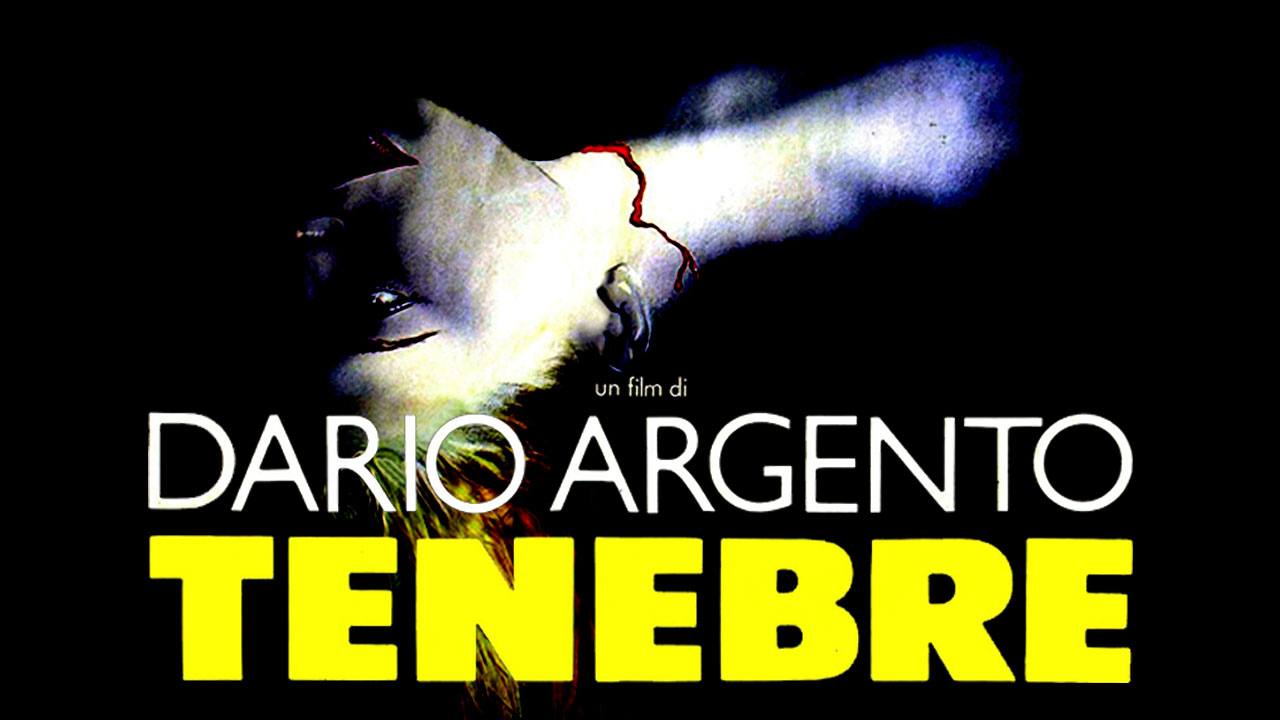
  • Tenebre (1982)

    Tenebre (1982)

    [et_pb_section fb_built=”1″ admin_label=”section” _builder_version=”4.16″ global_colors_info=”{}”][et_pb_row column_structure=”2_3,1_3″ admin_label=”row” _builder_version=”4.16″ background_size=”initial” background_position=”top_left” background_repeat=”repeat” global_colors_info=”{}”][et_pb_column type=”2_3″ _builder_version=”4.16″ custom_padding=”|||” global_colors_info=”{}” custom_padding__hover=”|||”][et_pb_text _builder_version=”4.17.6″ _module_preset=”default” global_colors_info=”{}”]

    In the annals of Italian horror cinema, Dario Argento is one of the most celebrated filmmakers in the genre. In the early 1970s, Argento made a name for himself directing “giallos,” which were Italian murder mysteries with excessive gore. Some of his works included The Bird with the Crystal Plumage, The Cat o’ Nine Tails, and Deep Red. In 1977, he directed what’s considered his most famous film, the supernatural horror film Suspiria, which was remade in 2019. Argento followed this up with the 1980 supernatural horror film Inferno, which wasn’t as successful as its predecessor. Due to the film underperforming, Argento decided to return to his roots with a new Giallo. He based the film on real-life experiences, namely being harassed by a stalker and seeing the violence in the news. After a ten-week shoot in Rome, Dario Argento’s Tenebre hit theaters worldwide amidst a slew of controversies.

    [/et_pb_text][/et_pb_column][et_pb_column type=”1_3″ _builder_version=”4.16″ custom_padding=”|||” global_colors_info=”{}” custom_padding__hover=”|||”][et_pb_circle_counter title=”Rating” number=”85″ bar_bg_color=”#7CDA24″ _builder_version=”4.17.6″ _module_preset=”default” global_colors_info=”{}”][/et_pb_circle_counter][/et_pb_column][/et_pb_row][et_pb_row _builder_version=”4.16″ _module_preset=”default” global_colors_info=”{}”][et_pb_column type=”4_4″ _builder_version=”4.16″ _module_preset=”default” global_colors_info=”{}”][et_pb_text _builder_version=”4.17.6″ _module_preset=”default” hover_enabled=”0″ global_colors_info=”{}” sticky_enabled=”0″]

    Synopsis

    American horror writer Peter Neal (Anthony Franciosa) is touring Italy to promote his latest book, Tenebre. His agent Bullmer (John Saxon) and his assistant Anne (Daria Nicolodi) are accompanying him, but his trip hits a snag. After a local girl dies, the killer sends Peter a letter saying his books inspired the killing. Detective Giermani (Giuliano Gemma) and his partner Altieri (Carola Stagnaro) are on the case and watching Peter. Meanwhile, the murders continue, including a lesbian journalist named Tilde (Mirella D’Angelo) and her lover Marion (Mirella Banti). Peter suspects TV interviewer Christiano Berti (John Steiner) of the murders, but he gets killed with an ax. As the killings continue, Peter wants to leave Italy and take a short vacation, though Bullmer wants him to stay. Who is this mysterious killer, why are they obsessed with Peter’s work, and who will be the next victim?


    Review

    Even though it’s not as well-known as movies like Suspiria, I’d argue that Tenebre is one of Argento’s best works. Like many of Argento’s works, the violence is as beautiful as it is horrific, which isn’t easy to do. Unlike other Italian directors who go for the jugular and make the violence savage, Argento presents the violence artistically. For instance, there’s a scene where a woman’s arm gets cut off, and a fountain of blood sprays out. How Argento handles the scene, it looks like she’s painting the walls with her blood, contrasting the white with red. For historical context, Tenebre ended up on the UK’s Video Nasties list, which included Bloody MoonAbsurd, and Antropophagus. It’s easy to see why given how vicious the kills are here, even by Argento’s standards. You almost get the feeling Argento uses violence to lash out at his critics.

    Acting-wise, everyone does a good job, with Franciosa and Saxon, in particular, standing out, though Gemma and Nicolodi are memorable. While Argento claims that Franciosa was one of the most challenging actors he’s worked with, he still comes off likable. Saxon is particularly noteworthy as the sleazy literary agent who cares more about the book tour than the murders. While there’s not much to her character, Daria Nicolodi has decent chemistry with Franciosa and they work well together. Another highlight of the movie is the score composed by Goblin members Claudio Simonetti, Fabio Pignatelli, and Massimo Morante. It’s very upbeat and lively and fits with the tone with its blend of rock and disco. Admittedly, the story can be confusing, and the ending comes out of nowhere, but that’s typical of Italian horror. Overall, Tenebre is a stylishly violent giallo with memorable kills, exciting characters, and a great score.


    Buy Tenebre from Amazon: https://amzn.to/3zFRFs6.

    Disclosure: The above link is an affiliate link, which means that, at zero cost to you, I will earn a commission if you click through the link and finalize a purchase.

    [/et_pb_text][/et_pb_column][/et_pb_row][/et_pb_section]
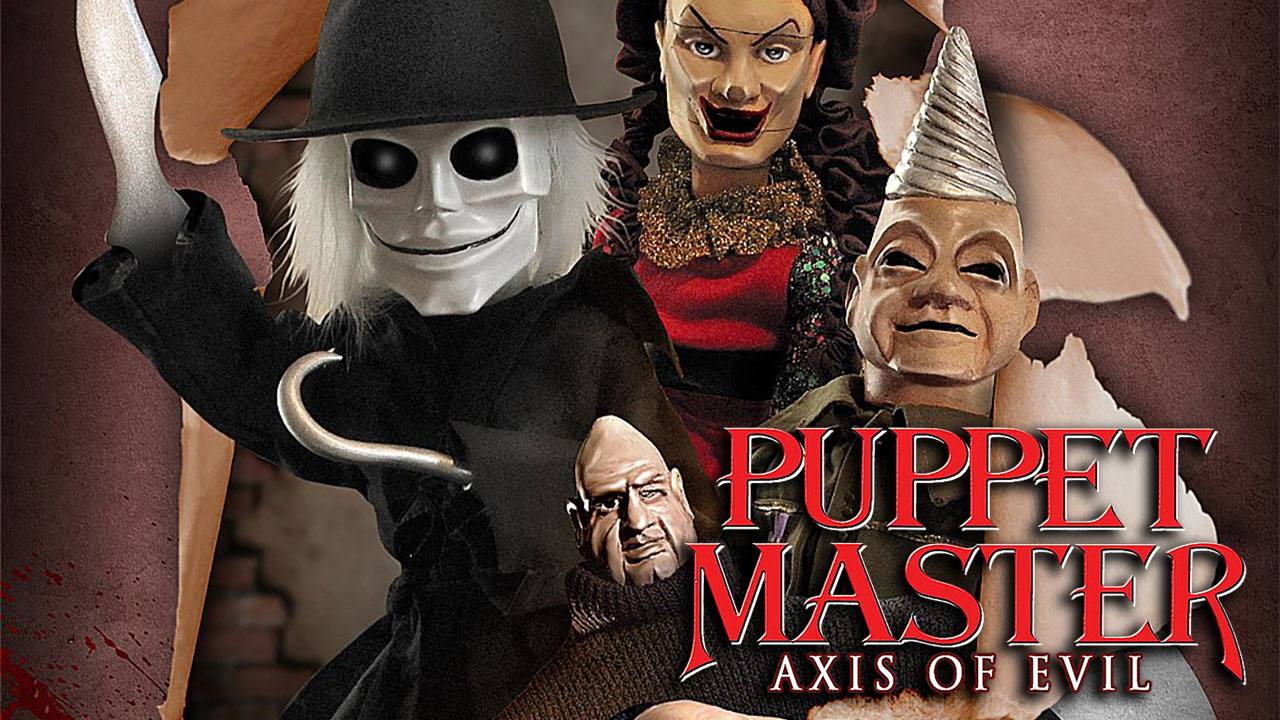
  • Puppet Master: Axis of Evil (2010)

    Puppet Master: Axis of Evil (2010)

    [et_pb_section fb_built=”1″ admin_label=”section” _builder_version=”4.16″ global_colors_info=”{}”][et_pb_row column_structure=”2_3,1_3″ admin_label=”row” _builder_version=”4.16″ background_size=”initial” background_position=”top_left” background_repeat=”repeat” global_colors_info=”{}”][et_pb_column type=”2_3″ _builder_version=”4.16″ custom_padding=”|||” global_colors_info=”{}” custom_padding__hover=”|||”][et_pb_text _builder_version=”4.17.6″ _module_preset=”default” global_colors_info=”{}”]After the release of Puppet Master: The Legacy in 2003, Charles Band agreed that the series was in turmoil. Having rebranded his company as Full Moon Features, Band announced several sequels to past series in 2008. One of the sequels announced was a new Puppet Master movie that returned to Part 3’s WWII setting. To that end, Band hired series veteran David DeCoteau to direct and writer Dominic Muir for the screenplay. Like Killjoy 3, this entry would be filmed at ACE Studios in Foshan, Guangdong, China, founded by co-producer Henry Luk. In place of the original “Videozone,” Charles Band introduced the “Vidcasts,” a series of behind-the-scenes videos fans could follow along. Fans were cautious about whether or not this would live up to the prime era of Full Moon. After having its 2009 release pushed back, Puppet Master: Axis of Evil was released on DVD and Blu-Ray in 2010.

    [/et_pb_text][/et_pb_column][et_pb_column type=”1_3″ _builder_version=”4.16″ custom_padding=”|||” global_colors_info=”{}” custom_padding__hover=”|||”][et_pb_circle_counter title=”Rating” number=”60″ bar_bg_color=”#EDF000″ _builder_version=”4.17.6″ _module_preset=”default” global_colors_info=”{}”][/et_pb_circle_counter][/et_pb_column][/et_pb_row][et_pb_row _builder_version=”4.16″ _module_preset=”default” global_colors_info=”{}”][et_pb_column type=”4_4″ _builder_version=”4.16″ _module_preset=”default” global_colors_info=”{}”][et_pb_text _builder_version=”4.27.4″ _module_preset=”default” hover_enabled=”0″ global_colors_info=”{}” sticky_enabled=”0″]

    Synopsis

    At the Bodega Bay Inn in 1939, young carpenter Danny Coogan (Levi Fiehler) witnesses two Nazi spies entering Toulon’s room. The spies, Max (Tom Sandoval) and Klaus (Aaron Riber), find that Toulon killed himself and leave the hotel empty-handed. After they go, Danny finds Toulon’s puppet trunk hidden away and takes it back home with him. Meanwhile, Max and Klaus reconvene with Japanese saboteur Lady Ozu (Ada Chao), who plans to destroy an American manufacturing plant. Danny’s girlfriend Beth (Jenna Gallaher) at the plant works in the office and gets roped into the sabotaging plot. Soon enough, the Nazis kill Danny’s mother and brother, holding Beth hostage in a Chinese opera house. The Nazis are interested in Toulon’s secret to bringing the dead back to life, which is how the puppets move. With help from Blade, Pinhead, Tunneler, Leech Woman, Jester, and a Ninja puppet, Danny must stop the Nazis.


    Review

    While it doesn’t quite live up to Puppet Master III: Toulon’s RevengePuppet Master: Axis of Evil is decent. For their low budget, the filmmakers managed to produce a movie that doesn’t look half bad. DeCoteau takes full advantage of the Chinatown locations and injects plenty of fog and shadows to add a noir look. Admittedly, it’s evident in the opening when they cut between the stock footage and the new footage. Still, the attention to detail is impressive, and the recreation of Toulon’s room, in particular, is solid. Also, the new score from longtime composer Richard Band is excellent, mixing the original music with a new track. Though David Allen’s stop-motion is sorely missed, the puppet effects look pretty good, though some of the movements are jerky. Also, adding a new ninja puppet is a nice touch that fits with the regulars.

    Performance-wise, the cast generally does a good job, though there are some that stick out in a wrong way. Levi Fiehler is likable as a young man who wants to serve his country despite his condition. Jenna Gallaher is solid as his love interest Beth, and Taylor M. Graham stands out as Danny’s older brother. When it comes to the villains, the acting ranges from good to awful, though not without some caveats. Tom Sandoval is easily the best of the villains, while Ada Chao gives a very stilted and unnatural performance. I’m unsure if it’s because she doesn’t speak English and had to learn her lines phonetically, but it sounds awful. At slightly under 90 minutes, there isn’t a ton of filler, and it gets the job done relatively quickly. Overall, Puppet Master: Axis of Evil isn’t one of the best, but it’s not one of the worst either.


    Buy Puppet Master: Axis of Evil from:

    Disclosure: The above link is an affiliate link, which means that, at zero cost to you, I will earn a commission if you click through the link and finalize a purchase.

    [/et_pb_text][/et_pb_column][/et_pb_row][/et_pb_section]
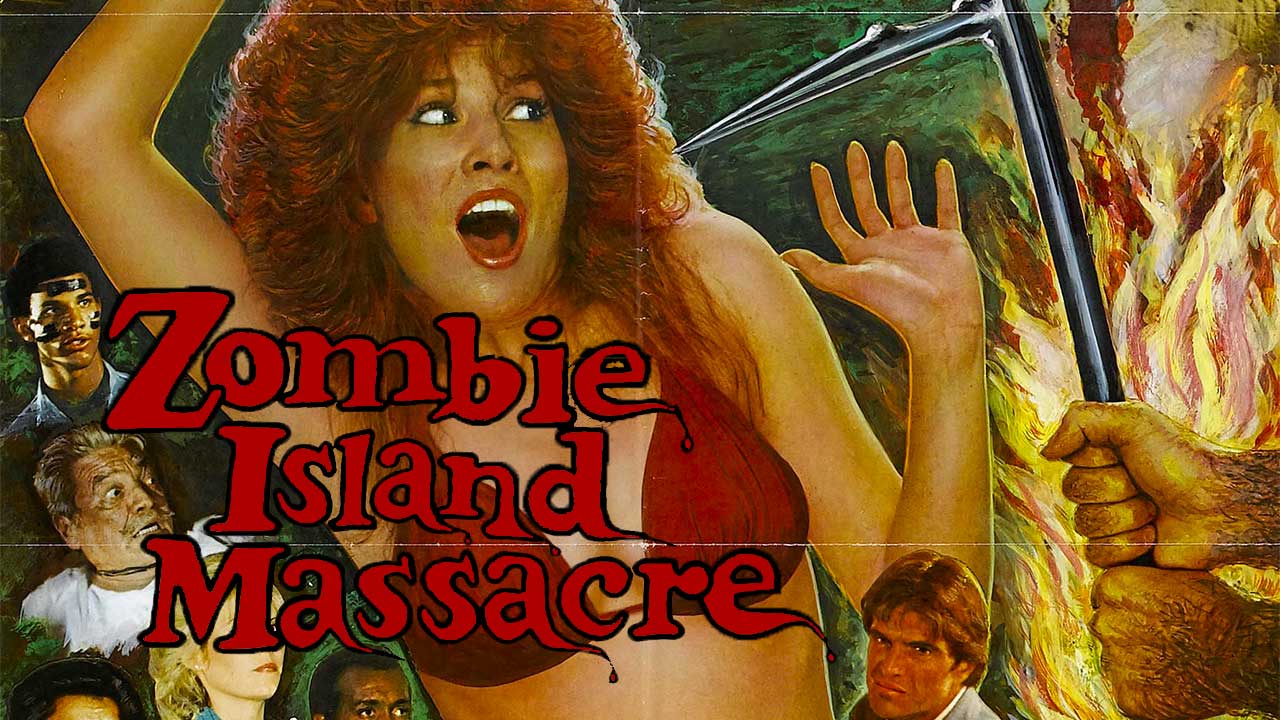
  • Zombie Island Massacre (1984)

    Zombie Island Massacre (1984)

    [et_pb_section fb_built=”1″ admin_label=”section” _builder_version=”4.16″ global_colors_info=”{}”][et_pb_row column_structure=”2_3,1_3″ admin_label=”row” _builder_version=”4.16″ background_size=”initial” background_position=”top_left” background_repeat=”repeat” global_colors_info=”{}”][et_pb_column type=”2_3″ _builder_version=”4.16″ custom_padding=”|||” global_colors_info=”{}” custom_padding__hover=”|||”][et_pb_text _builder_version=”4.17.6″ _module_preset=”default” global_colors_info=”{}”]Born in Newark in 1922, John N. Carter has worked as an editor in the film industry since the 1960s. His first credit was the 1968 sports movie Paper Lion, directed by Alex Marsh with Alan Alda and Lauren Hutton. He also edited the 1972 film The Hearbreak Kid, which earned Oscar nominations for actors Eddie Albert and Jeannie Berlin. Carter got a BAFTA award nomination for best editing for his work on Milos Forman’s 1971 film Taking Off. In the early 1980s, Carter got the chance to direct his first feature film, originally titled The Last Picnic. The film gained notable publicity for starring Rita Jenrette, who made headlines after having sex on the Capitol steps. Filming took place in Jamaica for five weeks, from January to March 1983, and Troma picked up the distribution rights. Before its 1984 release, Troma changed the title to Zombie Island Massacre.

    [/et_pb_text][/et_pb_column][et_pb_column type=”1_3″ _builder_version=”4.16″ custom_padding=”|||” global_colors_info=”{}” custom_padding__hover=”|||”][et_pb_circle_counter title=”Rating” number=”40″ bar_bg_color=”#E09900″ _builder_version=”4.17.6″ _module_preset=”default” global_colors_info=”{}”][/et_pb_circle_counter][/et_pb_column][/et_pb_row][et_pb_row _builder_version=”4.16″ _module_preset=”default” global_colors_info=”{}”][et_pb_column type=”4_4″ _builder_version=”4.16″ _module_preset=”default” global_colors_info=”{}”][et_pb_text _builder_version=”4.27.2″ _module_preset=”default” hover_enabled=”0″ global_colors_info=”{}” sticky_enabled=”0″]

    Synopsis

    A group of American tourists is vacationing in the Caribbean and decide to stop at a nearby island. The local tour guide (Dennis Stephenson) takes them to St. Marie to witness a live voodoo ritual. The voodoo priest (Trevor Reid) uses goat blood to bring a dead man back from the grave before dispatching him. As the group returns to their bus, they find that the driver is gone, and there’s blood everywhere. With few options available, they decide to hold up in a nearby house until help hopefully arrives. Unfortunately, a group of locals starts swarming the place and picking off the tourists. Heads get chopped off, bodies get stabbed, and machetes make direct contact with people’s faces. But who will make it out alive as these unlucky tourists try to survive the zombie island massacre? However, not everything is as it seems on this island.


    Review

    To get this out of the way, the title Zombie Island Massacre isn’t entirely false, but it’s still a lie. There is an island and a massacre (kind of), but there aren’t any zombies or at least traditional ones. We get voodoo zombies, but even that’s a stretch since we only get the one ritual scene. The movie plays more like a slasher film than a zombie film, from the body count to the death scenes. The fact that Harry Manfredini, composer of the Friday the 13th movies, recycled his score adds to it. Even then, the kills aren’t all that interesting, as most occur offscreen with little to no suspense. There is a surprisingly decent decapitation where the head moves a bit before dying, but that’s about it. Aside from that, it’s primarily dull scenes of people sitting around doing nothing and talking nonsense.

    Most of the acting is pretty sub-standard, with everyone doing the bare minimum with their performances. Rita Jenrette does her best with the bit of material she has to work with. Granted, the filmmakers most likely hired her because she could do nudity, which there’s plenty of here. To John N. Carter’s credit, the direction is pretty solid, and they took full advantage of the filming locations. Also, there are some genuinely funny moments, but whether they’re amusing on purpose is anyone’s guess. In addition to Manfredini’s score, there’s a pretty catchy reggae song on the soundtrack that’s worth a listen. Still, these few positive aspects can’t compensate for the viewing experience’s dullness. The movie is an endurance test best enjoyed with friends and drinks at an hour and twenty-eight minutes. Overall, Zombie Island Massacre isn’t awful, but there are much better slasher/zombie films you could be watching instead.


    Buy Zombie Island Massacre from Amazon: https://amzn.to/3CdcfoQ.

    Disclosure: The above link is an affiliate link, which means that, at zero cost to you, I will earn a commission if you click through the link and finalize a purchase.

    [/et_pb_text][/et_pb_column][/et_pb_row][/et_pb_section]
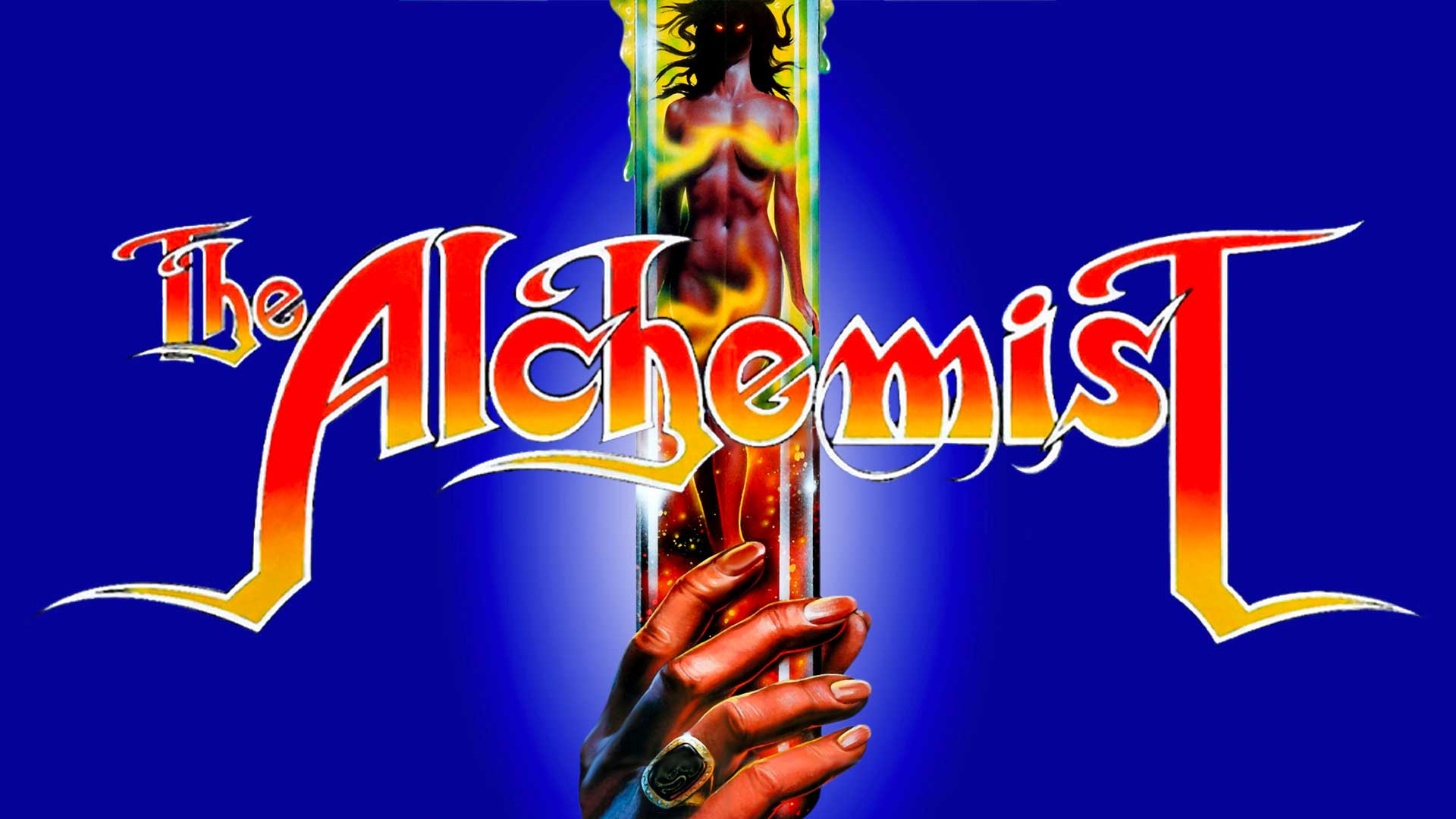
  • The Alchemist (1983)

    The Alchemist (1983)

    [et_pb_section fb_built=”1″ _builder_version=”4.16″ _module_preset=”default” global_colors_info=”{}”][et_pb_row column_structure=”2_3,1_3″ _builder_version=”4.16″ _module_preset=”default” global_colors_info=”{}”][et_pb_column type=”2_3″ _builder_version=”4.16″ _module_preset=”default” global_colors_info=”{}”][et_pb_text _builder_version=”4.17.6″ _module_preset=”default” global_colors_info=”{}”]Between 1979 and 1984, Charles Band struggled to make a name for himself in the film industry. His producing partners Irwin Yablans and Joseph Wolf ousted Band from Meda Home Entertainment, which he helped establish in 1978. Around this time, Charles got involved with producer Billy Fine and his company Ideal Films. He and producer Lawrence Applebaum were working on a project with director Craig Mitchell that wasn’t going well. About halfway through the shoot, Fine and Applebaum decided to hire Band to replace Mitchell as the director. Charles brought regulars like Ted Nicolaou, J Larry Carroll, Steve Neill, Paul Gentry, and his brother Richard. Despite being shot in 1981, it wasn’t released in the UK until 1983 and in the US in 1985. It wasn’t until March 1986 that The Alchemist got a wide theatrical release in the United States.

    [/et_pb_text][/et_pb_column][et_pb_column type=”1_3″ _builder_version=”4.16″ _module_preset=”default” global_colors_info=”{}”][et_pb_circle_counter title=”Rating” number=”40″ bar_bg_color=”#E09900″ _builder_version=”4.17.6″ _module_preset=”default” global_colors_info=”{}”][/et_pb_circle_counter][/et_pb_column][/et_pb_row][et_pb_row _builder_version=”4.16″ _module_preset=”default” global_colors_info=”{}”][et_pb_column type=”4_4″ _builder_version=”4.16″ _module_preset=”default” global_colors_info=”{}”][et_pb_text _builder_version=”4.27.4″ _module_preset=”default” hover_enabled=”0″ global_colors_info=”{}” sticky_enabled=”0″]

    Synopsis

    In 1871, the alchemist Aaron (Robert Ginty) saw a dark wizard, DelGatto (Robert Glaudini), seducing his wife, Anna. Aaron tries stopping DelGatto only to stab his wife accidentally, which curses him to live forever as a monster. Cut to 1955, where Lenora (Lucinda Dooling) has quit her waitress job and is driving through the desert. Along the way, she picks up hitchhiker Cameron (John Sanderford) when she starts experiencing weird flashes of DelGatto. Elsewhere, Aaron stalks the nearby woods as a monster while his elderly daughter Esther (Viola Kates Stimpson) cares for him. Soon enough, Aaron and Lenora cross paths, and it turns out she’s the reincarnation of his late wife, Anna. With DelGatto hot on their trail, they decide to team up to free Aaron of his curse and stop DelGatto. It’s the ultimate magical duel as the dark wizard clashes with the alchemist!


    Review

    Having now seen The Alchemist, I fully understand why the film took so long to get a release. It’s because this is one of the most boring movies I’ve ever seen, and that’s saying a lot. The movie has a decent, albeit goofy, beginning and some solid opening credits, but everything grinds to a halt afterward. Most of the film centers on two bland leads that offer nothing of substance and barely progress the story. Every so often, we’ll cut back to Robert Ginty struggling with his curse, which is mildly interesting. Robert Ginty’s performance is way too good for this movie, especially coming off the wildly entertaining vigilante film, The Exterminator. Speaking of things being way too good, Richard Band’s score is epic, bombastic, and belongs in a better fantasy film. Plus, the finale offers some decent creature and gore effects, but that’s about it.

    As easy as it would be to criticize Charles Band as a director, I can’t blame him, considering the circumstances. Unlike Parasite 3DMetalstorm, or Trancers, this was a work-for-hire job rather than something he had invested in making. It doesn’t help that much of the nighttime footage is so physically dark that it’s hard to tell what’s happening. That might explain why cinematographer Andrew W. Friend only has one other credit to his name, 1982’s The Concrete Jungle. Honestly, there’s not much else I can talk about, considering what little happens during its one-hour and eighteen-minute runtime. It might be worth a watch for curious onlookers and Charles Band completionists, but it’s best avoided otherwise. Granted, Charles Band may not have started Empire Pictures without this movie, so there’s that at least. Overall, The Alchemist is a dull excuse for a fantasy-horror film that’s better left forgotten.


    Buy The Alchemist from Amazon: https://amzn.to/4iPqFed.

    Disclosure: The above link is an affiliate link, which means that, at zero cost to you, I will earn a commission if you click through the link and finalize a purchase.

    [/et_pb_text][/et_pb_column][/et_pb_row][/et_pb_section]