
Facebook

FilmNerd

Category: Reviews

  • Captain America: Brave New World (2025)

    Captain America: Brave New World (2025)

    [et_pb_section fb_built=”1″ admin_label=”section” _builder_version=”4.16″ global_colors_info=”{}”][et_pb_row column_structure=”2_3,1_3″ admin_label=”row” _builder_version=”4.16″ background_size=”initial” background_position=”top_left” background_repeat=”repeat” global_colors_info=”{}”][et_pb_column type=”2_3″ _builder_version=”4.16″ custom_padding=”|||” global_colors_info=”{}” custom_padding__hover=”|||”][et_pb_text _builder_version=”4.27.4″ _module_preset=”default” global_colors_info=”{}”]On a $250 million budget, Captain America: Civil War grossed over $1 billion, becoming the highest-grossing film of 2016. Though Chris Evans returned for Avengers: Infinity War and Avengers: Endgame, this was the last standalone Captain America movie. In the latter, Steve Rogers hands his shield to Anthony Mackie’s Falcon, which led to him taking the mantle. This scene led to the events of The Falcon and The Winter Soldier, a limited series on Disney+. While there were discussions of a second season, Marvel intended for the show to lead into a future film. Series writers Malcolm Spellman and Dalan Musson signed on to write a fourth Captain America movie with Julius Onah directing. Principal photography occurred in Atlanta between March and June 2023, with reshoots the following year. After premiering at the TCL Chinese Theatre, Captain America: Brave New World opened wide in February 2025.
    [/et_pb_text][/et_pb_column][et_pb_column type=”1_3″ _builder_version=”4.16″ custom_padding=”|||” global_colors_info=”{}” custom_padding__hover=”|||”][et_pb_circle_counter title=”Rating” number=”70″ bar_bg_color=”#EDF000″ _builder_version=”4.27.4″ _module_preset=”default” global_colors_info=”{}”][/et_pb_circle_counter][/et_pb_column][/et_pb_row][et_pb_row _builder_version=”4.16″ _module_preset=”default” global_colors_info=”{}”][et_pb_column type=”4_4″ _builder_version=”4.16″ _module_preset=”default” global_colors_info=”{}”][et_pb_text _builder_version=”4.27.4″ _module_preset=”default” global_colors_info=”{}”]

    Synopsis

    Having assumed the role of Captain America, Sam Wilson (Anthony Mackie) struggles to live up to expectations. He’s paired with Joaquin Torres (Danny Ramirez), who’s become the new Falcon and is excited to work with Wilson. Adding to Wilson’s doubts is his old friend Isaiah Bradley (Carl Lumbly), who questions his ties to the government. Meanwhile, newly elected President Thaddeus Ross (Harrison Ford) struggles to maintain peace due to his past actions. The discovery of a Celestial emerging from the Earth starts an arms race where numerous nations are vying for control. Adding to the tension is an attack on the White House that leaves foreign powers questioning Ross’ abilities. Deciding to investigate further, Wilson and Ramirez discover an enormous conspiracy that could ignite a new world war. Who is pulling the strings, and will Wilson be able to prove himself as Captain America?


    Review

    While Deadpool & Wolverine was a step in the right direction, Captain America: Brave New World feels the opposite. Granted, it’s not the worst MCU movie in recent memory, but the fact that it’s more middle-of-the-road is disappointing. The film takes so many elements from earlier MCU entries that it fails to establish a unique identity. Considering this is the first to star Anthony Mackie as Captain America, he deserved better than a middle-of-the-road movie. Still, I hope Julius Onah continues working in Hollywood because I think he has potential as a filmmaker. If you remove all the drab CGI and messy choreography, you can tell Onah is a competent director. His previous outing, 2019’s Luce, received tons of critical acclaim and award nominations, so he has talent. Here’s hoping this movie is successful enough that he can move on to better projects.

    Anthony Mackie does a solid job as the new Captain America, bringing plenty of charisma to the role. A prominent theme of the movie is how Sam Wilson doubts his abilities and whether he can measure up. This feeling reflects the audience’s going in, and it’s appreciated that the filmmakers organically explore this. Surprisingly, the best performance comes from Harrison Ford, who cared more here than Indiana Jones and the Dial of Destiny. He brings a level of vulnerability and empathy you wouldn’t expect from Ford, and it’s greatly appreciated. It makes his transformation into Red Hulk more impactful, as it’s the culmination of his conflicted feelings made manifest. Unfortunately, despite the marketing playing up Cap’s fight with Red Hulk, it only amounts to 10 minutes of screen time. Sadly, actors like Giancarlo Esposito and Shira Haas feel wasted, though they have their moments.

    Like many recent MCU movies, the overused CGI comes off as drab and monotonous rather than exciting. Admittedly, the effects used to render Red Hulk are impressive, and the scenes of him destroying Washington, DC, are thrilling. It’s just unfortunate that the film has numerous scenes with noticeable green screen on par with Black Panther. Those scenes must have been part of the reshoots since they feel incomplete and added at the last minute. Numerous subplots and characters are complicated to keep track of and rely on easter eggs without going into spoilers. Despite my criticisms, you’ll find enough to enjoy if you take it as a simple superhero movie. But Anthony Mackie deserved a better debut for his Captain America than a slightly above-average affair. Overall, Captain America: Brave New World has plenty of fun action and decent performances but falls short of expectations.


    Buy Captain America: Brave New World from Amazon: https://amzn.to/4pk1Vi9.

    Disclosure: The above link is an affiliate link, which means that, at no additional cost, I will earn a commission if you click through the link and make a purchase.

    [/et_pb_text][et_pb_code _builder_version=”4.27.4″ _module_preset=”default” hover_enabled=”0″ global_colors_info=”{}” sticky_enabled=”0″]

    Where to watch Captain America: Brave New World (2025)

    data-api-key=”LMVDLdLSH5ZJnQ4FMGMgyJCB8cmGbfCV” data-object-type=”Movie” data-title=”Captain America: Brave New World” data-year=”2025″ data-theme=”light”>

    [/et_pb_code][/et_pb_column][/et_pb_row][/et_pb_section]
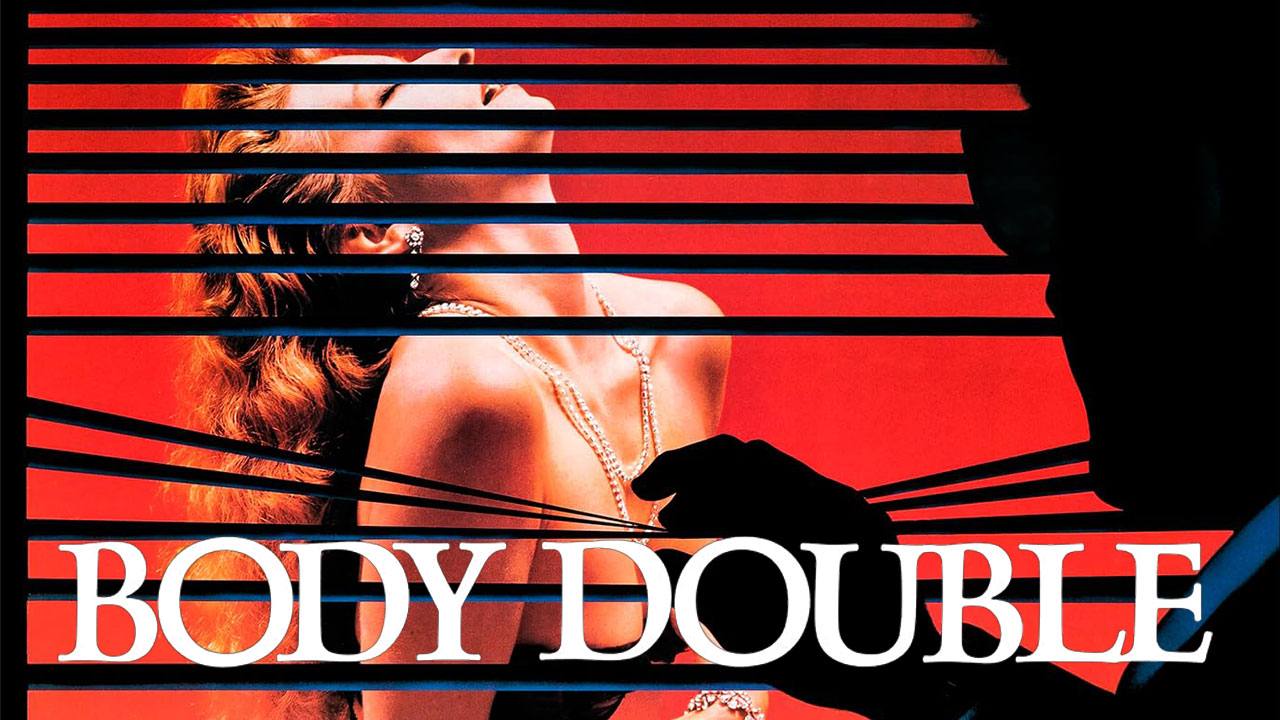
  • Body Double (1984)

    Body Double (1984)

    [et_pb_section fb_built=”1″ _builder_version=”4.16″ _module_preset=”default” global_colors_info=”{}”][et_pb_row column_structure=”2_3,1_3″ _builder_version=”4.16″ _module_preset=”default” global_colors_info=”{}”][et_pb_column type=”2_3″ _builder_version=”4.16″ _module_preset=”default” global_colors_info=”{}”][et_pb_text _builder_version=”4.27.4″ _module_preset=”default” global_colors_info=”{}”]Filmmaker Brian De Palma became a household name due to the success of CarrieDressed to Kill, and Scarface. In response, Columbia Pictures signed him to a three-picture deal, granting him complete creative freedom. Reflecting on his experience with Angie Dickinson’s body doubles in Dressed to Kill, he used that as a basis. De Palma hired Robert J. Avrech to cowrite the script after being impressed with his 1980 outing, Blood Bride. Initially, De Palma wanted to hire adult film actress Annette Haven, but the studio rejected her due to her work. After actresses like Linda Hamilton, Jamie Lee Curtis, and Carrie Fisher turned it down, Melanie Griffith took the part. Filming took place in early 1984 around Los Angeles with a $10 million budget, though Columbia had their doubts. After a lengthy battle with the MPAA and a less-than-stellar pre-screening, Body Double hit theaters in October 1984.

    [/et_pb_text][/et_pb_column][et_pb_column type=”1_3″ _builder_version=”4.16″ _module_preset=”default” global_colors_info=”{}”][et_pb_circle_counter title=”Rating” number=”85″ bar_bg_color=”#7CDA24″ _builder_version=”4.27.4″ _module_preset=”default” global_colors_info=”{}”][/et_pb_circle_counter][/et_pb_column][/et_pb_row][et_pb_row _builder_version=”4.16″ _module_preset=”default” global_colors_info=”{}”][et_pb_column type=”4_4″ _builder_version=”4.16″ _module_preset=”default” global_colors_info=”{}”][et_pb_text _builder_version=”4.27.4″ _module_preset=”default” hover_enabled=”0″ global_colors_info=”{}” sticky_enabled=”0″]

    Synopsis

    After losing a leading role and catching his girlfriend cheating, struggling actor Jake Scully (Craig Wasson) is down and out. Scully meets fellow actor Sam Bouchard (Gregg Henry) at a class, who offers him a unique opportunity. Sam asks Jake to housesit . Jake becomes fascinated with the neighbor, Gloria Revelle (Deborah Shelton), but soon discovers a stranger stalking and abusing her. Scully pursues her further, learning that a disfigured “Indian” has been threatening her life, and they fall in love. Unfortunately, the Indian breaks into Gloria’s home and kills her with a drill before Jake can save her. Feeling guilty, Jake watches a porno channel featuring Holly Body (Melanie Griffith) dancing similar to Gloria. He decides to enter the adult industry to meet Holly and figure out how she factors into Gloria’s death. What Jake discovers as he investigates further will change his life forever.


    Review

    Body Double is a solidly entertaining erotic thriller that could only come out in the 1980s. It’s common knowledge that Brian De Palma took inspiration from Alfred Hitchcock, and you can see that here. Plotwise, the film takes elements from Rear Window with the voyeurism and Vertigo with the lead’s crippling fear and obsession. Like Hitchcock, De Palma uses rear projection, split diopter, and continuous takes to establish mood and atmosphere. Thankfully, De Palma uses these techniques as more of an homage than a straight rip-off of Hitchcock. The movie explores illusion, voyeurism, artificiality, and the line between fantasy and reality while delivering an exhilarating thriller. Admittedly, the film takes a while to get going, but after the first act, things pick up quickly. There are so many twists, surprises, and reveals you won’t see coming, which can almost be overwhelming. Still, it’s a fun ride worth taking.

    Craig Wasson does a great job playing the handsome yet flawed lead who finds himself in over his head. Seeing him go deeper down the rabbit hole as he tries to solve the mystery is fascinating. Gregg Henry is also fun as Scully’s new friend Sam, coming off as lighthearted, sociable, and supportive. With her stunning looks and demure nature, Deborah Shelton works perfectly as the femme fatale, even if she’s dubbed. However, the stand-out performance is Melanie Griffth as the confident and self-assured Holly Boyd, who works perfectly off Wasson. Even though she doesn’t show up until halfway in, she dominates the screen with her sexuality and charisma. De Palma regular Dennis Franz is fun as the loud-mouthed director of the vampire movie Wasson stars in. Also, B-movie fans will get a kick from seeing Barbara Crampton in her debut feature film.

    As I alluded to earlier, there are some slow scenes towards the beginning as we get to know Jake Scully. The buildup to Jake going to the modern home goes for longer than it should and could’ve been shortened. Still, there are some fantastic set pieces, notably the music video segment featuring Frankie Goes to Hollywood’s “Relax.” It’s filmed in one continuous take with no cuts, and every action is perfectly choreographed to the song. The excellent camerawork is courtesy of Stephen Burum, who earned an Oscar nomination for Hoffa. Speaking of music, Pino Donaggio’s score is phenomenal, seamlessly going from soft and swelling to loud and bombastic. While the nods to Hitchcock might be derivative, and the first act is slow, this is still an entertaining thriller. Overall, Body Double is a sexually charged neo-noir thriller with great cinematography, solid performances, and memorable music.


    Buy Body Double from Amazon: https://amzn.to/3WN1zo3.

    Disclosure: The above link is an affiliate link, which means that, at zero cost to you, I will earn a commission if you click through the link and finalize a purchase.

    [/et_pb_text][/et_pb_column][/et_pb_row][/et_pb_section]
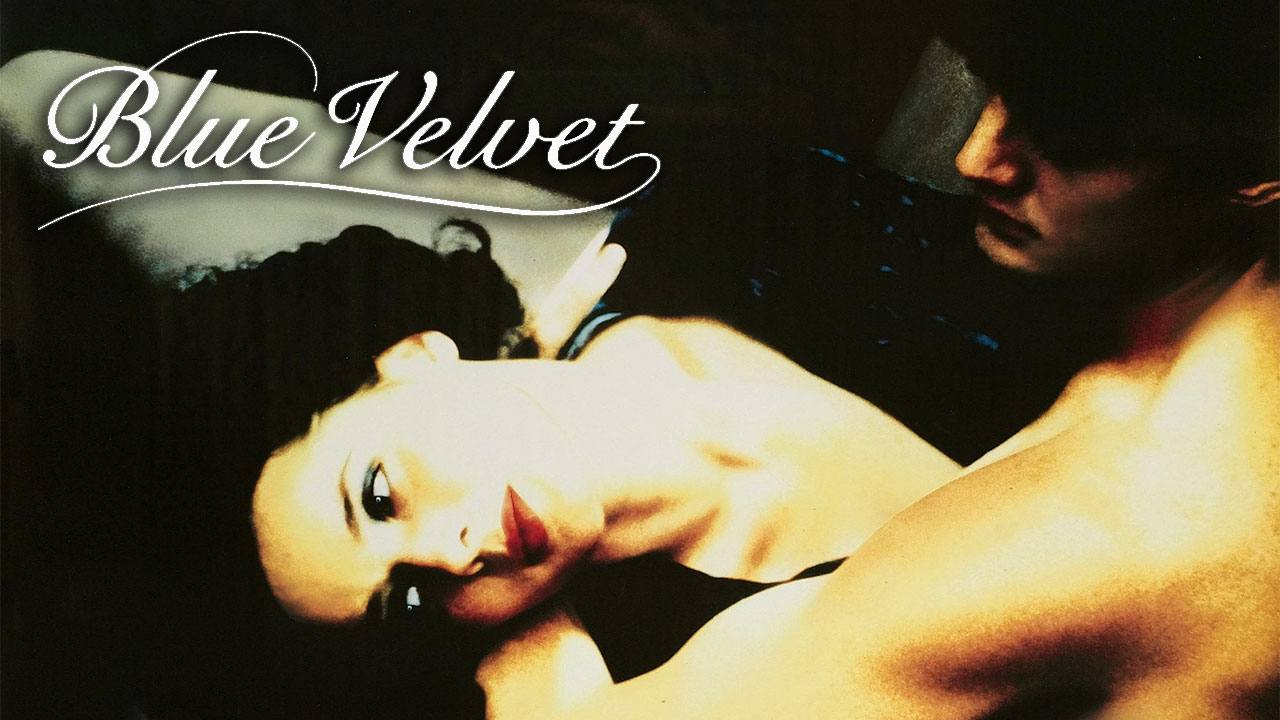
  • Blue Velvet (1986)

    Blue Velvet (1986)

    [et_pb_section fb_built=”1″ _builder_version=”4.16″ _module_preset=”default” global_colors_info=”{}”][et_pb_row column_structure=”2_3,1_3″ _builder_version=”4.16″ _module_preset=”default” global_colors_info=”{}”][et_pb_column type=”2_3″ _builder_version=”4.16″ _module_preset=”default” global_colors_info=”{}”][et_pb_text _builder_version=”4.27.4″ _module_preset=”default” global_colors_info=”{}”]After finding success with 1980’s The Elephant Man, director David Lynch was contemplating what to make next. He met with producer Richard Roth to discuss a screenplay called Ronnie Rocket, which Roth passed due to its abstractness. Still intrigued, Roth asked Lynch for other ideas, and Lynch talked about voyeurism, severed ears, and a Bobby Vinton song. After working and reworking the script, Lynch had trouble finding a studio due to the violent nature of the story. On top of that, 1984’s Dune was such a critical and commercial failure that producers actively avoided Lynch. Thankfully, producer Dino De Laurentiis saw potential and agreed to offer a $6 million budget and total artistic freedom. Filming lasted from August to November 1985 in Wilmington, North Carolina, with a cast of relatively unknown actors. After premiering at the Montréal World Film Festival, Blue Velvet hit theater screens in September 1986.

    [/et_pb_text][/et_pb_column][et_pb_column type=”1_3″ _builder_version=”4.16″ _module_preset=”default” global_colors_info=”{}”][et_pb_circle_counter title=”Rating” number=”95″ bar_bg_color=”#7CDA24″ _builder_version=”4.27.4″ _module_preset=”default” global_colors_info=”{}”][/et_pb_circle_counter][/et_pb_column][/et_pb_row][et_pb_row _builder_version=”4.16″ _module_preset=”default” global_colors_info=”{}”][et_pb_column type=”4_4″ _builder_version=”4.16″ _module_preset=”default” global_colors_info=”{}”][et_pb_text _builder_version=”4.27.4″ _module_preset=”default” global_colors_info=”{}”]

    Synopsis

    After his dad suffers a stroke, college student Jeffrey Beaumont (Kyle MacLachlan) comes home to help his family. While walking home from the hospital, Jeffrey finds a severed ear and takes it to Detective Williams (George Dickerson). Jeffrey meets Williams’s daughter Sandy (Laura Dern), who tells him the ear may relate to a local lounge singer. After seeing a performance by the singer Dorothy Vallens (Isabella Rossellini), Jeffrey becomes intrigued and sneaks into her apartment. Unfortunately, this act of voyeurism leads him to the psychotic Frank Booth (Dennis Hopper), who tortures and abuses Dorothy. Jeffrey develops a sadomasochistic relationship with Dorothy through this connection while also fostering a romance with Sandy. As he continues going down the rabbit hole, Jeffrey discovers a grand conspiracy involving drug dealers, corrupt cops, and kidnapping. How far is Jeffrey willing to go to solve this mystery, and will he do the right thing?


    Review

    Blue Velvet is one of the most beautifully crafted yet viscerally raw films ever made, and that says a lot. Every shot feels so fine-tuned and exact that you can imagine what David Lynch was thinking. You feel like you’re peeking into Lynch’s brain and seeing what lies inside like Jeffrey uncovering the secret underworld. This film subverts the image of suburban America and explores film noir conventions, including the femme fatale and flawed hero. Dorothy is a complex woman but isn’t manipulative, while Jeffrey is the good guy but isn’t without flaws. The tone goes from horrifying to humorous in a way that feels like whiplash, but Lynch makes it work. You get the sense that Lynch is challenging how you see things, much like Jeffrey’s changing worldview. Admittedly, the heavy-handed symbolism can appear pretentious, but the film still works as a gripping thriller.

    Kyle MacLachlan excels as the complex yet endearing hero navigating the dark world he discovers. Witnessing his transformation from a shy college student to a shattered man is captivating, and MacLachlan embodies this change brilliantly. Isabella Rossellini shines as Dorothy Vallens, a stunning woman ensnared by darkness, longing for escape. Meanwhile, Laura Dern impresses as Sandy Williams, a naive young woman who offers a ray of hope to Jeffrey. Dennis Hopper delivers arguably the finest performance of his career as the twisted Frank Booth, one of cinema’s greatest villains. He oscillates between humor and charm, then shifts to madness and terror, making him wholly unpredictable. The supporting cast also shines, featuring talents like Hope Lange, Priscilla Pointer, Frances Bay, Brad Dourif, and Jack Nance. Even Dean Stockwell makes the most of his one scene, memorably lip-synching a Roy Orbison song.

    Like many of David Lynch’s films, this one has mixed opinions – some love it, while others hate it. The subject is dark and uncomfortable, and the weird tonal changes can be off-putting to some viewers. However, if you’re willing to take in everything on screen for what it is, you’ll find a thought-provoking and well-made movie. Frederick Elmes’ cinematography is gorgeous and haunting, while Angelo Badalamenti’s beautiful score seamlessly transitions from romantic to horrifying. Some might scoff at the slow pacing, but it purposefully adds a false sense of security before the shocking scenes. At around two hours long, the movie never overstays its welcome or feels like it’s dragging to the end. If you’ve never seen a David Lynch movie and want an introduction, I’d recommend this as a starting point. Overall, Blue Velvet deserves its status as an American thriller classic and is arguably David Lynch’s best film.


    Buy Blue Velvet from Amazon: https://amzn.to/3Wkq4bZ.

    Disclosure: The above link is an affiliate link, which means that, at zero cost to you, I will earn a commission if you click through the link and finalize a purchase.

    [/et_pb_text][et_pb_code _builder_version=”4.27.4″ _module_preset=”default” hover_enabled=”0″ global_colors_info=”{}” sticky_enabled=”0″]

    Where to watch Blue Velvet (1986)

    data-api-key=”LMVDLdLSH5ZJnQ4FMGMgyJCB8cmGbfCV” data-object-type=”Movie” data-title=”Blue Velvet” data-year=”1986″ data-theme=”light”>

    [/et_pb_code][et_pb_divider _builder_version=”4.16″ global_colors_info=”{}”][/et_pb_divider][et_pb_blurb title=”David Lynch, 1946 – 2025″ image=”https://staging.film-nerd.com/wp-content/uploads/2025/01/Brody-LynchPostcript.webp” alt=”David Lynch” _builder_version=”4.27.4″ header_text_align=”center” text_orientation=”center” animation=”off” global_colors_info=”{}”]

    This review is dedicated to the memory of legendary filmmaker David Lynch, who passed away on January 15, 2025, at 78.

    [/et_pb_blurb][/et_pb_column][/et_pb_row][/et_pb_section]
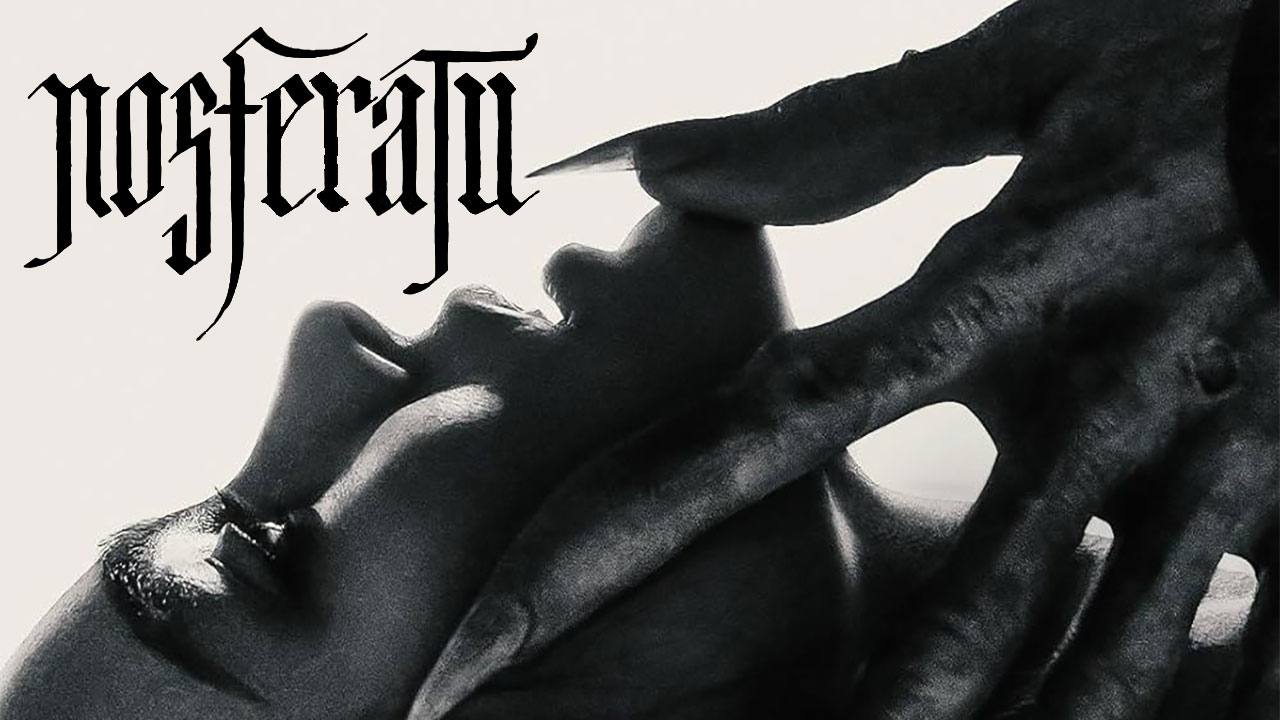
  • Nosferatu (2024)

    Nosferatu (2024)

    [et_pb_section fb_built=”1″ admin_label=”section” _builder_version=”4.16″ global_colors_info=”{}”][et_pb_row column_structure=”2_3,1_3″ admin_label=”row” _builder_version=”4.16″ background_size=”initial” background_position=”top_left” background_repeat=”repeat” global_colors_info=”{}”][et_pb_column type=”2_3″ _builder_version=”4.16″ custom_padding=”|||” global_colors_info=”{}” custom_padding__hover=”|||”][et_pb_text _builder_version=”4.27.4″ _module_preset=”default” global_colors_info=”{}”]In 1922, F. W. Murnau’s Nosferatu: A Symphony of Horror, an unofficial adaptation of Dracula, opened in German theaters. Despite a lawsuit from Bram Stoker’s heirs demanding the film be destroyed, several prints survived, and the film became a classic. In 1979, Werner Herzog remade the movie as Nosferatu the Vampyre, starring Klaus Kinski and Isabelle Adjani. In 2015, Robert Eggers announced he’d be working on a remake, though he had reservations about redoing a beloved classic. While Daniel Day-Lewis, Willem Dafoe, and Mads Mikkelsen were considered, Bill Skarsgård ultimately won the role of Count Orlok. Dafoe joined the cast alongside Lily-Rose Depp, who replayed Anya Taylor-Joy, Nicholas Hoult, Emma Corrin, and Aaron Taylor-Johnson. With a $50 million budget, filming lasted between February and May 2023 in and around Prague and Romania. After its Berlin premiere, Nosferatu opened on Christmas Day 2024.

    [/et_pb_text][/et_pb_column][et_pb_column type=”1_3″ _builder_version=”4.16″ custom_padding=”|||” global_colors_info=”{}” custom_padding__hover=”|||”][et_pb_circle_counter title=”Rating” number=”95″ bar_bg_color=”#7CDA24″ _builder_version=”4.27.4″ _module_preset=”default” hover_enabled=”0″ global_colors_info=”{}” sticky_enabled=”0″][/et_pb_circle_counter][/et_pb_column][/et_pb_row][et_pb_row _builder_version=”4.16″ _module_preset=”default” global_colors_info=”{}”][et_pb_column type=”4_4″ _builder_version=”4.16″ _module_preset=”default” global_colors_info=”{}”][et_pb_text _builder_version=”4.27.4″ _module_preset=”default” hover_enabled=”0″ global_colors_info=”{}” sticky_enabled=”0″]

    Synopsis

    Estate agent Thomas Hutter (Nicholas Hoult) is commissioned by his employer, Herr Knock (Simon McBurney), for a special assignment. He must travel to the Carpathian Mountains to visit the reclusive Count Orlok (Bill Skarsgård) and finalize a land deal. Despite the warnings of his wife Ellen (Lily-Rose Depp), Thomas ventures forth while she stays with Friedrich Harding (Aaron Taylor-Johnson). Upon arrival, Orlok makes Thomas his prisoner in his castle, keeping him locked away as he plans his journey. Back home, Ellen has been suffering from seizures and night terrors, which perplexes her doctor, Wilhelm Sievers (Ralph Ineson). Sievers consults his mentor, Albin Eberhart Von Franz (Willem Dafoe), and he explains that Ellen is under Orlok’s control. Soon, Orlok arrives, bringing plague rats that quickly ravage the town while Thomas stumbles his way back. Will Count Orlok be vanquished, or will he claim Ellen as his own?


    Review

    Robert Eggers’ Nosferatu is a fantastic update to the groundbreaking silent classic and one of the best movies of 2024. Although I’m not usually a fan of remakes, there have been great ones, such as John Carpenter’s The Thing. Thankfully, this third version of the vampire classic joins the ranks of other masterful reimaginings. Unlike remakes that come off as attempts to capitalize on nostalgia, you can tell that Eggers enjoyed making this. He masterfully directs the film, creating a foreboding sense of dread that never lets up from start to finish. From the contrasting light and darkness to the use of shadows, it’s nothing short of spectacular. Working alongside regular cinematographer Jarin Blaschke and production designer Craig Lathrop, Eggers creates an elegantly dark and gothic look. Combined with the fantastic locations in Prague and Romania, there’s a grotesque beauty to every scene.

    Lily Rose-Depp gives an incredible performance, playing it in an understated yet emotional way that feels real. Nicholas Hoult also excels at conveying the fear that Orlok brings, and you believe in his relationship with Rose-Depp. Bill Skarsgård shines as Count Orlok, his imposing presence and booming voice towering over everyone, even when he’s not there. Whether it’s causing Ellen’s seizures or bringing the plague, Orlok is still a threat while off-screen. Some fans might bemoan the difference in appearance between this version and the original Orlok, but the spirit remains intact. Aaron Taylor-Johnson and Emma Corrin are also great as the skeptical yet supportive Friederich and Anna Harding. Like always, Willem Dafoe excels as the occult expert who can deliver expository dialogue captivatingly. All in all, the cast does an incredible job of delivering centuries-old dialogue that most actors would struggle with.

    While most modern vampire movies try to humanize the creatures, this one reintroduces the more monstrous side of earlier versions. There is no human quality in Orlok; instead, it is a facade masking the monster that lies within. The fact that this movie shows Orlok killing children indicates that Eggers isn’t concerned with displaying Orlok’s human qualities. The film moves at a deliberately slow pace punctuated by shocking moments that last long enough to be effective. Adding to this pacing is the minimalist score by Robin Carolan, which is both understated and haunting. At slightly over two hours long, there is never a dull moment, and every scene feels deliberate. This film is one of those rare cinematic experiences that sticks with you long after you’ve left the theater. Overall, Nosferatu is another home run for Eggers, punctuated by excellent direction, great performances, and a gripping story.


    Nosferatu is currently in theaters.

    [/et_pb_text][/et_pb_column][/et_pb_row][/et_pb_section]
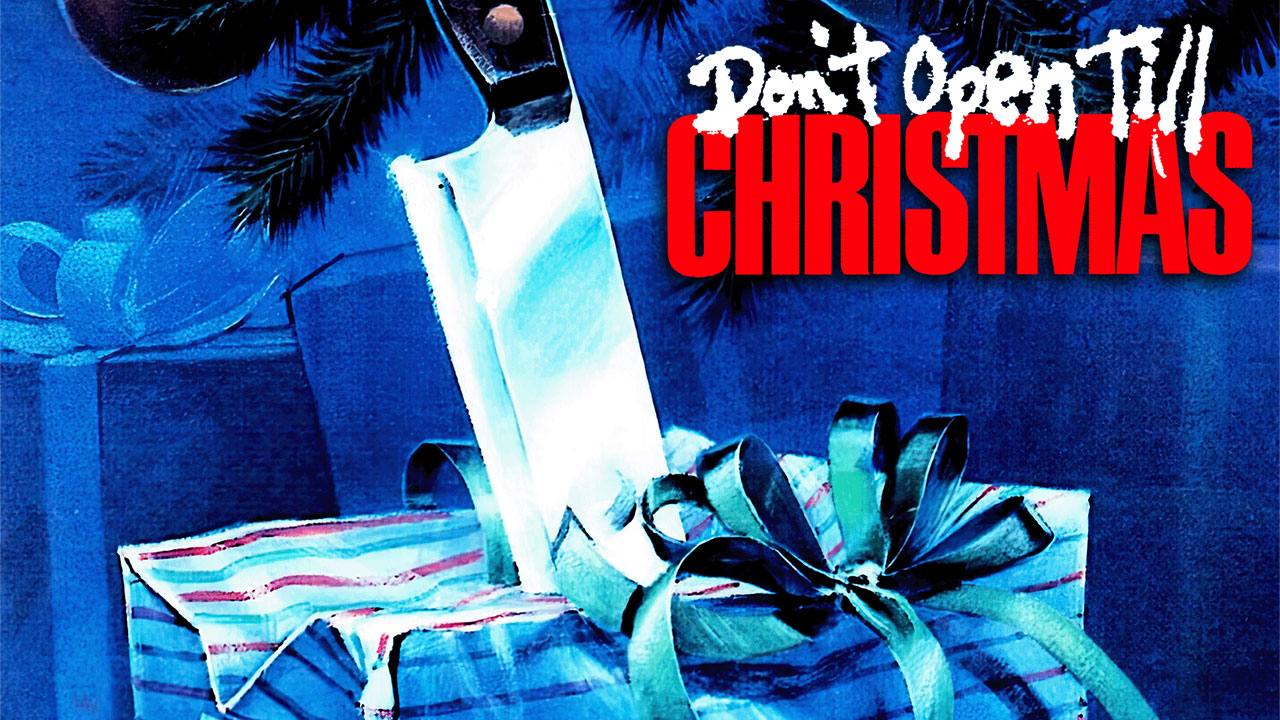
  • Don’t Open Till Christmas (1984)

    Don’t Open Till Christmas (1984)

    [et_pb_section fb_built=”1″ _builder_version=”4.16″ _module_preset=”default” global_colors_info=”{}”][et_pb_row column_structure=”2_3,1_3″ _builder_version=”4.16″ _module_preset=”default” global_colors_info=”{}”][et_pb_column type=”2_3″ _builder_version=”4.16″ _module_preset=”default” global_colors_info=”{}”][et_pb_text _builder_version=”4.27.4″ _module_preset=”default” global_colors_info=”{}”]After working on the American release of 1970’s Mark of the Devil, producer Stephen Minasian focused on horror. He helped Sean Cunningham and Wes Craven with The Last House on the Left and funded Friday the 13th. Minasian met producer Dick Randall soon after and co-produced 1982’s Pieces, which began an eventual partnership. Seeing how popular slashers were, Minasian wanted to make two based on holidays: April Fool’s Day and Christmas. Randall offered Edmund Purdom the lead in the Christmas slasher, which he accepted if he got to direct. Filming started in December 1982, but issues quickly arose due to disagreements between Purdom and Randall. Purdom quit the production, so writer Derek Ford took over, only to be replaced by editor Ray Selfie. After two years of reshoots, recastings, and re-editing, Don’t Open Till Christmas finally hit theaters in December 1984.

    [/et_pb_text][/et_pb_column][et_pb_column type=”1_3″ _builder_version=”4.16″ _module_preset=”default” global_colors_info=”{}”][et_pb_circle_counter title=”Rating” number=”70″ bar_bg_color=”#EDF000″ _builder_version=”4.27.4″ _module_preset=”default” global_colors_info=”{}”][/et_pb_circle_counter][/et_pb_column][/et_pb_row][et_pb_row _builder_version=”4.16″ _module_preset=”default” global_colors_info=”{}”][et_pb_column type=”4_4″ _builder_version=”4.16″ _module_preset=”default” global_colors_info=”{}”][et_pb_text _builder_version=”4.27.4″ _module_preset=”default” global_colors_info=”{}”]

    Synopsis

    On the dreary streets of London, someone in a green jacket and creepy mask is killing people dressed as Santa. Chief Inspector Ian Harris (Edmund Purdom) and Detective Sergeant Powell (Mark Jones) are hot on the case. They interview Kate Briosky (Belinda Mayne) and her boyfriend, Cliff Boyd (Gerry Sundquist), after witnessing her father’s murder days earlier. During all this, a stranger named Giles (Alan Wake), who claims to be a reporter, asks about the murders. Soon, a stripper named Sherry Graham (Kelly Baker) gets kidnapped by the killer after witnessing him murder another Santa. To make matters worse, Kate learns that Harris is no longer on the case, so she does some investigating. After checking a mental hospital that Harris visited, she discovers that the killer had been committed and is Harris’ brother. But who is the Santa slasher, and will his rampage be stopped?


    Review

    Due to numerous production problems, Don’t Open Till Christmas is a mess but enjoyable nonetheless. Interestingly, this film came out around the same time as Silent Night, Deadly Night but wasn’t nearly as controversial. If anything, it’s much more graphic and sleazy than Charles Sellier, Jr.’s slasher, with almost the opposite plot. For one, nearly every Santa shown is drunk or perverted, either peeping through windows or going to a peep show. Plus, most violent sequences occur in back alleys, public restrooms, or the London Dungeon, adding a layer of grime. A prime example is when Pat Astley wears a Santa coat and a thong while chased by the killer. Also, the kills are much more mean-spirited here, with Santas set ablaze, stabbed repeatedly, shot point blank, and even castrated. If parents complained about Billy impaling a woman on deer antlers, they’d have a field day with this.

    While the performances are decent overall, they’re nothing special besides a few standouts, namely Purdom and Lake. Though he disappears during the middle, Edmund Purdom brings a level of class to the film. Alan Lake also does a great job playing a menacing creep who perfectly plays his insanity in an understated way. He doesn’t constantly mug for the camera or go too over the top but instead plays it quietly and subdued. Belinda Mayne makes for a decent heroine, even if there isn’t much to her character. What’s strange is that you’d think she’d be the final girl, but it ends up being Kelly Baker’s experience girl. As for the rest of the cast, they do their jobs fine enough but don’t expect any Oscar-worthy performances. However, scream queen Caroline Munro does have a cameo as herself, which is always appreciated.

    Even without knowing the production history, you can tell that something went wrong with the movie’s structure. Characters are introduced as if they will play a significant role, only to vanish with a one-line explanation. Plus, given Purdom left the production, the other characters have to explain what the lead is doing off-screen. Between the scenes of Santa’s being murdered, most of the runtime consists of dialogue that goes on for too long. Even at 86 minutes, the movie feels padded with filler scenes that could’ve easily been excised. Despite how much of a mess this film is, it’s still enjoyable, mainly for the kills and the sleaze. Also, this movie has such an out-of-nowhere ending that you’ll never see coming, which makes it worth watching. Overall, Don’t Open Till Christmas is less of a long-lost classic and more of an interesting curiosity.


    Buy Don’t Open Till Christmas from Amazon: https://amzn.to/49PzhyR.

    Disclosure: The above link is an affiliate link, which means that, at zero cost to you, I will earn a commission if you click through the link and finalize a purchase.

    [/et_pb_text][et_pb_code _builder_version=”4.27.4″ _module_preset=”default” hover_enabled=”0″ sticky_enabled=”0″]

    Where to watch Don’t Open Till Christmas (1984)

    data-api-key=”LMVDLdLSH5ZJnQ4FMGMgyJCB8cmGbfCV” data-object-type=”Movie” data-title=”Don’t Open Till Christmas” data-year=”1984″ data-theme=”light”>

    [/et_pb_code][/et_pb_column][/et_pb_row][/et_pb_section]
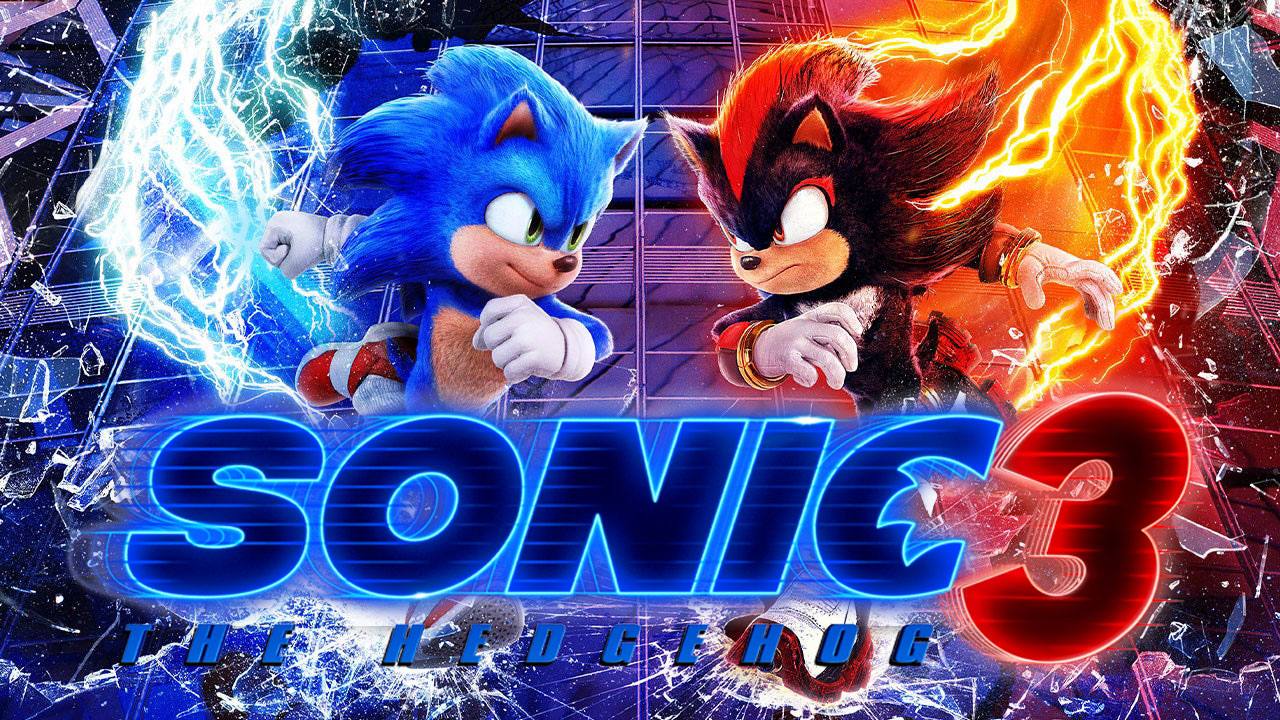
  • Sonic the Hedgehog 3 (2024)

    Sonic the Hedgehog 3 (2024)

    [et_pb_section fb_built=”1″ admin_label=”section” _builder_version=”4.16″ global_colors_info=”{}”][et_pb_row column_structure=”2_3,1_3″ admin_label=”row” _builder_version=”4.16″ background_size=”initial” background_position=”top_left” background_repeat=”repeat” global_colors_info=”{}”][et_pb_column type=”2_3″ _builder_version=”4.16″ custom_padding=”|||” global_colors_info=”{}” custom_padding__hover=”|||”][et_pb_text _builder_version=”4.27.4″ _module_preset=”default” global_colors_info=”{}”]On a budget of around $90-110 million, Sonic the Hedgehog 2 grossed over $400 million worldwide. Before its release, Sega and Paramount announced a third installment and a spin-off series at ViacomCBS’s investor event. The filmmakers took inspiration from the video games Sonic Adventure 2 and Shadow the Hedgehog for the story. Jim Carrey announced that he was possibly retiring from acting but agreed to return because he liked the script. Due to the SAG-AFTRA strike, principal photography got delayed from August to November 2023 in Farhman, Surrey, England. Along with Carrey, James Marsden, Ben Schwartz, Tika Sumpter, Colleen O’Shaughnessey, Idris Elba, Lee Majdoub, and Tom Butler all returned. Filming wrapped in March 2024, with Keanu Reeves announced as the voice of Shadow the Hedgehog in April. After premiering at the Empire Leicester Square, Sonic the Hedgehog 3 opened worldwide in December 2024.

    [/et_pb_text][/et_pb_column][et_pb_column type=”1_3″ _builder_version=”4.16″ custom_padding=”|||” global_colors_info=”{}” custom_padding__hover=”|||”][et_pb_circle_counter title=”Rating” number=”85″ bar_bg_color=”#7CDA24″ _builder_version=”4.27.4″ _module_preset=”default” global_colors_info=”{}”][/et_pb_circle_counter][/et_pb_column][/et_pb_row][et_pb_row _builder_version=”4.16″ _module_preset=”default” global_colors_info=”{}”][et_pb_column type=”4_4″ _builder_version=”4.16″ _module_preset=”default” global_colors_info=”{}”][et_pb_text _builder_version=”4.27.4″ _module_preset=”default” hover_enabled=”0″ global_colors_info=”{}” sticky_enabled=”0″]

    Synopsis

    Sonic (Ben Schwartz) is partying with Tails (Colleen O’Shaughnessey), Knuckles (Idris Elba), Tom (James Marsden), and Maddie (Tika Sumpter). Suddenly, G.U.N. Director Rockwell (Krysten Ritter) drops by requesting Team Sonic’s aid in dealing with a disturbance in Tokyo. Upon arrival, they meet the source of the chaos: a black hedgehog named Shadow (Keanu Reeves), who easily overpowers them. Later, the three meet with Commander Walters (Tom Butler), who explains that Shadow was part of a failed government project. Unfortunately, drones mortally wound him, but not before entrusting Sonic with a keycard, though G.U.N. falsely thinks Sonic killed Walters. With few options left, Sonic agrees to work with Dr. Ivo Robotnik (Jim Carrey) to stop Shadow. Soon, they discover that Shadow is working with Ivo’s long-lost grandfather, Gerald (Jim Carrey), who recruits Ivo to his side. Will Team Sonic stop the Robotnik’s ultimate plan, or will their fractured friendship spell doom?


    Review

    In a series of surprisingly decent movies, Sonic the Hedgehog 3 is the best one by far. Like the other films, this one strikes a good balance of action, comedy, and drama without feeling tonally inconsistent. Admittedly, some jokes don’t land, and most humor centers on slapstick, but there are some chuckle-worthy moments. Thankfully, there’s none of the over-the-top humor introduced in the second movie with Maddie’s sister. There are surprisingly more pun-filled jokes, especially from Sonic, though that’s in keeping with the character. There are also a few attempts at breaking the fourth wall jokes, but they don’t land as well as hoped. Still, the humor works, and the dramatic scenes feel earned rather than coming from nowhere and feeling forced. The filmmakers seem to have listened to the audience’s feedback and deliberately made changes to improve the movie.

    Like the previous installments, everyone in the cast, including Ben Schwartz, Colleen O’Shaughnessey, and Idris Elba, does a fantastic job. Jim Carrey does an excellent job playing both Ivo and Gerald Robotnik, providing plenty of humor and some complexity. However, the actual standout performance is by Keanu Reeves, who provides the voice of Shadow the Hedgehog. He brings a level of gravitas and seriousness that perfectly contrasts with Carrey’s wackiness and Sonic’s affable personality. You can tell that Reeves takes the role as seriously as any of the John Wick movies, and it’s appreciated. Marsden and Sumpter do a decent job, though their screen time is reduced to make way for Sonic and friends. Krysten Ritter also works as the stern Director Rockwell, and Lee Majdoub always delivers as Agent Stone. Alyla Browne is another standout as Maria, who brings out the humanity in Shadow, making his backstory more tragic.

    Like in the past entries, the action is fast-paced and exciting, though it can be somewhat disorienting. It helps that cinematographer Brandon Trost does a great job of framing the action so you can see what’s happening. Jeff Fowler took advantage of the larger budget to create grandiose set pieces. Many sequences are straight out of the games, even using songs by Crush 40, like Live and Learn. Fans will appreciate all the game references, but they’re not so distracting that general audiences will get confused. At an hour and fifty minutes, the film goes appropriately quick, though some portions could’ve been excised here and there. Whether you liked the first two movies or disliked one over the other, this one will satisfy you. Overall, Sonic the Hedgehog 3 is one of those rare instances of the third installment being the strongest entry.


    Sonic the Hedgehog 3 is currently in theaters.

    [/et_pb_text][/et_pb_column][/et_pb_row][/et_pb_section]
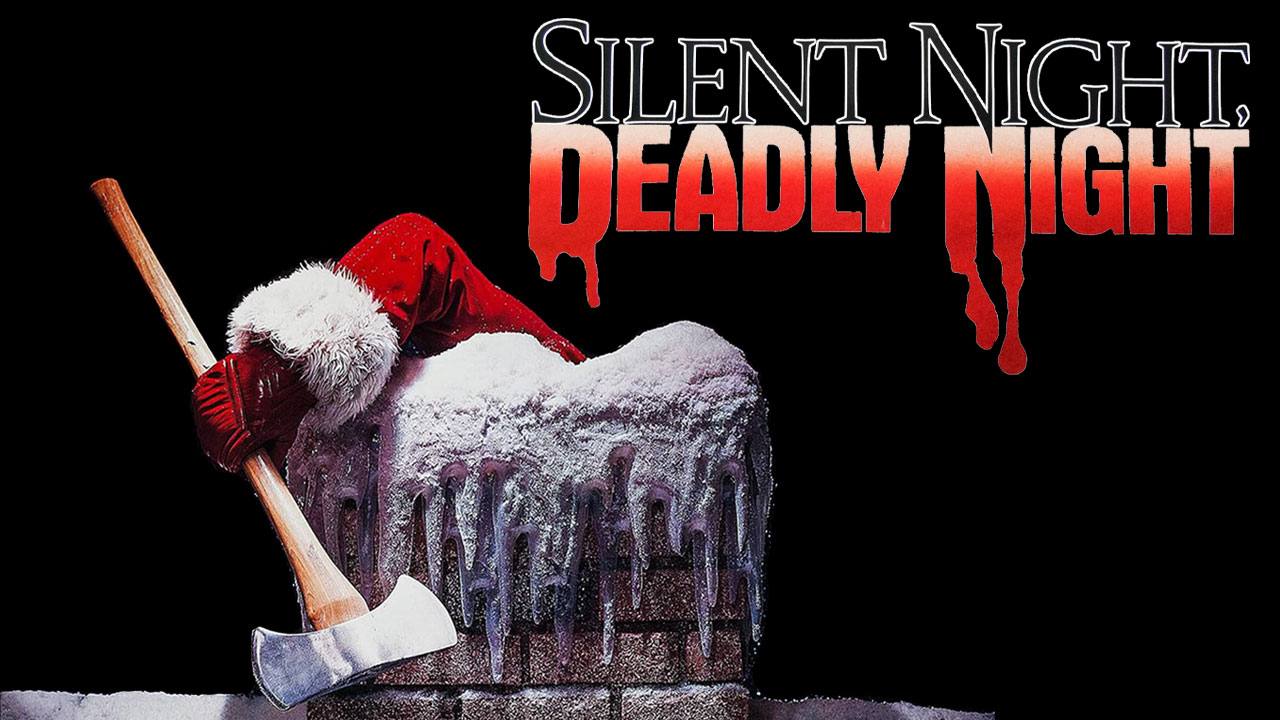
  • Silent Night, Deadly Night (1984)

    Silent Night, Deadly Night (1984)

    [et_pb_section fb_built=”1″ _builder_version=”4.16″ _module_preset=”default” global_colors_info=”{}”][et_pb_row column_structure=”2_3,1_3″ _builder_version=”4.16″ _module_preset=”default” global_colors_info=”{}”][et_pb_column type=”2_3″ _builder_version=”4.16″ _module_preset=”default” global_colors_info=”{}”][et_pb_text _builder_version=”4.27.4″ _module_preset=”default” hover_enabled=”0″ global_colors_info=”{}” sticky_enabled=”0″]In the early 1980s, producer Scott Schneid received a screenplay by Harvard graduate Paul Caimi about a killer Santa. While he disliked the script, Schneid found the concept intriguing, so he hired Michael Hickey to write a new treatment. Schneid and fellow producer Dennis Whitehead sold the screenplay to Tri-Star Pictures, which recruited Ira Barmak as executive producer. The studio hired Charles E. Sellier Jr. to direct, although Schneid and Whitehead wanted someone fresh and new. With a $750,000 budget, filming lasted from March to April 1983 in Heber City and Midway, Utah. Initially titled Slayride, Tri-Star gave the film a limited release with the plan to go nationwide if it was successful. The producers didn’t expect any controversy since killer Santas had appeared in 1972’s Tales from the Crypt and 1980’s Christmas Evil. Before its release in November 1984, Tri-Star retitled the film Silent Night, Deadly Night.

    [/et_pb_text][/et_pb_column][et_pb_column type=”1_3″ _builder_version=”4.16″ _module_preset=”default” global_colors_info=”{}”][et_pb_circle_counter title=”Rating” number=”80″ bar_bg_color=”#7CDA24″ _builder_version=”4.27.4″ _module_preset=”default” hover_enabled=”0″ global_colors_info=”{}” sticky_enabled=”0″][/et_pb_circle_counter][/et_pb_column][/et_pb_row][et_pb_row _builder_version=”4.16″ _module_preset=”default” global_colors_info=”{}”][et_pb_column type=”4_4″ _builder_version=”4.16″ _module_preset=”default” global_colors_info=”{}”][et_pb_text _builder_version=”4.27.4″ _module_preset=”default” hover_enabled=”0″ global_colors_info=”{}” sticky_enabled=”0″]

    Synopsis

    When he was only 5, Billy Chapman (Jonathan Best) witnessed a crazed maniac dressed like Santa kill his parents. Three years later, Billy (Danny Wagner) and his younger brother Ricky (Max Broadhead) now live in an orphanage. Despite the pleas of Sister Margaret (Gilmer McCormick), Mother Superior (Lilyan Chauvin) beats Billy into believing that punishment is good. Ten years later, Billy (Robert Brian Wilson) gets a job as a stock boy in a local toy store. Things go smoothly until Christmas when memories of his parent’s murder and the Mother Superior’s abuse still haunt him. To make matters worse, the store owner, Mr. Sims (Britt Leach), has Billy fill in as the store Santa. This act leads to him finally snapping and going on a rampage, killing anyone he deems naughty. Will Sister Margaret be able to stop Billy, or will it be too late to stop his murderous wrath?


    Review

    It would be a vast understatement to say that Silent Night, Deadly Night upset some people upon its 1984 release. Groups protested in front of the theaters, and child advocacy groups worked to get the film pulled after two weeks. To top it off, critics Gene Siskel and Roger Ebert denounced the movie and tried shaming the filmmakers involved. It’s hard to say if a film like this would generate the same controversy 40 years later, but who knows? Regardless, TriStar is at fault for creating such a sensationalist marketing campaign that, while effective, ultimately was their undoing. I agree with Lilyan Chauvin, who said in a documentary that the distributor should’ve focused on the psychological aspects. Much like Happy Birthday to Me, while the ad campaign has become iconic, it doesn’t represent the film truthfully. Otherwise, parents should have talked with their kids instead of demanding the film’s expulsion.

    Controversy aside, this is one of the better slashers to come out of the slasher boom of the early 1980s. There’s much more depth and layers for a movie about a guy dressed as Santa killing people than expected. Like Christmas Evil, this works as a slasher and a character study of an otherwise typical person’s descent into madness. While most slashers briefly explain the killer’s motive, this one spends the first half developing the killer. While you disagree with him killing people, you understand why Billy does what he does and feel sorry for him. Adding to this is Robert Brian Wilson’s performance, where he perfectly goes from friendly and charming to sinister and chilling. Every performance is strong, particularly Lilyan Chauvin as the ruthless Mother Superior and Gilmer McCormick as the sympathetic Sister Margaret. Another highlight is Will Hare, who spectacularly milks his one scene.

    Like any good slasher, the kills are well done and brutal, utilizing Christmas iconography in twisted ways. Whether it’s hanging someone with Christmas lights or impaling a girl on deer antlers, the kill scenes are memorable. But for all that works, the film has its share of flaws, namely some flat direction and slow pacing. Several scenes involving people either driving, walking around, or staring go on way longer than needed. One particular scene involving a cop exploring an underground boiler room goes on for way too long. Also, you can tell that Sellier didn’t think too highly of the film since the direction is mostly flat. Even so, taking the controversy out of it, this is one of the best slasher films the ’80s offers. Overall, Silent Night, Deadly Night is a smartly written, well-acted horror film that deserves more credit than it gets.


    Buy Silent Night, Deadly Night from Amazon: https://amzn.to/4frkbki.

    Disclosure: The above link is an affiliate link, which means that, at zero cost to you, I will earn a commission if you click through the link and finalize a purchase.

    [/et_pb_text][/et_pb_column][/et_pb_row][/et_pb_section]
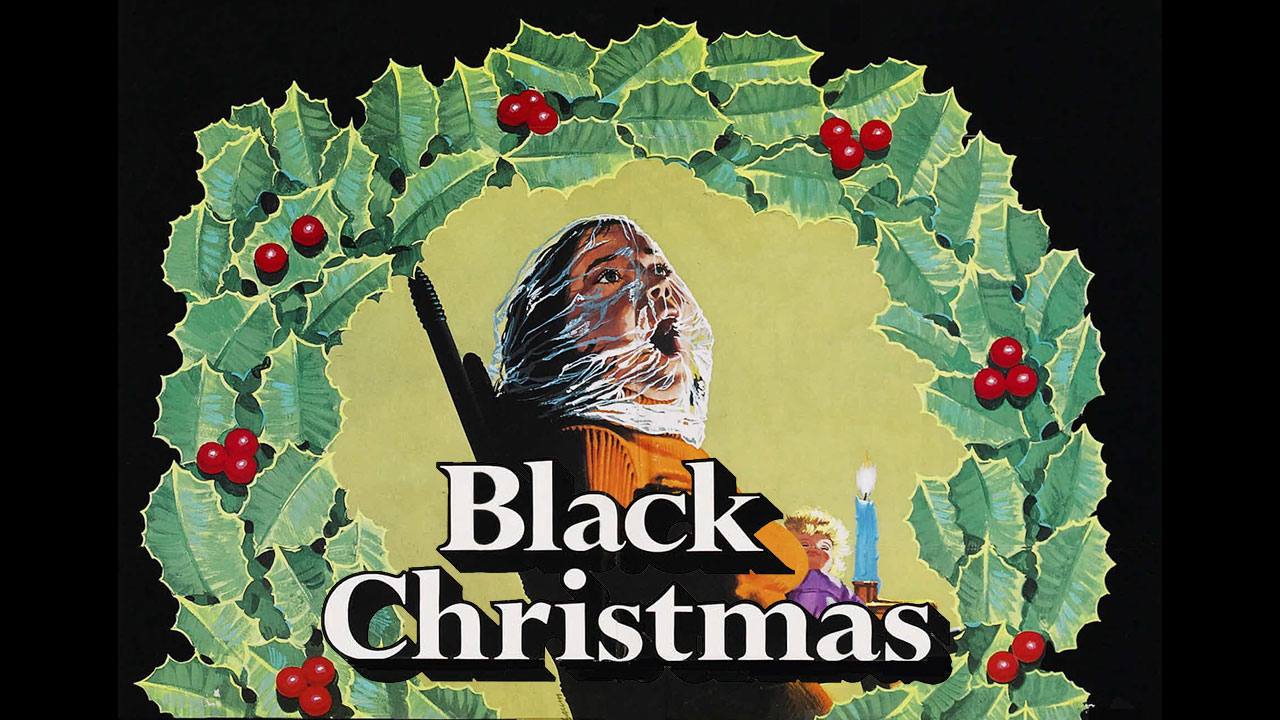
  • Black Christmas (1974)

    Black Christmas (1974)

    [et_pb_section fb_built=”1″ _builder_version=”4.16″ _module_preset=”default” global_colors_info=”{}”][et_pb_row column_structure=”2_3,1_3″ _builder_version=”4.16″ _module_preset=”default” global_colors_info=”{}”][et_pb_column type=”2_3″ _builder_version=”4.16″ _module_preset=”default” global_colors_info=”{}”][et_pb_text _builder_version=”4.27.4″ _module_preset=”default” global_colors_info=”{}”]In the 1970s, a popular urban legend called “The Babysitter and the Man Upstairs” gained widespread attention. Inspired by this and a series of murders in Montreal in 1943, Roy Moore penned a screenplay called Stop Me. The script caught the attention of Vision IV, who attached director Bob Clark to helm the project. While Clark liked the script, he wanted to make some alterations, namely toning down the violence and adding humor. They cast Olivia Hussey from Romeo and Juliet, Keir Dullea from 2001: A Space Odyssey, and Margot Kidder from Sisters. Aside from John Saxon, the other actors were relatively unknown Canadian actors who only had a few small parts. Filming ran from March to May 1974 in Toronto and Ontario with a budget of $686,000. While released stateside as Silent Night, Evil Night in 1975, the film hit Canadian screens in 1974 as Black Christmas.

    [/et_pb_text][/et_pb_column][et_pb_column type=”1_3″ _builder_version=”4.16″ _module_preset=”default” global_colors_info=”{}”][et_pb_circle_counter title=”Rating” number=”90″ bar_bg_color=”#7CDA24″ _builder_version=”4.27.4″ _module_preset=”default” global_colors_info=”{}”][/et_pb_circle_counter][/et_pb_column][/et_pb_row][et_pb_row _builder_version=”4.16″ _module_preset=”default” global_colors_info=”{}”][et_pb_column type=”4_4″ _builder_version=”4.16″ _module_preset=”default” global_colors_info=”{}”][et_pb_text _builder_version=”4.27.4″ _module_preset=”default” hover_enabled=”0″ global_colors_info=”{}” sticky_enabled=”0″]

    Synopsis

    During a Christmas party at the Pi Kappa Sigma sorority house, a stranger sneaks in and hides in the attic. At the party, the girls get an obscene phone call from someone they call “The Moaner.” Upset by the call, Clare (Lynn Griffin) goes upstairs to pack, only to fall victim to the stranger. Clare’s father (James Edmond) asks the sorority sisters for help when she fails to meet him the next day. Jess (Olivia Hussey), Barb (Margot Kidder), and Phyl (Andrea Martin) try filing a police report but aren’t taken seriously. After some convincing, Lieutenant Fuller (John Saxon) starts investigating her disappearance, unaware that her body is in the attic. Fuller decides to tap the phone so he can find the source of the obscene calls and, potentially, the killer. As the body count rises, Jess discovers something horrific: the calls are coming from inside the house!


    Review

    While Halloween may have popularized the slasher film, Black Christmas arguably laid the groundwork that future slashers followed. There’s the isolated yet relatable location, the shots from the killer’s perspective, and the mysterious phone calls. Though the film might seem cliche to modern audiences, it’s important to remember this movie established the cliches. While later slashers prioritized high body counts and overly gory deaths, this one aimed for psychological scares and foreboding dread. The film also benefits from humorous moments that add levity without destroying the overall tone. From a foul-mouthed Santa to the housemother finding her hidden booze, these scenes help balance the scares. The film is also progressive in portraying college students as real young people instead of an adult’s idea of them. Instead of stereotypically bubbly bimbos, the sorority sisters feel like real people with real issues that audiences can relate to.

    Olivia Hussey does an excellent job as Jess Bradford, playing her as the voice of reason while also showing vulnerability. Margot Kidder steals the show as the alcoholic floozy Barbara, whose drunken antics and vulgar tone make her endearing. Though mainly known for comedy, Andrea Martin shows she can deliver a tremendous dramatic performance as Phyllis. As always, John Saxon is excellent as the police lieutenant, while Douglas McGrath is fun as the gullible Sergeant Nash. Despite being an obvious red herring, Keir Dullea is also quite good as Jess’ emotionally unstable boyfriend, Peter. Though unintentional, the film is weirdly progressive in its portrayal of women having agency and casual misogyny. For instance, there’s a subplot about Jess wanting an abortion despite Peter having reservations and suggesting they get married. Even by today’s standards, how the film tackles these issues is nothing short of groundbreaking.

    While many elements were repeated in future slashers, a unique component—the killer’s being a mystery — hasn’t been replicated. Slashers like HalloweenFriday the 13th, and A Nightmare on Elm Street made icons of their killers with detailed backstories. Aside from some vague clues, we never conclusively learn who the killer is or their motivation. Some may complain about the lack of closure, but this element of mystery makes the film much more terrifying. Adding to this feeling of terror is the cinematography by Reginald Morris and the haunting score by Carl Zittrer. The movie is a slow burn, but at slightly over 90 minutes, it doesn’t overstay its welcome. Even 50 years after its release, this film has an eerie presence that permeates throughout and leaves you feeling unnerved. Overall, Black Christmas is a true horror cult classic that holds up decades later.


    Buy Black Christmas from Amazon: https://amzn.to/3OUddcJ.

    Disclosure: The above link is an affiliate link, which means that, at zero cost to you, I will earn a commission if you click through the link and finalize a purchase.

    [/et_pb_text][/et_pb_column][/et_pb_row][/et_pb_section]
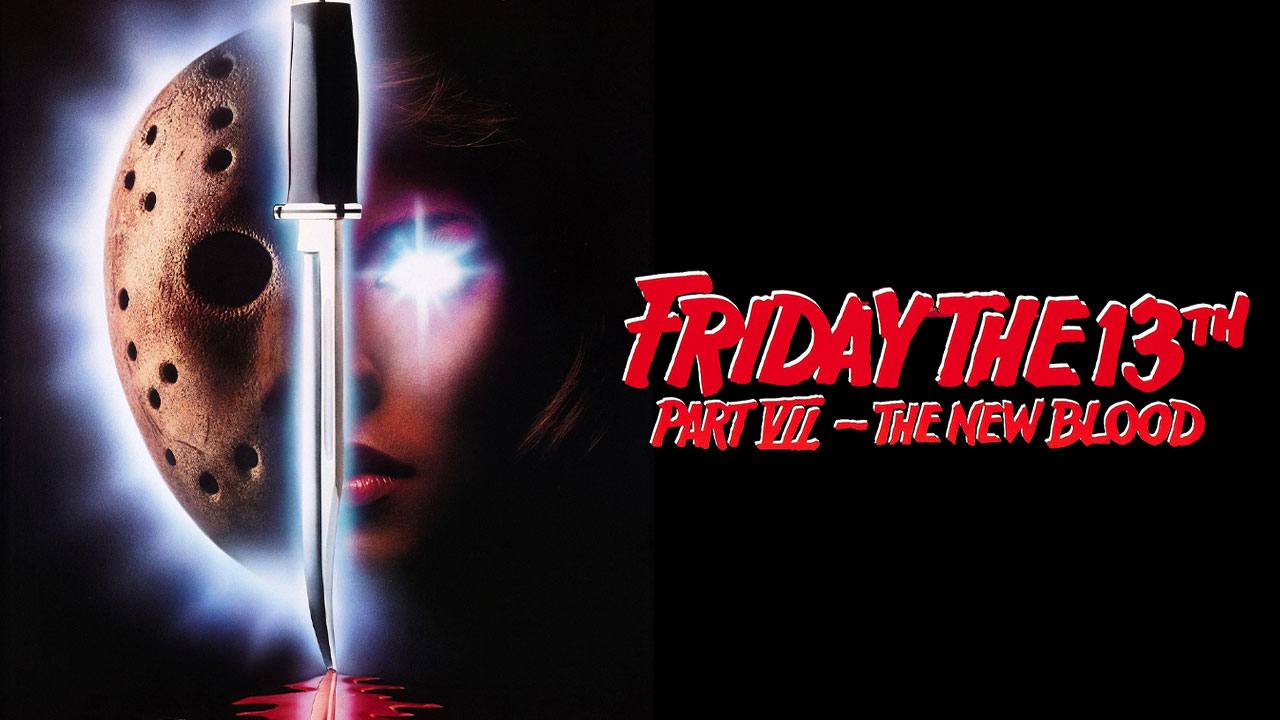
  • Friday the 13th Part VII: The New Blood (1988)

    Friday the 13th Part VII: The New Blood (1988)

    [et_pb_section fb_built=”1″ _builder_version=”4.16″ _module_preset=”default” global_colors_info=”{}”][et_pb_row column_structure=”2_3,1_3″ _builder_version=”4.16″ _module_preset=”default” global_colors_info=”{}”][et_pb_column type=”2_3″ _builder_version=”4.16″ _module_preset=”default” global_colors_info=”{}”][et_pb_text _builder_version=”4.27.4″ _module_preset=”default” global_colors_info=”{}”]While it received better-than-average reviews, Friday the 13th Part VI: Jason Lives was a financial disappointment compared to earlier entries. With a $3 million budget, the film grossed $19.5 million, making it profitable enough to continue the series. Initially, Paramount contacted New Line Cinema about pitting Jason against A Nightmare on Elm Street‘s Freddy, but that fell apart. Instead, writer Daryl Haney suggested having the final girl have psychic powers, pitting Jason against Carrie. For the director, the studio hired John Carl Buechler, famous for his effects work on Re-AnimatorFrom Beyond, and Troll. Buechler suggested Kane Hodder, who he worked with on 1987’s Prison, to play Jason despite the studio’s hesitation. With a $2.8 million budget, filming occurred in Alabama between October and November 1987, with pick-up shots in February 1988. After numerous MPAA-dictated edits, Friday the 13th Part VII: The New Blood opened in May 1988.

    [/et_pb_text][/et_pb_column][et_pb_column type=”1_3″ _builder_version=”4.16″ _module_preset=”default” global_colors_info=”{}”][et_pb_circle_counter title=”Rating” number=”70″ bar_bg_color=”#EDF000″ _builder_version=”4.27.4″ _module_preset=”default” global_colors_info=”{}”][/et_pb_circle_counter][/et_pb_column][/et_pb_row][et_pb_row _builder_version=”4.16″ _module_preset=”default” global_colors_info=”{}”][et_pb_column type=”4_4″ _builder_version=”4.16″ _module_preset=”default” global_colors_info=”{}”][et_pb_text _builder_version=”4.27.4″ _module_preset=”default” global_colors_info=”{}”]

    Synopsis

    After accidentally drowning her father as a child, young psychic Tina (Lar Park-Lincoln) returns to her childhood home. Her mother, Amanda (Susan Blu), and her psychiatrist, Dr. Crews (Terry Kiser), accompany her as part of the treatment. That night, Tina goes to the lake, hoping to bring her father back, but accidentally revives Jason Voorhees (Kane Hodder). Meanwhile, a group of teens are preparing a surprise birthday party, not knowing that their friend meets Jason. Soon, Jason shows up and starts picking off the teens one by one while Tina struggles with her psychic powers. While trying to survive, Tina discovers Dr. Crews intends to exploit her abilities and never meant to help her. After finding her mother dead, Tina decides to use her powers to confront Jason once and for all. Will Tina succeed in sending Jason back to the lake or end up on the chopping block?


    Review

    Friday the 13th Part VII: The New Blood is an entry I enjoy and dislike for various reasons. Admittedly, my reasons for disliking this installment are more what happened to the movie versus the movie itself. By that, I mean the numerous edits made to appease the MPAA and secure an R-rating, which neutered the film. While the filmmakers clashed with the ratings board in the past, this film suffered the most cuts. So many death scenes are cut down to where they lack the impact they should have. For instance, Terry Kiser’s death is over and done within a few seconds, with Jason’s blade barely touching him. Sadly, much of the cut footage no longer exists, so an uncut version will never be released. Unfortunately, a significant issue with the film isn’t the fault of the filmmakers but an oppressive ratings board.

    As for the positive aspects, the principal cast all do a fantastic job playing some of the series’ best characters. Lar Park-Lincoln is great as Tina, showing plenty of vulnerability and eventually stepping up to confront Jason. This film marked Kane Hodder’s first time donning the hockey mask, and he breathed new life into the character. On top of the incredibly rotted look, Hodder gives off an imposing presence not seen in previous Jason actors. Susan Blu is great as Tina’s supporting mother, and Terry Kiser is delightfully hateful as Tina’s manipulative psychiatrist. Kevin Spirtas is decent as Tina’s love interest Nick, while Susan Jennifer Sullivan is fun as the needlessly bitchy Melissa. Unfortunately, the rest of the supporting players aren’t as memorable and come off more as disposable cannon fodder. Although, Elizabeth Kaitain is in the cast, and she makes anything better.

    Despite how neutered the kills are, you can tell there were some brutal deaths, and some weren’t too tampered with. One noteworthy kill involves Jason picking up a girl in a sleeping bag and whacking her against a tree. Initially, Jason whacked her several times, but in the final edit, he hits her once, which is more effective. Also, the finale, with Tina using her psychic powers to battle Jason, is another highlight in terms of spectacle. Jason gets electrocuted, a roof dropped on him, hung, stabbed, and set ablaze, none of which can bring him down. It’s the closest anyone’s come to defeating Jason, and it’s easily one of the best moments in the franchise. Though this film has flaws, you can tell there are good elements despite being edited to appease the MPAA. Overall, Friday the 13th Part VII: The New Blood is neither great nor terrible.


    Buy Friday the 13th Part VII: The New Blood (1988) from Amazon: https://amzn.to/3DgWJZm.

    Disclosure: The above link is an affiliate link, which means that, at zero cost to you, I will earn a commission if you click through the link and finalize a purchase.

    [/et_pb_text][et_pb_code _builder_version=”4.27.4″ _module_preset=”default” hover_enabled=”0″ global_colors_info=”{}” sticky_enabled=”0″]

    Where to watch Friday the 13th: Part VII – The New Blood (1988)

    data-api-key=”LMVDLdLSH5ZJnQ4FMGMgyJCB8cmGbfCV” data-object-type=”Movie” data-title=”Friday the 13th: Part VII – The New Blood” data-year=”1988″ data-theme=”light”>

    [/et_pb_code][/et_pb_column][/et_pb_row][/et_pb_section]
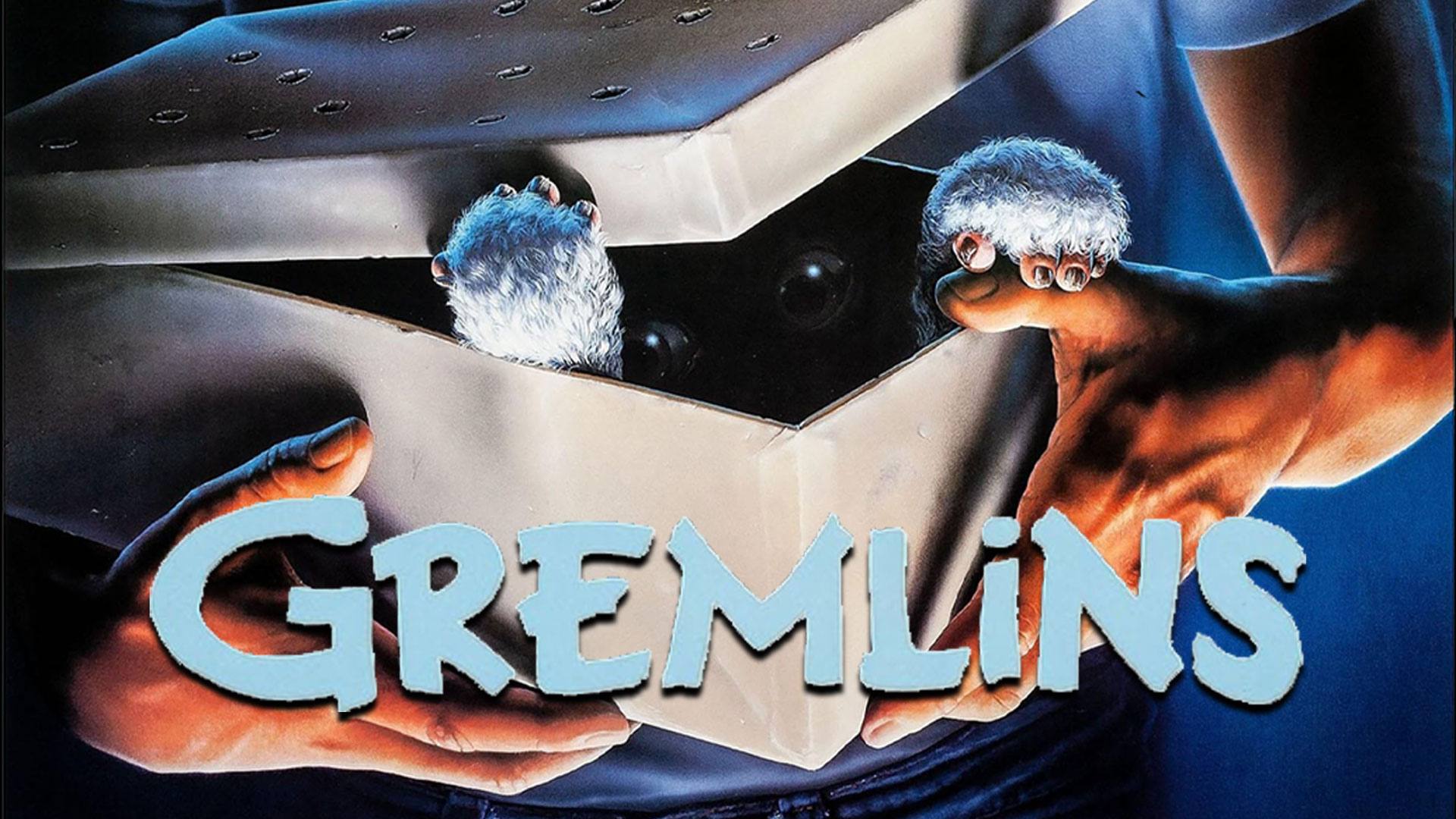
  • Gremlins (1984)

    Gremlins (1984)

    [et_pb_section fb_built=”1″ _builder_version=”4.16″ _module_preset=”default” global_colors_info=”{}”][et_pb_row column_structure=”2_3,1_3″ _builder_version=”4.16″ _module_preset=”default” global_colors_info=”{}”][et_pb_column type=”2_3″ _builder_version=”4.16″ _module_preset=”default” global_colors_info=”{}”][et_pb_text _builder_version=”4.27.4″ _module_preset=”default” global_colors_info=”{}”]In the early 1980s, a young Chris Columbus lived in an apartment loft constantly infested with mice crawling around him. This experience gave him an idea, so he penned a script in 1981 about little monsters running amuck. After shopping it around, the script caught the attention of Steven Spielberg, who agreed to produce it through Amblin Entertainment. Spielberg hired Joe Dante to direct, having previously worked with him on Twilight Zone: The Movie. They hired a relatively unknown Zach Galligan for the lead role due to his chemistry with actress Phoebe Cates. To bring the creatures to life, they hired Chris Walas, who started his career working with Roger Corman alongside Dante. With a modest $11 million budget, filming took place around Los Angeles between April and August 1983. Despite numerous issues with the puppets and an exhaustive shoot, Gremlins hit US theaters in June 1984.

    [/et_pb_text][/et_pb_column][et_pb_column type=”1_3″ _builder_version=”4.16″ _module_preset=”default” global_colors_info=”{}”][et_pb_circle_counter title=”Rating” number=”90″ bar_bg_color=”#7CDA24″ _builder_version=”4.27.4″ _module_preset=”default” global_colors_info=”{}”][/et_pb_circle_counter][/et_pb_column][/et_pb_row][et_pb_row _builder_version=”4.16″ _module_preset=”default” global_colors_info=”{}”][et_pb_column type=”4_4″ _builder_version=”4.16″ _module_preset=”default” global_colors_info=”{}”][et_pb_text _builder_version=”4.27.4″ _module_preset=”default” global_colors_info=”{}”]

    Synopsis

    Rand Peltzer (Hoyt Axton), a struggling inventor, visits a Chinatown antique shop looking for a Christmas gift for his son. Back in their hometown, Kingston Falls, his son Billy (Zach Galligan) is a bank teller looking for more in life. Upon returning home, Rand gives Zach his gift: a small, fuzzy creature called a Mogwai, which they nickname Gizmo. Rand explains three rules: keep Gizmo away from bright lights, don’t get him wet, and don’t feed him after midnight. Unfortunately, while Billy shows him to his friend Pete (Corey Feldman), Gizmo gets wet, creating multiple Mogwai. Led by the mohawked Spike, the Mogwai trick Billy into feeding them after midnight, which turns them into Gremlins. Soon, the Gremlins invade the town and wreak havoc, with Billy and his girlfriend Kate (Phoebe Cates) trying to survive. Will they save their town, or will the Gremlins continue their reign of terror?


    Review

    Gremlins is considered a classic that has endured over 40 years, and with good reason. The film has memorable characters, impressive effects, and a delightful mix of horror and comedy that helps it stand out. Given Joe Dante’s tendency to mix horrific imagery with a sense of humor, he was the perfect choice to direct. The mixture of wholesome, Norman Rockwell-inspired holiday cheer and B-movie monster mayhem is a perfect clash of contrasting elements. It’s as if Dante and Chris Columbus took It’s a Wonderful Life and blended it with a Roger Corman picture. Also, Dante’s direction shines through with colored lighting, harsh shadows, and dynamic angles to enhance the mood. The legendary composer Jerry Goldsmith’s iconic score adds to this mood, which has a playful yet mischievous rhythm. These elements combine to deliver an outstanding film that overcomes its meager budget.

    Zach Galligan does a great job as Billy, giving him a boyish charm that makes him instantly likable and endearing. He shares fantastic chemistry with Phoebe Cates, who delivers a surprisingly chilling monologue that’s so morbid that it’s almost funny. In addition to Hoyt Axton, the cast has some of the best character actors in the business. These include Dick Miller, Keye Luke, Scott Brady, Edward Andrews, Harry Carey Jr., Jackie Joseph, Kenneth Tobey, and William Schallert. Miller and Joseph stand out as the eccentric Futtermans, with Miller’s hard-assed attitude contrasting Joseph’s happy-go-lucky persona. Glyn Turman and Judge Reinhold have memorable moments, and Polly Holliday makes a great foil as the wicked Mrs. Deagle. No matter how minor, everyone in the cast has shining moments that help flesh out the movie’s world. There are even cameos from Chuck Jones, Steven Spielberg, and Robbie the Robot!

    Chris Walas and his team did fantastic work bringing the Gremlins to life through classic puppets and animatronics. Considering their meager budget, the puppets still look good today and easily outdo today’s cartoonish-looking CGI. A talented voice cast, including Howie Mandel, Frank Welker, Peter Cullen, and Michael Winslow, brought them to life. Admittedly, there are moments where you can see the strings and pulleys operating the puppets, but it’s very brief. Still, the team managed to pull off some ambitious shots, such as the bar and movie theater scenes. There’s even some stop-motion animation, which looks somewhat shaky but adds to the charm. At an hour and 46 minutes, the movie moves briskly and offers plenty of laughs and scares. Overall, Gremlins is an unconventional Christmas classic that starts cute and wholesome, turns dark and twisted, and wraps back around. Remember, if something seems off, there might be Gremlins nearby!


    Buy Gremlins from Amazon: https://amzn.to/4iieZBE.

    Disclosure: The above link is an affiliate link, which means that, at zero cost to you, I will earn a commission if you click through the link and finalize a purchase.

    [/et_pb_text][et_pb_code _builder_version=”4.27.4″ _module_preset=”default” hover_enabled=”0″ sticky_enabled=”0″]

    Where to watch Gremlins (1984)

    data-api-key=”LMVDLdLSH5ZJnQ4FMGMgyJCB8cmGbfCV” data-object-type=”Movie” data-title=”Gremlins” data-year=”1984″ data-theme=”light”>

    [/et_pb_code][/et_pb_column][/et_pb_row][/et_pb_section]