Facebook

FilmNerd

Category: Cult Films

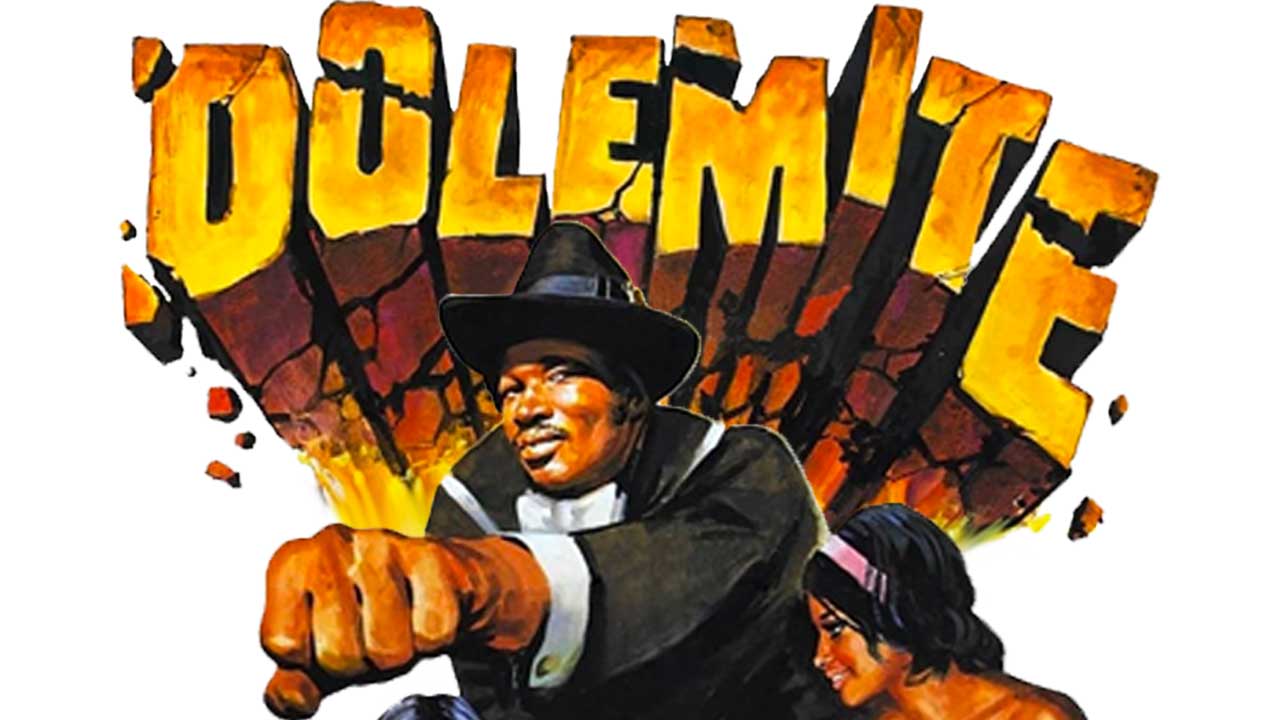
  • Dolemite (1975)

    Dolemite (1975)

    [et_pb_section fb_built=”1″ admin_label=”section” _builder_version=”4.16″ global_colors_info=”{}”][et_pb_row column_structure=”2_3,1_3″ admin_label=”row” _builder_version=”4.16″ background_size=”initial” background_position=”top_left” background_repeat=”repeat” global_colors_info=”{}”][et_pb_column type=”2_3″ _builder_version=”4.16″ custom_padding=”|||” global_colors_info=”{}” custom_padding__hover=”|||”][et_pb_text _builder_version=”4.16″ _module_preset=”default” global_colors_info=”{}”]

    After Sweet Sweetback’s Baadasssss Song hit theaters in 1971, a new film genre began to take shape called “Blaxploitation.” Despite protests from the NAACP, movies like ShaftSuper Fly, and Blacula were raking in the money. Around this time, Rudy Ray Moore released his comedy albums Eat Out More Often and This Pussy Belongs To Me. Both found huge success, but sales declined in 1973, so Moore decided to take his material to the next level. Moore decided to make a film about his pimp character Dolemite, raising $100,000 of his own money to finance it. He met writer/actor Jerry Jones through a mutual acquaintance, who agreed to work with Moore on the script. Jones recommended actor D’Urville Martin to direct, though Martin fully admitted he was only in it for the credit. Following an arduous production, Dolemite made its way onto the big screen in 1975.

    [/et_pb_text][/et_pb_column][et_pb_column type=”1_3″ _builder_version=”4.16″ custom_padding=”|||” global_colors_info=”{}” custom_padding__hover=”|||”][et_pb_circle_counter title=”Rating” number=”70″ bar_bg_color=”#EDF000″ _builder_version=”4.16″ _module_preset=”default” global_colors_info=”{}”][/et_pb_circle_counter][/et_pb_column][/et_pb_row][et_pb_row _builder_version=”4.16″ _module_preset=”default” global_colors_info=”{}”][et_pb_column type=”4_4″ _builder_version=”4.16″ _module_preset=”default” global_colors_info=”{}”][et_pb_text _builder_version=”4.27.4″ _module_preset=”default” hover_enabled=”0″ global_colors_info=”{}” sticky_enabled=”0″]

    Synopsis

    Dolemite (Rudy Ray Moore) is a pimp serving time after being set up by his rival Willie Green (D’Urville Martin). With help from his friend Queen Bee (Lady Reed), the warden lets Dolemite walk free to take down Willie Green. Along the way, detectives Mitchell (John Kerry) and White, who helped Green, hassle Dolemite at every opportunity. Joined by his squad of kung-fu killer prostitutes, Dolemite takes back his club and rebuilds his reputation. Meanwhile, FBI Agent Blakely (Jerry Jones) monitors the situation and keeps tabs on what Dolemite is up to. However, it turns out that Willie Green is working alongside Mayor Daley (Monte ‘Hy’ Pike), who’s pushing for reelection. With the corrupt cops and rival gangs coming in on all sides, Dolemite is in the ride of his life. He’s going to let them know that Dolemite is his name, and f***in up motherf***ers is his game!


    Review

    Dolemite is a film that shouldn’t work, but it rises above its shortcomings to become extraordinary. It has a very homegrown feel where you can tell everyone involved tried their best, even with their inexperience. Jerry Jones is arguably the best actor out of the entire cast, only going over the top when necessary. While he does at times look sleepy, Rudy Ray Moore is firing on all cylinders as the titular hero. Moore has a way with words and delivers some of the most quotable dialogue you’ll ever hear in a movie. Vainus Rackstraw, who plays the small role of Creeper, is memorable for just how weird and drugged out he is. Plus, he has a catchy theme song which, like the rest of the music by Arthur Wright, is fantastic. Of course, there’s the theme song by Ben Taylor, which is just the cherry atop this sundae.

    Admittedly, the flaws are more than apparent here, but they don’t entirely lessen how enjoyable the film is. For one, it’s clear that D’Urville Martin didn’t care when he was directing, as most of the shots look flat. The plot has more holes than swiss cheese, scenes don’t flow together, and there are several dead spots. Also, even in the correct aspect ratio, there are several times where filming equipment and crew members are visible. Apart from Moore and Jones, the rest of the acting ranges from mediocre to subpar to hilariously awful. However, many of these flaws add to its charm, much in the same way as The Evil Dead. The film goes by quickly at about 90 minutes long, though your enjoyment will vary based on your sensibilities. Overall, Dolemite has its fair share of problems, but it more than deserves its status as a blaxploitation classic. 

    Buy Dolemite from Amazon: https://amzn.to/3hgA8hu.

    Disclosure: The above link is an affiliate link, which means that, at zero cost to you, I will earn a commission if you click through the link and finalize a purchase.

    [/et_pb_text][et_pb_code _builder_version=”4.27.4″ _module_preset=”default” global_colors_info=”{}”]

    Where to watch Dolemite (1975)

    data-api-key=”LMVDLdLSH5ZJnQ4FMGMgyJCB8cmGbfCV” data-object-type=”Movie” data-title=”Dolemite” data-year=”1975″ data-theme=”light”>

    [/et_pb_code][/et_pb_column][/et_pb_row][/et_pb_section]
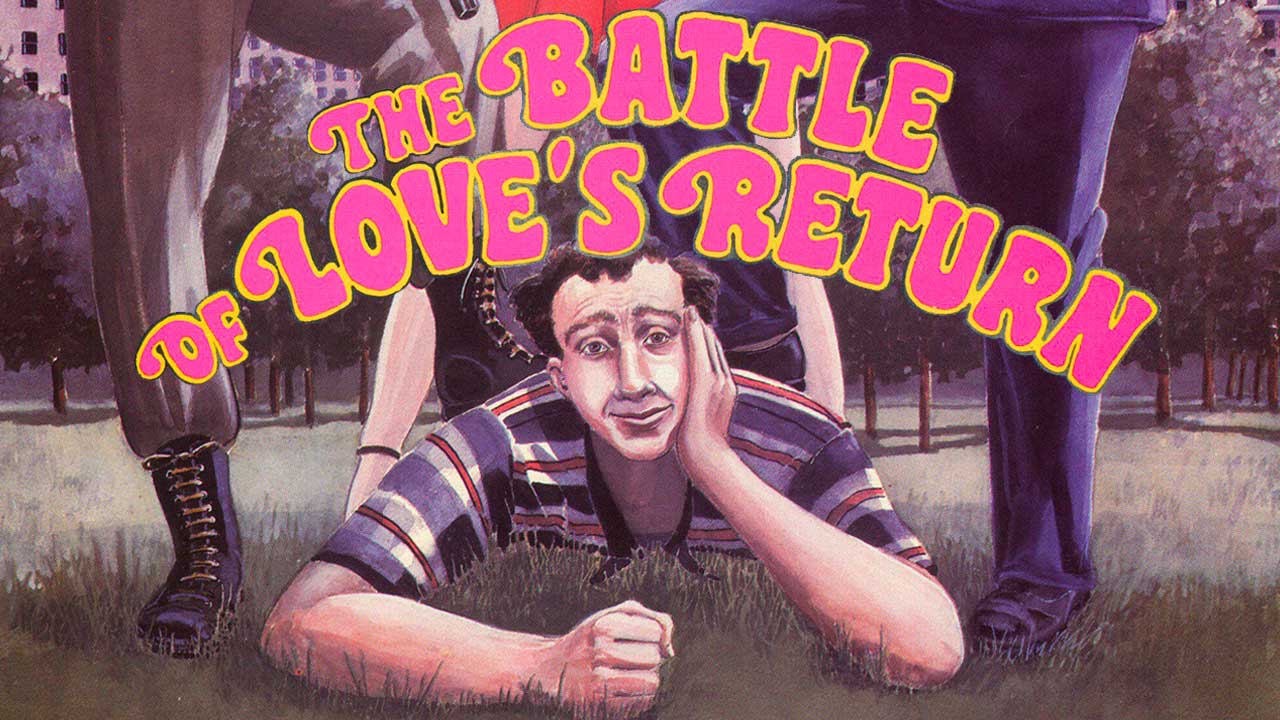
  • The Battle of Love’s Return (1971)

    The Battle of Love’s Return (1971)

    [et_pb_section fb_built=”1″ _builder_version=”4.16″ _module_preset=”default” global_colors_info=”{}”][et_pb_row column_structure=”2_3,1_3″ _builder_version=”4.16″ _module_preset=”default” global_colors_info=”{}”][et_pb_column type=”2_3″ _builder_version=”4.16″ _module_preset=”default” global_colors_info=”{}”][et_pb_text _builder_version=”4.27.4″ _module_preset=”default” hover_enabled=”0″ global_colors_info=”{}” sticky_enabled=”0″]

    After graduating from Yale University, Lloyd Kaufman started working for Cannon Films, where he met up-and-coming filmmaker John G. Avildsen. The two first collaborated on the 1970 film Joe, starring Peter Boyle and a then-unknown Susan Sarandon. Soon after, they worked on the 1971 film Cry Uncle, which Kaufman distributed under his then newly formed Troma Entertainment. Around this time, future Oscar-winning director Oliver Stone returned from Vietnam and earned a film degree from New York University. He attended Yale with Kaufman, so Stone decided to co-produce a few movies in the early 1970s. Kaufman also knew producer Frank Vitale, who would collaborate on Kaufman’s first major motion picture after The Girl Who Returned. With an $8,000 budget, Lloyd Kaufman assembled his team to helm a quirky comedy about life in 1970s New York. In June 1971, The Battle of Love’s Return made its way onto the big screen.

    [/et_pb_text][/et_pb_column][et_pb_column type=”1_3″ _builder_version=”4.16″ _module_preset=”default” global_colors_info=”{}”][et_pb_circle_counter title=”Rating” number=”60″ bar_bg_color=”#EDF000″ _builder_version=”4.16″ _module_preset=”default” global_colors_info=”{}”][/et_pb_circle_counter][/et_pb_column][/et_pb_row][et_pb_row _builder_version=”4.16″ _module_preset=”default” global_colors_info=”{}”][et_pb_column type=”4_4″ _builder_version=”4.16″ _module_preset=”default” global_colors_info=”{}”][et_pb_text _builder_version=”4.27.4″ _module_preset=”default” hover_enabled=”0″ global_colors_info=”{}” sticky_enabled=”0″]

    Synopsis

    Abacrombie (Lloyd Kaufman) is a down-on-his-luck loser who can’t seem to catch a break no matter how hard he tries. After failing a big job from his boss Mr. Crumb (Stanley Kaufman), Abacrombie is fired and left wandering the streets. He passes by a coffee shop and sees his Dream Girl (Lynn Lowry), but he’s too shy to go inside. While trying to find himself, he meets a loafer (Andy Kay), who constantly hounds him for being a square. He even tries to help an old lady (Ida Goodcutt) cross the street but gets beaten by her. At one point, he tries joining a hippie commune only to get laughed at by them and the cops. Despite being scorned by his Dream Girl, Abacrombie is determined to make a name for himself at any cost. Will he succeed and win the battle of love’s return?


    Review

    Compared to Lloyd’s first film, The Battle of Love’s Return is more engaging and not as tedious to watch. While the film is a comedy, don’t expect a joke every five minutes as it veers closer to arthouse territory. There are these odd black-and-white vignettes between the narrative segments where some actors give improvised interviews. I’m not sure what their purpose is other than to paint a picture of people in the early 1970s. Admittedly, the only one I was mildly interested in was where Lynn Lowry plays a Southern belle looking for love. Speaking of, just like in Sugar Cookies, Lowry is positively stunning and is having fun saying some exaggerated lines. Also, look out for an early appearance from Oliver Stone, who has a bit part as Cliff, Abacrombie’s co-worker. He only has one scene, but it’s cool to see him at such a young age.

    Lloyd Kaufman is a mixture of Charlie Chaplin, Buster Keaton, and even some Mel Brooks in terms of acting. Most of the humor is rooted in old-school slapstick, so if you’re not a fan, you probably won’t enjoy this. He moves with exaggerated body movements and gives the same cartoonish faces you’d see in his later films. As far as filmmaking goes, he shoots this in an arthouse style with occasional black-and-white, extreme close-ups, and long takes. While there is a plot, there isn’t any particular structure or complete sequence of events. Things just happen without much of an explanation, like going from hanging with hippies to suddenly fighting in Vietnam. It might be somewhat confusing, but it’s a brisk watch at slightly under 90 minutes, and it’s an intriguing experience. Overall, The Battle of Love’s Return is a fascinating if disjointed early look at Kaufman’s long career.


    Buy The Battle of Love’s Return from Amazon: https://amzn.to/4nX26i0.

    Disclosure: The above link is an affiliate link, which means that, at no additional cost, I will earn a commission if you click through the link and make a purchase.

    [/et_pb_text][et_pb_code _builder_version=”4.27.4″ _module_preset=”default” global_colors_info=”{}”]

    Where to watch The Battle of Love’s Return (1971)

    data-api-key=”LMVDLdLSH5ZJnQ4FMGMgyJCB8cmGbfCV” data-object-type=”Movie” data-title=”The Battle of Love’s Return” data-year=”1971″ data-theme=”light”>

    [/et_pb_code][/et_pb_column][/et_pb_row][/et_pb_section]
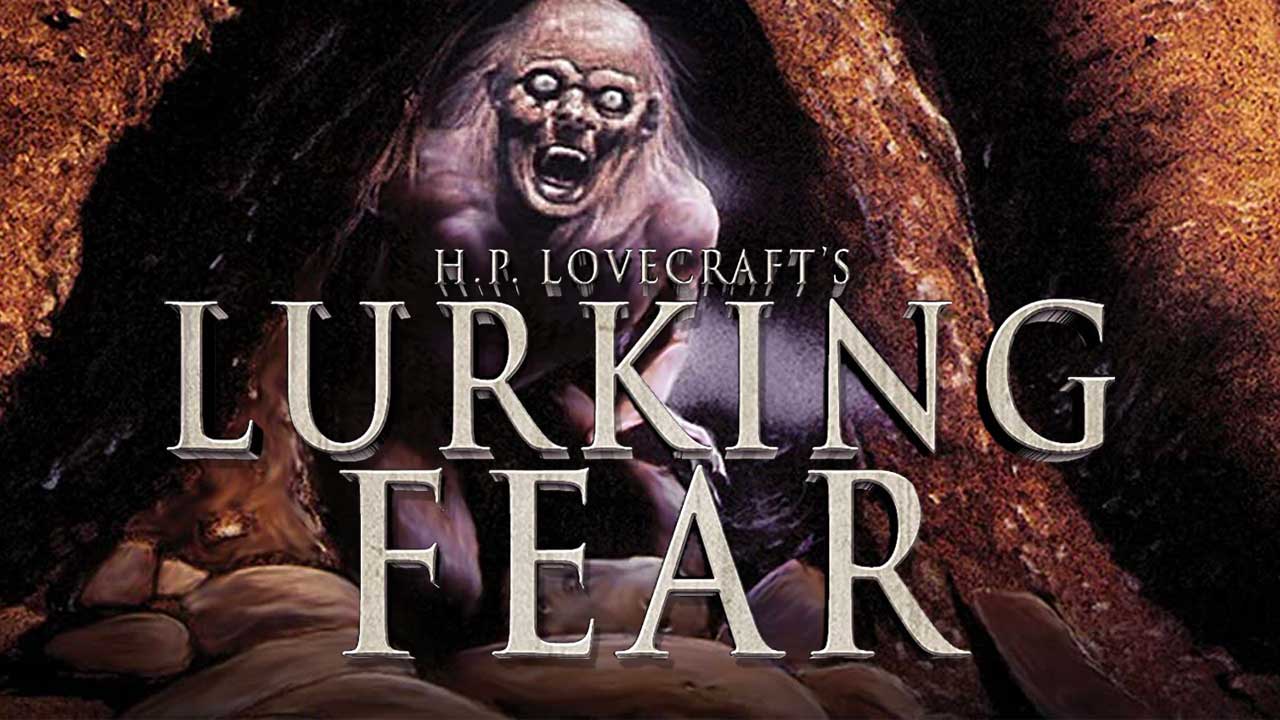
  • Lurking Fear (1994)

    Lurking Fear (1994)

    [et_pb_section fb_built=”1″ _builder_version=”4.16″ _module_preset=”default” global_colors_info=”{}”][et_pb_row column_structure=”2_3,1_3″ _builder_version=”4.16″ _module_preset=”default” global_colors_info=”{}”][et_pb_column type=”2_3″ _builder_version=”4.16″ _module_preset=”default” global_colors_info=”{}”][et_pb_text _builder_version=”4.16″ _module_preset=”default” global_colors_info=”{}”]After the success of 1985’s Re-Animator, director Stuart Gordon and writer Dennis Paoli wanted to adapt another Lovecraft story. They wanted to film Lovecraft’s 1923 short story The Lurking Fear, but Empire Pictures’ collapse canceled the project. Years later, C. Courtney Joyner, who previously wrote Prison for Empire Pictures, directed Trancers III: Deth Lives for Full Moon. Studio head Charles Band was pleased with the sequel, so he offered Joyner the chance to resurrect the Lovecraft adaptation. At the time, Band found success shooting in Romania after filming the Subspecies franchise, so they filmed at Buftea Studios. They brought on Empire/Full Moon veteran Jeffrey Combs, alongside Ashley Laurence, Vincent Schiavelli, and Jon Finch. Unfortunately, Joyner and Finch did not see eye-to-eye, as Finch disagreed with Joyner’s direction and made the experience rough. Despite these setbacks, Lurking Fear finally hit video store shelves in July 1994.

    [/et_pb_text][/et_pb_column][et_pb_column type=”1_3″ _builder_version=”4.16″ _module_preset=”default” global_colors_info=”{}”][et_pb_circle_counter title=”Rating” number=”70″ bar_bg_color=”#EDF000″ _builder_version=”4.16″ _module_preset=”default” global_colors_info=”{}”][/et_pb_circle_counter][/et_pb_column][/et_pb_row][et_pb_row _builder_version=”4.16″ _module_preset=”default” global_colors_info=”{}”][et_pb_column type=”4_4″ _builder_version=”4.16″ _module_preset=”default” global_colors_info=”{}”][et_pb_text _builder_version=”4.27.4″ _module_preset=”default” hover_enabled=”0″ global_colors_info=”{}” sticky_enabled=”0″]

    Synopsis

    After being released from prison, John Martense (Blake Adams) goes to his childhood town of Lefferts Corner. He meets up with family friend Knaggs (Vincent Schiavelli), a local mortician who’s been holding onto part of a map. The map shows the location of a hidden stash of money left by Martense’s father after his last heist. He follows the map to an abandoned church, where he meets Cathryn (Ashley Laurence) and Dr. Haggis (Jeffrey Combs). It turns out that underground monsters have repeatedly attacked the town, and Cathryn lost her sister to the creatures. Soon enough, master thief Bennett (Jon Finch) and his accomplice Ms. Marlowe (Allison Mackie), arrive looking for the stash. Soon enough, the underground dwellers make their way into the church, and the group has to make a stand. Who will survive the onslaught, and who will be the next victim of the lurking fear?


    Review

    Compared to other Lovecraft adaptations from Charles Band, Lurking Fear isn’t as good as Re-Animator or From Beyond. That said, this film has plenty going for it, from the moody atmosphere and the solid cast. Blake Bailey, who later starred in Head of the Family, gives a good performance as a rugged ex-con. Ashley Laurence stands out as the formidable female lead who’s willing to show some vulnerability without seeming weak. On top of looking good with a beard, Jeffrey Combs is fun as the snarky and pessimistic chain-smoking doctor. Vincent Schiavelli has some good moments with Blake Bailey, but his role is more like an extended cameo. Even if he was awful to work with, Jon Finch still makes for a great and imposing villain. Allison Mackie, who was also Joyner’s cousin, has a great femme fatale look and works well along with Finch.

    The movie has a similar “mobsters vs. monsters” vibe as 1985’s Transmutations, but Joyner does a much better job. While that film ruined its approach to combining horror with film noir, this one manages to balance the tone out. Even before the monsters show up, Joyner manages to create a foreboding mood that’s reminiscent of old gothic horror films. Once the monsters show up, it becomes a gruesome onslaught similar to the climax in From Dusk Till Dawn. If there are any problems with the film, I’d say that we don’t get to know our main characters much. We’re given just a basic setup for them before they’re thrown into an explosive climax with copious amounts of gore. While this doesn’t have the lasting power of Stuart Gordon’s adaptations, this one will provide enough entertainment for 75 minutes. Overall, Lurking Fear is an underrated gem that’s worth uncovering.


    Buy Lurking Fear from:

    Disclosure: The above link is an affiliate link, which means that, at zero cost to you, I will earn a commission if you click through the link and finalize a purchase.

    [/et_pb_text][/et_pb_column][/et_pb_row][/et_pb_section]
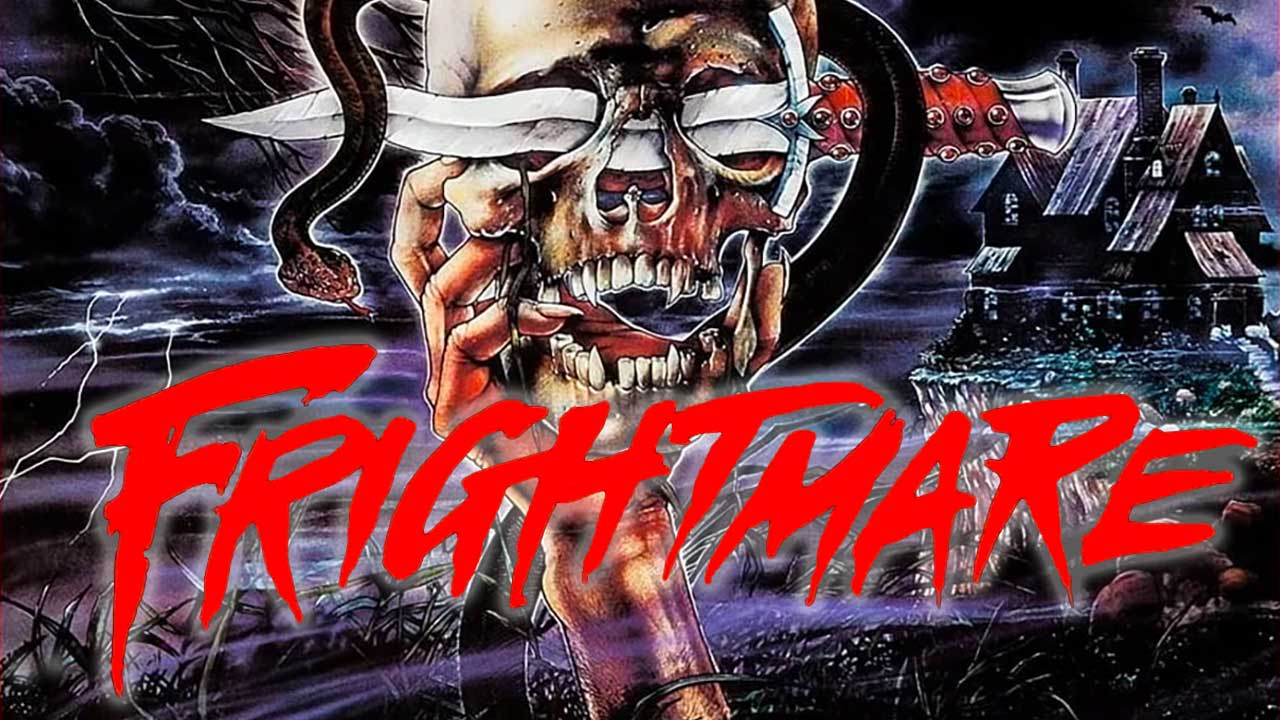
  • Frightmare (1983)

    Frightmare (1983)

    [et_pb_section fb_built=”1″ _builder_version=”4.14.6″ _module_preset=”default” global_colors_info=”{}”][et_pb_row column_structure=”2_3,1_3″ _builder_version=”4.14.6″ _module_preset=”default” global_colors_info=”{}”][et_pb_column type=”2_3″ _builder_version=”4.14.6″ _module_preset=”default” global_colors_info=”{}”][et_pb_text _builder_version=”4.14.7″ _module_preset=”default” hover_enabled=”0″ global_colors_info=”{}” sticky_enabled=”0″]

    Born in 1928, Norman Thaddeus Vane was a successful playwright turned screenwriter turned filmmaker whose career spanned several decades. His first play, “The Penguin,” featured a then-unknown Martin Landau and opened Off-Broadway in 1952 to stellar reviews. In 1960, he transitioned from playwriting to filmmaking by directing Conscience Bay, then writing The Fledglings in 1964. Vane mostly stuck to screenwriting throughout the late 1960s into the 1970s before returning to director in the early 1980s. In 1982, his second feature, The Black Room, featuring then-unknowns Linnea Quigley and Christopher McDonald, saw a West German release. Around the same time, he shot a film that combined tropes from horror films old and new. The movie initially saw a 1981 release as The Horror Star, but Troma picked up the distribution rights years later. Subsequently, Troma later released the film under the title Frightmare.

    [/et_pb_text][/et_pb_column][et_pb_column type=”1_3″ _builder_version=”4.14.6″ _module_preset=”default” global_colors_info=”{}”][et_pb_circle_counter title=”Rating” number=”70″ bar_bg_color=”#EDF000″ _builder_version=”4.14.7″ _module_preset=”default” hover_enabled=”0″ global_colors_info=”{}” sticky_enabled=”0″][/et_pb_circle_counter][/et_pb_column][/et_pb_row][et_pb_row _builder_version=”4.14.6″ _module_preset=”default” global_colors_info=”{}”][et_pb_column type=”4_4″ _builder_version=”4.14.6″ _module_preset=”default” global_colors_info=”{}”][et_pb_text _builder_version=”4.14.7″ _module_preset=”default” hover_enabled=”0″ global_colors_info=”{}” sticky_enabled=”0″]

    Synopsis

    Conrad Razkoff (Ferdy Mayne) is a once-respected horror star who now has to do commercials to make ends meet. A local film society invites him to their school, but unfortunately, he suffers a heart attack while on stage. Thankfully, he recovers, though knowing that death will be coming soon, he starts preparing his funeral. Following his death, the film students get drunk and decide to exhume his body despite objections from Meg (Jennifer Starrett). Conrad’s wife, Etta (Barbara Pilavin), learns that the body is gone, so she meets the psychic, Mrs. Rohmer (Nita Talbot). Rohmer discovers where the body is, and, through Etta’s chanting, Conrad rises from the dead to exact his revenge. One by one, each of the film students gets picked off in a sadistic fashion, more graphic than the last. Having risen from the grave, Conrad Razkoff has gone from playing a monster to being a monster.


    Review

    Frightmare is an oddity, bridging the gap between the atmospheric horror of the past and the rising slasher boom. It has the mood of an old black-and-white chiller and the gore and nudity of an early 80s hack-and-slash movie. It also shows how a once-prominent celebrity can lose relevancy over time and try to reclaim their lost status. As Conrad Radzoff, Ferdy Mayne revels in playing such a larger-than-life character, chewing as much scenery as possible. He’s easily the highlight of the cast as, unfortunately, the rest of the actors don’t particularly stand out. Luca Bercovici from Parasite 3D and Jeffrey Combs, famous for Re-Animator and From Beyond, make early appearances here. Also in the cast are Scott Thomson, who later appeared in Ghoulies, and famous character actress Nita Talbot. It’s odd how a Troma movie would have so many connections with Charles Band’s Empire Pictures and Full Moon Features.

    The cinematographer was Joel King, whose previous credits include being a camera operator for Carrie and The Beastmaster, which shows. He gives the film a surreal, dream-like quality that makes it feel otherworldly, like something out of a nightmare. For a low-budget production, the gore effects are surprisingly well done, the highlight being a decapitation done in slow-motion. Admittedly, the film’s most unique aspect is what somewhat hurts it, which causes an identity crisis. While the old-school atmospheric elements work, the slasher portions feel almost tacked on, likely to appeal to that crowd. Plus, there are hints of Conrad either screwing people over or people using him, but that’s never fully explored. While I wouldn’t go so far as to call this a forgotten masterpiece, it’s still a lesser-known gem worth watching. Overall, Frightmare isn’t perfect, but it has enough going to give it a mild recommendation.


    Buy Frightmare on Amazon: https://amzn.to/3ruol4R.

    Disclosure: The above link is an affiliate link, which means that, at zero cost to you, I will earn a commission if you click through the link and finalize a purchase.

    [/et_pb_text][/et_pb_column][/et_pb_row][/et_pb_section]
  • The Dungeonmaster (1984)

    The Dungeonmaster (1984)

    [et_pb_section fb_built=”1″ _builder_version=”4.14.6″ _module_preset=”default” global_colors_info=”{}”][et_pb_row column_structure=”2_3,1_3″ _builder_version=”4.14.6″ _module_preset=”default” global_colors_info=”{}”][et_pb_column type=”2_3″ _builder_version=”4.14.6″ _module_preset=”default” global_colors_info=”{}”][et_pb_text _builder_version=”4.14.7″ _module_preset=”default” global_colors_info=”{}”]

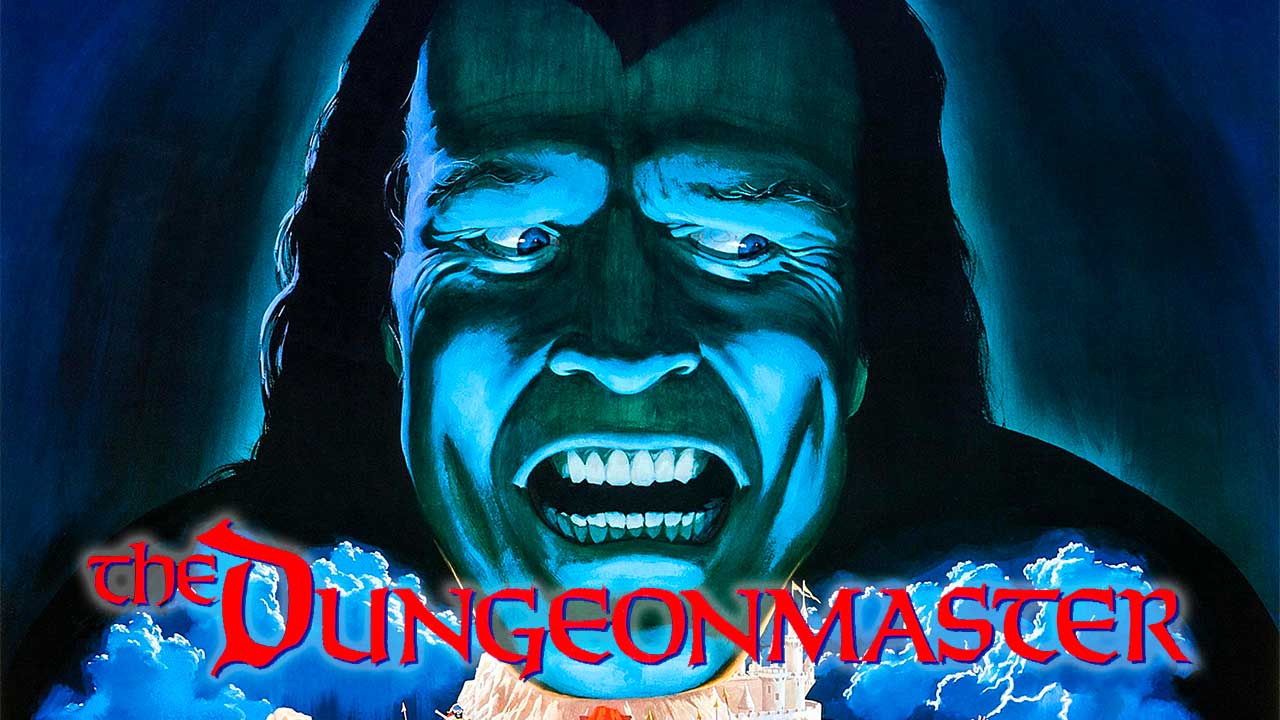
    Charles Band was known for promising directing jobs to people he worked with during the past. Some of the people he offered jobs to included John Carl Buechler, David Allen, Peter Manoogian, and Ted Nicolaou. They worked with Band as editors, make-up effects artists, stop-motion animators, and production managers, but they all wanted to direct. In 1983, Band finally gave them a chance to produce segments of an anthology film called Ragewar. Some of the cast and crew from Metalstorm: The Destruction of Jared-Syn, including Jeffrey Byron and Richard Moll, returned here. The film was initially released as Ragewar but didn’t gain much traction, not even when the studio retitled it Digital Knights. Around this time, the game Dungeons & Dragons exploded in popularity, so Charles Band decided to capitalize on this. The movie finally hit theaters as The Dungeonmaster in the UK in 1984 and the US in 1985.

    [/et_pb_text][/et_pb_column][et_pb_column type=”1_3″ _builder_version=”4.14.6″ _module_preset=”default” global_colors_info=”{}”][et_pb_circle_counter title=”Rating” number=”50″ bar_bg_color=”#E09900″ _builder_version=”4.14.7″ _module_preset=”default” global_colors_info=”{}”][/et_pb_circle_counter][/et_pb_column][/et_pb_row][et_pb_row _builder_version=”4.14.6″ _module_preset=”default” global_colors_info=”{}”][et_pb_column type=”4_4″ _builder_version=”4.14.6″ _module_preset=”default” global_colors_info=”{}”][et_pb_text _builder_version=”4.14.7″ _module_preset=”default” hover_enabled=”0″ global_colors_info=”{}” sticky_enabled=”0″]

    Synopsis

    Paul Bradford (Jeffrey Byron) is a technical wiz who’s developed a super-smart computer called “X-CALBR8”, aka ‘Cal.’ His girlfriend Gwen (Leslie Wing) isn’t too fond of ‘Cal’ as she thinks Paul cares more for it than her. One night, Gwen mysteriously disappears, and Paul finds himself in another dimension, where he sees Gwen chained to a boulder. Their captor is Mestema (Richard Moll), a powerful sorcerer who wants to battle Paul and his supercomputer. Mestema has Paul compete in a series of challenges to see if he can use his technology to overcome them. These challenges involve frozen terrors, zombified warriors, a giant stone golem, a heavy metal band, desert raiders, and a slasher. In between each challenge, Mestema keeps taunting Paul and telling him how he’ll fail and Gwen will be his. Will Paul succeed, or will Gwen fall prey to The Dungeonmaster?


    Review

    In some ways, The Dungeonmaster is a perfect encapsulation of what made Empire Pictures what it was. You’ve got action scenes, hideous monsters, stop-motion creations, occasional nudity, gratuitous use of heavy metal, and nonsensical stories. For an anthology film, the segments don’t flow together cohesively and just hop from one to another. It doesn’t help that each segment lasts roughly five to ten minutes without any development or setup. Each sequence does show off that particular director’s style, such as David Allen’s stop-motion and John Carl Buechler’s practical effects. Charles Band’s segment is probably the film’s highlight, even if it’s essentially a music video for WASP. Interestingly, parts of the WASP segment were incorporated into TerrorVision, made by one of The Dungeonmaster‘s directors, Ted Nicolaou. Unfortunately, this movie isn’t nearly as fun or as gooey as that one was.

    The score by regular Empire/Full Moon composter Richard Band is decent, and it adapts to each segment. Like in Metalstorm, Jeffrey Byron is charismatic and likable, even if it’s hard to buy him as a tech wiz. Leslie Wing is ok as his girlfriend Gwen, though most of her screen time is yelling for Paul. Richard Moll is entertaining as the villainous Mestema, as he’s having fun playing such a larger-than-life villain. There are also some appearances from other Empire/Full Moon alumni, including Gina Calabrese (Vicious Lips) and Phil Fondacaro (Troll). Despite the film having seven total segments, it only clocks in at slightly over 70 minutes in length. Even though it’s a bit of a mess, at least it gets in and out relatively quickly. Overall, The Dungeonmaster doesn’t entirely work, but it has some cheesy fun to entertain genre fans and curious onlookers.


    Buy The Dungeonmaster on Amazon: https://amzn.to/3Hr3l4x.

    Disclosure: The above link is an affiliate link, which means that, at zero cost to you, I will earn a commission if you click through the link and finalize a purchase.

    [/et_pb_text][/et_pb_column][/et_pb_row][/et_pb_section]
  • The Girl Who Returned (1969)

    The Girl Who Returned (1969)

    [et_pb_section fb_built=”1″ _builder_version=”4.14.7″ _module_preset=”default” global_colors_info=”{}”][et_pb_row column_structure=”2_3,1_3″ _builder_version=”4.14.7″ _module_preset=”default” global_colors_info=”{}”][et_pb_column type=”2_3″ _builder_version=”4.14.7″ _module_preset=”default” global_colors_info=”{}”][et_pb_text _builder_version=”4.14.7″ _module_preset=”default” hover_enabled=”0″ global_colors_info=”{}” sticky_enabled=”0″]

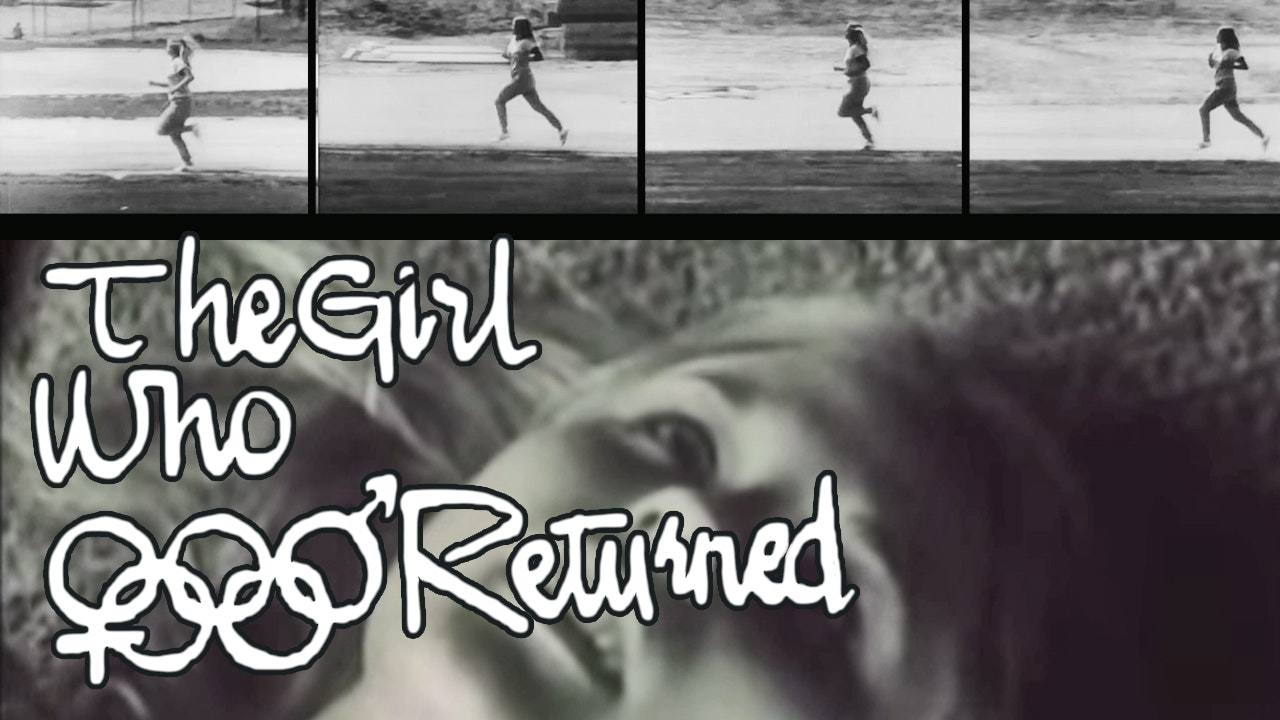
    Long before he brought us The Toxic Avenger, Lloyd Kaufman was a student at Yale University majoring in Chinese studies. In 1966, Kaufman took a break from college to work in the Peace Corps as a pathfinder in Chad. After returning home, he worked as a producer on the film Rappaccini by director Robert Edelstein. Towards the end of his college career, Kaufman decided to try his hand at filmmaking, working with a $2,000 budget. Kaufman could only afford a Bolex camera that didn’t have sound sync and could only record up to 40 seconds. Most of the cast was unknown actors who haven’t appeared in anything since, though future producer Michael Herz appeared. Once filming wrapped, various east coast universities, including Yale and Harvard, screened the film for an eager audience. Now, let’s go back to 1969 and look at Kaufman’s directorial debut, The Girl Who Returned.

    [/et_pb_text][/et_pb_column][et_pb_column type=”1_3″ _builder_version=”4.14.7″ _module_preset=”default” global_colors_info=”{}”][et_pb_circle_counter title=”Rating” number=”50″ bar_bg_color=”#E09900″ _builder_version=”4.14.7″ _module_preset=”default” hover_enabled=”0″ global_colors_info=”{}” sticky_enabled=”0″][/et_pb_circle_counter][/et_pb_column][/et_pb_row][et_pb_row _builder_version=”4.14.7″ _module_preset=”default” global_colors_info=”{}”][et_pb_column type=”4_4″ _builder_version=”4.14.7″ _module_preset=”default” global_colors_info=”{}”][et_pb_text _builder_version=”4.14.7″ _module_preset=”default” hover_enabled=”0″ global_colors_info=”{}” sticky_enabled=”0″]

    Synopsis

    In an alternate reality, the only nations left on Earth are Luxembourg, comprised of women, and Mongolia, ruled by men. Each country competes in an Olympics competition every four years to determine who controls the world. Lucy (Gretchen Herman) trains with her strict coach Geneva (Beverly Galley) to become the best runner in Luxembourg. However, Lucy feels drained and controlled by her domineering coach, so she breaks free from home. She makes her way to Mongolia, where she meets a man (Tim McClean) and instantly falls in love. While the two of them grow as a couple, the Olympics in Luxembourg is in full swing. Soon, Lucy has to decide between her newfound lover and her devotion to her home country. At least, that’s what I think is supposed to be happening in this otherwise jumbled mess of shots.


    Review

    Usually, I can write a review of just about any movie with relatively no trouble, even if they’re incomprehensible. However, I was utterly baffled by The Girl Who Returned and didn’t know what I could say. On the one hand, it’s a fascinating piece of Troma and Lloyd Kaufman’s career history. On the other hand, it’s one of the most confusing and indecipherable movies I’ve ever seen. Of course, not every filmmaker’s first feature will be as good as Citizen Kane or Reservoir Dogs. That said, this feels like the stereotypical student film: black and white photography, no dialogue, and non-traditional storytelling. Also, like many student films, this comes off somewhat pretentious and too ambitious for its own good. It says a lot when even Lloyd Kaufman, the film’s director, refers to the movie as “boring.”

    Since this is a silent film, judging the acting is challenging since there’s no audible dialogue. Going off of body language, much of the cast feels stiff and uninterested, like the actors have no direction. They lack the emotional expression of silent film stars like Buster Keaton, Charlie Chaplin, or Lon Chaney. It doesn’t help that there aren’t any dialogue cards to show us what the characters are saying. The only information given to us comes from a pair of narrators who sound like they’re making things up. At 66 minutes, the film drags on and on until it abruptly ends with no clear resolution. Like I said earlier in the review, Troma completionists will probably enjoy watching this as a curiosity, but that’s it. Overall, The Girl Who Returned has its place, but I wouldn’t recommend this to Troma newcomers.


    Watch The Girl Who Returned on Troma Now: https://bit.ly/3qTL8XI.

    [/et_pb_text][/et_pb_column][/et_pb_row][/et_pb_section]

  • Killjoy 2: Deliverance from Evil (2002)

    Killjoy 2: Deliverance from Evil (2002)

    [et_pb_section fb_built=”1″ _builder_version=”4.16″ _module_preset=”default” global_colors_info=”{}”][et_pb_row column_structure=”2_3,1_3″ _builder_version=”4.16″ _module_preset=”default” global_colors_info=”{}”][et_pb_column type=”2_3″ _builder_version=”4.16″ _module_preset=”default” global_colors_info=”{}”][et_pb_text _builder_version=”4.16″ _module_preset=”default” global_colors_info=”{}”]Alchemy Entertainment/Big City Pictures couldn’t generate enough revenue to sustain itself after only four movies despite its ambitious nature. Following the release of The Vault in 2001, Mel Johnson Jr. left the studio though Charles Band tried sustaining it. With Johnson gone, J.R. Bookwalter of Tempe Entertainment took over to produce a sequel to the label’s biggest hit, Killjoy. Rather than repeating the first film, Band and Bookwalter wanted to take the series in a new direction. Douglas Snauffer wrote the script, adding some inspiration from 1996’s From Dusk Till Dawn, though he later regretted this decision. Unfortunately, the original actor Ángel Vargas couldn’t return for the sequel, so Troma veteran Trent Haaga replaced him. In her directorial debut was actress Tammi Sutton, who appeared in 2001’s Horrorvision and later directed six more films. After a short shooting schedule, Killjoy 2: Deliverance from Evil hit video stores in early 2002.

    [/et_pb_text][/et_pb_column][et_pb_column type=”1_3″ _builder_version=”4.16″ _module_preset=”default” global_colors_info=”{}”][et_pb_circle_counter title=”Rating” number=”60″ bar_bg_color=”#EDF000″ _builder_version=”4.16″ _module_preset=”default” global_colors_info=”{}”][/et_pb_circle_counter][/et_pb_column][/et_pb_row][et_pb_row _builder_version=”4.16″ _module_preset=”default” global_colors_info=”{}”][et_pb_column type=”4_4″ _builder_version=”4.16″ _module_preset=”default” global_colors_info=”{}”][et_pb_text _builder_version=”4.27.4″ _module_preset=”default” hover_enabled=”0″ global_colors_info=”{}” sticky_enabled=”0″]

    Synopsis

    Detention officers Denise Martinez (Debbie Rochon) and Lieutenant Harris Redding (Logan Alexander) must escort a group of juvenile delinquents. The group must spend 90 days at this location to help renovate a group home for fellow troublemakers. Unfortunately, their bus gets a flat tire on the way there, and they have no cell phone reception. Redding takes some of the delinquents to find reception when Raymon “Ray-Ray” Martin (Choice Skinner) finds a seemingly abandoned house. However, Ray-Ray gets shot by the home’s owner Lilly (Tammi Sutton), and the group manages to escape with him. They take refuge in the house of voodoo priestess Kadja Boszo (Rhonda Claerbaut), who says she can heal Ray-Ray. At the same time, delinquent Nicholas “Nic” Gordon (Austin Priester) asks Kadja to summon a revenge demon against the locals. She ends up calling the monstrous Killjoy (Trent Haaga), who soon wreaks havoc on our unlikely heroes.


    Review

    Killjoy 2: Deliverance from Evil does a lot to distinguish itself from the original, but it suffers from similar flaws. Like the first film, the pacing drags quite a bit, and it takes a while for things to pick up. Killjoy doesn’t show up until roughly 45 minutes in, but it gets much better once he does. Though Ángel Vargas’s performance is missed, Trent Haaga plays the demonic clown well and makes it his own. He doesn’t have the snappy one-liners of his predecessors, but he adds a menacing playfulness to the character. Not only that, but the makeup design is much better than how he looked in the first film. Admittedly, most of Haaga’s dialogue consists of laughing and chuckling, but it’s easy to see why he stuck around. Haaga would go on to play the character at least three more times.

    Unfortunately, the rest of the cast doesn’t stand out much, but they serve their purpose well enough. The four main delinquents are mostly there as cannon fodder for Killjoy, but none of them are particularly annoying. Debbie Rochon primarily acts like she’s pissed the entire time, which fits her character, though she has some human moments. Admittedly, having the story revolve around a group of delinquents being reformed is a nice change of pace. Plus, the forest setting helps this stand out from the primarily urban environment of the original. There are some pretty fun kill scenes, though they’re not as wacky or silly as in the original. At an hour and seventeen minutes, the movie does feel padded at times, but it gets out relatively quickly. Overall, Killjoy 2: Deliverance from Evil slightly improves upon its predecessor while having some of the same flaws.


    Buy Killjoy 2: Deliverance from Evil from:

    Disclosure: The above link is an affiliate link, which means that, at zero cost to you, I will earn a commission if you click through the link and finalize a purchase.

    [/et_pb_text][/et_pb_column][/et_pb_row][/et_pb_section]
  • Blades (1989)

    Blades (1989)

    [et_pb_section fb_built=”1″ _builder_version=”4.14.5″ _module_preset=”default” global_colors_info=”{}”][et_pb_row column_structure=”2_3,1_3″ _builder_version=”4.14.5″ _module_preset=”default” global_colors_info=”{}”][et_pb_column type=”2_3″ _builder_version=”4.14.5″ _module_preset=”default” global_colors_info=”{}”][et_pb_text _builder_version=”4.14.5″ _module_preset=”default” global_colors_info=”{}”]

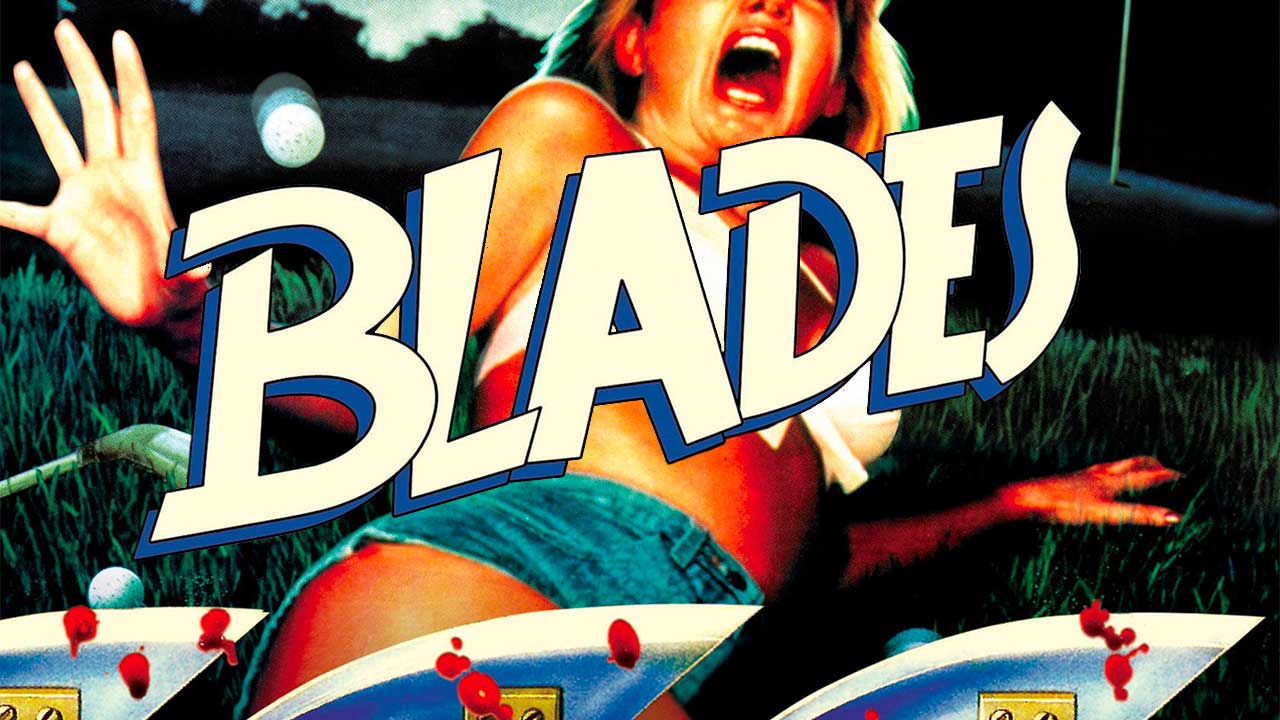
    In 1975, Steven Spielberg’s Jaws became an instant pop culture phenomenon and ushered in the Hollywood blockbuster. Over the years, the film influenced numerous filmmakers and spawned several spoofs and knock-offs trying to capitalize on its success. One person inspired by the Spielberg classic was up-and-coming producer John Finegan, who was looking into making low-budget horror films. The son of a pro golfer, he spent much of his childhood on a golf course with a giant lawnmower. Seeing this gave Finegan the idea to make a spoof of the Spielberg classic with a lawnmower replacing the shark. During a presentation at NYU, Finegan recruited aspiring filmmakers Thomas Rondinella and Bill Pace to work on Girl School Screamers. Once they wrapped filming, Finegan assigned them to work on the Jaws parody film. In 1989, Troma Entertainment distributed the killer lawnmower movie Blades.

    [/et_pb_text][/et_pb_column][et_pb_column type=”1_3″ _builder_version=”4.14.5″ _module_preset=”default” global_colors_info=”{}”][et_pb_circle_counter title=”Rating” number=”60″ bar_bg_color=”#EDF000″ _builder_version=”4.14.5″ _module_preset=”default” global_colors_info=”{}”][/et_pb_circle_counter][/et_pb_column][/et_pb_row][et_pb_row _builder_version=”4.14.5″ _module_preset=”default” global_colors_info=”{}”][et_pb_column type=”4_4″ _builder_version=”4.14.5″ _module_preset=”default” global_colors_info=”{}”][et_pb_text _builder_version=”4.14.5″ _module_preset=”default” hover_enabled=”0″ global_colors_info=”{}” sticky_enabled=”0″]

    Synopsis

    At the Tall Grass Country Club, owner Norman Osgood (William Towner) is preparing for the annual golf tournament. He hires former golfer Roy Kent (Robert North) to organize the event, much to Kelly Lange’s (Victoria Scott) chagrin. Unfortunately, things take a turn for the worst when several people are found dead all over the golf course. Kelly wants to cancel the tournament until they find the killer, but Norman insists the event will stay on. Norman organizes a local search party to search for whoever is responsible as the killings continue. They accuse local groundskeeper Deke Slade (Jeremy Whelan), but he insists that a rogue lawnmower is running amok. After proving to Norman what’s going on, Roy and Kelly team up with Deke to destroy the lawnmower. Just when you thought it was safe to putt, you’ll wish you stayed at the country club.


    Review

    Blades isn’t quite as good as Joe Dante’s Piranha as a Jaws parody, but it’s still enjoyable. People who have practically studied the 1975 film top to bottom will recognize all the scenes copied here. What helps this film stand out is that, instead of an animal attacking people, it’s a machine this time around. The idea of an ordinary lawnmower becoming sentient and killing people is a darkly comedic spin on something so familiar. Like the killer shark movie, this one uses plenty of POV shots before revealing the lawnmower in the climax. When we finally see the lawnmower, it has a monstrous yet straightforward design that’s appropriately ridiculous and threatening. There are some reasonably gruesome death scenes, though most of them consist of people getting their legs chewed off. Even still, this is arguably the best movie about a killer lawnmower for what it’s worth.

    For a low-budget horror-comedy, the cast does a primarily above-average job delivering their lines, though there aren’t many stand-outs. Perhaps the only real stand-out is Jeremy Whelan, who gives a performance that’s almost too good for this type of movie. He plays the part as if he were Robert Shaw rather than just an imitation of his Quint character. While he’s no Roy Schieder, Robert North makes a decent lead and has some interesting character flaws. In addition to filling in the Richard Dreyfuss role, Victoria Scott has some good back-and-forths with North. William Towner fills in for the Amity Island mayor, but he doesn’t have the charisma Murray Hamilton had. At slightly over 90 minutes, the film does take a while to get going, but it goes by quickly. Overall, Blades is a decent parody with above-average acting and a unique concept that B-movie fans can enjoy.


    Buy Blades from Amazon: https://amzn.to/3zMKNsQ.

    Disclosure: The above link is an affiliate link, which means that, at zero cost to you, I will earn a commission if you click through the link and finalize a purchase.

    [/et_pb_text][/et_pb_column][/et_pb_row][/et_pb_section]

  • End of the World (1977)

    End of the World (1977)

    [et_pb_section fb_built=”1″ _builder_version=”4.16″ _module_preset=”default” global_colors_info=”{}”][et_pb_row column_structure=”2_3,1_3″ _builder_version=”4.16″ _module_preset=”default” global_colors_info=”{}”][et_pb_column type=”2_3″ _builder_version=”4.16″ _module_preset=”default” global_colors_info=”{}”][et_pb_text _builder_version=”4.16″ _module_preset=”default” global_colors_info=”{}”]While hardly a household name, writer/director John Hayes certainly had an oddly fascinating career spanning several decades. His first claim to fame was writing the Oscar-nominated short film The Kiss by future TV director Everett Chambers. Throughout the 60s and 70s, Hayes became known for directing various low-budget drive-in exploitation films of varying genres. His movies included titles like The Farmer’s Other DaughterThe Cut-ThroatsGarden of the Dead, and Jailbait Babysitter. Around this time, Charles Band started getting into film production and even dabbled in directing movies. His first film was Last Foxtrot in Burbank, followed by Crash!, which Hayes worked on as a sound mixer. Through his connections with producer Irwin Yablans, Band got Hayes to direct a sci-fi film capitalizing on the disaster craze. With a small budget and some fading genre actors, John Hayes’ End of the World hit theaters in August 1977.

    [/et_pb_text][/et_pb_column][et_pb_column type=”1_3″ _builder_version=”4.16″ _module_preset=”default” global_colors_info=”{}”][et_pb_circle_counter title=”Rating” number=”30″ bar_bg_color=”#E09900″ _builder_version=”4.16″ _module_preset=”default” global_colors_info=”{}”][/et_pb_circle_counter][/et_pb_column][/et_pb_row][et_pb_row _builder_version=”4.16″ _module_preset=”default” global_colors_info=”{}”][et_pb_column type=”4_4″ _builder_version=”4.16″ _module_preset=”default” global_colors_info=”{}”][et_pb_text _builder_version=”4.27.4″ _module_preset=”default” hover_enabled=”0″ global_colors_info=”{}” sticky_enabled=”0″]

    Synopsis

    NASA Professor Andrew Boran (Kirk Scott) starts noticing strange radio signals coming from space that carry a foreboding message. Andrew soon learns that the transmissions are coming from Earth, so he and his wife Sylvia (Sue Lyon) investigate. It turns out that the signals are a warning about a series of natural disasters about to hit Earth. During their investigation, Andrew and Sylvia find themselves kidnapped by aliens disguised as a priest and some nuns. The leader Zindar, disguised as Father Pergado (Christopher Lee), explains that Earth has become a hotbed of diseases. They plan on destroying the planet through a series of natural disasters and force Andrew to steal a Variance Crystal. To do this, Andrew must infiltrate the very same lab he works for and betray humanity to save his wife. Will our heroes survive, and will the aliens bring about the end of the world?


    Review

    Despite his reverence, the late Sir Christopher Lee is no stranger to starring in movies he later came to regret. For example, he apologized to director Joe Dante for starring in The Howling II, the sequel to Dante’s werewolf classic. I mention this because Lee famously called End of the World one of the worst movies he ever starred in. Honestly, having just seen the film, it’s not hard to see why Lee would prefer people not to remember it. Even by 1970s Charles Band standards, this is an absolute mess of half-baked ideas, flat direction, and dull execution. Acting-wise, everyone seems to be either bored or confused as to what exactly is supposed to be happening. Sue Lyon, who was pretty good in Crash!, comes off demure and somewhat bland here. It doesn’t help that Kirk Scott, as her husband, acts as stiff as a board.

    That said, even if he did not want to be there, Christopher Lee seems to be at least trying. He is always the consummate professional, and he delivers his lines with eloquence and grace that’s too good for this movie. Unfortunately, Lee disappears for much of the runtime until roughly halfway through despite his prominent billing. The rest of the film is padded out with boring dialogue scenes, endless driving scenes, and many walking scenes. John Hayes’ direction feels flat, not helped by many outdoor scenes being so darkly lit that you can’t see. Every so often, there’s an explosion, but don’t expect the same level of explosiveness as Laserblast. Ultimately, this movie commits the biggest sin in cinema: it’s boring, which is honestly worse than just being terrible. Overall, unless you’re a die-hard Christopher Lee fan, End of the World is best left forgotten.


    Buy End of the World from:

    Disclosure: The above link is an affiliate link, which means that, at zero cost to you, I will earn a commission if you click through the link and finalize a purchase.

    [/et_pb_text][/et_pb_column][/et_pb_row][/et_pb_section]
  • The Island (1980)

    The Island (1980)

    [et_pb_section fb_built=”1″ _builder_version=”4.16″ _module_preset=”default” global_colors_info=”{}”][et_pb_row column_structure=”2_3,1_3″ _builder_version=”4.16″ _module_preset=”default” global_colors_info=”{}”][et_pb_column type=”2_3″ _builder_version=”4.16″ _module_preset=”default” global_colors_info=”{}”][et_pb_text _builder_version=”4.16″ _module_preset=”default” global_colors_info=”{}”]

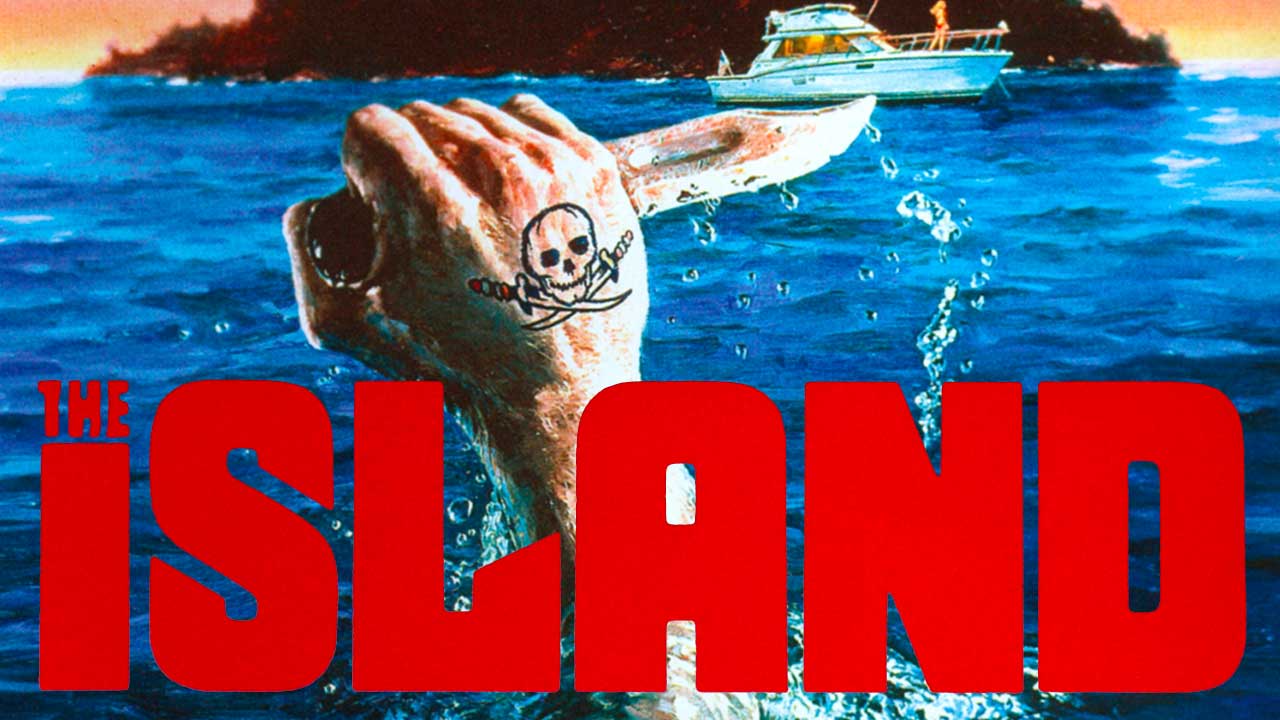
    After the success of Jaws, author Peter Benchley’s work was in high demand, and studios wanted to adapt his work. In 1976, Columbia Pictures and producer Peter Guber bought the film rights to Benchley’s novel The Deep before publication. Benchley wrote the initial screenplay, which Tracy Keenan Wynn and Tom Mankiewicz later rewrote. Off the success of 1968’s Bullit, the studio hired Peter Yates to direct with a $9 million budget. The Deep was released in July 1977 and was a commercial success, grossing over $100 million worldwide. With two back-to-back hits, producers Richard Zanuck and David Brown purchased Benchley’s novel The Island for $2.15 million. Universal hired Michael Ritchie, known for the 1976 comedy The Bad News Bears, to direct on a $22 million budget. After a somewhat rough production period, The Island hit the big screen in June 1980.

    [/et_pb_text][/et_pb_column][et_pb_column type=”1_3″ _builder_version=”4.16″ _module_preset=”default” global_colors_info=”{}”][et_pb_circle_counter title=”Rating” number=”50″ bar_bg_color=”#EDF000″ _builder_version=”4.16″ _module_preset=”default” global_colors_info=”{}”][/et_pb_circle_counter][/et_pb_column][/et_pb_row][et_pb_row _builder_version=”4.16″ _module_preset=”default” global_colors_info=”{}”][et_pb_column type=”4_4″ _builder_version=”4.16″ _module_preset=”default” global_colors_info=”{}”][et_pb_text _builder_version=”4.27.4″ _module_preset=”default” hover_enabled=”0″ global_colors_info=”{}” sticky_enabled=”0″]

    Synopsis

    Blair Maynard (Michael Caine) learns about boats mysteriously disappearing into the Bermuda Triangle and wants to investigate despite some objections. He takes his estranged son Justin (Jeffrey Frank) to Florida, promising a trip to Disney World, and they go fishing. Unfortunately, a group of people invades their boat, getting kidnapped and brought to an unknown island. It turns a group of French pirates has been living on the island isolated from society for centuries. Their leader is the villainous John David Nau (David Warner), who decides to take Justin under his wing. Meanwhile, they force Blair to impregnate Beth (Angela Punch McGregor) since the pirates believe he’s a descendant of Robert Maynard. As time goes on, Justin starts accepting Nau’s indoctrination while Blair becomes increasingly desperate to find a way of escaping. Will Nau succeed in turning Justin to his side, or will Blair rise and save the day?


    Review

    Around this time, Michael Caine was in films solely for money, including The SwarmDressed to Kill, and The Hand. Even still, Caine refuses to talk about The Island, and it’s easy to see why given the final product. On paper, The Island is a movie that sounds like it would be an entertaining, somewhat hard-edged, swashbuckling adventure. Instead, what we get is a two-hour-long slog where nothing happens for a vast majority of its runtime. For one, Caine lacks any on-screen charisma, only showing one facial expression of contempt that never changes. While most of the pirates look appropriately dirty and ragged, David Warner is surprisingly normal-looking and feels out of place. You can tell that these two highly-respected actors try to make the most of the weak material. Unfortunately, even they can’t salvage this mess of a movie, though it does have its positives.

    For one, the production design is certainly unique, with all the various huts made from sticks and other assorted junk. Plus, Michael Ritchie’s direction does help showcase how lived-in and grimy this community of pirates is. There are some fun moments, particularly towards the end where Caine mows down several pirates with a machine gun. However, one of the film’s most significant flaws is the tone, where it can’t decide between being dark or fun. For instance, there’s a scene where the pirates kill the crew of a coastguard ship, and the music feels off. Composed by the legendary Ennio Morricone, the score makes it feel like we should be cheering instead of being scared. It’s a shame the film turned out like this because it could’ve been some long-lost gem worth rediscovering. Overall, The Island is a wasted opportunity that’s best recommended for curious onlookers.


    Buy The Island from Amazon: https://amzn.to/4ppuxqz.

    Disclosure: The above link is an affiliate link, which means that, at no additional cost, I will earn a commission if you click through the link and make a purchase.

    [/et_pb_text][et_pb_code _builder_version=”4.27.4″ _module_preset=”default” hover_enabled=”0″ sticky_enabled=”0″]

    Where to watch The Island (1980)

    data-api-key=”LMVDLdLSH5ZJnQ4FMGMgyJCB8cmGbfCV” data-object-type=”Movie” data-title=”The Island” data-year=”1980″ data-theme=”light”>

    [/et_pb_code][/et_pb_column][/et_pb_row][/et_pb_section]