Facebook

FilmNerd

Category: Comedy

  • Cinderella (1977)

    Cinderella (1977)

    [et_pb_section fb_built=”1″ _builder_version=”4.16.0″ _module_preset=”default” global_colors_info=”{}”][et_pb_row column_structure=”2_3,1_3″ _builder_version=”4.16.0″ _module_preset=”default” global_colors_info=”{}”][et_pb_column type=”2_3″ _builder_version=”4.16.0″ _module_preset=”default” global_colors_info=”{}”][et_pb_text _builder_version=”4.18.0″ _module_preset=”default” global_colors_info=”{}”]After the release of Andy Warhol’s Blue Movie in 1969, a new trend in cinema called “Porno Chic” was born. This trend was a movement where adult films started becoming mainstream and were taken seriously by critics and general audiences. The most successful of these adult films was 1972’s Deep Throat, which grossed a record-breaking $3 million in six months. In the middle of this, there was a mini-trend of adapting children’s stories into adult films, both live-action and animated. Some examples include 1971’s The Erotic Adventures of Pinocchio and 1976’s Alice in Wonderland: An X-Rated Musical Comedy. Seeing the potential at hand, Charles Band decided to make his own adult take on a classic fairy tale. He hired Michael Pataki, who previously directed Mansion of the Doomed, to helm an adult fairy tale including musical numbers. In May 1977, Band’s adult take on Charles Perrault’s Cinderella hit grindhouse theaters.

    [/et_pb_text][/et_pb_column][et_pb_column type=”1_3″ _builder_version=”4.16.0″ _module_preset=”default” global_colors_info=”{}”][et_pb_circle_counter title=”Rating” number=”65″ bar_bg_color=”#EDF000″ _builder_version=”4.16.0″ _module_preset=”default” global_colors_info=”{}”][/et_pb_circle_counter][/et_pb_column][/et_pb_row][et_pb_row _builder_version=”4.16.0″ _module_preset=”default” global_colors_info=”{}”][et_pb_column type=”4_4″ _builder_version=”4.16.0″ _module_preset=”default” global_colors_info=”{}”][et_pb_text _builder_version=”4.27.4″ _module_preset=”default” hover_enabled=”0″ global_colors_info=”{}” sticky_enabled=”0″]

    Synopsis

    Cinderella (Cheryl Smith) lives with her oppressive stepmother (Jennifer Stace) and her stepsisters Drucella (Yana Nirvana) and Marbella (Marilyn Corwin). While she’s stuck having to tend to their every need, Cinderella longs for the day she’ll be free. Meanwhile, The Prince (Brett Smiley) is wary about marriage, which worries The King (Boris Moris) and Queen (Pamela Stonebrook). With The Prince’s 21st birthday approaching, The King decides to host a ball so his son can find a bride. The stepsisters go to the ball, but not before humiliating Cinderella as she has to stay at home. While sleeping, a cat burglar/crossdresser (Sy Richardson) breaks in and convinces Cinderella he’s her fairy godmother. With his help, she gets to go to the ball and have a night with The Prince. Unfortunately, she runs off before The Prince finds out who she is, so he goes out searching for his bride.


    Review

    Cinderella is undoubtedly a product of its time, for better or for worse, which will affect your enjoyment. First off, if you’re uncomfortable with gratuitous nudity and copious amounts of sex, this is not the movie for you. However, if you have an affinity for 70s adult entertainment, this is one of the more entertaining ones. For one, Michael Pataki’s energetic direction keeps the film upbeat and full of energy, so you’re never bored. What also helps is the cast, who all play their parts well and have fun with the material given. On top of being gorgeous, the late Cheryl “Rainbeaux” Smith brings an undeniably sweet charm to her role. Sy Richardson is hilarious in his debut role as the loud-mouthed, snarky, and devious fairy godmother. Admittedly, his character is one of the many elements that date the film considerably and would not fly today.

    The musical segments are surprisingly catchy and will stick in your head quickly, particularly “Snapper” and “Do It To Me.” The rest of the cast gleefully chew through the scenery as they prance about and constantly get naked. Given that this was the 1970s, be prepared to see more bush than a topiary garden that hasn’t been trimmed. Going back to the humor, most of it consists of sexual innuendos and puns, which can get stale fast. Also, while there isn’t much of a plot aside from the original story, this simplicity works in its favor. It serves its purpose of stringing together sex scenes and musical numbers without bogging things down with unnecessary subplots. At slightly over 90 minutes in length, the movie gets in and out quickly and doesn’t overstay its welcome. Overall, Cinderella won’t be for everyone, but fans of oddball adult entertainment should check it out.


    Buy Cinderella from Amazon: https://amzn.to/43ncJnf.

    Disclosure: The above link is an affiliate link, which means that, at zero cost to you, I will earn a commission if you click through the link and finalize a purchase.

    [/et_pb_text][et_pb_code _builder_version=”4.27.4″ _module_preset=”default” hover_enabled=”0″ sticky_enabled=”0″]

    Where to watch Cinderella (1977)

    data-api-key=”LMVDLdLSH5ZJnQ4FMGMgyJCB8cmGbfCV” data-object-type=”Movie” data-title=”Cinderella” data-year=”1977″ data-theme=”light”>

    [/et_pb_code][/et_pb_column][/et_pb_row][/et_pb_section]

  • Big Gus, What’s the Fuss? (1973)

    Big Gus, What’s the Fuss? (1973)

    [et_pb_section fb_built=”1″ admin_label=”section” _builder_version=”4.15″ global_colors_info=”{}”][et_pb_row column_structure=”2_3,1_3″ admin_label=”row” _builder_version=”4.15″ background_size=”initial” background_position=”top_left” background_repeat=”repeat” global_colors_info=”{}”][et_pb_column type=”2_3″ _builder_version=”4.15″ custom_padding=”|||” global_colors_info=”{}” custom_padding__hover=”|||”][et_pb_text _builder_version=”4.15.1″ _module_preset=”default” global_colors_info=”{}”]

    By the early 1970s, Lloyd Kaufman was only a few years away from co-founding Troma Entertainment with Michael Herz. Kaufman had two directing credits under his belt, The Girl Who Returned and The Battle of Love’s Return. Around this time, producer Ami Artzi had his first film, The Dreamer, premiere at the 1972 Cannes Film Festival. Artzi convinced Kaufman and Herz that making a G-rated family comedy in Israel would be easy money. Not only would it be a hit in Israel, but the film could also play at American synagogues. Unfortunately, the trouble started when the original script Kaufman and Herz turned in was drastically rewritten by the Israeli producers. In the end, Kaufman and Herz lost money when the film flopped upon release due to war breaking out. In 1973, Schwartz: The Brave Detective, aka Big Gus, What’s The Fuss? came and went.

    [/et_pb_text][/et_pb_column][et_pb_column type=”1_3″ _builder_version=”4.15″ custom_padding=”|||” global_colors_info=”{}” custom_padding__hover=”|||”][et_pb_circle_counter title=”Rating” number=”25″ bar_bg_color=”#E02B20″ _builder_version=”4.15.1″ _module_preset=”default” global_colors_info=”{}”][/et_pb_circle_counter][/et_pb_column][/et_pb_row][et_pb_row _builder_version=”4.15.1″ _module_preset=”default” global_colors_info=”{}”][et_pb_column type=”4_4″ _builder_version=”4.15.1″ _module_preset=”default” global_colors_info=”{}”][et_pb_text _builder_version=”4.15.1″ _module_preset=”default” hover_enabled=”0″ global_colors_info=”{}” sticky_enabled=”0″]

    Synopsis

    Detective Schwartz (Bomba Tzur) is a former cop turned private investigator who works alongside his partner Simcha (Yosef Shiloach). A wealthy man has hired them to spy on his wife, who he fears is cheating on him. The wife has an affair with her doctor, so the detectives decide to take on the case. While they manage to get photographic evidence, they accidentally lose the footage, and the doctor finds out what they’re doing. In retaliation, he hires a mob boss to send his goons after Schwartz and Simcha to hide the truth. A series of “wacky” hijinks follow as our heroes try to outrun the mob and expose the wife. Thankfully, Schwartz and Simcha have friends in high places who can help them out of this jam. Will our heroes succeed, what will happen to the wife, and just who is Gus?


    Review

    Over the years, Lloyd Kaufman said Big Gus, What’s The Fuss? “did more damage to the Jews than Mein Kempf.” While Lloyd’s statement might be hyperbolic, it’s not like Big Gus, What’s The Fuss? is some misunderstood masterpiece. Perhaps it’s a case of culture clash since I’m not Israeli, but I can’t imagine enjoying this if I was. Cultural issues aside, this is one of the most confusing and disjointed films I’ve seen since starting this site. What’s strange is that, at first, it begins simply enough as a goofy comedy about two bumbling detectives. The plot goes off the rails into pure chaos at some point as it devolves into a string of gags. They make no sense in context and come out of nowhere, including one involving a random couple rehearsing a scene. It doesn’t help that almost none of these gags aren’t the least bit funny.

    From what I understand, many of the cast members were famous in their native land and considered superstars. Admittedly, I’ve never heard of these actors, let alone seen their previous work, so I can’t say for sure. Most of them resort to simply mugging for the camera and making silly noises thinking that’s funny. It seems like they’re trying to capture the madcap energy of Benny Hill without understanding what made him work. It doesn’t help that this film is G-rated, meaning we don’t get the sexy shenanigans Benny Hill was known for. The soundtrack comprises only two songs repeatedly played throughout, which adds to the painful viewing experience. While not as bad as It’s Pat or Freddy Got Fingered, this is still a terrible comedy. Overall, unless you’re a Troma completionist, Big Gus, What’s The Fuss? is best left forgotten.


    Download Big Gus, What’s The Fuss? from Troma Direct: https://bit.ly/3qsWAZM.

    [/et_pb_text][/et_pb_column][/et_pb_row][/et_pb_section]
  • Petey Wheatstraw (1977)

    Petey Wheatstraw (1977)

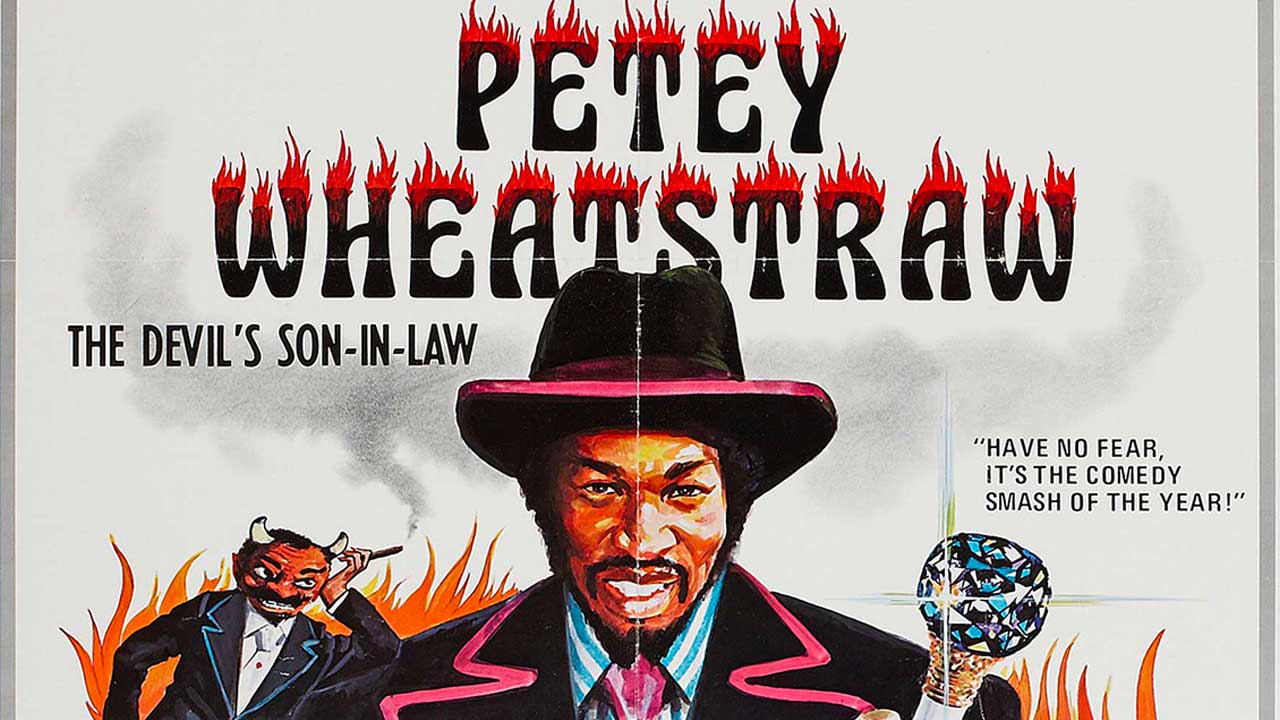
    [et_pb_section fb_built=”1″ admin_label=”section” _builder_version=”4.16″ global_colors_info=”{}”][et_pb_row column_structure=”2_3,1_3″ admin_label=”row” _builder_version=”4.16″ background_size=”initial” background_position=”top_left” background_repeat=”repeat” global_colors_info=”{}”][et_pb_column type=”2_3″ _builder_version=”4.16″ custom_padding=”|||” global_colors_info=”{}” custom_padding__hover=”|||”][et_pb_text _builder_version=”4.16″ _module_preset=”default” global_colors_info=”{}”]While Dolemite was a hit, The Human Tornado was an even bigger hit when it landed in theaters in 1976. Rudy Ray Moore knew he had to keep the momentum going with two back-to-back hit films under his belt. Having been impressed with his work on the last movie, Moore rehired Cliff Roquemore as director and writer. Instead of doing another Dolemite picture, Moore adapted another character from his stand-up routine: Petey Wheastraw: The Devil’s Son-In-Law. Much like how Moore gave him an opportunity, Roquemore decided to help out actors like Ebony Wright. With an estimated budget of around $700,000 to $750,000, this was Moore’s most expensive film at the time. Unfortunately, Dimension Pictures was facing financial troubles, so Transvue Pictures picked up the distribution rights. In late 1977, Rudy Ray Moore’s third major motion picture, Petey Wheatstraw, hit the big screen across the US.

    [/et_pb_text][/et_pb_column][et_pb_column type=”1_3″ _builder_version=”4.16″ custom_padding=”|||” global_colors_info=”{}” custom_padding__hover=”|||”][et_pb_circle_counter title=”Rating” number=”60″ bar_bg_color=”#EDF000″ _builder_version=”4.16″ _module_preset=”default” global_colors_info=”{}”][/et_pb_circle_counter][/et_pb_column][/et_pb_row][et_pb_row _builder_version=”4.16″ _module_preset=”default” global_colors_info=”{}”][et_pb_column type=”4_4″ _builder_version=”4.16″ _module_preset=”default” global_colors_info=”{}”][et_pb_text _builder_version=”4.27.2″ _module_preset=”default” global_colors_info=”{}”]

    Synopsis

    During a great Miami hurricane, a young woman (Rose Jewel Williams) gives birth to a six-year-old boy (Clifford Roquemore II). After the boy asserts dominance towards his father (Sy Richardson), his mother names him Petey Wheatstraw. As a teenager, Petey (Danny Poinson) trains under a martial arts master named Bantu (Brian Breye) after getting bullied. Now an adult, Petey (Rudy Ray Moore) is a successful comedian known for insulting the crowd and generally being loud. Rival comedians Leroy (Leroy Daniels) and Skillet (Ernest Mayhand) want Petey stopped, so they hire thugs to gun him down. In death, Petey meets Lou Cipher, aka Lucifer (G. Tito Shaw), who offers to make a deal with him. Lucifer will bring Petey back to life if he agrees to marry his daughter and bear him a grandson. Petey agrees and exacts his revenge, but he plans to double-cross the devil.


    Review

    Of Rudy Ray Moore’s movies, Petey Wheatstraw is easily the strangest of them all, which is both good and bad. On the one hand, it’s admirable that they tried doing something different and not retread the same ground. On the other hand, mixing various genres – comedy, horror, drama – might put off fans of Moore’s earlier movies. You know you’ve gone off the rails when a wacky comedy suddenly has a scene of a kid getting shot. Not only that but it’s followed up with an entire group of people getting gunned down after said kid’s funeral. Neither scene is played for laughs, and it’s such a weird tonal shift for such an odd movie. It’s even stranger when the film goes back to comedy, and the earlier dramatic scenes are glossed over. It’s almost admirable how they go all over the place with the film’s tone.

    Once again, Rudy Ray Moore is the film’s highlight, spouting off loud insults and making ridiculous faces. Also, there’s another outrageous sex scene with Moore, but this one’s reminiscent of a similar scene from A Clockwork Orange. G. Tito Shaw is almost the Jerry Jones of the film, delivering a very straight-laced performance with moments of outburst. Leroy and Skillet are funny during their stand-up routine, acting as a black version of Abbott and Costello. You can tell that Cliff Roquemore enjoyed having more control over this film, especially with the running motif of watermelons. There are still signs of the movie’s low budget, such as the laughable demon make-up, but these add charm. Your enjoyment will largely depend on how much you can handle the film’s juggling of genres for what it’s worth. Overall, Petey Wheatstraw isn’t as good as the last two, but it’s too weird to miss.


    Buy Petey Wheatstraw from Amazon: https://amzn.to/4ee0cog.

    Disclosure: The above link is an affiliate link, which means that, at zero cost to you, I will earn a commission if you click through the link and finalize a purchase.

    [/et_pb_text][et_pb_code _builder_version=”4.27.4″ _module_preset=”default” hover_enabled=”0″ sticky_enabled=”0″]

    Where to watch Petey Wheatstraw (1977)

    data-api-key=”LMVDLdLSH5ZJnQ4FMGMgyJCB8cmGbfCV” data-object-type=”Movie” data-title=”Petey Wheatstraw” data-year=”1977″ data-theme=”light”>

    [/et_pb_code][/et_pb_column][/et_pb_row][/et_pb_section]

  • The Human Tornado (1976)

    The Human Tornado (1976)

    [et_pb_section fb_built=”1″ admin_label=”section” _builder_version=”4.16″ global_colors_info=”{}”][et_pb_row column_structure=”2_3,1_3″ admin_label=”row” _builder_version=”4.16″ background_size=”initial” background_position=”top_left” background_repeat=”repeat” global_colors_info=”{}”][et_pb_column type=”2_3″ _builder_version=”4.16″ custom_padding=”|||” global_colors_info=”{}” custom_padding__hover=”|||”][et_pb_text _builder_version=”4.16″ _module_preset=”default” global_colors_info=”{}”]

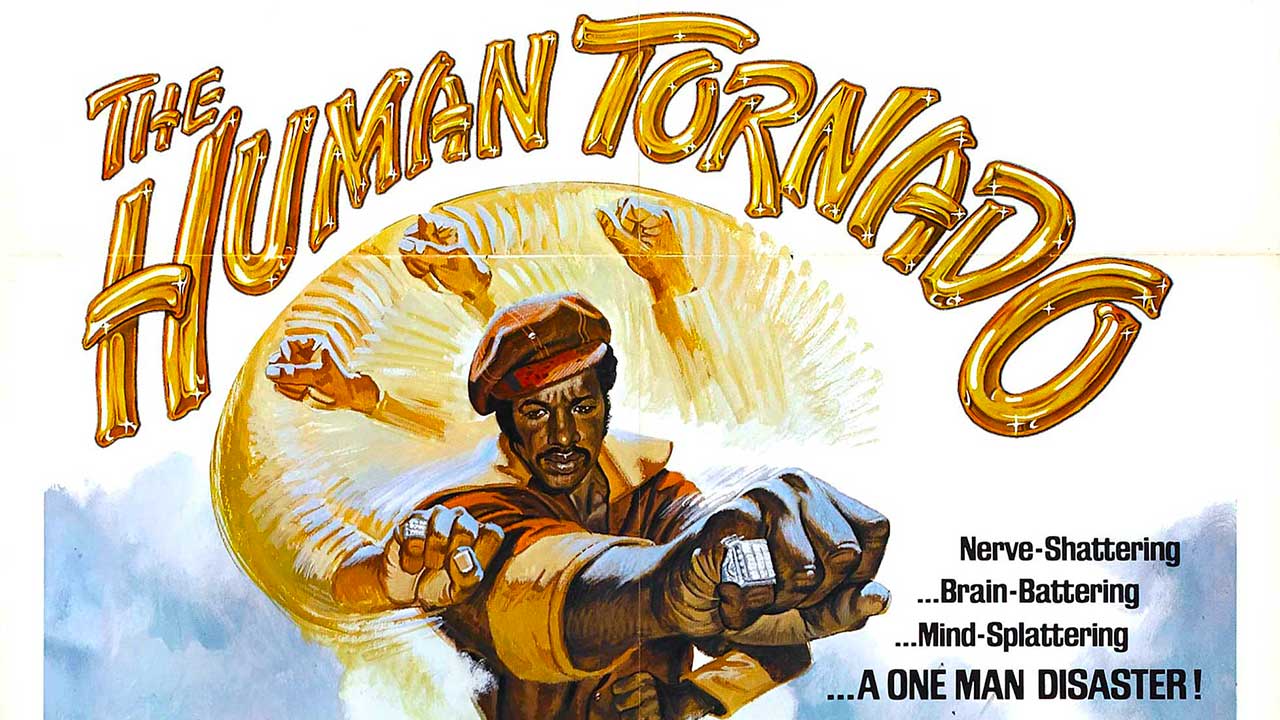
    Rudy Ray Moore took a huge gamble when making Dolemite, but thankfully, that gamble paid off. While people didn’t track box office totals back then, it’s reported that the film grossed $12 million on a $100,000 budget. Moore decided to strike while the iron was hot and make a sequel with this success. Since D’Urville Martin didn’t care about the original, Moore hired a new director to helm the project. Through his producing partner T. Toney, Moore met theater director Cliff Roquemore, a Detroit native looking for his big break. Moore liked his theater work and hired Roquemore to helm the sequel with his ideas for the film. Much of the cast and crew from the original returned, and the shoot went much smoother this time around. After a four-week shooting schedule, The Human Tornado made its way to theaters in the summer of 1976.

    [/et_pb_text][/et_pb_column][et_pb_column type=”1_3″ _builder_version=”4.16″ custom_padding=”|||” global_colors_info=”{}” custom_padding__hover=”|||”][et_pb_circle_counter title=”Rating” number=”75″ bar_bg_color=”#EDF000″ _builder_version=”4.16″ _module_preset=”default” global_colors_info=”{}”][/et_pb_circle_counter][/et_pb_column][/et_pb_row][et_pb_row _builder_version=”4.16″ _module_preset=”default” global_colors_info=”{}”][et_pb_column type=”4_4″ _builder_version=”4.16″ _module_preset=”default” global_colors_info=”{}”][et_pb_text _builder_version=”4.16″ _module_preset=”default” global_colors_info=”{}”]

    Synopsis

    Dolemite (Rudy Ray Moore) throws a massive party at his mansion to celebrate after a successful comedy tour. Unfortunately, the party’s interrupted when the racist Sheriff Beatty (J.B. Baron) breaks in, finding his wife in bed with Dolemite. Dolemite escapes and hits the road with his friends Bo (Ernie Hudson), Jimmy (James Cromartie), and Dough (Ed Montgomery). Once home, Queen Bee (Lady Reed) tells Dolemite that local crime boss Cavaletti (Herb Graham) kidnapped two of his girls. Meanwhile, Beatty enlists police Captain Ryan (Jack Kelly) to hunt down Dolemite, informing Agent Blakely (Jerry Jones) of the situation. With help from his lady friend Hurricane Annie (Gloria Delaney), Dolemite kicks ass and takes names searching for his girls. It’s up to Dolemite and company to free the girls, take out Cavaletti, and get even with the racist sheriff. It’s a hell of a storm when The Human Tornado rolls in!


    Review

    Compared to its predecessor, The Human Tornado is in many ways an improvement that enhances what made the original work. It’s got the same wacky humor, kung-fu fighting, and vulgar taunts as Dolemite, but cranked up to 11. One example of the gags going more over-the-top is when they replay Rudy Ray Moore doing an outrageous stunt. Like in the last film, Rudy Ray Moore is firing on all cylinders and then some with his performance. You can tell he’s having more fun with his exaggerated body movements and how he delivers his ridiculous lines. Compared to D’Urville Martin, Cliff Roquemore’s direction is superior, with all the fast and slow-motion effects added. His kinetic filmmaking adds to just how wild and crazy the overall film is, making it overwhelming at times. Honestly, you’ll be so overwhelmed, you’ll feel like Barbara Gerl’s character by the film’s end.

    It’s great seeing a young Ernie Hudson playing a relatively significant supporting role, and he does a great job. Also, Jerry Jones gives another excellent performance as Blakely, though he doesn’t have as much to do here. The rest of the supporting cast play their parts as appropriately exaggerated as possible, further adding to the film’s charm. You can tell that the crew learned a lot from the last movie, given the lack of noticeable technical flubs. Admittedly, even though this is supposed to be a sequel, it works more as a standalone film. Plus, while the last movie almost had little to no plot, this one has almost too much story to follow. Still, if you can sit back and not take it too seriously, you’ll be in for a fun thrill ride. Overall, The Human Tornado takes what worked before and doubles down on that tenfold.


    Buy The Human Tornado from Amazon: https://amzn.to/35boPEI.

    Disclosure: The above link is an affiliate link, which means that, at zero cost to you, I will earn a commission if you click through the link and finalize a purchase.

    [/et_pb_text][et_pb_code _builder_version=”4.27.4″ _module_preset=”default” hover_enabled=”0″ sticky_enabled=”0″]

    Where to watch The Human Tornado (1976)

    data-api-key=”LMVDLdLSH5ZJnQ4FMGMgyJCB8cmGbfCV” data-object-type=”Movie” data-title=”The Human Tornado” data-year=”1976″ data-theme=”light”>

    [/et_pb_code][/et_pb_column][/et_pb_row][/et_pb_section]
  • Dolemite (1975)

    Dolemite (1975)

    [et_pb_section fb_built=”1″ admin_label=”section” _builder_version=”4.16″ global_colors_info=”{}”][et_pb_row column_structure=”2_3,1_3″ admin_label=”row” _builder_version=”4.16″ background_size=”initial” background_position=”top_left” background_repeat=”repeat” global_colors_info=”{}”][et_pb_column type=”2_3″ _builder_version=”4.16″ custom_padding=”|||” global_colors_info=”{}” custom_padding__hover=”|||”][et_pb_text _builder_version=”4.16″ _module_preset=”default” global_colors_info=”{}”]

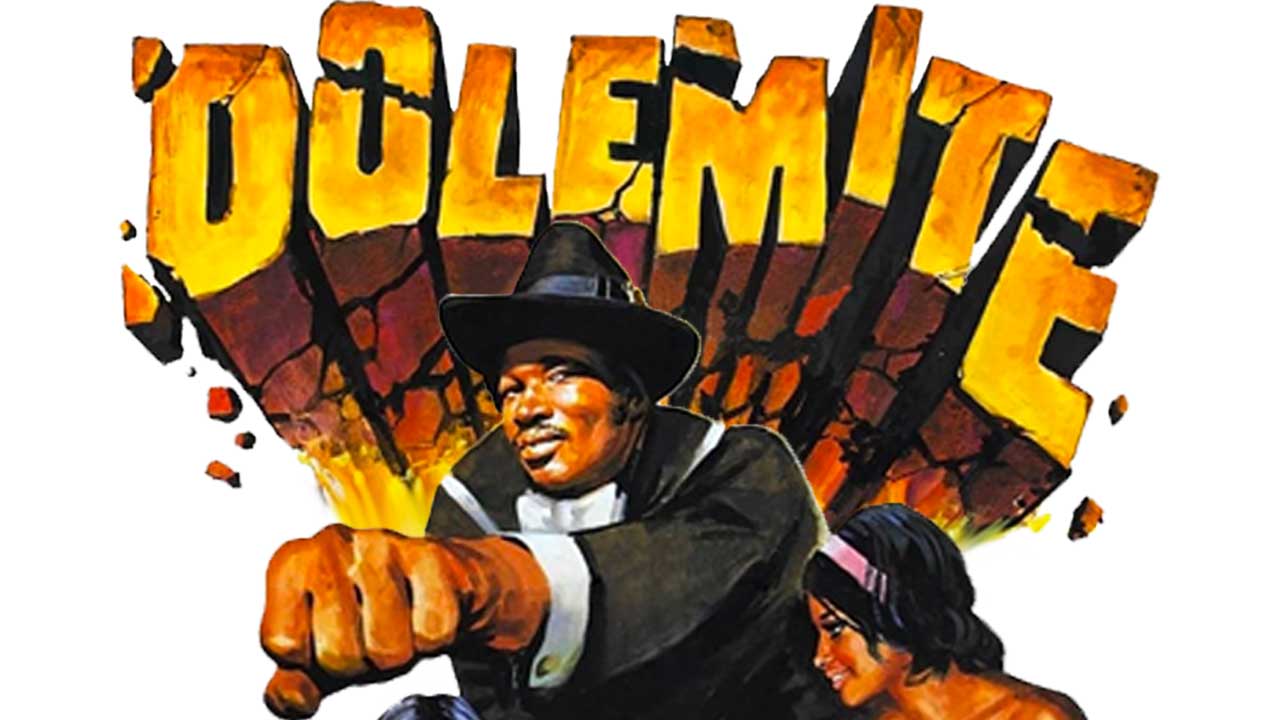
    After Sweet Sweetback’s Baadasssss Song hit theaters in 1971, a new film genre began to take shape called “Blaxploitation.” Despite protests from the NAACP, movies like ShaftSuper Fly, and Blacula were raking in the money. Around this time, Rudy Ray Moore released his comedy albums Eat Out More Often and This Pussy Belongs To Me. Both found huge success, but sales declined in 1973, so Moore decided to take his material to the next level. Moore decided to make a film about his pimp character Dolemite, raising $100,000 of his own money to finance it. He met writer/actor Jerry Jones through a mutual acquaintance, who agreed to work with Moore on the script. Jones recommended actor D’Urville Martin to direct, though Martin fully admitted he was only in it for the credit. Following an arduous production, Dolemite made its way onto the big screen in 1975.

    [/et_pb_text][/et_pb_column][et_pb_column type=”1_3″ _builder_version=”4.16″ custom_padding=”|||” global_colors_info=”{}” custom_padding__hover=”|||”][et_pb_circle_counter title=”Rating” number=”70″ bar_bg_color=”#EDF000″ _builder_version=”4.16″ _module_preset=”default” global_colors_info=”{}”][/et_pb_circle_counter][/et_pb_column][/et_pb_row][et_pb_row _builder_version=”4.16″ _module_preset=”default” global_colors_info=”{}”][et_pb_column type=”4_4″ _builder_version=”4.16″ _module_preset=”default” global_colors_info=”{}”][et_pb_text _builder_version=”4.27.4″ _module_preset=”default” hover_enabled=”0″ global_colors_info=”{}” sticky_enabled=”0″]

    Synopsis

    Dolemite (Rudy Ray Moore) is a pimp serving time after being set up by his rival Willie Green (D’Urville Martin). With help from his friend Queen Bee (Lady Reed), the warden lets Dolemite walk free to take down Willie Green. Along the way, detectives Mitchell (John Kerry) and White, who helped Green, hassle Dolemite at every opportunity. Joined by his squad of kung-fu killer prostitutes, Dolemite takes back his club and rebuilds his reputation. Meanwhile, FBI Agent Blakely (Jerry Jones) monitors the situation and keeps tabs on what Dolemite is up to. However, it turns out that Willie Green is working alongside Mayor Daley (Monte ‘Hy’ Pike), who’s pushing for reelection. With the corrupt cops and rival gangs coming in on all sides, Dolemite is in the ride of his life. He’s going to let them know that Dolemite is his name, and f***in up motherf***ers is his game!


    Review

    Dolemite is a film that shouldn’t work, but it rises above its shortcomings to become extraordinary. It has a very homegrown feel where you can tell everyone involved tried their best, even with their inexperience. Jerry Jones is arguably the best actor out of the entire cast, only going over the top when necessary. While he does at times look sleepy, Rudy Ray Moore is firing on all cylinders as the titular hero. Moore has a way with words and delivers some of the most quotable dialogue you’ll ever hear in a movie. Vainus Rackstraw, who plays the small role of Creeper, is memorable for just how weird and drugged out he is. Plus, he has a catchy theme song which, like the rest of the music by Arthur Wright, is fantastic. Of course, there’s the theme song by Ben Taylor, which is just the cherry atop this sundae.

    Admittedly, the flaws are more than apparent here, but they don’t entirely lessen how enjoyable the film is. For one, it’s clear that D’Urville Martin didn’t care when he was directing, as most of the shots look flat. The plot has more holes than swiss cheese, scenes don’t flow together, and there are several dead spots. Also, even in the correct aspect ratio, there are several times where filming equipment and crew members are visible. Apart from Moore and Jones, the rest of the acting ranges from mediocre to subpar to hilariously awful. However, many of these flaws add to its charm, much in the same way as The Evil Dead. The film goes by quickly at about 90 minutes long, though your enjoyment will vary based on your sensibilities. Overall, Dolemite has its fair share of problems, but it more than deserves its status as a blaxploitation classic. 

    Buy Dolemite from Amazon: https://amzn.to/3hgA8hu.

    Disclosure: The above link is an affiliate link, which means that, at zero cost to you, I will earn a commission if you click through the link and finalize a purchase.

    [/et_pb_text][et_pb_code _builder_version=”4.27.4″ _module_preset=”default” global_colors_info=”{}”]

    Where to watch Dolemite (1975)

    data-api-key=”LMVDLdLSH5ZJnQ4FMGMgyJCB8cmGbfCV” data-object-type=”Movie” data-title=”Dolemite” data-year=”1975″ data-theme=”light”>

    [/et_pb_code][/et_pb_column][/et_pb_row][/et_pb_section]
  • The Battle of Love’s Return (1971)

    The Battle of Love’s Return (1971)

    [et_pb_section fb_built=”1″ _builder_version=”4.16″ _module_preset=”default” global_colors_info=”{}”][et_pb_row column_structure=”2_3,1_3″ _builder_version=”4.16″ _module_preset=”default” global_colors_info=”{}”][et_pb_column type=”2_3″ _builder_version=”4.16″ _module_preset=”default” global_colors_info=”{}”][et_pb_text _builder_version=”4.27.4″ _module_preset=”default” hover_enabled=”0″ global_colors_info=”{}” sticky_enabled=”0″]

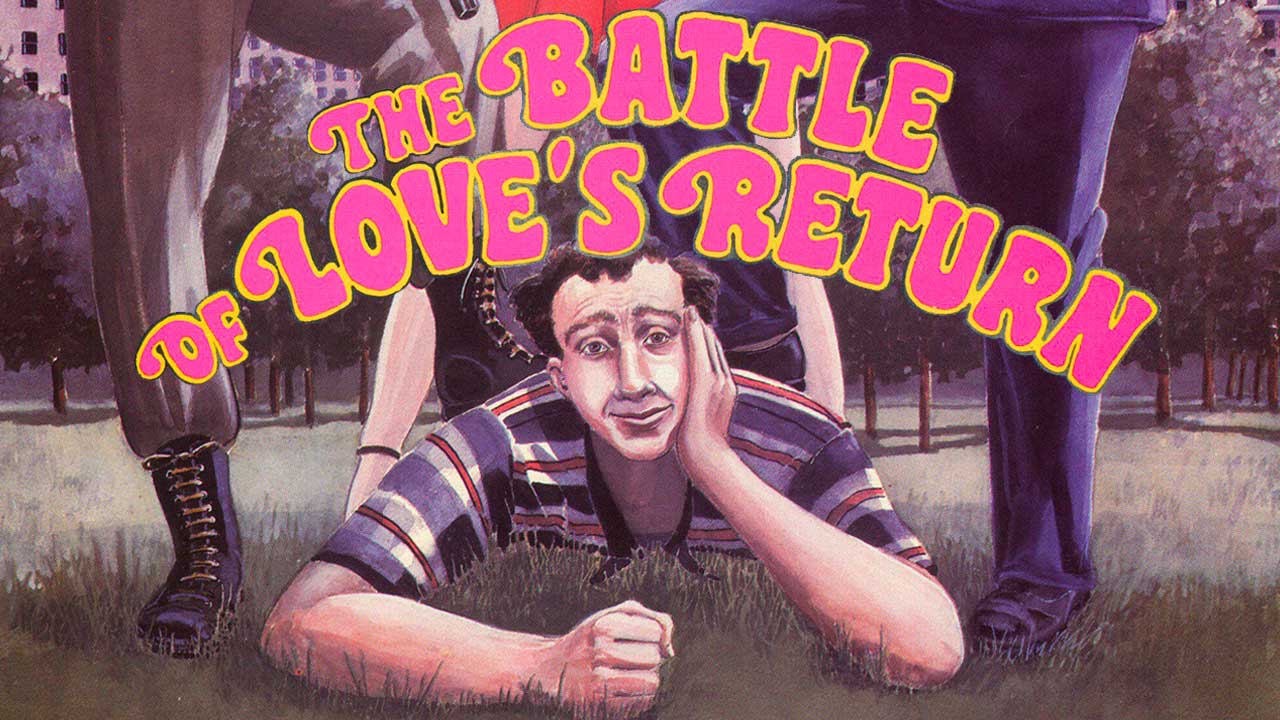
    After graduating from Yale University, Lloyd Kaufman started working for Cannon Films, where he met up-and-coming filmmaker John G. Avildsen. The two first collaborated on the 1970 film Joe, starring Peter Boyle and a then-unknown Susan Sarandon. Soon after, they worked on the 1971 film Cry Uncle, which Kaufman distributed under his then newly formed Troma Entertainment. Around this time, future Oscar-winning director Oliver Stone returned from Vietnam and earned a film degree from New York University. He attended Yale with Kaufman, so Stone decided to co-produce a few movies in the early 1970s. Kaufman also knew producer Frank Vitale, who would collaborate on Kaufman’s first major motion picture after The Girl Who Returned. With an $8,000 budget, Lloyd Kaufman assembled his team to helm a quirky comedy about life in 1970s New York. In June 1971, The Battle of Love’s Return made its way onto the big screen.

    [/et_pb_text][/et_pb_column][et_pb_column type=”1_3″ _builder_version=”4.16″ _module_preset=”default” global_colors_info=”{}”][et_pb_circle_counter title=”Rating” number=”60″ bar_bg_color=”#EDF000″ _builder_version=”4.16″ _module_preset=”default” global_colors_info=”{}”][/et_pb_circle_counter][/et_pb_column][/et_pb_row][et_pb_row _builder_version=”4.16″ _module_preset=”default” global_colors_info=”{}”][et_pb_column type=”4_4″ _builder_version=”4.16″ _module_preset=”default” global_colors_info=”{}”][et_pb_text _builder_version=”4.27.4″ _module_preset=”default” hover_enabled=”0″ global_colors_info=”{}” sticky_enabled=”0″]

    Synopsis

    Abacrombie (Lloyd Kaufman) is a down-on-his-luck loser who can’t seem to catch a break no matter how hard he tries. After failing a big job from his boss Mr. Crumb (Stanley Kaufman), Abacrombie is fired and left wandering the streets. He passes by a coffee shop and sees his Dream Girl (Lynn Lowry), but he’s too shy to go inside. While trying to find himself, he meets a loafer (Andy Kay), who constantly hounds him for being a square. He even tries to help an old lady (Ida Goodcutt) cross the street but gets beaten by her. At one point, he tries joining a hippie commune only to get laughed at by them and the cops. Despite being scorned by his Dream Girl, Abacrombie is determined to make a name for himself at any cost. Will he succeed and win the battle of love’s return?


    Review

    Compared to Lloyd’s first film, The Battle of Love’s Return is more engaging and not as tedious to watch. While the film is a comedy, don’t expect a joke every five minutes as it veers closer to arthouse territory. There are these odd black-and-white vignettes between the narrative segments where some actors give improvised interviews. I’m not sure what their purpose is other than to paint a picture of people in the early 1970s. Admittedly, the only one I was mildly interested in was where Lynn Lowry plays a Southern belle looking for love. Speaking of, just like in Sugar Cookies, Lowry is positively stunning and is having fun saying some exaggerated lines. Also, look out for an early appearance from Oliver Stone, who has a bit part as Cliff, Abacrombie’s co-worker. He only has one scene, but it’s cool to see him at such a young age.

    Lloyd Kaufman is a mixture of Charlie Chaplin, Buster Keaton, and even some Mel Brooks in terms of acting. Most of the humor is rooted in old-school slapstick, so if you’re not a fan, you probably won’t enjoy this. He moves with exaggerated body movements and gives the same cartoonish faces you’d see in his later films. As far as filmmaking goes, he shoots this in an arthouse style with occasional black-and-white, extreme close-ups, and long takes. While there is a plot, there isn’t any particular structure or complete sequence of events. Things just happen without much of an explanation, like going from hanging with hippies to suddenly fighting in Vietnam. It might be somewhat confusing, but it’s a brisk watch at slightly under 90 minutes, and it’s an intriguing experience. Overall, The Battle of Love’s Return is a fascinating if disjointed early look at Kaufman’s long career.


    Buy The Battle of Love’s Return from Amazon: https://amzn.to/4nX26i0.

    Disclosure: The above link is an affiliate link, which means that, at no additional cost, I will earn a commission if you click through the link and make a purchase.

    [/et_pb_text][et_pb_code _builder_version=”4.27.4″ _module_preset=”default” global_colors_info=”{}”]

    Where to watch The Battle of Love’s Return (1971)

    data-api-key=”LMVDLdLSH5ZJnQ4FMGMgyJCB8cmGbfCV” data-object-type=”Movie” data-title=”The Battle of Love’s Return” data-year=”1971″ data-theme=”light”>

    [/et_pb_code][/et_pb_column][/et_pb_row][/et_pb_section]
  • Jackass Forever (2022)

    Jackass Forever (2022)

    [et_pb_section fb_built=”1″ _builder_version=”4.14.7″ _module_preset=”default” global_colors_info=”{}”][et_pb_row column_structure=”2_3,1_3″ _builder_version=”4.14.7″ _module_preset=”default” global_colors_info=”{}”][et_pb_column type=”2_3″ _builder_version=”4.14.7″ _module_preset=”default” global_colors_info=”{}”][et_pb_text _builder_version=”4.14.7″ _module_preset=”default” hover_enabled=”0″ global_colors_info=”{}” sticky_enabled=”0″]

    On October 1, 2000, the reality comedy series Jackass premiered on MTV and became an instant hit. Despite numerous controversies, the show ran for three seasons, spawned several spin-off shows, and even a feature film in 2002. The movie grossed $79.5 million worldwide on a budget of $5 million despite its poor critical reception. Though they intended for the movie to be the finale, the crew later made Jackass Number Two in 2006. The sequel grossed even more at the box office and received higher praise than the original. In 2010, Jackass 3D hit theaters and became the highest-grossing film of the series, making over $170 million worldwide. The spin-off movie Bad Grandpa hit theaters in 2013, making over $150 million worldwide and earning an Oscar nomination. After years of discussion and speculation, the long-awaited fourth main film, Jackass Forever, hit theaters in 2022.

    [/et_pb_text][/et_pb_column][et_pb_column type=”1_3″ _builder_version=”4.14.7″ _module_preset=”default” global_colors_info=”{}”][et_pb_circle_counter title=”Rating” number=”85″ bar_bg_color=”#7CDA24″ _builder_version=”4.14.7″ _module_preset=”default” global_colors_info=”{}”][/et_pb_circle_counter][/et_pb_column][/et_pb_row][et_pb_row _builder_version=”4.14.7″ _module_preset=”default” global_colors_info=”{}”][et_pb_column type=”4_4″ _builder_version=”4.14.7″ _module_preset=”default” global_colors_info=”{}”][et_pb_text _builder_version=”4.14.7″ _module_preset=”default” hover_enabled=”0″ global_colors_info=”{}” sticky_enabled=”0″]

    Synopsis

    The film opens with an extended sequence that pays tribute to kaiju movies, except the monster is Chris Pontius’ phallus. After that, the movie turns into a series of stunts and pranks pulled by the old crew and new members. We see Johnny Knoxville attacked by a bull, Steve-O’s nethers used as a beehive, and Wee Man pecked by vultures. The newcomers – Sean “Poopies” McInerney, Zach Holmes, Jasper Dolphin, Rachel Wolfson, and Eric Manaka – are put through the wringer. They get stung on the lip by scorpions, glide onto cactuses, and ride a bicycle into a fake wall. The old crew revisits some of their old stunts, including The Cup Test and The Underwater Fart. Some of the guests featured include Tyler, the Creator, Eric André, Machine Guy Kelly, Rob Dyrdek, and Francis Ngannou. In true Jackass fashion, no one should attempt to replicate the stunts performed.


    Review

    Usually, sequels made years later tend not to be very good or even watchable, but Jackass Forever is an exception. Going into this, I was worried the returning cast was too old, and the new people would drag it down. Thankfully, the newcomers are just as funny as the old guard, who still have that daredevil energy they’re known for. Just the fact that the nearly 50-year-old Steve-O was willing to have bees on his Johnson is impressive. The new talent held their own and showed that they were just as willing to endure punishment as the oldies. There were several instances where I squirmed in my chair and laughed harder than I have in a while. Even the stunts from the trailer still got me gasping at how far they went with it. Some bits don’t land as well as others, but even those are still highly entertaining.

    This movie isn’t going to convert anyone who isn’t a Jackass fan, but you’ll probably know that going in. Like every movie in this series, this has tons of crude humor, foul language, and total disregard for one’s safety. It’s easy to criticize this movie for not having any plot, but that’s not the kind of movie this is. These guys weren’t looking to change the world through cinema but just wanted to have a good time. Most likely, this will be the last Jackass movie we’ll ever see, so they at least went out swinging. On a side note, despite the controversy surrounding Bam Margera’s absence, here’s hoping he gets the help he needs. While this film won’t be sweeping the awards anytime soon, it’s still a fun, if occasionally wince-inducing, thrill ride. Overall, Jackass Forever may not last forever, but it’s still a good send-off for this franchise.


    Buy tickets to Jackass Forever from Fandango: https://fandan.co/3rVqFT3.

    [/et_pb_text][/et_pb_column][/et_pb_row][/et_pb_section]

  • The Girl Who Returned (1969)

    The Girl Who Returned (1969)

    [et_pb_section fb_built=”1″ _builder_version=”4.14.7″ _module_preset=”default” global_colors_info=”{}”][et_pb_row column_structure=”2_3,1_3″ _builder_version=”4.14.7″ _module_preset=”default” global_colors_info=”{}”][et_pb_column type=”2_3″ _builder_version=”4.14.7″ _module_preset=”default” global_colors_info=”{}”][et_pb_text _builder_version=”4.14.7″ _module_preset=”default” hover_enabled=”0″ global_colors_info=”{}” sticky_enabled=”0″]

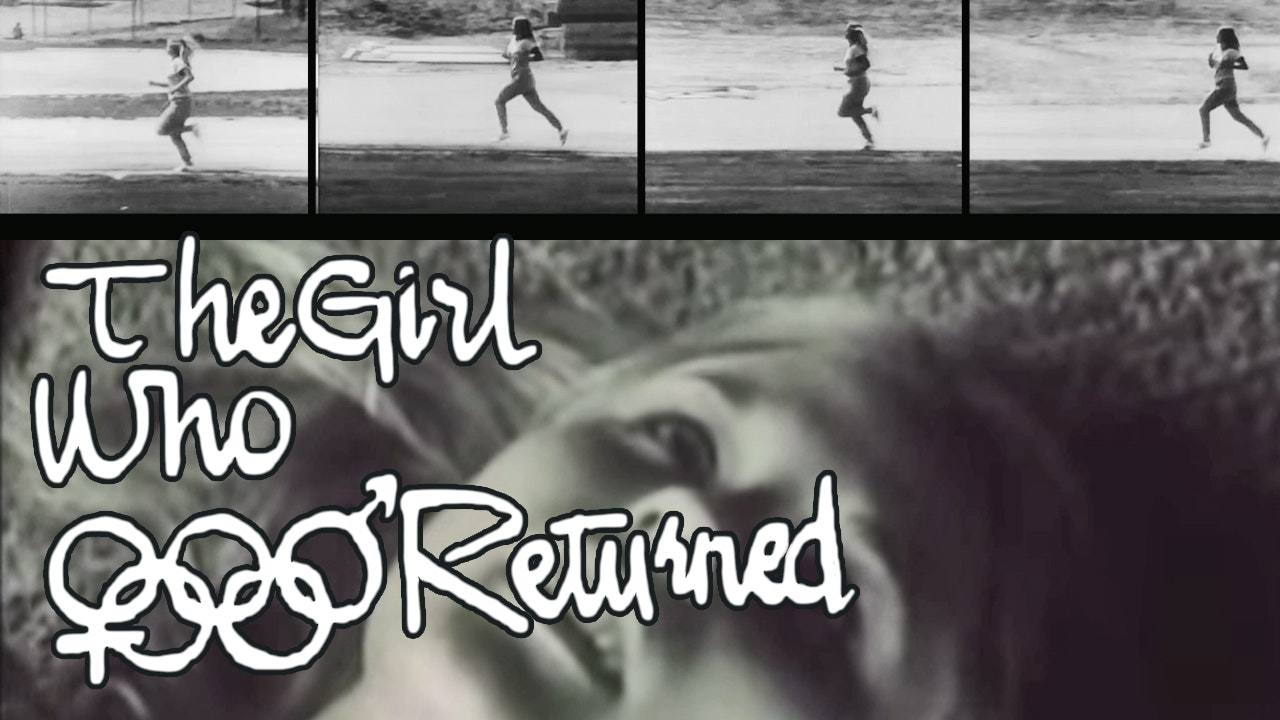
    Long before he brought us The Toxic Avenger, Lloyd Kaufman was a student at Yale University majoring in Chinese studies. In 1966, Kaufman took a break from college to work in the Peace Corps as a pathfinder in Chad. After returning home, he worked as a producer on the film Rappaccini by director Robert Edelstein. Towards the end of his college career, Kaufman decided to try his hand at filmmaking, working with a $2,000 budget. Kaufman could only afford a Bolex camera that didn’t have sound sync and could only record up to 40 seconds. Most of the cast was unknown actors who haven’t appeared in anything since, though future producer Michael Herz appeared. Once filming wrapped, various east coast universities, including Yale and Harvard, screened the film for an eager audience. Now, let’s go back to 1969 and look at Kaufman’s directorial debut, The Girl Who Returned.

    [/et_pb_text][/et_pb_column][et_pb_column type=”1_3″ _builder_version=”4.14.7″ _module_preset=”default” global_colors_info=”{}”][et_pb_circle_counter title=”Rating” number=”50″ bar_bg_color=”#E09900″ _builder_version=”4.14.7″ _module_preset=”default” hover_enabled=”0″ global_colors_info=”{}” sticky_enabled=”0″][/et_pb_circle_counter][/et_pb_column][/et_pb_row][et_pb_row _builder_version=”4.14.7″ _module_preset=”default” global_colors_info=”{}”][et_pb_column type=”4_4″ _builder_version=”4.14.7″ _module_preset=”default” global_colors_info=”{}”][et_pb_text _builder_version=”4.14.7″ _module_preset=”default” hover_enabled=”0″ global_colors_info=”{}” sticky_enabled=”0″]

    Synopsis

    In an alternate reality, the only nations left on Earth are Luxembourg, comprised of women, and Mongolia, ruled by men. Each country competes in an Olympics competition every four years to determine who controls the world. Lucy (Gretchen Herman) trains with her strict coach Geneva (Beverly Galley) to become the best runner in Luxembourg. However, Lucy feels drained and controlled by her domineering coach, so she breaks free from home. She makes her way to Mongolia, where she meets a man (Tim McClean) and instantly falls in love. While the two of them grow as a couple, the Olympics in Luxembourg is in full swing. Soon, Lucy has to decide between her newfound lover and her devotion to her home country. At least, that’s what I think is supposed to be happening in this otherwise jumbled mess of shots.


    Review

    Usually, I can write a review of just about any movie with relatively no trouble, even if they’re incomprehensible. However, I was utterly baffled by The Girl Who Returned and didn’t know what I could say. On the one hand, it’s a fascinating piece of Troma and Lloyd Kaufman’s career history. On the other hand, it’s one of the most confusing and indecipherable movies I’ve ever seen. Of course, not every filmmaker’s first feature will be as good as Citizen Kane or Reservoir Dogs. That said, this feels like the stereotypical student film: black and white photography, no dialogue, and non-traditional storytelling. Also, like many student films, this comes off somewhat pretentious and too ambitious for its own good. It says a lot when even Lloyd Kaufman, the film’s director, refers to the movie as “boring.”

    Since this is a silent film, judging the acting is challenging since there’s no audible dialogue. Going off of body language, much of the cast feels stiff and uninterested, like the actors have no direction. They lack the emotional expression of silent film stars like Buster Keaton, Charlie Chaplin, or Lon Chaney. It doesn’t help that there aren’t any dialogue cards to show us what the characters are saying. The only information given to us comes from a pair of narrators who sound like they’re making things up. At 66 minutes, the film drags on and on until it abruptly ends with no clear resolution. Like I said earlier in the review, Troma completionists will probably enjoy watching this as a curiosity, but that’s it. Overall, The Girl Who Returned has its place, but I wouldn’t recommend this to Troma newcomers.


    Watch The Girl Who Returned on Troma Now: https://bit.ly/3qTL8XI.

    [/et_pb_text][/et_pb_column][/et_pb_row][/et_pb_section]
  • Blades (1989)

    Blades (1989)

    [et_pb_section fb_built=”1″ _builder_version=”4.14.5″ _module_preset=”default” global_colors_info=”{}”][et_pb_row column_structure=”2_3,1_3″ _builder_version=”4.14.5″ _module_preset=”default” global_colors_info=”{}”][et_pb_column type=”2_3″ _builder_version=”4.14.5″ _module_preset=”default” global_colors_info=”{}”][et_pb_text _builder_version=”4.14.5″ _module_preset=”default” global_colors_info=”{}”]

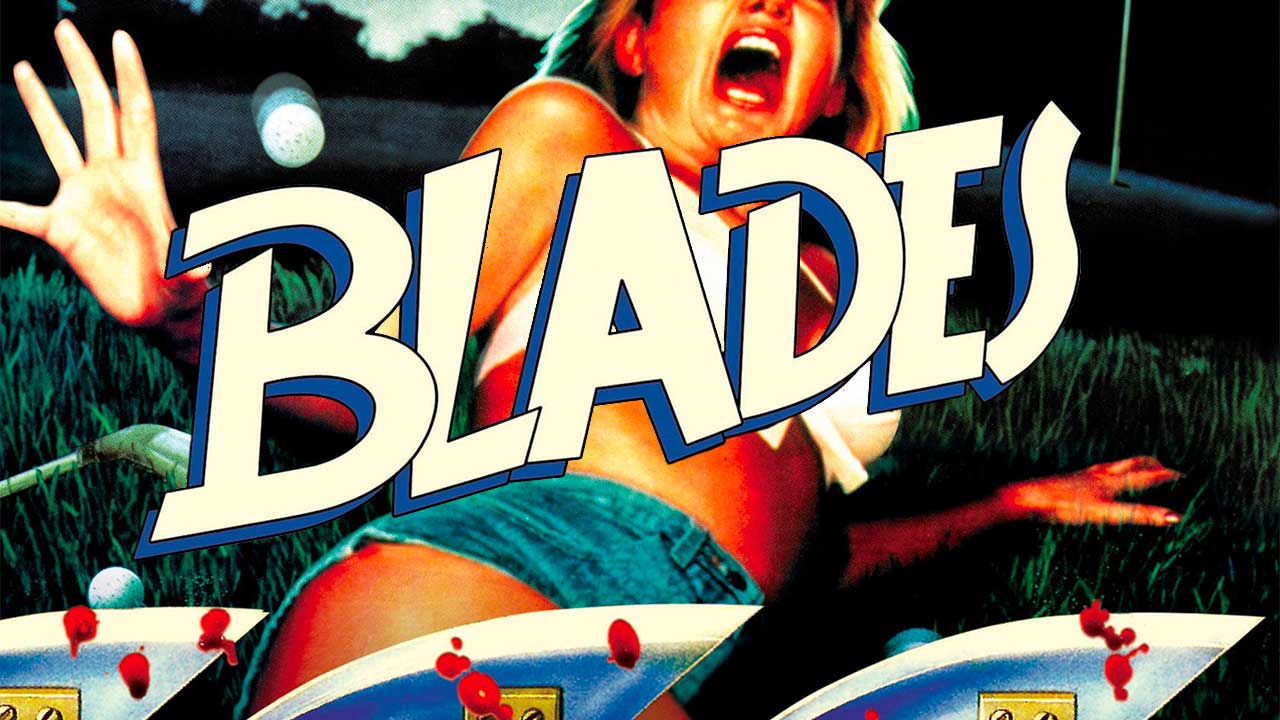
    In 1975, Steven Spielberg’s Jaws became an instant pop culture phenomenon and ushered in the Hollywood blockbuster. Over the years, the film influenced numerous filmmakers and spawned several spoofs and knock-offs trying to capitalize on its success. One person inspired by the Spielberg classic was up-and-coming producer John Finegan, who was looking into making low-budget horror films. The son of a pro golfer, he spent much of his childhood on a golf course with a giant lawnmower. Seeing this gave Finegan the idea to make a spoof of the Spielberg classic with a lawnmower replacing the shark. During a presentation at NYU, Finegan recruited aspiring filmmakers Thomas Rondinella and Bill Pace to work on Girl School Screamers. Once they wrapped filming, Finegan assigned them to work on the Jaws parody film. In 1989, Troma Entertainment distributed the killer lawnmower movie Blades.

    [/et_pb_text][/et_pb_column][et_pb_column type=”1_3″ _builder_version=”4.14.5″ _module_preset=”default” global_colors_info=”{}”][et_pb_circle_counter title=”Rating” number=”60″ bar_bg_color=”#EDF000″ _builder_version=”4.14.5″ _module_preset=”default” global_colors_info=”{}”][/et_pb_circle_counter][/et_pb_column][/et_pb_row][et_pb_row _builder_version=”4.14.5″ _module_preset=”default” global_colors_info=”{}”][et_pb_column type=”4_4″ _builder_version=”4.14.5″ _module_preset=”default” global_colors_info=”{}”][et_pb_text _builder_version=”4.14.5″ _module_preset=”default” hover_enabled=”0″ global_colors_info=”{}” sticky_enabled=”0″]

    Synopsis

    At the Tall Grass Country Club, owner Norman Osgood (William Towner) is preparing for the annual golf tournament. He hires former golfer Roy Kent (Robert North) to organize the event, much to Kelly Lange’s (Victoria Scott) chagrin. Unfortunately, things take a turn for the worst when several people are found dead all over the golf course. Kelly wants to cancel the tournament until they find the killer, but Norman insists the event will stay on. Norman organizes a local search party to search for whoever is responsible as the killings continue. They accuse local groundskeeper Deke Slade (Jeremy Whelan), but he insists that a rogue lawnmower is running amok. After proving to Norman what’s going on, Roy and Kelly team up with Deke to destroy the lawnmower. Just when you thought it was safe to putt, you’ll wish you stayed at the country club.


    Review

    Blades isn’t quite as good as Joe Dante’s Piranha as a Jaws parody, but it’s still enjoyable. People who have practically studied the 1975 film top to bottom will recognize all the scenes copied here. What helps this film stand out is that, instead of an animal attacking people, it’s a machine this time around. The idea of an ordinary lawnmower becoming sentient and killing people is a darkly comedic spin on something so familiar. Like the killer shark movie, this one uses plenty of POV shots before revealing the lawnmower in the climax. When we finally see the lawnmower, it has a monstrous yet straightforward design that’s appropriately ridiculous and threatening. There are some reasonably gruesome death scenes, though most of them consist of people getting their legs chewed off. Even still, this is arguably the best movie about a killer lawnmower for what it’s worth.

    For a low-budget horror-comedy, the cast does a primarily above-average job delivering their lines, though there aren’t many stand-outs. Perhaps the only real stand-out is Jeremy Whelan, who gives a performance that’s almost too good for this type of movie. He plays the part as if he were Robert Shaw rather than just an imitation of his Quint character. While he’s no Roy Schieder, Robert North makes a decent lead and has some interesting character flaws. In addition to filling in the Richard Dreyfuss role, Victoria Scott has some good back-and-forths with North. William Towner fills in for the Amity Island mayor, but he doesn’t have the charisma Murray Hamilton had. At slightly over 90 minutes, the film does take a while to get going, but it goes by quickly. Overall, Blades is a decent parody with above-average acting and a unique concept that B-movie fans can enjoy.


    Buy Blades from Amazon: https://amzn.to/3zMKNsQ.

    Disclosure: The above link is an affiliate link, which means that, at zero cost to you, I will earn a commission if you click through the link and finalize a purchase.

    [/et_pb_text][/et_pb_column][/et_pb_row][/et_pb_section]
  • Monster in the Closet (1986)

    Monster in the Closet (1986)

    [et_pb_section fb_built=”1″ _builder_version=”4.14.1″ _module_preset=”default” global_colors_info=”{}”][et_pb_row column_structure=”2_3,1_3″ _builder_version=”4.14.1″ _module_preset=”default” global_colors_info=”{}”][et_pb_column type=”2_3″ _builder_version=”4.14.1″ _module_preset=”default” global_colors_info=”{}”][et_pb_text _builder_version=”4.14.1″ _module_preset=”default” global_colors_info=”{}”]

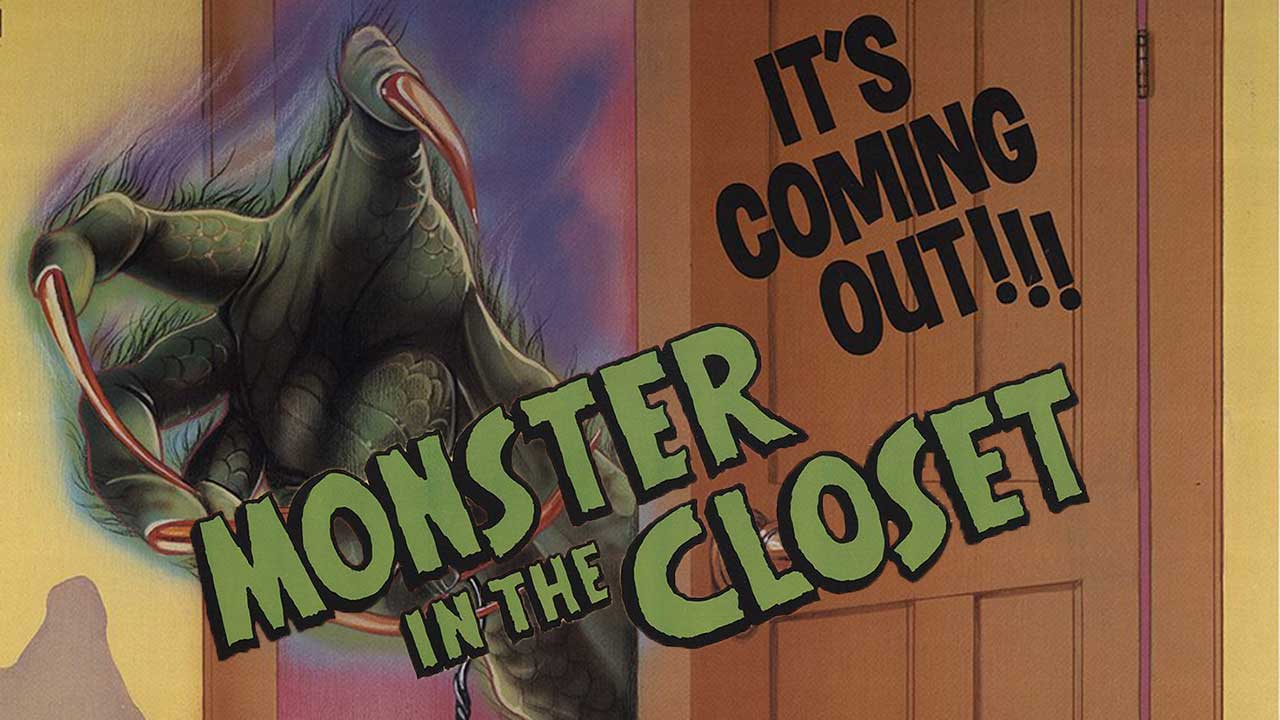
    As kids, we were fearful of monsters lurking in our bedrooms, whether under the bed or in the closet. We realize just how dumb this fear is as we get older, eventually getting over it. In 2001, Pixar tried showing us what the monsters living in our closets were doing when we weren’t sleeping. That movie was Monsters, Inc., and it showed us that not all monsters are nasty. However, years before Sully and Mike Wazowski warmed our hearts, writer/director Bob Dahlin tapped into that fear. Dahlin started the industry with the 1973 short film Norman Nurdelpick’s Suspension: A Tribute to Alfred Hitchcock. After that, he worked as an assistant director on movies like Damien: Omen IIAnd Justice For All, and Popeye. In 1983, Dahlin directed his only feature film, Monster In The Closet, though it wouldn’t see a release until 1986.

    [/et_pb_text][/et_pb_column][et_pb_column type=”1_3″ _builder_version=”4.14.1″ _module_preset=”default” global_colors_info=”{}”][et_pb_circle_counter title=”Rating” number=”50″ bar_bg_color=”#EDF000″ _builder_version=”4.14.1″ _module_preset=”default” global_colors_info=”{}”][/et_pb_circle_counter][/et_pb_column][/et_pb_row][et_pb_row _builder_version=”4.14.1″ _module_preset=”default” global_colors_info=”{}”][et_pb_column type=”4_4″ _builder_version=”4.14.1″ _module_preset=”default” global_colors_info=”{}”][et_pb_text _builder_version=”4.14.1″ _module_preset=”default” hover_enabled=”0″ global_colors_info=”{}” sticky_enabled=”0″]

    Synopsis

    In a quiet college town near San Francisco, a series of murders has the townsfolk in hysterics. Obituary writer Richard Clark (Donald Grant) is assigned to report on the recent deaths and figure out what’s happening. He meets local science teacher Diane Bennett (Denise DuBarry) and her intelligent son nicknamed ‘Professor’ (Paul Walker). Soon enough, they discover what’s responsible for the murders: a hideous monster (Kevin Peter Hall) who lives in people’s closets. Local eccentric Dr. Pennyworth (Henry Gibson) tries reasoning with the beast and gets clawed to death. General Turnbull (Donald Moffat) and his forces try to destroy the monster, but none of their weapons are successful. With seemingly no options left, our heroes have to fend for themselves against the closet-dwelling monster. But is the monster murderous, or is he misunderstood and possibly looking for love?


    Review

    Monster in the Closet is one of those movies whose idea is more entertaining than the movie itself. This movie isn’t what I’d call a lost Troma classic, but that’s not to say it’s all terrible. The filmmakers wanted to make a spoof of 50s monster movies, though not many jokes land. It doesn’t help either that there are several dead spots, and it takes a while for things to get going. A few gags were pretty funny, particularly a montage of people from all over the world trashing their closets. Another memorable one involves the love interest Diane in a trance whenever Richard’s glasses fall off. One thing that makes this film stand out is the cast of notable character actors, which is staggering. You’ve got appearances from Henry Gibson, Claude Akins, Stella Stevens, Howard Duff, Donald Moffat, Paul Dooley, and John Carradine.

    Another positive I can give this movie is the titular monster, which has a uniquely goofy design. Not only is its mouth constantly open, but it lets out a scream that repeats every time it’s on-screen. It even has a more petite mouth inside of its mouth, similar to the Xenomorph from Alien. I also like how there’s no explanation for what the monster is or where it came from. As I said before, tons of filler scenes drag the movie down until the monster shows up. It’s very similar to 1982’s Nightbeast, though that at least made up for it with tons of blood and gore. I’d recommend the former between the two, though this would still make for a fun bad movie night. Overall, Monster in the Closet doesn’t entirely deliver on the laughs and scares, but it has its moments.


    Rent Monster in the Closet on Amazon Prime: https://amzn.to/3D92tyw

    [/et_pb_text][/et_pb_column][/et_pb_row][/et_pb_section]